


{{goods.model}}
What Makes the CATEKCNC Spire Series Different from Standard CNC Routers?
A standard CNC router can handle many common woodworking tasks, including cutting, engraving, grooving, and milling. For small workshops or businesses with relatively simple production needs, this may be enough. But as a business grows, machining requirements often change. Higher production volumes make automatic tool changing more valuable. More complex parts may require 4-axis or multi-angle machining. Furniture manufacturers may want to complete cutting, drilling, grooving, and side machining within the same workflow. Different materials and workpieces may also require more flexible workholding and machine configurations.
At this point, a more professional CNC wood router can make a difference.
The CATEKCNC Spire CNC Router Series was developed to meet these changing production needs. Rather than offering only a single fixed configuration, the Spire Series combines a more robust machine structure, premium core components, advanced machining options, flexible configurations, and professional technical support. Customers can choose the most suitable combination based on their products and production processes.
So, what exactly makes the Spire CNC router different from a standard CNC router?
I. What Is the CATEKCNC Spire Series?
As the woodworking industry moves toward more professional, efficient, and continuous production, manufacturers are expecting more from their CNC wood routers than basic cutting and engraving. Machine structure, component quality, motion stability, machining consistency, and long-term operating performance all play an important role in the quality of the final product. To meet these higher requirements, CATEKCNC developed the Spire CNC Router Series, providing a professional solution for manufacturers seeking higher CNC machining performance.
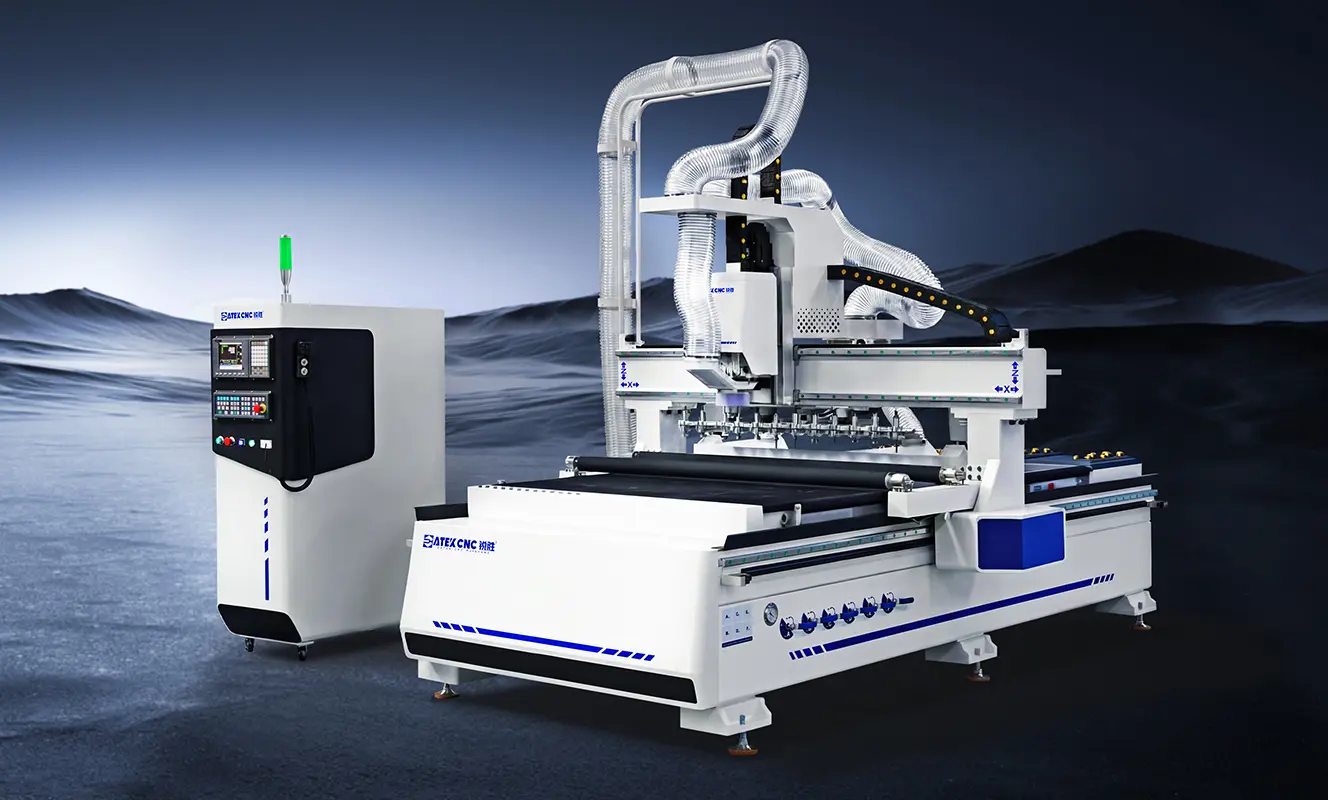
The design philosophy of the Spire Series is clear: professional CNC machining starts with the machine itself. The series places greater emphasis on the overall mechanical structure and the quality of its core components. The machine's structural design has been newly developed to provide a more solid foundation for machining, helping maintain stability during continuous operation and heavy-duty cutting.
Component quality is another important part of the Spire Series. Key systems such as the servo drive, spindle, transmission system, and CNC control system are carefully selected and matched to ensure that they work together as a complete system. For a professional CNC router machine, these systems are closely connected. The spindle determines cutting efficiency, the drive system controls axis movement, the transmission system transfers motion, while the machine structure supports the entire machining process. Therefore, a well-matched system can significantly improve machining consistency and the overall performance of the machine.
The professional positioning of the CATEKCNC Spire Series comes from its focus on the performance of the complete machine. The goal is not simply to add more functions to a CNC wood router, but to create a stronger foundation for demanding production. Whether used for furniture panels, solid wood components, doors and windows, architectural woodworking, or custom wood products, the machine needs to maintain stability when performing repeated machining operations.
At the same time, the Spire Series offers multiple configurations to meet different production requirements. Customers can choose different working sizes, worktable configurations, spindle options, and machining functions according to their applications. The series includes 3-axis CNC routers, linear ATC CNC routers, 4-axis CNC routers, as well as configurations equipped with drilling units, four-side angle heads, rotary axes, CCD vision systems, and oscillating knives.
Explore the CATEKCNC Spire CNC Router Series
This flexibility allows the Spire CNC router to be used for a wide range of professional woodworking applications. The 3-axis configuration can handle common cutting, engraving, milling, and grooving operations, while the automatic tool changing configuration is suitable for production requiring multiple tools. For more complex parts, 4-axis or multi-angle machining provides greater flexibility. In panel furniture manufacturing, configurations combining automatic tool changing, drilling, and multi-side machining can integrate more processes into a single production workflow.
In other words, the Spire Series is not limited to a single machine size or machining function. It is a professional CNC machining platform with a stronger mechanical foundation, carefully selected core components, and application-oriented configurations.
For manufacturers investing in an industrial CNC router for continuous production, the machine needs to do more than complete individual machining tasks. It must provide a reliable foundation for repeated production, maintain stable motion and machining performance, and offer sufficient configuration flexibility to support changing production requirements.
This is the purpose of the CATEKCNC Spire Series: to combine advanced mechanical structure, premium components, and flexible CNC configurations to create a professional CNC router solution designed for demanding woodworking production.
II. Designed for Professional Machining
For a professional CNC wood router, the mechanical structure is the foundation of the entire machine. Cutting speed, spindle performance, axis movement, and machining accuracy all depend on how effectively the machine structure supports and coordinates these systems. During continuous machining, the machine needs to handle rapid movement, frequent acceleration and deceleration, changes in cutting direction, and continuous cutting forces. If the structure cannot provide sufficient rigidity and stability, these factors can affect machining consistency and the quality of the finished workpieces.
The frame, gantry, transmission system, guide system, and machining head of the CATEKCNC Spire Series are treated as an integrated structure rather than as separate components. This design helps the CNC router machine maintain stable movement while the spindle performs continuous cutting, milling, engraving, and other machining operations.
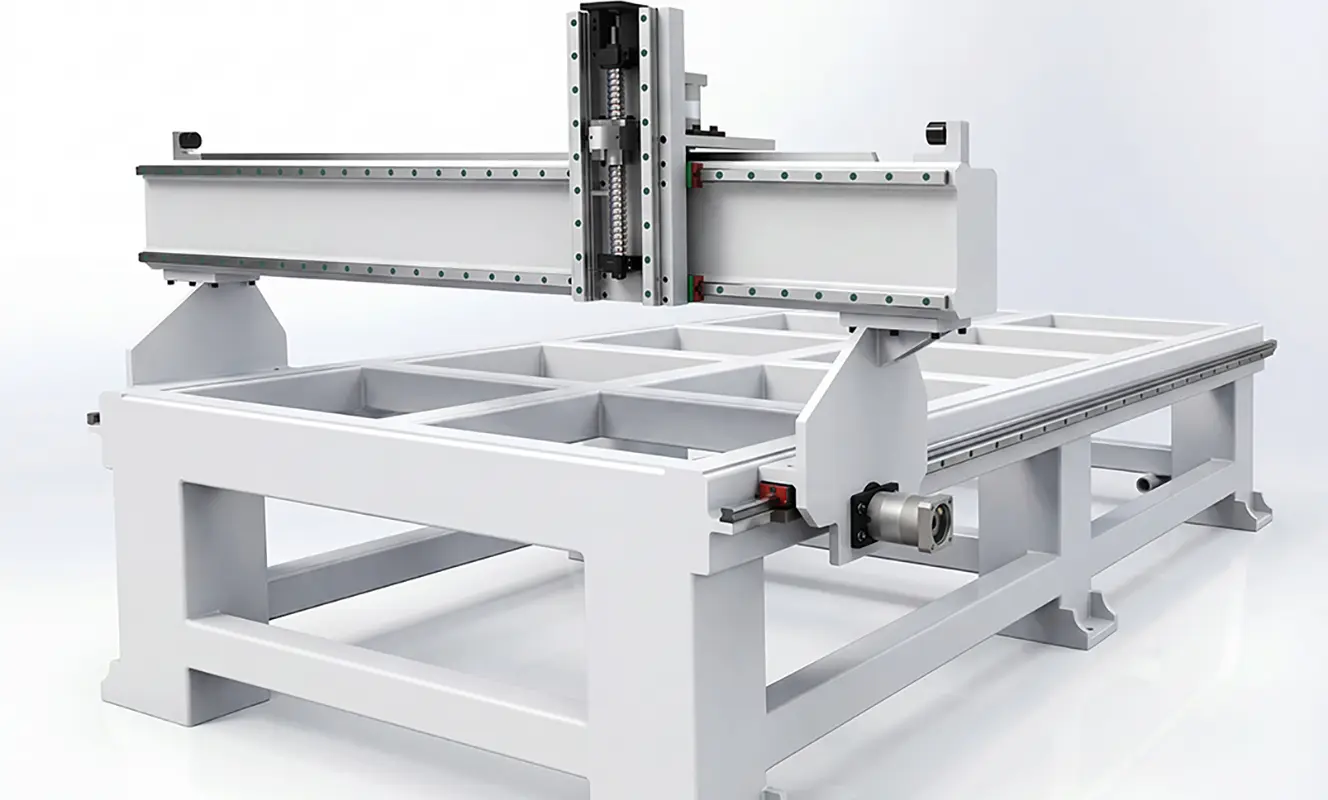
For manufacturers, structural strength becomes particularly important when the machine is used for long production cycles. A CNC router may need to repeatedly accelerate, decelerate, change direction, and process different materials throughout the working day. Therefore, the machine needs to maintain mechanical stability not only during a single machining operation, but also throughout repeated production cycles. The Spire structure provides a solid foundation for the drive system and spindle, helping the machine maintain stable movement and machining conditions during continuous operation.
The structure also needs to support different types of CNC machining. The Spire Series can be configured for standard 3-axis milling, automatic tool changing, 4-axis machining, and other advanced applications. Each configuration places different demands on the machine. For example, an ATC CNC router needs to maintain stable movement while changing different tools and continuing along the programmed toolpath, while a 4-axis CNC router requires coordinated movement when machining angled, curved, or multi-sided components. Larger machines also require sufficient structural stability to maintain consistent performance across a larger working area.
Therefore, the mechanical design of the Spire Series is not simply focused on increasing the strength or weight of the machine. More importantly, the goal is to create a balanced structure that works efficiently with the transmission, drive system, spindle, and CNC control system. When these components are properly integrated, the machine can respond more consistently to programmed movements and cutting forces, which is particularly important for manufacturers producing the same components repeatedly.
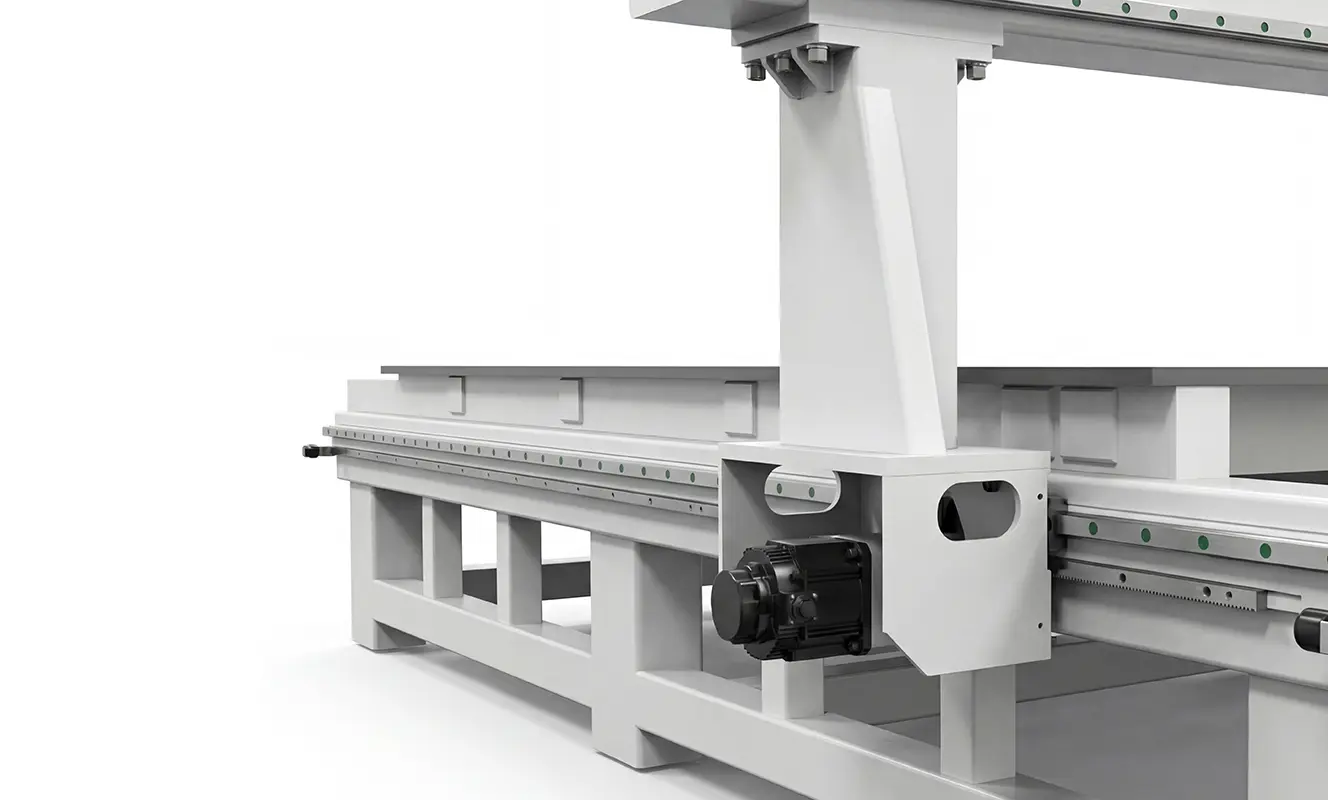
This advantage is even more noticeable in professional applications such as furniture manufacturing, cabinet production, door and window processing, architectural woodworking, and large-format CNC machining. These applications often require long operating hours and consistent machining results across multiple workpieces. A stable mechanical platform provides a stronger foundation for the machine, helping maintain repeatable machining performance while reducing the effects of vibration and unnecessary movement during cutting.
III. Premium Components for Better CNC Router Performance
The performance of a professional CNC wood router depends on how well its internal systems work together. The machine structure provides the foundation, the transmission system determines the accuracy of machine movement, the servo system controls the response and positioning of each axis, the spindle performs the actual cutting, while the electrical and control components coordinate the entire machining process. Therefore, component selection is one of the key factors determining the performance of the CATEKCNC Spire Series.
A CNC router machine needs to continuously accelerate, decelerate, change direction, and adjust its position according to the programmed toolpath. For a professional CNC router, these movements need to be both responsive and stable, especially when machining detailed patterns or repeatedly producing the same components. The Spire CNC router uses a servo configuration with independent drives for the X and Z axes and dual drives for the Y axis. This dual-drive configuration helps ensure balanced movement on both sides of the gantry, which is particularly important for a larger working area where both sides of the gantry need to remain synchronized.
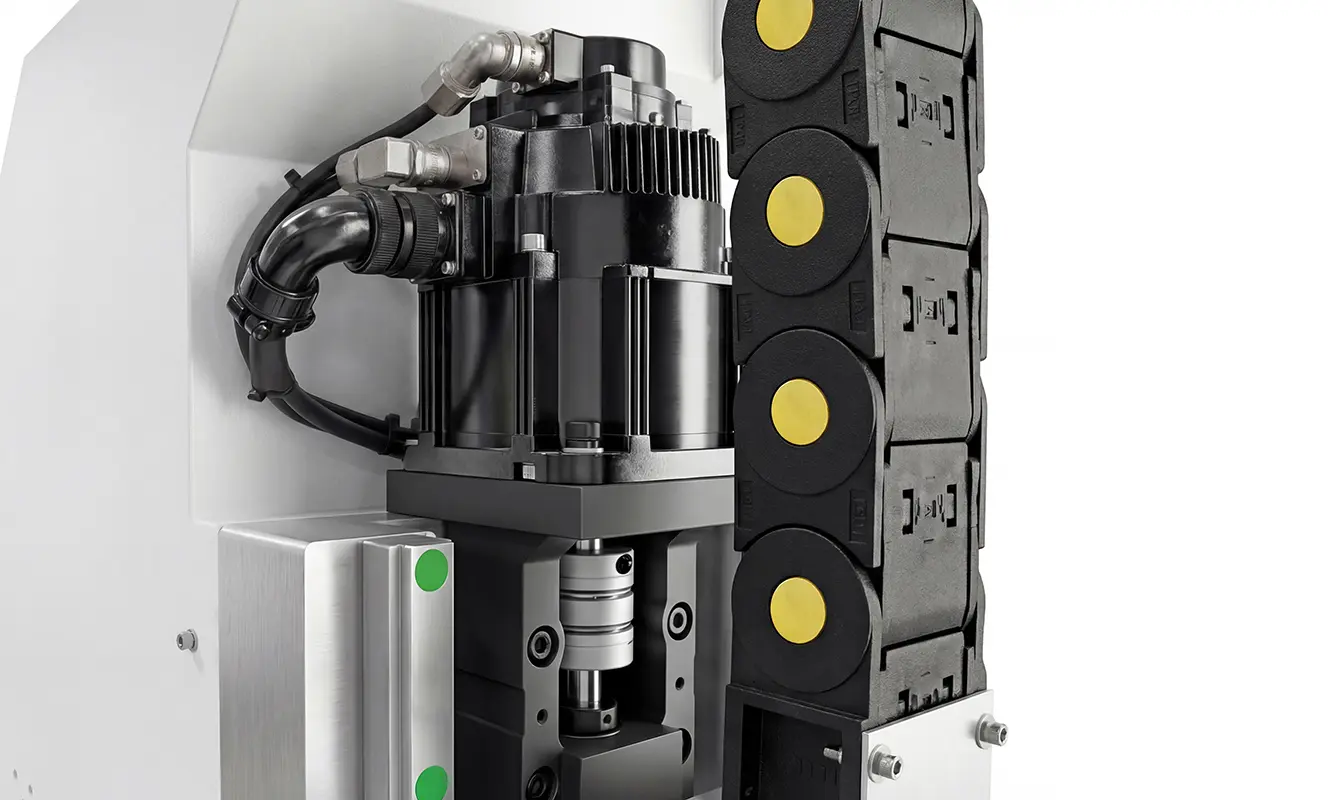
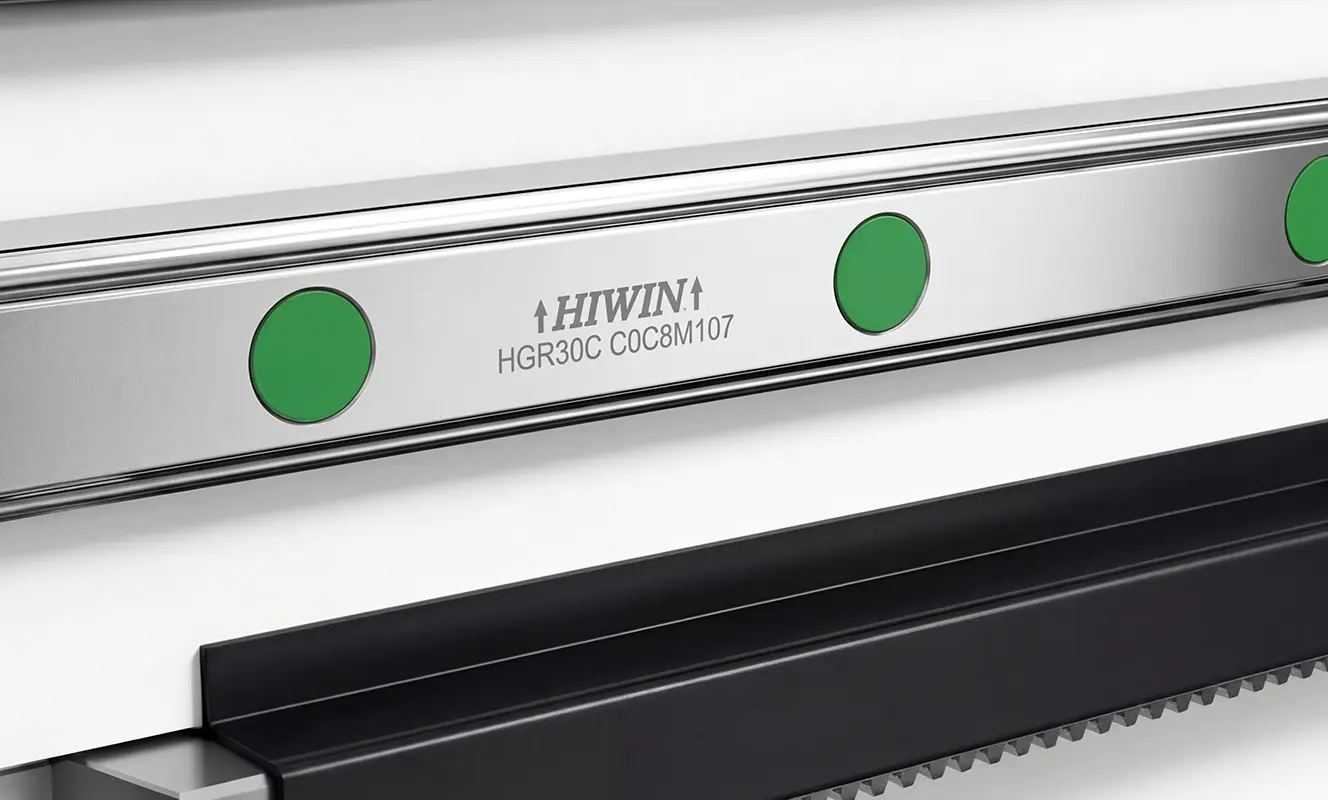
The HIWIN linear guideways and YYC ground helical rack system work together with the servo system to transfer controlled movement into actual machine motion. The guideways provide a stable path for the moving components, while the rack-and-pinion system transfers motor power to the different parts of the machine. A CNC wood router needs to perform thousands of small movements according to a preset toolpath. Smooth and consistent transmission helps the cutting tool follow the programmed path more reliably, especially when machining detailed furniture components, decorative patterns, or repeated parts.
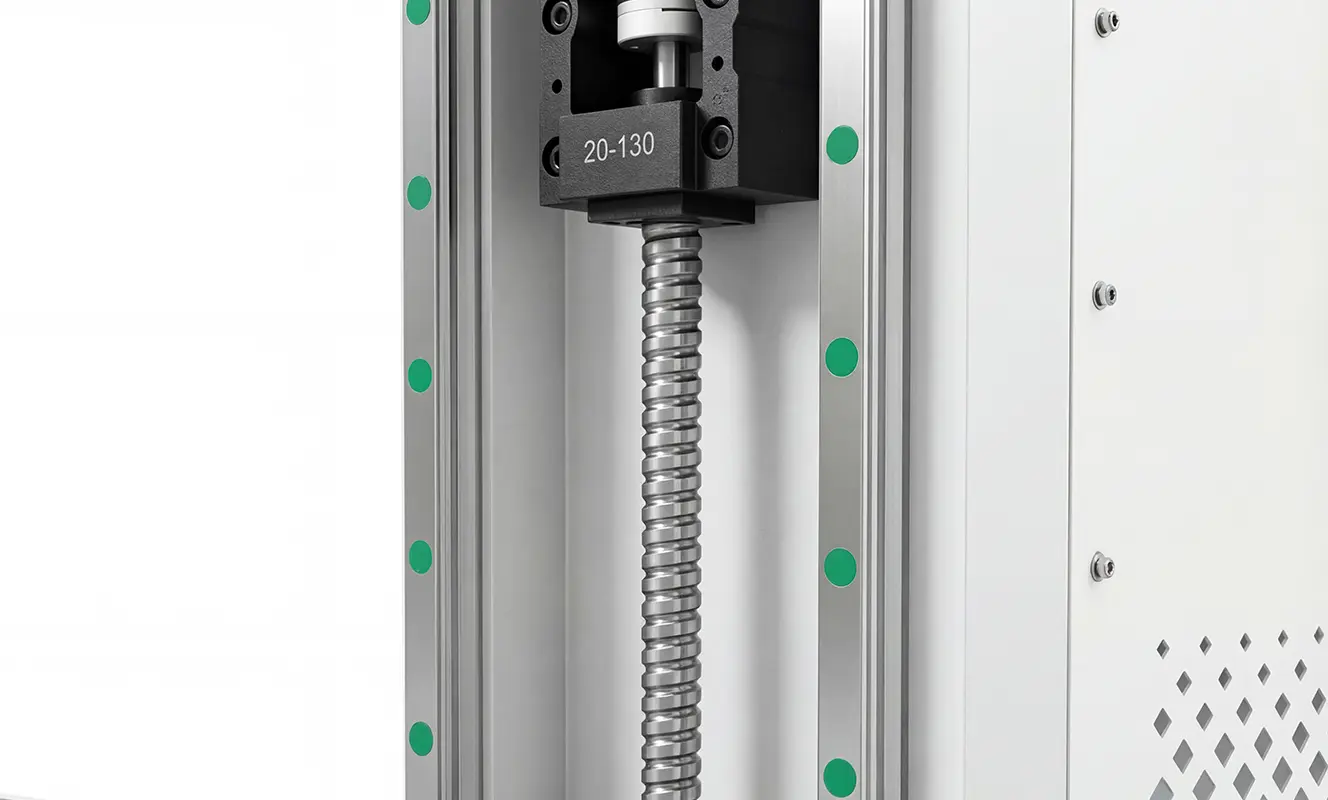
The Z axis uses a TBI ground ball screw. When setting cutting depth, engraving, pocketing, or performing other machining operations, the spindle needs to move up and down accurately. A high-precision ball screw helps maintain accurate Z-axis movement and reduce unnecessary play in the transmission system. For a large CNC router, stable power transmission and coordinated movement are equally important. The reducer works together with the servo system to provide controlled torque and stable power transmission, helping the machine handle rapid positioning and heavy-duty cutting operations with ease.
At the cutting end of the system is the HSD high-speed spindle. Whether the machine is cutting sheet materials, engraving decorative details, milling solid wood, or processing materials such as medium-density fiberboard (MDF) and acrylic, the spindle needs to maintain stable rotation under cutting tool load.
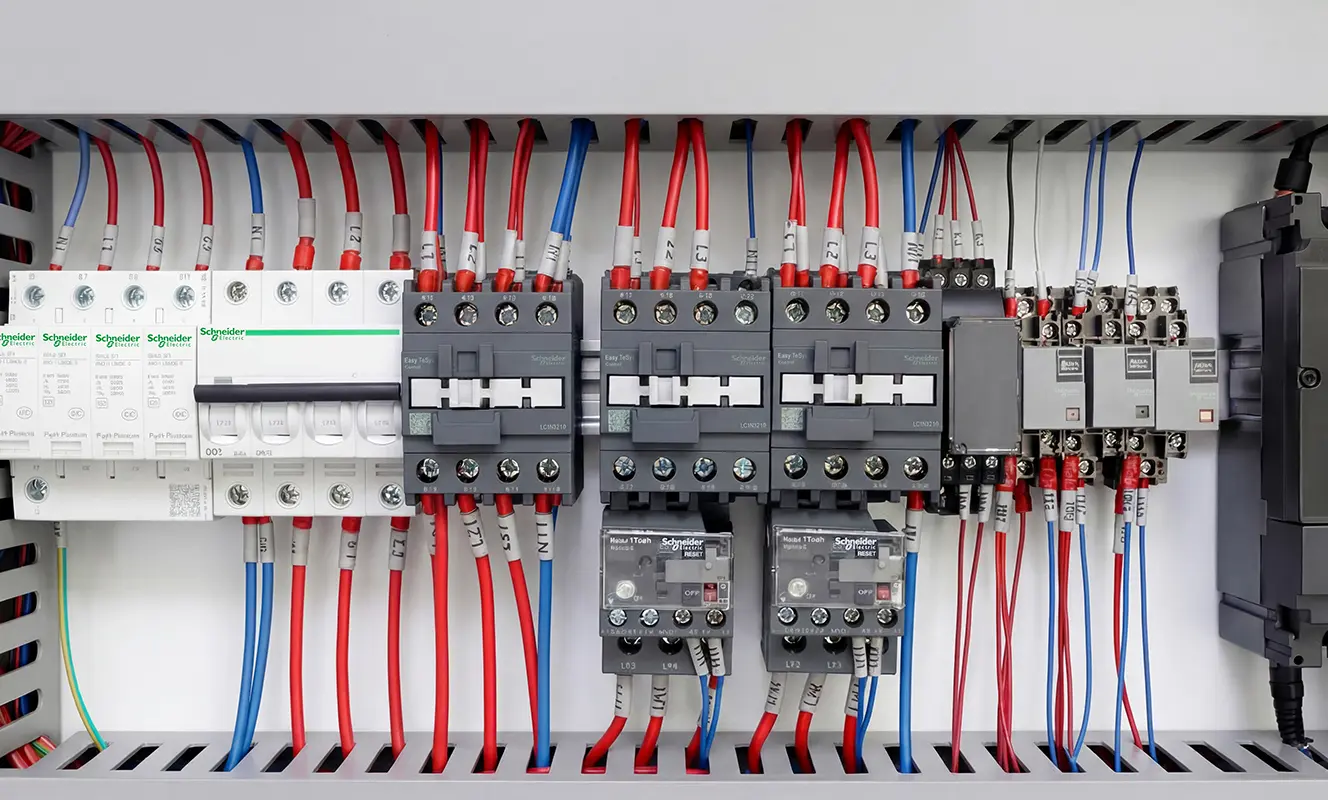
The quality of the electrical system is also very important. The Spire Series uses Schneider electrical components and a Delta variable frequency drive to provide the required control and protection for the machine's electrical and spindle systems. These components do much more than simply switch the machine on and off. They also manage power output, spindle operation, protection functions, and communication between different parts of the machine. The Spire CNC router is equipped with a well-designed electrical system that helps simplify machine operation and maintenance.
The Weihong CNC control system integrates these individual systems at the operating level. A CNC router must coordinate axis movement, spindle operation, toolpaths, positioning, and other machining commands in real time. The CNC router's control configuration supports functions such as machining simulation, breakpoint recovery, and toolpath optimization, giving operators greater flexibility when managing production jobs.
There are also supporting components that can improve everyday operating efficiency. For example, an automatic tool setter can simplify tool measurement after a tool change, while a zoned vacuum table helps operators secure panels of different sizes more efficiently. Positioning cylinders can also provide a consistent reference point when loading panels. Although these functions do not directly determine the cutting capability of the machine, they can reduce repetitive manual operations and make the overall production process more convenient and efficient.
Most importantly, what matters is how these components work together as a complete system. A high-quality spindle cannot compensate for an unstable transmission system, and if the mechanical structure cannot properly support servo motor movement, the system cannot achieve its full potential. Therefore, the Spire Series CNC router combines a robust mechanical structure with quality drive, transmission, spindle, control, and electrical components to provide more complete performance for professional woodworking and CNC machining applications.
IV. Designed for More Demanding and Efficient CNC Machining
The value of a professional CNC wood router is not only reflected in the number of functions it offers. More importantly, it is about how these functions help manufacturers handle different machining requirements, reduce unnecessary setup, and keep the production process running smoothly. The CATEKCNC Spire Series is designed around this idea, offering multiple machining configurations to meet project requirements ranging from basic cutting and engraving to automatic tool changing, angle machining, drilling, and multi-side machining.
This makes the Spire Series particularly suitable for manufacturers who need more professional machining capabilities, more complete processing on a single machine, and higher production efficiency. Depending on the configuration, one Spire CNC router can complete multiple processes that might otherwise require additional manual intervention or separate equipment.
1. 3-Axis Machining for a Wide Range of Woodworking Applications
3-axis machining remains the foundation of most CNC woodworking machines. The X, Y, and Z axes allow the cutting tool to move across the workpiece while controlling cutting depth, making this configuration suitable for a wide range of everyday woodworking operations.
With the right tooling and machining parameters, a Spire 3-axis CNC router can handle sheet cutting, profile cutting, grooving, engraving, slotting, drilling, and 3D relief machining. This makes it a practical choice for furniture components, cabinet parts, signs, decorative panels, and other flat or relatively simple workpieces.
Its main advantage is versatility. Manufacturers do not need a separate machine for every basic operation. A single CNC wood router can handle different jobs by changing the cutting tool, program, or machining parameters. For workshops producing different products throughout the day, this flexibility can make production planning and workflow management much easier.
More importantly, 3-axis machining provides the foundation for more advanced Spire configurations. As production requirements increase, functions such as automatic tool changing, 4-axis machining, drilling, and multi-side machining can be selected according to the specific application.
2. Automatic Tool Changing for Faster Production
When CNC machining requires several different cutting tools, manual tool changing can become a significant part of the production process. One machining job may require one tool for roughing, another for finishing, and additional tools for drilling, grooving, or detailed engraving. Every manual tool change means stopping the machine, replacing the tool, resetting the tool, and then continuing the program. An ATC CNC router is designed to reduce these interruptions. With an automatic tool changer, the CNC control system can select the required tool according to the preset machining sequence and continue machining without requiring the operator to change tools manually.
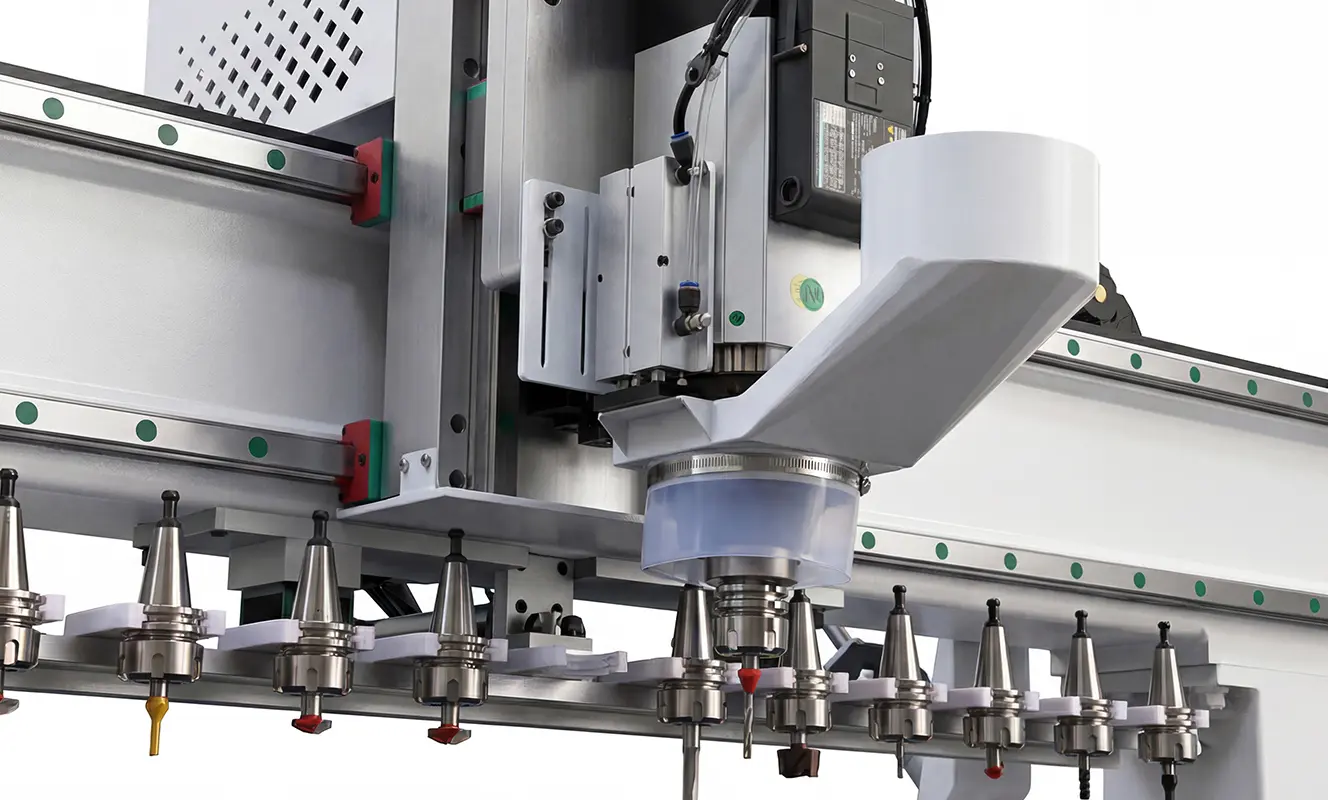
For professional production, the benefit goes far beyond saving a few seconds with each tool change. When multi-tool machining is repeated throughout the day, reducing these interruptions can significantly improve overall CNC router production efficiency. It also makes it easier to combine different machining operations into a single program. The Spire Series can be configured with an automatic tool changing system, making it suitable for applications that frequently use multiple tools. This is particularly useful for furniture manufacturers and custom woodworking businesses, where different parts may require cutting, drilling, grooving, and finishing within the same production cycle. Instead of treating each operation as a separate task, the machine can follow a more continuous CNC machining workflow.
3. 4-Axis Machining for Multi-Angle and Complex Workpieces
For more complex woodworking applications, adding a fourth axis can significantly expand the capabilities of a CNC wood router. In the Spire Series, 4-axis machining can be achieved through different configurations, including a swing-head CNC router or a CNC router equipped with a rotary 4th axis. Although both provide additional machining capabilities, they are designed for different types of workpieces and machining requirements.
The swing head allows the spindle to tilt to different angles, enabling the cutting tool to reach angled surfaces that a fixed vertical spindle cannot effectively access. This is particularly useful when machining parts with inclined surfaces, chamfers, beveled edges, or more complex 3D structures. Instead of repeatedly repositioning the workpiece to allow the spindle to reach different surfaces, the machine can change the machining angle during the CNC machining process. This can simplify the production of complex parts and reduce manual setup.
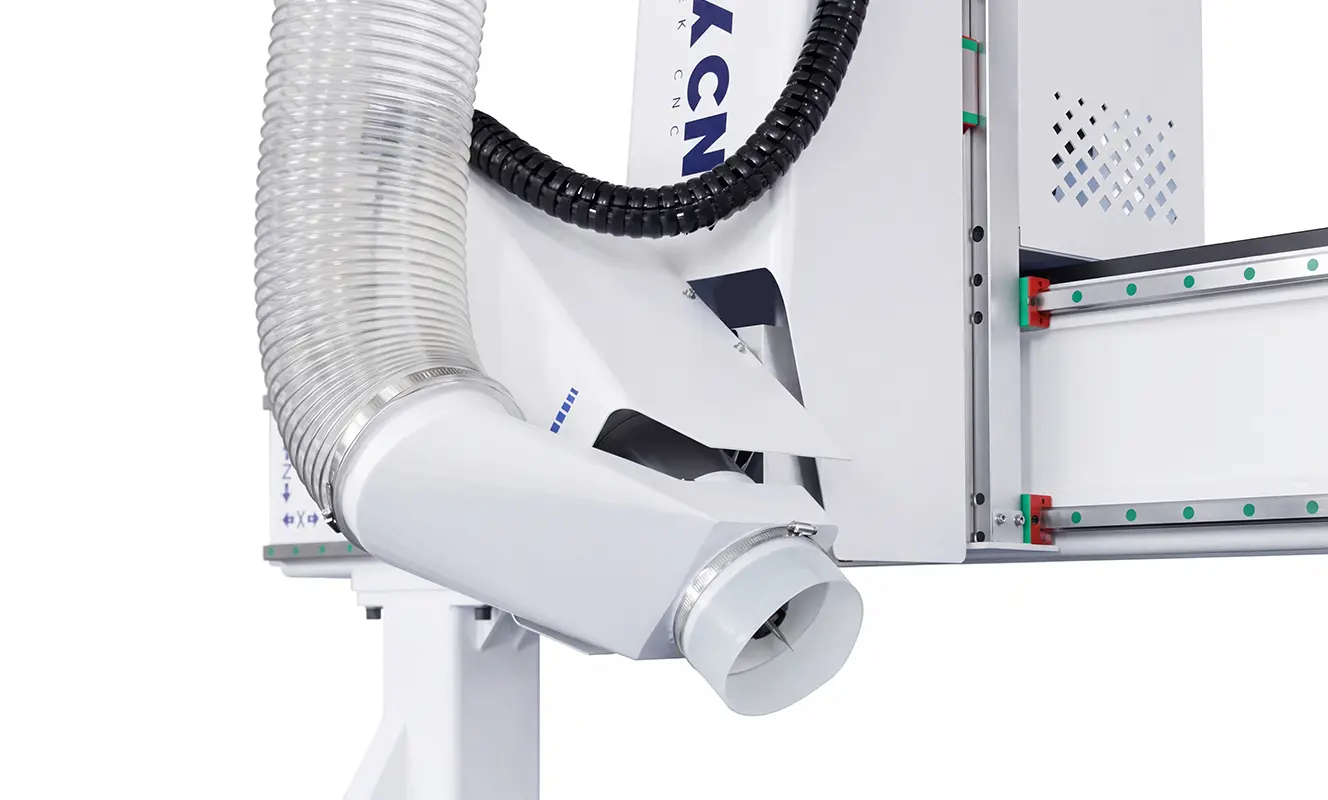
The rotary 4th axis works differently. Instead of changing the spindle angle, it rotates the workpiece around an additional axis while the cutting tool performs the machining. This configuration is particularly suitable for cylindrical, column-shaped, or continuously curved workpieces. Applications include wooden columns, chair components, table legs, decorative posts, and other workpieces that require machining around their circumference.
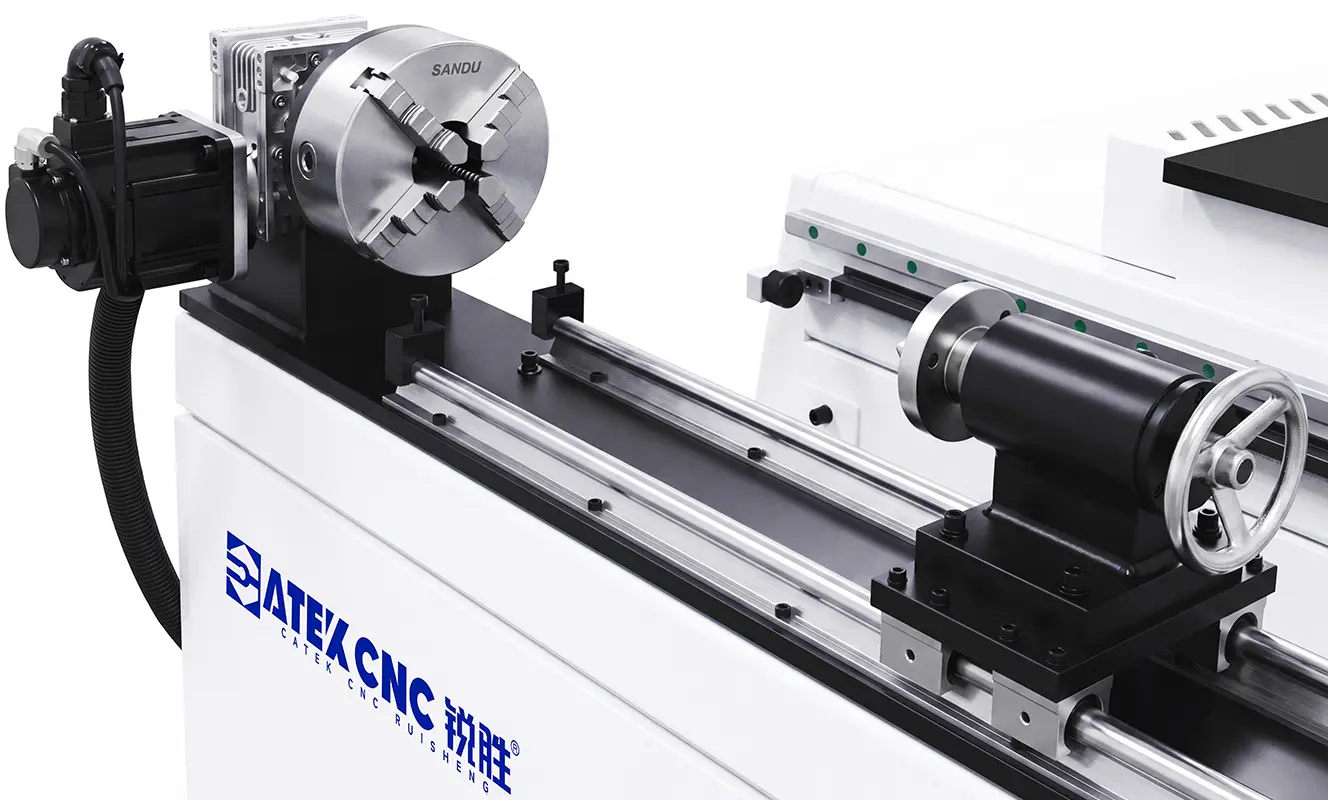
The difference is simple: the swing head changes the angle of the cutting tool, while the rotary 4th axis changes the orientation of the workpiece. Both methods give manufacturers greater freedom than traditional 3-axis machining, but the right solution depends on the geometry of the product and the type of machining required.
For manufacturers processing complex furniture components, architectural woodworking products, solid wood parts, decorative elements, or irregular workpieces, the additional axis can reduce repeated manual repositioning. Once the machining program is prepared, the machine can coordinate the additional movement with the other axes, allowing more features to be machined in a single setup.
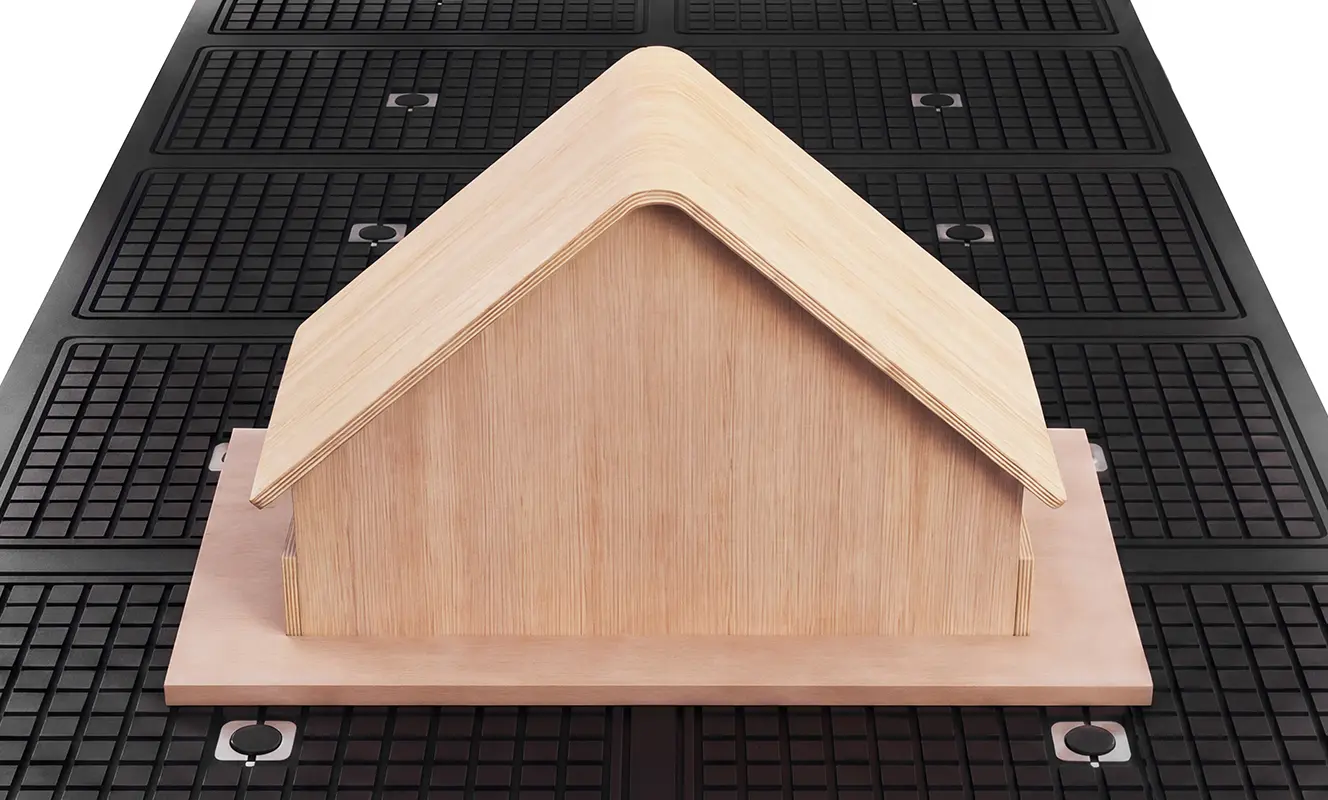
This is where the professional machining capability of the Spire Series CNC router becomes valuable. Adding a fourth axis is not simply about increasing the number of machine axes. It is about giving manufacturers more ways to machine their workpieces, handle more complex geometries, and reduce unnecessary setup between processes. Depending on the specific Spire configuration, customers can choose different 4-axis machining solutions according to their product requirements. Swing-head machining is better suited to angled and multi-directional cutting, while a rotary 4-axis CNC router is effective for cylindrical and rotational workpieces.
4. Drilling and Multi-Side Machining
For panel furniture and other woodworking applications, drilling can be just as important as cutting. For example, cabinet panels may require holes for connectors, hinges, shelves, or assembly hardware in addition to the outer profile.
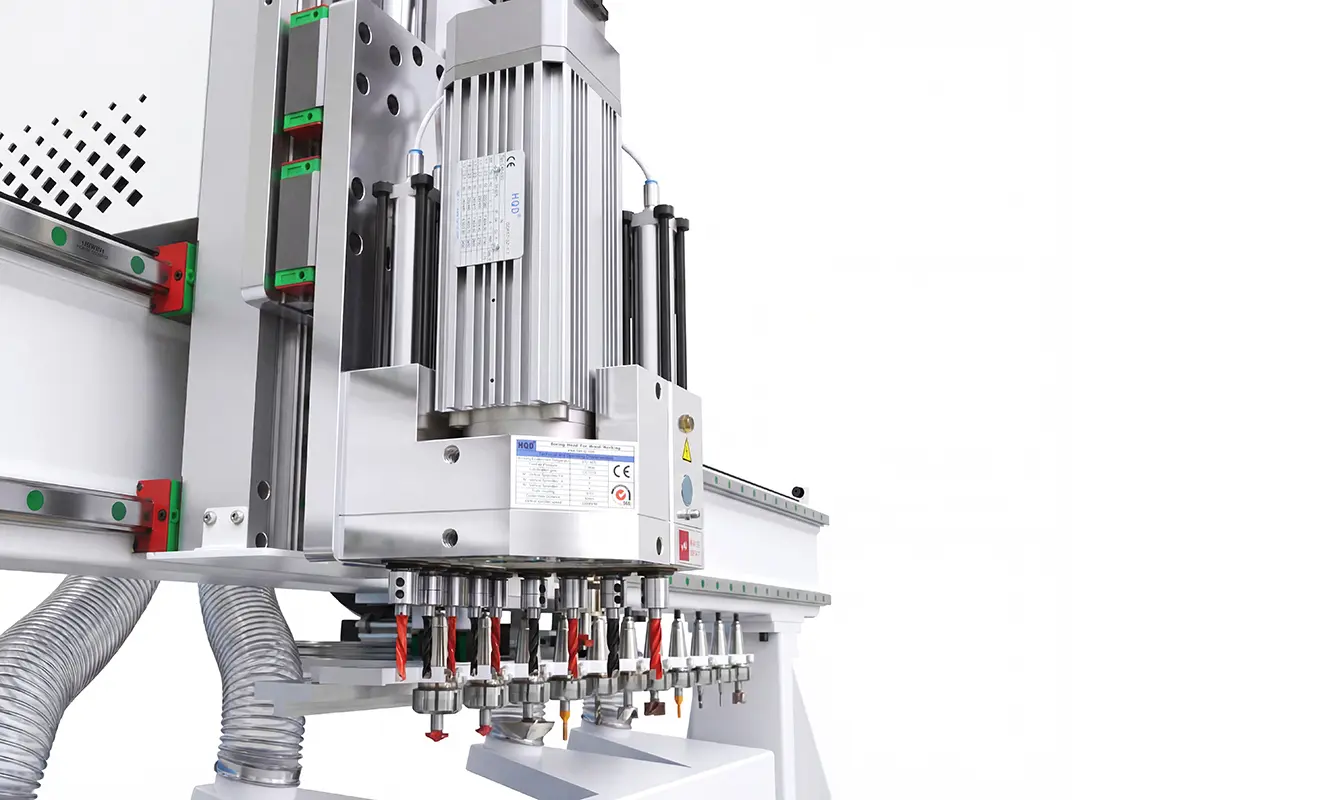
When these operations are carried out separately, the workpiece may need to be moved between machines or repositioned several times. Each additional setup increases the risk of positioning errors and adds non-machining time. Depending on the configuration, the Spire CNC router can integrate a drilling system and multi-side machining functions, allowing more of these operations to be handled within a single CNC machining workflow. This is particularly useful for furniture and cabinet production, where a single panel may require cutting, drilling, grooving, and machining on different surfaces.
Multi-side machining also provides greater flexibility for parts that cannot be fully processed from a single direction. Instead of relying entirely on manual repositioning, the machine can use the appropriate machining configuration to process different surfaces of the workpiece.
For manufacturers producing large quantities of similar components, reducing setup time can improve production efficiency more effectively than simply increasing cutting speed. When a CNC wood router can spend more time actually machining and less time waiting for manual intervention, the entire production cycle can be used more efficiently.
5. Integrated Multi-Process CNC Machining
For professional woodworking manufacturers, improving efficiency is not only about increasing cutting speed. Reducing manual material handling, repeated positioning, and waiting time between different processes is equally important. Depending on production requirements, the CATEKCNC Spire Series can integrate multiple functions into one CNC workflow, including automatic tool changing, drilling, multi-side machining, vacuum workholding, and automatic loading and unloading systems.
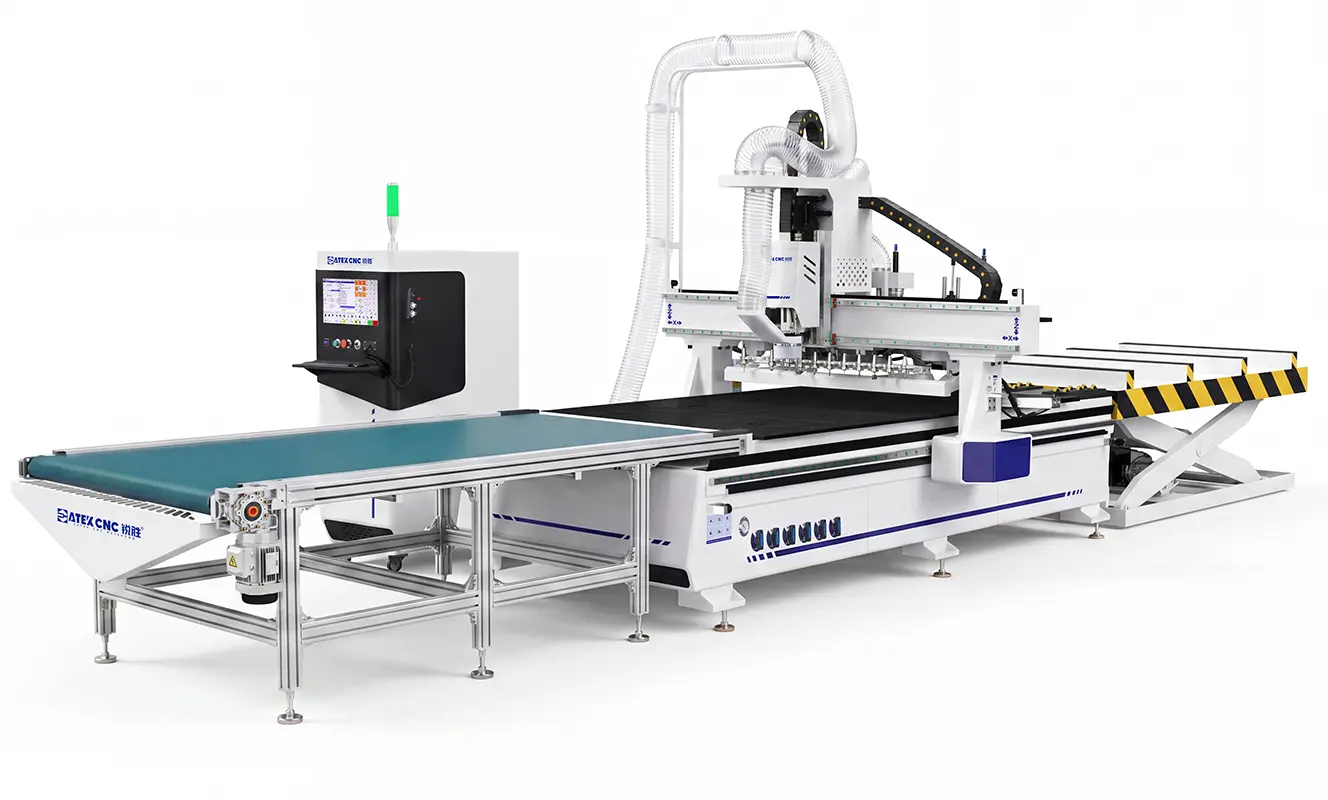
With automatic loading and unloading, the machine can reduce the need for manual handling of panels, allowing operators to focus more on production management rather than repeatedly loading and unloading workpieces. When combined with ATC CNC machining, the router can complete multiple processes in sequence, such as:
Loading → Positioning → Cutting → Drilling → Tool Changing → Machining → Unloading
This integrated workflow is particularly valuable for panel furniture, cabinet manufacturing, door production, and other batch machining applications. By reducing unnecessary manual operations and improving machine utilization, the Spire CNC router helps manufacturers achieve a more complete machining process and higher production efficiency.
The goal of integrated CNC machining is not simply to add more functions to a machine, but to create a smoother production workflow where different operations work together, saving time and improving consistency.
V. Flexible Configurations for Different Production Needs
Every woodworking manufacturer has different production requirements. Materials, workpiece sizes, machining processes, and production volumes can vary significantly from one business to another. For this reason, the CATEKCNC Spire Series offers flexible configuration options, allowing customers to choose a machine setup that better matches their actual production needs.
The Spire Series is not limited to a single fixed configuration. Instead, it offers multiple options for the worktable, machine size, axis configuration, and machining functions. This flexibility allows manufacturers to build a CNC router solution around their own products and workflow, whether they focus on furniture panels, solid wood components, custom woodworking, or more complex machining applications.
1. Flexible Worktable Options
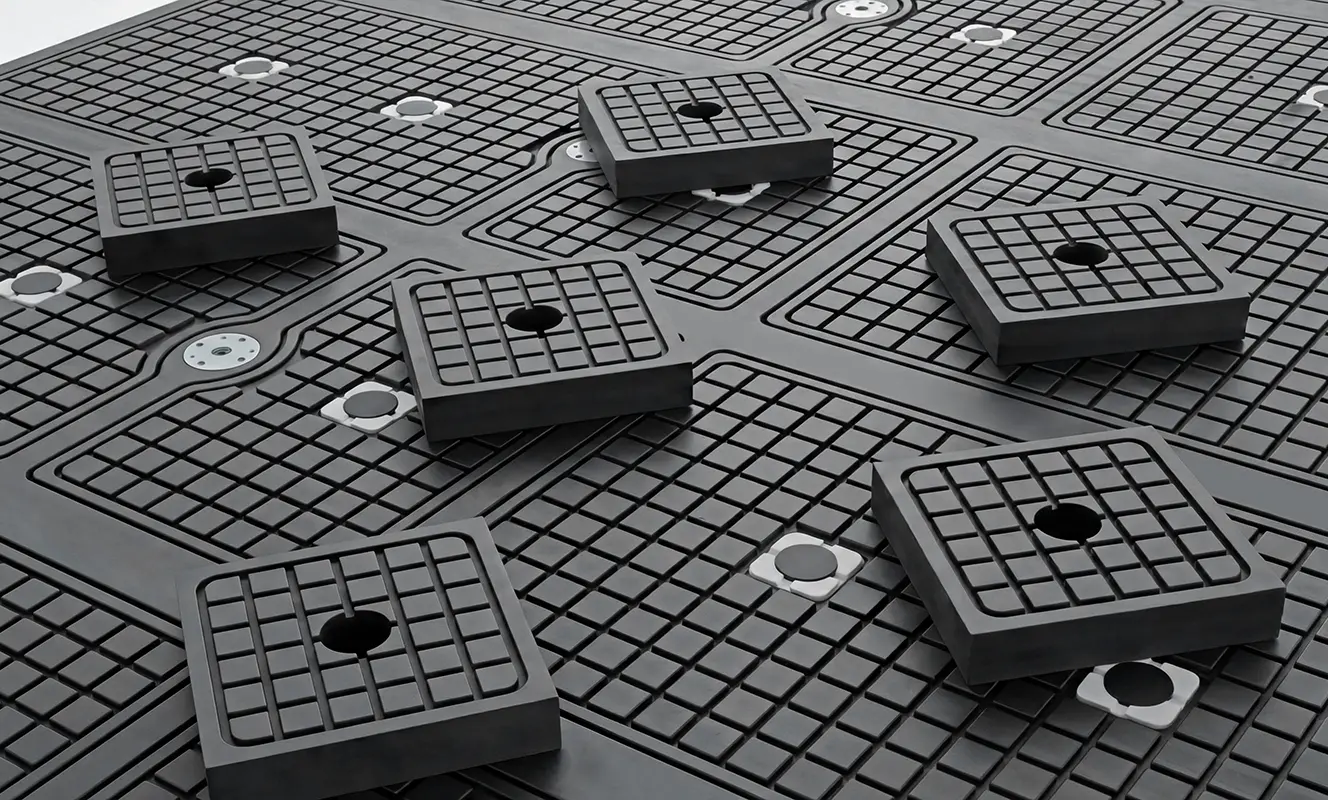
The Spire Series can be configured with different worktable solutions, including T-slot tables and vacuum worktables.
Vacuum tables are commonly used for processing sheet materials such as MDF, plywood, and panels because they can quickly and conveniently hold workpieces across a large surface area. T-slot tables offer greater flexibility for securing irregularly shaped workpieces, small parts, or materials that require mechanical clamping. By choosing the right workholding solution, customers can improve setup efficiency and make it easier to process different types of materials.
2. Different Machine Sizes
The right CNC router size depends largely on the products being processed. Small and medium-sized workshops may need a compact working area for custom parts, while furniture and panel manufacturers often require a larger working area to process full-size panels efficiently.
The Spire CNC router is available in different size configurations to meet the needs of different production environments. Whether for standard woodworking production or large-format CNC machining, customers can select a suitable working area based on their materials, product dimensions, and factory workflow. Choosing the right machine size helps manufacturers avoid unnecessary investment while ensuring that the CNC wood router provides enough capacity for both current and future production needs.
3. Customizable Axis and Machining Functions
Different products require different machining methods. Some manufacturers mainly focus on cutting and engraving, while others may need automatic tool changing, 4-axis machining, drilling, or multi-side machining.
The Spire Series supports different axis and function configurations, including 3-axis CNC routers, ATC CNC routers, 4-axis CNC routers, drilling systems, and other advanced machining solutions. Customers can select the functions that bring real value to their production without paying for features they do not need.
For example, furniture manufacturers can use an automatic tool changer and drilling functions to improve panel processing efficiency, while companies producing complex solid wood components may need 4-axis machining to process angled or curved surfaces.
This flexible approach allows the Spire CNC router to adapt to different production goals, from improving basic machining efficiency to building a more automated CNC production workflow.
The advantage of the Spire Series is not only its machine performance, but also its ability to adapt to different production needs. CATEKCNC offers flexible worktable options, different machine sizes, and customizable machining configurations, helping manufacturers choose a CNC wood router that fits their specific applications and supports long-term production development.
VI. Standard CNC Router VS. Spire CNC Router
| Feature | Standard CNC Router | Spire CNC Router |
|---|---|---|
| Machine Positioning | Practical CNC woodworking | Professional CNC machining |
| Machine Service Life | About 10 years | About 15 to 20 years |
| Mechanical Structure | Designed specifically for general production | A more robust structure, suitable for high-intensity machining |
| Core Components | Standard Configuration | High-Quality Brand Components |
| Manufacturing Capacity | Standard cutting, engraving, milling, drilling, etc. | More Professional and Complex Machining |
| Accessories | Standard Accessories | Free accessory kit, including machining tools |
| Warranty Service | Three years | Five years |
VIII. Customized Solutions and Dedicated Customer Service
The CATEKCNC Spire Series provides customized solutions based on each customer's application, materials, workflow, and future production goals.
Before purchase, the CATEKCNC team communicates with customers in detail to understand their machining requirements and recommend suitable configurations, including working table size, worktable options, spindle selection, spindle configuration, automatic tool changers, drilling systems, and automation solutions. This ensures that every Spire CNC router is tailored to the customer's actual production requirements.
In addition to machine configuration, Spire customers receive dedicated one-to-one service throughout the entire process. From technical consultation and machine preparation to installation guidance, operator training, and ongoing support, CATEKCNC provides direct assistance to help customers start production smoothly and operate their CNC router machine efficiently.
To give customers greater confidence in their long-term investment, the CATEKCNC Spire Series comes with a 5-year warranty. During the warranty period, customers can receive technical support and assistance for eligible machine issues according to CATEKCNC's warranty policy. Combined with remote troubleshooting, spare parts supply, and professional guidance, this helps customers maintain stable machine performance during daily production.
Each Spire CNC router also includes a complimentary accessory package with machining tools, making it easier for customers to begin testing and sample production after receiving the machine.
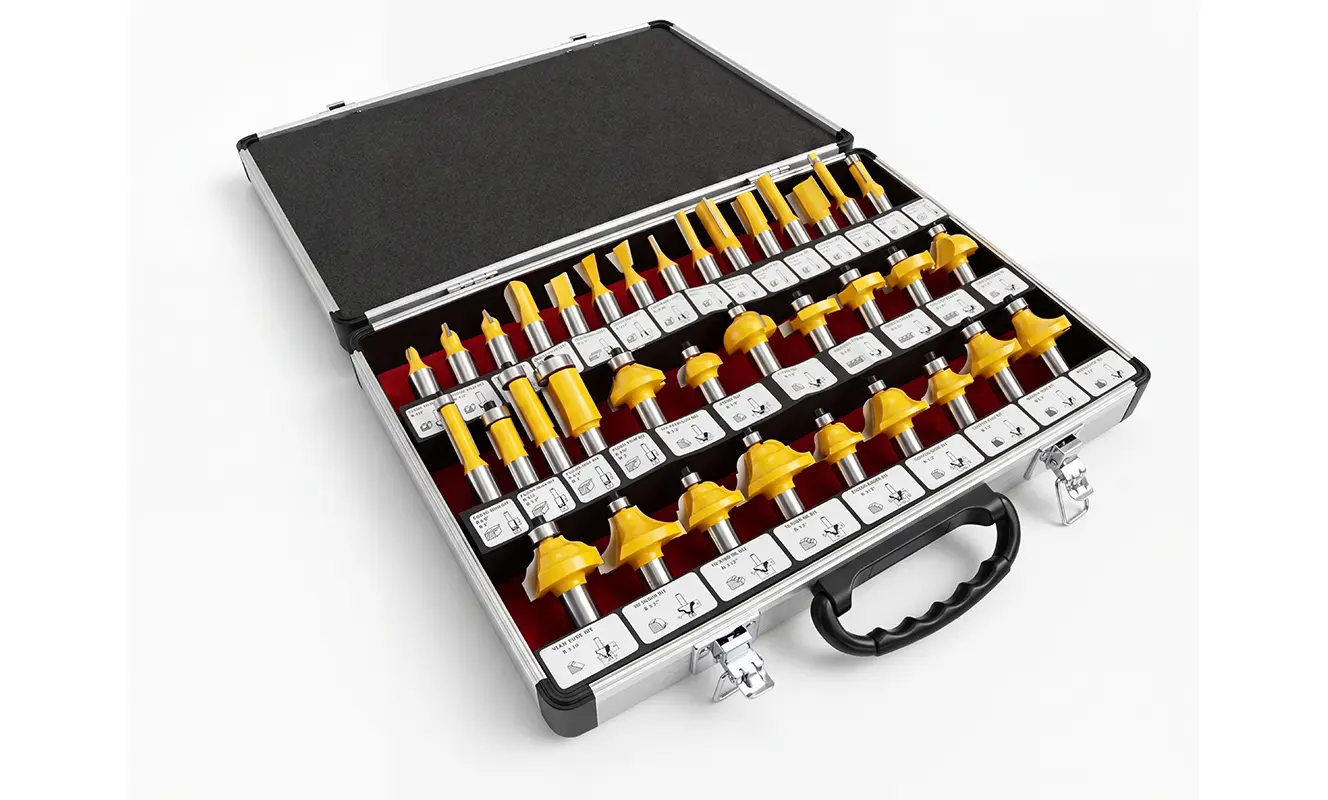
For professional manufacturers, purchasing a CNC wood router is more than simply acquiring equipment—it is about building a reliable production solution. Through customized configurations, one-to-one support, and long-term warranty protection, CATEKCNC helps customers maximize the value of their Spire CNC router investment.
VIII. Is a Spire CNC Router Right for Your Business?
The most suitable machine should meet your production requirements, machining complexity, working environment, and future business development plans.
The CATEKCNC Spire Series is designed for manufacturers who need professional CNC cutting and engraving capabilities. With a stronger mechanical structure, premium component configuration, flexible machining options, and professional technical support, it is particularly suitable for businesses with higher requirements for machining stability, machining capability, and long-term production reliability.
If your business meets the following conditions, a Spire CNC router may be a suitable choice:
- You Need Consistent Production Quality
If you need to repeatedly produce the same components with consistent accuracy, the Spire Series provides the structural stability and precision motion system needed for reliable results.
- You Handle Complex Woodworking Projects
For applications involving custom furniture, doors, architectural woodworking, 3D carving, or multi-angle components, advanced configurations such as ATC CNC routers, swing-head CNC routers, and rotary 4-axis machining can provide greater flexibility.
- You Want to Improve Production Efficiency
If your current workflow involves frequent manual tool changes, repeated repositioning, or moving workpieces between different machines, the Spire CNC router can help integrate more processes into a single machining workflow.
- You Are Preparing for Long-Term Production Growth
A CNC router machine is a long-term investment. The Spire Series uses premium components and a stronger structure, with an expected service life of 15–20 years under proper maintenance, and is designed to support businesses planning to expand their production capacity in the future.
- You Need a Customized CNC Solution
Different manufacturers have different requirements. Whether you need a specific machining size, automatic tool changing, 4-axis machining, drilling functions, or an automation solution, the Spire Series CNC router can be configured according to your actual production needs.
However, not every application requires the Spire Series. For businesses mainly focused on simple cutting, basic engraving, or occasional woodworking projects, a standard CNC wood router may be sufficient. The right choice depends on the machining capabilities, production efficiency, and long-term value your business requires.
For professional woodworking manufacturers, furniture producers, custom woodworking companies, and businesses looking to upgrade from basic CNC machining, the CATEKCNC Spire CNC router provides a more complete solution, helping achieve more advanced machining, higher production efficiency, and greater long-term reliability.
IX. FAQ
1. How Do I Choose the Right Spire CNC Router Model?
The right CNC router configuration depends on several factors, including workpiece size, material, machining process, and production scale. CATEKCNC can help you evaluate your application and recommend the appropriate machine size, spindle configuration, axis options, and level of automation based on your actual requirements.
2. Can I Test My Own Materials Before Purchasing a Spire CNC Router?
Yes. Customers can provide materials, drawings, or sample requirements, and CATEKCNC can assist in evaluating the machining process. Sample testing helps confirm the appropriate cutting tools, machining parameters, and CNC router configuration before purchase.
3. How Long Does It Take to Install and Start Using a Spire CNC Router?
Installation time depends on the machine model and configuration. CATEKCNC provides installation guidance and technical support to help customers complete machine setup, parameter adjustment, and initial testing more efficiently.
4. How Long Does It Take to Install and Start Using a Spire CNC Router?
Installation time depends on the machine model and configuration. CATEKCNC provides installation guidance and technical support to help customers complete machine setup, parameter adjustment, and initial testing more efficiently.
5. What Types of Businesses Typically Choose the Spire Series?
The Spire Series is typically chosen by manufacturers looking for reliable CNC production solutions, including furniture factories, custom woodworking companies, door manufacturers, and businesses producing complex wooden components.
X. Conclusion
The CATEKCNC Spire CNC router is designed for businesses looking to improve woodworking production efficiency. With a stronger structure, premium components, flexible configurations, and more advanced machining options, it can handle a wide range of requirements, from everyday production to complex projects.
More importantly, the Spire is designed for long-term use. CATEKCNC provides a 5-year warranty, one-to-one support, and a complimentary tool kit, aiming to make the entire process—from choosing the right machine to putting it into daily production—simpler and more reliable.