CO2 Laser Cutting Machine for Non-metal
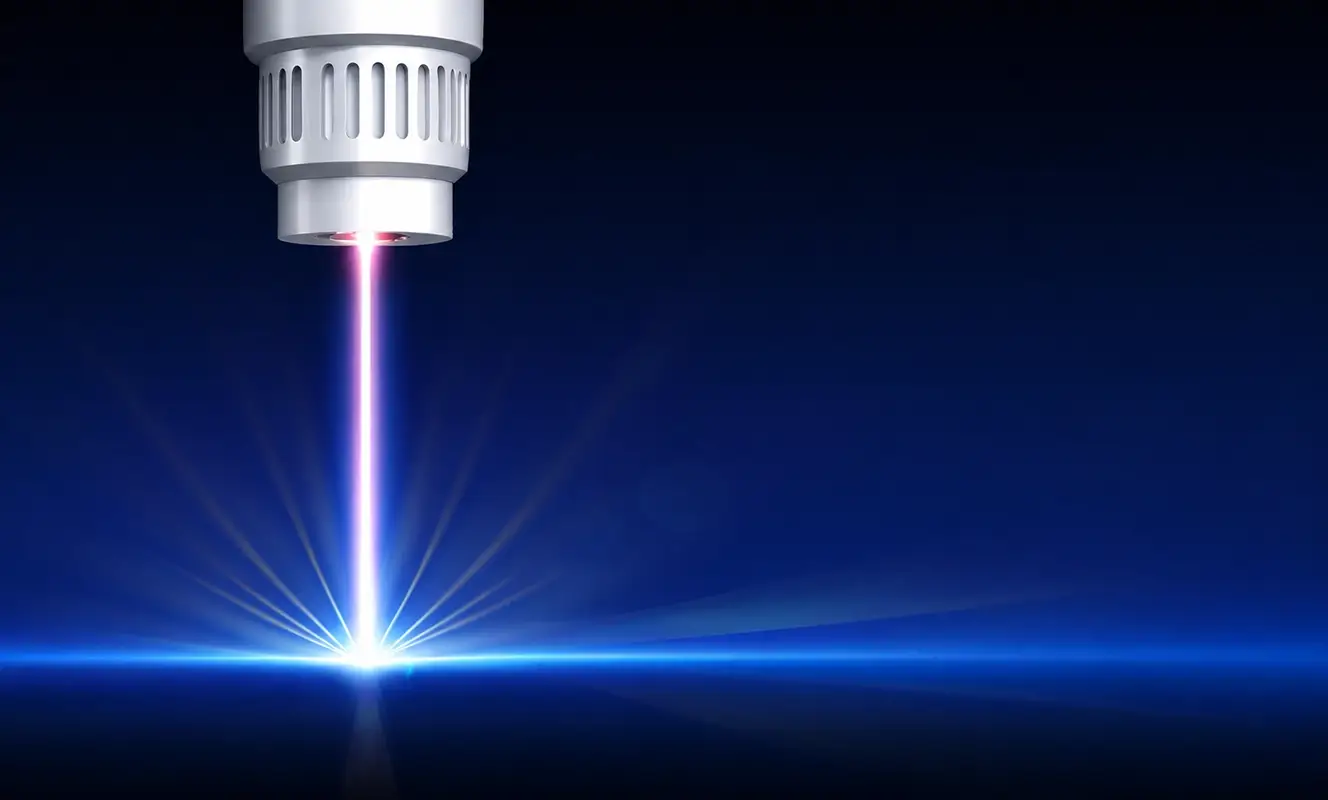
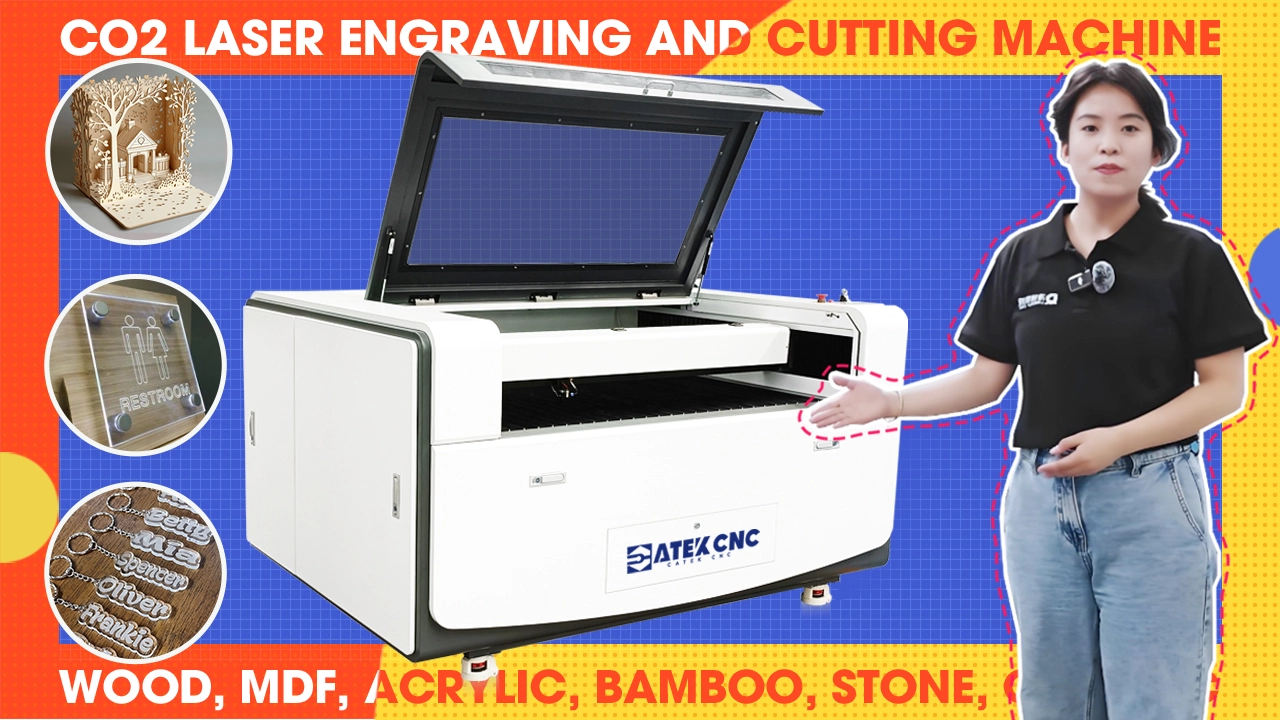
CO2 laser cutting machines is a CNC device that uses 10.6μm infrared laser to automatically cut non-metallic materials. Since non-metallic materials such as plastic, wood, acrylic, rubber, cloth, MDF, etc. have extremely high absorption rate of CO2 laser in the far-infrared band (up to more than 90%), the material at the laser focus position can be quickly vaporized, thereby achieving non-contact and rapid cutting of the material. Its core is the CO2 laser source, which is available in two types: DC glass tube and RF laser source.
The power of CO2 laser cutting machine has 40W, 60W, 80W, 100W, 130W, 150W, 180W, 200W, 300W, 400W, 500W, 600W, 800W and other specifications. Usually, CO2 laser cutting machine within 100W is sufficient to meet the cutting needs of most non-metallic materials, while high-power models above 180W can cut some metal materials at the same time. We provide small-size models such as 4060, 6090, 1390 suitable for personal studio use, as well as industrial-grade large-scale CO2 laser cutting workbenches such as 1610, 1325, 1530, 1825, which are widely used in acrylic advertising characters, wooden puzzles, shell decorations, printed fabrics and other fields.
-
Hot
CO2 Laser Cutting Machine for Cutting Acrylic and Wood
-
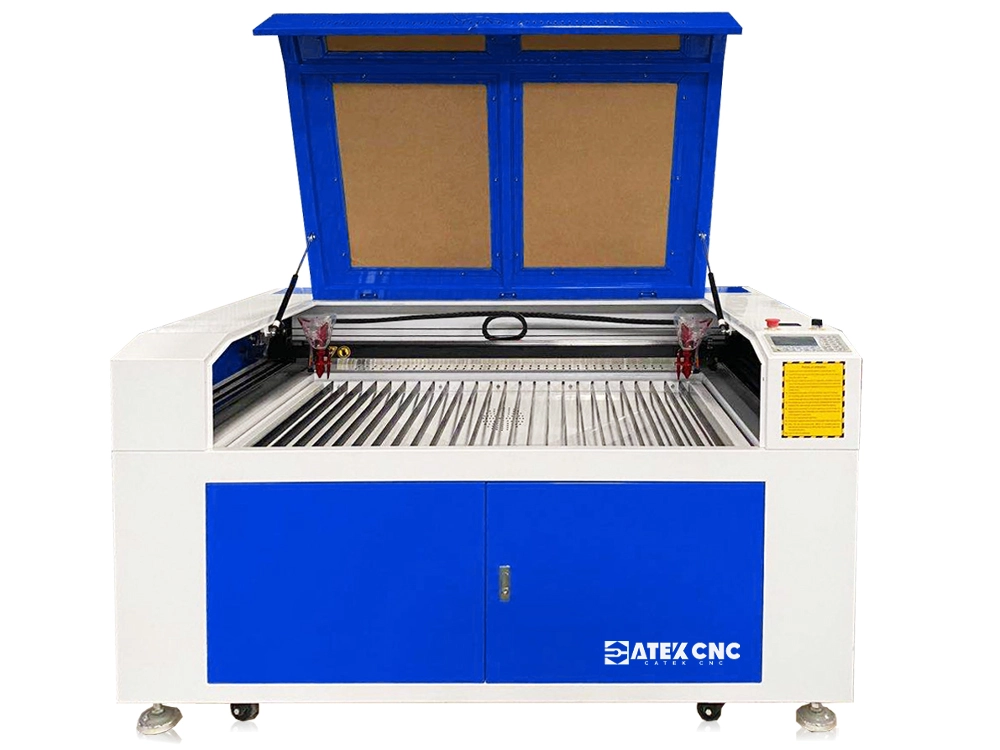
CK-1390-C
-
5.0(4)
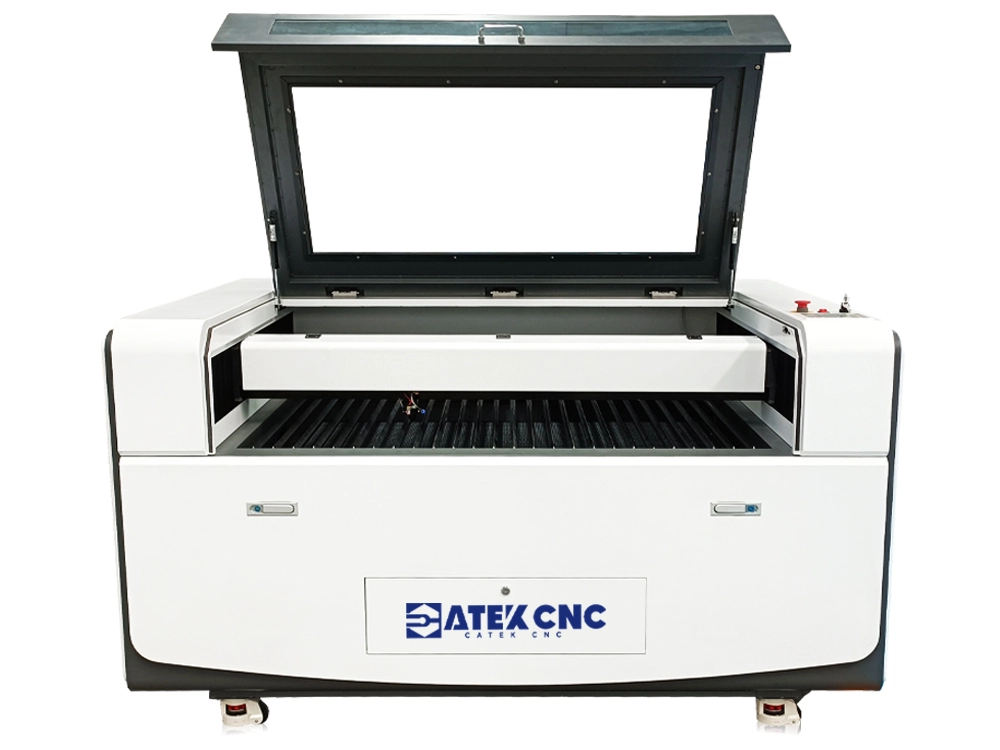
This compact CO2 laser cutter uses a DC glass tube laser and enclosed housing with viewing window, ideal for cutting or engraving wood, acrylic, plastics, and other non-metals.$2,650.00~$4,050.00 -
-
2-Station CO2 Laser Engraving Machine Suitable for Batch Processing
-
CK-1390-2C
-
5.0(2)
This CO2 laser cutter features dual identical workstations for simultaneous processing, widely used for cutting/engraving wood, leather, epoxy, PE, PP, PVC, carbon fiber, and other materials.$3,400.00~$6,250.00 -
-
Best Selling 4x8 1325 CO2 Laser Engraving and Cutting Machine
-
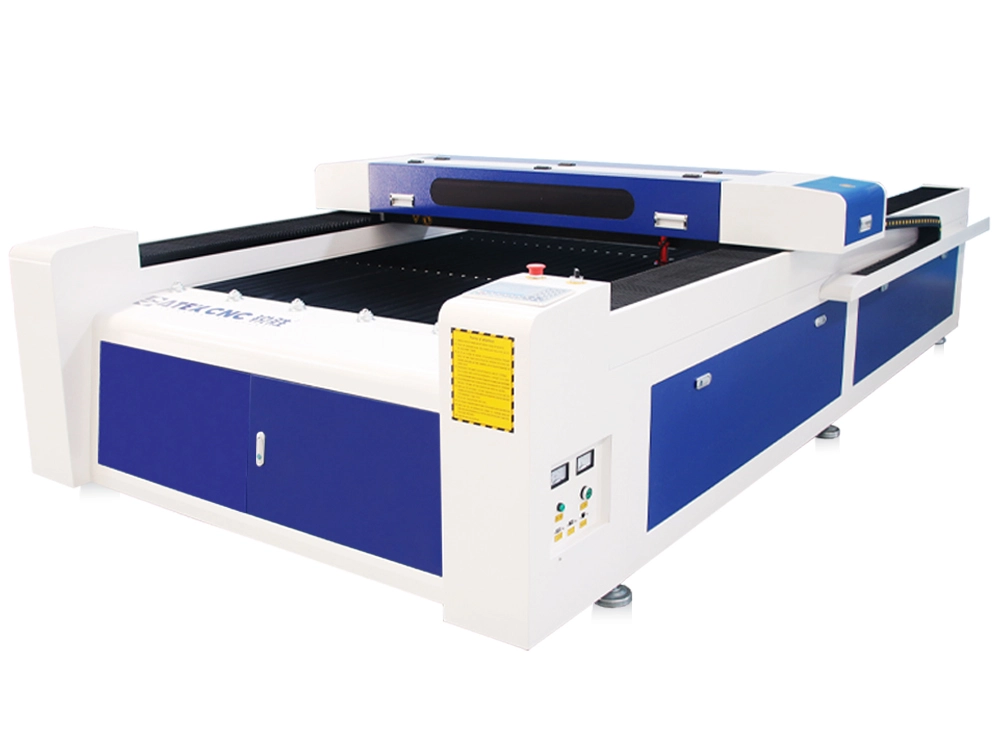
CK-1325-C
-
5.0(4)
This is a large-format CO2 laser machine with engraving and cutting functions. It features a 4x8 feet worktable and is widely used for machining non-metallic materials like acrylic, plastic, PVC, and wood.$3,850.00~$4,580.00 -
-
6x5ft CO2 Laser Fabric Cutter with Vision Positioning and Conveyor
-
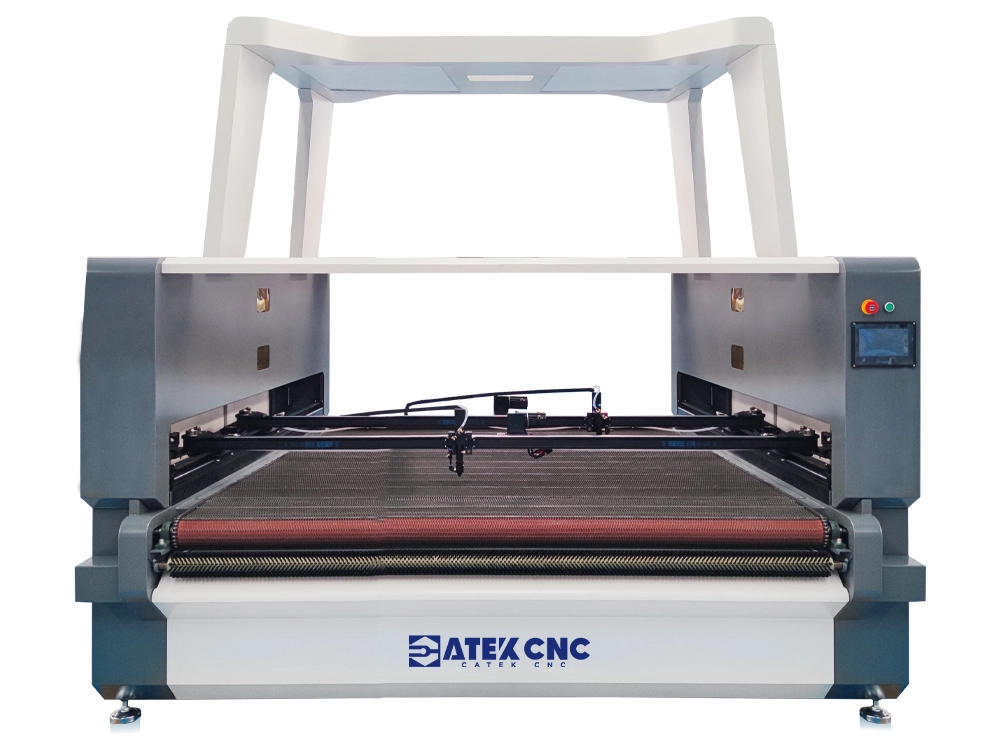
CK-1815-CCD
-
5.0(2)
This CO2 laser cutting machine combines a camera vision system with a conveyor workbench, ideal for batch processing multiple products or performing contour cuts based on patterns.$8,250.00~$9,270.00 -
THE FOLLOWING ARTICLES MAY HELP YOU
-
Laser Cutting Machine
How to Use a CO2 Laser Cutting Machine
CO2 laser cutting machines are among the most widely used CNC machines in industries such as advertising signage, woodworking, acrylic, leather processing, packaging, and craft manufacturing. These machines are capable of producing extremely precise cuts and detailed engravings on a wide range of non-metal materials.However, many beginners encounter problems when using a CO2 laser cutting machine for the first time. Improper installation, incorrect parameter settings, or poor maintenance can lea...
-
Laser Cutting Machine
What Are the Factors Affecting Fiber Laser Cutting?
There are numerous factors affecting the cutting speed of fiber laser cutting machines, which can be primarily categorized into laser parameters, characteristics of the processed material, cutting process parameters, and machine performance.Laser ParametersThe cutting principle of fiber laser cutting machines involves using high-energy laser beams to melt and cut materials. Therefore, laser parameters are the most direct factors influencing cutting speed.Laser power: For the same material and wi...
-
Laser Cutting Machine
What Are the Types of Laser Cutting Machines?
Laser cutting uses laser instead of physical cutting tools or high-temperature flame cutting. Due to the characteristics of laser, it has significant advantages over traditional cutting.In addition to the power of laser cutting, the optical properties of the laser have the greatest impact on cutting,Such as wavelength, pulse width, pulse repetition frequency, etc.Depending on the type of laser, the current industrial laser equipment is mainly divided into fiber laser, CO2 laser and YAG laser.Fib...
HERE ARE SOME RELATED VIDEOS OF CNC MACHINES
-
03:09
Laser Cutting MachineJul 17, 2025Affordable & Compact 1390 CO2 Laser Cutter
This video will provide a detailed introduction to the advantages and workflow of the 1390 CO2 laser cutting machine.
-
00:46
Laser Cutting MachineMay 27, 20251390 CO2 Laser Cutting Machine
The CO2 laser cutting machine is a specialized equipment that utilizes 10.6μm far-infrared laser for cutting and engraving non-metallic materials.
-
00:41
Laser Cutting MachineSep 26, 20254-Head CO2 Laser Cutting Machine for Apparel & Textiles
This video shows the process of fabric cutting by a 4-head CO2 laser cutting machine, as well as the cutting effect.
HERE ARE SOME FUN PROJECTS FOR CNC MACHINES
-
Laser Cutting MachineCO2 Laser Cutting Machine for Wooden Puzzles
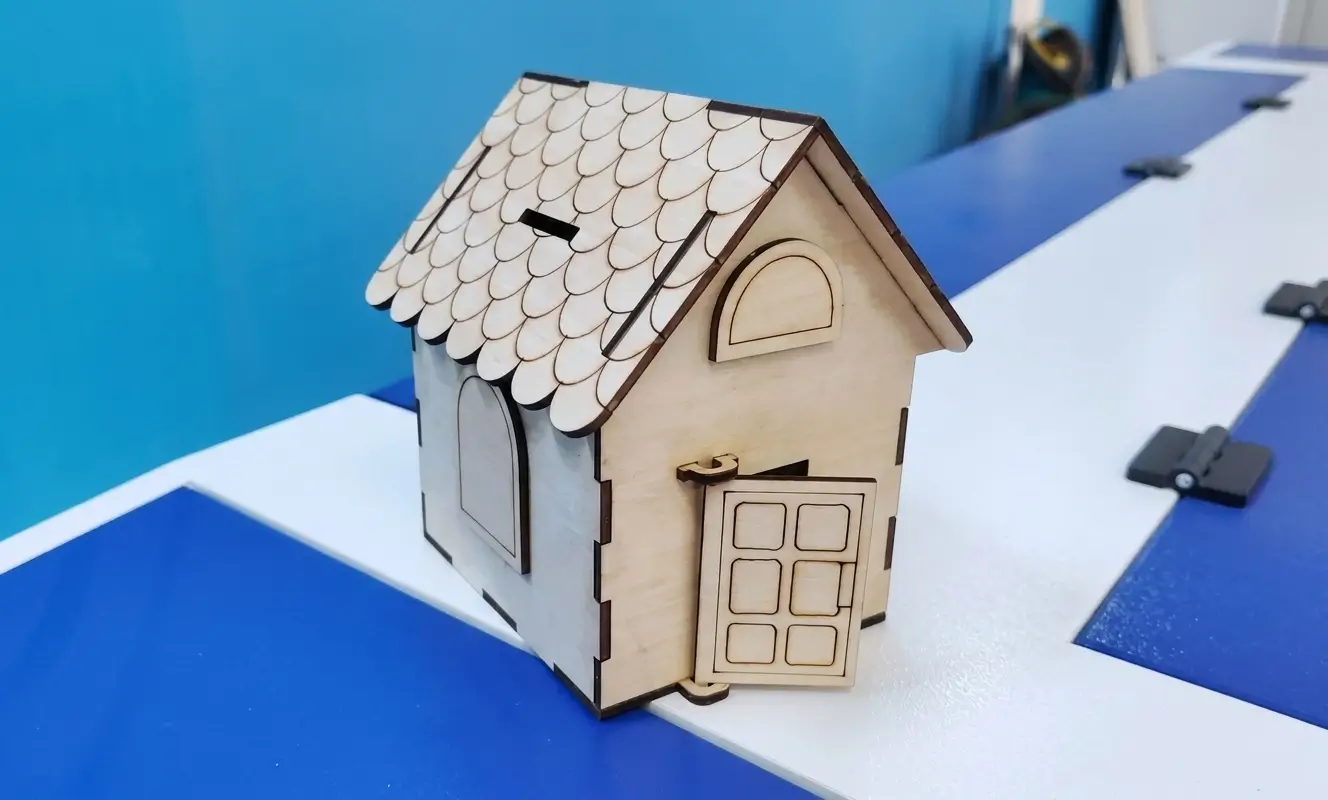
Wooden puzzles are increasingly popular in education, gifts, and creative industries due to their durability and design flexibility. To achieve high precision, clean edges, and consistent quality, a CO2 Laser Cutting Machine has become the ideal solution for wooden puzzle production. This project showcases how CO2 laser cutting and engraving technology is used to efficiently manufacture wooden puzzles, from design to finished products, while ensuring accuracy, scalability, and customization.
CO2 LASER ENGRAVING AND CUTTING MACHINE BUYING GUIDE
CO2 laser cutting machines are advanced equipment that utilize laser technology to process materials. They employ CO2 laser technology to cut and engrave non-metallic materials. Unlike traditional CNC engraving machines that use alloy tools to engrave or cut workpieces, laser engraving machines use the thermal energy of the laser to engrave and cut materials. Their application range is broader compared to ordinary CNC engraving machines, and they offer higher engraving precision and faster engraving speeds. CO2 laser engraving machines are suitable for processing various non-metallic materials and coatings on some metallic materials, gradually replacing traditional engraving equipment and methods.
With their wide applicability and flexibility, CO2 laser engraving and cutting machines continue to play a significant role in industrial manufacturing and creative design fields. They are easy to use, requiring only simple operations to achieve seamless processing from design to finished product, making them particularly suitable for small-batch customized production, such as personalized gift engraving, puzzle making, or architectural model creation.
CATEKCNC, as a source factory with 20 years of experience in CNC machinery production, is your trustworthy supplier. Regardless of the processing size, power you need, or any functional components you wish to add, and whether you are a beginner or a laser expert, CATEKCNC can provide you with the CO2 laser cutting machine that best suits your needs and budget.
What is a CO2 Laser Engraving Machine?
A CO2 laser engraving and cutting machine is a device that utilizes high-energy infrared beams (with a central wavelength of 10.6μm) generated by a carbon dioxide gas laser to process non-metallic materials, combining both cutting and engraving functions. The core working principle involves electrically exciting CO2 gas molecules within the laser tube to produce a laser beam, which is then reflected and focused by a system of mirrors and lenses onto the material's surface. The localized high temperature causes the material to vaporize or melt, while auxiliary gas blows away debris and cools the area, enabling precise cutting and scanning engraving. CO2 laser cutting is a non-contact processing method that does not use tools or molds, thus avoiding damage to the material's surface. The cutting edges are smooth and require no secondary treatment. With its four core advantages—high processing precision, wide adaptability, fast production efficiency, and low maintenance costs—the CO2 laser engraving and cutting machine has become the preferred equipment in the field of non-metallic material processing. It is particularly suitable for multi-category, small-batch, high-value-added production needs and can efficiently process wood, acrylic, leather, fabric, rubber, paper, glass, ceramics, and more, covering over 90% of non-metallic materials.
The CO2 laser engraving and cutting machine integrates high precision, non-contact efficient processing, and flexible customized production. It can efficiently process the aforementioned non-metallic materials and achieve intricate cutting and engraving of complex patterns. Capable of fully automated 24-hour continuous production and offering environmental benefits (no tool consumables, low pollution), it is especially suitable for industries such as advertising signage and handicraft manufacturing. It significantly reduces the processing costs and cycles for small-batch, personalized products, enhancing processing efficiency and product quality. It is an ideal solution for upgrading traditional processing techniques.
Components of a CO2 Laser Engraving Machine
The CO2 laser engraving and cutting machine is an advanced CNC laser device that utilizes CO2 laser technology. It efficiently performs processing tasks through the coordinated operation of components such as the laser generator, optical system, laser workbench, control system, drive system, transmission system, and auxiliary system.
- CO2 Laser Generator
-
The core of the CO2 laser engraving and cutting machine is the CO2 laser generator, which is divided into glass-sealed CO2 laser tubes and RF CO2 lasers. Both generate a laser with a central wavelength of 10.6μm, but they differ significantly in structure, working principle, stability, and service life.
- Glass-Sealed CO2 Laser
-
The glass-sealed CO2 laser is primarily composed of a three-layer glass tube structure, including the laser discharge tube, circulating water cooling tube, gas storage tube, and a resonant cavity.
- Laser discharge tube: With an inner diameter of approximately 8-10mm, it excites gas discharge through DC high voltage or AC high-frequency current to form a population inversion. Generally, the larger the power of the laser tube, the longer the discharge tube.
- Circulating water cooling tube: The discharge tube generates high temperatures during operation. Circulating cooling water is used to cool the discharge tube, maintaining stable output power and preventing the tube from cracking due to excessive temperature during the pumping process.
- Gas storage tube: Used to store the laser working gas, mainly CO2 gas and other auxiliary gases (helium and nitrogen), and usually a small amount of hydrogen or xenon gas. The gas storage tube and the discharge tube are connected by a return gas tube, forming a circulation loop through a spiral design to ensure gas flow between the discharge tube and the gas storage tube, improving the unbalanced distribution of inter-electrode voltage caused by electrophoresis. The spiral return gas tube also prevents discharge between the gas storage tank and the electrodes, ensuring that discharge occurs only in the discharge tube.
- Resonant cavity: Composed of a total reflection mirror and an output mirror, it uses multiple reflections between the total reflection mirror and the output mirror to establish a photon field from the laser beam generated by the discharge tube. After stimulated emission enhancement, the laser beam passes through the output mirror and is directed into the laser cutting head via the optical system.
- RF CO2 Laser
-
Primarily composed of an RF power supply, control circuit, discharge cavity, and resonant cavity.
- RF power supply: Serves as the laser pump source, generating high-power RF output through a power amplifier circuit to excite gas discharge.
- Control circuit: Controls the output power through control signals and provides laser status indications. By observing the status lights, the state of the laser can be determined.
- Discharge cavity: Utilizes a fully sealed aluminum alloy metal cavity, containing positive and negative electrode plates and working gases (CO2, N2, He2, etc.).
- Resonant cavity: The RF power supply is introduced to the electrode plates through a feedthrough, ionizing the working gas between the positive and negative electrode plates to produce gain medium. The laser beam is then output through a window on the sealed cavity for operation.
- Optical System
-
The optical system is a crucial component of the CO2 engraving and cutting machine, primarily responsible for the transmission, focusing, and precise control of the laser beam. It mainly consists of reflective mirrors and a focusing laser head.
- Laser reflective mirrors: These are primarily made of two materials, molybdenum and silicon. Molybdenum mirrors are suitable for CO2 laser cutting machines with power below 100W, offering a laser reflectivity of over 94%. Silicon mirrors are suitable for CO2 laser cutting machines with power above 100W, providing a reflectivity as high as 99%. A CO2 engraving machine requires the use of three reflective mirrors.
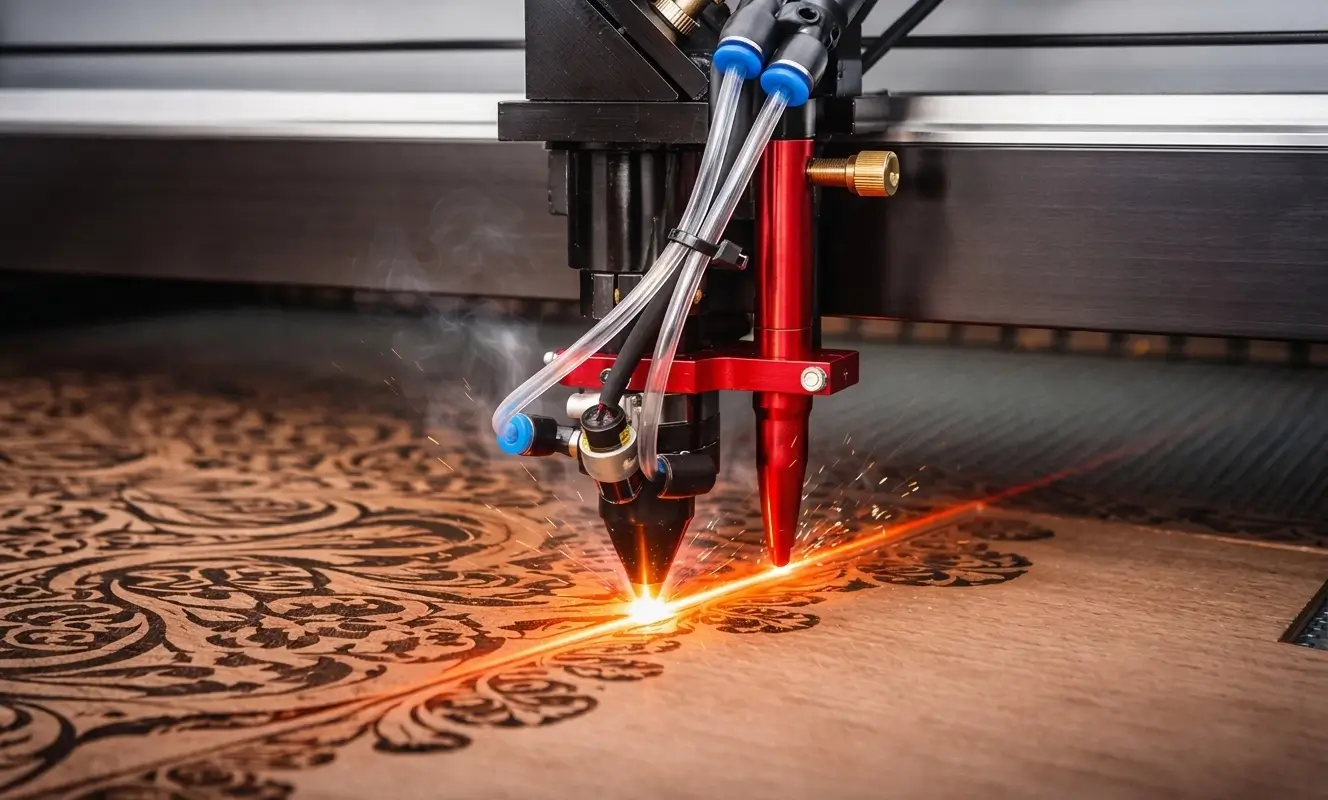
- Focusing laser head: Made of zinc selenide, with a light transmittance of over 99.8%. The focusing lens is installed inside the laser head, where the laser beam is focused to form a high-energy-density laser beam, instantly heating the material to a melting or vaporizing state. The laser head is equipped with a red light positioning system for convenient positioning during processing. The laser nozzle position can be connected to compressed air to cool the processing material and blow away processing debris.
- Laser workbench
-
The workbench types of CO2 laser engraving and cutting machines are diverse and can be selected based on different application requirements and material characteristics. Common types include honeycomb workbenches, slat workbenches, and electric lifting workbenches. Other types of workbenches can also be chosen for special processing needs.
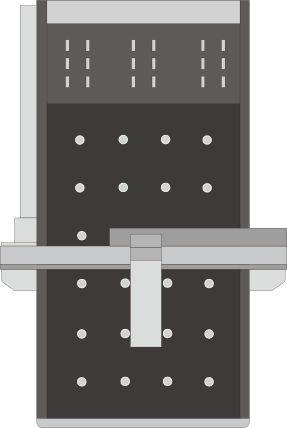
- Honeycomb workbench: Constructed with a honeycomb-shaped aluminum alloy structure, the surface is distributed with a large number of dense hexagonal holes, facilitating the falling of cutting debris, reducing the contact area between the material and the workbench, and preventing bottom scorching. It is suitable for engraving or cutting soft and thin materials.
- Slat workbench: Composed of parallelly arranged aluminum alloy slats, it is suitable for engraving or cutting thicker materials, providing stable support for the material.
- Electric lifting workbench: Driven by the control system to lift the workbench, it can be used for processing materials of different thicknesses or to meet special processing requirements (such as lowering the workbench when an optional 3D rotating axis is installed).
- Control System
-
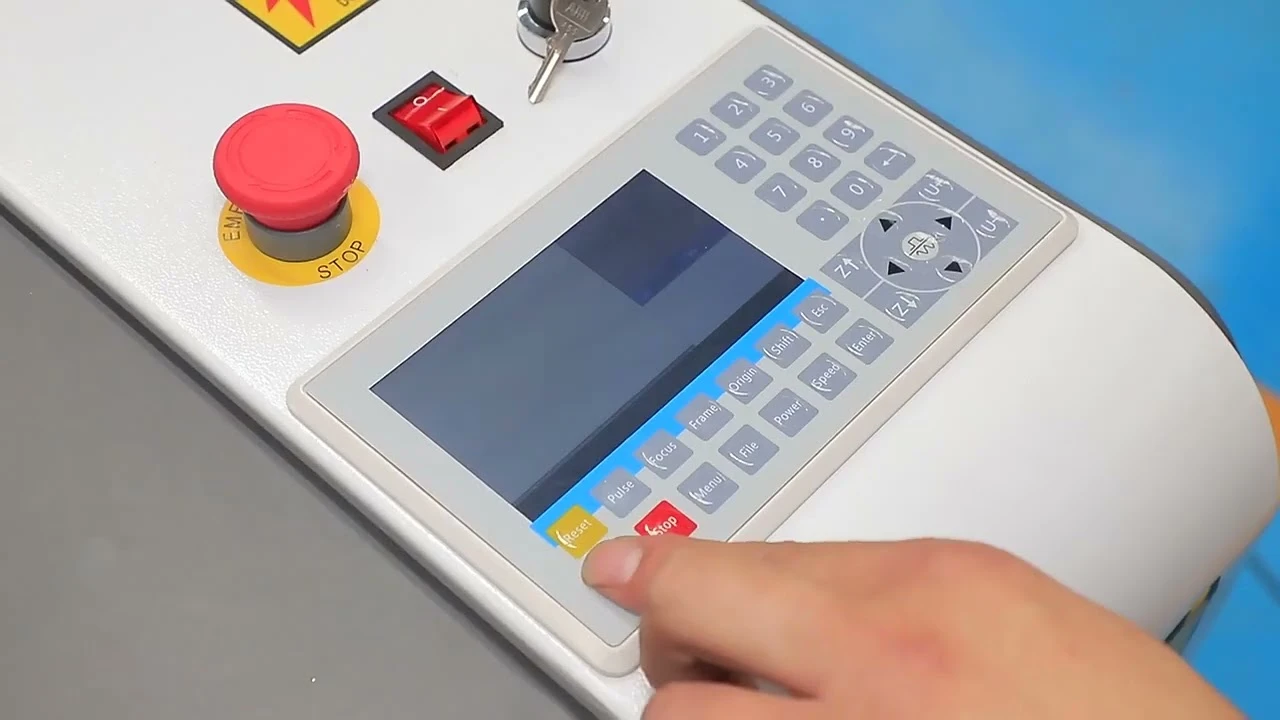
The control system is the core of the CO2 laser engraving machine, supporting connection to a computer, allowing the input of designs into the control system via computer software. It also supports independent offline operation, enabling operation without a computer connection. It is flexible to use, compatible with various graphic software, and supports vector or bitmap images such as DXF and JPG. The control interface is user-friendly, easy to operate, and supports multiple languages. It allows for design preview and border simulation processing, enabling simulation of processing positions before actual processing to reduce trial and error costs. An optional autofocus function is available for more convenient focusing.
- Drive System
-
The drive system of the CO2 engraving machine mainly includes two types: stepper motors and servo motors. Stepper motors are cost-effective and suitable for engraving text or other processing tasks that do not require high speed, without the need for complex parameter adjustments, offering more economy and flexibility. Servo motors, on the other hand, are more expensive, suitable for large-format sheet cutting and fast scanning engraving, providing higher precision and response speed than stepper motors, with broader adaptability and higher performance and reliability.
- Transmission System
-
The CO2 laser engraving and cutting machine has three types of transmission: belt drive, rack and pinion drive, and screw drive. Different transmission methods are suitable for different processing scenarios and directly affect the machine's cutting efficiency and quality.
- Rack and pinion drive: Offers fast transmission speed, high torque, high transmission efficiency, long life, and low noise, suitable for heavy load and long-distance movement, thus more suitable for large-format processing needs.
- Screw drive: Uses ball screw drive, with low friction, very sensitive transmission, smooth operation, higher positioning accuracy, and very accurate repeat positioning, more suitable for precision processing and high-speed reciprocating motion.
- Belt drive: The belt drive has a simple structure, smooth transmission, no noise, and can buffer impacts, suitable for light load and high-speed requirements, more suitable for machines with small-format processing dimensions.
- Auxiliary System
-
- Cooling System
- Cooling System: Sealed CO2 glass laser tubes all use a circulating water cooling system for temperature reduction. Lower power units use a circulating cooling water pump, while higher power units use a constant temperature water chiller. RF CO2 lasers below 100W can opt for air cooling, whereas lasers above 100W require a constant temperature water chiller for cooling. It is necessary to maintain the temperature of the CO2 laser generator around 20-30 degrees during operation.
- Gas Auxiliary System
- When a CO2 laser cutting machine is in operation, it uses thermal processing to cut or engrave materials. The high temperature instantly vaporizes or melts the material, creating perforations. Therefore, compressed air is used for auxiliary blowing during processing to remove waste slag and chips produced during processing, clean the cutting area, and prevent material residue. Additionally, it helps to cool the processed material to prevent thermal deformation or melting due to high temperatures.
How Does a CO2 Laser Engraving and Cutting Machine Work?
Electrical energy enters the CO2 laser discharge tube, where a high-voltage electric field excites gas molecules, causing CO2 molecules to achieve population inversion and undergo transitions in vibrational and rotational energy levels, releasing an infrared laser beam with a wavelength of 10.6 micrometers. The laser photons oscillate repeatedly within an optical resonant cavity composed of a total reflector and an output reflector, forming a high-intensity laser beam. This laser beam is directed to the processing position through an optical system consisting of mirrors and a focusing lens cutting head, concentrating into a laser beam with an extremely small diameter. The control system generates precise processing paths based on design drawing files, and by setting processing speeds and laser parameters, it moves the laser head to achieve engraving or cutting of patterns or text. Since the 10.6μm wavelength laser is easily absorbed by non-metallic materials, CO2 lasers are particularly suitable for processing various non-metallic materials such as wood, acrylic, leather, stone, glass, and ceramics.
The CO2 laser engraving and cutting machine has significant advantages, with an extremely wide range of processing objects, capable of easily handling ultra-thin, fragile, brittle, soft, and hard materials. It has narrow cutting seams, fine and detailed engraving, and minimal thermal deformation. It belongs to non-contact processing, saving energy and being pollution-free. The equipment has fast processing speeds, requires no consumables such as tools, integrates engraving and cutting functions, has diverse uses, and offers high cost-effectiveness. Currently, it has been widely used in many industries such as advertising manufacturing, handicraft production, leather goods production, and garment processing.
What is a CO2 Laser Hybrid Cutting Machine?
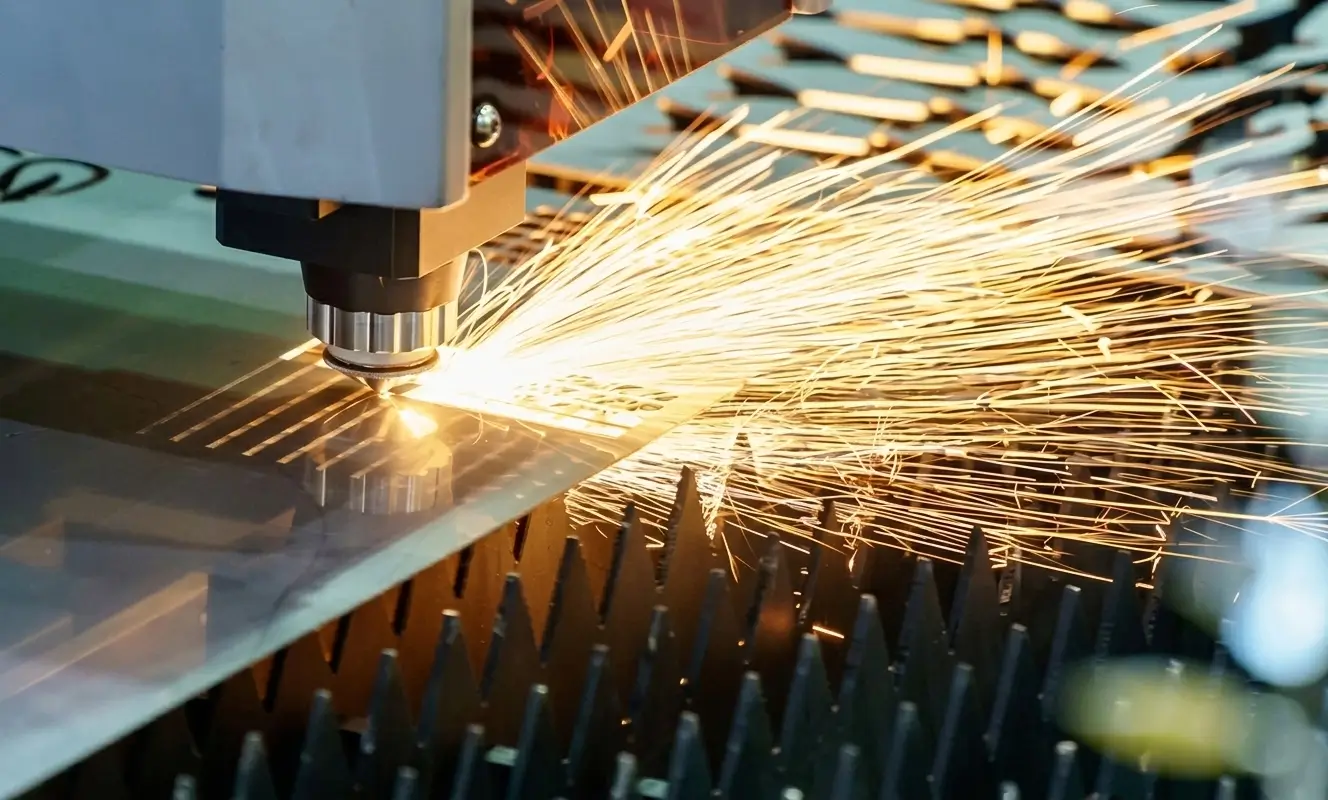
The CO2 laser hybrid cutting machine is also a high-precision processing equipment based on CO2 gas laser technology, capable of simultaneously processing some metal materials and non-metal materials, and combining cutting and engraving functions. The CO2 laser hybrid cutting machine is equipped with an infrared ranging system, allowing the laser cutting head to automatically focus based on the distance from the metal plate, ensuring cutting accuracy. The power of such lasers is generally above 200W, and with the assistance of gas, it can cut some thin metal plates, such as stainless steel plates, carbon steel plates, iron plates, etc., but it is not suitable for highly reflective metal materials like copper and aluminum. The CO2 laser hybrid cutting machine, with its advantage of being able to cut both metal and non-metal materials simultaneously, expands the application range of CO2 lasers, making it particularly suitable for small factories and studios that require mixed processing of metal and non-metal materials.
Application of CO2 Laser Engraving and Cutting Machine
CO2 laser engraving and cutting machines are versatile laser machines widely applied to over 95% of non-metallic materials and some metallic materials.
Materials
Wood, hardwood, softwood, MDF board, plywood, acrylic, plexiglass, ABS, dual-color board, PP, PE, PET, PVC, fabric, foam, leather, synthetic leather, technical fabric, towels, corrugated paper, rubber sheets, silicone, glass, ceramics, marble, tiles, granite, crystal, shells, bones, bamboo, EVA, felt, cardboard, carbon fiber, fiberglass, as well as thin stainless steel sheets, carbon steel, iron plates, and other materials.
Industries
- Advertising: Acrylic luminous characters, advertising display stands, acrylic 3D characters, LED light boxes, billboards, badges, metal brackets, tags, etc. Apparel: Shoe sole cutting, leather shoes, belts, denim, fiber fabric cutting, hollow carving, etc.
- Handicrafts: Wooden box engraving, wooden puzzles, toys, acrylic crafts, models, glasses, fridge magnets, etc.
- Packaging: Corrugated boxes, airplane boxes, packaging boxes, pearl cotton protection, EVA anti-collision boxes, wooden boxes, packaging box logos, jewelry boxes, etc.
- Construction: Acrylic partitions, wooden screen cutting, MDF wall panels, wooden flooring, etc.
- Electronics and electrical appliances: Phone cases, PCB boards, keyboard keys, phone crystal keys, etc.
- Model making: Sand table models, architectural models, handicraft models, etc.
- Home appliance and furniture casings: Panel logo engraving, TV casings, plastic casings, etc.
- Personalized products: Customized clothing, bookmarks, keychains, USB drives, etc.
- Metal: Nameplate cutting, stainless steel brackets, metal construction components, hardware fittings, etc.
Types of CO2 Laser Engraving and Cutting Machine
Classified by Size
- Small desktop CO2 laser engraving and cutting machine: Features a smaller workbenche size, such as 400*400mm, 400*600mm, 900*600mm, etc. The power is generally below 80W, and it can be placed directly on a desktop, suitable for small studios and hobbyists.
- Medium independent flip-top CO2 laser engraving and cutting machine: Workbenche sizes include 600*900mm, 1300*900mm, 1600*1000mm, etc., offering more universal processing dimensions. It occupies a small footprint, with laser power generally below 200W. Suitable for various industries such as advertising, handicrafts, and personalized customization.
- Large industrial-grade CO2 laser engraving and cutting machine: Common workbenche sizes are 1300*1800mm, 1300*2500mm, 1500*3000mm, 2000*3000mm, etc., with larger workbenche dimensions and laser power generally above 150W, ideal for batch production and processing in large factories and production workshops.
Classified by Function
- CO2 laser hybrid cutting machine: Typically with laser power above 150W, capable of cutting both non-metallic materials and some metallic materials, suitable for factories and studios with both metal and non-metal processing needs.
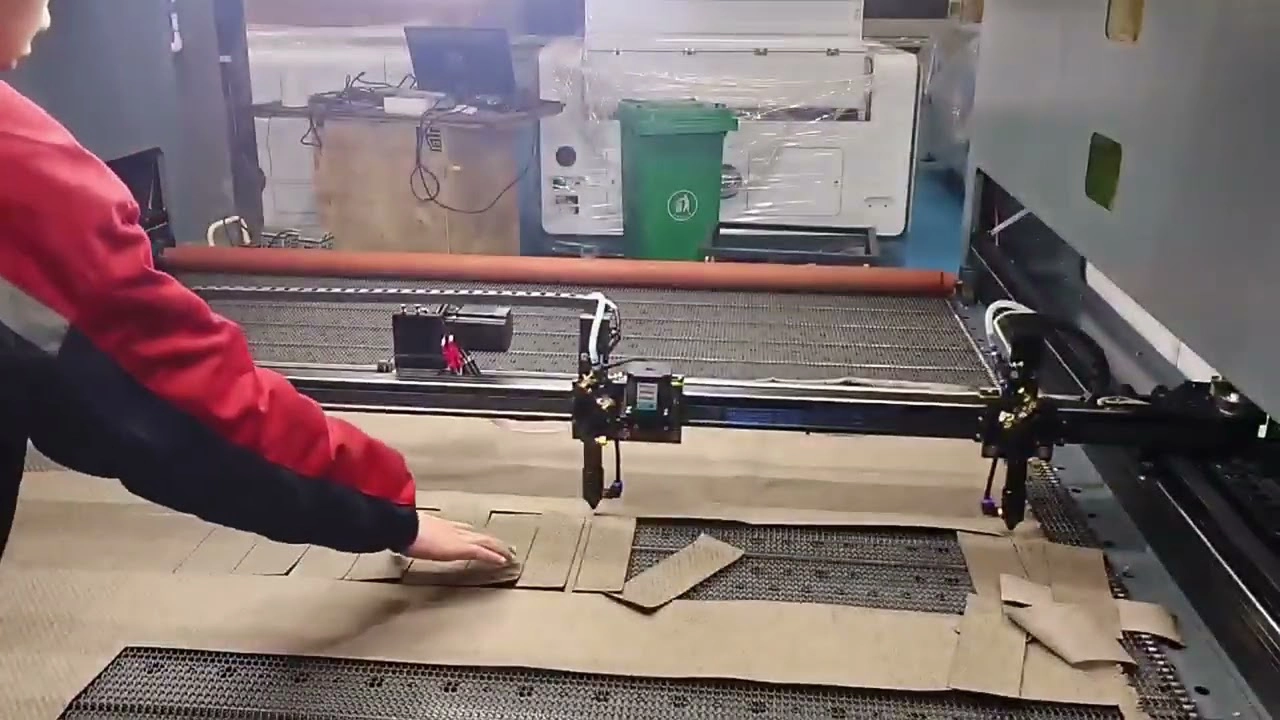
- Automatic feeding CO2 laser cutting machine: Equipped with a coil automatic feeding system, supports automatic feeding, highly suitable for processing in the apparel industry such as fabrics, leather, and textiles.
- Multi-head CO2 laser engraving and cutting machine: Can be optionally equipped with 2-4 laser heads, capable of cutting or engraving multiple products simultaneously, suitable for batch production and processing.
Optional Accessories for CO2 Laser Cutting and Engraving Machines
- 3D rotary axis: Used for processing various products with rotational surfaces, capable of clamping the workpiece for 360° rotation, enabling cutting or pattern engraving on the rotational surface of the workpiece. Rotary axes with any clamping diameter can be optionally installed.
- CCD vision positioning system: Can automatically recognize material edges and cut according to pre-printed patterns. It is also suitable for batch processing of small products, allowing for random placement and contour recognition processing, effectively improving processing efficiency.
- Lifting workbenche: Controlled by the control system to adjust the height of the tabletop, it can be used for processing parts of different heights and allows for quick adjustment of the focusing height during the first processing. It is usually used in conjunction with 3D rotary kits and autofocus functions.
- Follower system: Equipped with an infrared ranging device for cutting parts with uneven surfaces. The infrared ranging device can monitor changes in the surface height of the material in real-time, automatically adjusting the height of the cutting head to ensure the focal point is always in the optimal position.
Note: In addition to the above functional accessories, the power of the CO2 laser, workbenche size, control system, machine appearance, color, etc., can also be optionally installed or customized.
Technical Specifications of CO2 Laser Engraving and Cutting Machine
| Type | CO2 Laser engraving and cutting machine |
|---|---|
| Brand | CATEKCNC |
| Function | Engraving, cutting |
| Laser Type | CO2 Laser |
| Laser Central Wavelength | 10.6μm |
| Processing Type | Non-contact laser processing |
| Cooling System | Water cooling, air cooling |
| Applicable Materials | Non-metallic materials and some metallic materials |
| Laser Power | 40W, 60W, 80W, 100W, 130W, 150W, 180W, 200W, 300W, 400W, 500W, 600W, 800W, etc. |
| Laser Source | YongLi, Reci, EFR, SlW, CDWG, DAVI, Siri, Coherent, etc. |
| Control System | RDC, LaserCAD, TL, etc. |
| Application Software | AutoCAD, CorelDRAW, Adobe Photoshop, Adobe Illustrator, Autolaser, Rdworks, LightBurn, LaserCAD, OpenSCAD, etc. |
| Compatible Formats | Dxf, jpg, jpeg, ai, cdr, bmp, png, plt, svg, gif, tif, etc. |
| Price | $1,100−$20,000 |
The Thickness That Can Be Cut by Different Powers of CO2 Laser
| 40W | 60W | 80W | 100W | 130-150W | 180-200W | 300W | 500W | 600W | |
|---|---|---|---|---|---|---|---|---|---|
| Acrylic | 3mm | 8mm | 12mm | 15mm | 20mm | 25mm | 28mm | 30mm | 35mm |
| MDF Board | 2mm | 4mm | 7mm | 9mm | 18mm | 22mm | 25mm | 30mm | 35mm |
| Solid Wood Board | 3mm | 5mm | 8mm | 10mm | 15mm | 20mm | 25mm | 30mm | 35mm |
| Stainless Steel Board (Mixed Cutting) | 1mm | 2mm | 2.5mm | 3mm | |||||
| Carbon Steel Board (Mixed Cutting) | 1mm | 2mm | 2.5mm | 3mm | |||||
The Price of CO2 Laser Engraving and Cutting Machines
When planning to purchase a CO2 laser cutting machine, it is essential to comprehensively consider several key factors: what functions it can achieve for you, the expected benefits, the procurement cost, and the expenses required for later maintenance and upkeep.
The price range of CO2 laser engraving and cutting machines generally falls between $1100 and $20000. However, the actual price needs to be calculated based on your specific requirements. Different laser powers, processing sizes, and optional accessories can all impact the final price of the machine. For instance, a mini desktop CO2 laser cutting machine starts at $1100; an entry-level 6090 model CO2 engraving machine starts at $2300; and an industrial-grade 1325 model CO2 laser engraving and cutting machine suitable for factories starts at $3800.
If you choose to add a 3D rotary axis during purchase, an additional cost of $350 is required. The lenses used in the machine, such as the focusing lens, start at a low price of $10. Additionally, the size of the machine's worktable is another factor affecting the price; generally, the larger the worktable size, the higher the machine's price.
Advantages of CO2 Laser Engraving and Cutting Machines
- High processing precision, suitable for fine engraving of various complex design patterns.
- Non-contact processing ensures the integrity of fragile materials without causing damage.
- Smooth cutting surfaces without any burrs, eliminating the need for post-processing polishing or grinding.
- Fast processing speed, more than 5 times faster than traditional cutting methods.
- No molds required, switching designs in just 3 minutes, from design to finished product in minutes, offering flexible processing.
- Wide material applicability, capable of handling various non-metallic materials and some metallic materials.
- Noise-free processing, no dust or waste, meeting environmental production requirements.
- No consumables needed, capable of 24-hour continuous processing with a long service life.
- Broad software compatibility, supporting various types of design files and multiple software.
- Can be connected to a computer or operated offline using a USB drive to import files.
- Simple control system operation, supports multiple languages and resume from breakpoint, easy for beginners to operate.
- Equipped with red light positioning, as CO2 lasers are infrared and invisible to the naked eye, red light positioning simplifies positioning and processing.
Usage of CO2 Laser Engraving and Cutting Machines
The use of CO2 laser engraving and cutting machines requires following systematic operating procedures and strict safety regulations to ensure safe operation. CATEKCNC's laser engineers have summarized the following usage guidelines for you:
-
Before processing, the machine needs to be installed, including the water cooling system, gas system, and laser tube.
- Installation of the water cooling system: Fill the water cooler with water, connect the water inlet and outlet of the water cooler to the machine, ensure the normal water flow circuit, and adjust the temperature to 20-30℃.In winter or cold conditions, antifreeze should be added to prevent freezing.
- Installation of the gas system: Connect the air pump's hose to the machine's air inlet to ensure normal gas output.
- Installation of the laser tube: Place the laser tube in the installation position, paying attention to the direction of the laser output end and the water inlet and outlet ends, ensuring the water inlet end is at a low position and the water outlet end is at a high position.
- Place the material to be processed on the worktable, ensuring the surface is flat.
- Select appropriate laser processing parameters (such as power and processing speed) based on the material and thickness of the product.
- Manually or automatically adjust the laser head focal length to focus on the material surface.
- Before processing, preview the cutting path through the control system to ensure the processing position is correct.
- Perform a trial cut to check if the processed result meets expectations. If there are no issues, proceed with batch processing.
- If any abnormalities occur during processing, immediately press the emergency stop button and resume processing after troubleshooting.
Maintenance of CO2 Laser Engraving and Cutting Machines
The maintenance of CO2 laser engraving and cutting machines is crucial. Regular maintenance not only improves work efficiency and reduces machine failures but also effectively extends the machine's service life.
- Daily check the cooling water and circulation water pipes to ensure smooth water flow. Regularly replace the cooling water to avoid excessive water temperature, which could cause laser tube failure.
- Regularly check the fan of the blower to avoid excessive dust affecting the exhaust efficiency during processing.
- Regularly check the screws at the connections to avoid loosening, which could affect the machine's operational stability.
- Regularly check the wire connection points to avoid loose connections affecting machine processing.
- Clean the guide rails daily. After processing, use a cotton cloth to wipe off the dust on the guide rails and apply lubricant appropriately.
- Regularly clean the focusing lens and reflector, using a lens cloth to remove dust from the lenses.
- Regularly clean the electrical cabinet and its ventilation ports to prevent excessive dust from affecting the heat dissipation of electrical components.
If you want to know more about the price and configuration of CO2 laser engraving machines, as well as the functions of various optional accessories, or if you want to use a laser cutting machine to process your samples before purchasing to confirm that the CO2 laser engraving machine can complete your processing tasks, you can contact our sales experts for a detailed introduction or to obtain a free quote.
CUSTOMER REVIEWS
-
The machine arrived and we ran a test. Wow! It cuts cleanly and quickly. Honestly, it's greatly simplified our production process—absolutely worth the investment.
DhimanJan 10, 2026 -

Very fast response and great service. The machine just arrived, and I already tried it out by laser cutting a hockey jersey. We are very excited with this purchase and look forward to a long-term cooperation.
ChavezMay 15, 2025 -
The dual laser heads are a massive time-saver for our shop. Both heads follow the patterns perfectly at the same time—it’s like having two machines in one. Cutting efficiency is much higher than our old setup. Very impressed with the speed!
SaksupanMar 05, 2026 -
The laser cutter has arrived in perfect condition. I feel fortunate that it didn't suffer any bumps or damage during the long-distance shipping. I've already completed the installation and am now conducting initial tests.
MandelcAug 12, 2025 -

When this CO2 laser cutting machine was delivered, only the laser tube and dust vacuum tube had been disassembled. After a quick check-in with the salesperson, I installed them easily without any trouble. I just ran a simple test by cutting a few very basic patterns, and the results were excellent—exactly the same as what I’d seen online. The machine itself isn’t complicated to operate, but the software has quite a few features. Next, I need to take time to study the software’s advanced operations in detail.
HemnaniAug 03, 2025 -
This mini CO2 laser engraving machine is great. I use it to cut wooden puzzles and crafts. The effect is perfect and the precision is very high. I only need to use a flat drawing to process it. The operation is simple, which saves me a lot of time.
YacoubApr 30, 2025 -
İstemeden de kabul etmem gerek ki, bu fiyat aralığında bu tür büyük boyutlu CO2 lazer kesici makineyi alabilmek gerçekten çok mutlu edici bir durum. En güzel yanı ise sistemin Türkçe desteği var, bu gerçekten harika!
KaraaslanJun 29, 2025 -
I’ve been using this machine for a short time now, mostly for MDF and acrylic cutting. The cuts are clean and consistent, and the machine runs smoothly. Setup was not complicated.
CsabaJan 12, 2026 -

아주 좋은 CO2 레이저 절단기입니다. 아크릴 시트를 자르는 데 사용하는데, 빠르고 정확합니다.
Hwang YungiMar 17, 2025 -
My customer has received the machine! This is my first successful order at the company, I didn’t expect it to go so smoothly. It’s been a great cooperation.
TobarOct 07, 2025