MEET CATEKCNC

Versatile Laser Machines for Welding, Cutting and Cleaning

A laser welding machine is a device that uses a laser beam to perform fusion welding on metal materials. It rapidly heats the base metal or filler metal with an infrared laser, causing the irradiated area to melt. After the laser irradiation stops, the molten part solidifies, forming a strong welded joint. Compared to traditional TIG welding and MIG welding, laser welding machines feature concentrated energy, high density, and strong parameter adjustability, offering extremely fast welding speed, high precision, a small heat-affected zone, and excellent welding quality.

The unique properties of lasers also expand the functionality of laser welding machines. Multi-functional laser welding machines can perform not only basic welding but also metal cutting, weld seam cleaning, substrate surface cleaning, and battery welding, integrating multiple functions into one device. This equipment is widely used in industries such as automotive manufacturing, aerospace, electronics and electrical appliances, medical devices, new energy, and hardware tools. Models equipped with cleaning functions can be applied in rail transit, cultural relic restoration, mold maintenance, shipbuilding, semiconductors, and other fields, demonstrating broad application prospects.

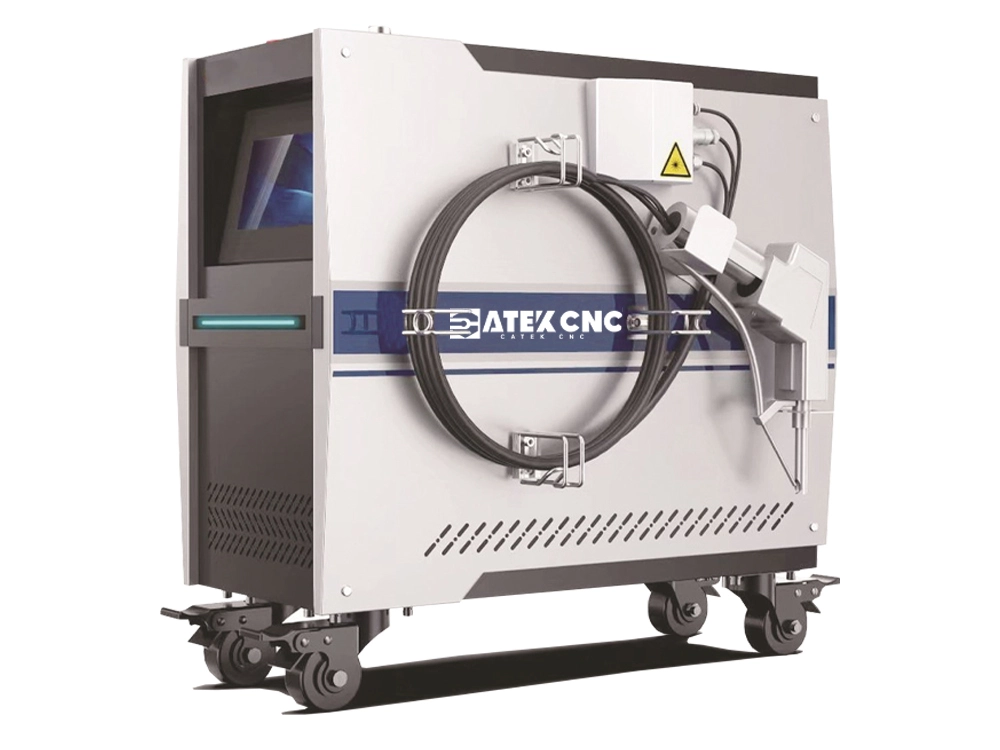
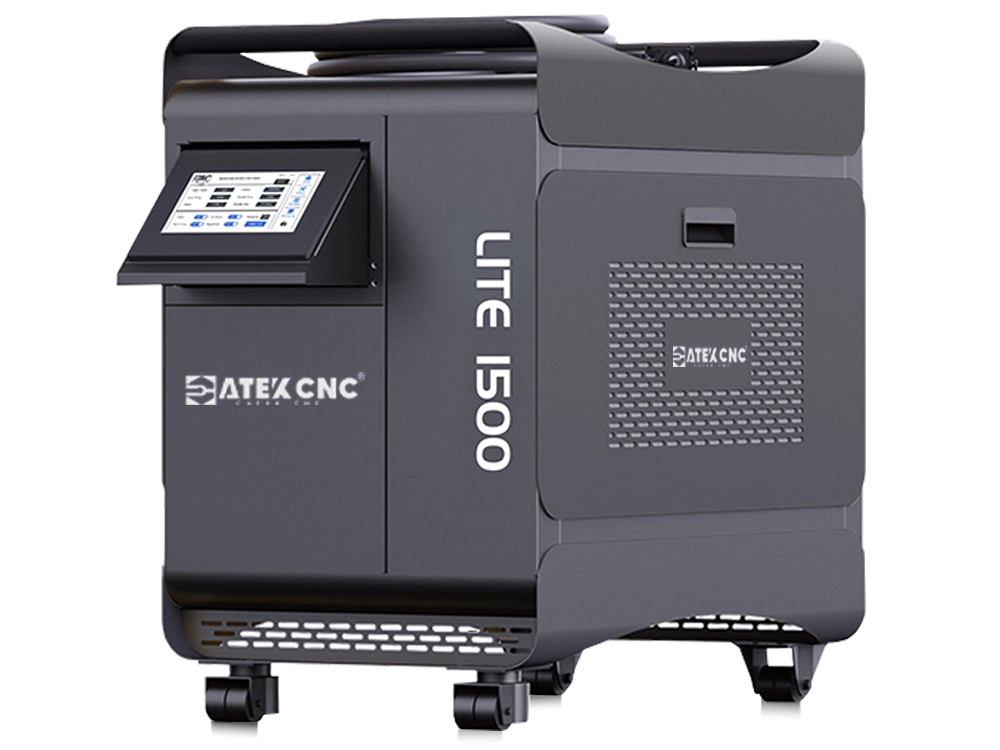
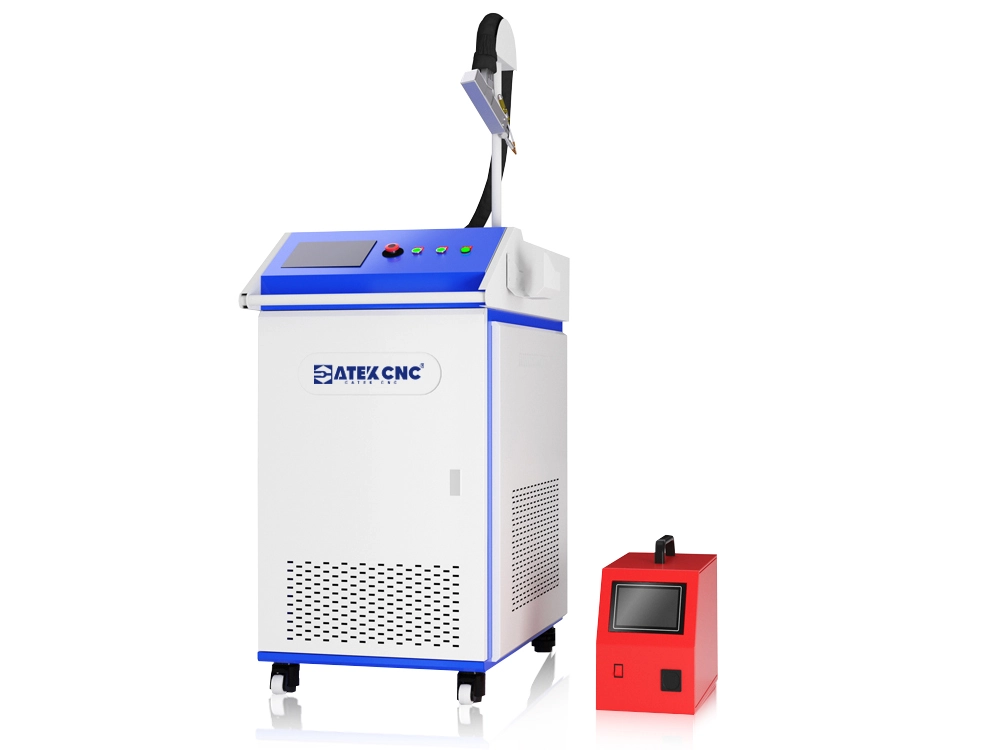
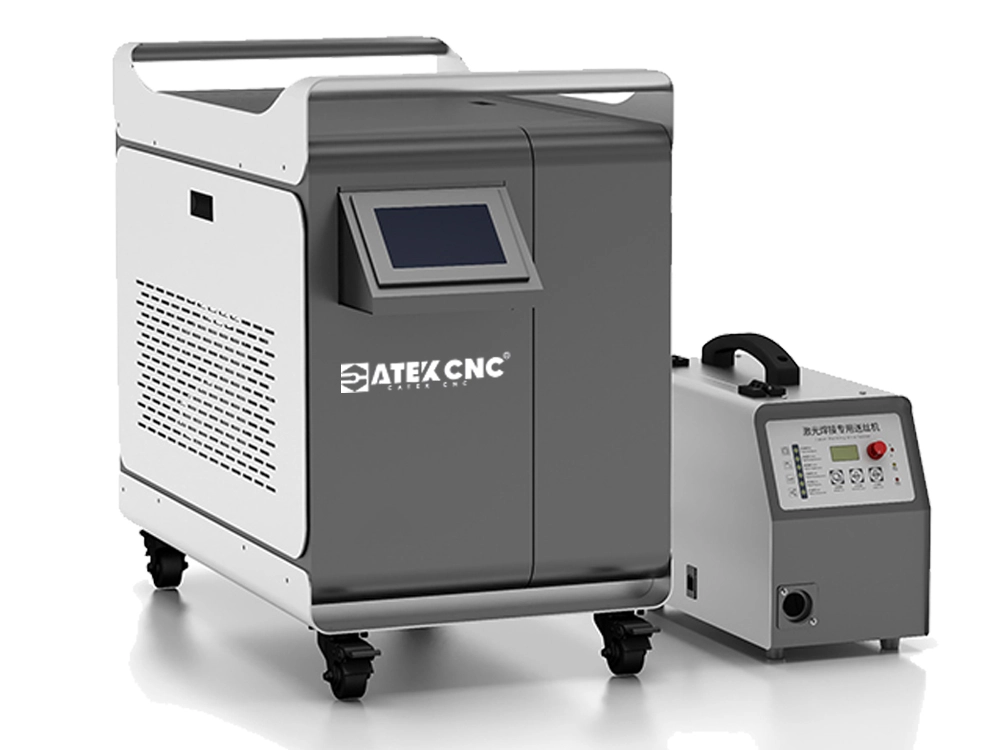
Laser welding machines can be categorized by form into handheld, benchtop -type, and robotic-arm types (industrial welding robots). Common power options include 1000W, 1500W, 2000W, and 3000W. Laser brands available include JPT, RECI, Raycus, MAX, and BWT; welding head brands include Raytools, Ruifa, G-fast, and Qilin. You can read the article below for further details.

Showing 1–12 Of 4 Results

SELECT LASER EQUIPMENT FOR PRECISION WELDING/CUTTING/CLEANING

Welding technology, as a traditional foundational process in the manufacturing industry, it has been widely applied in numerous industrial fields such as aerospace, shipbuilding, automotive manufacturing, bridge construction, electronic information, and metal structures for high-rise buildings, becoming an indispensable force driving industrial economic development. Welding not only expands the boundaries of material joining technology but also advances human civilization. With the rapid development of the manufacturing industry, especially under the increasing demands for welding precision, speed, and environmental protection, traditional welding methods are gradually facing many challenges. Fiber laser welding as an emerging welding technology, is gaining increasing attention due to its advantages of high precision, high efficiency, non-contact operation, ease of use, and safety and reliability. Fiber laser welding machines as new welding equipment applying this technology, not only possess the benefits of fiber laser welding but can also expand into various functions such as laser cutting and laser cleaning, gradually becoming an indispensable welding solution in modern manufacturing.

Fiber laser welding machines are characterized by their compact size, fast welding speed, small HAZ, and high weld quality. Compared to traditional welding methods, they offer higher energy density and more precise control, enabling finer welding results. However, there is a wide variety of fiber laser welding machines, and their processing capabilities and output power are critical factors to consider when purchasing, as different functions and power levels are suited for different industries and application scenarios. If you are unsure how to choose the most suitable fiber laser welding machine for your needs, we believe that after carefully reading this article, you will gain a deeper understanding of fiber laser welding machines. If you have further purchasing needs, feel free to consult CATEKCNC. We can provide you with various fiber laser welding machines suitable for both entry-level and industrial-grade applications, along with professional machine selection advice, making us your trusted choice.

What is a Fiber Laser Welding Machine?

A fiber laser welding machine is a welding device that utilizes laser technology. It employs the energy of a laser beam to heat metal materials. The laser beam is precisely focused by a lens, forming a tiny high-energy spot that rapidly raises the temperature of the workpiece's welding area above its melting point, causing the material to enter a molten state. Once the laser beam moves away, the molten material cools and solidifies, forming a strong weld seam. By controlling the movement of the laser beam, precise welding of metal materials can be achieved.

Compared to traditional welding methods, laser welding is highly efficient, significantly improving productivity. At the same time, laser welding offers extremely high precision, producing very narrow weld seams with minimal HAZ, effectively reducing issues such as workpiece deformation, discoloration, and backside marks. Additionally, fiber laser welding machines support welding between various similar metal materials (such as stainless steel, carbon steel, aluminum alloy, copper, and titanium) as well as mixed welding between different metals. Fiber laser welding machines are equipped with control systems that allow adjustment of laser output power, frequency, and welding speed based on different material properties and thicknesses, simplifying the welding process. The machine's display interface enables fault diagnosis and real-time monitoring, making it easy to track operational status. Moreover, fiber laser welding offers significant environmental advantages over traditional welding. Conventional welding often involves harmful gas emissions and smoke generation, whereas laser welding directs a high-precision laser beam onto the workpiece surface without producing hazardous substances, making it more eco-friendly.

Thanks to their versatility, efficiency, and high precision, fiber laser welding machines are widely used across various industries. They are not only suitable for traditional metal welding—such as sheet metal processing, aluminum art, construction materials, furniture, and kitchenware—but also for electronics, automotive and shipbuilding, home appliance manufacturing, aerospace, and watch and jewelry production. Whether for small precision components or large, complex structural parts, laser welding machines provide an ideal solution.

What Processing Functions Does a Fiber Laser Welding Machine Have?

Thanks to the versatility of lasers, fiber laser welding machines can integrate multiple functions—such as laser welding, laser cutting, laser cleaning, laser weld seam cleaning, and laser battery welding—into a single system, significantly expanding their application scope.

Laser welding
Suitable for various metal materials, including carbon steel, stainless steel, aluminum, copper, and alloys, it can flexibly handle diverse welding tasks. It supports multiple welding process such as butt joint welding, tee joint welding, corner joint welding, lap joint welding, edge joint welding, and features both continuous-welding and pulsed-welding modes. This makes it ideal for heat conduction welding of thin sheets as well as deep penetration welding of medium-thick plates.
Laser cutting
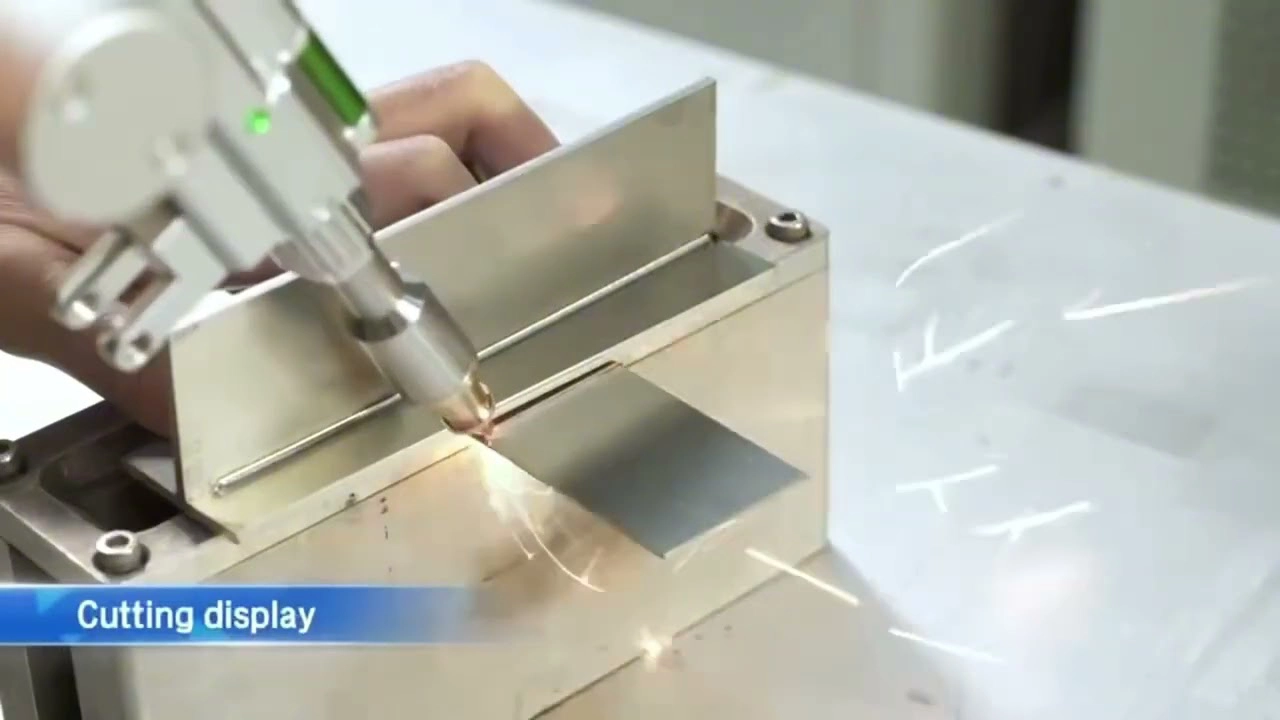
Utilizing a focused high-intensity laser beam, it enables rapid piercing and cutting of metal materials. It can cut various metals with smooth edges and minimal HAZ, supports complex-shaped workpiece cutting, and offers simple operation.
Laser cleaning
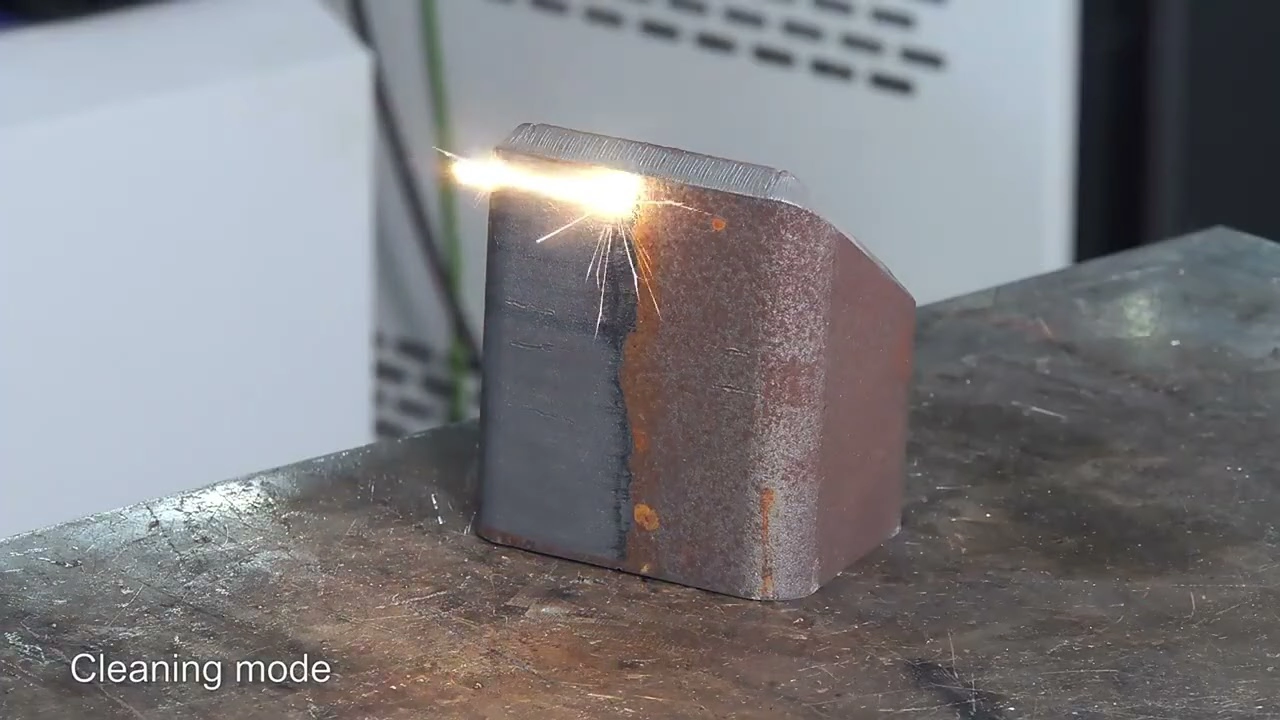
By concentrating high-energy laser beams, it efficiently and quickly removes contaminants such as oil, rust, and oxide layers from metal surfaces. It is environmentally friendly, produces no secondary pollution, and does not damage the substrate. Compared to traditional cleaning methods, laser cleaning requires no chemical agents or consumables, reducing pollution and operational costs while preserving material integrity.
Laser weld-seam cleaning
This function uses lasers to remove residual oxides and spatter from finished welds, minimizing the need for secondary grinding. It enhances the aesthetic quality of products and reduces manual labor.
Laser battery welding
Employing high-energy-density laser beams, it welds metal components of lithium batteries (such as tabs, electrode terminals, filling holes, studs, and explosion-proof valves). Compared to traditional welding methods, laser welding offers distinct advantages for battery applications, including an extremely small heat-affected zone. It enables high-speed, high-efficiency welding while ensuring quality and reducing the solder joint failure.

What Components Make Up a Fiber Laser Welding Machine?

The fiber laser welding machine is primarily composed of a laser generator, laser welding head, control system, cooling system, gas system, wire feeder, and other components. Multiple core parts work together efficiently to provide stable, high-energy output and precise control, completing various tasks such as welding, cutting, and cleaning.

Fiber laser generator

The fiber laser generator is the core component of the fiber laser welding machine, responsible for converting electrical energy into high-energy laser beams. It mainly consists of a laser gain medium, pump source, resonant cavity, and laser output head. During operation, electrical energy excites the pump source, emitting pump light of a specific wavelength, which is then injected into the doped gain medium fiber by a coupler. The pump light excites the gain medium, creating a population inversion. The excited particles repeatedly amplify the optical signal within the resonant cavity, forming a high-intensity laser beam. The amplified laser beam is transmitted by the fiber to the laser welding head for welding tasks.

Laser welding head

The laser welding head mainly consists of a QBH fiber connector, protective lens, focusing lens assembly, collimating lens assembly, nozzle, and wire feed copper nozzle.

  • Fiber connector: Used to connect the fiber laser source and transmit the fiber output to the laser welding head.

  • Collimating lens assembly: Performs the collimation and alignment of the fiber, adjusting the laser beam passing through the collimating lens into a parallel beam.

  • Galvanometer module: Controls the laser to vibrate at a certain angle and reflect the collimated parallel laser, changing the direction and spot shape of the original beam.

  • Focusing assembly: Focuses the reflected laser beam into a high-power-density concentrated laser beam.

  • Protective lens: Protects the focusing lens from damage caused by molten metal slag, extending its lifespan.

  • Nozzle: Guides the focused laser beam to the workpiece surface and, in conjunction with shielding gas, generates a high-speed airflow to protect the melt pool from oxidation, achieving high-quality welding results.

  • Wire feed copper nozzle: Works with the automatic wire feeder to deliver a precise amount of welding wire to the processing area. It is used to fill wider weld seams during welding.

Control system

The control system is a core component of the fiber laser welding machine, responsible for precisely controlling welding parameters and switching working modes. It also coordinates the operation of the laser generator, cooling system, wire feed system, and gas system through signal interfaces. The control panel of the laser welding machine features a touchscreen, allowing settings for laser processing functions, pulse frequency, scanning speed, scanning width, mode switching (pulse or continuous), and more. It supports multiple language displays, with an intuitive interface and simple operation, making it very easy to use.

Cooling system

The fiber laser welding machine has two types of cooling systems: air-cooled and water-cooled.

  • Air-cooled system: Uses fans for heat dissipation. It has a simple structure and is easy to maintain, but its cooling capacity is limited, making it suitable for small laser welding machines with power below 2000W.
  • Water-cooled system: Provides efficient heat dissipation through circulating water, offering high cooling capacity and strong stability. The water-cooled system ensures the equipment operates at a stable temperature, preventing overheating that could affect laser output efficiency and component lifespan. The temperature control accuracy can reach ±0.5°C, supporting long-term continuous operation.
Gas system

The gas system of the fiber laser welding machine is a critical component for ensuring welding quality. Commonly used gases include nitrogen, argon, and helium, each serving different functions. When selecting gases, it is essential to use gases with qualified purity—the higher the purity, the better the welding quality. Impurities in low-purity gases may also damage the lenses.

  • Helium: Has high thermal conductivity, quickly removing heat from the welding area and effectively suppressing plasma. It is often used for welding non-ferrous metals such as copper and aluminum.
  • Argon: Has high density, providing stable protective effects. It is suitable for stainless steel, titanium alloys, etc., resulting in smoother weld surfaces.
  • Nitrogen: Suitable for welding alloy materials, it isolates oxygen and water vapor from the air, preventing weld oxidation and hydrogen embrittlement, thereby improving weld quality.
Wire feeder

Primarily used for precisely delivering welding wire to fill weld gaps and improve welding quality. The fiber laser welding machine is equipped with a fully automatic wire feeder, compatible with welding wires ranging from 0.6mm to 2mm. It features adjustable wire feed speed, delay, wire replenishment, retraction, and other functions. The wire feed speed can be freely adjusted from 0 to 100mm/s, effectively reducing manual feeding errors, resulting in smoother, more aesthetically pleasing welds with less deformation and eliminating the need for secondary grinding.

Both single and dual wire feed systems are available. The dual wire feed system can simultaneously deliver two wires, suitable for welding materials with wider seams, improving welding speed and quality.

What Is Oscillation Welding? What Is the Difference Between Single Oscillation and Dual Oscillation?

Oscillation welding in fiber laser welding machines is a technique that dynamically controls the movement trajectory of the laser beam to optimize welding quality. Imagine the laser beam as a stick—during welding, the laser beam (the stick) rapidly moves and stirs within the melt pool, thoroughly mixing the materials before cooling, ultimately forming a flawless weld seam. The core principle of oscillation welding lies in using a galvanometer system to make the laser beam oscillate rapidly according to a preset pattern during the welding process, thereby expanding the effective range and improving energy distribution. In oscillation mode, the peak laser energy decreases, but the energy distribution becomes more uniform. This effectively reduces material spatter and porosity while enhancing melt pool fluidity, promoting metal liquid backflow, eliminating undercuts and cracks, prolonging the laser-material interaction time, increasing melt pool width, and reducing melt depth. It avoids the collapse issues caused by concentrated energy in traditional laser welding and allows the laser to cover a wider weld area.

  • Single oscillation system: Uses a single galvanometer oscillation motor, allowing the laser beam to move in only one direction. The spot is more concentrated, with stronger penetration and deeper melt depth, making it suitable for conventional direct welding needs. The single oscillation system is simple to operate and easy to maintain, making it ideal for applications with repetitive welding paths. It delivers high-quality welds, minimizing workpiece deformation or bending to the greatest extent, and is suitable for scenarios requiring high precision.
  • Dual oscillation system: Equipped with two galvanometer oscillation motors, enabling compound oscillation in both horizontal and vertical directions. This means the laser can move simultaneously in two directions, following various oscillation patterns such as figure-8, triangle, circle, ∞, or diamond shapes. The dual oscillation system is more flexible than the single oscillation system, allowing better control over uniform heat distribution during welding. It effectively improves welding quality, reduces the heat-affected zone, and avoids deformation and cracks caused by localized overheating. Compared to single oscillation welding, it offers higher welding speeds and processing efficiency, making it highly suitable for large-scale and complex product welding, such as in automotive manufacturing and construction.

What Are the Types of Fiber Laser Welding Machines?

Fiber laser welding machines come in a variety of types, which can be categorized by form into portable handheld laser welding machines, benchtop fiber laser welding machines, and robotic-arm laser welding machines. Each type is suited for different working scenarios.

Handheld fiber laser welding machine

Primarily divided into air-cooled and water-cooled types. It offers high flexibility and portability, equipped with a handheld laser welding gun that effectively overcomes the limitations of traditional fixed laser welding machine operation. It can be fitted with fiber cables up to 20m long, making it highly suitable for outdoor and long-distance welding. Additionally, the device can be equipped with a handcart or casters, further enhancing mobility. Compared to traditional welding methods like TIG welding, the welding speed can be increased by 2 to 10 times. It is safe, reliable, and ensures stable welding performance, capable of adapting to various complex workpieces and irregular welding requirements. It is ideal for diverse working environments and challenging scenarios.

Benchtop fiber laser welding machine

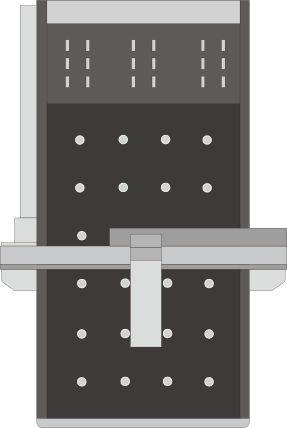
These machines are almost all water-cooled. Utilizes advanced control and laser systems to achieve high-precision welding in fully automatic or semi-automatic. It is equipped with a servo-driven system and can be configured with 3-axis, 4-axis, or 6-axis automated worktables to perform multi-dimensional welding tasks. Depending on workpiece characteristics, it can also be fitted with matching fixtures for high-efficiency batch welding. This machine is particularly suitable for industrial applications requiring high welding precision, such as precision machinery manufacturing and automotive manufacturing. It significantly reduces production cycles and enhances efficiency.

Robotic-arm laser welding machine(laser welding robot)

These machines are almost all water-cooled. Equipped with a 6-axis or multi-axis robotic arm, achieving a precision of up to 0.05mm, ensuring accurate control over welding paths. The robotic arm supports 6-axis synchronized motion, enabling welding along any path and angle in three-dimensional space. The device supports CNC programming, allowing pre-planned welding paths, and can simulate welding via a teach pendant to verify if the programmed path meets expectations. It features multi-task switching capabilities, enabling automated welding of complex processes. This makes it highly suitable for large-scale, high-volume, and high-standard automated 3D welding applications, such as automotive manufacturing, precision hardware, and medical device industries.

Technical Specifications of Fiber Laser Welding Machine

Category Fiber laser welding machine
Brand CATEKCNC
Application Materials Various metal materials
Processing Type Laser non-contact processing
Laser Type Fiber laser
Laser Central Wavelength 1064nm
Cooling System Air cooling/water cooling
Laser Power 1000W, 1500W, 2000W, 3000W, 6000W, etc.
Laser Source JPT, RECI, Raycus, MAX, BWT, etc.
Laser Welding Head Raytools, Relfar, G-fast, Qilin etc.
Control System Raytools, Relfar, G-fast, Qilin etc.
Price Range US$3,800-26,000

The Metal Thickness That Can Be Weld by Fiber Laser Welded Machines of Different Powers

Power/Material Carbon Steel (Single-Sided Penetration Depth) Stainless Steel (Single-Sided Penetration Depth) Aluminum (Single-Sided Penetration Depth)
1000W 3 mm 3 mm 2 mm
1500W 4 mm 4 mm 3 mm
2000W 6 mm 6 mm 5 mm
3000W 8 mm 8 mm 6 mm

The Metal Thickness That Can Be Cut by Fiber Laser Welding Machines of Different Powers

Power/Material Carbon Steel Stainless Steel Aluminum
1000W 2 mm 2 mm 1 mm
1500W 3 mm 3 mm 2 mm
2000W 5 mm 5 mm 3 mm
3000W 6 mm 6 mm 4 mm

Cleaning Speed of The Fiber Laser Welding Machines With Different Powers

Power/Material Loose Rust Paint Corrosion
1000W 5 ㎡/h 8 ㎡/h 5 ㎡/h
1500W 8 ㎡/h 12 ㎡/h 16 ㎡/h
2000W 20 ㎡/h 40 ㎡/h 60 ㎡/h
3000W 30 ㎡/h 50 ㎡/h 70 ㎡/h

What Materials and Industries Can Fiber Laser Welding Machines Be Used For?

Fiber laser welding machines have become essential tools for metal processing across multiple industries due to their high precision, low HAZ, and broad adaptability. They are widely used for welding various metals and alloys, including dissimilar metal combinations.

Applicable Materials

Stainless steel (304/316/321/410/420, etc.), carbon steel (Q235/SPCC/45#/60#, etc.), alloy steel, spring steel, galvanized steel, tool steel, aluminum, aluminum alloys, red copper, brass, bronze, cupronickel, nickel-based alloys, cobalt-based alloys, magnesium alloys, tungsten alloys, titanium, titanium alloys, gold, silver, and various other metal materials.

Application Industry

  • Automotive industry: Body welding, exhaust pipe welding, door welding, battery welding, battery casing welding, etc.

  • Electronics: Phone brackets, alloy phone frames, speaker casings, server enclosures, computer cases, etc.

  • Furniture & appliances: Stainless steel furniture, chairs, tables, microwave casings, TV casings, refrigerator casings, air conditioner casings, air conditioner brackets, washing machine casings, etc.

  • Environmental & energy: Solar panels, photovoltaic brackets, generator housings, etc.

  • Precision machinery: Injection molds, die-casting molds, gears, engine components, etc.

  • Shipbuilding: Ship decks, ship pipelines, protective plates, hulls, etc.

  • Construction engineering: Steel structures, bolt welding, truss joint welding, metal curtain walls, building facades, metal cladding, etc.

  • Decoration & sanitary ware: Wrought iron gates, stainless steel staircases, towel racks, bathroom cabinet legs, metal door frames, wardrobe handles, etc.

  • Advertising manufacturing: Stainless steel 3D lettering, metal signage, metal light boxes, metal sculptures, advertising frames, etc.

How Much Does a Fiber Laser Welding Machine Cost?

Compared with traditional welding equipment, fiber laser welding machines may be relatively more expensive. Conventional welding equipment such as TIG welders and MIG welders are relatively inexpensive, ranging from a few hundred to several thousand dollars. However, from a long-term perspective, laser welding machines offer incomparable advantages over traditional welding equipment, making them well worth the investment.Among them, the price of a small entry-level handheld laser welding machines with lower power and fewer functions starts at only US$3,200; while the price of a professional 3000W portable handheld 4-in-1 laser welding machines with higher power and more functions starts at US$5,500; the price of a 5-in-1 handheld laser welding machines with laser welding, laser cutting, weld cleaning, laser cleaning, and battery welding functions is between US$6,000 and US$8,000; the price of an automated benchtop laser welding machines ranges from US$8,600 to US$16,000; and the price of a industrial robotic-arm multi-axis welding robots starts at US$14,000. In summary, the purchase price of the equipment depends on the configuration and functions of the welding machine. Before finalizing your purchase of a laser welding machine, you need to carefully evaluate the welding scenarios and power requirements, while also considering business needs, machine functionality, and after-sales service.

What Are the Advantages of Fiber Laser Welding Machines Compared to Traditional Welding?

  • Simpler operation and easy to start: The welding quality of traditional welding methods heavily depends on the operator's skill and experience, making the training cost for skilled operators extremely high. In contrast, laser welding machines are user-friendly, allowing even complete beginners to master the operation quickly.

  • More environmentally friendly and safer: Traditional welding often involves high temperatures and fume-filled environments, posing significant safety risks. Laser welding employs non-contact welding, minimizing material heat damage and spatter while effectively preventing burn hazards. Additionally, laser welding produces minimal smoke and exhaust, complies with ROHS environmental certification, and is more eco-friendly.

  • Faster welding speed: Laser welding is 2-10 times faster than traditional welding, making it ideal for large-scale welding operations.

  • Lower energy consumption: Fiber laser welding achieves a photoelectric conversion efficiency of up to 30%, significantly reducing energy consumption compared to traditional welding, with overall energy efficiency surpassing conventional welding equipment.

  • Higher welding precision: The laser beam in laser welding is finer, with a smaller HAZ and superior precision, making it perfect for thin materials and precision components. Traditional welding, with its large HAZ, often causes thin materials to warp or discolor and is unsuitable for precision welding in electronics, batteries, etc.

  • Better welding quality: Laser welding produces smooth, aesthetically pleasing seams without defects like pores or cracks, eliminating the need for secondary polishing or grinding. The welds are stronger and more consistent. Traditional welding often results in uneven weld spots with issues like porosity and pinholes, requiring additional finishing work.

  • Greater welding depth and width: Laser welding can achieve a maximum single-sided thickness of 8mm (16mm for double-sided welding) and a width of up to 5mm, whereas traditional welding typically limits depth to around 3mm.

  • Easy weld weave patterns creation: Some laser welders feature galvanometer systems that can move the laser beam along programmed paths , enabling effortless creation of various woven welding patterns.

  • Lower machine maintenance costs: Fiber lasers have a lifespan exceeding 100,000 hours with low power consumption, resulting in minimal operating costs. Traditional welding methods consume more materials and energy, leading to higher long-term costs.

  • Wider material compatibility: Fiber laser welding machines can process a broad range of materials, including stainless steel, carbon steel, aluminum, copper, and alloys, and even enable dissimilar metal welding. Traditional welding is primarily limited to similar metals and performs poorly with dissimilar metal combinations.

How to Select the Nozzle for a Fiber Laser Welding Machine?

The nozzle for a fiber laser welding machine should be selected based on factors such as welding material, thickness, and process requirements. The right nozzle can significantly improve welding quality and extend the machine's service life.

Nozzle Types

  • Single-hole nozzle: Suitable for precision welding, it produces a concentrated gas flow, ideal for thin sheets or applications requiring fine weld seams.

  • Dual-hole nozzle: Provides wider gas coverage, making it suitable for large-area or thick-plate welding, effectively reducing spatter.

  • Annular nozzle: Delivers uniform gas protection for the molten pool, ideal for highly reflective materials (e.g., aluminum, aluminum alloys) or deep-penetration welding.

  • Inner-angle nozzle: Designed for welding in tight spaces, corners, or hard-to-reach areas.

  • Outer-angle nozzle: Maximizes heat dissipation, minimizing material distortion, making it suitable for applications requiring rapid cooling.

  • Bevel-cutting nozzle: Commonly used in handheld laser welders for angled cutting or bevel welding, with an adjustable exit angle to achieve the desired bevel.

  • Wire-feeding nozzle: Ensures precise wire delivery during welding, improving seam consistency and reliability. Often used in scenarios where welding wire is required (such reinforcing surfaces or filling gaps).

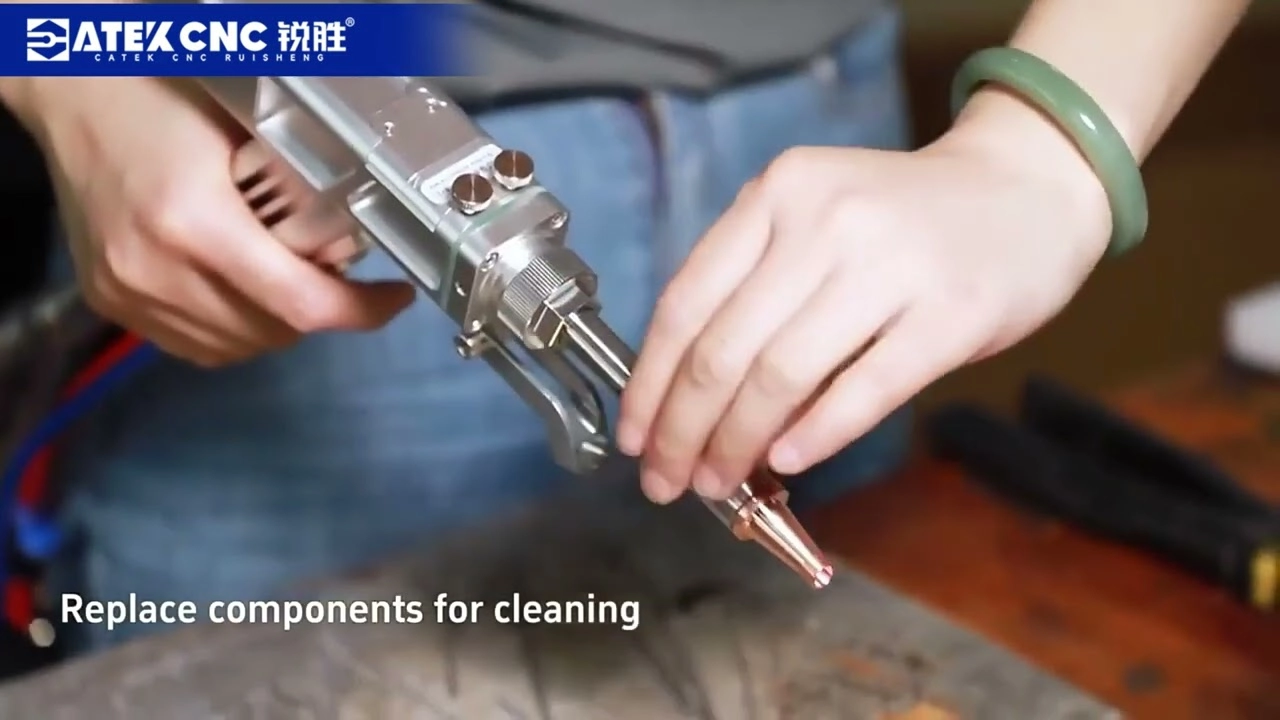
  • Cutting nozzle: Typically used in handheld laser welders for metal cutting. Its smaller aperture increases energy density, ensuring cutting precision and stability.

Nozzle Aperture

  • Thin sheets (<3mm): Small-diameter nozzles (1mm) provide faster gas flow, effectively removing slag and protecting lenses from overheating.

  • Medium-thick plates (3-12mm): Medium-diameter nozzles (1.5-2mm) balance gas flow speed and coverage, ensuring stable welding and penetration.

  • Thick plates (>12mm): Large-diameter nozzles (≥2mm) supply sufficient gas pressure to prevent melt pool collapse and reduce porosity.

Operating Procedure for Fiber Laser Welding Machine

  1. Machine inspection: Before starting the machine, conduct a comprehensive inspection to ensure all connections are secure, especially power cables and gas systems. Verify that the cooling system is functioning properly to prevent overheating.

  2. Parameter setting: Adjust laser power, welding speed, focal length, and other parameters based on the material type, thickness, and application. Beginners may use recommended parameters provided by the supplier and fine-tune them as needed after gaining experience.

  3. Safety precautions: Wear appropriate personal protective equipment (e.g., goggles, gloves) and ensure proper ventilation in the work area. Verify the functionality of emergency stop buttons and other safety devices before operation.

  4. Workpiece positioning: Secure the workpiece firmly on the worktable or a stable surface. For irregularly shaped workpieces, use auxiliary positioning tools for fixation.

  5. Laser positioning: Adjust the optical path to precisely position the laser beam's focal point at the welding starting point.

  6. Welding execution: Perform welding according to preset parameters. Monitor the process closely and be prepared to address any abnormalities immediately by stopping operation and troubleshooting.

  7. Completion: After welding, turn off the laser output and allow the workpiece to cool completely. Then remove the workpiece and inspect the weld quality.

Precautions for Operating Fiber Laser Welding Machines

  1. The machine requires proper preheating and calibration before welding to ensure optimal operating condition.

  2. Maintain appropriate welding speed and path control. Excessive speed may result in insufficient penetration or narrow weld seams, while insufficient speed may cause overly wide seams or material burn-through. Adjust welding speed according to material properties and thickness.

  3. Shielding gases (such as nitrogen, argon, etc.) must be used to prevent material oxidation and protect the equipment. Gas flow rate and purity should be properly adjusted according to welding materials and environment. Insufficient flow may fail to fully cover the welding area, causing oxidation issues, while excessive flow wastes gas and compromises welding quality.

  4. Proper welding angle and posture are critical for achieving high-quality welds. For handheld laser welders, maintain a welding angle between 70°-80° to ensure adequate laser beam coverage on the welding area. Operators should maintain a comfortable and stable posture to minimize hand tremors. For hard-to-reach areas, consider adjusting equipment position or using inner-angle nozzles.

Common issues

  1. This may be caused by various factors including unstable welding speed, inappropriate laser power, or poorly designed welding paths. It is recommended to verify the welding parameters and maintain consistent hand movement and speed during operation. If the problem persists, try readjusting the welding path or equipment parameters.
  2. This is typically caused by insufficient shielding gas flow or inadequate gas purity. Check the shielding gas supply to ensure both flow rate and purity meet welding requirements.
  3. This may indicate a cooling system malfunction where heat dissipation is inadequate. Inspect whether the machine's cooling system is operating normally.

About CATEKCNC

As a world-renowned source manufacturer and seller of laser equipment, CATEKCNC has earned global recognition and praise for its exceptional service, competitive pricing, and prompt after-sales support.

We are committed to delivering a premium service experience to our customers worldwide:

✔ Cost-effective solutions without compromising quality.

✔ Unparalleled customer service with 24/7 multilingual support.

✔ Comprehensive technical support and machine operation training to help you fully utilize your equipment.

✔ 3-year free warranty, along with lifetime maintenance and after-sales support.

If you have any questions about our machines or need guidance in selecting the most suitable model, feel free to contact us anytime. Customer satisfaction is CATEKCNC’s unwavering commitment.

Last Updated:
2026-02-11

CUSTOMER REVIEWS

  • The welding quality is clean and strong, with much less spatter compared to traditional welding. The handheld gun feels comfortable to use, even during long working hours. The water-cooling system keeps the machine stable, especially in hot weather, which is important for us here.

    It’s easy to learn and operate, and my team picked it up quickly. For stainless steel and mild steel work, this machine has helped us improve efficiency and overall finish quality. A solid investment for metal fabrication shops.

    Egyire
    gh
    Jan 31, 2026
  • Nach dreimonatigem Betrieb der Multifunktions-Laserschweißmaschine muss ich meine anfängliche Skepsis revidieren. Die Präzision der Schweißnaht bei 0,8 mm Edelstahl übertrifft unsere bisherigen Semi-Profi-Geräte.

    Wer bereit ist, sich in die Steuerungslogik einzuarbeiten, erhält hier Industrietechnologie zum Handwerkerpreis. Die Maschine hat bereits ihre Anschaffungskosten durch Einsparungen bei externen Auftragsschweißungen amortisiert.

    Luhmann
    de
    Dec 24, 2025
  • I buy the model with most functions. First I was worry about price, but quality is very impressive!

    Shipping to Albania take 3 weeks, but company help with all documents. Only small problem was instructions not in Albanian, but English manual is okay for me.

    Gjoni
    al
    Apr 25, 2025
  • I sold this laser welding machine to my customers. According to their feedback, the welding effect is very good. The price of this machine is not high, and the customers are satisfied. Everyone is very happy!

    Naveed
    pk
    Jul 20, 2025
  • To be honest, a laser welding machine is still quite expensive for me, and the price at this store is not cheap either. However, after seeing reviews of other machines from this factory, I felt reassured. Compared to the risk of spending a few hundred dollars more, buying an unsuitable machine or dealing with poor after-sales service would be far worse to accept.

    Bahena

    mx
    Nov 24, 2025
  • Өте жақсы лазерлік дәнекерлеу машинасы! Бұрын қолданған аргон-доғалық дәнекерлеуге қарағанда сапасы әлдеқайда жоғары. Дәнекерленген бұйымдарды тіпті клиенттерім де мақтады.

    Toleukhanov

    kz
    Apr 10, 2025
  • Отличный аппарат 3-в-1. Пользуюсь для мелкого ремонта в гараже. Сварка аккуратная, резка чистая, а функция очистки ржавчины очень полезная. Водяное охлаждение работает хорошо – никаких перегревов. Рекомендую за свою цену.

    Haritonov

    by
    Oct 17, 2025
  • El sistema es totalmente compatible con el español. ¡Excelente noticia! Esto facilita muchísimo nuestro trabajo.

    Faravelli

    ar
    Aug 29, 2025
Last Updated:
2026-02-11
Share this:
Menu