MEET CATEKCNC

Fiber Laser Marker for Metals and Opaque Plastics

Fiber laser marking/engraving machines is a device that uses near-infrared laser with a wavelength of 1064 nanometers to mark a variety of materials. It can mark or engrave most metals such as stainless steel, iron, aluminum, copper, titanium, gold, silver, and some opaque non-metallic materials such as ABS, PC, nylon, and sintered ceramics.

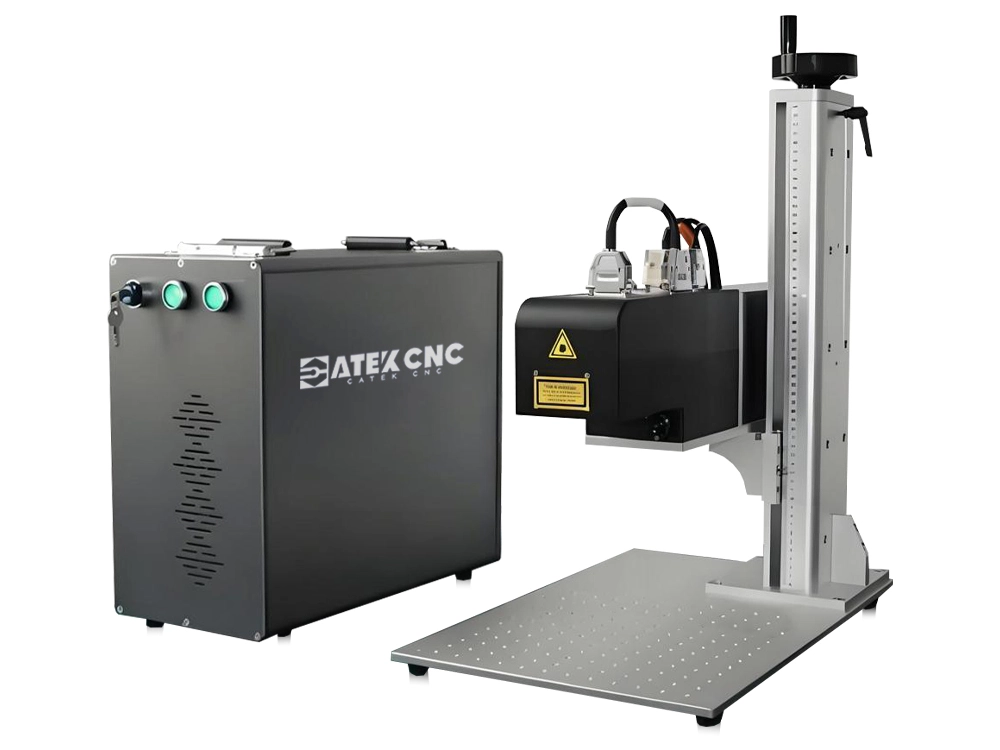
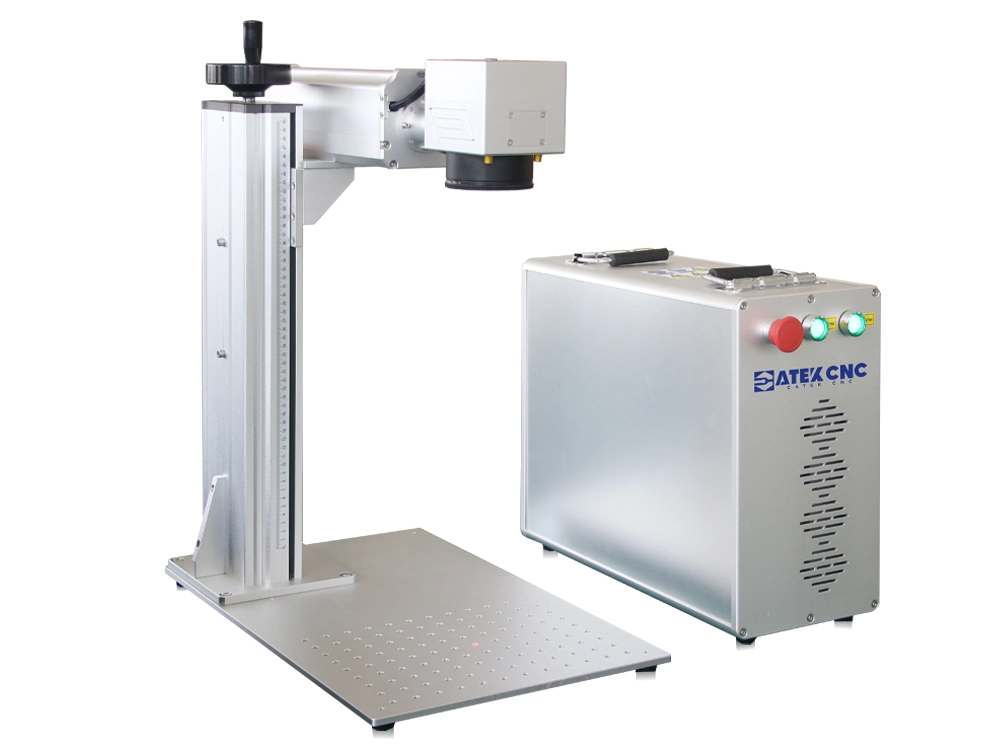
All fiber laser marking machines of CATEKCNC are compact in structure and diverse in form. A variety of models are available. The machine can be customized according to the user from appearance to configuration. The machine can be divided into gantry type, cabinet type, desktop type, handheld type, split type, and flying type. The laser source has many brands such as Max, Raycus, GZTECH, JPT, IPG, etc. The power of the laser includes low power (20W-30W, mainly used for shallow marking), medium power (30-50w, mainly used for shallow marking and shallow engraving, and can also process coatings or oxide layers on metal surfaces, such as anodized aluminum layers, electroplating layers, and passivation layers), and high power (50W~200W+, which can achieve deep engraving and stable marking of high-reflective materials). In other configurations, galvanometer scanners are available from various brands such as Sino-Galvo and FEELTEK. The galvanometer types provide ordinary 2D galvanometers and 3D galvanometers that support dynamic focusing (supporting marking on curved surfaces, inclined surfaces, step surfaces, and large surfaces). For the field mirror, F-θ field mirrors and telecentric scenes are also available. In addition, a lifting or rotating device can be optionally configured to move or rotate the workpiece for multi-directional marking processing. We also provide MOPA color laser marking machines, which can generate oxide films of different types or thicknesses on specific metals to produce color markings. At the same time, there are large-format laser marking machines, which can be used for sanding, drilling, and paint removal of LED smart mirrors, and can also be used for marking large-size workpieces such as elevator back panels and decorative panels.

Showing 1–12 Of 9 Results
  • Hot
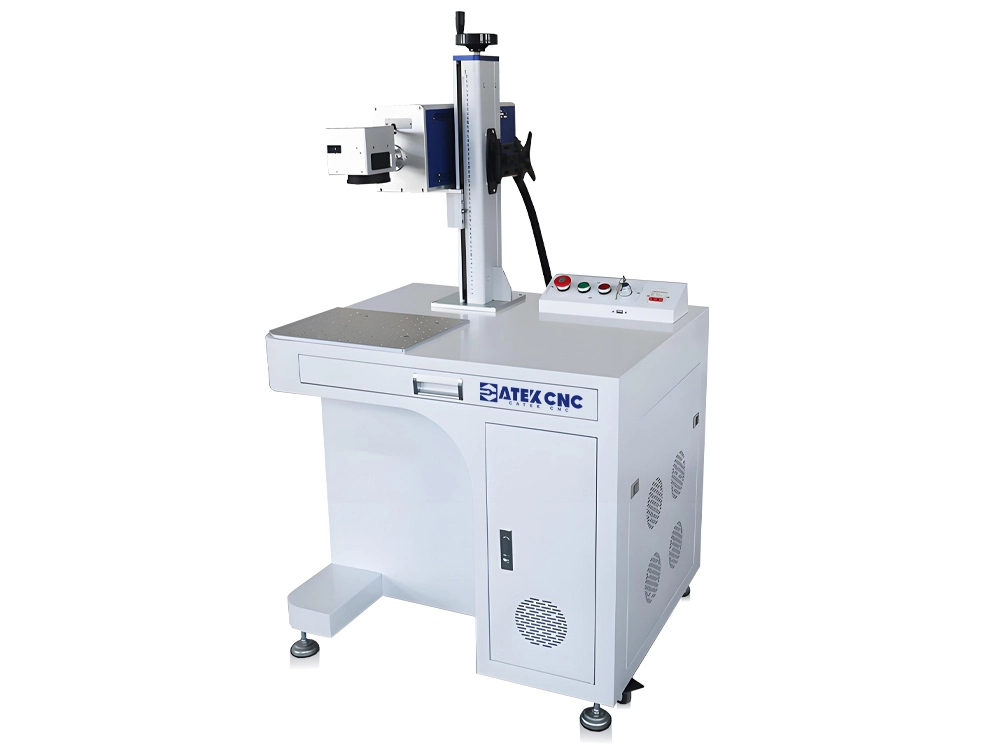
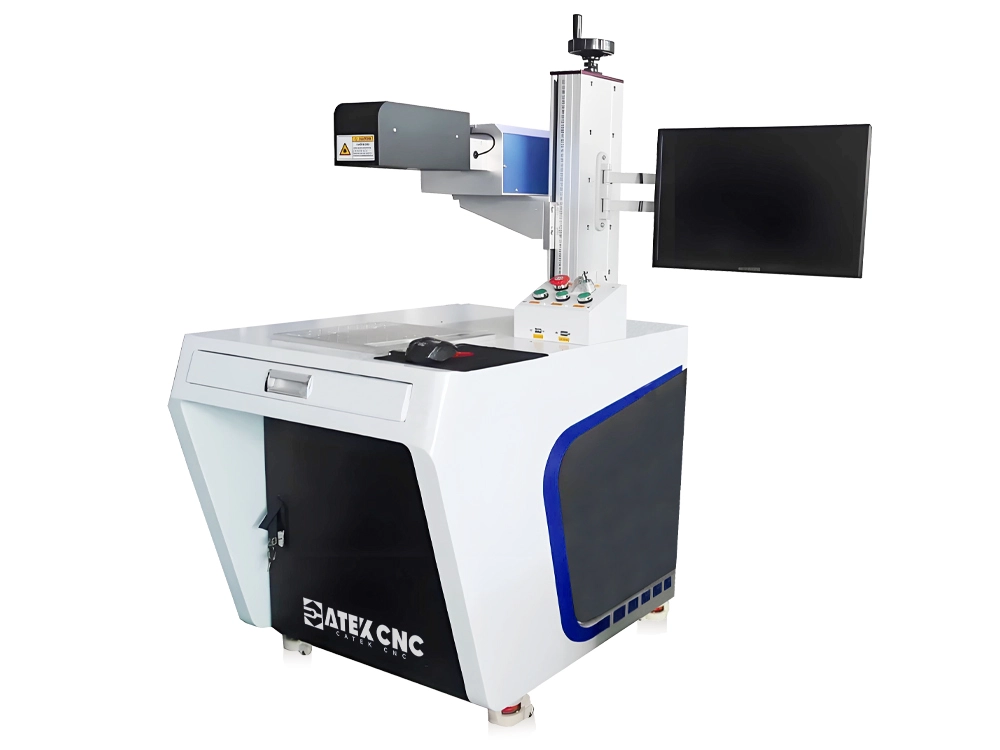
    Cheap Cabinet-Type Fiber Laser Marking Machine
    This fiber laser marking machine features a cabinet-type design, can be placed directly on the floor for convenient use, and is suitable for marking various metals and some opaque non-metallic surfaces.
    $1,400.00~$5,150.00
  • Hot
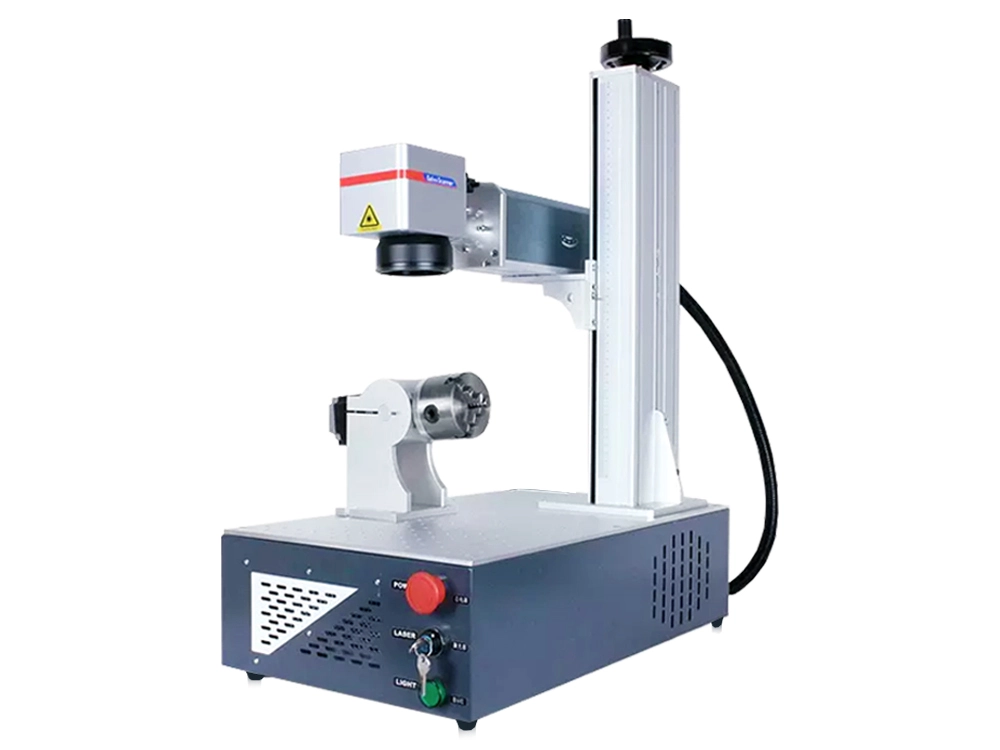
    Desktop Fiber Laser Marker with 3D Rotary Device
    This fiber laser marker features a rotary device that clamps and precisely rotates workpieces at controlled speeds and angles, enabling multi-angle marking for bowls, cups, pens, rings, earrings, guns, doorknobs.
    $1,470.00~$5,220.00
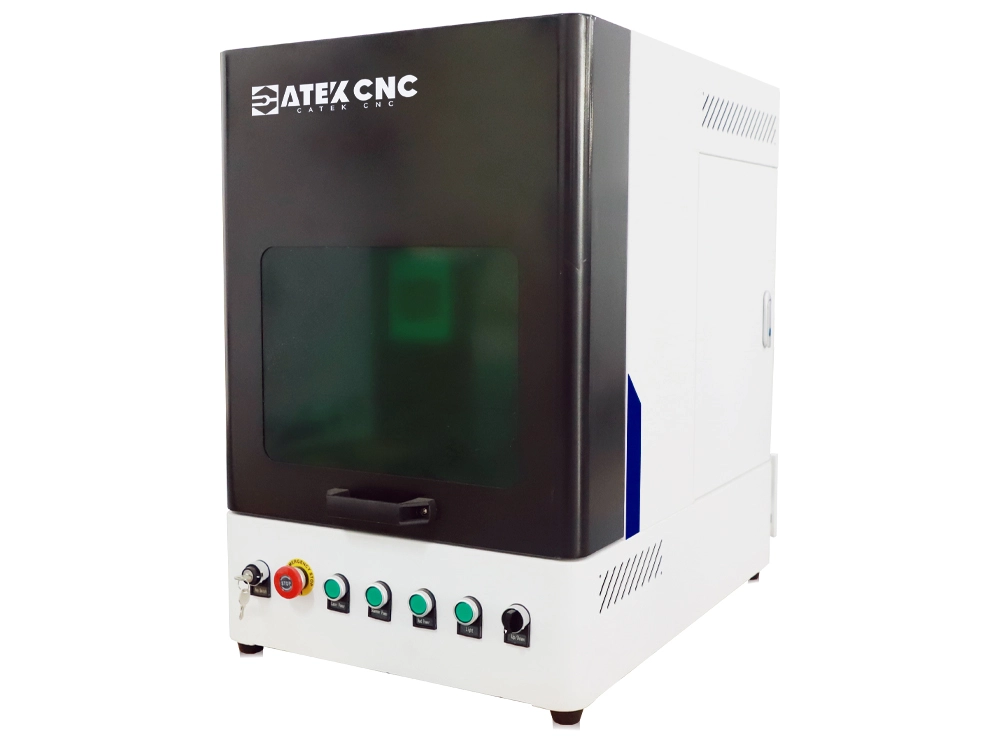
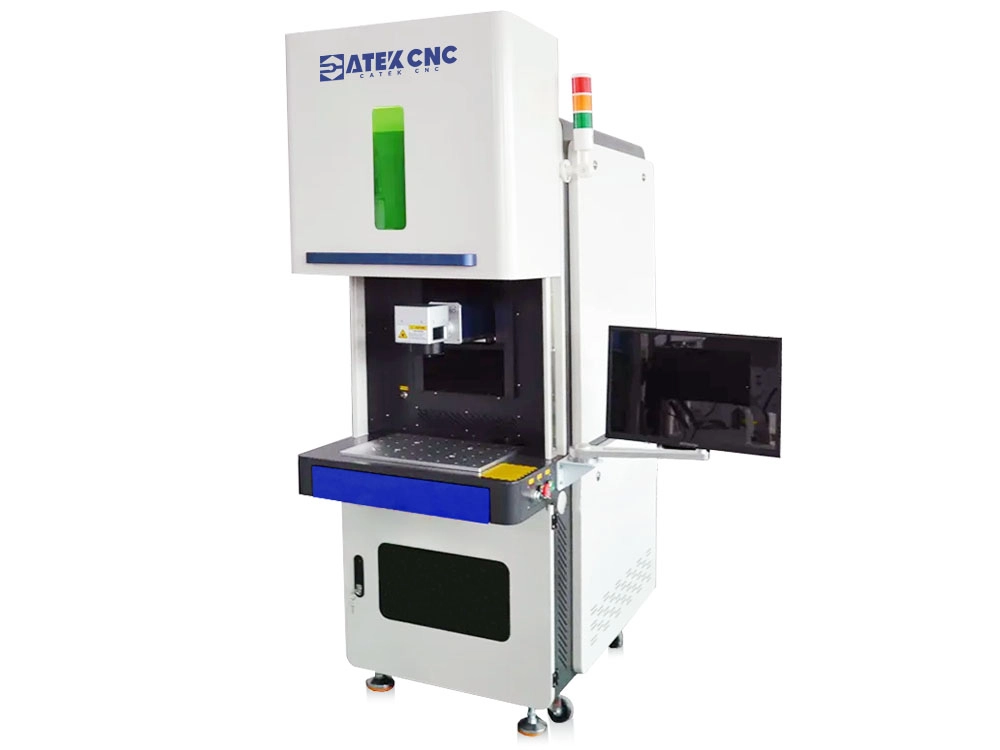
  • Environmentally Friendly Fiber Laser Marking Machine with Closed Shell
    This machine features air cooling, a housing with cover to reduce optical pollution, effectively isolates smoke and odors during processing, and has a viewing window for operator monitoring.
    $1,870.00~$5,680.00
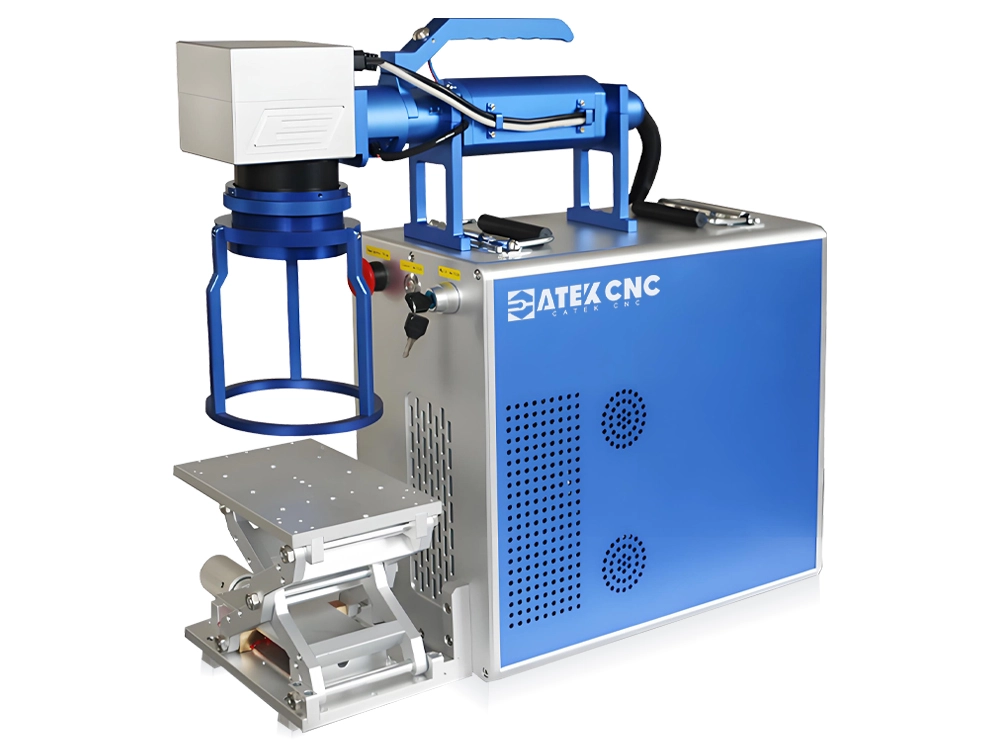
  • Flexible Split Handheld Fiber Laser Marking Machine
    This fiber laser marker adopts a split design with separated main unit and laser head, enabling operation in confined spaces or handheld marking of large immobile workpieces.
    $1,700.00~$5,100.00
  • Split Fiber Laser Relief Engraving Machine with Autofocus
    This auto-focus 3D fiber laser marker excels at precision engraving on uneven surfaces, featuring high-speed 3D galvanometers and a 3D-drawing compatible control system.
    $11,500.00~$13,500.00
  • Hot
    Split MOPA Color Laser Marking Machine
    The MOPA laser color marker produces colored markings on specific metals by precisely controlling oxide film thickness through parameter adjustment, leveraging visible light interference effects.
    $2,570.00~$4,900.00
  • Hot
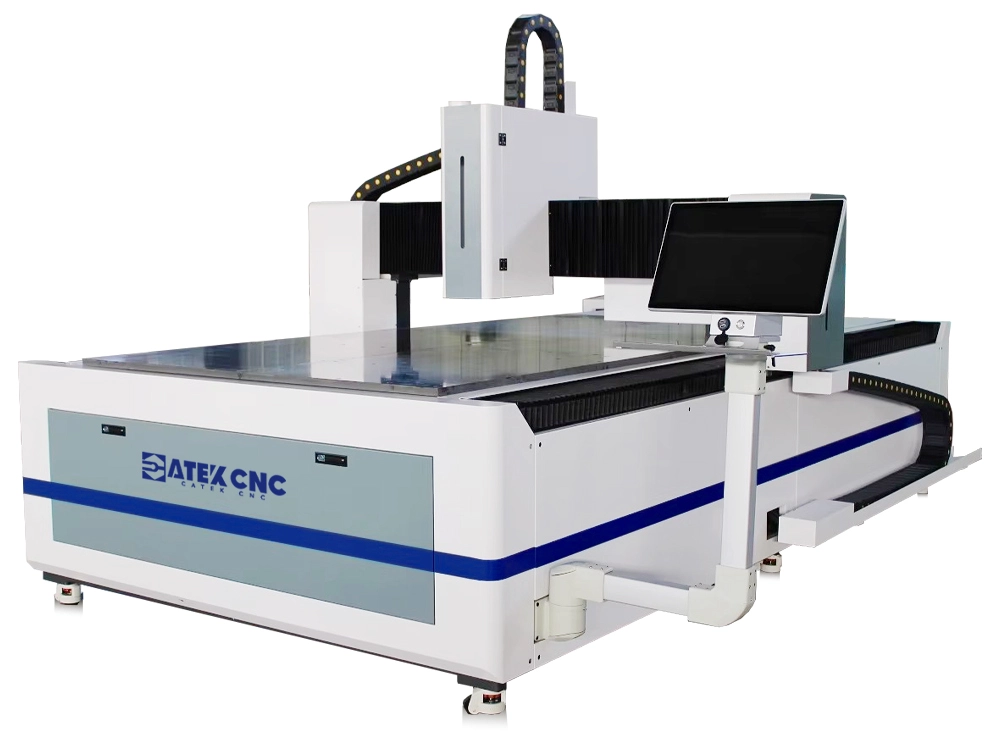
    4x8 feet Mirror-Specific Fiber Laser Etching Machine
    This large-format laser etcher is specially designed for the LED smart mirror industry, capable of pattern engraving, frosting, paint removal (mirror transparency), and small-scale perforation on smart mirrors.
    $14,200.00~$25,700.00
  • Cabinet-Type Fiber Laser Marking Machine with Closed Housing
    This fiber laser marker has a safety enclosure with openable design. The cabinet-type unit includes integrated workstation space for PC, peripherals, and display, keeping everything organized.
    $3,285.00~$6,850.00
  • Cabinet-Type  Fiber Laser 3D Marking Machine
    This cabinet-style 3D laser marker features a dynamic focusing system, overcoming traditional 2D limitations to mark on 3D curved, stepped, conical, and sloped surfaces.
    $4,370.00~$8,120.00

THE BEST FIBER LASER MARKER FOR YOU TO CHOOSE IN 2025

In the current highly competitive business landscape, how to make your product stand out prominently among numerous competitors and become the focus of market attention is a critical issue that urgently needs to be resolved. The answer may well lie in a seemingly ordinary-looking yet powerfully functional fiber laser marking machine. Although compact in size, this device delivers exceptional performance, effectively handling not only hard metal materials but also various plastics or polymer materials. Whether it's engraving texts,marking code, or other engraving tasks, the fiber laser marking machine demonstrates outstanding processing capabilities, making it a versatile tool. Take the processing of stainless steel nameplates as an example. Traditional methods such as inkjet or chemical etching may result in uneven marking surfaces or fading over time. In contrast, using a fiber laser marking machine ensures that every detail is accurately presented, and the markings remain durable, resistant to wear or oxidation-induced quality degradation. In the field of jewelry processing, the fiber laser marking machine is an indispensable assistant, capable of leaving clear and delicate imprints on small, exquisite jewelry surfaces, making each of your creations uniquely personalized. When processing aluminum alloy products, such as phone cases or laptop shells, the fiber laser marking machine can achieve various complex pattern engravings, with markings that are both aesthetically pleasing and wear-resistant. When equipped with a 3D rotary axis, it can effortlessly mark cylindrical or spherical products with curved surfaces. Especially for small businesses or individual studios that need to mark a large number of customized products, the fiber laser marking machine is undoubtedly a worthwhile investment.

If you are looking for an efficient and reliable marking and engraving device, consider the fiber laser marking machine—it might just be the new starting point for your business to soar! If you wish to delve deeper into the fiber laser marking machine, we welcome you to read this detailed guide on fiber laser marking machines. Whether you are an individual studio practitioner, an entrepreneur seeking to enhance production efficiency, or a newcomer to the laser industry looking for entrepreneurial opportunities, you are sure to find your own answers in this article.

What is a Fiber Laser Marking Machine?

A fiber laser marking machine is a type of CNC marking equipment that uses a fiber laser generator as its laser source. It employs a digital control system for operation and utilizes a high-speed galvanometer scanning system to alter the laser's trajectory. The laser is then focused onto the workpiece surface via a field lens, creating permanent marks through photochemical reactions or thermal effects.

Laser processing is a non-contact method, meaning it does not impose mechanical stress or cause damage to the workpiece. It is characterized by high precision, with a minimum spot diameter of up to 20 micrometers, enabling the clear reproduction of tiny characters, logos, and intricate patterns.

Not only does it excel in beam quality, processing speed, service life, and production efficiency, but it is also compact, cost-effective, and highly adaptable, making it an ideal choice for industrial marking applications.

Working Principle of Fiber Laser Marking Machine

The core component of a fiber laser marking machine is the fiber laser generator, which is essentially an electro-optical conversion device. The process begins with a pump semiconductor laser diode acting as the pump source, converting electrical energy into pump light. This pump light then reaches the gain fiber doped with rare-earth elements, causing the rare-earth elements to transition to a higher energy level, thereby generating laser light of a specific wavelength. The laser travels along the glass fiber and eventually exits from the fiber output end, entering the galvanometer scanning system.

The galvanometer system, controlled by the control system, rapidly deflects to alter the path of the laser. Finally, the laser reaches the field lens, which focuses the parallel laser beam into a high-intensity micro-spot for precise marking on the workpiece.

The processing principle relies on the thermal energy of the infrared laser to evaporate the surface material, exposing the underlying material, or causing physical changes in the surface material, ultimately displaying the desired patterns and text. The final marking effect is influenced by various factors, such as laser power, marking speed, material type, and marking pattern. Different materials have varying absorption capabilities for fiber lasers, resulting in differences in marking effects. Therefore, during processing, it is necessary to adjust the processing parameters reasonably according to the material to achieve the best marking results.

Composition of Fiber Laser Marking Machine

The fiber laser marking machine is mainly composed of a fiber laser generator, laser power supply, galvanometer scanning system, field lens, control system, and auxiliary systems. These components work together to achieve efficient and high-precision marking on various materials.

Fiber Laser Generator
The heart of the fiber laser marking machine, it typically uses an integrated structural design, making it compact and free from optical pollution or power coupling loss. It employs ytterbium-doped double-clad fiber as the gain medium. Electrical energy is converted into optical energy through the laser pump source, which then enters the gain fiber. Rare-earth ions in the gain fiber absorb energy and transition to a higher energy level, creating a population inversion and triggering stimulated emission of high-energy-level particles. The laser is reflected and amplified within the resonant cavity and finally released as high-power-density infrared laser light with a wavelength of 1064 nm through the fiber laser output end.
Laser Power Supply
A device that provides electrical energy to the fiber laser generator.
Galvanometer Scanning System
Internally equipped with high-precision motor-controlled and driven mirrors, divided into X-axis and Y-axis directions. These mirrors are fixed on the motor shafts, and the motor deflection is controlled by the CNC system to change the reflection trajectory of the laser.
Field Lens
Uses an f-θ lens to focus parallel laser beams into a single beam and direct it onto the workpiece surface. Different f-θ lenses have different focal lengths, resulting in varying marking effects. The focal length of the field lens also determines the marking area size.
Control System
The brain of the fiber laser marking machine, it controls the entire machine's operation. It consists of hardware and software components. The hardware part uses a control card to connect the machine's laser generator, galvanometer scanning system, sensor system, etc. The software part is responsible for editing and processing graphics or text, adjusting laser processing parameters, digitizing the graphics or text, and controlling the operation of the galvanometer accordingly.
Auxiliary Systems
  • Red light indicator system: Uses visible red light to indicate the processing area, making it easy to observe the processing position.
  • Worktable: Provides a platform for placing workpieces, made of aluminum alloy for excellent heat dissipation and stability without deformation.
  • Cooling system: Uses air cooling for efficient heat dissipation, eliminating the need for water cooling and simplifying maintenance.

Advantages of Fiber Laser Marking Machines

In modern manufacturing, the demand for marking and engraving, whether on metal or non-metal products, is growing rapidly, and related technologies are receiving increasing attention. For entrepreneurs or small and medium-sized enterprises, owning a fiber laser marking machine can not only improve product quality and enhance market competitiveness, but more importantly, it can help you save significant time and labor costs, allowing you to focus on the development of core business.

  • Non-contact processing: Avoids mechanical damage to the material surface, ensuring product quality.
  • High beam quality: Offers high marking precision, capable of achieving very fine marking effects, and can meet various high-precision processing needs.
  • Fast processing speed: The marking speed can reach up to 7000mm/s, with high efficiency, more than three times the speed of traditional marking, effectively improving production efficiency.
  • High electro-optical conversion efficiency: Up to 30%, far exceeding CO2 lasers. Processing only requires electricity, without the need for any other consumables, effectively reducing usage costs.
  • Wide applicability: Can mark and process various metal materials and some non-metal materials, especially suitable for marking high-hardness, high-melting-point, and brittle materials.
  • Compact size: Small and compact structure, with very low power consumption. It does not require a complex water cooling system, making installation and maintenance very convenient.
  • Long service life: The fiber laser generator has a service life of over 100,000 hours, requires no maintenance, and offers stable performance, reducing maintenance time and costs.
  • Environmentally friendly: The operation process does not produce any waste gas, waste water, or noise, and is pollution-free, meeting environmental protection requirements.
  • Durable marking: The markings are wear-resistant, not easily corroded, and will not degrade due to environmental factors, offering strong durability.
  • Wide format compatibility: Supports various formats such as Jpg, jpeg, plt, dxf, bmp, ai, and can process various bitmaps, vector graphics, text, barcodes, QR codes, etc.

Applications of Fiber Laser Marking Machines

Applicable Materials

  • Metal materials: Iron, stainless steel, carbon steel, aluminum, aluminum alloy, copper, copper alloy, spring steel, tungsten steel, manganese steel, chromium steel, titanium, titanium alloy, magnesium alloy, gold, silver, and various other metals.
  • Non-Metal materials: ABS, PVC, PP, PC, nylon, plastic, natural rubber, epoxy resin, synthetic rubber, plastic, as well as painted, electroplated, laminated, or coated surfaces of metal materials.

Applicable Industries and Products

  • Electronics and electrical appliances industry: Chips, mobile phone frames, earphones, laptop casings, capacitors, resistors, PCB boards, etc.
  • Automotive manufacturing: Batteries, wheel hubs, dashboard scales, engine codes, frame codes, tires, etc.
  • Medical devices: Surgical instruments, syringe scales, infusion bag batch numbers, test tube racks, etc.
  • Jewelry: Rings, bracelets, bangles, pendants, earrings, watches, etc.
  • Food packaging: Bottles, cans, plastic meal boxes, metal packaging boxes, milk powder cans, chocolate gift boxes, etc.
  • Hardware and building materials: Drill bit markes, steel rulers, caliper scales, water pipes, pipeline labels, wrench models, door and window frame numbers, etc.
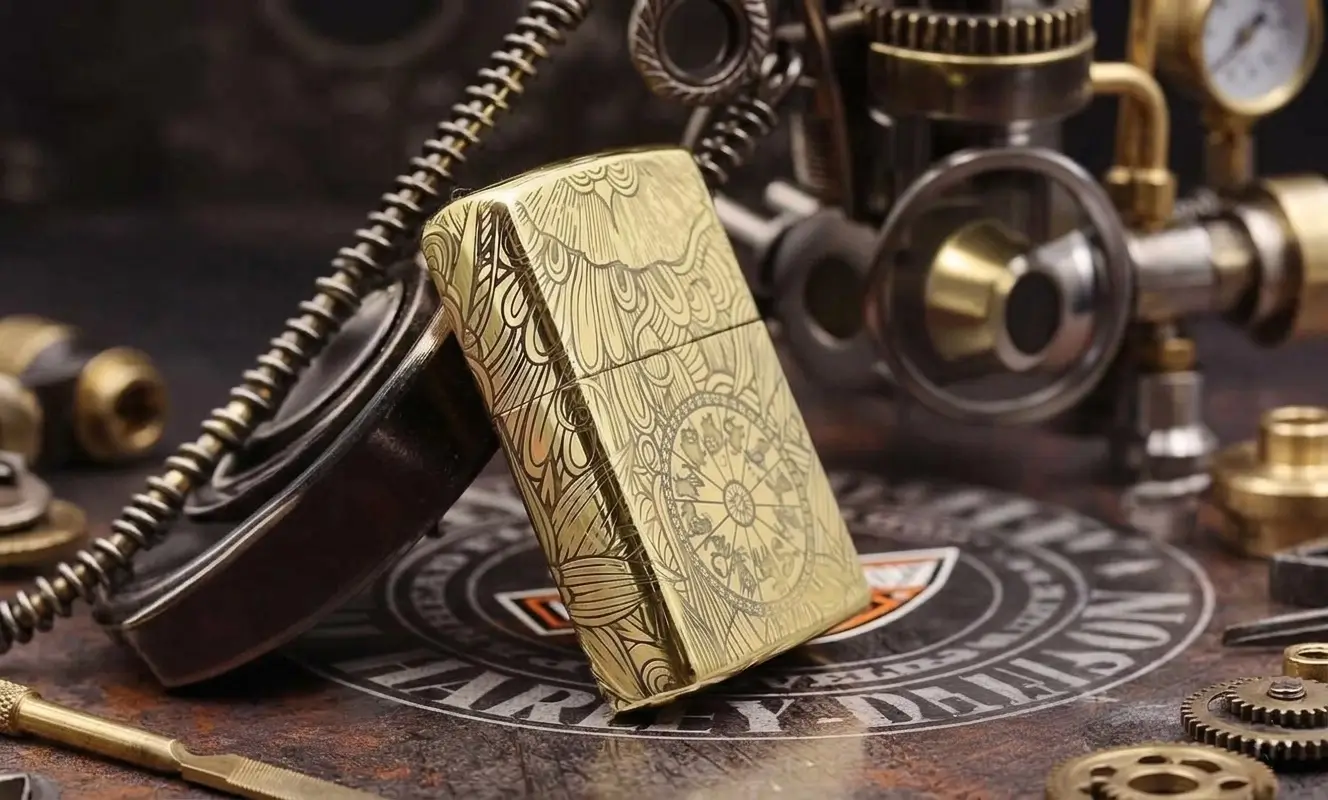
  • Personalized customization: Pen signatures, stainless steel engraving, plaque engraving, badges, USB drives, keychains, pet tags, phone tags, etc.
  • Rail transit: Rails, track numbers, car bodies, signal lights, seat numbers, etc.
  • Sports and outdoor: Dumbbell weight markes, bicycle frames, climbing buckles, helmets, treadmill logos, etc.
  • Bathroom and elevator: LED smart mirrors, interactive mirrors, makeup mirrors, elevator stainless steel panels, etc.

Types of Fiber Laser Marking Machines

Fiber laser marking machines come in a variety of appearances, including split-type, desktop-type, cabinet-type, benchtop-type, handheld-type, portable-type, flying-type, and enclosed-type. Different structures are suitable for different working scenarios. Among them, handheld fiber laser marking machines are suitable for processing large, difficult-to-move products, such as tires and car frames. Desktop and split-type laser marking machines can be placed in any location, such as on desks, floors, or cabinets, making them suitable for various working environments. Cabinet-type laser marking machines offer ample internal space, making it convenient to store related items, such as desktop computers or accessories for the laser marking machine, ensuring ease of use. Flying-type fiber laser marking machines are suitable for high-speed production line marking, significantly improving processing efficiency. Enclosed fiber laser marking machines are ideal for workshops with specific production environment requirements, as they can prevent laser radiation, protect the working environment, and avoid the impact of harsh conditions on the machine.

Standard Fiber Laser Marking Machine
Capable of processing various metal materials and some non-metal materials. It supports marking on flat workpieces and can be equipped with various workpiece holding devices for curved surface marking.
CCD Vision Positioning Fiber Laser Marking Machine
Equipped with a CCD camera vision positioning system, it solves issues such as difficult feeding, poor positioning, and slow speed caused by complex fixture design and manufacturing when marking irregular products in bulk. Within the processing range of the laser marking machine, products can be placed in any position or angle, and the system automatically identifies and processes the workpieces. It is suitable for bulk processing of products with large quantities, difficult positioning, and complex shapes, such as capacitors, IC cards, small screws, and jewelry.
Production Line Inline Flying Laser Marking Machine
Combines a fiber laser marking machine with a conveyor line, enabling marking while feeding materials, significantly improving work efficiency. It is mainly used for products that require marking on production lines, such as bottle caps, bottles, USB drives, and pipes. The flying fiber laser marking machine can automatically generate batch numbers and serial numbers through control software, and it can change marking batch numbers and serial numbers based on product batches. It offers high efficiency and can be integrated with various third-party production lines.
3D Fiber Laser Marking Machine:
Utilizes a dynamic 3D scanning galvanometer system, enabling marking on non-flat workpieces. It ensures consistent marking quality on slopes or curved surfaces without distortion or color differences. It can directly read 3D model files, facilitating 3D relief processing on flat surfaces. This type of machine effectively reduces the need for manual angle adjustments and expands the processing range.
MOPA Color Laser Marking Machine

Uses a fiber laser generator with MOPA technology. By adjusting laser parameters, it can create different oxide layers or microstructures on metal surfaces, enabling black marking on anodized aluminum and color marking on stainless steel.

  • Black marking on anodized aluminum: Through high-energy-density laser focusing, the anodized aluminum layer (5-20μm thick) is further oxidized in an extremely short time, altering the surface material structure. After laser treatment, the oxide particles reach nanometer size, increasing light absorption and reducing visible light reflection, resulting in a black appearance.
  • Color marking on stainless steel: High-energy-density laser heat acts on stainless steel, generating colored oxides or a transparent oxide film on the surface. The thin film's optical interference effect produces a colorful appearance. By controlling laser energy and parameters, different oxide layer thicknesses can be achieved, creating various colors or even gradient marking effects.
Large-Format LED Mirror Sandblasting Machine
Uses lasers to precisely sandblast mirror surfaces. By adjusting laser energy and motion trajectories, specific areas of the mirror surface are rapidly melted and cooled, forming a fine and uniform matte effect. Additionally, it supports functions such as mirror drilling and paint removal. Compared to traditional chemical etching or mechanical sandblasting processes, it produces no chemical waste, no dust pollution, and requires no consumables. It offers extremely fast processing speeds and can be used for various glass mirrors, resin mirrors, and large-format metal material marking.

Optional Accessories for Fiber Laser Marking Machines

Fiber laser marking machines come with a variety of accessories, which should be selected based on specific needs and application scenarios.

Flat Worktable

Facilitates fine-tuning of product positioning or expands the types of products that can be processed. Types include.

  • One-dimensional worktable: Supports only vertical movement (up and down)
  • Two-dimensional worktable: Supports horizontal movement along the X and Y axes (front, back, left, right).
  • Three-dimensional worktable: Supports movement along the X and Y axes as well as vertical adjustment.
Clamping Plate Worktable
Used to hold various thin sheet materials. The clamping plates secure both sides of the material to prevent thermal deformation during processing.
3D Rotary Fixture

Enables indexed rotational marking of products. Types include:

  • Chuck-type rotary axis: Suitable for clamping irregularly shaped products.
  • Roller-type rotary axis: Designed for cylindrical products.
  • Small ring rotary axis: Ideal for fixing small jewelry items such as rings, bracelets, and bottle caps.
Rotary Worktable
Suitable for batch processing of small workpieces or horizontal rotational processing of large workpieces. It allows for rotating and marking multiple small products in sequence or marking different positions of large-sized products.
CCD Vision Positioning System
Often used in conjunction with conveyor belt devices. The CCD camera captures images in real time, and the control system identifies and detects the workpiece轮廓, calculates the position offset and placement angle of the workpiece, and transmits the detected coordinate information to the galvanometer scanning system to achieve precise marking and engraving. It enables automatic batch scanning and engraving even when materials are placed arbitrarily, improving work efficiency.
Conveyor Belt Device

Comes in two types:

  • Flat conveyor belt: Suitable for placing non-rolling products. It is often paired with the CCD vision positioning system for automatic batch marking.
  • Pen processing conveyor belt: Equipped with numerous clamps to hold pens, used for marking various types of pens and signature pens.
Fume Purifier
Used to purify smoke, harmful gases, and fine particles generated during the laser marking process. It improves the working environment by filtering and adsorbing pollutants from the air.

Technical Specifications of Fiber Laser Marking Machine

Type Fiber laser marking machine
Brand CATEKCNC
Laser Type Fiber laser
Laser Central Wavelength 1064nm
Processing Type Non-contact laser processing
Worktable Sizes 110*110mm, 150*150mm, 175*175mm, 200*200mm, 300*300mm, 360*360mm, 400*400mm, 450*450mm, 560*560mm, 600*600mm, etc.
Laser Power 20W, 30W, 50W, 60W, 100W, 120W, 200W, etc.
Laser Generators Max, Raycus, GZTECH, JPT, IPG, etc.
Applicable Materials Metal materials and some non-metal materials
Software Compatibility EZCAD, CorelDRAW, Adobe Illustrator, Adobe Photoshop, AutoCAD, LightBurn, LaserGRBL, Inkscape, etc.
Compatible Formats Dxf, plt, ai, svg, eps, bmp, jpg, jpeg, png, gif, tiff, etc.
Cooling Method Air cooling
Price $880−$22,000

Price of Fiber Laser Marking Machine

The price of an entry-level 20W desktop fiber laser marking machine starts at $880. The price of a 50W handheld laser marking machine suitable for marking large-sized workpieces starts at $1,800. The price of a MOPA laser marking machine suitable for color marking on stainless steel starts at $1,900. The price of a 3D laser marking machine, which can be used for various curved surface processing and 3D relief, starts at $3,500. The price of a large-format mirror sandblasting machine suitable for processing LED smart mirrors is relatively high; the price of a machine that can only be used for paint removal starts at $12,000, while the price of a machine that can be used for mirror paint removal and also features sandblasting and drilling functions starts at $18,000. Laser marking machines offer various types of optional accessories: adding a 3D rotary axis device requires an additional $150; adding a two-dimensional worktable requires an additional $100; and adding a field lens with a different scanning size requires an additional $70.

How to Replace the Galvanometer?

In the use of fiber laser marking machines, replacing the galvanometer is a common operation. Below are the detailed steps for replacing the galvanometer, which can help you easily complete the replacement process.

  1. Power off the machine: Disconnect the power supply of the laser marking machine to ensure operational safety.
  2. Remove the field lens: Unscrew the field lens from the galvanometer head by rotating it counterclockwise.
  3. Open the galvanometer cover: Unscrew the screws on the galvanometer cover and remove the related baffle. Note that some galvanometer driver boards are also installed inside the baffle, so handle with care during disassembly.
  4. Loosen the cable ties: Loosen the cable ties connecting the galvanometer and the driver board inside the marking head.
  5. Disconnect the galvanometer motor wires: Disconnect the motor wires between the X and Y-axis galvanometer motors and the driver board, as well as the power supply wires and signal wires on the driver board.

    Note: 3D galvanometers also have a Z-axis motor.

  6. Remove the galvanometer driver board: Pay attention to the disassembly sequence of the driver boards. The order for removing the X and Y-axis driver boards depends on whether there are obstructions between them.
  7. Remove the y-axis motor: Slowly loosen the fixing clamp of the Y-axis motor. When the Y-axis motor can be moved, carefully pull it out along the direction parallel to the mounting holes.
  8. Remove the X-axis motor: Loosen the X-axis motor clamp and support the X-axis motor to prevent it from falling and getting damaged.
  9. Pack the components: Pack and store the removed parts properly for future use.
  10. Galvanometer replacement: Ensure that the input voltage of the galvanometer is correct and that each positive and negative wire is properly connected. Additionally, pay attention to ensure that the signal wires of the galvanometer are not connected incorrectly.

Precautions for Using Fiber Laser Marking Machines

  • Fiber laser marking machines use high-temperature infrared laser beams for marking. Therefore, it is essential to strictly adhere to relevant safety operating procedures. Operators must wear professional protective goggles to prevent laser beams from causing harm to the eyes.
  • It is prohibited to direct the laser beam at other personnel. Fire prevention measures should be taken to avoid accidents caused by improper operation.
  • Different materials have varying absorption capacities for specific wavelengths of laser. Before using a fiber laser marking machine, it is important to understand the material properties of the product and carefully adjust the corresponding marking parameters, including laser power, marking speed, and laser frequency. Excessive laser power may cause material melting or carbonization, while insufficient laser power may result in unclear markings.
  • Regular cleaning and maintenance of the fiber laser marking machine are crucial. Proper maintenance ensures the machine operates smoothly and extends its service life.
  • Regularly inspect the machine's wiring connections and cooling system to ensure long-term stable operation.
  • Fiber laser marking machines generate heat during operation, so they should be operated in a well-ventilated environment to ensure proper air circulation around the equipment and maintain normal heat dissipation.
  • When the machine is not in use for an extended period, dust prevention measures should be taken, and the machine should be powered on periodically.

As a source supplier of laser machines, CATEKCNC ensures high-quality machines while offering you the most competitive prices and premium services. Whether you are new to laser marking machines or have extensive experience, you can find everything suitable for your needs here. If you have any ideas or questions about laser marking machines, please feel free to contact our sales experts. We can provide you with free quotations and free sample processing services.

Last Updated:
2026-02-11

CUSTOMER REVIEWS

  • I mainly rely on this marking machine to make metal crafts. It handles logos and decorative patterns very well, producing clear and clean marks. The machine is easy to operate and perfect for my small-batch production.

    Elshershaby

    eg
    Jan 15, 2026
  • Very user-friendly laser marking machine, just as advertised on the website. It produces clear marks and is incredibly fast. A fantastic piece of equipment!

    Okrah
    nl
    Oct 13, 2025
  • Even such intricate photos can be printed on medals with exceptional clarity!!!

    Harle
    us
    Jan 22, 2026
  • This enclosed fiber laser marking machine is perfect for our studio! The fully enclosed design provides a strong sense of safety, and its marking precision is extremely high, the engraving effect on metal is remarkably clear.

    Pandian
    ae
    Jul 28, 2025
  • This enclosed design is fantastic for my studio. The Fiber Laser Marking Machine with Closed Shell eliminates smoke, making it much safer to use. I've used it to mark metal parts and some plastic items, and the results are excellent.

    George

    gh
    Mar 30, 2026
  • It's been over two months since we received this fiber laser marking machine, and it has been performing flawlessly. We use it daily for marking large quantities of metal parts.

    Duran
    do
    May 03, 2025
  • Я ретельно вивчив цей лазерний маркер, куплений у Китаї. За правильних креслень і параметрів обробка досить гарна, криві гладкі. Сподіваюся, після війни зможу використовувати його для швидкого старту бізнесу.

    Kutsyna

    ua
    Jun 16, 2025
  • Esta máquina de grabado láser de fibra es nueva y muy económica. La primera vez que lo usé, quedé realmente satisfecho con el efecto de impresión. La fuente se puede ajustar, el tamaño de la fuente y la profundidad se pueden convertir en vectores e importar directamente para marcar. .

    José

    es
    Dec 04, 2024
  • They specially found the same material for us to mark and showed me the result, which I am very satisfied with. I tried punching a few Coke cans, and the effect was very good.

    Oliver
    fr
    Jan 19, 2025
  • This fiber laser marking machine is perfect and affordable. The first time I used it, I was very satisfied with the marking effect. The font can be adjusted, the font size and depth can be converted to any adjustment, and the pattern can be marked.

    Marzidosek
    si
    Mar 11, 2025
Last Updated:
2026-02-11
Share this:
Menu