Laser Marking Machine for All Types of Materials
Laser marking machines is a device that utilizes laser technology to mark patterns or text on the surface of materials. It is a non-contact processing method where high-energy-density lasers cause the surface material to evaporate or undergo property changes, thereby creating durable markings that hardly suffer quality loss due to wear. It can perform various marking tasks, such as brand promotion using logos, marking production dates and batch numbers on food packaging, and engraving model numbers on electronic products. Compared to traditional methods like inkjet printing, stamping, label adhesion, and chemical etching, laser marking as a newer marking technology—holds advantages in marking durability, material adaptability, environmental friendliness, and post-use cost efficiency.
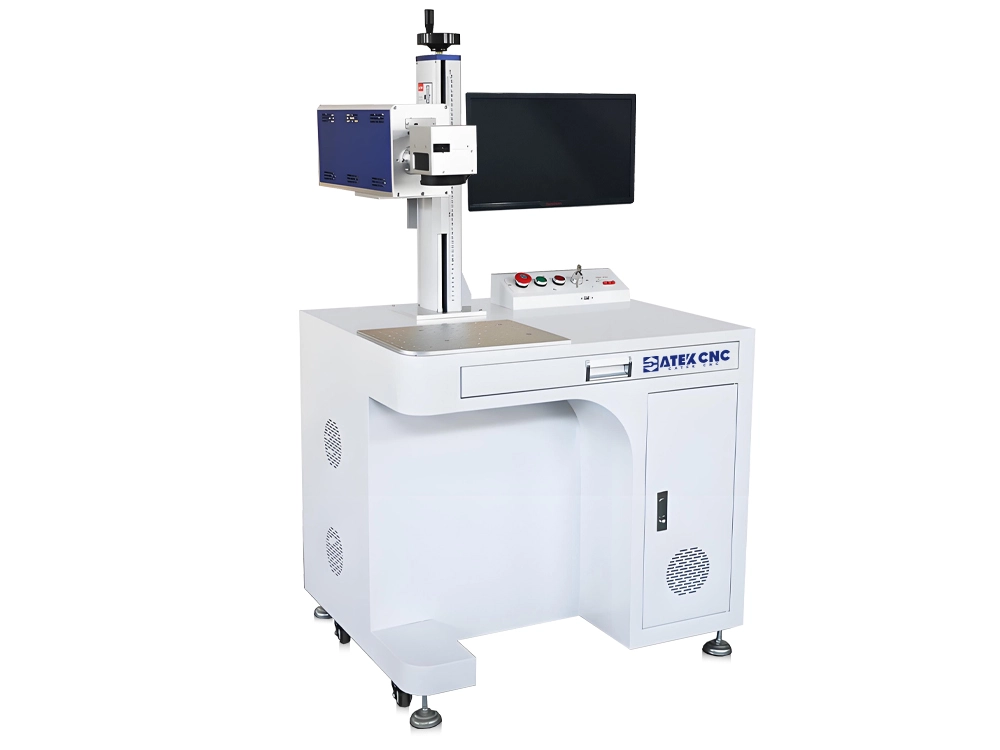
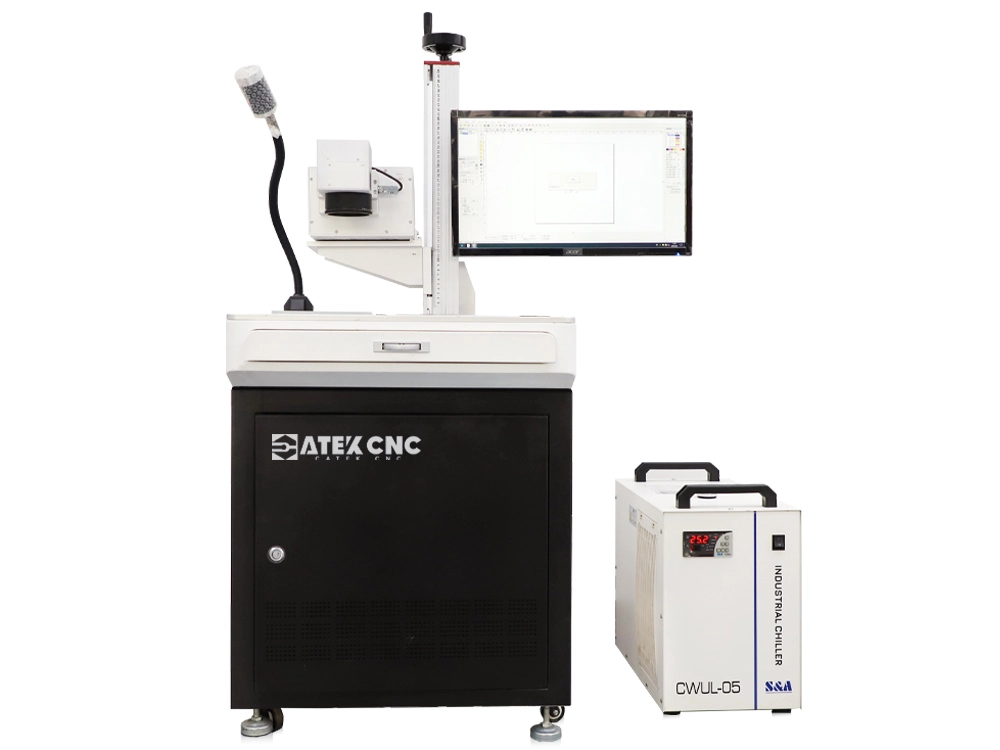
Laser marking machines is highly diverse. In terms of application scenarios, they include enclosed, cabinet-style, integrated desktop, split desktop, split handheld, and flying-type configurations. Classified by laser wavelength, they encompass fiber lasers, CO₂ lasers, ultraviolet lasers, and green lasers. Among these, fiber lasers and CO₂ lasers belong to infrared lasers: the former is primarily used for marking metal materials and opaque plastics, while the latter is mainly applied to non-metallic materials. Ultraviolet lasers can mark nearly all products. When selecting a laser marking machine, it is necessary to choose the appropriate laser type based on the processing material and select the optimal machine structural configuration according to the application scenario.
-
Fiber Laser Marking Machine
Fiber laser marking machines is a numerically controlled equipment that utilizes a 1064nm wavelength fiber laser to automatically mark substrates. The marking forms include text, numbers, patterns, QR codes, etc. The base materials include nearly all metals and some opaque plastics.
-

CO2 Laser Marking Machine
CO2 laser marking machines uses 10.6μm far-infrared laser to perform automated marking or engraving on various non-metallic materials. It primarily employs long-wavelength infrared laser thermal processing on products to ablate surface material from substrates, achieving the display of diverse patterns or text.
-
-
UV Laser Marking Machine
UV laser marking machines is a high-end marking device that emits 355nm ultraviolet laser to directly break molecular bonds in materials, inducing photochemical alterations that create color contrasts distinct from the substrate. This type of marking machine can mark nearly all common materials with negligible heat-affected zone (HAZ), avoiding material deformation or charring. With an extremely small spot diameter, it is ideal for ultra-fine marking in industries such as semiconductors, medical devices, and luxury goods. Additionally, these machines can perform surface marking or subsurface engraving on glass.
HERE ARE SOME RELATED VIDEOS OF CNC MACHINES
-
00:53
Laser Marking MachineOct 30, 2025Fiber Laser Marking Machine With Rotary Axis
The video demonstrates a fiber laser marking machine equipped with a rotary device and its marking effects on both flat and curved surfaces.
-
00:43
Laser Marking MachineOct 30, 2025Advanced RF-CO2 Laser Marking Machine
The video demonstrates how an RF CO2 laser marking machine can mark various non-metallic materials.
-
00:28
Laser Marking MachineOct 30, 2025Achieve Stunning Color Marks With MOPA Fiber Laser Marking Machine
Amazing color marking with fiber laser, the marking parameters are listed for you at the end of the video.
HERE ARE SOME FUN PROJECTS FOR CNC MACHINES
-
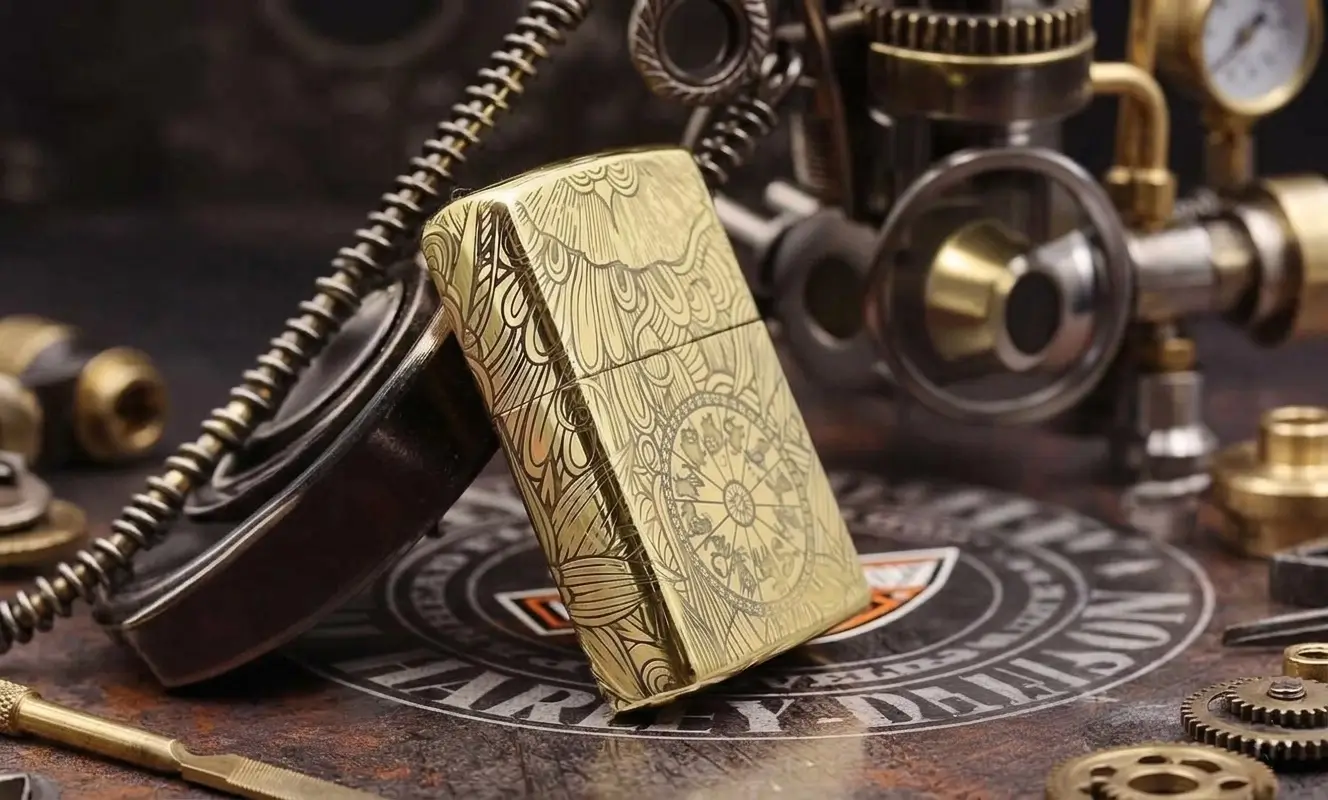
Laser Marking MachineUsing a Laser Marking Machine to Mark Lighters
In the field of high-end lighter customization, laser marking has become a mainstream choice. This article will guide you through the process of using a fiber laser marking machine for personalized marking on lighters.
-
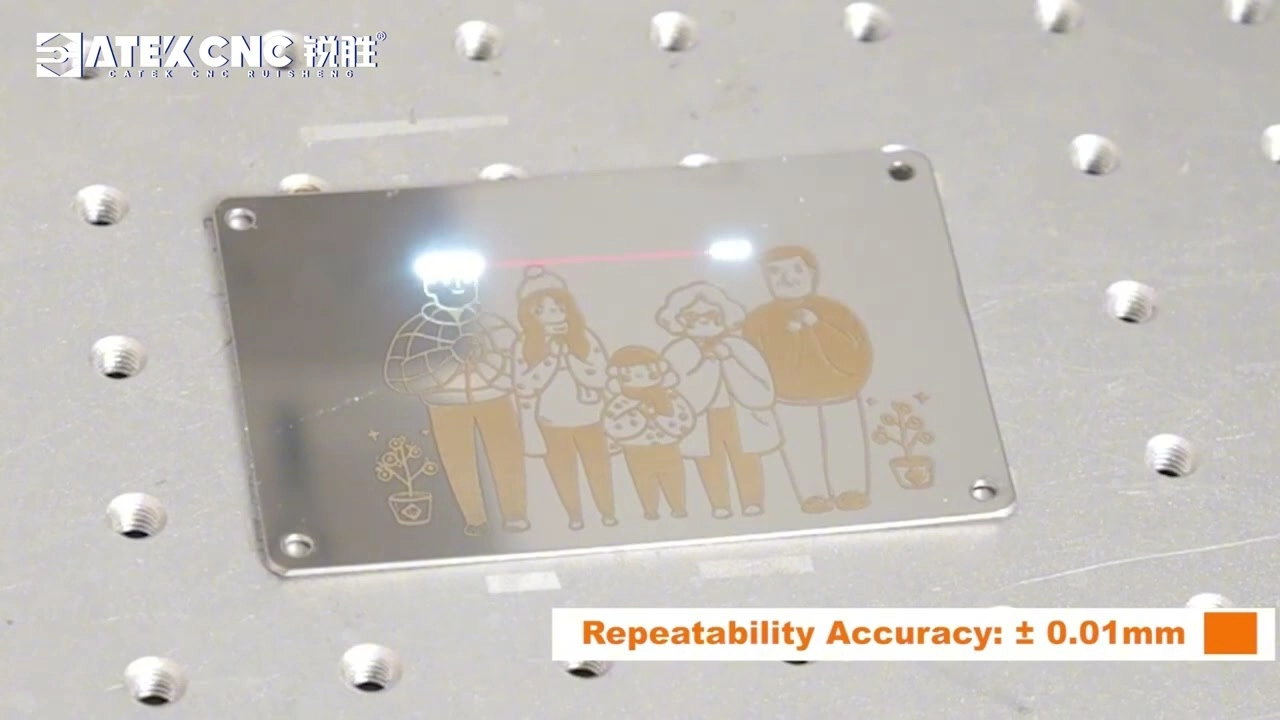
Laser Marking MachineMetal Nameplate Marking Project Using Enclosed Fiber Laser Marking Machine
This metal nameplate marking project focuses on producing clear, permanent, and high-contrast markings on industrial metal nameplates. The customer required a reliable solution for marking logos, serial numbers, and technical information on metal plates used in machinery and electrical equipment.To meet these requirements, an enclosed fiber laser marking machine was selected. Compared with traditional marking methods, fiber laser technology offers higher precision, better consistency, and long-t...
-
Laser Marking MachineFiber Laser Mirror Etching Machine Project for Smart Mirror Manufacturing
This project focuses on the application of a fiber laser marking machine in LED smart mirror manufacturing. By replacing traditional processing methods, the solution enables precise mirror paint removal, high-quality engraving, and consistent surface finishing. The system improves production efficiency, reduces defects, and helps manufacturers achieve premium mirror designs with stable and repeatable results.
LASER MARKING MACHINES AVAILABLE TO SUIT ANY BUDGET FOR YOU
Marking, as an effective method to distinguish, classify, record, and manage objects by adding identifiers, labels, or tags, not only enables precise management of various objects but also meticulously engraves unique patterns and texts on material surfaces, imparting personalized decorative effects to products. This technology, with its wide applicability, plays a significant role in numerous fields, aiming to enhance efficiency, optimize management processes, and facilitate personalized services and precise marketing.
In 2026, laser marking machines have become the ideal choice for marking, etching, or engraving your products. They achieve permanent marking on product surfaces through the precise action of high-energy laser beams. Whether for metal or non-metal materials, laser marking can easily handle various marking processes with its advantages of high precision, environmental friendliness, and cost-effectiveness.
Laser marking machines can be divided into three types: fiber laser, CO2 laser, and UV laser, each suitable for different materials and fields. By flexibly adjusting the corresponding laser parameters, diverse and personalized marking needs can be fully met. Whether it's complex patterns, tiny texts, 3D engraving, or color marking, laser marking can add unique charm to products with its delicate lines and distinctive color presentation. The advent of laser marking machines not only improves production efficiency but also provides more marking possibilities for products, bringing more convenience and development opportunities to various industries.
CATEKCNC, as a professional supplier of laser marking machines, invites you to explore marking and engraving solutions tailored specifically for you. Here, you can find the most suitable solutions for your personalized projects, business plans, or entrepreneurial ideas, embarking on a new journey of value creation.
What is a Laser Marking Machine?
A laser marking machine uses a non-contact processing method with lasers to create permanent marks on material surfaces. It employs a beam generated by a laser, which is focused onto the material surface through a focusing system. The instantaneous high temperature or ionization causes localized physical or chemical changes in the material, resulting in a texture or color that differs from the rest of the surface. Whether it's metal, plastic, wood, or stone, it can accurately mark various texts, symbols, or patterns with micron-level precision.
The non-contact processing characteristic of lasers prevents material deformation, making it particularly adept at fine marking on small components and complex curved surfaces. Compared to traditional printing or etching techniques, laser marking offers the advantages of no consumables, no pollution, high efficiency, and permanent marks. It is widely used in industries such as plastic buttons, digital product components, electronic components, electrical appliances, jewelry, precision machinery, eyewear and watches, hardware accessories, automotive and motorcycle parts, sanitary ware, communication products, medical devices, integrated circuits, building materials, and personalized marking. It is especially suitable for product identification requiring high precision, speed, and depth, making it an indispensable marking technology in modern intelligent manufacturing.
Components of a Laser Marking Machine
Whether it is a fiber laser marking machine, a CO2 laser marking machine, or a UV laser marking machine, the main components are all composed of a laser generator, a galvanometer scanning system, a field lens, a worktable, a control system, and a cooling system. Each core component and auxiliary system works together to achieve high-precision and high-efficiency marking functions.
- Laser Generator
- The heart of the laser marking machine, primarily responsible for generating the laser beam, is divided into fiber laser generators, CO2 laser generators, and UV laser generators. Different laser generators are suitable for different materials and should be selected based on material and process requirements. Fiber laser generators are mainly used for metal materials and some non-transparent plastic materials, CO2 lasers are mainly used for various non-metal materials, and UV lasers can perform fine processing on almost any material.
- Galvanometer Scanning System
- The galvanometer is the core component of the laser marking machine, used to control the scanning path of the laser beam. It adjusts the deflection of the mirrors through motors, changing the movement trajectory of the laser on the workpiece surface to form the desired patterns or text. The galvanometer can not only be used for laser marking but also for laser cutting, 3D engraving, and more.
- Field Lens
- The field lens is the important optical component of the laser marking machine, ensuring the formation of uniform and consistent focused spots across the entire marking area. It is responsible for focusing the deflected laser beam onto the workpiece surface. The scanning range of the field lens determines the working area of the laser marking. A smaller scanning range of the field lens can increase laser energy density, deepening the marking depth. A larger field lens can expand the laser marking area but will reduce the density of part of the laser energy. A laser marking machine can be equipped with multiple field lenses, which can be freely replaced according to different processing scenarios.
- Control System
- The control system of the laser marking machine is the brain of the entire machine, consisting of hardware and software components, used to coordinate the collaborative work of the machine's various parts. The hardware part uses control cards to connect and control hardware such as the laser generator and galvanometer system. The software part can perform file import, graphic editing, processing parameter settings, marking task management, and more.
- Worktable
- The worktable of the laser marking machine uses a multi-hole fixing plate made of aluminum alloy, which can be used with aluminum alloy side rails to facilitate the fixation of workpieces. The aluminum alloy worktable combines stability and lightweight properties, is not easily deformed, and dissipates heat quickly.
- Cooling System
- It is used to cool down the laser generator to prevent excessive temperatures. There are two cooling methods: air cooling and circulating water cooling.
Working Principle of Laser Marking Machines
- Fiber Laser Marking Machine
-
The laser uses ytterbium-doped double-clad glass fiber as the laser gain medium. Under the excitation of the laser pump source, a stable and high-density laser beam is formed inside the fiber laser. The laser beam is then exported through the fiber and enters the galvanometer scanning system, where its deflection angle is controlled by the digital control system to precisely adjust the path of the laser beam. Subsequently, it is focused into an extremely small spot through the field lens, enabling rapid automatic scanning and marking of complex patterns or text.
- CO2 Laser Marking Machine
-
This machine uses a sealed laser filled with a mixture of CO2, nitrogen, and helium gases. High-voltage discharge inside the laser excites gas molecules to transition to a higher energy level. When the gas molecules return to a lower energy level, they release infrared laser light with a wavelength of 10.6 micrometers. The laser is amplified through multiple reflections within the laser resonator cavity, forming a high-energy-density laser beam. The control system then directs the galvanometer to oscillate rapidly, and the laser beam is reflected by the high-speed galvanometer system and focused by the field lens, achieving precise scanning and marking on a plane.
- UV Laser Marking Machine
-
The UV laser marking machine uses a solid-state laser as the laser source. Through third-order intracavity frequency doubling technology, the infrared laser is converted into ultraviolet laser light with a central wavelength of 355 nm. The generated ultraviolet laser is precisely controlled in its path by the galvanometer system, and the field lens adjusts the focus position and movement trajectory of the laser beam, enabling fast and accurate marking of workpieces.
Unlike the thermal processing of fiber lasers and CO2 lasers, UV lasers use photochemical ablation for marking. High-energy ultraviolet photons can directly break the chemical bonds on the material surface or surrounding medium, creating permanent marks. The process generates almost no heat, making it a cold laser. It does not produce any thermal effects on the surface or nearby areas of the processed product, avoiding issues such as thermal deformation and discoloration. Additionally, the laser beam diameter of UV lasers is finer than that of CO2 and fiber lasers, with better beam quality, allowing for ultra-fine processing.
Advantages of Laser Marking Machines
Laser marking, with its advantages of high precision, high speed, non-contact processing, permanent marking, and environmental friendliness, has gradually replaced traditional inkjet printing and chemical etching methods in various industries and fields. It has enhanced production efficiency and reduced production costs for various manufacturing sectors.
- Laser marking machines can create tiny and consistent fine marks on material surfaces, accurately reproducing the intended marking effects.
- Using non-contact laser processing, no tools such as cutting tools are required, avoiding issues like workpiece deformation or scratches that may occur with contact processing.
- Laser markings are permanent and erosive, resistant to wear and corrosion.
- Wide applicability, suitable for various metal and non-metal materials.
- Software supports multiple languages, with simple operation, powerful functions, and a user-friendly interface. Simply select the processing design to start fully automated processing.
- High flexibility, allowing quick modification of designs or text through software. With the right accessories, it can meet the needs of both small-batch customization and large-scale production.
- Fast processing speed, with marking speeds of up to 7000mm/s. Can be integrated with production lines for automated manufacturing.
- The processing process does not produce harmful substances, wastewater, or chemical pollution, making it environmentally friendly.
- Laser lifespan can exceed 100,000 hours, requiring no maintenance and reducing maintenance costs.
- Compact machine size, occupying minimal space, and can be flexibly placed in any location for convenient use.
- The processing process does not require any consumables or tools, only electricity, resulting in extremely low usage costs.
Comparison of Laser Marking and Traditional Marking
Common traditional marking methods include inkjet marking, stamping, and label affixing.
- Inkjet Marking
-
Inkjet marking forms marks by spraying ink onto the surface of an object.
Advantages:
- High marking speed, capable of high-speed printing, meeting the demands of large-scale production.
- Flexible marking content, easily changeable with simple computer settings.
- Non-contact processing, causing no wear or damage to the object's surface.
- Low cost. Inkjet marking machines are affordable, and ink consumption costs are also low.
- Capable of color marking by replacing or combining inks of different colors.
- Some inks may contain toxic substances, such as heavy metals like lead, mercury, cadmium, and organic solvents.
Disadvantages:
- Poor durability, as ink adhesion is relatively weak, prone to fading, blurring, or being wiped off in harsh environments.
- High surface requirements, overly smooth or dirty material surfaces can affect adhesion.
- High consumable costs over long-term use.
- Lower resolution, generally around 300dpi - 600dpi.
- Stamping
-
Stamping uses physical molds to imprint characters or patterns on the workpiece surface through mechanical pressure.
Advantages:
- Strong marks, resistant to friction and corrosion, with excellent durability, suitable for products requiring long-lasting marks.
- Good clarity, with precise and clear characters and patterns, meeting high-quality marking requirements.
- High efficiency in batch production, capable of completing multiple marks at once through molds, saving time.
- Applicable to various materials including metal, plastic, and leather, with strong versatility.
Disadvantages:
- High equipment investment, requiring custom molds and stamping equipment, not cost-effective for small batch production.
- Poor flexibility, difficult to change marking content once the mold is set, with high costs and long cycles for remaking molds.
- Limited by material thickness; too thin materials may deform or crack under stamping.
- Stamping may cause tiny cracks or deformation on the material surface, requiring subsequent processing for products with high surface quality requirements.
- Label Affixing
-
Label affixing marking achieves identification by attaching pre-printed labels to the product surface.
Advantages:
- Excellent flexibility, able to quickly change label content, style, and size according to product needs.
- Simple operation, requiring no complex equipment or professional skills, just affixing the label to the product surface.
- Tolerant to product surface conditions, applicable to a wide range as long as the surface is clean and dry, whether smooth or rough.
- Rich information capacity, capable of printing text, patterns, codes, etc.
- High aesthetic appeal. Exquisite labels can enhance the appearance and grade of the product.
Disadvantages:
- Very poor durability, as water, oil, high temperature, ultraviolet light, and external forces can easily cause glue failure, label detachment, or fading.
- Relatively high cost, with expenses for label production, glue, and tools, requiring consideration of consumable costs for large-scale production.
- Difficult to maintain stable affixing quality, prone to uneven glue, bubbles, and misalignment if not operated properly.
- Difficult to automate for products with complex shapes, requiring manual operation, increasing labor and time costs.
- Not environmentally friendly, as some label materials and glues may be unfriendly to the environment and difficult to degrade after disposal.
- Laser Marking
-
Laser marking uses high-energy-density laser beams to mark the material surface through high-temperature ablation or photochemical reactions.
Advantages:
- Excellent effect, high processing precision, fine lines. Marks are clear and accurate.
- Extremely fast processing speed, can be placed on a production line, with the highest marking speed reaching 7m/s or faster when equipped with high-speed galvanometers.
- Strong mark durability, resistant to wear, corrosion, and high temperatures, stable and non-fading over the long term.
- Non-contact processing, does not damage the workpiece, unaffected by material size and shape.
- No consumables required except for wear parts, low long-term use cost.
- Environmentally friendly and pollution-free, producing no harmful substances or waste, friendly to the environment.
Disadvantages:
- High equipment cost, significant initial investment.
- May be slower in speed when dealing with complex patterns or large area marking requirements.
- High technical requirements, requiring professional operation and maintenance, high personnel training costs.
Applications of Laser Marking Machines
Materials Processable:
The range of materials that laser marking machines can process is very extensive, and the specific materials depend on the type of laser (fiber, CO2, UV).
- Fiber laser marking machine: Suitable for various metals and alloys such as stainless steel, carbon steel, aluminum, copper, iron, tin, gold, silver, and manganese. It can also process some non-metallic materials, such as opaque plastics, ABS, epoxy resin, PC, and metal surface coatings.
- CO2 laser marking machine: Applied to various non-metallic materials such as wood, bamboo, MDF, epoxy resin, plastic, acrylic, leather, paper, fabric, rubber, glass, ceramic, resin, shell, stone, bone, PVC, ABS, PP, and PC.
- UV laser marking machine: UV lasers can process a wide range of materials, including metals and non-metals such as aluminum, iron, stainless steel, carbon steel, alloys, zinc, magnesium, gold, silver, PC, PP, PVC, acrylic, hard plastic, rubber, epoxy resin, glass, ceramic, stone, artificial stone, paper, leather, fabric, silicone, and PCB.
Industries Appliable:
Laser marking machines, with their high precision, high speed, non-contact processing, and wide range of applicable materials, are widely used across various industries.
- Automotive industry: Automotive parts, frame numbers, wheel hub numbers, engine and component numbers, tire models, chip coding, etc.
- Electronics and Electrical Appliances: Digital electronic casings, PCB circuit boards, mobile phone SIM card coding, plastic buttons, keyboard keys, appliance coding, smartwatches, etc.
- Food packaging: Bottle cap production dates, QR codes on cans, expiration dates on packaging boxes, coding on plastic bottles, etc.
- Jewelry: Diamond coding, ring patterns and text, watch movement models, luxury bag logos, gemstone text and patterns, ceramic dial numbers, etc.
- Clothing and footwear: Button markings, leather patterns, zipper markings, fabric labels, rubber sole markings, clothing tags, etc.
- Medical devices: Medical instrument coding, syringe scales, medical stainless steel markings, test tubes, pill packaging coding, medicine bottle coding, etc.
- New energy: Battery casing markings, battery modules, solar panels, silicon wafers, bipolar plates, etc.
- Hardware tools: Bearing coding, gears, tool coding, wrenches, steel ruler scale markings, etc.
- Art and cultural creativity: Personalized signs, leaf carvings, glass engravings, metal color markings, etc.
- Construction and building materials: Tiles, sanitary ware, PVC pipe markings, wooden flooring, stone slabs, metal ceilings, etc.
Types of Laser Marking Machines
Classification by Form
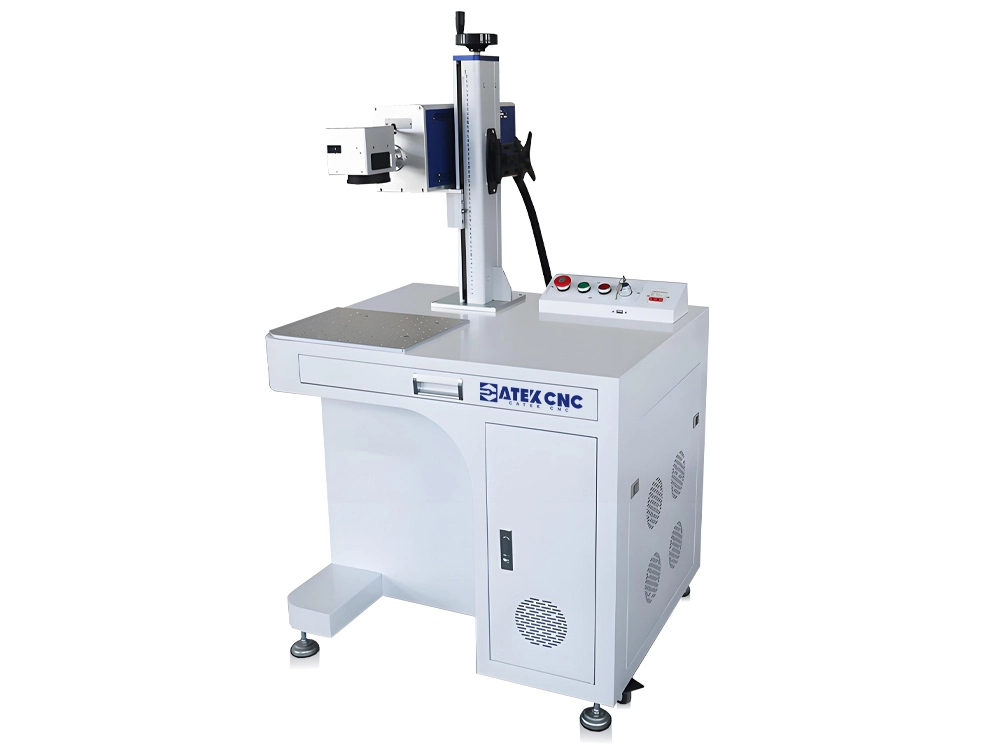
- Cabinet-style laser marking machine: Features an integrated cabinet design with a built-in worktable for easy installation and operation. Equipped with universal wheels at the bottom for convenient mobility. Components such as computers, monitors, and keyboards can be installed on the machine, making it suitable for various production environments and work scenarios.
- Enclosed laser marking machine: Equipped with an enclosed shell, it effectively isolates laser radiation, dust, and odors, ensuring operator safety and a clean processing environment. It also protects the machine from the impact of complex external working conditions, making it suitable for environments with strict environmental requirements or harsh working conditions.
- Handheld laser marking machine: Compact and lightweight, designed for portability. It can be operated handheld, making it suitable for on-site mobile marking or marking large workpieces such as tires and automotive frames.
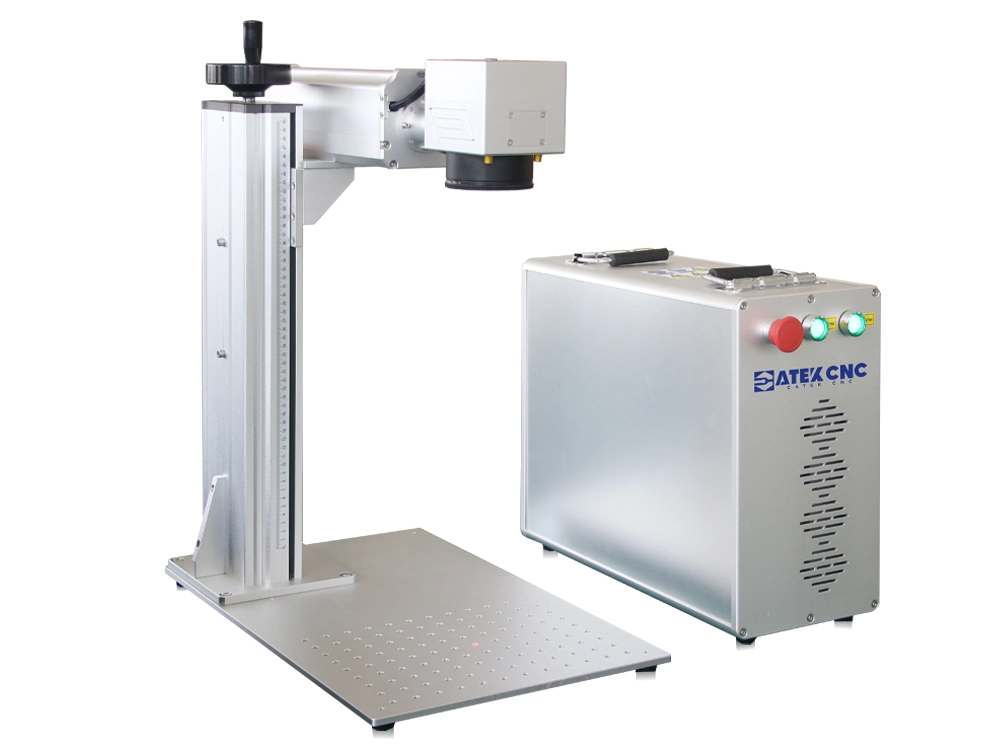
- Split-type laser marking machine: Features a design where the machine host and marking worktable are separated. It is suitable for industrial scenarios with fixed installation conditions. Flexible placement, not constrained by space, with the host and worktable placed separately for easy maintenance and repair. Suitable for various working environments.
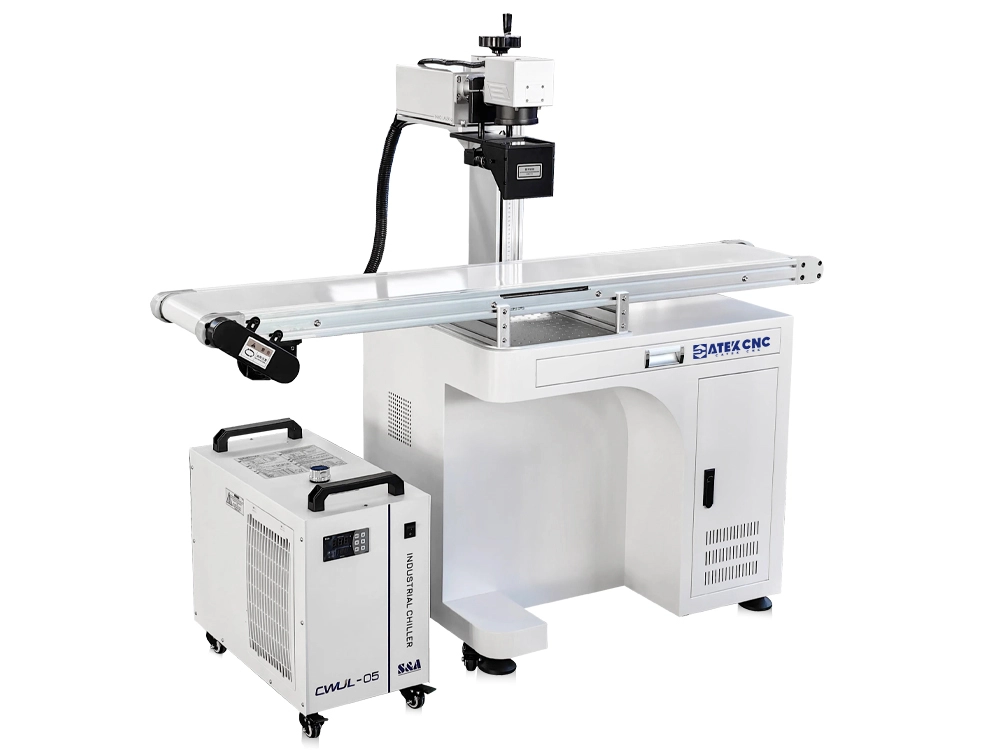
- Flying laser marking machine: Specifically designed for automated production lines. It uses dynamic tracking technology to achieve high-speed, high-precision marking on continuously moving products in large batches. It can be integrated with various production lines and conveyor belts.
Classification by Function
- Fiber laser marking machine: Uses a fiber laser generator and a control system to perform infrared laser thermal processing on various metals. The processed area is vaporized or melted. It supports processing various types of metals and some non-metals.
- CO2 laser marking machine: Uses sealed DC CO2 laser tubes or RF CO2 lasers. It generates laser beams through CO2 mixed gas and utilizes thermal effects for non-contact marking, engraving, or cutting on material surfaces. Suitable for processing various non-metallic materials.
- Ultraviolet (UV) Laser marking machine: Uses a solid-state UV laser. Unlike infrared lasers that rely on thermal effects, UV lasers are cold lasers with minimal thermal impact, preventing material deformation or burning. UV lasers have extremely small spot sizes, delivering delicate processing effects. They are versatile and can mark various metallic and non-metallic materials.
- MOPA color laser marking machine: Uses a fiber laser generator with MOPA technology, featuring adjustable pulse width and frequency. During the marking process, the laser's pulse width and frequency are adjusted in real-time to finely control the thermal effects after laser scanning, altering the thickness and structure of the oxide layer formed on the workpiece surface. This allows for creating different colors on specific metal surfaces. Suitable for fine marking scenarios requiring precise control of laser pulse width and frequency, as well as black, white, and color marking on metals like stainless steel.
- 3D laser marking machine: Equipped with a 3D galvanometer and using pre-focusing and dynamic focusing technologies, it includes a control system capable of recognizing 3D model files. The software controls the 3D galvanometer to adjust the laser beam's focal length in real-time, adapting to different heights of three-dimensional surfaces. It enables marking, engraving, and 3D relief on curved surfaces of varying depths.
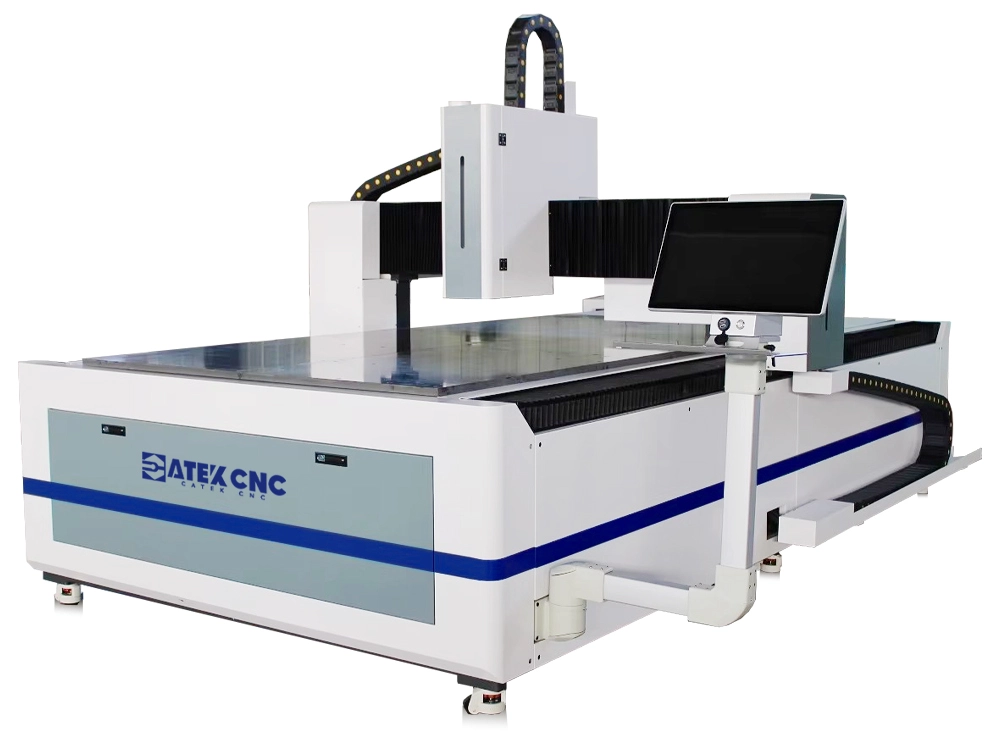
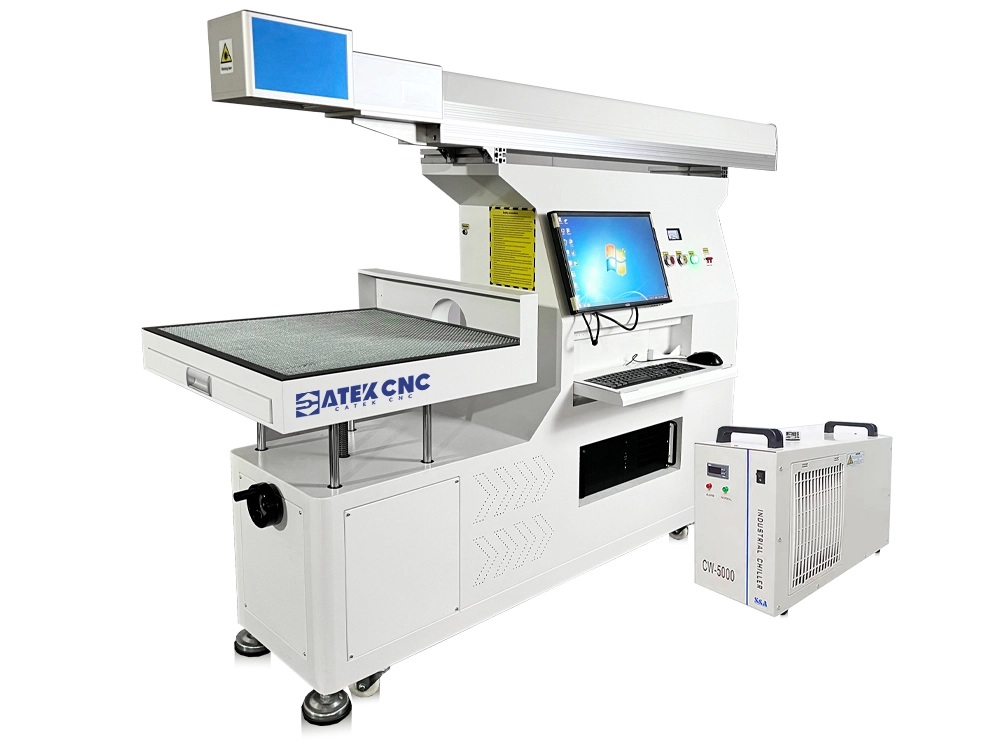
- Large-format mirror marking machine: Specifically designed for marking large-sized mirrors or elevator stainless steel panels. It can be used for mirror paint removal, smart mirror hole drilling, smart mirror sandblasting, and large-format metal sheet scanning, engraving, and marking. Suitable for processing various LED smart mirrors and elevator panels.
Optional Accessories for Laser Marking Machines
- One-dimensional work platform: Controls the lifting of the worktable, facilitating marking on materials of different thicknesses or heights, and making focusing more convenient.
- Two-dimensional work platform: Allows horizontal or vertical sliding of the worktable, enabling high-precision positioning and fine-tuning for accurate marking.
- Three-dimensional work platform: Controls horizontal, vertical, and vertical lifting movements of the worktable, enabling quick positioning and focusing on workpieces, reducing operation time, and improving efficiency.
- Flat clamp: Mainly used for clamping thin plates or sheet-like products. It secures both ends of the workpiece and increases the heat dissipation area, preventing material deformation caused by high temperatures or movement during processing.
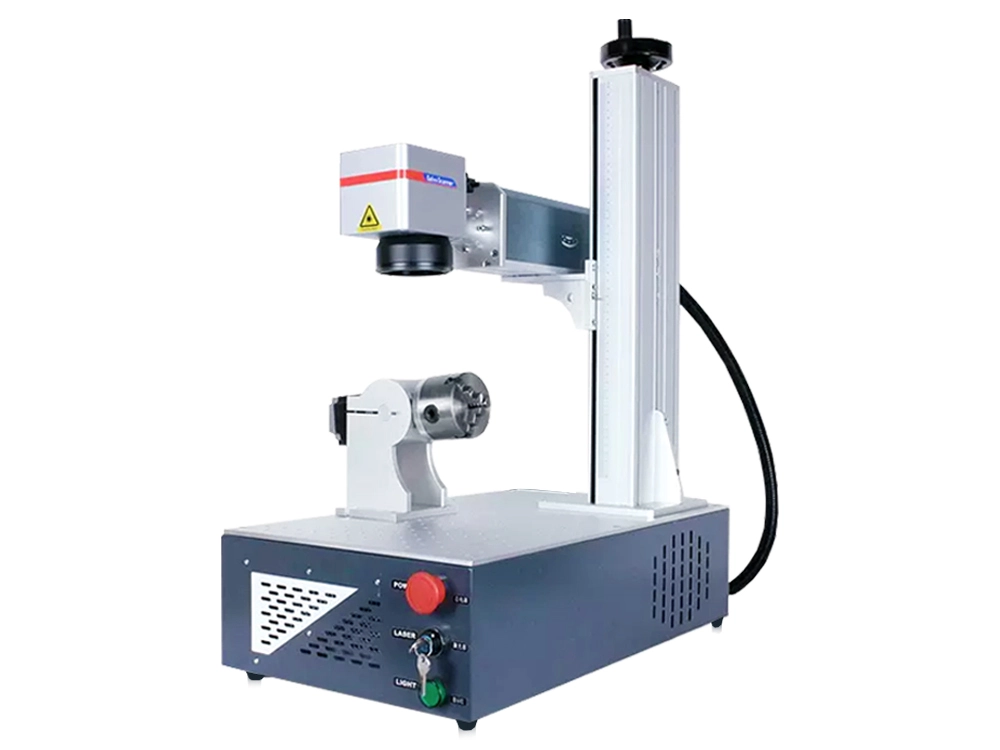
- Chuck rotary axis: Uses a chuck to fix cylindrical or complex-shaped workpieces, allowing 360-degree rotation for marking, expanding the marking range.
- Ring and jewelry rotary fixture: Suitable for marking small products such as rings, bracelets, thermos cup lids, and bottle caps. It clamps these workpieces for 360-degree rotation marking.
- Roller device: Drives the workpiece to rotate through static friction of the roller, avoiding damage caused by clamping. Ideal for rotating marking on various cylindrical products, effectively improving marking efficiency.
- Electric rotary platform: Enables horizontal rotation, suitable for batch marking of pens and signature pens.
- Pen conveyor belt: Equipped with multiple independent pen slots, it is suitable for marking round rods, pens, and signature pens. Automatic conveying saves time on manual placement.
- Conveyor belt: Often used in combination with a CCD vision positioning system. It automatically recognizes the position of workpieces on the conveyor belt and marks each workpiece accurately, suitable for batch marking of bottle caps, USB drives, and other products.
- CCD vision positioning: Uses a camera to capture real-time images of the worktable, automatically recognizing and positioning workpieces for marking. Supports random placement of workpieces, effectively improving marking efficiency.
- Smoke purifier: Filters and purifies the air, handling smoke and dust generated during laser marking. It effectively removes harmful particles and odors, maintaining a clean and environmentally friendly production environment, suitable for indoor use.
What is a Mirror Laser Sandblasting Machine?
The large-format mirror laser sandblasting machine is a specialized equipment that uses laser technology to process the surface of LED smart mirrors. It can be used for sandblasting, paint removal, hole drilling, and other operations on smart mirrors. By controlling the energy and movement trajectory of the laser beam, it can precisely control the marking patterns and depth, achieving complex and delicate frosted mirror effects. The large-format laser sandblasting machine can quickly and efficiently process large-area mirrors, completing intricate pattern or texture engraving in a single operation.
Compared to traditional chemical etching or sandblasting methods, laser sandblasting is more environmentally friendly. It does not require any consumables, and the processing process does not produce harmful chemicals, wastewater, or other pollutants, meeting environmental protection requirements.
Technical Specifications of Laser Marking Machines
| Fiber Laser Marking Machine | CO2 Laser Marking Machine | UV Laser Marking Machine | |
|---|---|---|---|
| Brand | CATEKCNC | ||
| Laser Type | Fiber laser | CO2 laser | UV laser |
| Laser Wavelength | 1064nm (infrared) | 10.6μm (infrared) | 355nm (ultraviolet) |
| Processing Type | Non-contact laser processing | ||
| Worktable Size | 110*110mm, 150*150mm, 175*175mm, 200*200mm, 300*300mm, 350*350mm, 400*400mm, 520*520mm, 700700mm, 800*800mm, etc. | 110*110mm, 150*150mm, 175*175mm, 200*200mm, 300*300mm, 360*360mm, 400*400mm, 450*450mm, 560*560mm, 600*600mm, etc. | 110*110mm, 150*150mm, 175*175mm, 200*200mm, 250*250mm, 300*300mm, 450*450mm, 550*550mm, etc. |
| Laser Power | 20W, 30W, 50W, 100W, 200W, etc. | 20W, 30W, 40W, 60W, 80W, 100W, 130W, etc. | 3W, 5W, 10W, 15W, 20W, etc. |
| Laser Generator | Max, Raycus, GZTECH, JPT, IPG, etc. | SPT, CRD, Reci, Yongli, Davi, Siri, etc. | JPT, Gain, KRS, etc. |
| Applicable Materials | Metal materials and some non-metal materials | Non-metal materials and some coated metal materials | Various metal and non-metal materials |
| Application Software | EZCAD, CorelDRAW, Adobe Illustrator, Adobe Photoshop, AutoCAD, LightBurn, LaserGRBL, Inkscape, etc. | ||
Price of Laser Marking Machines
In modern industrial processing, marking and engraving technologies are receiving increasing attention. Whether it is a manufacturing enterprise or a small studio, an efficient and precise marking machine is needed to complete various marking tasks. The compact and small characteristics of laser marking machines also make them an ideal choice for small workspaces, as they do not take up much space but can perform significant tasks.
Choosing the right laser marking machine is not easy, especially when considering power and applicable materials. There are three types of lasers to choose from: fiber laser, CO2 laser, and ultraviolet laser. In terms of power, there are options like 20W, 30W, and 50W. The entry-level 20W desktop fiber laser marking machine starts at just $880. It can easily handle tasks from simple metal engraving to complex pattern carving, making it suitable for beginners in laser marking and personal studios. The price of a split handheld fiber laser marking machine, suitable for marking various large workpieces, starts at $1250. The price of a production line flying laser marking machine for industrial use starts at $2100. The CO2 laser marking machine, suitable for marking various non-metallic materials, starts at $1700. The UV laser marking machine, suitable for processing various materials, starts at $1850. Adding an additional field lens to the laser marking machine starts at $70, and adding a rotary axis for 3D engraving starts at $130.
Operating Steps of Laser Marking Machines
Operating a laser marking machine is very simple. Compared to other types of CNC machines, a laser marking machine can be easily operated with just a few simple steps.
- Turn on the power of the laser marking machine and connect the USB cable of the laser marking machine to the computer. Then, open the corresponding control software on the computer.
- Place the product to be processed on the worktable and adjust its position. Adjust the laser marking machine to the appropriate focal length based on the height and thickness of the workpiece. Before processing, ensure that the material surface is clean, free of oil stains or other contaminants that may affect the engraving quality.
- Use the control software to import the design to be processed, and adjust to the appropriate marking range and parameters, such as marking speed, power, and frequency. Then, select the red light positioning to indicate the area to be processed on the workpiece through visible red light.
- After ensuring the marking range is correct, you can first perform a test marking on scrap material or an inconspicuous area. Verify the parameter settings through the processing effect and make secondary adjustments to the laser parameters as needed until the desired effect is achieved.
- Begin the formal marking and engraving process, and observe the engraving effect in real-time during the process.
- fter the marking and engraving are completed, conduct a final inspection of the processed product to ensure the processing quality and depth meet the requirements. Adjust future engravings based on the processing results.
Maintenance and Care of Laser Marking Machines
The maintenance and care of laser marking machines are crucial. Proper maintenance can effectively extend the service life of the machine. Below are the steps summarized by CATEKCNC's laser technology experts for comprehensive maintenance of laser marking machines, covering the optical system, mechanical components, electrical system, cooling system, and environmental control.
- Optical System
-
- Field lens maintenance: Regularly clean the dust on the surface of the field lens using specialized lens cloth and anhydrous alcohol. Wipe from the inside out in a clockwise direction, avoiding direct hand contact with the field lens. Do not use rough cloth or non-professional cleaning agents to prevent scratching or contaminating the field lens.
- Galvo calibration: Regularly check the connection status of the galvo motor and whether the scanning pattern is normal. Observe if there is any abnormal noise or vibration from the galvo.
- Mechanical Components
-
- Slide rail lubrication: Regularly inspect moving parts such as lifting guides, clean the dust on the lifting guides, and apply lubricant periodically.
- Electrical System
-
- Machine electrical cabinet: Regularly clean the dust on electrical components using compressed air or a soft brush to prevent excessive dust from affecting machine operation.
- Switch inspection: Regularly check the switches. After turning on the machine, observe if it powers on normally. If the machine is not used for a long time, it should be powered on and run periodically.
- Grounding check: Regularly check if the machine's grounding wire is secure to avoid the risk of electric leakage.
- Cooling System
- Water cooling system: Regularly replace the water in the water tank to prevent impurities from clogging the cooling pipes. Clean the water tank and add antifreeze during cold weather or winter.
- Air cooling system: Regularly clean the dust on the fan blades and vents to prevent excessive dust from affecting heat dissipation.
- Environmental Management
- Working environment management: Keep the working environment dry, dust-free, and vibration-free. Place the machine on a stable surface and regularly clean the metal powder on the worktable.
If you are looking for a reliable and efficient laser marking machine, feel free to consult CATEKCNC for machine-related information. CATEKCNC can provide you with comprehensive service support, including machine quality control, high-quality after-sales service, and efficient logistics delivery. With 19 years of experience in laser machine manufacturing, CATEKCNC produces laser marking machines with reasonable prices and excellent performance, making it a trustworthy laser equipment supplier. Whether you are an individual entrepreneur or a procurement officer of a large enterprise, we can provide you with cost-effective options.
CUSTOMER REVIEWS
-
I purchased this laser marking machine specifically for marking drinking cups. This model with the rotary attachment is exactly what I needed. It holds the cups very securely, and the marking result on the curved surface is excellent and very clear.
KurniawanOct 10, 2025 -
I run an online shop selling cups, and some customers request personalized markings. This laser marking machine is cheap and offers incredible value for money. It fits my needs perfectly.
CoronadoNov 22, 2025 -
Great little laser marker! Very easy to use for my small jewelry business. The marks on my silver and gold pieces are clean, precise, and permanent.
NataliaOct 26, 2025 -
Я ретельно вивчив цей лазерний маркер, куплений у Китаї. За правильних креслень і параметрів обробка досить гарна, криві гладкі. Сподіваюся, після війни зможу використовувати його для швидкого старту бізнесу.
KutsynaJun 16, 2025 -
Been using this fiber laser marker for firearm surface marking for about a month now, and it’s been a total game-changer. We mainly mark serial numbers, brand logos or custom mark on gun frames, every mark comes out crisp, no blurring or uneven edges, even on the curved parts. Setup was straightforward too; our tech got it calibrated and running in under an hour, no complicated manuals to slog through. Would 100% recommend to any gun shop or manufacturer looking for reliable, precise marking.
CalelJul 11, 2025 -
Testei esta marcação laser MOPA e realmente é possível criar marcações coloridas, mas é preciso ajustar os parâmetros com bastante cuidado para obter os resultados desejados. A qualidade final é impressionante, porém recomendo estudo prévio ou suporte técnico para quem não está familiarizado com as configurações. No geral, estou satisfeito com a capacidade do equipamento.
RehbeinJun 01, 2025 -
I have a store on Amazon and customers need to print their text onto products. I bought this machine that can 3D mark. If your product is curved, be sure to buy a machine that can 3D mark!
SureshJan 03, 2025 -
This fiber laser marking machine is so ez. I'm currently learning how to adjust the laser parameters to achieve better marking results.
AzifAug 21, 2025 -
A very fast laser marking machine, very fast, and the marked pattern is very clear. This machine is very small. I put it on the table in my studio. It is very convenient to use. If I need it in the future, I will buy another one.
YesoMar 06, 2025 -

Esta máquina de grabado láser de fibra es nueva y muy económica. La primera vez que lo usé, quedé realmente satisfecho con el efecto de impresión. La fuente se puede ajustar, el tamaño de la fuente y la profundidad se pueden convertir en vectores e importar directamente para marcar. .
JoséDec 04, 2024