Fiber Laser Sheet Cutting Machines to Meet Diverse Needs and Budgets
Fiber laser sheet cutting machines are automated metal processing systems that utilize high-power fiber laser technology to achieve high-precision cutting of metal sheets. They are mainly designed for processing carbon steel sheets, stainless steel sheets, aluminum sheets, copper sheets, and various alloy materials.
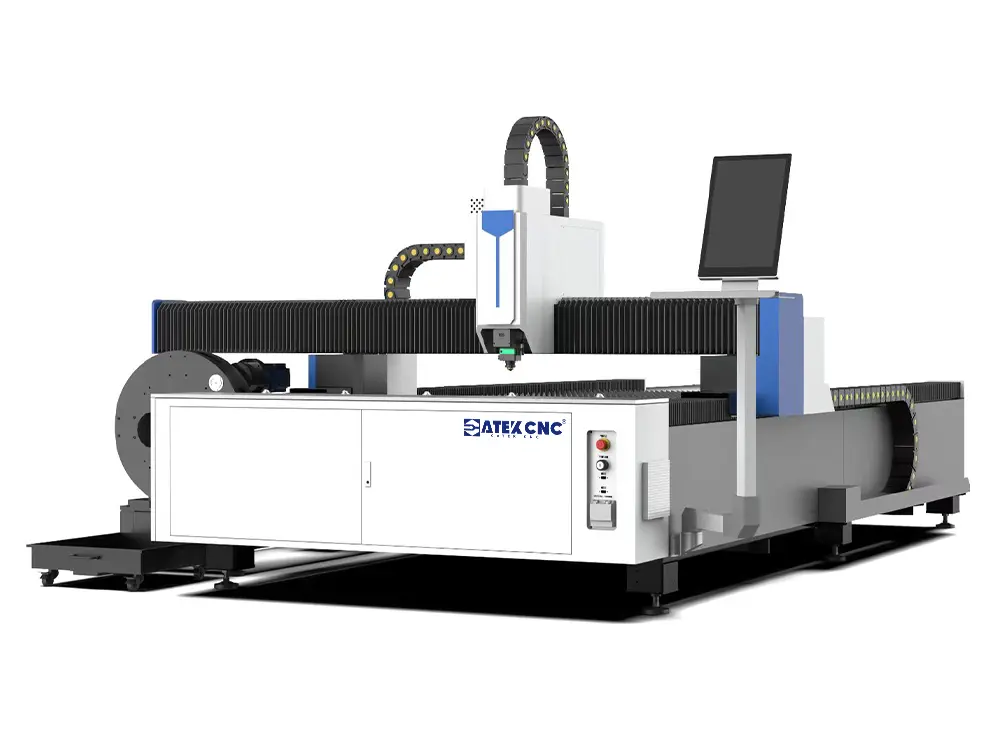
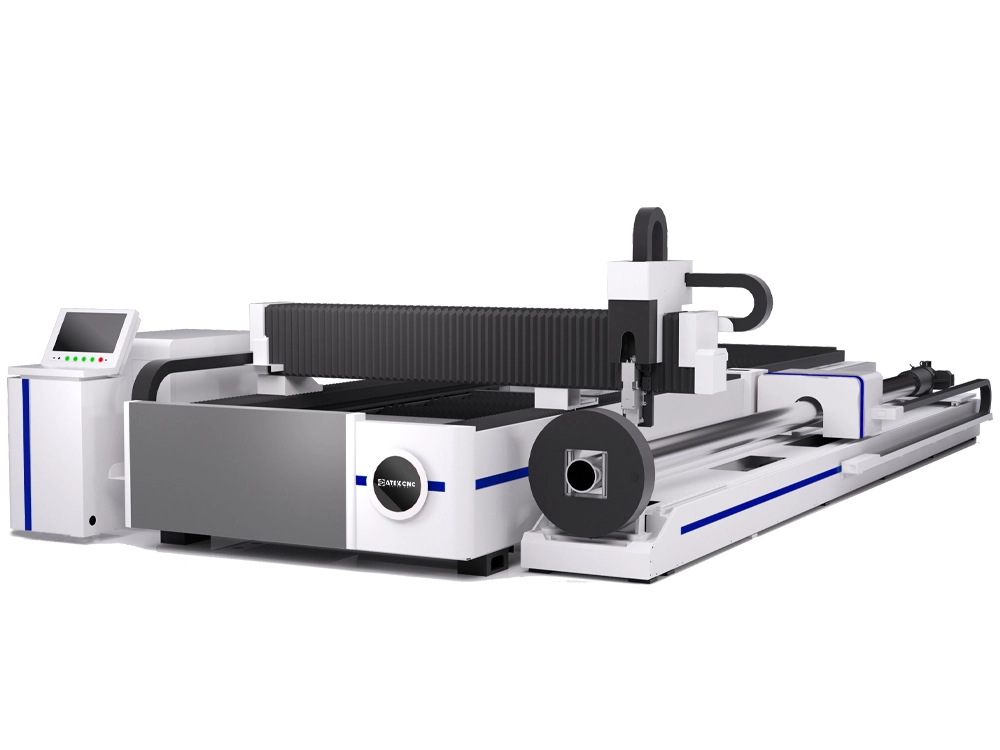
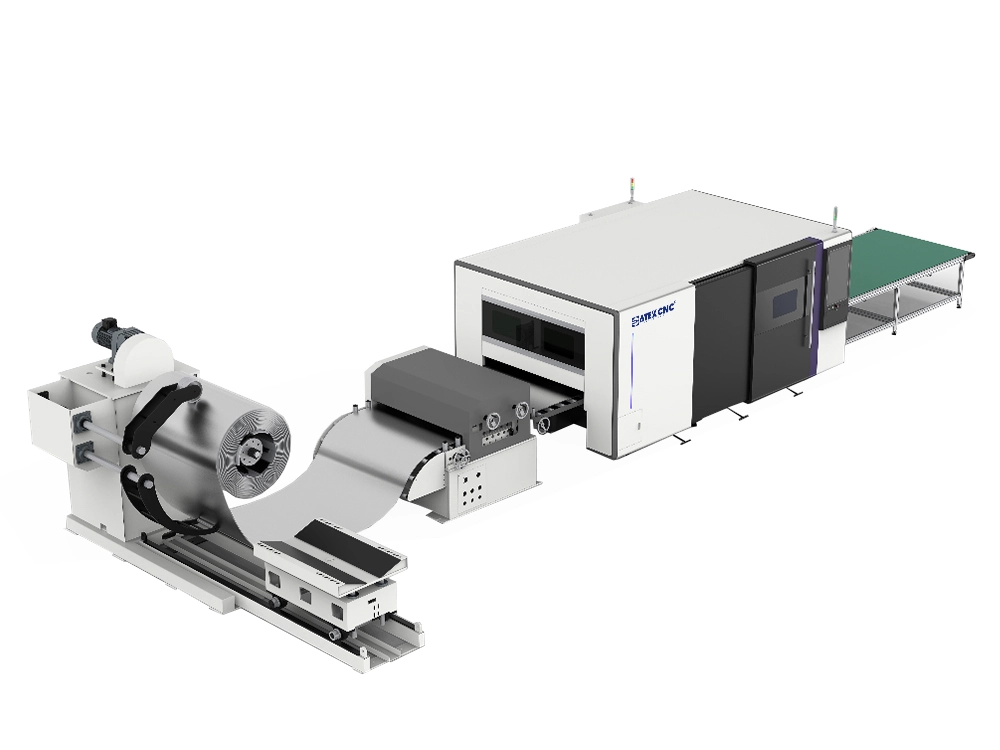
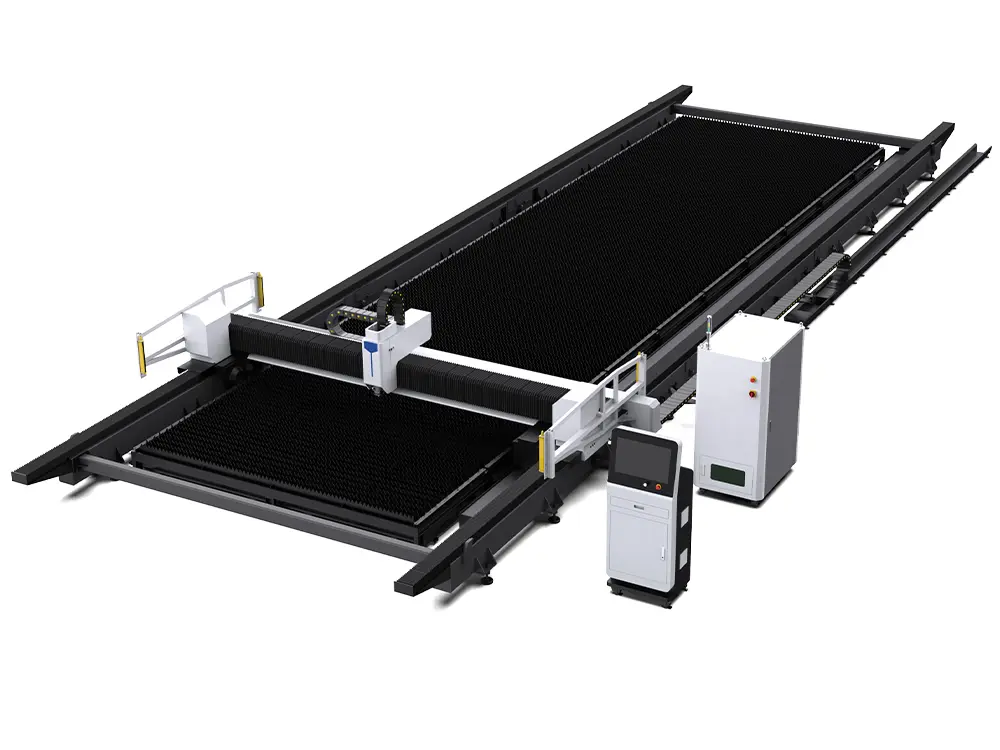
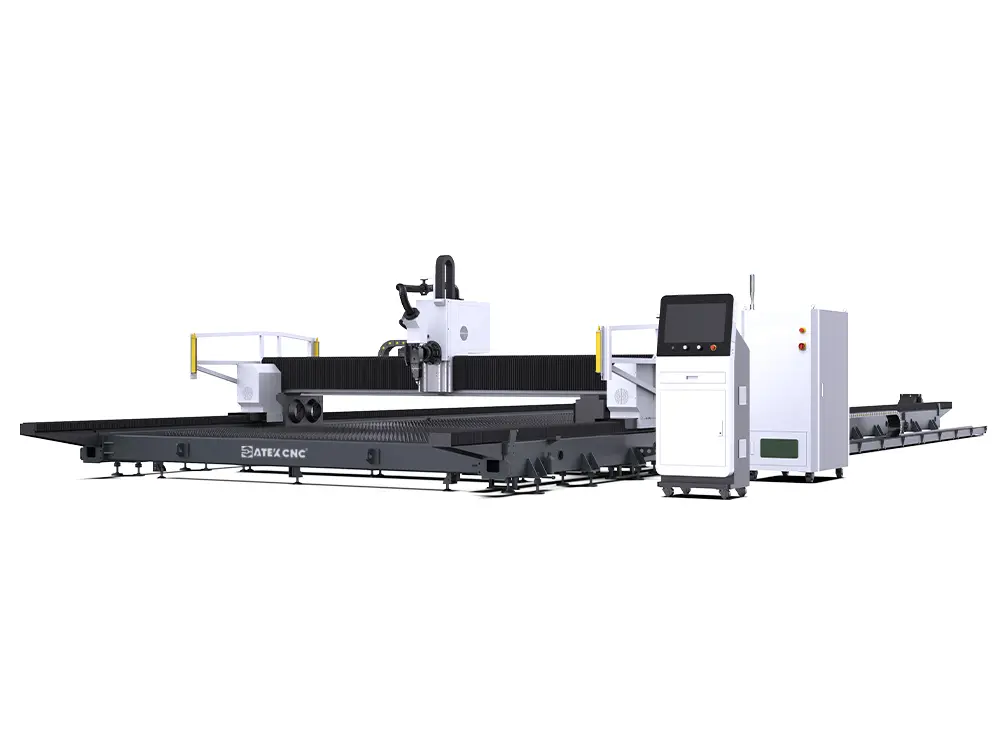
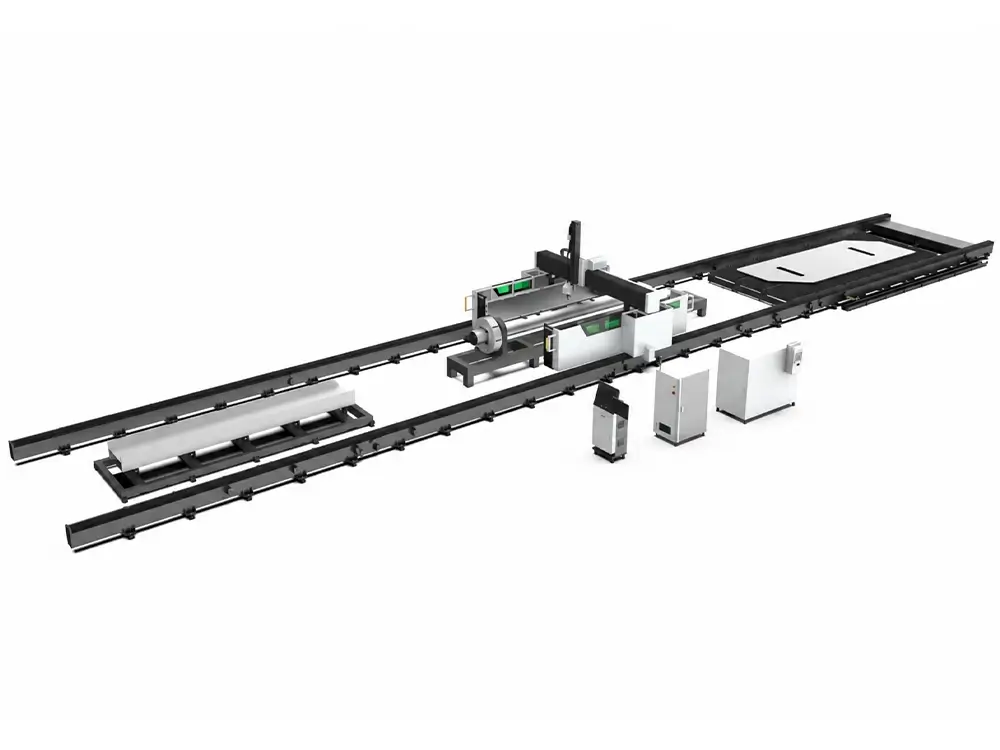
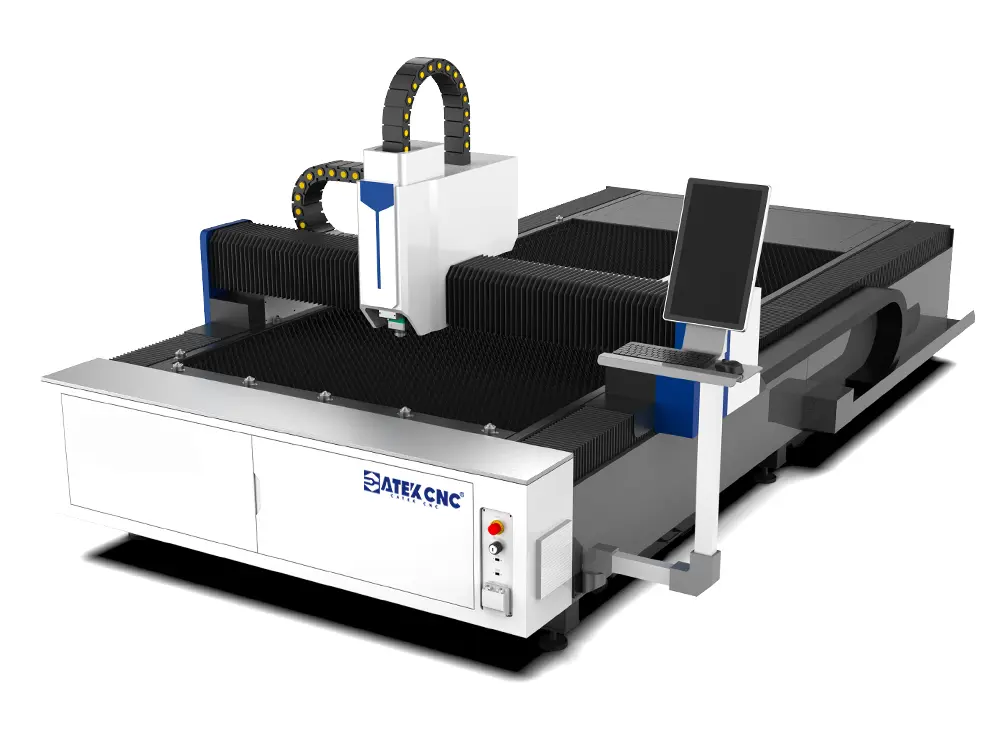
Depending on the machine structure and processing requirements, fiber laser cutting machines can be developed into various product categories. In addition to conventional sheet metal laser cutting machines, laser blanking lines are designed for continuous processing of metal coils, while sheet and tube fiber laser cutting machines combine both sheet metal and tube cutting capabilities to meet diversified manufacturing needs. Large rail-type all-in-one fiber laser cutting machines feature a separated worktable and machine bed design, offering a larger working range and greater layout flexibility for cutting metal sheets, tubes, profiles, and large irregular-shaped metal components.
CATEKCNC provides fiber laser sheet cutting solutions for different application scenarios, with laser power options ranging from 1,500W to 80,000W. The working table size, core components, and automation configurations can all be customized according to customer requirements. These machines are widely used in sheet metal fabrication, steel structure manufacturing, construction machinery, automotive manufacturing, rail transportation, agricultural machinery, pressure vessel production, electrical equipment, enclosures and cabinets, kitchen equipment, metal furniture, advertising signage, renewable energy equipment, and other industries. They are capable of meeting diverse manufacturing requirements, from precision component processing to large-scale structural part production.
-
Hot
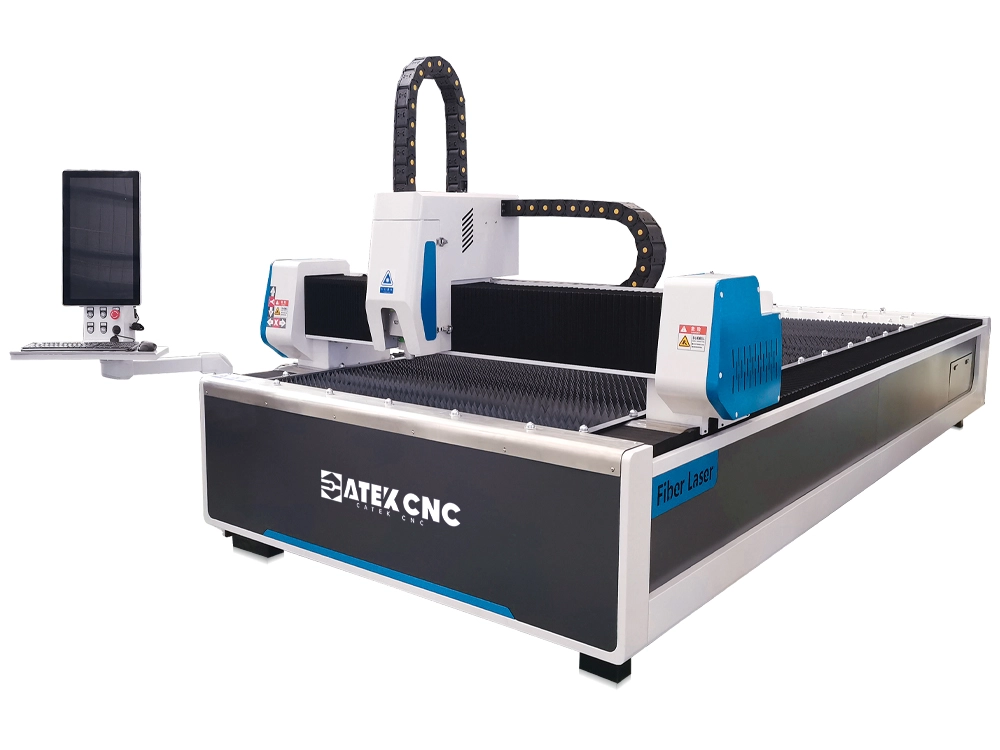
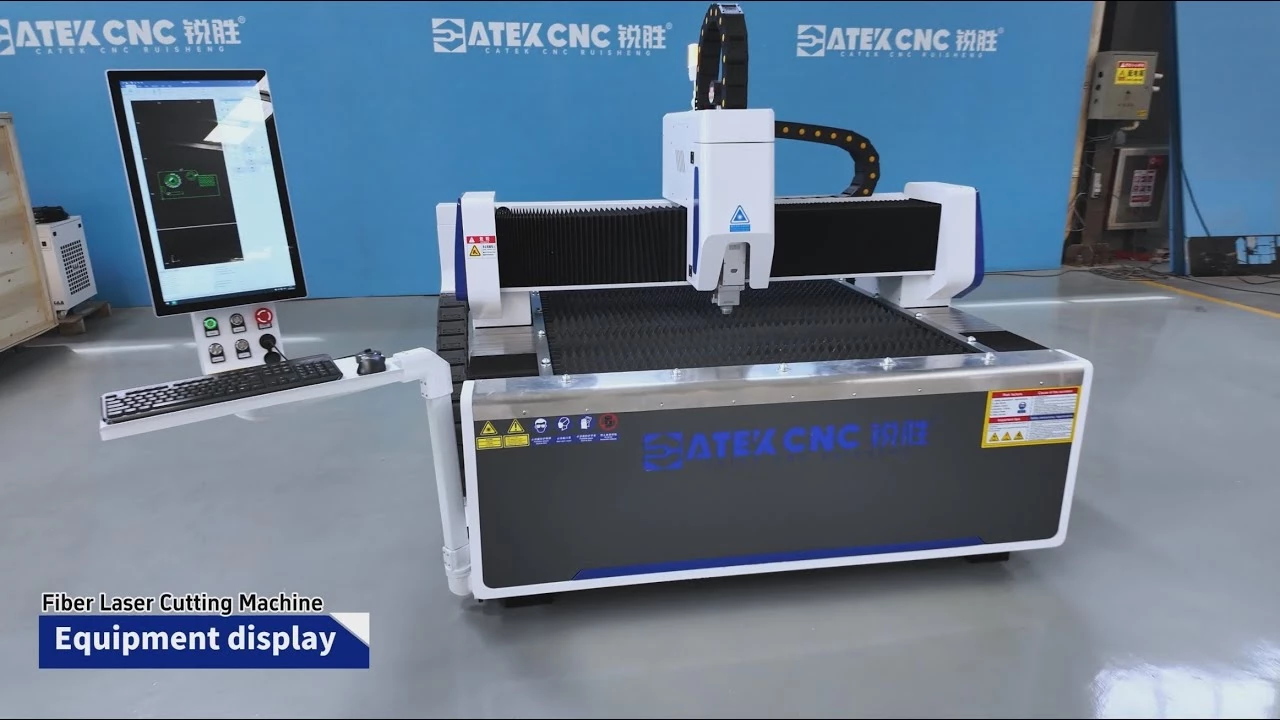
Cost-Effective Classic 5×10ft Fiber Laser Sheet Metal Cutting Machine
-
CK-1530-FL
-
5.0(0)
This is a 12,000W fiber laser sheet metal cutting machine designed for cutting various types of metal sheets. The machine offers a high level of customization, including laser power, working area dimensions, and component brands, allowing it to meet$12,990.00~$32,990.00 -
-
5x10 1500W/2000W/3000W Fiber Laser Cutter for Sale at Competitive Price
-
CK-1530-F
-
5.0(6)
This is a standard 5x10 ft fiber laser cutting machine with multiple power and configuration options, suitable for cutting various metals and alloys.$5,500.00~$15,800.00 -
-
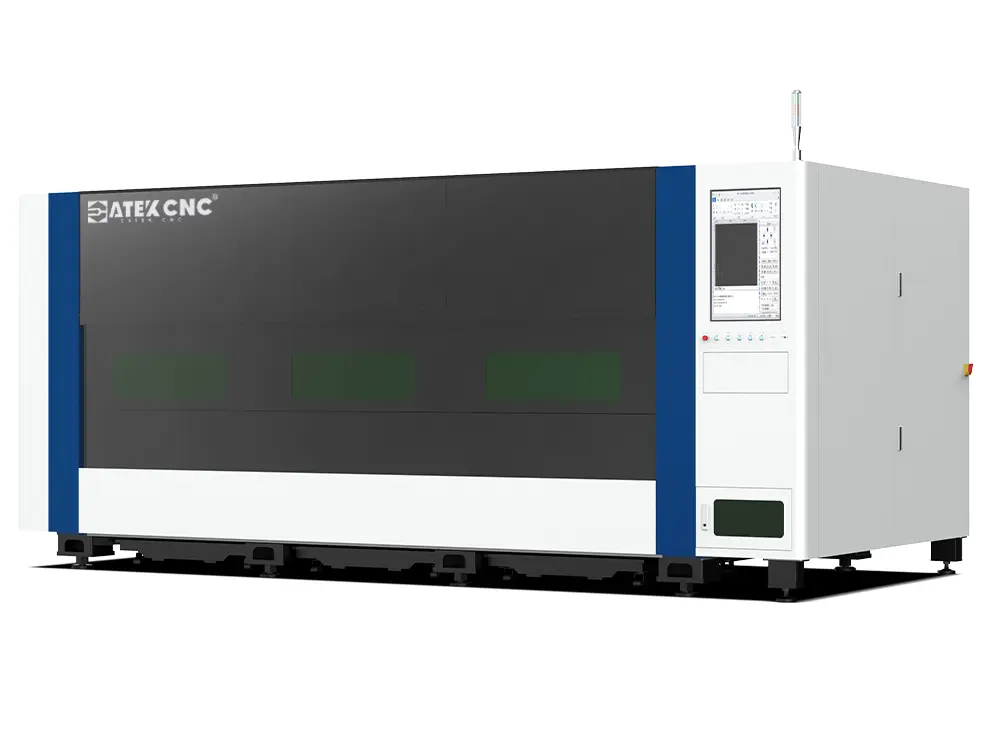
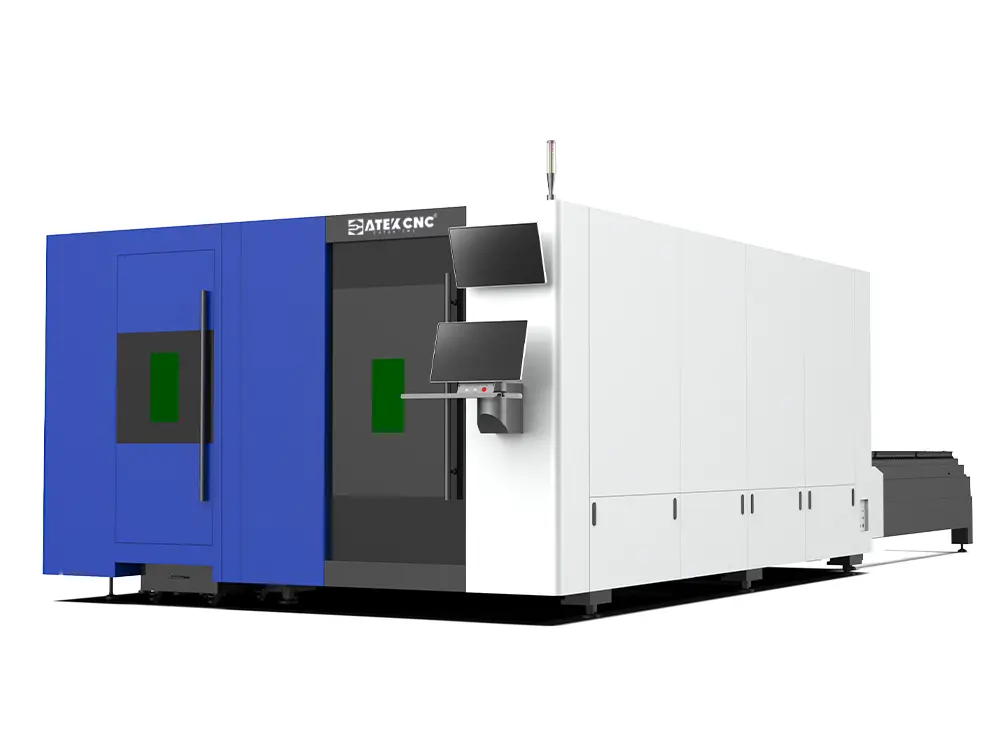
Enclosed Fiber Laser Sheet Cutting Machine with Pull-Out Worktable
-
CK-1530-PS
-
5.0(0)
This fiber laser cutting machine features a enclosure and a pull-out worktable, enabling clean and environmentally friendly cutting of metal sheets.$23,800.00~$53,800.00 -
-
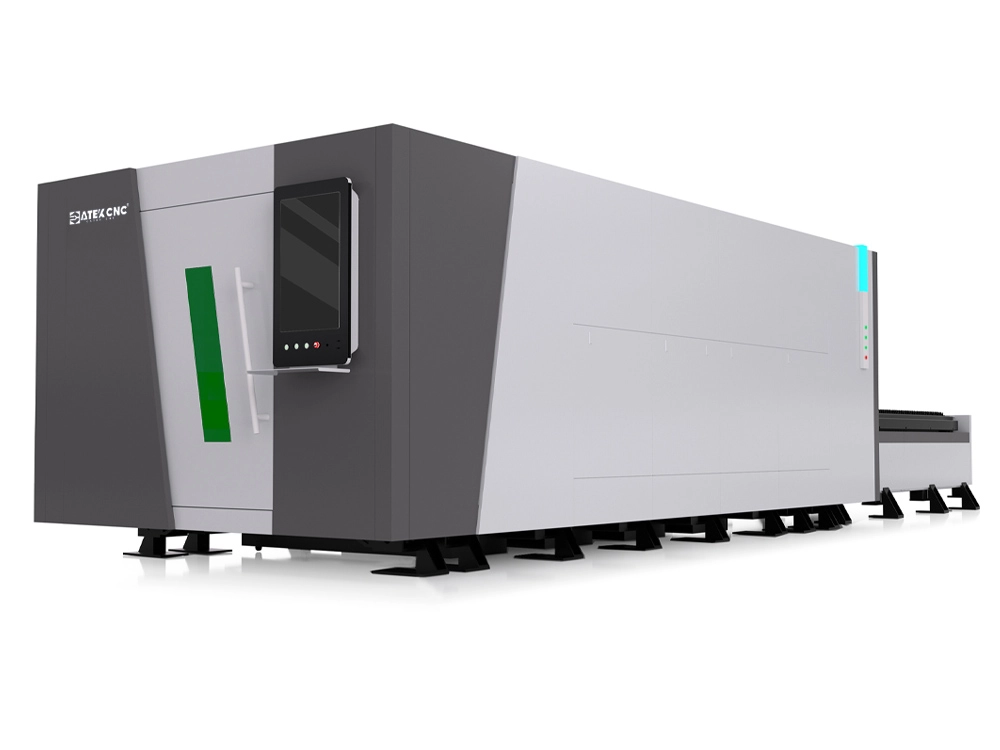
Enclosed Fiber Laser Sheet Cutting Machine with Shuttle Table
-
CK-1530-PU
-
5.0(0)
This enclosed fiber laser cutting machine features dual shuttle exchange tables and is designed for high-performance, environmentally friendly metal sheet cutting.$27,699.00~$72,990.00 -
-
Top 2040 Enclosed Fiber Laser Cutting Machine with Dual-Shuttle Table
-
CK-2040-2FC
-
5.0(0)
This is a large-format fiber laser cutting machine with a processing size of 2000*4000 mm, featuring a fully enclosed design and equipped with a dual-shuttle table.$25,800.00~$118,500.00 -
-
Hot
Classic Fiber Laser Sheet & Tube Cutting Machine
-
CK-1530-FTL
-
5.0(0)
The CK-1530-FTL is equipped with a flatbed cutting table and a tube clamping device, enabling it to process both metal sheets and tubes.$31,580.00~$61,580.00 -
-
5x10 Multi-Function Fiber Laser Plate and Tube Cutting Machine
-
CK-1530-FT
-
5.0(1)
This is a fiber laser cutting machine capable of both metal sheet and metal pipe cutting. It features an added pipe clamping/rotating device on the side, making it more comprehensive.$22,500.00~$32,800.00 -
-
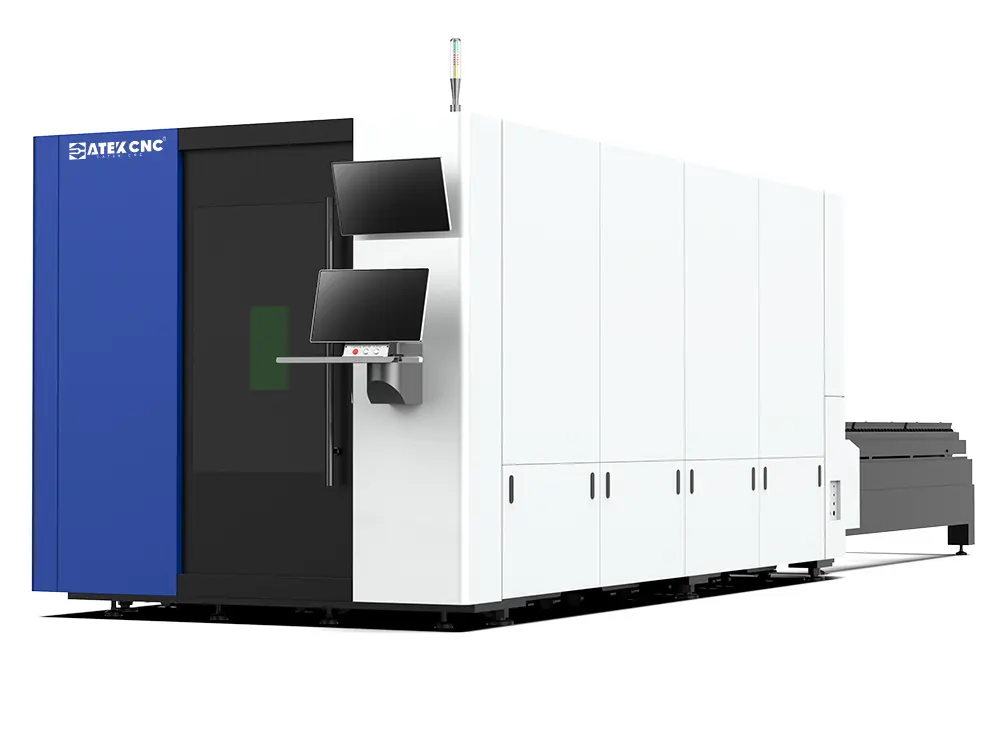
Fiber Laser Cutting Machine with Shuttle Table for Sheet and Tube Cutting
-
CK-2040-PGT
-
5.0(0)
This is a fiber laser cutting machine capable of cutting both sheet metal and metal tubes. It features a fully enclosed protective enclosure and a shuttle worktable (exchange table), enabling safer operation and higher production efficiency.$45,990.00~$92,990.00 -
-
Laser Blanking Line for Cutting Steel Coils
-
CK-1530-ACF
-
5.0(0)
This is a laser blanking line specifically designed for processing metal coils. It integrates a coil feeding system, a leveling system, a laser cutting system, and a stacking system.$46,800.00~$59,800.00 -
-
Rail-Type Fiber Laser Cutting Machine for Large-Format Metal Sheet
-
CK-3200-FG
-
5.0(0)
The CK-3200-FG is a rail-type fiber laser plate cutting machine designed for large-format metal plate processing. Its key features include a modular machine bed and a high-power laser source, enabling efficient and precise cutting of ultra-large metal plates.$53,800.00~$193,800.00 -
-
Industrial Laser-Flame Hybrid Cutting Machine
-
CK-3200-FCG
-
5.0(0)
The CK-3200-FCG features an extra-large working area and supports both pure laser cutting mode and laser-flame hybrid cutting mode. It is capable of cutting carbon steel plates with thicknesses of up to 200mm.$53,990.00~$208,990.00 -
-
2026 Top All-in-One Fiber Laser Cutting Machine
-
CK-13033-GRH
-
5.0(0)
This is an industrial-grade, multi-purpose fiber laser cutting machine equipped with multiple stations and a 10kW+ laser source, engineered for high-velocity cutting across metal sheets, tubes, and structural profiles.$88,500.00~$139,500.00 -
THE FOLLOWING ARTICLES MAY HELP YOU
-
Laser Cutting Machine
How to Choose a Fiber Laser Cutting Machine?
Step 1: Conduct an In-Depth Analysis of Your RequirementsThis is the most critical step, determining the direction of all subsequent choices. Please answer the following questions:What materials will be cut?Carbon steel: This is the most common application, and all fiber laser machines excel at it.Stainless steel/aluminum/brass: Higher-pressure nitrogen is required as an assist gas to achieve an oxide-free cut surface. This places higher demands on laser stability and gas pressure.Highly reflect...
-
Laser Cutting Machine
What Are the Factors Affecting Fiber Laser Cutting?
There are numerous factors affecting the cutting speed of fiber laser cutting machines, which can be primarily categorized into laser parameters, characteristics of the processed material, cutting process parameters, and machine performance.Laser ParametersThe cutting principle of fiber laser cutting machines involves using high-energy laser beams to melt and cut materials. Therefore, laser parameters are the most direct factors influencing cutting speed.Laser power: For the same material and wi...
-
Laser Cutting Machine
What Are the Types of Laser Cutting Machines?
Laser cutting uses laser instead of physical cutting tools or high-temperature flame cutting. Due to the characteristics of laser, it has significant advantages over traditional cutting.In addition to the power of laser cutting, the optical properties of the laser have the greatest impact on cutting,Such as wavelength, pulse width, pulse repetition frequency, etc.Depending on the type of laser, the current industrial laser equipment is mainly divided into fiber laser, CO2 laser and YAG laser.Fib...
HERE ARE SOME RELATED VIDEOS OF CNC MACHINES
-
00:46
Laser Cutting MachineJun 06, 2025Low-Cost, High-Efficiency Fiber Laser Sheet Metal Cutting Machine
The video introduces a fiber laser metal cutting machine with a maximum processing size of 1500*300mm.
-
00:55
Laser Cutting MachineJun 06, 2025Fiber Laser Cutting Machine Cutting Stainless Steel Plate
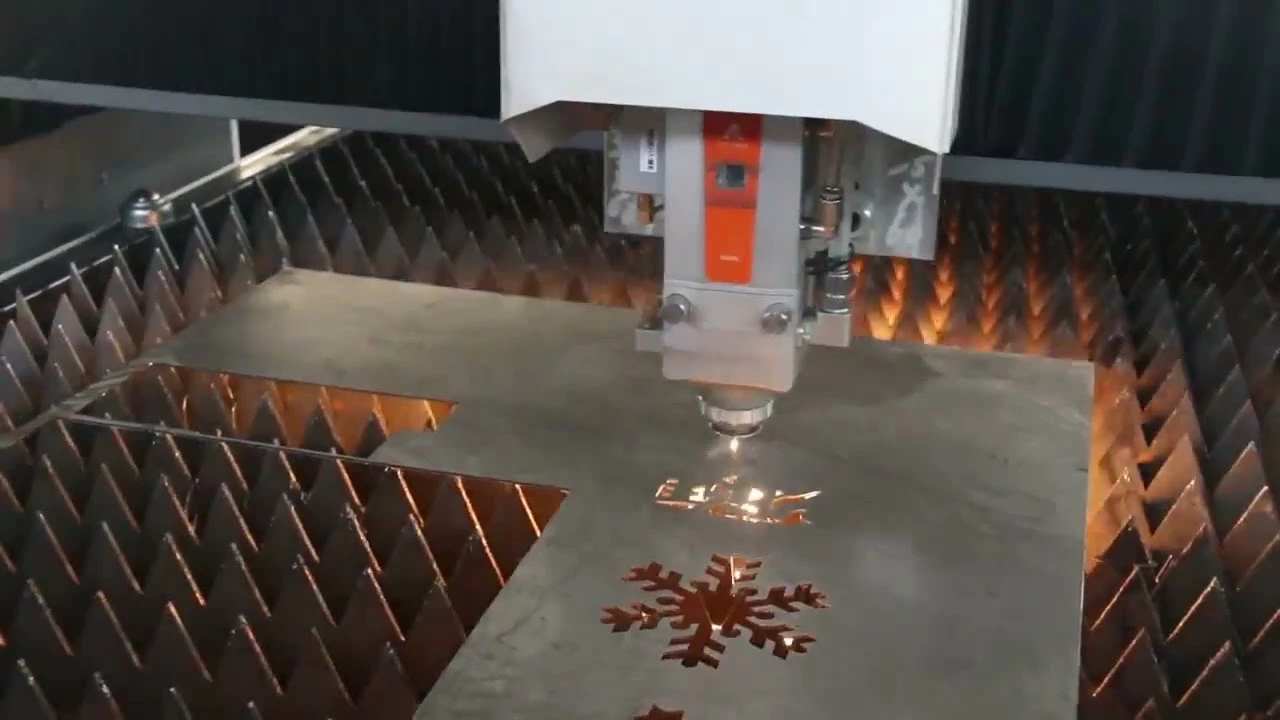
This video demonstrates the capability of a fiber laser cutting machine in cutting snowflake patterns and intricate Chinese characters on stainless steel plates.
-
00:55
Laser Cutting MachineMay 27, 2025Fiber Laser Sheet & Tube Integrated Cutting Machine
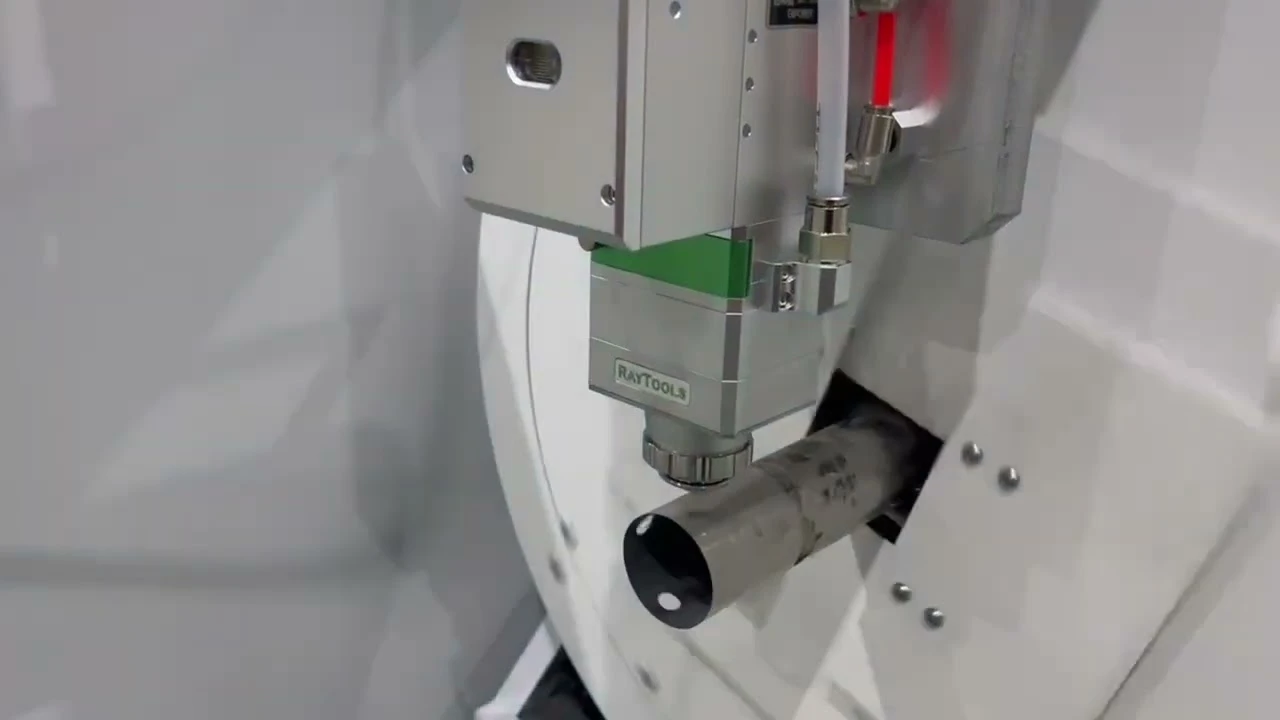
This video demonstrates examples of a fiber laser sheet-and-tube cutting machine cutting carbon steel plates and stainless steel metal tubes.
HERE ARE SOME FUN PROJECTS FOR CNC MACHINES
-
Laser Cutting MachineMaking Stainless Steel Hollow Letter Light Box Sign by Laser-Cut
The visual effect of the hollow light box is similar to that of the metal backlight characters, but it seems to be better in terms of its atmosphere. Whether it is placed on the door or indoors, it is very eye-catching. The hollow light box sign is generally a whole. The graphic content is combined in the form of hollow metal and a transparent plate glued inside. In the bright light state, only the graphic information that needs to be displayed will be transparent. The advertising effect is very...
-
Laser Cutting MachineFiber Laser Cutting Machine for Metal Tube Cutting Project
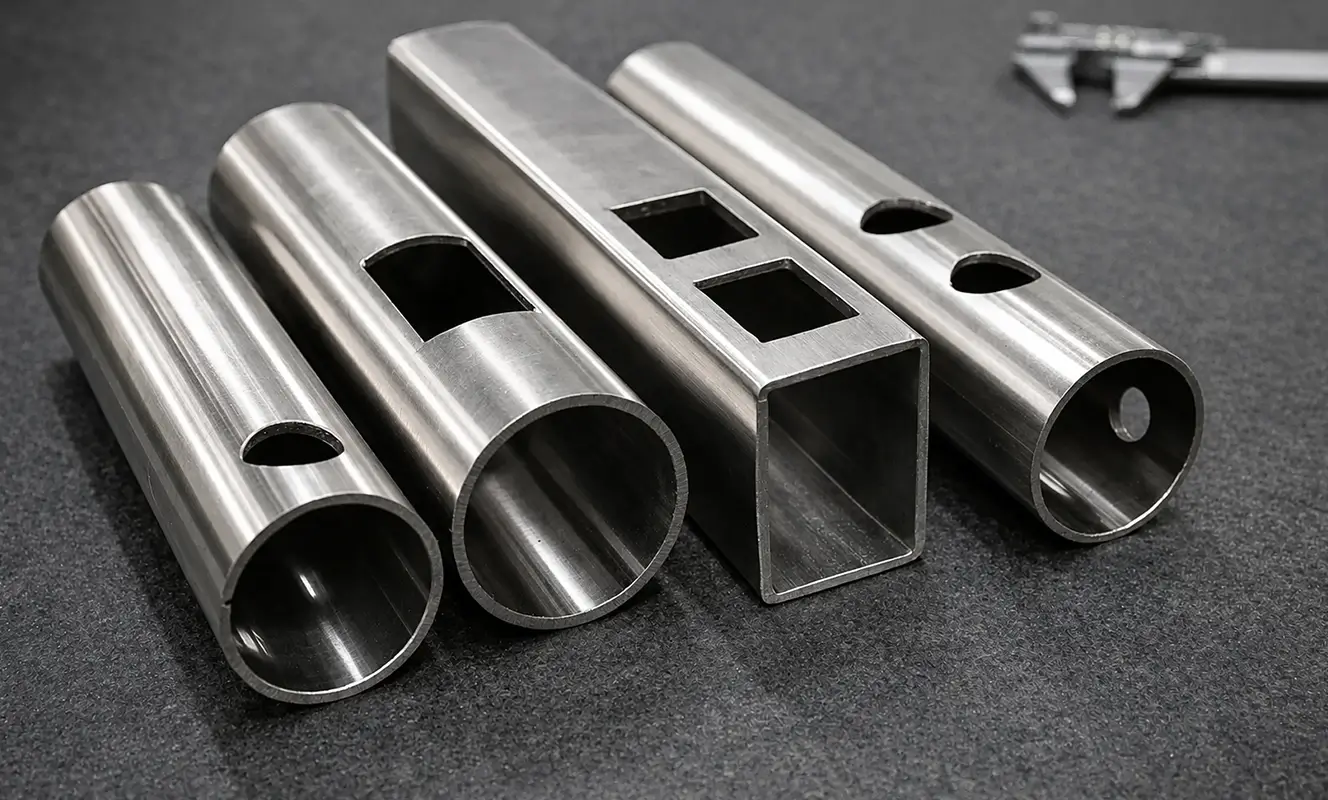
This project focuses on the application of a fiber laser cutting machine for high-efficiency metal tube cutting in industrial production. By utilizing the CATEKCNC fiber laser tube cutter, the client successfully achieved precise processing of round, square, and rectangular tubes across a range of materials, including stainless steel and carbon steel.Through the integration of advanced CNC fiber laser tube cutting technology, the project significantly improved cutting accuracy, reduced material ...

COMPLETE GUIDE TO FIBER LASER SHEET CUTTING MACHINES
Metal sheets are among the most essential basic materials in modern manufacturing and are widely used in industries such as automotive manufacturing, construction machinery, rail transportation, home appliances, and architectural decoration. From equipment enclosures and structural frames to precision components, metal sheet forming and processing are indispensable parts of modern manufacturing. As the first critical step in sheet metal fabrication, cutting directly affects dimensional accuracy, production efficiency, material utilization, and subsequent manufacturing processes. Therefore, with manufacturing industries continuously moving toward higher precision, greater efficiency, and increased automation, metal sheet cutting technologies have undergone continuous development and transformation.
The evolution of metal sheet cutting technology has progressed from mechanical shearing, flame cutting, and plasma cutting to CO2 laser cutting and today’s fiber laser cutting. Each technological advancement has brought improvements in cutting efficiency and processing quality.
Before the 1980s, laser cutting technology had not yet been widely adopted in industrial applications. Metal sheet processing mainly relied on mechanical punching, shearing machines, flame cutting, and plasma cutting. Although these methods could complete basic cutting operations, they had several limitations, including relatively low precision, large heat-affected zones, extensive post-processing requirements, and limited automation capabilities.
In the 1980s, CO2 laser cutting machines began entering industrial applications and gradually became popular in the sheet metal fabrication industry. This technology overcame some limitations of traditional processing methods by enabling higher-precision, non-contact cutting of complex contours. However, CO2 laser systems still faced challenges such as lower electro-optical conversion efficiency, larger machine footprints, higher maintenance costs, and limited energy absorption efficiency when processing certain metal materials.
Around 2010, fiber laser technology gradually matured, and metal sheet cutting became one of its earliest and most widespread industrial applications. This was mainly driven by the large demand for sheet metal fabrication and the fact that sheet cutting primarily involves two-dimensional planar processing, making it easier to achieve high-speed and high-precision operation through optimized machine structures and CNC systems.
Compared with traditional cutting methods, fiber laser cutting offers advantages including faster cutting speeds, higher precision, superior edge quality, and a smaller heat-affected zone. It effectively reduces material waste and minimizes the need for secondary processing. In addition, as a non-contact cutting technology, fiber laser cutting generates minimal mechanical stress on workpieces, reducing deformation risks while enabling complex contour processing. Combined with automatic loading and unloading systems, intelligent nesting software, and other automation technologies, fiber laser cutting can achieve highly efficient and automated production, significantly improving manufacturing efficiency while reducing overall processing costs.
Since the early stage of fiber laser technology commercialization, CATEKCNC has remained at the forefront of the trend toward laser-based transformation in sheet metal fabrication and has continuously invested in laser cutting technology development. We closely follow advancements in fiber laser sources, CNC systems, automation, and intelligent manufacturing technologies, rapidly integrating the latest technological achievements into our product upgrades.
Over the years, CATEKCNC has accumulated extensive cutting process data for different materials, sheet thicknesses, and complex processing conditions, ensuring that every machine can be quickly commissioned and put into stable production after delivery. Choosing CATEKCNC means more than selecting a reliable fiber laser cutting machine — it means gaining access to proven process expertise, continuously upgraded technical solutions, and comprehensive lifecycle service support, providing long-term reliability and productivity for industrial manufacturing.
What Is a Fiber Laser Sheet Cutting Machine?
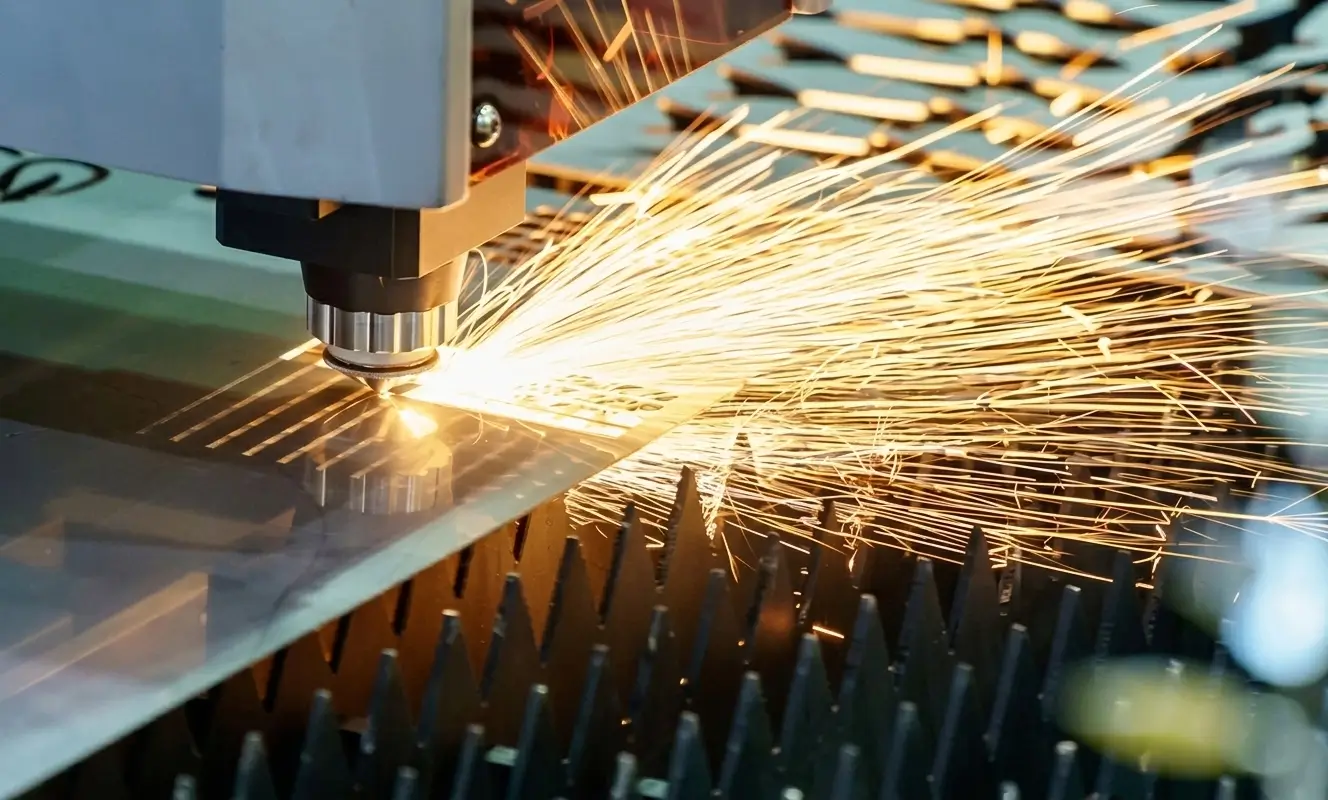
A fiber laser sheet cutting machine is a high-precision metal processing machine that integrates fiber laser technology with CNC automation control technology. It is mainly used for high-accuracy and high-efficiency cutting of various metal sheets, including carbon steel, stainless steel, aluminum alloy, brass, and other metal materials.
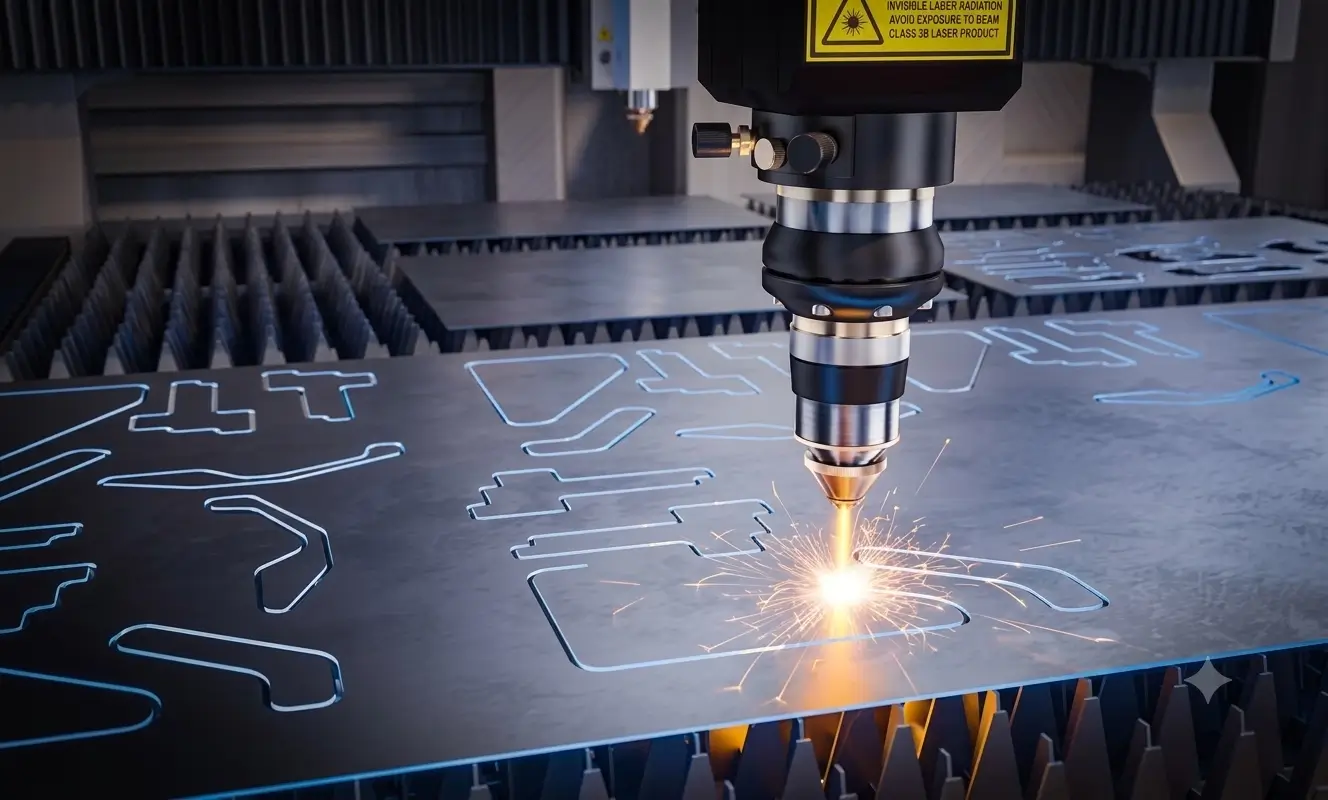
Fiber laser cutting uses a high-energy-density fiber laser beam to perform non-contact processing on metal sheets. It offers advantages such as high cutting speed, excellent processing accuracy, narrow kerf width, and a small heat-affected zone (HAZ). During the cutting process, no dedicated molds are required. Operators only need to import the processing drawings to quickly complete production. The machine can flexibly process complex patterns, irregular contours, slots, countersunk holes, and flat bevels.The cut edges are smooth and clean, and most workpieces can proceed directly to subsequent processes without secondary finishing, significantly reducing product development and changeover cycles. As a result, fiber laser sheet cutting machines are widely used in industries such as sheet metal fabrication, advertising and signage, electrical enclosures, engineering machinery, automotive components, electrical equipment, kitchen equipment, and more.
A fiber laser sheet cutting machine is controlled by a CNC system and supports mainstream drawing formats such as DXF and DWG, as well as various CAD/CAM software platforms. It is also compatible with professional laser nesting software. Users only need to import the part drawings and specify the sheet material dimensions, after which the system can automatically perform intelligent nesting, common-line cutting, and other process optimizations to maximize material utilization. Under optimized nesting conditions, material utilization can exceed 95%.
In addition, the CNC system incorporates a mature cutting process database that can automatically match suitable processing parameters according to different materials and sheet thicknesses. This reduces the skill requirements for operation, allowing even operators with limited experience to quickly complete machine setup and production tasks.
Furthermore, the machine supports a wide range of hardware configurations, including different laser power levels, laser source brands, servo motor options, and other key components. Users can select the most suitable configuration based on their processing requirements, production capacity, and budget, making the equipment suitable for various applications ranging from precision thin-sheet processing to continuous medium and thick plate production.
What Materials and Industries Can a Fiber Laser Sheet Cutting Machine Be Used For?
Applicable Materials
Common materials processed by fiber laser sheet cutting machines include carbon steel, stainless steel, galvanized sheet, cold-rolled steel sheet, hot-rolled steel sheet, aluminum sheet, brass, copper, titanium alloy, and many other metal materials.
Applicable Industries
- Sheet Metal Fabrication Industry: Enclosures, electrical cabinets, distribution boxes, control cabinets, equipment housings, precision sheet metal parts, and other fabricated metal components.
- Automotive Manufacturing Industry: Body panels, chassis components, exhaust system parts, battery trays, reinforcement beams, crash beams, and other automotive structural components.
- Construction Machinery Industry: Frames, protective covers, buckets, booms, and welded structural components for excavators, loaders, cranes, agricultural machinery, and other heavy equipment.
- Steel Structure Industry: Steel beams, steel columns, gusset plates, stiffener plates, connection plates, and various steel structure components.
- Power and New Energy Industry: Solar mounting brackets, energy storage cabinet enclosures, EV charging station housings, wind power equipment components, electrical control cabinets, and more.
- Rail Transit Industry: Body sheet metal components, door components, interior panels, and load-bearing structural parts for subway trains, conventional trains, and high-speed rail vehicles.
- Elevator Manufacturing Industry: Elevator cabin panels, landing doors, car doors, guide rail brackets, decorative panels, and other elevator components.
- Kitchen Equipment Industry: Stainless steel cabinets, worktables, sinks, commercial kitchen equipment, food processing machine housings, and related components.
- Metal Furniture Industry: Office furniture, filing cabinets, storage racks, storage cabinets, table and chair frames, display racks, and other metal furniture products.
- Advertising and Decoration Industry: Metal signs, advertising letters, curtain wall decorative panels, partitions, railings, and artistic metal decorative components.
- Home Appliance Manufacturing Industry: Housings, panels, and internal structural components for air conditioners, refrigerators, washing machines, ovens, and other household appliances.
- Hardware Products Industry: Flanges, gaskets, connectors, enclosures, stamped metal parts, and various customized metal components.
What Are the Different Types of Fiber Laser Sheet Cutting Machines?
With the continuous development of fiber laser cutting technology, the application scope of fiber laser sheet cutting machines has expanded from traditional metal sheet cutting to various processing fields, including tubes, profiles, and coils. Based on the processing materials, machine structure, and application characteristics, fiber laser sheet cutting machines currently available on the market can be mainly divided into the following categories:
1. Pure Sheet Fiber Laser Cutting Machine
A pure sheet fiber laser cutting machine is specifically designed for flat metal sheet processing. It can cut various metal materials such as carbon steel, stainless steel, aluminum sheet, and copper sheet, making it the most widely used type of fiber laser cutting machine.
This type of equipment is extensively used in industries such as sheet metal fabrication, machinery manufacturing, automotive components, electrical equipment, and more.
2. Coil-fed Fiber Laser Cutting Machine
A coil-fed fiber laser cutting machine is also known as a laser blanking line. It is equipped with an automatic uncoiling system, leveling system, and feeding system, allowing continuous cutting of metal coils directly from the raw material.
This type of machine is ideal for industries requiring continuous and high-volume production, such as home appliance manufacturing, automotive parts production, and sheet metal stamping.
3. Sheet and Tube Fiber Laser Cutting Machine
A sheet and tube fiber laser cutting machine is developed based on a pure sheet fiber laser cutting machine by adding a tube clamping and positioning device, allowing the machine to process both flat sheets and tubular materials.
This type of equipment is suitable for companies that mainly process sheet metal while also requiring tube or profile cutting capabilities.
The machine can process various types of tubes, including:
- Round tubes
- Square tubes
- Rectangular tubes
- Oval tubes
- Flat tubes
- Race track tubes
- Triangular tubes
It can also process most long metal profiles with fixed cross-sectional shapes, including:
- Angle steel
- Channel steel
- H-beams
- T-sections
- C-channels
4. All-In-One Fiber Laser Cutting Machine
A all-in-one fiber laser cutting machine typically adopts a rail-type structure, where the worktable is separated from the machine bed. Different types of workpiece supports and clamping devices can be replaced according to processing requirements, enabling the machine to handle sheet metal, tubes, profiles, and irregular-shaped metal components.
This type of equipment is particularly suitable for large enterprises with diverse product types and complex processing requirements. It provides greater flexibility and versatility for customized metal fabrication applications.
Technical Specifications of Fiber Laser Sheet Cutting Machine
| Type | Fiber Laser Sheet Cutting Machine |
|---|---|
| Brand | CATEKCNC |
| Laser Type | Fiber Laser |
| Center Wavelength | 1080nm |
| Processing Type | Non-contact laser processing (optional laser-flame hybrid cutting) |
| Cooling System | Industrial chiller (for laser system cooling); air conditioner (for electrical cabinet cooling) |
| Application Materials | Various metal sheets, tubes, and profiles |
| Maximum Cutting Thickness | Up to 200 mm |
| Worktable Size | Customizable. Standard sizes include: 1500 × 3000 mm, 2000 × 4000 mm, 2000 × 6000 mm, 2550 × 12100 mm, 3550 × 16500 mm, 4050 × 12100 mm |
| Laser Power Options | 1500W, 2000W, 3000W, 4000W, 6000W, 8000W, 10000W, 12000W, 15000W, 20000W, 30000W, 40000W, 60000W, 80000W |
| Laser Source Options | Reci, Raycus, JPT, Maxphotonics, IPG, BWT, and other brands |
| Laser Cutting Head Options | Raytools, WSX, Au3tech, Bochu, and other brands |
| CNC System Options | BOCHU, Weihong, Au3tech, and other brands |
| Compatible Software | FastCAM, SIGMA NEST, Lantek, Adobe Illustrator, LightBurn, LaserGRBL, CorelDRAW, AutoCAD, SolidWorks, CypCut, Camduct, and more. |
| Machine Categories | Pure Sheet Fiber Laser Cutting Machine, Coil-Fed Fiber Laser Cutting Machine, Sheet & Tube Fiber Laser Cutting Machine, All-In-One Fiber Laser Cutting Machine |
| Price Range | $5,500–500,000 |
What Types of Machine Beds Are Available for Fiber Laser Sheet Cutting Machines? What Are Their Characteristics?
The machine bed is the fundamental supporting structure of a fiber laser sheet cutting machine. It supports the worktable, laser cutting head, transmission system, and other critical components. Since laser cutting requires high-speed movement and high-precision positioning, the rigidity, stability, and deformation resistance of the machine bed directly affect machining accuracy and long-term operational reliability.
Based on structural design, fiber laser sheet cutting machine beds can mainly be classified into gantry-type beds and rail-type beds.
Gantry-Type Fiber Laser Sheet Cutting Machine
The gantry-type structure is currently the most widely used design for fiber laser sheet cutting machines. It is commonly applied in medium and small-format machines. This structure adopts an integrated machine bed, with the worktable mounted on the bed and equipped with a conventional gantry assembly. It features mature technology, a compact layout, excellent rigidity, and high overall stability.
However, as the processing size continues to increase, the span, dimensions, and weight of the gantry beam also increase accordingly. At the same time, larger sheet sizes place higher load requirements on the machine bed, resulting in greater structural stress on the gantry system. In general, when the processing area exceeds 3000 × 8000 mm, a rail-type structure becomes a more suitable solution.
Rail-Type Fiber Laser Sheet Cutting Machine
The rail-type structure adopts a design that separates the motion system from the working area, eliminating the need for a traditional integrated machine bed. Its structure consists of two parallel ground rails installed directly on the floor, with the moving beam mounted on the rail system and traveling along the rails. This design eliminates the rigidity and deflection requirements associated with large-span gantry columns. Since the worktable is directly installed on the ground, it also solves the load-bearing limitations of traditional machine beds.
Rail-type fiber laser sheet cutting machines are particularly suitable for large-format and high-power fiber laser cutting applications. In addition, due to the separated design between the worktable and machine bed, this type of machine offers greater flexibility. By replacing different worktables or fixtures, it can process various metal sheets, tubes, profiles, and even irregular-shaped workpieces.
According to manufacturing methods, fiber laser sheet cutting machine beds can be divided into: steel tube welded beds, steel plate welded beds, cast iron beds, mineral cast beds.
Each type has different characteristics in terms of manufacturing cost, structural rigidity, vibration damping performance, and thermal stability, allowing users to select the most suitable solution according to their processing requirements and budget.
Steel Tube Welded Bed
A steel tube welded bed is manufactured by welding thick-walled square steel tubes into a frame structure, with multiple internal reinforcement supports added to improve rigidity. After welding, the bed undergoes stress relief treatment to eliminate residual welding stress.
Its main advantages include cost-effectiveness, flexible structural design, and easy customization according to different working sizes and machine configurations.
Steel Plate Welded Bed
A steel plate welded bed is manufactured using high-strength thick steel plates. Before welding, the plates are pre-assembled through mortise-and-tenon positioning structures to improve welding accuracy and overall rigidity.
Compared with steel tube welded beds, steel plate welded beds feature a more continuous cross-sectional structure and provide higher bending and torsional resistance. This helps improve dynamic stability during high-speed operation.
Cast Iron Bed
A cast iron bed is manufactured from gray cast iron and features high rigidity and a low coefficient of thermal expansion. Due to the high carbon content and low thermal sensitivity of cast iron, it is less prone to thermal deformation in high-temperature laser cutting environments.
Its heavier weight and reduced internal cavities effectively suppress vibration, significantly improving cutting accuracy and machine durability.
Mineral Cast Bed
A mineral cast bed is produced by casting mineral composite materials as an integrated structure. It features a uniform internal structure, no welding stress, excellent thermal stability, and superior vibration damping performance.
Compared with traditional steel structures, mineral cast beds can provide 6–10 times better vibration damping performance, quickly absorbing vibrations generated during high-speed cutting. This improves dynamic accuracy and helps extend the service life of mechanical transmission components.
In machine bed design, CATEKCNC uses finite element analysis (FEA) to optimize structural stress distribution. The machine bed is manufactured using thick-walled steel tubes and steel plates, followed by annealing and vibration stress relief treatment. These processes effectively release residual stress generated during welding, reducing long-term deformation caused by stress relaxation and maintaining stable machining accuracy over extended operation.
During laser cutting, each motion axis requires high-speed movement and frequent acceleration/deceleration changes, placing high demands on machine speed and dynamic response.
CATEKCNC fiber laser sheet cutting machines incorporate multiple lightweight design technologies. The gantry beam is manufactured from aerospace-grade aluminum alloy. Compared with traditional steel beams, aluminum alloy beams provide a higher strength-to-weight ratio and lower mass. Under the same volume, their weight is approximately 34% of steel, significantly reducing moving inertia. The beam is not simply a hollow structure; it adopts a multi-chamber design with reinforced ribs to improve bending resistance, torsional rigidity, and vibration resistance. Combined with a high-performance servo system, the machine can achieve acceleration of up to 2G, enabling faster dynamic response. When processing complex contours or dense hole patterns, machining efficiency can be improved by approximately 50%–80% compared with conventional models.
During laser sheet cutting, a large amount of sparks and high-temperature molten metal is generated. These molten particles may cause thermal shock and damage to the machine bed when they splash onto the surface.
To enhance machine protection, CATEKCNC fiber laser sheet cutting machines are equipped with thermal insulation protection tiles. These protection tiles are made from high-temperature-resistant mineral materials, effectively preventing molten metal from directly contacting the machine bed. They also reduce the impact of heat radiation generated during laser processing, minimizing the risk of thermal deformation and improving the long-term stability of the equipment.
What Is a Fiber Laser Source? What Brands and Power Options Are Available?
A fiber laser source is the core component responsible for generating a high-energy-density laser beam and transmitting the laser energy to the laser cutting head through an optical fiber. Industrial fiber lasers typically use ytterbium-doped fiber as the gain medium. By exciting ytterbium ions with pump diodes, the laser generates a beam in the near-infrared wavelength range of approximately 1070–1080 nm. Compared with traditional CO2 lasers, fiber lasers have a wavelength that is better suited for metal processing. They offer higher energy conversion efficiency when cutting metal materials such as carbon steel, stainless steel, and aluminum, making them the preferred laser source technology for modern metal fabrication applications.
To meet different processing requirements, CATEKCNC offers a wide range of fiber laser sources from leading brands, including Raycus, Maxphotonics, JPT, and IPG, etc. These laser sources have been widely used in industrial applications and are recognized for their reliability, stability, and mature technology.
The machine supports multiple laser power configurations, including 1500W, 3000W, 6000W, 12000W, and 20000W. Users can select the appropriate laser power according to their material types, production requirements, and processing goals.
Taking the Maxphotonics MFSC-6000 single-mode continuous-wave fiber laser as an example, its single-mode design allows the laser source to achieve a more compact structure compared with conventional multi-module lasers of the same power. Its volume can be reduced by approximately 76%, while its weight can be reduced by around 55%, making it easier to integrate into laser cutting systems. The laser features excellent beam quality, with a beam parameter product (BPP) of approximately 3.2–3.8 mm·mrad. Compared with commonly used multi-mode 6000W fiber lasers, it can achieve cutting speed improvements of up to 8%–26% under specific processing conditions. It also provides better accuracy and stability when processing small holes, intricate contours, and complex geometries.
What Is the Function of a Laser Cutting Head? What Optional Features Are Available?
The laser cutting head is one of the core components of a fiber laser cutting machine. It is responsible for transmitting laser energy, focusing the laser beam, and controlling the cutting process. The cutting head collimates and focuses the laser beam emitted by the laser source, directing the high-energy-density laser spot precisely onto the surface of the metal material to achieve melting and cutting.
A laser cutting head consists of multiple key components, including optical elements, protective lenses, nozzles, sensors, and drive adjustment mechanisms. Its performance directly affects laser energy utilization efficiency, cutting quality, and the overall operating stability of the machine.
Based on different laser power levels and processing requirements, CATEKCNC equips its fiber laser sheet cutting machines with industry-leading laser cutting heads from brands such as Raytools and BOCHU.
These laser cutting heads adopt an efficient water-cooling structure. Through optimized internal cooling channel design, the cooling area can cover up to 90% of the optical path, effectively reducing heat accumulation during long-term high-power operation and ensuring stable performance of optical components and other critical parts.
CATEKCNC fiber laser cutting machines are equipped with automatic focus adjustment and capacitive height sensing functions as standard features.
Automatic Focus Adjustment
The auto-focus function changes the focal position by adjusting the optical path inside the laser cutting head. This function can be applied in two stages. The first is during the initial process setup stage. Since the CNC system contains a built-in process parameter database, when the operator enters relevant sheet material parameters, the system can automatically match the appropriate cutting parameters, and the auto-focus function adjusts the laser head to the optimal focal position accordingly. During the cutting process, the focal position can also be dynamically adjusted to optimize cutting performance and enable more advanced processing functions.
Capacitive Height Following
The capacitive height following function, on the other hand, is used for Z-axis adjustment. It continuously detects the distance between the laser cutting head nozzle and the sheet surface, and automatically adjusts the cutting head height through Z-axis movement to maintain a stable cutting distance. This function effectively compensates for height variations caused by sheet warping, deformation, or clamping errors, helping prevent reduced cutting quality or collision risks caused by improper nozzle-to-material distance.
Depending on the model and laser power level, CATEKCNC laser cutting heads are equipped with different protection functions:
Laser cutting heads above 3kW support nozzle cooling functions, which help reduce nozzle temperature during high-power cutting operations and improve nozzle durability.
Models of 6kW and above are equipped with protective lens contamination monitoring and internal air pressure monitoring functions. These features help prevent cutting defects caused by contaminated protective lenses or abnormal gas pressure.
High-power laser cutting heads of 20kW and above additionally feature focusing lens temperature monitoring and internal chamber temperature/humidity monitoring, improving stability during continuous high-power processing at the 10kW+ level.
In addition to active monitoring and protection functions, CATEKCNC laser cutting heads are equipped with a collision protection structure. When the cutting head encounters an unexpected collision with the workpiece, the upper and lower modules of the cutting head can quickly separate, preventing further damage caused by impact forces to the laser head or transmission system. The lower module can be quickly repositioned and reinstalled without complicated disassembly or recalibration, reducing maintenance time and operating costs.
What Components Make Up the Transmission System of a Fiber Laser Sheet Cutting Machine?
The transmission system of a fiber laser sheet cutting machine mainly consists of linear guide rails, rack and pinion drives, ball screws, gear reducers, and servo motors. These components work together to achieve high-speed and high-precision movement of the machine’s linear axes and rotary axes.
- Linear Guide Rails
CATEKCNC fiber laser sheet cutting machines use HIWIN high-precision linear guide rails from Taiwan.
The guide rails adopt an internal ball rolling structure, which converts sliding friction into rolling friction. Compared with conventional sliding guides, this design can reduce the friction coefficient to approximately 1/50, significantly reducing motion resistance and starting load while improving the machine’s dynamic response capability. The lower friction loss also helps reduce energy consumption and operating heat generation, allowing the linear axes to move at higher speeds while improving energy efficiency.
The guide rails feature a constrained structure design that can withstand loads from four directions simultaneously. Their radial rigidity can reach 1,599 N/μm, with a maximum static load capacity of up to 420 kN, ensuring stable operation under high-speed and high-precision machining conditions.
- Rack and Pinion System
In fiber laser sheet cutting machines, the X and Y axes typically use rack and pinion transmission due to their requirements for long-distance and high-speed movement.
CATEKCNC adopts YYC high-precision racks from Taiwan. These racks are manufactured from medium-carbon steel or alloy steel, with the tooth surfaces heat-treated to achieve a hardness of HRC 50–55, effectively ensuring long service life. After heat treatment, the rack teeth undergo precision machining processes such as tooth surface grinding and four-side grinding, controlling the total pitch error to within 0.028 mm per meter.
The racks adopt a helical tooth design, allowing smoother and more continuous engagement between the gear and rack. This reduces meshing impact and operating noise while improving transmission rigidity and motion stability.
- Ball Screw
To meet the requirements of the Z-axis for precise and small-distance positioning, fiber laser sheet cutting machines generally use ball screw transmission systems.
CATEKCNC adopts TBI high-precision ground ball screws from Taiwan for the Z-axis drive system, enabling accurate height adjustment of the laser cutting head.
A ball screw converts rotary motion into linear motion through steel balls rolling between the screw shaft and nut. Compared with conventional sliding screws, it offers advantages including: lower friction resistance, higher transmission efficiency, higher positioning accuracy, longer service life.
TBI ball screws feature a Gothic arch groove design, optimizing the contact condition between the steel balls and raceways to improve transmission rigidity and operating stability.
Through preloading technology, axial clearance can be effectively eliminated, reducing backlash to nearly zero while maintaining smooth movement.
- Servo System
Servo system serve as the power source of the transmission system. They drive mechanical components such as rack and pinion systems, ball screws, and rotary axes, enabling precise movement and rotation control of each axis.
According to different product positioning and customer requirements, CATEKCNC provides multiple servo system options, including:
- Yaskawa
- Inovance
- BOCHU
- FANUC
- Delta
- Leadshine
The appropriate servo configuration is selected based on machine performance requirements, processing applications, and customer budget.
All CATEKCNC fiber laser sheet cutting machines are equipped with EtherCAT bus-based absolute servo systems. Using high-speed EtherCAT industrial communication, the CNC system and servo drives can exchange data efficiently.
Compared with traditional pulse-type servo systems, bus servo systems provide: faster response speed, higher synchronization accuracy, stronger anti-interference capability, simplified wiring structure
Absolute encoders continuously record the motor position. Even after power interruption and restart, the machine does not need to perform a mechanical homing operation, significantly improving operating convenience.
For different product series and performance requirements, CATEKCNC applies servo systems with different performance levels. For example, high-end models designed for maximum dynamic performance can be equipped with the BOCHU S9 EtherCAT servo system. As BOCHU’s next-generation high-performance servo system, the S9 features a 23-bit absolute encoder, provides up to 3 times rated torque overload capacity, and achieves less than 1 ms bus communication response delay. The system supports a D-type acceleration/deceleration control algorithm, meeting the high-speed motion requirements of machines with acceleration up to 2G. It also complies with EMC Level 4 electromagnetic compatibility standards, providing strong resistance against electromagnetic interference, dust environments, and voltage fluctuations, making it suitable for long-term continuous industrial laser cutting applications.
- Gear Reducer
In fiber laser sheet cutting machines, the gear reducer is mainly used to match the power requirements between the servo motor and mechanical transmission system. By reducing the motor output speed and increasing output torque, it improves the load capacity and operational stability of the motion system.
According to different machine models and performance requirements, CATEKCNC provides precision reducer options from multiple brands, including:
- TECHMECH
- KOFON
- SHIMPO
- Motoreducer
These reducers feature high transmission efficiency and low backlash characteristics. Their transmission efficiency can exceed 95%, while backlash can be controlled below 3 arcmin. The ultra-low backlash significantly reduces transmission errors during forward and reverse motion changes, allowing servo motor power to be transferred more accurately to the mechanical system.
As a result, when processing complex contours, sharp corners, and high-precision cutting paths, CATEKCNC fiber laser cutting machines can maintain higher motion consistency, positioning accuracy, and machining stability.
What Types of Worktables Are Available for Fiber Laser Sheet Cutting Machines?
The worktable of a fiber laser sheet cutting machine is used to support the metal sheets being processed. It is mainly composed of a support frame and multiple high-temperature-resistant slats.
The gaps between the slats allow molten slag and metal residues generated during cutting to fall into the slag collection area below, while also reducing laser reflection and heat accumulation. This helps protect the machine structure and improve cutting stability.
Depending on different production requirements, fiber laser sheet cutting machines can be equipped with either a single worktable or a shuttle worktable system.
Single Worktable
The single worktable structure is suitable for applications requiring smaller production batches and greater processing flexibility, such as mechanical component prototyping, sheet metal repair, and small-batch customized fabrication.
Shuttle Worktable (Exchange Worktable)
For sheet metal fabrication companies requiring continuous production, such as those involved in engineering machinery components, automotive parts, electrical enclosures, elevator manufacturing, and steel structure processing, a shuttle worktable system can significantly improve production efficiency.
The system consists of two alternating worktables. While one worktable performs cutting operations, operators can simultaneously complete loading and unloading on the other worktable. This reduces machine downtime, improves equipment utilization, and increases overall production efficiency.
In fully enclosed fiber laser sheet cutting machines, shuttle worktables are widely used because the protective enclosure limits access to the cutting area. The dual-table design enables safer and more efficient material loading and unloading operations.
For some compact enclosed models with smaller processing areas and a focus on cost efficiency, a single worktable design may still be adopted. However, these machines are usually equipped with pull-out or electrically driven extension worktables, allowing operators to load and unload sheets more conveniently.
The rail-type fiber laser cutting machines adopt a separated design in which the worktable is independent from the machine body, providing greater processing flexibility. According to different application requirements, the machine can be equipped with various worktables or dedicated fixtures, such as flat worktables, tube clamping devices, and profile clamping systems. When processing extremely large workpieces, the worktable can even be removed completely, allowing the workpiece to be placed directly on the ground for cutting. In addition, since the working area is separated from the motion system, the heat generated during the cutting process is not directly transferred to a traditional machine bed structure. This effectively reduces the impact of thermal deformation on machine accuracy and ensures more stable long-term operation.
CATEKCNC fiber laser sheet cutting machines can be equipped with a modular slat support system. The support slats can be individually removed and replaced according to actual requirements, providing greater convenience during machine installation, transportation, and maintenance. If individual slats become damaged after long-term cutting operations, only the corresponding modules need to be replaced instead of replacing the entire worktable, effectively reducing maintenance costs and improving the overall serviceability of the equipment.
What Control Systems Are Available for Fiber Laser Sheet Cutting Machines? What Intelligent Cutting Functions Do They Support?
The control system is responsible for controlling the operating trajectory, cutting process parameters, and coordinated movements of each axis in a fiber laser sheet cutting machine. It is the core control unit that enables automated processing. For CNC equipment, the mechanical structure determines the basic performance of the machine, while the control system determines whether the equipment can fully utilize its positioning accuracy, processing efficiency, and level of intelligence.
According to different product positioning and processing requirements, CATEKCNC fiber laser sheet cutting machines offer multiple CNC system options, including:
- BOCHU
- WEIHONG
- Au3tech
- FANUC
Among these systems:
- Au3tech and WEIHONG are mainly used for economical models to meet basic cutting requirements.
- FANUC is primarily applied to 5-axis laser processing equipment, suitable for complex curved surfaces and high-precision machining applications.
- BOCHU FSCUT series is the most widely used control system across CATEKCNC fiber laser cutting machines.
All CATEKCNC fiber laser cutting machines are equipped with a wireless handheld controller that integrates essential functions, including machine start/stop control, linear axis movement, focus adjustment, cutting parameter fine-tuning, and machine homing. Operators do not need to repeatedly return to the main control panel. Instead, they can follow the cutting process at close range, make real-time parameter adjustments, and calibrate cutting positions, significantly improving machine setup efficiency and operational convenience.
Depending on the machine configuration, CATEKCNC fiber laser cutting machines can support high-speed cutting packages, high-quality cutting packages, and multiple intelligent laser processing functions, including:
- Flash Piercing
Flash Piercing is an intelligent high-speed piercing process that dynamically adjusts laser frequency and duty cycle to maintain stable energy output during piercing.
At the initial piercing stage, the system applies higher energy to improve penetration efficiency. As the hole gradually forms, it automatically reduces frequency and duty cycle to minimize molten metal splash and reduce the risk of explosive piercing.
This function effectively shortens piercing time for thick plates, improves piercing quality, and reduces the impact of slag splashing on the nozzle and protective lens of the laser head.
It is particularly suitable for medium and thick plate processing with high-power fiber laser cutting machines. In applications involving large numbers of holes or thick plate cutting, it can significantly reduce auxiliary processing time and improve overall production efficiency by up to approximately 30%.
- Seamless Piercing
Seamless Piercing is mainly designed for thin and medium-thickness sheet cutting.
Through optimized process parameters, the laser head can instantly penetrate the material with an extremely short laser pulse when reaching the correct position, then seamlessly transition into the cutting process.
From both visual and processing perspectives, the independent piercing stage is almost unnoticeable, improving cutting efficiency and process smoothness.
- Micro Joint
Micro Joint technology creates extremely small connection points along the cutting path, allowing finished parts to remain attached to the parent sheet after cutting. This prevents small parts from falling or shifting during processing while minimizing the visual impact of connection points.
The function is especially suitable for precision sheet metal parts, small components, decorative metal parts, and batch nesting applications.
- Deslag Piercing
During medium and thick plate processing, residual slag after piercing can affect subsequent cutting quality.
The CATEKCNC fiber laser cutting machines support a piercing slag removal process that optimizes auxiliary gas purging and motion paths after piercing.
This allows residual molten material to be discharged quickly, reducing slag accumulation around holes and minimizing the impact on subsequent cutting operations.
The function improves stability during continuous thick plate cutting and reduces the risk of nozzle contamination.
- Circular Center Finding
Circular Center Finding is an automatic positioning function used to determine the center position of circular workpieces.
The system uses a capacitive height sensor to detect distance changes between the nozzle and the material surface. The cutting head then moves in different directions to detect the edge positions of the circular workpiece.
Based on the detected edge data, the system automatically calculates the center coordinates, enabling fast and accurate positioning of circular parts.
- Smart LaserOff
The Smart LaserOff function automatically optimizes the end-of-cut parameters according to material characteristics and cutting conditions.
It helps reduce slag formation, overheating, and visible transition marks at the cutting endpoint, improving the smoothness of internal contours, dimensional accuracy, and surface quality of appearance-critical parts.
Note: The configuration of control systems and available intelligent functions varies depending on different machine models. The functions listed above are for reference only. Actual configurations depend on the specific equipment model.
What Auxiliary Systems Are Available for Fiber Laser Sheet Cutting Machines and What Are Their Functions?
Fiber laser sheet cutting machines are equipped with multiple auxiliary systems to ensure stable operation, improve cutting quality, and extend equipment service life. These systems mainly include the cooling system, gas system, lubrication system, and safety protection system.
- Cooling System
-
Fiber lasers and laser cutting heads generate a significant amount of heat during operation. An industrial water chiller is required to provide constant-temperature cooling to maintain stable laser output and ensure the reliability of the optical system. Precise temperature control is essential for long-term continuous operation of fiber laser cutting machines.
CATEKCNC fiber laser cutting machines can be equipped with industrial chillers from S&A and Hanli. These chillers provide efficient cooling performance and precise temperature control, with temperature accuracy of ±0.5–1.5°C. They adopt a dual-circuit cooling design, allowing independent cooling for the laser source and laser cutting head. All models comply with international standards including CE, RoHS, and REACH, meeting import requirements for different markets.
In addition, the electrical cabinet can be optionally equipped with an independent air conditioning system to regulate the internal temperature and humidity of the control cabinet. This prevents electrical components from being affected by high-temperature or high-humidity environments, improving the long-term stability of the control system.
- Gas System
-
The gas system supplies stable auxiliary gases to the laser cutting area. Fiber laser cutting machines commonly use oxygen, nitrogen, and compressed air as auxiliary gases.
-
Oxygen
Oxygen is mainly used to enhance cutting efficiency through a combustion-supporting effect.
When processing low-carbon steel materials such as carbon steel, oxygen not only helps remove molten metal through high-speed airflow but also reacts with the heated metal to generate additional heat through oxidation. This increases energy input in the cutting zone.
Therefore, compared with inert gas cutting, oxygen cutting provides higher cutting capability and is particularly suitable for medium and thick carbon steel plate processing.
However, since oxidation occurs during the process, the cut surface may have a certain degree of oxide coloration.
-
Nitrogen
Nitrogen is mainly used to prevent oxidation and improve cutting quality.
As an inert auxiliary gas, nitrogen is widely used for processing materials with high surface quality requirements, such as stainless steel, aluminum alloy, and copper.
During cutting, nitrogen does not significantly react with metals, effectively preventing discoloration and oxide layer formation. At the same time, high-pressure nitrogen airflow quickly removes molten material, resulting in smoother cut edges.
It is especially suitable for appearance-critical components and parts requiring high-quality subsequent welding.
-
Compressed Air
Compressed air is mainly used for slag removal and reducing operating costs.
Due to its low cost and easy availability, compressed air is widely used in thin-sheet and medium/low-power laser cutting applications.
The oxygen contained in compressed air provides a certain combustion-supporting effect, while the high-speed airflow helps remove molten metal and slag, enabling economical processing.
Compared with pure oxygen or nitrogen cutting, compressed air offers lower operating costs, although the oxidation level of the cut surface is generally higher than that achieved with nitrogen cutting.
-
Fuel Gas
Fuel gases such as propane are mainly used for thick carbon steel cutting.
In laser-flame hybrid cutting machines, the gas system includes an additional fuel gas circuit, such as propane. The fuel gas mixes with oxygen and burns to generate a high-temperature flame, enabling the processing of thick carbon steel plates.
-
- Lubrication System
-
The automatic lubrication system that allows users to set parameters such as lubrication duration, lubrication intervals, and oil supply volume according to processing requirements.
The system regularly supplies lubricant to critical motion components, including linear guide rails and rack-and-pinion systems, reducing mechanical wear, minimizing maintenance frequency, and ensuring long-term transmission stability.
CATEKCNC fiber laser cutting machines are equipped with waste oil collection devices, which collect excess lubricant generated during the lubrication process. This prevents oil contamination in the working area and simplifies subsequent cleaning and maintenance.
- Safety Protection System
-
Due to the specific characteristics of laser metal processing, fiber laser sheet cutting machines are typically equipped with safety light curtains to prevent personnel or foreign objects from entering the working area and causing potential accidents. Fully enclosed models are additionally equipped with protective enclosures, safety interlock systems, and radiation-resistant viewing windows to further enhance operator safety and ensure a secure cutting environment.
Recommended Cutting Thickness Reference for Mainstream Fiber Laser Power
| Laser Power | Carbon Steel | Stainless Steel | Aluminum Alloy | Brass | Titanium Alloy |
|---|---|---|---|---|---|
| 1500W | ≤12 mm | ≤5 mm | ≤4 mm | ≤4 mm | ≤4 mm |
| 3000W | ≤20 mm | ≤10 mm | ≤8 mm | ≤8 mm | ≤8 mm |
| 6000W | ≤25 mm | ≤20 mm | ≤16 mm | ≤12 mm | ≤12 mm |
| 12000W | ≤40 mm | ≤30 mm | ≤20 mm | ≤16 mm | ≤20 mm |
| 20000W | ≤60 mm | ≤50 mm | ≤40 mm | ≤20 mm | ≤30 mm |
Note: The above values represent recommended cutting thickness ranges that balance cutting quality, processing efficiency, and equipment stability. Actual cutting capability may vary depending on factors such as material grade, sheet quality, auxiliary gas purity and pressure, cutting parameters, and machine configuration.
Reference Cutting Speed of Mainstream Fiber Laser Power (Unit: m/min)
| Material Thickness | 1500W | 3000W | 6000W | 12000W | 20000W | |
|---|---|---|---|---|---|---|
| Carbon Steel | 1 mm | 18–25 | 30–40 | 45–60 | 70–90 | 90–120 |
| 3 mm | 5–8 | 10–15 | 18–25 | 28–40 | 40–55 | |
| 6 mm | 1.8–2.5 | 3.5–5 | 7–10 | 12–16 | 18–24 | |
| 10 mm | 0.8–1.3 | 1.5–2.2 | 3–5 | 6–8 | 9–12 | |
| 20 mm | - | - | 0.8–1.2 | 2–3 | 4–5.5 | |
| Stainless Steel | 1 mm | 20–28 | 35–45 | 50–65 | 75–95 | 100–130 |
| 3 mm | 5–7 | 9–13 | 16–22 | 28–35 | 35–45 | |
| 6 mm | 1.5–2.2 | 3–4.5 | 7–9 | 12–15 | 18–22 | |
| 10 mm | - | 1.2–1.8 | 2.5–4 | 6–8 | 9–12 | |
| 20 mm | - | - | 0.6–1 | 2–3 | 4–5 | |
| Aluminum Alloy | 2 mm | 8–12 | 15–22 | 25–35 | 40–55 | 55–70 |
| 4 mm | 2.5–4 | 5–7 | 10–14 | 18–25 | 25–35 | |
| 8 mm | - | 1.5–2.5 | 4–6 | 8–12 | 14–18 | |
| 12 mm | - | - | 1.5–2.5 | 4–6 | 8–10 |
Note: The above cutting speed data represents typical reference values for commonly used industrial configurations, such as Raycus/MAX/IPG fiber lasers combined with Raytools/BOCHU cutting heads and mainstream CNC control systems. Actual cutting speed may vary depending on factors including material grade, sheet quality, auxiliary gas purity and pressure, nozzle specifications, focal position, cutting parameters, and machine configuration. The data is provided for process reference only and should not be used as an acceptance standard for equipment performance.
How Much Does a Fiber Laser Sheet Cutting Machine Cost?
The price of a fiber laser sheet cutting machine is influenced by multiple factors, including machine type, processing size, laser power, automation level, and the configuration of key components. Therefore, prices can vary significantly between different models and configurations.
Taking the most common 1530 model pure sheet fiber laser cutting machine as an example, with an effective working area of 1500 × 3000 mm (5 × 10 ft):
- A 1500W entry-level model typically starts at around $5,000.
- When the laser power increases to 6000W, the price is usually around $19,000.
- A 12000W model can cost approximately $33,000.
For fully enclosed fiber laser sheet cutting machines, the price is generally about $15,000 higher than an open-type machine with similar specifications. This is mainly because enclosed models are usually equipped with additional features such as a full protective enclosure, dual shuttle worktables, and monitoring systems.
It should be noted that when the sheet processing length reaches 6 meters or above, the machine typically requires a rail-type machine bed structure. For example, a 3200-series large-format fiber laser sheet cutting machine with a 6000W configuration is priced at approximately $54,000.
For sheet and tube fiber laser cutting machines, the price is higher due to the additional tube cutting system, pneumatic chucks, and dedicated control software. For example, a 1530 model 6000W sheet and tube laser cutting machine is typically priced at around $32,000.
A laser blanking line for metal coil cutting generally has a price range of approximately $47,000–60,000.
In addition, the brands of the laser source, cutting head, CNC control system, servo system, automatic loading and unloading system, and other customized configurations can significantly affect the final machine price.
Due to the complexity of available configurations, the price of a fiber laser sheet cutting machine cannot be accurately determined based only on laser power or working area. A detailed quotation usually requires confirmation of the machine type, processing size, laser power, and major component requirements.
If you would like to receive a detailed quotation, please contact our sales team through WhatsApp or the online inquiry form. We will recommend a suitable machine configuration based on your processing requirements and budget, and provide a customized quotation solution.
What Optional Features Are Available for Fiber Laser Sheet Cutting Machines, and How Should They Be Selected?
To meet different processing requirements, fiber laser sheet cutting machines typically support various optional automation and functional expansion solutions. Users can select suitable configurations based on their materials, production volume, processing requirements, and budget to further improve production efficiency, cutting quality, and automation level.
- 1. Shuttle Worktable (Exchange Worktable)
-
The shuttle worktable allows cutting and loading/unloading operations to be performed simultaneously. While one worktable is performing cutting operations, operators can load and unload materials on the other worktable, effectively reducing machine idle time and improving equipment utilization. It is particularly suitable for continuous and high-volume production. In continuous batch processing applications, machine utilization can typically be increased by 30%–70% compared with a single worktable configuration.
For fully enclosed fiber laser sheet cutting machines, the shuttle worktable is usually included as a standard configuration. Since the enclosed protective structure limits access space for loading and unloading, the shuttle worktable allows the worktable carrying materials to move outside the enclosure, enabling convenient material handling while maintaining safe enclosed operation.
The shuttle worktables generally adopt the following two structural designs:
-
Rotary Shuttle Worktable
This design installs two worktables on the same rotary platform, arranged symmetrically around a central axis. Worktable exchange is completed through platform rotation.
Its advantages include a compact structure and fast exchange speed. The switching process can usually be completed in approximately 3 seconds, making it suitable for smaller sheet sizes, irregular metal parts, and lightweight workpieces.
-
Linear Shuttle Worktable
This is currently the most widely used dual exchange structure. The two worktables are arranged vertically and exchanged through horizontal reciprocating movement.
Although its exchange speed is slightly slower than the rotary type, the switching process can usually be completed within 10 seconds. Due to its higher load capacity, it is more suitable for large-size and heavy metal sheet processing.
-
- 2. Enclosed Protective Enclosure
-
Enclosure can effectively isolate laser radiation, cutting sparks, molten metal slag, and smoke generated during the cutting process, significantly improving the working environment and enhancing operational safety.
The enclosed fiber laser cutting machines are typically equipped with safety protection devices such as interlocked safety doors and safety light curtains to further reduce the risk of accidental operation and protect operators.
To allow operators to monitor the cutting process in real time, the enclosed fiber laser cutting machines are usually equipped with multiple viewing windows on the protective enclosure. The viewing windows are made from laser protection filter glass that complies with CE safety requirements. They can effectively block near-infrared laser radiation in the 1070–1080 nm wavelength range while maintaining sufficient visible light transmission for process observation. The typical visible light transmission (VLT) is approximately 30%–60%, while the protection level against 1070 nm laser radiation can reach OD6+ or even OD7+. In addition, the viewing windows can significantly reduce glare caused by cutting sparks, providing a more comfortable viewing experience for operators.
The machine can also be equipped with an optional monitoring system, usually consisting of two industrial cameras for monitoring the processing status of both worktables. Operators can view the machine operation status in real time through the CNC system without frequently opening the protective door, improving operation convenience and production safety.
- 3. Automatic Loading and Unloading System
-
CATEKCNC provides a variety of automated sheet loading and unloading solutions, covering applications ranging from single-machine automation upgrades to large-scale intelligent production lines. By reducing manual material handling and labor intensity, these systems can effectively improve production efficiency and achieve more stable and efficient sheet metal manufacturing.
-
Cantilever-Type Automatic Loading and Unloading System
The system mainly consists of a sheet storage table, rotary cantilever arm, and vacuum suction cup assembly. During operation, the cantilever arm uses suction cups to pick up the metal sheet, rotates it to the machining area, and accurately places the sheet onto the fiber laser cutting sheet machine worktable.
According to different structural designs, cantilever-type loading and unloading systems can be divided into Fixed Spreader Type and Moving Spreader Type. In the Moving Spreader Type design, the lifting mechanism can move along the cantilever arm, allowing the system to adapt to more complex factory layouts and installation conditions.
With a simple structure, compact footprint, and relatively low investment cost, this solution is suitable for single-machine automation upgrades in sheet metal processing plants, as well as small and medium batch sheet cutting production.
-
Gantry-Type Automatic Loading and Unloading System
The gantry-type automatic loading and unloading system adopts a large-span gantry structure and is typically installed between the sheet storage area and the worktable of the fiber laser cutting machine. The system uses vacuum suction cup assemblies mounted on the gantry to pick up, transport, and accurately position metal sheets.
Compared with cantilever-type systems, gantry-type loading and unloading systems use linear motion, providing more stable transportation paths, faster material handling speeds, and higher load capacity. They are capable of handling larger and heavier metal sheets.
However, this system requires more installation space, and the sheet storage area and machine worktable generally need to be arranged in a straight line. Therefore, it is more suitable for professional sheet metal manufacturers with stable batch production orders and higher requirements for production efficiency.
-
Automated Storage-Based Loading and Unloading System
This system is designed for large-scale sheet metal processing enterprises with high production efficiency requirements. It integrates automated storage, retrieval, and loading/unloading functions, enabling fully automated material handling throughout the entire production process.
The automated storage-based loading and unloading system is an intelligent automation solution designed for large-scale manufacturing. It mainly consists of an automated sheet storage tower, vertical lifting retrieval system, automatic transfer cart, and gantry-type sheet separation and loading device.
The system enables fully automated management throughout the entire production process, including raw material storage, automatic sheet retrieval, sheet separation, automatic loading, and transfer of finished parts and remaining materials after cutting. It can also be integrated with production scheduling systems and nesting software to achieve planned and intelligent manufacturing.
CATEKCNC automated storage systems adopt a multi-level storage design, with each storage layer supporting a maximum load capacity of 3,000 kg, significantly improving space utilization. During operation, the vertical lifting retrieval system first removes the required sheet from the storage tower and transfers it to the intermediate loading area. The gantry-type sheet separation device then separates stacked sheets to ensure that only one sheet is picked up at a time before transporting it to the fiber laser cutting machine worktable.
During transportation, the system uses vacuum suction cups and finger-interlocking enveloping gripper for sheet handling, while the sheet gripping mechanism securely supports the material to reduce collision risks and improve automated production safety.
This solution is suitable for large-scale sheet metal processing enterprises, mixed-product production environments with various order types, and high-capacity continuous manufacturing applications.
-
Intelligent Automated Production Line
An intelligent automated production line is an advanced upgrade based on an automated storage-based loading and unloading system. It integrates multiple automatic loading and unloading units, intelligent storage systems, and multiple laser cutting machines to create a complete digital manufacturing unit.
This solution is designed for large-scale manufacturing applications with high requirements for production capacity, automation level, and manufacturing management efficiency. It is suitable for industries such as new energy equipment manufacturing, construction machinery production, and large electrical cabinet and enclosure manufacturing, and serves as an important component of smart factory development.
-
- 4. Automatic Nozzle Changing Device
-
During the laser cutting process, different nozzle sizes are often required when the material type, sheet thickness, or cutting parameters change significantly in order to achieve optimal cutting quality and processing efficiency.
The machine can be equipped with an automatic nozzle changing device, which automatically replaces nozzles according to the machining program. This reduces manual intervention, significantly minimizes downtime caused by process switching, and improves continuous processing capability and overall production efficiency.
In continuous production involving multiple materials, thicknesses, and batches of parts, an automatic nozzle changer can reduce auxiliary time by approximately 10%–20%.
- 5. Tube Cutting
-
The sheet and tube fiber laser cutting machine is currently one of the most popular machine types in the market. Based on a conventional fiber laser sheet cutting machine, this type of equipment integrates an additional tube cutting module.
A dedicated tube clamping device is installed on one side of the flat sheet cutting table to hold and rotate metal tubes, enabling the processing of round tubes, square tubes, rectangular tubes, and other profiles.
In addition to the tube clamping system, other components, including the laser cutting head, CNC control system, and transmission system, also require adaptation for tube cutting applications.
For example, the control system needs to support functions such as tube nesting and rotary axis control. The gantry structure is usually extended to increase the movement range of the laser cutting head, allowing it to cover the tube processing area and ensure smooth switching between sheet and tube cutting operations.
- 6. Profile and Irregular Workpiece Cutting
-
Strictly speaking, profiles refer to metal materials with fixed cross-sectional shapes manufactured through processes such as rolling, extrusion, or drawing. In simple terms, any metal material with a consistent cross-sectional shape can be classified as a profile. Common examples include:
- Angle steel
- Channel steel
- H-beam
- T-section steel
- C-channel steel
Most long profiles with regular cross-sections can be processed using a tube clamping system. Therefore, a sheet and tube fiber laser cutting machine can also perform profile cutting.
However, profiles with special cross-sectional shapes or large dimensions may require dedicated fixtures or auxiliary support devices to ensure stable processing.
- 7. Flat Bevel Cutting
-
Flat bevel cutting is mainly used for pre-welding preparation. By machining inclined edges with specific angles and shapes on metal sheets, it allows welding materials to fully penetrate and fill the weld joint, thereby improving weld strength and structural reliability. Common bevel types include V-groove, X-groove, Y-groove, and K-groove, among which V-groove is the most widely used. In addition, according to different workpiece structures and welding requirements, the system can also process complex bevel geometries, such as intersecting line bevels, variable-angle bevels, and square-to-round transition joints.
For thick plate welding applications in industries such as steel structures, construction machinery, pressure vessels, and shipbuilding, traditional processing methods usually require an additional manual beveling process after cutting. Laser bevel cutting enables simultaneous cutting and beveling during the sheet metal cutting process, effectively reducing subsequent machining steps and improving overall production efficiency. Compared with conventional post-cutting beveling methods, laser bevel cutting completes both sheet cutting and bevel preparation in a single operation, eliminating secondary processes such as edge milling and grinding. Meanwhile, advanced functions such as sheet deformation compensation and one-click visual calibration can further improve bevel dimension and angle accuracy. For parts that have already undergone straight cutting, secondary bevel processing can also be performed, and professional nesting software can be used to combine straight-cut and bevel-cut parts in the same layout, further improving material utilization and production flexibility.
Flat bevel cutting typically requires a dedicated bevel cutting head with a tilting mechanism, allowing the laser beam to form a specific inclination angle relative to the sheet surface. This function is generally achieved by adding A/B-axis rotary mechanisms, enabling multi-angle bevel processing according to different welding requirements.
- 8. 5-Axis Cutting
-
The 5-axis cutting function adds two rotary axes, A-axis and C-axis, to the conventional X/Y/Z three-axis motion system. This allows the laser cutting head to perform not only linear movement along the X, Y, and Z directions but also multi-angle inclined cutting. Through 5-axis simultaneous control, the laser beam can dynamically adjust its incident angle according to the workpiece geometry. In addition to bevel cutting, it can also be used for processing complex curved surfaces, irregular structures, and multi-angle components.
- 9. Laser-Flame Hybrid Cutting
-
This function is mainly designed for ultra-thick carbon steel cutting applications and can support carbon steel plates with thicknesses of up to 200 mm. It uses the laser beam to preheat the cutting area and assist with initial piercing, while combining the chemical reaction heat generated by propane and oxygen combustion to achieve efficient cutting of extra-thick steel plates.
- 10. Fume Extraction System
-
During laser cutting, a large amount of smoke, fumes, and metal dust is generated, which may contain metal oxide particles and other potentially harmful substances. An efficient fume extraction system not only improves the working environment but also reduces the impact of dust contamination on precision components, enhancing long-term machine stability. Therefore, selecting an appropriate dust extraction solution according to the machine structure and application requirements is essential.
CATEKCNC fiber laser sheet cutting machines provide multiple fume extraction solutions, including zoned extraction systems, follow-up extraction systems, and industrial dust collectors.
-
Zoned Extraction System
The zoned extraction system is widely used on gantry-type fiber laser sheet cutting machines. The worktable is divided into multiple extraction zones on both sides, and the corresponding extraction channels are automatically activated according to the real-time position of the laser cutting head. This allows suction to be concentrated around the active cutting area, significantly improving fume collection efficiency while reducing energy consumption of the extraction system.
-
Follow-Up Extraction System
The follow-up extraction system is mainly used on large-format rail-type fiber laser cutting machines. Since the rail-type structure eliminates the traditional integrated gantry bed design, conventional zoned extraction systems cannot be applied.
In this system, the extraction units are integrated on both sides of the moving gantry, allowing the suction ports to remain close to the cutting area during operation. This shortens the fume transportation distance and improves extraction efficiency. In addition, the system is equipped with dual fans, creating directional airflow through one-sided air supply and opposite-side extraction, further enhancing fume removal performance during large-format cutting operations.
-
Industrial Dust Collector
For compact fiber laser cutting machines such as the S1510, the smaller processing area allows an independent industrial dust collector to meet daily cutting requirements.
For fully enclosed fiber laser cutting machines, optional wind curtains and bottom baffles can be installed around the machine bed to reduce external airflow disturbance and prevent smoke diffusion during processing. Meanwhile, a downward-pressure fan can be installed inside the upper enclosure to create downward airflow, guiding fumes into the lower extraction channels and improving overall exhaust efficiency.
-
- 11. Voltage Stabilizer and Transformer
-
A three-phase precision voltage stabilizer can be optionally equipped to handle complex power supply conditions commonly found in sheet metal fabrication workshops, such as voltage fluctuations and three-phase voltage imbalance. The stabilizer can maintain output voltage fluctuations within ±1% and suppress sudden voltage surges or drops through a fast response control mechanism, reducing laser power instability and cutting quality degradation caused by unstable power supply. A stable electrical environment helps protect the laser generator, optical components, and servo control system, while reducing equipment maintenance costs and scrap rates. In addition, fiber laser sheet cutting machines are equipped with multiple built-in protection functions, including overvoltage, undervoltage, overload, and over-temperature protection, ensuring reliable long-term operation.
A dedicated transformer can be optionally configured to convert common industrial power supplies in different countries and regions, such as three-phase 220V, 415V, and 440V, into the three-phase 380V standard voltage required by the fiber laser sheet cutting machine, ensuring compatibility with various global power grid specifications. The transformer also provides a certain level of electrical isolation, reducing power line interference and electrical disturbances caused by other equipment in the workshop. This helps provide a more stable and reliable power supply for the laser generator, CNC system, servo drives, and precision optical components. A stable power environment improves machine reliability and ensures continuous high-precision cutting performance during long-term operation.
How to Choose a Fiber Laser Sheet Cutting Machine?
When selecting a fiber laser sheet cutting machine, users should consider their processing materials, production requirements, and future business development plans to choose the most suitable machine configuration.
1. Select the Machine Type Based on Processing Requirements
Fiber laser sheet cutting machines can be divided into several categories according to their structure and functions:
Fiber Laser Sheet Cutting Machine
Designed mainly for processing flat metal sheets, including carbon steel plates, stainless steel sheets, aluminum sheets, and other metal materials. It is suitable for most sheet metal fabrication companies.
Sheet & Tube Fiber Laser Cutting Machine
This type of machine adds tube cutting capability based on a conventional sheet cutting system. It can process round tubes, square tubes, rectangular tubes, and most common structural profiles, making it suitable for companies that handle both sheet metal and tube cutting orders.
Coil-Fed Fiber Laser Cutting Machine (Laser Blanking Line)
This system is designed for continuous processing of metal coils, integrating automatic uncoiling, leveling, positioning, cutting, and finished-part conveying. It is suitable for high-volume production applications requiring continuous automated processing.
All-In-One Fiber Laser Cutting Machine
This type of laser cutting machine typically adopts a large-format rail-type structure. Since the worktable is separated from the machine body, different worktables and fixtures can be configured according to processing requirements, enabling the cutting of various metal materials such as sheets, tubes, profiles, and irregular workpieces. It is ideal for companies with diverse product types and complex processing requirements.
2. Select the Laser Power Based on Material Type and Thickness
Laser power directly affects the cutting capability and processing efficiency of the machine. The appropriate power level should be selected according to the primary materials and commonly processed thickness ranges.
Thin Sheet Processing (1–6 mm):
A 1000W–3000W fiber laser cutting machine is generally sufficient for conventional applications, such as advertising signs, sheet metal fabrication, and electrical cabinets.
Medium Thickness Plate Processing (6–20 mm):
3000W–6000W is currently the most widely used power range. These machines are suitable for applications such as machinery manufacturing, steel structures, and equipment enclosures.
Thick Plate Processing (Above 20 mm):
For thick plate applications, machines with 6000W or higher power are recommended. For long-term processing of ultra-thick carbon steel plates, users can consider 12000W+ high-power models or machines equipped with laser-flame hybrid cutting capability.
It should be noted that higher laser power is not always the better choice. Although increasing power improves thick plate cutting capability and medium-thickness cutting efficiency, the relationship between laser power, cutting speed, and maximum cutting thickness is not linear. Higher-power machines also involve higher purchase costs and operating expenses. If actual processing requirements are limited, excessive power configuration may result in unnecessary investment.
3. Select the Worktable Size Based on Production Requirements
The worktable size determines the maximum sheet dimensions that the machine can process.
Common configurations include:
- 1530 Model: Approx. 1500 × 3000 mm processing area
- 2040 Model: Approx. 2000 × 4000 mm processing area
- 2060 Model: Approx. 2000 × 6000 mm processing area
For machines with a processing length exceeding 6 meters, a rail-type fiber laser cutting machine is generally recommended.
Common rail-type fiber laser cutting machine sizes include:
- 2500 Model: Approx. 2550 × 12100 mm processing area
- 3200 Model: Approx. 3550 × 16500 mm processing area
- 4000 Model: Approx. 4050 × 12100 mm processing area
Customized non-standard worktable sizes can also be provided according to specific customer requirements.
For companies with high-volume production needs, a shuttle worktable and automatic loading and unloading system are recommended to improve production efficiency and reduce manual handling.
4. Select Additional Functions Based on Application Requirements
The required optional functions should be selected according to the actual processing demands.
For customers mainly processing irregular workpieces that require multi-angle cutting, a machine equipped with 5-axis cutting capability is recommended. If the primary requirement is only welding preparation, a bevel cutting function is usually sufficient.
For applications with higher requirements for workplace safety, environmental protection, and operator protection, a model equipped with a fully enclosed protective enclosure is recommended.
In addition to functional options, core machine components such as the machine bed, servo system, and transmission system also have a significant impact on processing efficiency and accuracy. For example, CATEKCNC high-performance fiber laser cutting machines can be equipped with the BOCHU S9 servo system, which enables linear axes to achieve acceleration of up to 2G and rapid traverse speeds of up to 180 m/min. Combined with a lightweight aluminum alloy gantry beam design, the machine delivers faster dynamic response and higher cutting efficiency.
FAQs
Frequently Asked Questions
Find the answers to the machine-related questions you're looking for.
Still have questions?
We are here to help you!
-
1. What are the advantages of using laser cutting for sheet metal processing?
Compared with traditional processing methods such as mechanical shearing, plasma cutting, and flame cutting, fiber laser sheet cutting offers advantages including higher precision, faster cutting speed, superior edge quality, and a higher level of automation.
Laser cutting is a non-contact processing method, which does not apply mechanical force to the workpiece and can effectively reduce material deformation. Meanwhile, the heat-affected zone (HAZ) generated during laser cutting is relatively small, resulting in smooth and clean cut edges while reducing the need for secondary processes such as grinding.
The focused laser beam typically forms a spot diameter of approximately 0.1–0.3 mm, enabling extremely narrow kerf widths. This makes fiber laser cutting particularly suitable for complex contours, precision components, and fine-detail processing. In addition, laser cutting supports CNC programming, allowing processing patterns to be changed quickly and making it suitable for small-batch, multi-variety, and mass production applications.
-
2. Is a fiber laser sheet cutting machine safe to use?
A fiber laser sheet cutting machine is safe to operate when it is properly installed, operated according to safety procedures, and equipped with appropriate protective measures. However, because the laser cutting process involves high-energy laser radiation, safety precautions remain essential.
During laser sheet metal cutting, high-speed molten metal splashes, smoke, and high-temperature residues may be generated. These by-products can not only affect the working environment but may also pose health risks to operators. In addition, the lasers used in fiber laser sheet cutting machines are typically Class 4 lasers, meaning direct exposure to the high-energy laser beam can cause serious injury and may also create a risk of igniting flammable materials.
To improve operational safety, machines can be equipped with protective features such as fully enclosed enclosures, safety interlocks, laser protection viewing windows, and fume extraction systems. These systems effectively isolate laser radiation, cutting sparks, and processing fumes. Operators should also receive professional training, strictly follow operating procedures, and keep flammable materials away from the cutting area to ensure safe and reliable long-term operation.
-
3. What is the difference between single-mode and multi-mode lasers?
The term “mode” refers to a specific electromagnetic field distribution that satisfies the boundary conditions when laser light propagates inside an optical fiber. It describes how laser energy is distributed across the fiber cross-section.
A single-mode laser mainly transmits the fundamental mode (typically the LP₀₁ mode). It features a lower beam parameter product (BPP), higher beam quality, and stronger focusing capability, allowing it to generate a smaller focused spot. Therefore, it is particularly suitable for thin sheet processing, high-precision cutting, and fine-detail applications.
A multi-mode laser can transmit multiple optical modes simultaneously. Although its beam quality is relatively lower compared with single-mode lasers, it provides higher power output and stronger energy coverage, making it advantageous for medium-to-thick plate cutting, high-power applications, and high-efficiency industrial processing.
Modern high-power fiber lasers use technologies such as mode optimization and beam shaping to achieve a balance between cutting speed, processing thickness, and cut quality.
-
4. Does higher laser power always provide better cutting performance?
Higher laser power does not necessarily mean better cutting results.
Increasing laser power can improve cutting capability, especially for medium and thick plates, by increasing cutting speed and expanding the maximum applicable thickness range. However, the relationship between laser power, cutting quality, and processing efficiency is not simply linear. Excessive power increases equipment investment and operating costs, and may result in unnecessary energy consumption when processing thin materials.
Actual cutting performance is also affected by multiple factors, including laser beam quality, laser cutting head performance, auxiliary gas, cutting parameters, and material characteristics.
Therefore, laser power should be selected based on the commonly processed materials, thickness range, and production efficiency requirements rather than simply choosing the highest available power.
-
5. Are auto-focus and height-following functions the same?
No. The auto-focus function and the height following function are two different functions integrated into the laser cutting head, serving different purposes: laser focal position adjustment and cutting height control, respectively. Due to differences in industry terminology and marketing descriptions, these two functions are often confused in practical applications.
The height following function, also known as the “capacitive height following system,” is sometimes referred to by some manufacturers as an “automatic collision avoidance function.” It uses capacitive sensing technology to continuously monitor the distance between the laser cutting head nozzle and the sheet surface, and automatically adjusts the cutting head height through Z-axis movement to maintain a stable cutting distance. This function effectively compensates for height variations caused by sheet warping, deformation, or machining height errors, helping prevent reduced cutting quality and avoiding potential collision damage to the cutting head.
The auto-focus function uses a motor inside the laser cutting head to drive the focusing lens assembly, automatically adjusting the focal position of the laser beam to maintain the optimal focus condition for processing. This function is not only used during initial parameter setup and process switching, but can also be applied throughout the cutting process. After the operator inputs processing parameters such as material type and sheet thickness, the CNC system can automatically match the initial cutting parameters based on its built-in process database and control the focusing lens assembly to move to the appropriate position, enabling fast and accurate focus adjustment while reducing manual adjustment errors. During actual cutting operations, the system can further optimize the focal position according to cutting conditions, path changes, and process requirements, improving cutting quality and stability. For example, in complex path areas such as corners, where cutting speed is reduced and heat accumulation may occur, the auto-focus function can work together with dynamic laser power adjustment to reduce issues such as overcutting and edge burning, resulting in improved cutting performance. In addition, advanced processes such as Flash Piercing, Seamless Piercing, and Smart LaserOff also rely on auto-focus functionality to achieve optimized processing results. Compared with the Z-axis travel range of the cutting head, the adjustment range of the auto-focus function is relatively limited. Typically, the focus adjustment range does not exceed 100 mm, with an adjustment accuracy of approximately 0.01 mm to 0.05 mm.
-
6. Can fiber laser cutting machines cut highly reflective materials such as copper and aluminum?
Yes. Copper, aluminum, and other metals are known as highly reflective materials because they have high reflectivity and low initial absorption rates in the infrared wavelength range. Compared with conventional steel materials, these metals absorb less laser energy, making them more challenging to process.
Generally, shorter wavelength lasers achieve higher absorption rates on metal surfaces, which is more favorable for processing highly reflective materials.
Fiber lasers typically use near-infrared wavelengths of approximately 1070–1080 nm, while CO2 lasers operate at a wavelength of approximately 10.6 μm. Compared with CO2 lasers, fiber lasers provide higher energy coupling efficiency on metals such as copper and aluminum, giving them significant advantages in high-reflectivity material processing.
However, even at the 1070–1080 nm wavelength range, copper and aluminum still have relatively low initial laser absorption rates. Therefore, actual processing requires proper matching of laser power, cutting head configuration, auxiliary gas, and cutting parameters according to the material type and thickness.
For thicker copper plates, aluminum plates, or high-reflectivity alloys, higher-power lasers and laser cutting heads with anti-reflection protection designs are recommended to improve processing stability. With the continuous development of high-power fiber laser technology, fiber laser cutting has been widely applied in the processing of high-reflectivity materials such as copper busbars, aluminum alloy structural components, and battery trays.
CUSTOMER REVIEWS
-
I'd heard a lot about laser cutting for a long time. This year, we finally made the decision to switch to this laser cutting machine. It's really so much faster than plasma. Of course, if you're cutting very thick plates, plasma is still the way to go.
HaqueFeb 22, 2026 -
We use this laser cutter for cutting various sheet metals, from mild steel to stainless. The precision is exceptional, and the operating costs are surprisingly low. It's built like a tank and runs consistently with minimal maintenance.
PatelNov 10, 2025 -
I have to be honest, the price for this laser cutter made me think twice. But let me tell you, it's worth every Rupiah! The cutting quality is so much more refined compared to my old plasma cutter. The precision is on a different level, and the speed is incredibly fast.
SaputroSep 18, 2025 -

I use this fiber laser cutting machine for thick metal sheets, and the cuts are clean and precise. Even thicker materials are handled smoothly, with very little finishing needed.
QukuyevJan 28, 2026 -
Getting this fiber laser sheet cutter was a game changer for our production line here in Argentina. Before, we were stuck using older methods that were slow, imprecise, and honestly, just frustrating to deal with. This metal laser cutting machine has completely turned things around. It handles the heavy-duty stuff without breaking a sweat, and the precision is spot on—no more wasting expensive material on scrap metal.
RobertoJul 03, 2026 -

This fiber laser cutter cuts through thin metal sheets incredibly fast, and the precision is on another level compared to our old plasma machine. No more spending hours fixing rough edges or adjusting for errors.
KiarieJan 22, 2026 -

I used a plasma cutting machine before, but it finally broke down last month and is still under repair. I compared it for a long time and finally chose this cutting machine. The fiber laser cutting machine is really much better than the plasma cutting machine! !!
BudiJan 16, 2025