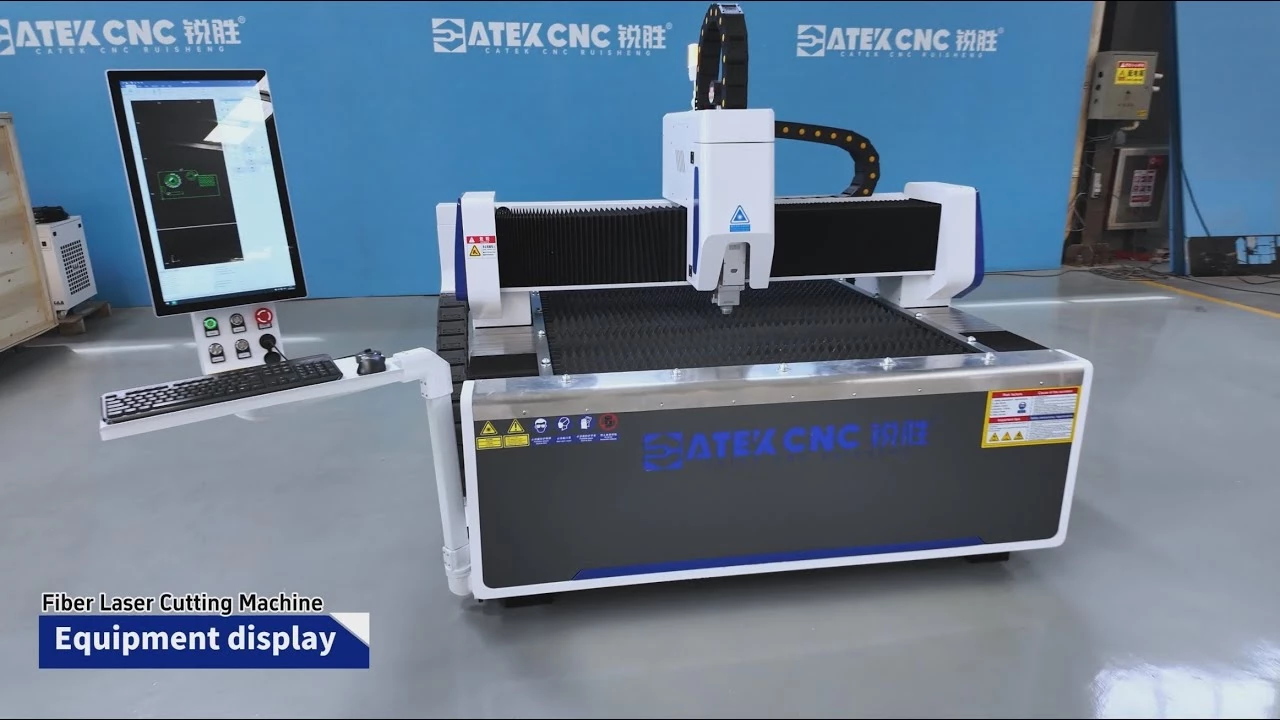
Fiber Laser Cutting Machine for Metal
Fiber laser cutting machines is controlled by a numerical control system and uses a 1064nm laser to cut metal materials. It has excellent cutting effect and cutting speed for metal sheets, pipes, and profiles. Processing includes iron, copper, aluminum, carbon steel, tinplate, stainless steel, alloys, etc. Among them, it performs well in processing low reflectivity black metals such as iron, manganese, and chromium, and can easily cut high reflectivity metals such as copper, aluminum, gold, and silver after taking anti Anti reflection measures.
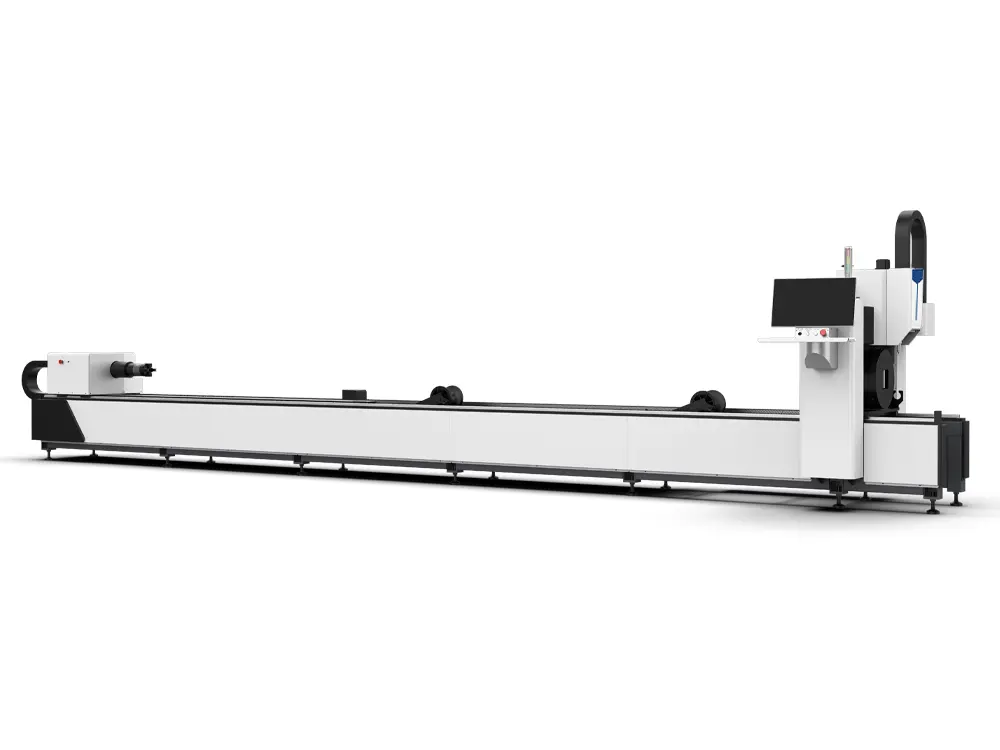
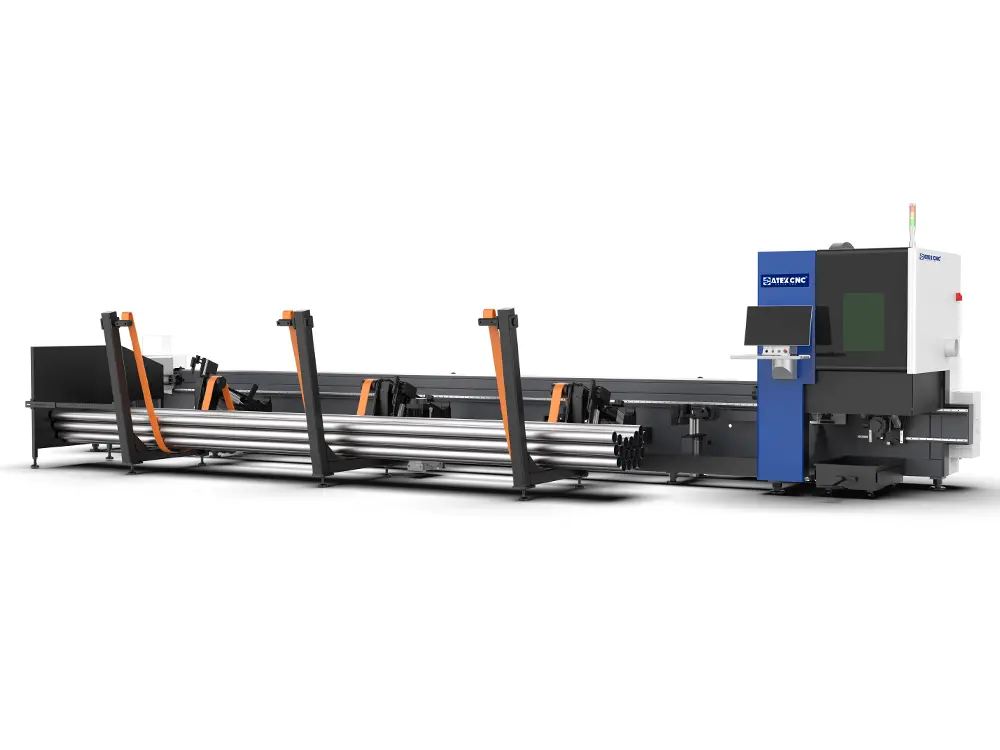
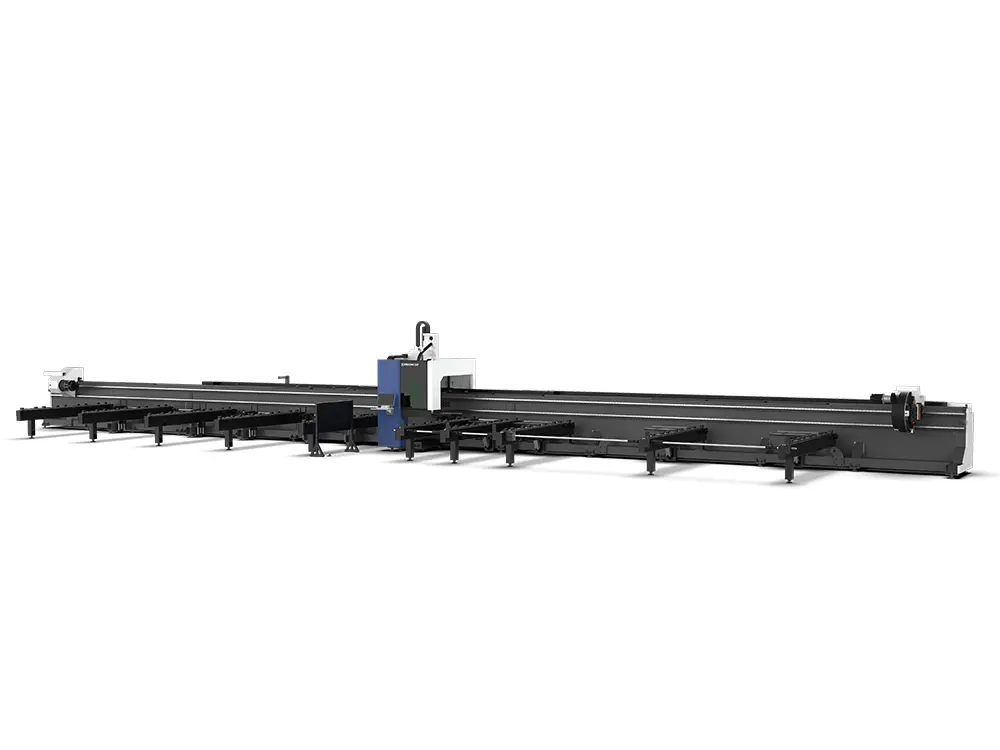
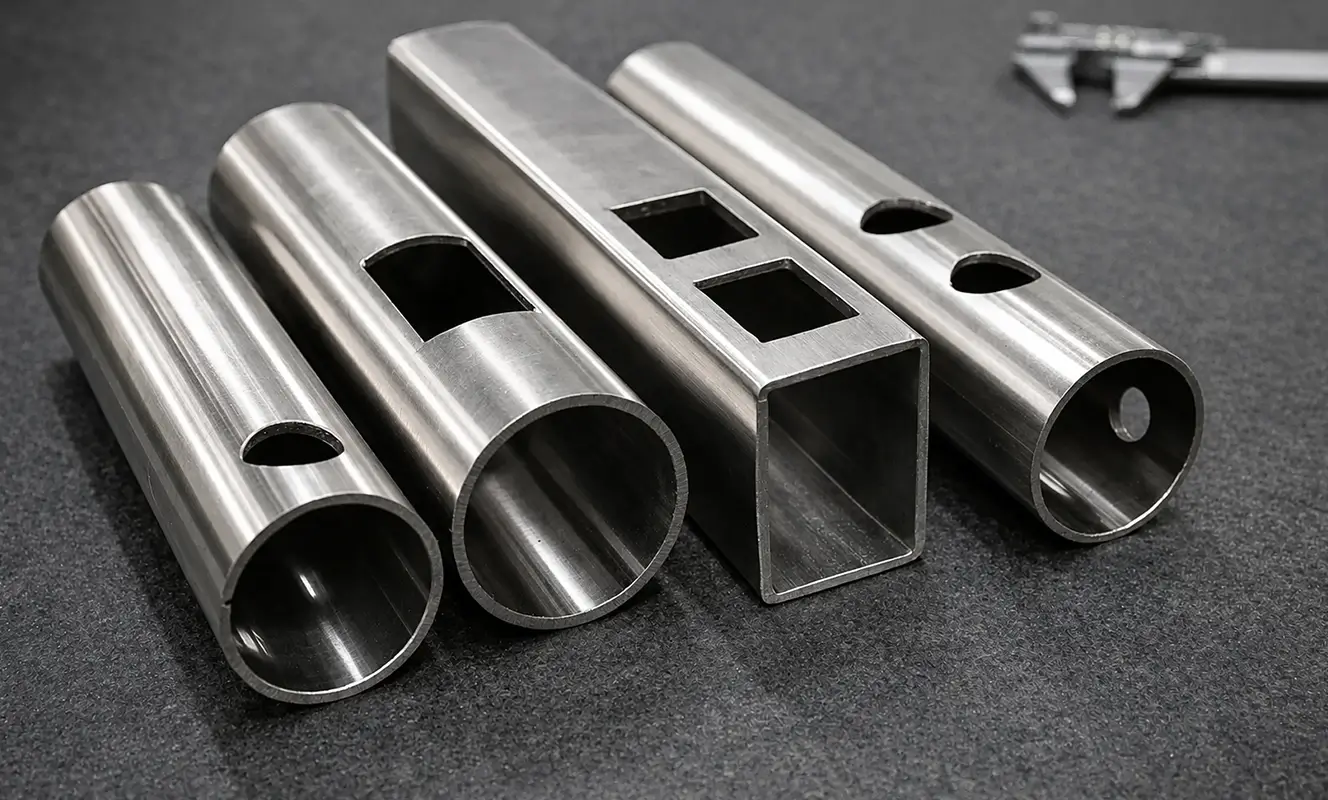
Fiber laser cutting machines has been designed with different models for cutting metal sheets and pipes, and the differences between the two are mainly reflected in material shape and processing technology. A machine used for cutting metal sheets, equipped with a wide flat worktable, which can achieve straight cutting, curved cutting, micro connection cutting, bevel cutting, etc. of metal sheets; The machine used for cutting pipes is equipped with specialized pipe clamping and support devices, which can support the cutting of various types of pipes such as round pipes, square pipes, I-beams, H-beams, etc., covering different types of pipes such as structural pipes, fluid transport pipes, precision pipes, decorative pipes, etc. This type of equipment is widely used in industries such as engineering machinery, steel structures, metal processing, agricultural machinery, transportation manufacturing, railway bridges, oil and gas pipelines, lighting fixtures, etc.
CATEKCNC as a professional fiber laser cutting machine source supplier, our laser power covers from entry level 1500w to myriawatt level high end 80,000w series, at the same time, our equipment is also the world's most cost-effective and cheapest fiber laser cutting machine in the same class, 5*10 feet fiber laser sheet cutting machine is only $5,500 onwards, if you need to upgrade your metal If you need to upgrade your metal cutting equipment or start your new business plan, welcome to contact us.
-
Hot
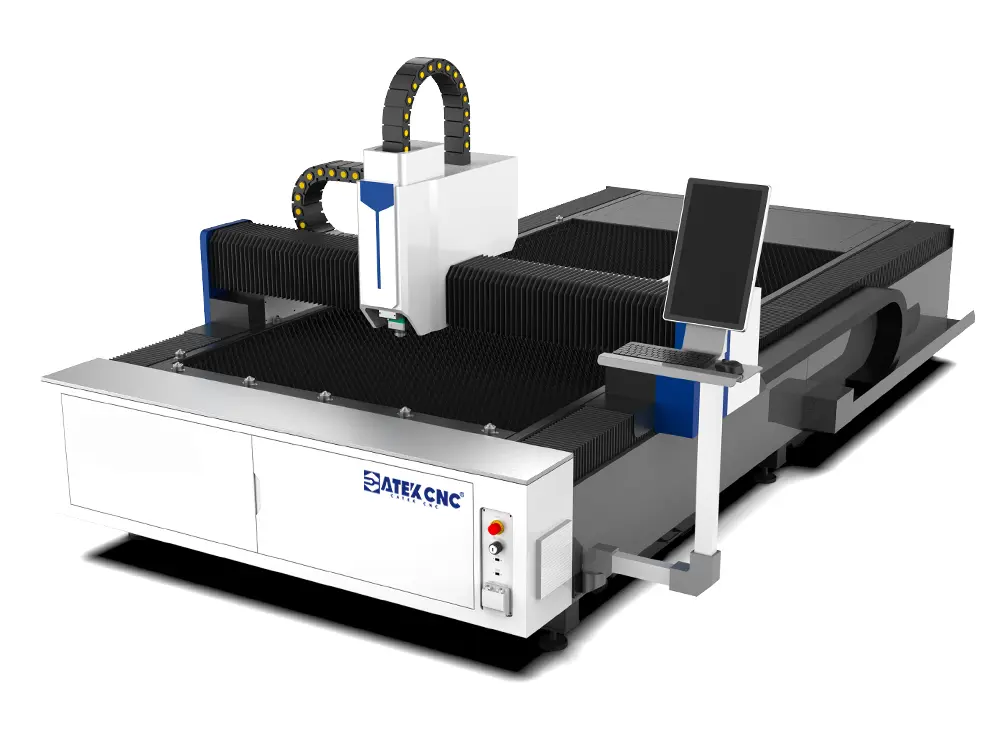
5x10 1500W/2000W/3000W Fiber Laser Cutter for Sale at Competitive Price
-
CK-1530-F
-
5.0(5)
This is a standard 5x10 ft fiber laser cutting machine with multiple power and configuration options, suitable for cutting various metals and alloys.$5,500.00~$15,800.00 -
-
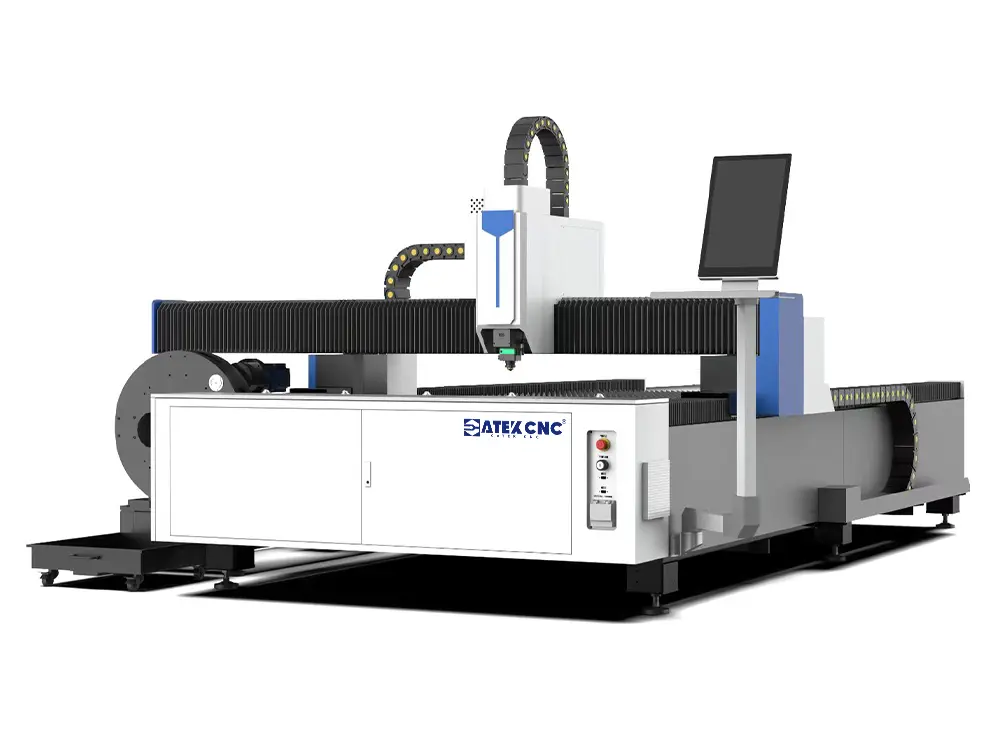
5x10 Multi-Function Fiber Laser Plate and Tube Cutting Machine
-
CK-1530-FT
-
5.0(1)
This is a fiber laser cutting machine capable of both metal sheet and metal pipe cutting. It features an added pipe clamping/rotating device on the side, making it more comprehensive.$22,500.00~$32,800.00 -
-
Hot
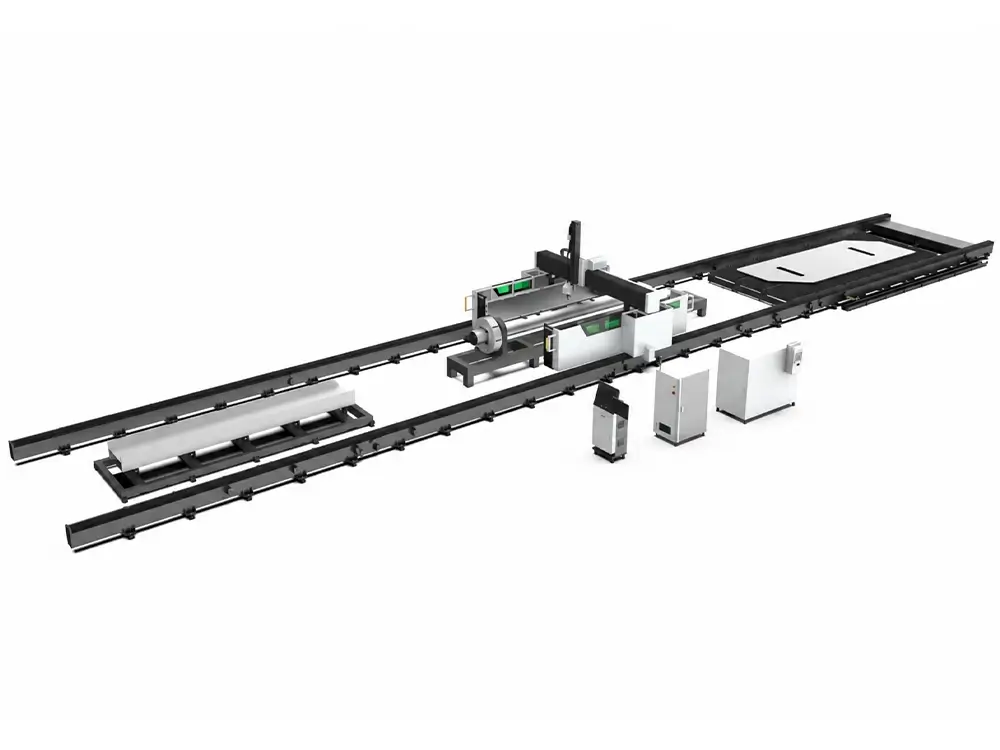
Industrial-Grade Professional Fiber Laser Tube Cutting Machine
-
CK-2260-T
-
5.0(3)
This large metal tube fiber laser cutter is specially designed for tube processing, featuring a large-diameter automatic rotary axis, dual pneumatic chucks, and variable-diameter wheel supports.$16,000.00~$29,000.00 -
-
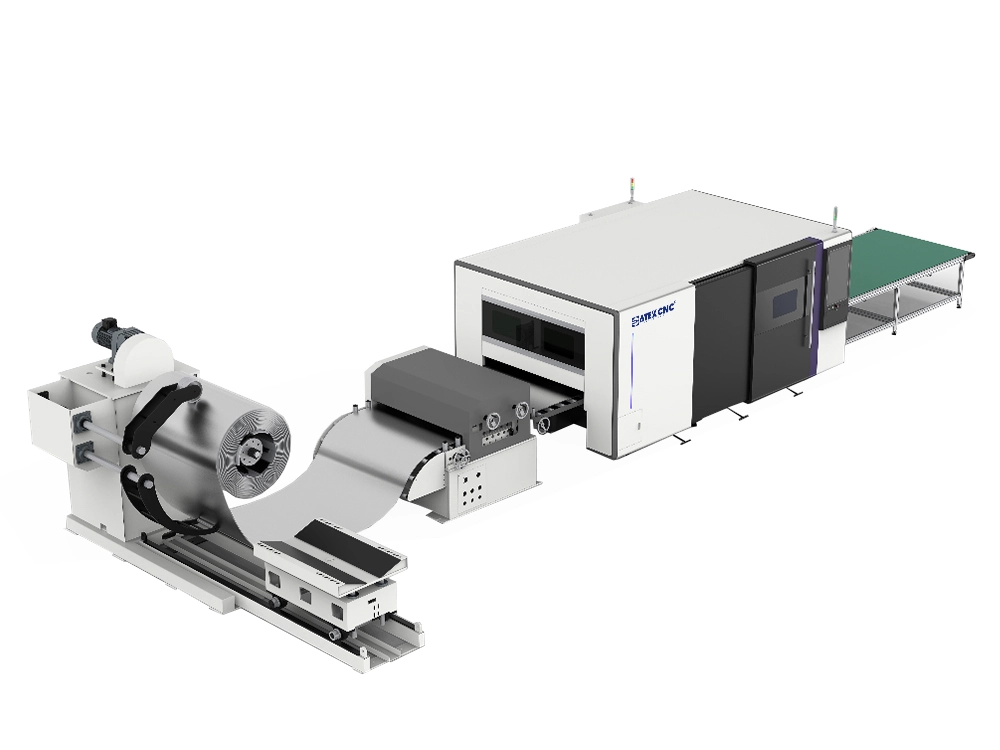
Laser Blanking Line for Cutting Steel Coils
-
CK-1530-ACF
-
5.0(0)
This is a laser blanking line specifically designed for processing metal coils. It integrates a coil feeding system, a leveling system, a laser cutting system, and a stacking system.$46,800.00~$59,800.00 -
-
Top 2040 Enclosed Fiber Laser Cutting Machine with Dual-Shuttle Table
-
CK-2040-2FC
-
5.0(0)
This is a large-format fiber laser cutting machine with a processing size of 2000*4000 mm, featuring a fully enclosed design and equipped with a dual-shuttle table.$25,800.00~$118,500.00 -
-
Fiber Laser Cutting Machine for High-Speed Batch Cutting of Small-to-Medium Diameter Metal Tube
-
CK-1275-TA
-
5.0(0)
This fiber laser cutting machine is specifically designed for the high-speed batch processing of small-to-medium metal tubes, capable of handling metal tubing with diameters ranging from 8mm to 120mm.$35,800.00~$56,800.00 -
THE FOLLOWING ARTICLES MAY HELP YOU
-
Laser Cutting Machine
How to Choose a Fiber Laser Cutting Machine?
Step 1: Conduct an In-Depth Analysis of Your RequirementsThis is the most critical step, determining the direction of all subsequent choices. Please answer the following questions:What materials will be cut?Carbon steel: This is the most common application, and all fiber laser machines excel at it.Stainless steel/aluminum/brass: Higher-pressure nitrogen is required as an assist gas to achieve an oxide-free cut surface. This places higher demands on laser stability and gas pressure.Highly reflect...
-
Laser Cutting Machine
What Are the Factors Affecting Fiber Laser Cutting?
There are numerous factors affecting the cutting speed of fiber laser cutting machines, which can be primarily categorized into laser parameters, characteristics of the processed material, cutting process parameters, and machine performance.Laser ParametersThe cutting principle of fiber laser cutting machines involves using high-energy laser beams to melt and cut materials. Therefore, laser parameters are the most direct factors influencing cutting speed.Laser power: For the same material and wi...
-
Laser Cutting Machine
What Are the Types of Laser Cutting Machines?
Laser cutting uses laser instead of physical cutting tools or high-temperature flame cutting. Due to the characteristics of laser, it has significant advantages over traditional cutting.In addition to the power of laser cutting, the optical properties of the laser have the greatest impact on cutting,Such as wavelength, pulse width, pulse repetition frequency, etc.Depending on the type of laser, the current industrial laser equipment is mainly divided into fiber laser, CO2 laser and YAG laser.Fib...
HERE ARE SOME RELATED VIDEOS OF CNC MACHINES
-
00:46
Laser Cutting MachineJun 06, 2025Low-Cost, High-Efficiency Fiber Laser Sheet Metal Cutting Machine
The video introduces a fiber laser metal cutting machine with a maximum processing size of 1500*300mm.
-
00:55
Laser Cutting MachineJun 06, 2025Fiber Laser Cutting Machine Cutting Stainless Steel Plate
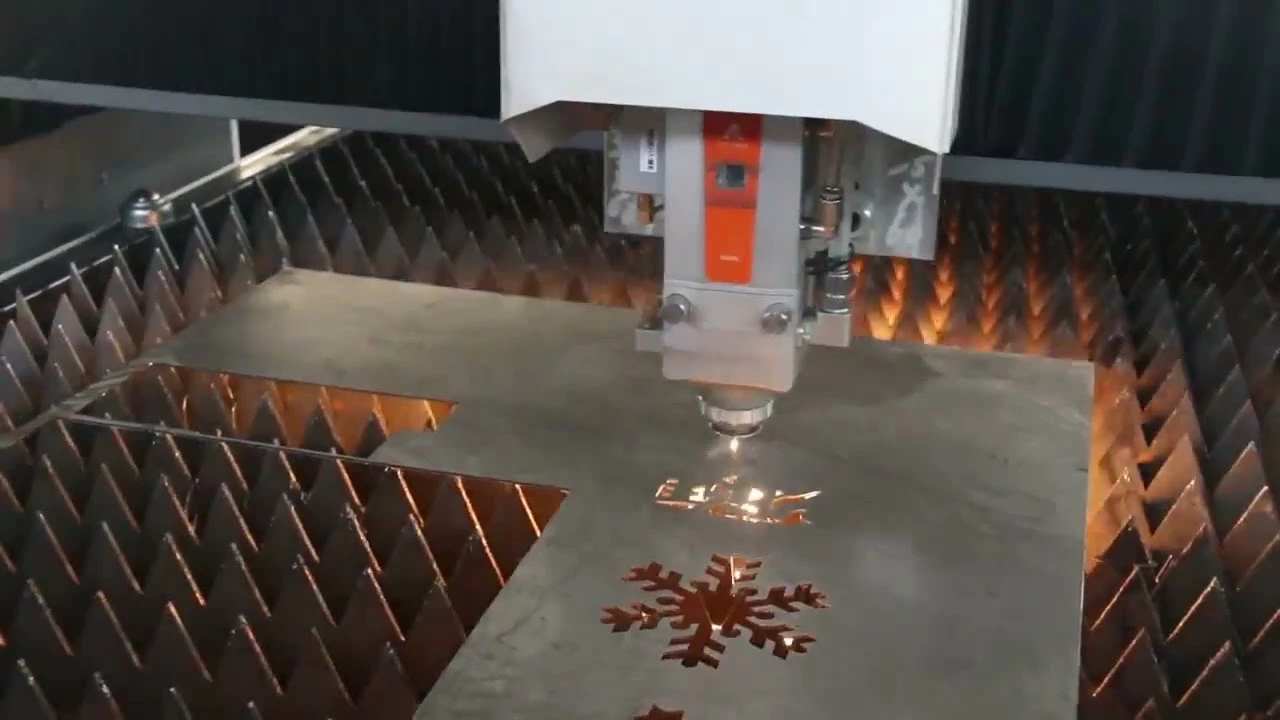
This video demonstrates the capability of a fiber laser cutting machine in cutting snowflake patterns and intricate Chinese characters on stainless steel plates.
-
00:55
Laser Cutting MachineMay 27, 2025Fiber Laser Sheet & Tube Integrated Cutting Machine
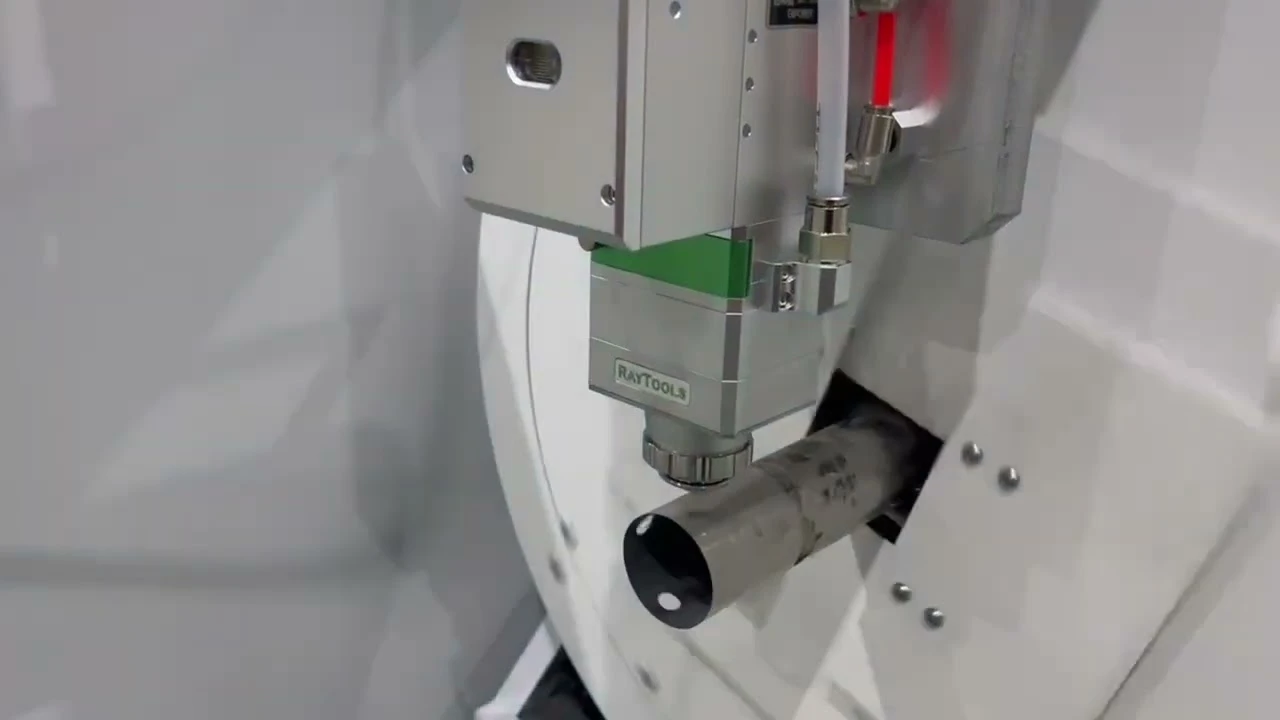
This video demonstrates examples of a fiber laser sheet-and-tube cutting machine cutting carbon steel plates and stainless steel metal tubes.
HERE ARE SOME FUN PROJECTS FOR CNC MACHINES
-
Laser Cutting MachineMaking Stainless Steel Hollow Letter Light Box Sign by Laser-Cut
The visual effect of the hollow light box is similar to that of the metal backlight characters, but it seems to be better in terms of its atmosphere. Whether it is placed on the door or indoors, it is very eye-catching. The hollow light box sign is generally a whole. The graphic content is combined in the form of hollow metal and a transparent plate glued inside. In the bright light state, only the graphic information that needs to be displayed will be transparent. The advertising effect is very...
-
Laser Cutting MachineFiber Laser Cutting Machine for Metal Tube Cutting Project
This project focuses on the application of a fiber laser cutting machine for high-efficiency metal tube cutting in industrial production. By utilizing the CATEKCNC fiber laser tube cutter, the client successfully achieved precise processing of round, square, and rectangular tubes across a range of materials, including stainless steel and carbon steel.Through the integration of advanced CNC fiber laser tube cutting technology, the project significantly improved cutting accuracy, reduced material ...

GUIDE TO FIBER LASER CUTTING MACHINES FOR METALWORK
Fiber laser cutting machines have been on the rise since the early 21st century. With advancements in fiber laser technology, reduced procurement costs, and improved processes, especially the emergence of myriawatt-level fiber laser cutting machines, these machines have gradually become mainstream equipment in the metal processing market. Compared to traditional metal cutting machinery, fiber laser cutting machines, with their high precision and versatility, can complete cutting tasks in the shortest time, elevating metal processing techniques and manufacturing standards to a new level. They are increasingly favored by the metal processing industry. Whether it's metal sheets, tubes, or coils, fiber laser cutting machines can handle a wide range of processing tasks. From the electronics and electrical industry to the aerospace sector, fiber laser cutting machines have become indispensable equipment on modern industrial production lines due to their speed, efficiency, and precision, serving as a significant force driving industrial development.
As a leading Chinese manufacturer specializing in fiber laser metal cutting machines, CATEKCNC surpasses the international laser industry average in both machine assembly techniques and overall performance. The powerful cutting capabilities, high-speed efficiency, and superior stability are the secrets to CATEKCNC's success. If you are looking for a cost-effective supplier with a comprehensive after-sales service system, CATEKCNC will be your trustworthy choice. Below is a detailed explanation and purchasing guide we have prepared for you regarding fiber laser cutting machines.
What is a Fiber Laser Cutting Machine?
A CNC fiber laser cutting machine is an automated metal cutting machine equipped with a CNC system, widely used for precise cutting of metal sheets, tubes, and profiles. Utilizing non-contact laser cutting, it achieves high precision and high-speed processing, delivering smooth cuts without burrs and minimal heat-affected zones, resulting in negligible workpiece deformation. Without the need for molds, it can cut any contour shapes and hollow patterns on metal sheets and tubes, making it applicable in industries such as advertising signage, automotive components, and mechanical manufacturing. Fiber laser cutting machines are highly automated, supporting automatic material nesting and layout, with excellent electro-optical conversion efficiency, energy savings, and flexibility. They are available in various laser power options, where higher power enables cutting thicker metals. They can cut various types of metals, including carbon steel, stainless steel, spring steel, manganese steel, galvanized sheets, mild steel, aluminum alloys, aluminum, titanium alloys, iron, brass, and more.
Fiber laser cutting machines excel in processing performance and are widely used in modern industrial precision production scenarios. For example, in sheet metal processing, they can quickly perform hole punching and cutting of irregular shapes; in the electronics industry, they can precisely process precision parts and heat sinks; in the construction field, they can create complex designs such as artistic railings, iron gates, and metal staircases. Equipped with intelligent CNC operating systems, they are compatible with various mainstream file formats, preset with multiple processing parameters, and feature automatic focus calibration, allowing even beginners to operate them quickly. Compatible with various laser nesting software, users only need to import the cutting graphics into the nesting software and input the sheet size to automatically arrange the shapes on the sheet, maximizing material utilization to over 95% and reducing production costs.
Composition of Fiber Laser Cutting Machine
A fiber laser cutting machine consists of multiple key components working together to achieve efficient and precise cutting tasks. It mainly includes a fiber laser generator, laser cutting head, bed, worktable, gantry, transmission system, control system, cooling system, and gas system.
- Fiber Laser Generator
-
The core of a fiber laser cutting machine is the fiber laser generator, which produces a laser with a central wavelength of 1064nm, making it more easily absorbed by metal materials. Therefore, the fiber laser generator is the most suitable laser source for cutting metal materials. The fiber laser generator is primarily composed of a pump source, beam combiner, gain fiber, fiber grating, cladding stripper, resonant cavity, transmission fiber, and QBH laser output head.
- Pump source: Composed of semiconductor laser sources, its main function is to convert the electrical energy input into the laser into dispersed and non-uniform light energy, activating the gain medium to absorb energy and achieve population inversion.
- Beam combiner: Efficiently couples the dispersed laser sources converted from multiple single-mode pump sources into a single fiber, focusing and combining them into a single laser beam to increase laser power and intensity.
- Resonant cavity: Composed of gain fiber, high-reflection grating, and low-reflection grating, it enhances laser intensity, stabilizes the laser beam, and reduces reflection losses. The gain fiber, doped with ytterbium (Yb³⁺) ions, amplifies the laser signal.
- Cladding stripper: Protects and stabilizes laser transmission, removes cladding stray light, avoids interference with the core signal light, and improves the quality of the output laser.
- QBH laser output head: The fiber laser cutting head is a critical component of the fiber laser cutting system, directly affecting cutting precision and efficiency. It mainly consists of an upper protective lens, collimating lens, focusing lens, middle protective lens, lower protective lens, ceramic ring, nozzle, and tracking sensor.
- Transmission fiber: Made of high-purity quartz glass, it efficiently transmits the laser.
- Fiber Laser Cutting Head
-
The fiber laser cutting head is a critical component of the fiber laser cutting system, directly affecting cutting precision and efficiency. It mainly consists of an upper protective lens, collimating lens, focusing lens, middle protective lens, lower protective lens, ceramic ring, nozzle, and tracking sensor.
- Upper protective lens: Prevents dust from entering the laser cutting head and protects the collimating lens.
- Collimating lens: Works similarly to a convex magnifying lens, converting the laser into parallel light that enters the focusing lens.
- Focusing lens: Focuses the parallel laser beam into a high-density laser beam. Adjusting the collimating and focusing lenses controls the laser's coaxiality.
- Middle protective lens: Protects the focusing lens and provides sealing.
- Lower protective lens: Protects the cutting head from molten slag and debris during cutting and piercing, and isolates cutting gases.
- Ceramic ring: Contains metal wire contacts that connect to the cutting nozzle, transmitting data sensed by the nozzle.
- Nozzle: Prevents impurities from rebounding into the laser cutting head, controls gas diffusion area, and can be replaced based on different cutting thicknesses and materials. During processing, both the laser and cutting gas are output through the nozzle to the material surface.
- Tracking sensor: Ensures stable focus spot, reduces cutting errors, and maintains stable focus position.
- Bed, Worktable, and Gantry Beam
-
The material and quality of the bed, worktable, and gantry beam are crucial, directly affecting the machine's cutting accuracy, stability, and lifespan.
-
Gantry beam:
Made of extruded aluminum alloy (6061 aluminum alloy, aviation aluminum) or cast aluminum, it undergoes high-temperature annealing and vibration aging to eliminate internal stress. Processed by CNC five-face gantry milling, it ensures the precision of the guide rail and rack installation base. Aluminum alloy beams are lighter, offer faster response speeds, lower loads, higher acceleration, and reduced motion inertia, shortening processing time.
-
Bed:
The bed of a fiber laser cutting machine comes in various materials:
- Thick steel tube welded bed: Made of thick rectangular steel tubes with internal reinforcement, it features a hollow box structure that absorbs vibrations during high-speed cutting, reducing processing errors caused by vibrations. It undergoes high-temperature annealing and vibration aging to eliminate welding stress and is milled by a large five-axis gantry milling machine for higher installation accuracy and long-term stability. This bed design is relatively simple, has a shorter production cycle, and lower cost, but its load capacity is limited, and it is prone to vibrations, affecting processing accuracy.
- Steel plate welded bed: Made of thick steel plates with mortise and tenon reinforcement. The mortise and tenon structure provides more uniform mechanical distribution, combined with high-strength steel plates and vibration aging, effectively reducing bed deformation risks. The process involves welding → annealing → rough machining → vibration aging → precision machining, offering excellent heat dissipation and reducing thermal deformation risks during high-power cutting. This bed design offers high structural freedom, strength, and rigidity, capable of withstanding heavy loads, but it also faces welding deformation and residual stress issues, requiring higher material and manufacturing standards.
- Cast bed: Made of gray cast iron, it features high rigidity, vibration resistance, thermal stability, and long lifespan. The high carbon content and low thermal sensitivity of cast iron make it resistant to thermal deformation in high-temperature laser cutting environments. Its high density and weight effectively suppress vibrations, significantly improving cutting accuracy and machine durability. It has high compressive strength, stable structure, and minimal deformation, but its manufacturing cost is high, and the production cycle is long.
- Mineral bed:Made of artificial marble, it is formed in one piece, offering excellent integrity, no local shrinkage, and insensitivity to temperature changes, ensuring high processing accuracy. Its heavy weight and vibration absorption performance, 6-10 times better than ordinary beds, effectively absorb vibrations during cutting, improving processing accuracy and machine lifespan. This bed offers very high precision and stability, is resistant to deformation due to temperature changes, and has excellent vibration damping. However, it is heavy, expensive, complex to manufacture, and brittle, making it susceptible to damage from impacts.
-
- Transmission System
- The transmission system consists of servo motors, guide rails, racks, gears, and ball screws. Imported high-precision square guide rails ensure smooth movement of the cutting head. Gear and rack transmission offers fast movement speeds, suitable for long-distance rapid positioning. The XY axes use high-precision ground helical racks, gears, and linear square guide rails, while some smaller models use ball screws for the X axis. The Y axis features a dual-side servo motor design to reduce deformation caused by uneven loads, and the Z axis uses TBI ball screws for more precise focus positioning. Servo motors can be either bus-type or pulse-type. Pulse-type servo motors are controlled by pulse signals from the CNC system, while bus-type servo motors use communication for data transmission. Pulse-type servos are cost-effective and stable but have weaker anti-interference capabilities compared to bus-type servos. Bus-type servos have simpler wiring, use digital communication, offer better anti-interference capabilities, and provide higher precision in position, speed, and torque control. They also feature higher resolution and feedback systems, enabling finer control. Bus communication protocols can automatically detect and correct transmission errors, but bus-type servos are more expensive than pulse-type servos.
- Control System
- The control system is the core operational unit of the laser cutting machine, responsible for coordinating the laser, laser cutting head, drive system, pneumatic system, cooling system, and other components. It integrates a cutting parameter database, automatically matching material type, thickness, and cutting speed. It offers various process options such as spot compensation, common-edge cutting, and bridging, and is compatible with various CAD/CAM software, allowing cutting to start without generating G-code, simplifying the operation process. It provides a breakpoint resume function, allowing cutting to continue from the interruption point in case of emergencies, improving production efficiency. It supports bus-type servo control systems and servo motors, enabling multi-axis synchronous control and full closed-loop feedback to ensure motion accuracy.
- Cooling System
- A constant-temperature water chiller is used for cooling. Through a refrigeration cycle composed of a compressor, condenser, and evaporator, it quickly removes heat generated by the laser and cutting head, ensuring the equipment operates at a stable temperature of around 25°C. This prevents overheating, which could affect laser output efficiency and component lifespan. The water temperature control accuracy can reach ±0.5°C. In winter or cold conditions, antifreeze is required to prevent freezing. The chiller's cooling capacity must also match the laser's power to avoid overheating due to insufficient cooling.
- Gas System
-
The gas system of a fiber laser cutting machine mainly includes cutting gas and auxiliary gas. The choice and pressure control of gases directly affect cutting quality and efficiency. Different gases assist in melting, prevent oxidation, and remove slag. Commonly used gases include oxygen, nitrogen, and compressed air, which can be adjusted via proportional valves.
- Oxygen: Primarily used as a cutting gas, it accelerates oxidation reactions, increasing cutting speed and thickness, especially suitable for thicker carbon steel materials.
- Nitrogen: As an inert gas, it is cost-effective and often used as a protective gas for cutting stainless steel, aluminum, and alloy steel. It prevents oxidation of the cutting surface, ensuring a smooth and glossy finish, meeting high-precision processing requirements.
- Compressed air: Used as an auxiliary blowing gas, it is suitable for cutting thin metal sheets, offering the lowest cost and ensuring no burrs or slag during cutting, with wide applicability.
How Does a Fiber Laser Cutting Machine Work?
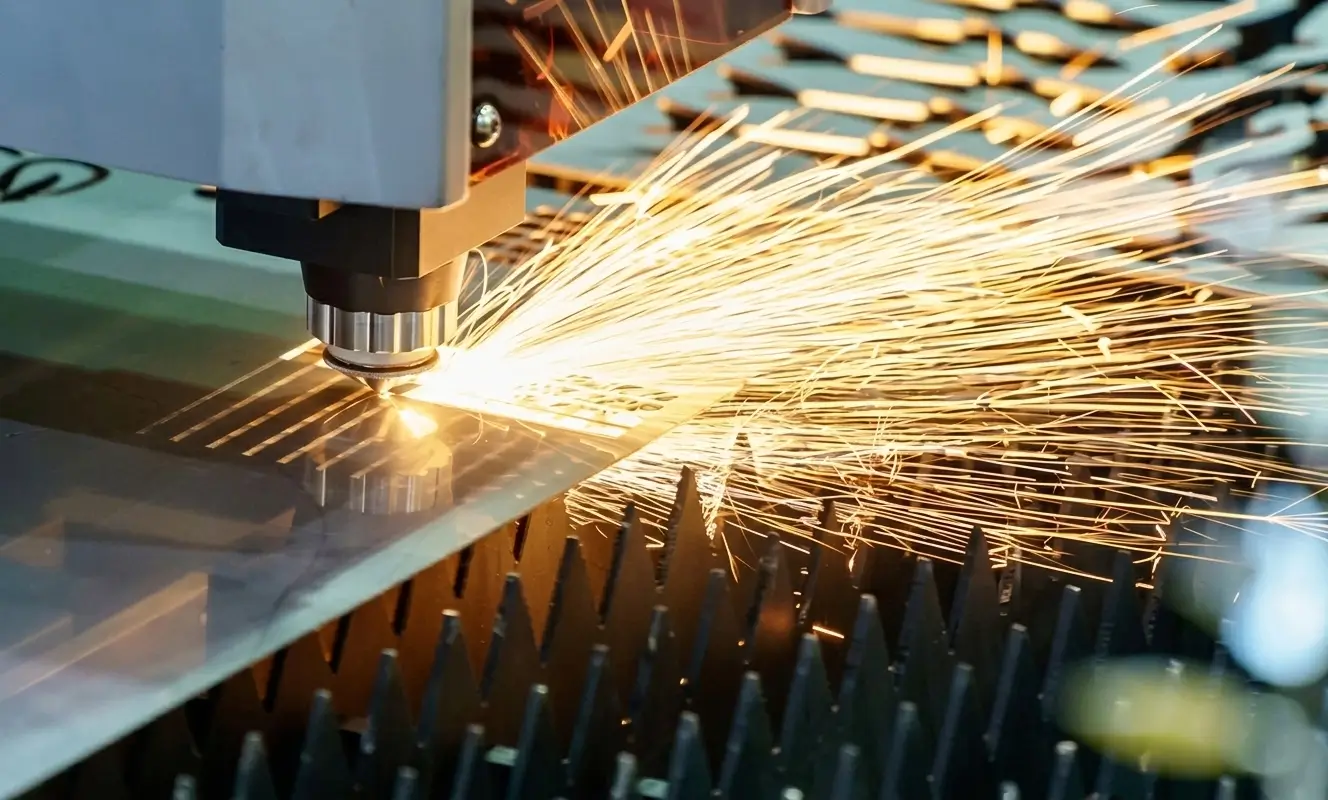
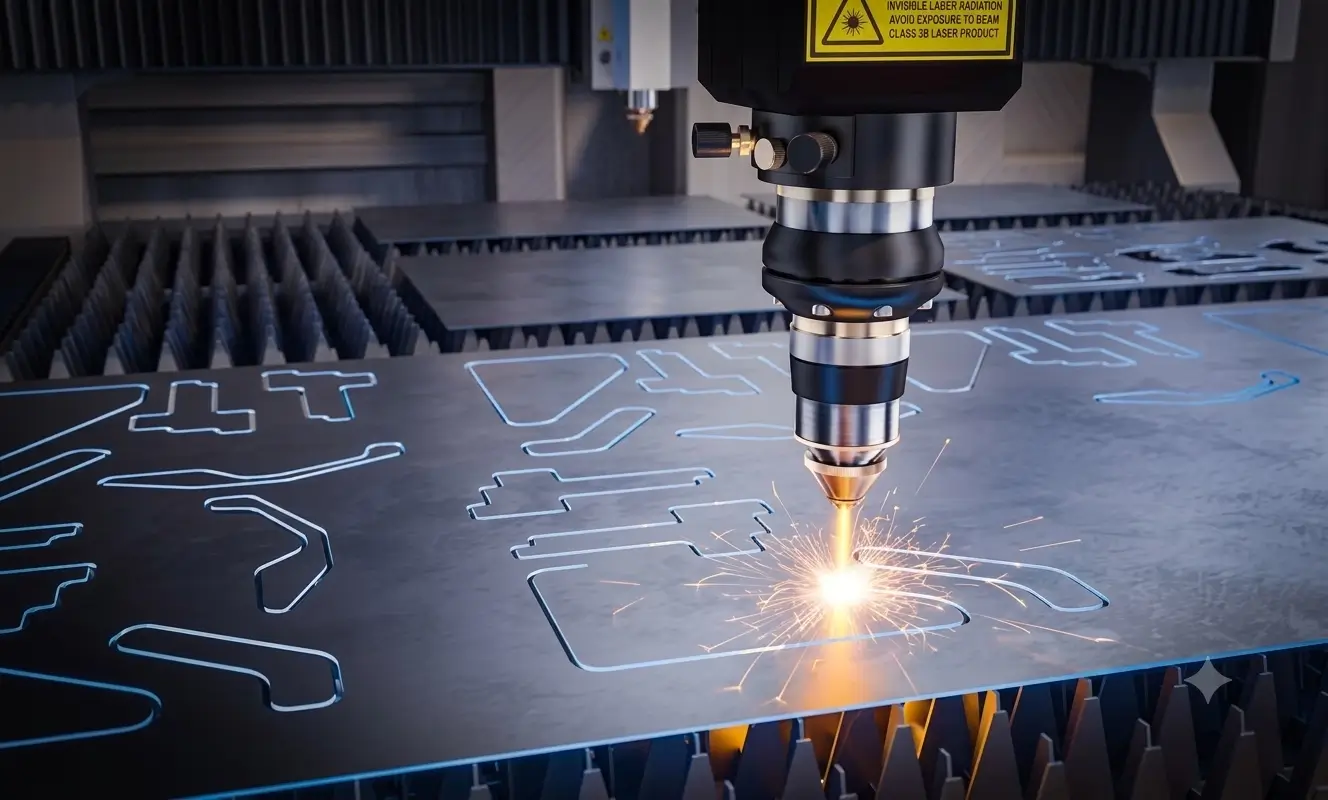
A fiber laser cutting machine converts electrical energy into laser light through a fiber laser generator. The laser beam is transmitted via an optical fiber to the laser cutting head, where a collimating lens adjusts the diverging waveform light into parallel light. This parallel light is then concentrated by a focusing lens into a highly focused laser beam with an extremely small diameter and high energy density. The focused high-power-density laser beam is directed onto the workpiece surface, rapidly melting or vaporizing the material locally in a very short time. Simultaneously, a high-speed coaxial gas stream blows away the molten material, cutting through the workpiece and creating a clean kerf, thereby achieving the purpose of cutting the material. During cutting, the CNC system precisely controls the high-speed movement of the laser head along the X, Y, and Z axes according to the programmed cutting path, enabling the cutting of complex shapes. The edges produced by laser cutting are very smooth, and due to the small heat-affected zone, material deformation is minimal. As a non-contact processing method, it also does not damage the material surface.
The fiber laser spot is extremely small, with high energy density, allowing for excellent cutting quality in a single pass. The kerf width in laser cutting is typically between 0.1-0.2 mm, with a well-defined geometric shape and a smooth cross-section. The cutting speed is fast, and the heat-affected zone is very small. Laser cutting does not require any molds, and compared to plasma cutting, it completely avoids edge collapse caused by high-speed jet impact on the material, resulting in cleaner, safer, and pollution-free processing.
What Is the Fiber Laser Cutting Machine Used For?
Fiber laser cutting machines are characterized by their versatility, high precision, and energy efficiency, making them widely applicable in numerous industries such as automotive, construction, energy, home appliances, and hardware. They cover the full spectrum of processing needs from tubes to sheets, becoming an indispensable precision processing equipment in modern manufacturing.
Materials Applicable
Stainless steel (SUS 304/316/430, etc.), carbon steel (Q235/SPCC/S45C, etc.), aluminum and aluminum alloys (1060/5052/6061, etc.), copper and copper alloys (brass H62/red copper T2, etc.), titanium and titanium alloys (TC4/TA2, etc.), nickel-based alloys (Inconel 625/Hastelloy C276), magnesium alloys (AZ31/AZ91, etc.), galvanized steel sheets (SGCC/DX51D, etc.), tungsten, gold, silver, alloy steel, spring steel, etc. Additionally, various types of metal tubes such as square tubes, round tubes, oval tubes, flat tubes, triangular tubes, I-beam tubes, special-shaped tubes, channel steel, angle steel, polygonal tubes, waist-shaped tubes, D-shaped tubes, hexagonal tubes, H-beams, L-beams, T-beams, and channel steel.
Industries Applicable
- Automotive manufacturing: Door frames, chassis structural components, crash beams, exhaust pipes, seat frames, brake pads, engine brackets, fuel tank brackets, new energy vehicle battery trays, charging pile metal parts, etc.
- Aerospace: Aircraft guard plates, door frames, landing gear components, wing components, helicopter blade fixing frames, etc.
- Kitchen appliances and home appliances: Stainless steel kitchenware, refrigerator shells, air conditioner brackets, air conditioner shells, washing machine shells, TV back covers, microwave panels, etc.
- Electronics and electrical appliances: Server shells, computer cases, laptop shells, phone mid-frames, LED light metal shells, etc.
- Construction engineering: Steel structure building supports, bolt hole plates, truss node plates, curtain wall keels, building exterior walls, metal wall panels, etc.
- Power and new energy: Solar water heater aluminum profiles, solar panel brackets, transformer heat sinks, electrical cabinet shells, etc.
- Furniture and bathroom: Iron gates, iron stairs, metal furniture, towel racks, bathroom cabinet metal legs, metal door frames, wardrobe metal handles, etc.
- Advertising production: Stainless steel 3D letters, metal light boxes, 3D signs, metal sculptures, trophy bases, metal advertising frames, etc.
- Fitness equipment: Dumbbell bars, treadmill frames, exercise bike frames, bicycle frames, ski poles, etc.
- Rail transit: High-speed rail tracks, subway handrails, train seat frames, etc.
- Agricultural machinery: Harvester brackets, seeder metal tube frames, irrigation system nozzle connectors, etc.
- Hardware tools: Water pipes, pipeline structures, wrenches, special washers, buckle structural parts, metal flanges, etc.
Types of Fiber Laser Cutting Machines
- Fiber laser sheet cutting machine: Used for cutting metal sheets of various sizes and thicknesses.
- Fiber laser tube cutting machine: Used for cutting metal tubes of various shapes and lengths.
- Fiber laser sheet and tube multi-functional integrated cutting machine: Combines sheet and tube cutting capabilities, capable of cutting metal sheets of various sizes and thicknesses as well as metal tubes of various shapes and lengths.
- Fiber coil cutting machine: Used for cutting various metal coils, enabling continuous cutting of metal coil materials.
- Five-axis 3D fiber laser cutting machine: Equipped with five-axis linkage capability, used for high-precision complex cutting of three-dimensional irregular surfaces of various metal materials.
Technical Specifications of Fiber Laser Cutting Machine
| Type | Fiber laser cutting machine |
|---|---|
| Brand | CATEKCNC |
| Laser Type | Fiber laser |
| Laser Central Wavelength | 1064nm |
| Processing Type | Laser non-contact processing |
| Cooling System | Constant temperature water chiller |
| Application Materials | Various types of metal plates and metal pipes |
| Maximum Cutting Thickness | 200mm |
| Laser Power | 1500w, 2000w, 3000w, 4000w, 6000w, 8000w, 10000w, 12000w, 15000w, 20000w, 30000w, 40000w, 60000w, 80000w, etc. |
| Laser | Reci, Raycus, JPT, Maxphotonics, IPG, BWT, etc. |
| Control System | NCStudio, Raytools, Cypcut plane, FL, Au3tech, etc. |
| Laser Cutting Heads | Empower, WSX, Au3tech, BOCI, etc. |
| Application Software | astCAM, SIGMA NEST, Lantek, Adobe Illustrator, LightBurn, LaserGRBL, CorelDRAW, AutoCAD, SolidWorks, CypCut, Camduct, etc. |
| Price Range | $9,600-$680,000 |
Optional Functional Accessories for Fiber Laser Cutting Machines
- Exchangeable work workbench (dual shuttle workbench): quipped with two independent workbenches, allowing one platform to workbench cutting while the other simultaneously handles loading and unloading. After material processing is completed, the machine automatically switches the positions of the two workbenches, effectively reducing machine idle time. This is suitable for high-volume production tasks.
- Metal tube rotating cutting device: Available in electric chuck and pneumatic chuck types. Pneumatic chucks offer fast response, high clamping force, simple structure, and low failure rates but come at a higher cost. Electric chucks have lower clamping force compared to pneumatic chucks but offer better dynamic performance and repeat positioning accuracy, along with lower costs.
- Fully enclosed protective cover: Effectively reduces laser damage to the eyes and blocks sparks, molten slag, and high-temperature debris generated during cutting, protecting operators from burns or cuts. A monitoring camera can also be added for real-time progress tracking.
- Laser cutting machine voltage stabilizer: Laser cutting machines are highly sensitive to voltage fluctuations. The stabilizer automatically adjusts fluctuating input voltage to ensure stable output, preventing laser power fluctuations and cutting quality degradation due to unstable voltage.
- Integrated screw air compressor for fiber laser cutting machines: Combines a screw air compressor, air tank, refrigerated dryer, and multi-stage filters to provide dry, clean compressed air for the machine.
- 3D five-axis cutting head: Equipped with additional C-axis and A-axis rotary axes, enabling the cutting head to freely adjust angles in three-dimensional space to meet complex surface cutting requirements. This is suitable for cutting various tubes or irregular-shaped parts.
- Automatic loading device for laser tube cutting machines: Precisely pushes tubes into the cutting area, with the chuck automatically clamping the tubes. It supports continuous automated operation without manual intervention.
The Upper Limits of Metal Thickness in Fiber Laser Cutting
| Carbon steel | Stainless steel | Aluminum | Copper | |
|---|---|---|---|---|
| 1,500W | 16mm | 8mm | 5mm | 4mm |
| 2,000W | 20mm | 10mm | 6mm | 6mmm |
| 3,000W | 22mm | 12mm | 8mm | 8mm |
| 4,000W | 25mm | 12mm | 10mm | 8mm |
| 6,000W | 30mm | 20mm | 20mm | 12mm |
| 8,000W | 40mm | 30mm | 30mm | 16mm |
| 12,000W | 45mm | 40mm | 40mm | 18mm |
| 15,000W | 60mm | 50mm | 50mm | 20mm |
| 20,000W | 80mm | 80mm | 60mm | 30mm |
| 30,000W | 100mm | 100mm | 60mm | 30mm |
| 40,000W | 120mm | 120mm | 100mm | 35mm |
| 60,000W | 200mm | 200mm | 110mm | 45mm |
| 80,000W | 200mm | 200mm | 120mm | 50mm |
How Much Does a Fiber Laser Cutting Machine Cost?
Before confirming the purchase of a laser cutting machine, you need to carefully consider the cutting thickness and cutting dimensions, as well as comprehensively evaluate your business needs, equipment performance, core configurations, and after-sales service. The price of a fiber laser cutting machine varies significantly depending on the power, worktable size, brand, and application type. Ranging from entry-level 1,500W to industrial-grade ultra-high-power 80,000W, the price can range from $9,600 to $680,000. For the same configuration, the 1540 model (processing size 1500*4000mm) fiber laser cutting machine is approximately $600 more expensive than the 1530 model (processing size 1500*3000mm).
The price of a fiber laser cutting machine is also determined by various hardware configurations and optional accessories, including the laser source, laser cutting head, worktable size, bed frame, servo motor, water chiller, control system, etc. Additionally, you need to consider the ongoing usage costs, gas expenses, maintenance costs, and consumable parts expenses for the CNC fiber laser cutting machine. The cheapest 1530 fiber laser cutting machine starts at $9,600. If you opt for an exchangeable worktable, it will add approximately $5,500, and a fully enclosed protective cover will add an extra $4,000. Common consumables such as protective lenses and nozzles start at $5. You can freely choose the appropriate configuration based on your specific processing needs and budget. The most cost-effective fiber laser tube cutting machine starts at $14,000, while professional-grade fiber laser cutting machines capable of both sheet and tube cutting are priced above $20,000. Industrial-grade high-power CNC laser cutting machines ranging from 6000W to 12000W are priced between $26,000 and $48,000.
Advantages of CNC Fiber Laser Cutting Machines
CNC fiber laser cutting machines are a new type of metal processing machinery that integrates fiber laser technology, CNC systems, and transmission systems. They use CNC systems for control, enabling high-speed and precise machining with a maximum processing speed of up to 10000mm/min. These machines can quickly perforate and cut various metal materials while maintaining excellent cutting quality. With superior processing performance and technological innovation, fiber laser cutting machines are reshaping the efficiency standards of the metal processing industry. As fiber technology advances, these machines are gradually becoming the core equipment in the metal processing field, continuously driving the manufacturing upgrade of the metal industry.
- The focused spot diameter is extremely small, with a narrow kerf and a cut width of only 0.10-0.20mm, saving material.
- The cutting surface is smooth and burr-free, with good perpendicularity, eliminating the need for secondary grinding or other treatments.
- Extremely high electro-optical conversion efficiency, up to 30%, resulting in low overall power consumption.
- High cutting precision, with accuracy up to ±0.05mm.
- No exhaust emissions during cutting, low noise, and minimal waste, complying with EU environmental standards.
- Low maintenance costs, with fiber lasers featuring modular design and a service life of over 100,000 hours, making maintenance simple.
- Suitable for use in various harsh environments, with high tolerance to dust, vibration, humidity, and temperature changes, making it ideal for complex working conditions.
- Flexible usage, no need for molds during processing, capable of handling various complex patterns, pipes, and special-shaped materials through CNC system programming.
- Simple operation, with built-in cutting parameters allowing for one-click processing without frequent adjustments.
- Suitable for cutting various metal materials, with a wide range of applications.
- Non-contact cutting, where the cutting head does not touch the material, avoiding damage to the workpiece surface.
- Fast cutting speed, with metal sheet cutting speeds reaching up to 50000mm/min.
- Extremely low failure rate, capable of 24-hour continuous operation with stable processing.
Advantages compared to plasma cutting machines:
- Higher cutting precision, especially advantageous when cutting complex shapes and small holes.
- Smoother cutting surfaces without any burrs, whereas plasma cutting surfaces are rougher and prone to slag formation.
- Narrower kerf, saving more material compared to the wider kerf of plasma cutting.
- Faster cutting speed, 3-8 times that of plasma, resulting in higher processing efficiency.
- More environmentally friendly usage, with low noise and energy consumption.
- Lower maintenance costs, with fewer consumables than plasma, eliminating the need for frequent electrode replacement, reducing long-term usage costs.
How to Choose the Nozzle for a Fiber Laser Cutting Machine?
The model and aperture size of the nozzle for a fiber laser cutting machine determine the shape of the airflow entering the cut, the gas diffusion area, the gas flow rate, and other factors, which affect slag removal, cutting stability, and the degree of laser head protection. The greater the gas flow entering the cut, the faster the speed, and the more suitable the position of the workpiece in the airflow, the stronger the ability to jet and remove molten material. The thicker the plate, the larger the nozzle aperture should be, and the proportional valve should be adjusted to increase the flow rate to ensure appropriate pressure and achieve a smoother cutting surface. Additionally, to ensure cutting quality and protect the nozzle from damage, a coaxial test should be performed before cutting to ensure the nozzle is coaxial with the laser output beam.
Laser nozzles are divided into single-layer, double-layer, and pressurized types. The materials are mainly red copper and brass, and the nozzle should be replaced according to the metal material being processed.
- Single-layer nozzle: Used for melt cutting, with compressed air or nitrogen-assisted cutting, mainly for materials such as stainless steel, galvanized sheet, and aluminum plate.
- Double-layer nozzle: Used for oxygen-assisted cutting, mainly for cutting carbon steel.
- High-speed single-layer nozzle: Mainly used for high-power, high-speed cutting or oxygen negative focus cutting of thick carbon steel plates above 20mm.
- High-speed double-layer nozzle: Mainly used for high-power, high-speed cutting of carbon steel plates within 20mm.
- Pressurized nozzle: Used for pressurized cutting of stainless steel with compressed air or nitrogen.
Common Knowledge of Fiber Laser Cutter Processing
- Impact of cutting speed being too fast on cutting quality:
-
- May result in inability to cut, with sparks scattering.
- Some areas may be cut through, while others may not.
- Rough cutting surface with diagonal streaks, and slag appearing on the lower part.
- Impact of cutting speed being too slow on cutting quality:
-
- Causes material over-melting, resulting in a rough cutting surface.
- The kerf becomes wider, and rounded or sharp corners melt, failing to achieve the desired cutting effect.
- Low cutting efficiency, wasting time.
- Common problems encountered during cutting and their solutions:
-
-
Reasons for piercing and blowout during cutting:
- Piercing power is too high (reduce power by 10% increments).
- Piercing frequency is too high (reduce piercing frequency to 300-500 Hz).
-
Slag at the lower end of the cutting surface:
- Focus position is too high (reduce the focus).
- Air pressure is too high (reduce air pressure).
-
Stripes on the cutting surface and rough cutting surface:
- Air pressure is too high (reduce air pressure).
- Cutting speed is too slow (increase cutting speed).
- Nozzle aperture is too large (replace with a smaller aperture nozzle).
-
Molten slag at the bottom of the cutting surface:
- Speed is too fast (reduce cutting speed).
- Air pressure is too low (increase air pressure).
- Focus position is too low (raise the focus position).
- Lens is contaminated (clean or replace the lens).
- Oxygen is impure (replace oxygen).
-
Laser cutting head does not emit laser normally:
- Nozzle is clogged or damaged (replace nozzle).
- Laser path is not centered (adjust the laser path).
-
No auxiliary gas output during processing:
- Insufficient air pressure (check air pressure).
- Gas control valve is clogged or damaged (check gas control valve).
-
Maintenance and Usage Guidelines for Fiber Laser Cutting Machines
- Maintenance
-
- Clean the lead screw and guide rails daily after processing, and apply an appropriate amount of lubricant after cleaning.
- Inspect the safety and stability of the dust cover daily, and remove iron slag, debris, and other foreign objects from the dust cover and guide rails.
- Check the lubricant level in the lubricant pot and replenish it in a timely manner.
- Inspect the filter screen of the chiller daily to ensure proper ventilation and heat dissipation.
- Regularly change the water in the chiller, clean the water tank each time, and check the chiller's temperature.
- Periodically inspect and clean the filter screen inside the control cabinet and remove dust to ensure good ventilation and heat dissipation.
- Regularly replace the slats on the cutting table to prevent excessive iron slag buildup, which could affect cutting performance.
- In winter or cold conditions, replace the chiller's coolant with antifreeze to prevent freezing.
- In summer or high humidity conditions, check the laser for condensation.
- Regularly inspect the tightness of power cable connections inside the control cabinet to prevent loose or poor connections.
- Usage Precautions
-
- When replacing the nozzle, pay attention to the disassembly direction and tighten it gently to avoid difficulty in removal due to overheating during cutting.
- Regularly inspect the nozzle for foreign objects like iron slag and replace it if the nozzle hole is not round.
- Periodically check the protective lens for fogging, black spots, etc., and clean it with alcohol or replace it if necessary.
- Clean the protective lens in a dust-free and windless environment to prevent dust from contacting the lens.
- When replacing the protective lens, seal the installation hole and nozzle port on the cutting head after removing the lens holder to prevent dust ingress.
- To check if the light path is centered, use transparent tape on the nozzle, select the pulse function, and check if the laser hole is centered. Adjust if necessary.
- When using compressed air, ensure it is dried and filtered before use.
How to Choose the Most Suitable Fiber Laser Cutting Machine?
The higher the power of a fiber laser cutting machine, the thicker the metal materials it can cut, and the faster it can cut relatively thin metals. When purchasing, you need to comprehensively consider the maximum thickness of the metal to be cut and the expected cutting efficiency, as well as the size of the cutting worktable. Additionally, high-quality after-sales service and an easy-to-operate control system are also very important.
Long-term usage and maintenance costs are also issues that must be considered. Do not excessively pursue low prices, as prices that are too low often indicate poor machine quality. A machine that seems like a good choice due to its cheap price at the time of purchase may end up costing you more in the long run. Also, do not blindly pursue excessively high configurations; the best choice is the machine that best suits your processing needs within your budget.
CATEKCNC has 19 years of experience in manufacturing laser cutting machines and is a trustworthy source factory for your laser cutting machine needs. If you have any requirements or questions about laser cutting machines, you can contact our sales experts or distributors for technical parameters and detailed information about laser cutting machines. If you are new to lasers and want to start a business using laser technology but are not familiar with laser processing, our sales experts can also recommend the most suitable laser cutting machine for you, helping you to successfully start your business and achieve commercial value with a laser cutting machine.
CUSTOMER REVIEWS
-
I'm Rakesh from Ahmedabad running a pipe fabrication unit. After much research, purchased this 3000W fiber laser tube cutting machine from China 2 months back. Must say - it's working like a champion!
RakeshMay 01, 2025 -
This fiber laser cutter cuts through thin metal sheets incredibly fast, and the precision is on another level compared to our old plasma machine. No more spending hours fixing rough edges or adjusting for errors.
KiarieJan 22, 2026 -
We use this laser cutter for cutting various sheet metals, from mild steel to stainless. The precision is exceptional, and the operating costs are surprisingly low. It's built like a tank and runs consistently with minimal maintenance.
PatelNov 10, 2025 -
I'd heard a lot about laser cutting for a long time. This year, we finally made the decision to switch to this laser cutting machine. It's really so much faster than plasma. Of course, if you're cutting very thick plates, plasma is still the way to go.
HaqueFeb 22, 2026 -
I have to be honest, the price for this laser cutter made me think twice. But let me tell you, it's worth every Rupiah! The cutting quality is so much more refined compared to my old plasma cutter. The precision is on a different level, and the speed is incredibly fast.
SaputroSep 18, 2025 -
To be honest, this pipe laser cutting machine is even better than I expected. We mainly use it to cut stainless steel and low-carbon steel pipes, and the cut quality is excellent, requiring almost no secondary processing. The installation process went very smoothly; their team helped us quickly complete all the setup. After a few days of use, our operators were already completely familiar with the system.
ZafarMar 27, 2026 -
I used a plasma cutting machine before, but it finally broke down last month and is still under repair. I compared it for a long time and finally chose this cutting machine. The fiber laser cutting machine is really much better than the plasma cutting machine! !!
BudiJan 16, 2025 -
I use this fiber laser cutting machine for thick metal sheets, and the cuts are clean and precise. Even thicker materials are handled smoothly, with very little finishing needed.
QukuyevJan 28, 2026 -
Около трех месяцев назад наше предприятие решило приобрести волоконный лазерный резак для обработки крупногабаритных труб. Мы изучили множество поставщиков, пытаясь найти баланс между производительностью и ценой. Из-за невозможности осуществить банковский перевод возникли сложности, но коллега порекомендовал обратиться к китайскому производителю.
В итоге мы выбрали эту компанию. Их цены и комплектация аналогичны другим китайским производителям, но уровень сервиса действительно впечатлил. После получения оборудования они предоставили полную поддержку по доставке, сборке и обучению. Покупкой полностью доволен.
LanovskyJun 18, 2025