


{{goods.model}}
Can a 7-in-1 CNC Wood Lathe Replace Multiple Machines in Your Workshop?
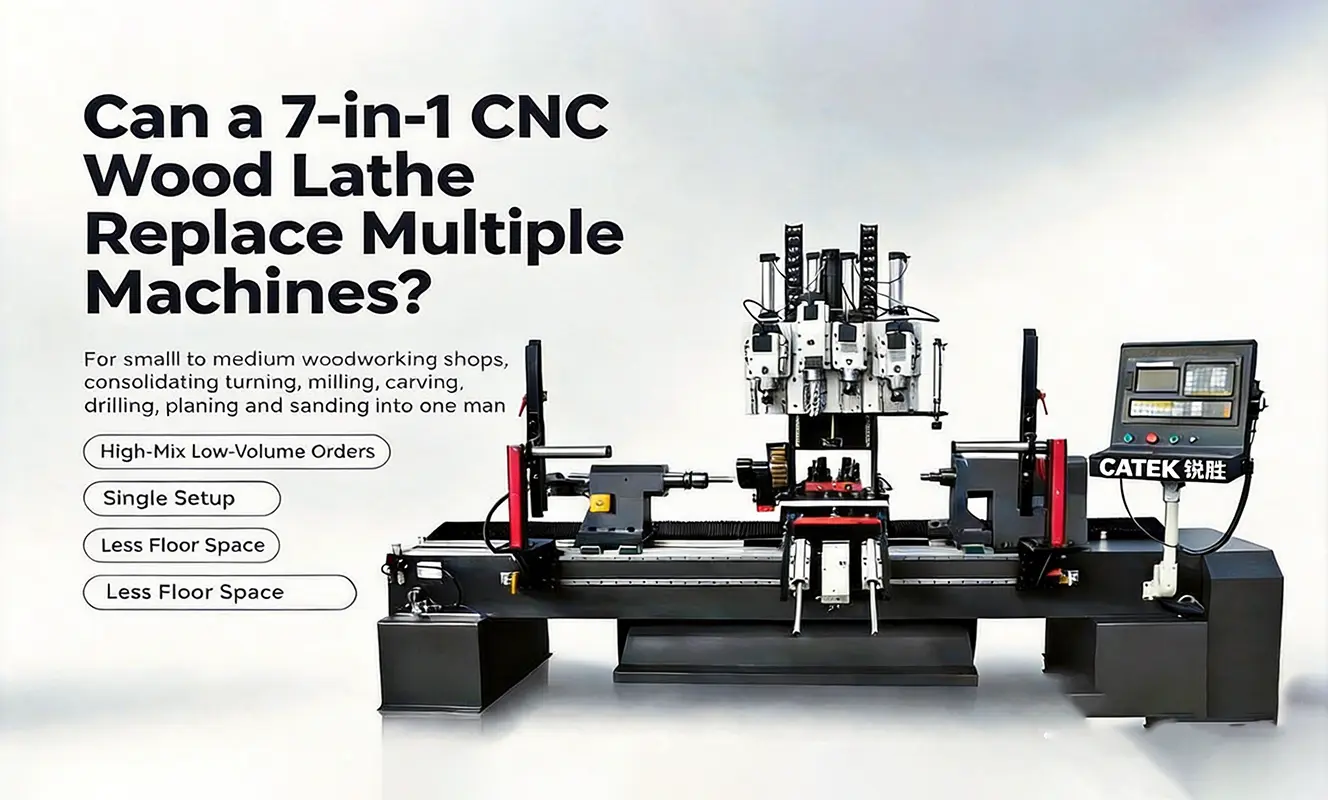
For small to medium-sized woodworking shops, the pressure from shifting order structures continues to mount. In the past, high-volume, low-variety orders meant a single machine could run the same product for months on end. Today, orders are smaller in quantity, broader in variety, and require frequent changeovers. The workshop floor is filled with dedicated equipment, and swapping between machines consumes an increasing amount of setup time. Each additional machine requires another operator, labor costs keep rising, and shop space grows tighter by the day.
A growing number of shop owners are now considering a different approach: replacing multiple dedicated wood lathe CNC machines with a single, more versatile unit—eliminating the time lost moving workpieces between stations and creating a more streamlined, continuous production flow.
Ⅰ.The Common Challenge for Small to Medium Woodworking Shops
- Space Constraints: Most small to medium woodworking shops operate within a few hundred square meters. More processes require more machines, and material storage consumes additional floor space. Adding new equipment or re-configuring the layout often means shutting down production to make room.
- Labor Costs: As the number of machines grows, so does the need for operators. In the traditional model, each dedicated machine requires its own operator, plus additional support staff. Wages consume an ever-increasing portion of total costs, leaving slimmer margins with every new hire.
- Market Demand: Yet what truly weighs on shop owners is not space or labor—it is the changing nature of orders themselves. In the past, long production runs of standard items kept machines continuously occupied. Today, the market has shifted toward customization and small batches. Carved table legs, curved chair backs, decorative profiles—these varied, fast-turnaround orders are now the norm. Frequent changeovers mean constant machine adjustments, and production efficiency steadily declines.
Faced with these compounding pressures, a growing number of shops are turning to a new approach: consolidating multiple machine functions into a single CNC wood lathe unit to achieve combined machining—doing more with less, and doing it all in one place.
Ⅱ.How Does a 7-in-1 System Enable One Machine to Do the Work of Many?
Why can one machine handle the workload that once required several pieces of equipment? The answer is not simply adding more functions together—it lies in rethinking how the work flows through the shop. The conventional approach assigns a dedicated machine to each operation: turning, milling, carving, drilling, threading, sanding. A workpiece moves from one machine to the next, and at every transfer, the operator repeats the same steps—re-clamping, re-zeroing, re-aligning. Beyond the labor and time this consumes, each move introduces fresh opportunities for misalignment, making precision drift the hidden cost of a fragmented process.
The 7-in-1 system takes a different approach. It keeps the workpiece at the center of the process. Turning, milling, carving, drilling, threading, and sanding are all built into a single wood CNC lathe, coordinated through a unified control system. Once the workpiece is clamped, it does not move again. Operations switch not by relocating the part, but by automatically changing tools and rotating the work to the required angle.
This integration is achieved through three layers of coordinated mechanisms:
- Automatic tool change. The program calls the required tool for each operation automatically—no manual intervention needed.
- Spindle coordination with multi-axis linkage. Once the workpiece is clamped, the X, Y, and Z linear axes work in conjunction with the rotary axis, allowing the spindle to approach from different angles for turning, milling, carving, drilling, and more. The workpiece remains stationary; tools change; the spindle reorients. This is the technical foundation that enables complete processing in a single setup.
- Unified control system scheduling. Cutting parameters, tool paths, tool change logic, and machining angles are all programmed into a single file. One output, fully automated execution from start to finish. The control system's job is not to stitch together six separate routines, but to coordinate the transitions and clearances between movements—ensuring the process runs continuously, safely, and efficiently.
Ⅲ. Advantages of the CATEK-1530-7T Multifunctional CNC Wood Lathe
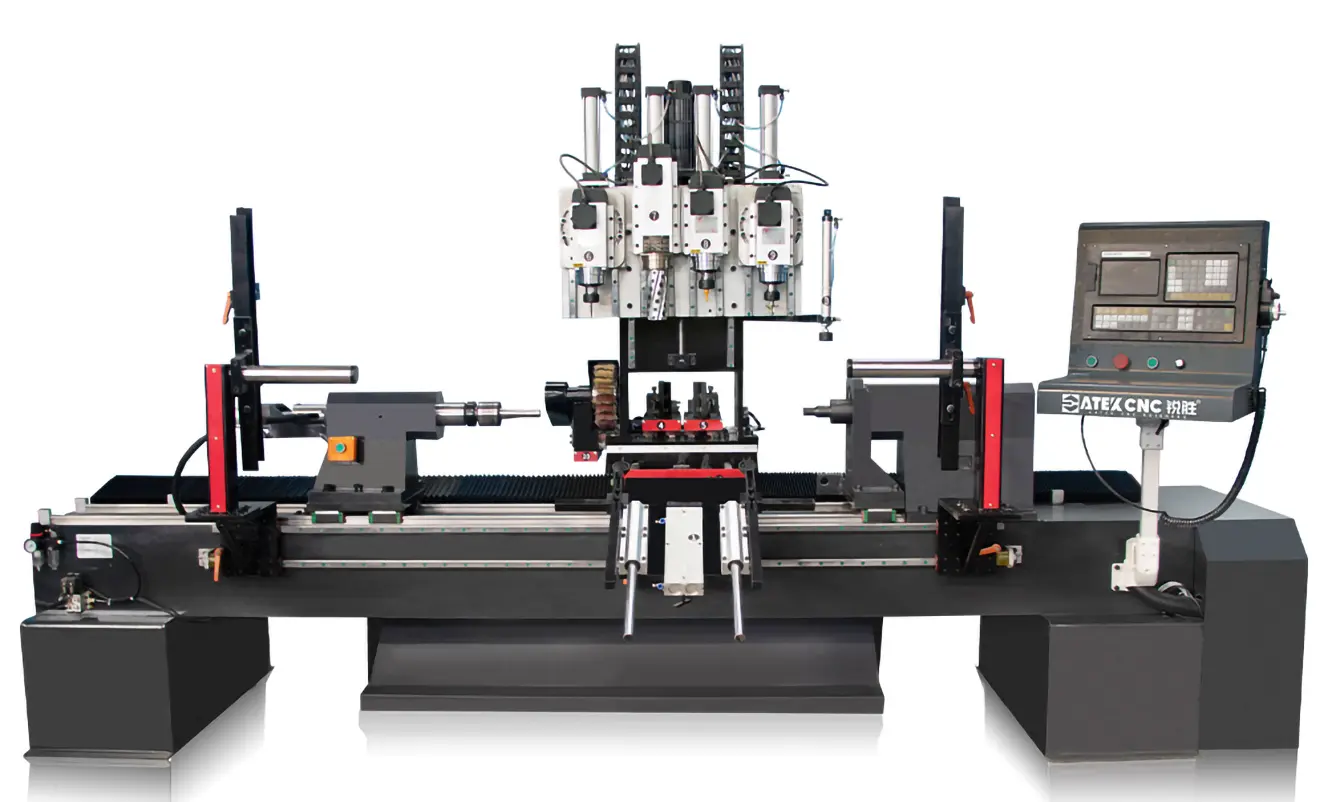
Based on the real-world challenges facing shop owners today, we developed the CATEK-1530-7T multifunctional CNC wood lathe. It is not a simple assembly of functions, but an industrial-grade production unit purpose-built for high-mix, low-volume, frequent-changeover environments.
1.Machining Capacity
| Item | Specification |
|---|---|
| Max. Machining Length | 1500mm (customizable) |
| Max. Machining Diameter | 300mm (customizable) |
| Repeat Positioning Accuracy | ±0.02mm |
| Machine Weight | 2300kg |
| Overall Dimensions | 3750×2350×1950mm |
The 1500×300mm machining envelope covers the most common solid wood turned parts—table legs, chair backs, balusters, decorative components, and similar profiles. For shops whose work is defined by custom furniture or high-mix, low-volume orders, CATEK-1530-7T multifunctional CNC wood lathe handles the majority of part sizes, reducing the need for dedicated equipment for different workpiece dimensions.
2. Structural Design & Drive System
- Bed: Heavy-duty integrally cast parallel twin beds, 30mm wall thickness class, total machine weight 2300kg. In combined machining scenarios, if bed rigidity is insufficient, the accuracy established in the first operation will drift by the second. Bed rigidity directly determines whether each process can be completed under stable conditions.
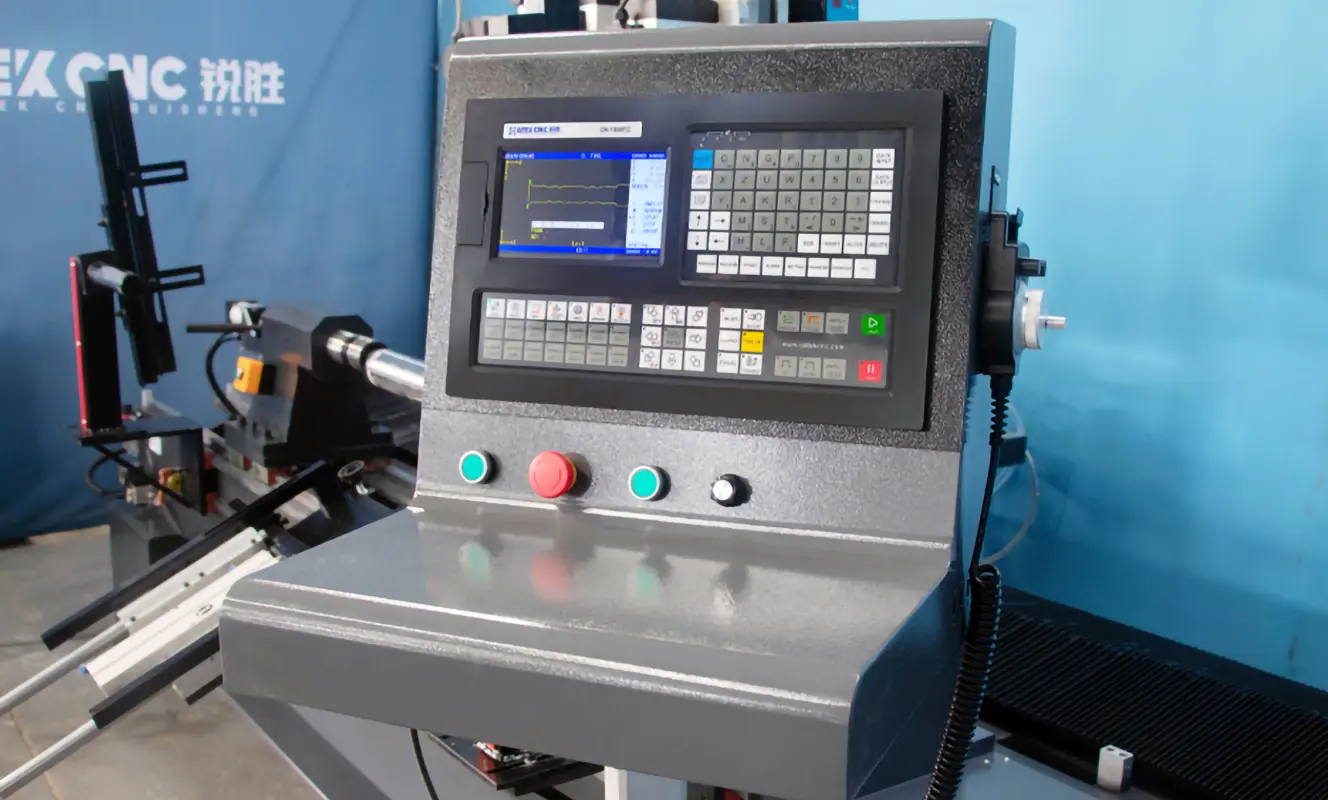
- Control Cabinet: Independently designed for interference immunity, reducing electrical interference with mechanical systems and facilitating routine maintenance access.
- Z-Axis Drive: High-precision helical rack with Taiwanese HIWIN 30 guide rails and flanged carriages—adapted for long-stroke heavy cutting.
- X/Y-Axis Drive: TBI ball screws with Taiwanese HIWIN 30 guide rails and flanged carriages—ensuring short-stroke precision positioning.
- Three-Axis Repeat Positioning Accuracy: ±0.02mm—for mating surface machining and carved details on wood-turned parts, this meets the vast majority of process requirements.
3. Functional System Configuration
| Function | Spindle / Power Configuration | Speed Range | Key Parameters |
|---|---|---|---|
| Turning | 4KW pure servo spindle | 0–6000 RPM | Dual tool mounting positions, automatic program-controlled changeover |
| Milling / Carving / Drilling | 6KW high-speed air-cooled spindle × 3 | 0–18000 RPM | Supports four-axis linkage, three spindles independently controlled |
| Planing | 7.5KW high-speed air-cooled spindle | 0–18000 RPM | Planer tool 150×60mm (customizable) |
| Sanding | Independent variable-frequency servo motor | 0–6000 RPM | Sanding wheel 230×50mm (customizable) |
The entire machining process runs as an automated production line. Turning completes, and the milling spindle takes over; milling finishes, and carving or drilling follows; planing and sanding wrap up the sequence in turn. The operator only needs to confirm that the workpiece is properly clamped at startup—everything in between is handled by the machine.
Smooth transitions between operations are important, but the real value lies in labor savings. The CK-1530-7T's three independent spindles can each hold a different tool—milling cutter, carving bit, drill bit—and the program calls each one in sequence as needed. Tool-change downtime is eliminated. The machine runs continuously, and the operator moves from tending a single machine to overseeing multiple production lines.
4. Automation & Operator-Friendly Features
Ultimately, the value of any piece of equipment—no matter how many functions it packs—comes down to two things: whether the operator finds it intuitive to use, and whether it runs reliably on the shop floor.
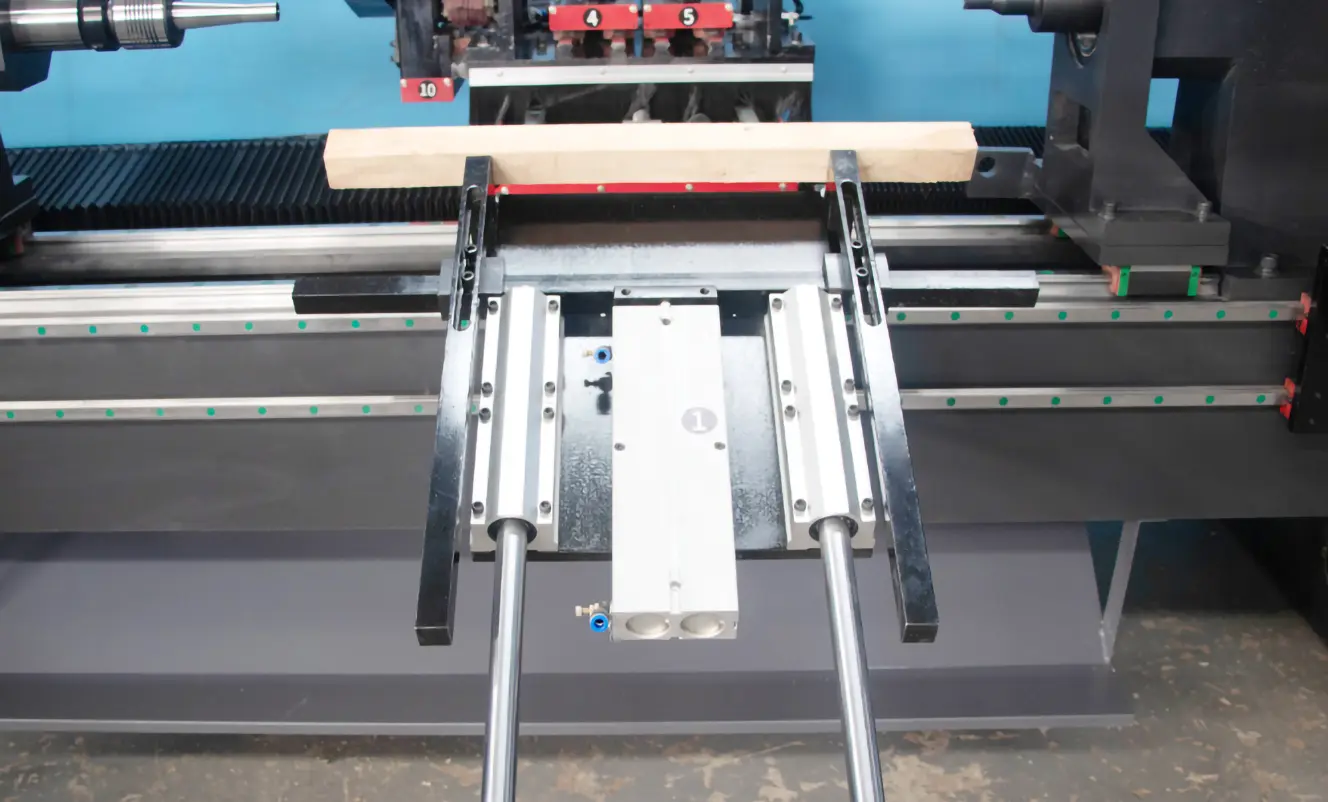
- Automatic Loading and Unloading: Pneumatic cylinder-driven multi-link mechanism. The operator simply confirms that the workpiece is in position; clamping is completed automatically. In batch production, this reduces physical effort and per-cycle loading time, while minimizing clamping inconsistency caused by operator variability.
- Centralized Lubrication: The lubrication status of guide rails and ball screws directly affects machine accuracy and service life. Relying on manual periodic oiling inevitably invites oversights or improper timing.
- Software Compatibility: CK-1530-7T compatible with major programming software including Artcam, Type3, CAD, and PowerMill. Supports standard G-code as well as u00, mmg, and plt formats. This means existing programming knowledge and experience can be applied directly—programmers do not need to learn a new software logic from scratch.
- Safety Protection: Photoelectric over-travel limit protection on all three linear axes—motion is automatically halted when travel exceeds the preset range.
- Electrical Components: Delixi/Schneider AC contactors and relays. Operating voltage: AC 380V/220V 50/60Hz, accommodating different shop floor power conditions.
Ⅳ. Which Machining Scenarios Benefit Most from This Integration?
Scenario 1: Table Legs
Table leg machining involves four operations—turning, milling, carving, and sanding. The conventional approach requires moving the workpiece between four dedicated machines, with re-clamping and tool realignment at each transfer. The CK-1530-7T completes all four operations in a single setup, with automatic, uninterrupted sequencing. The workpiece stays in place from start to finish, and positional accuracy is controlled directly by the program—eliminating the need for repeated manual corrections.
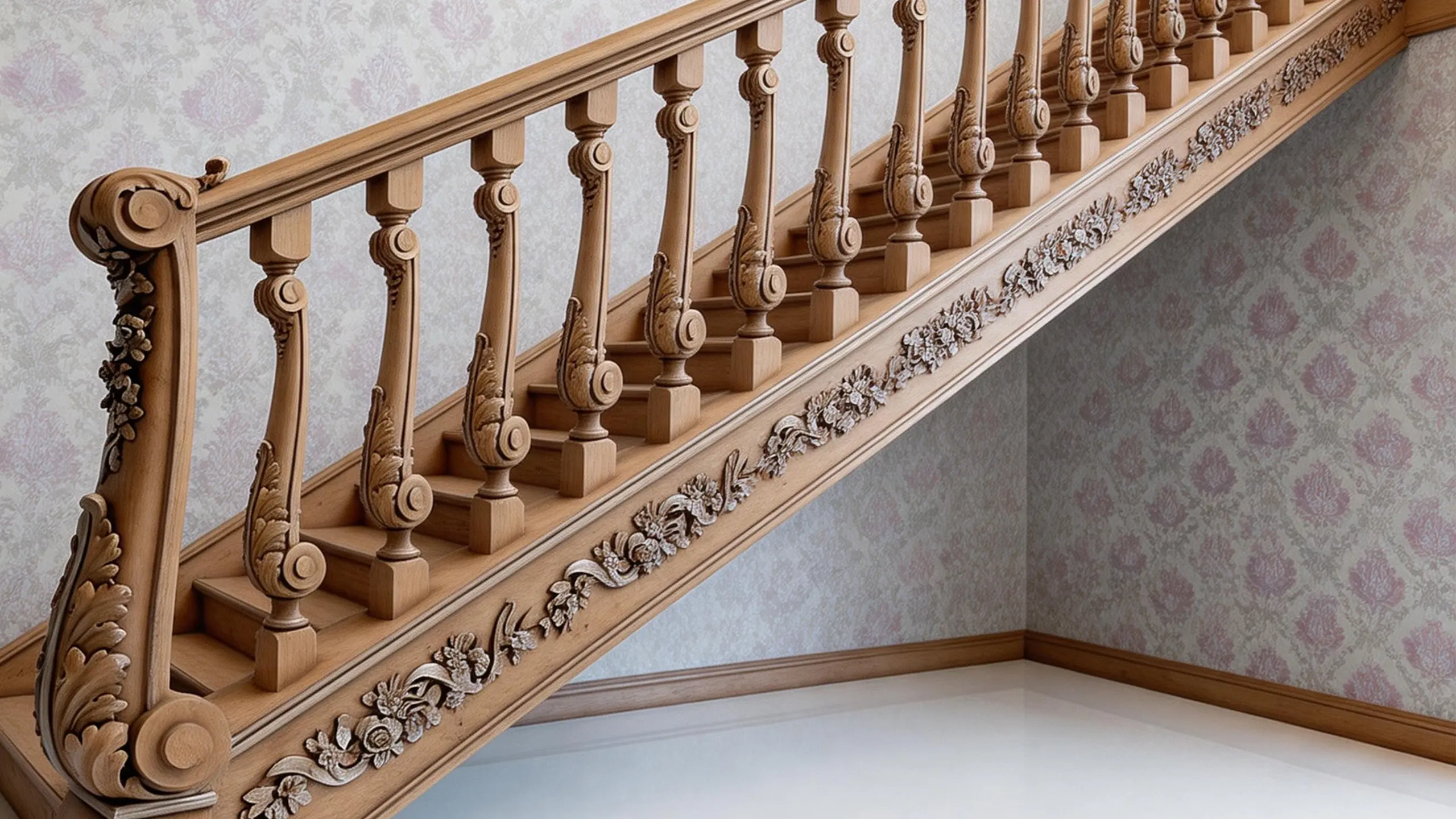
Scenario 2: Stair Balusters
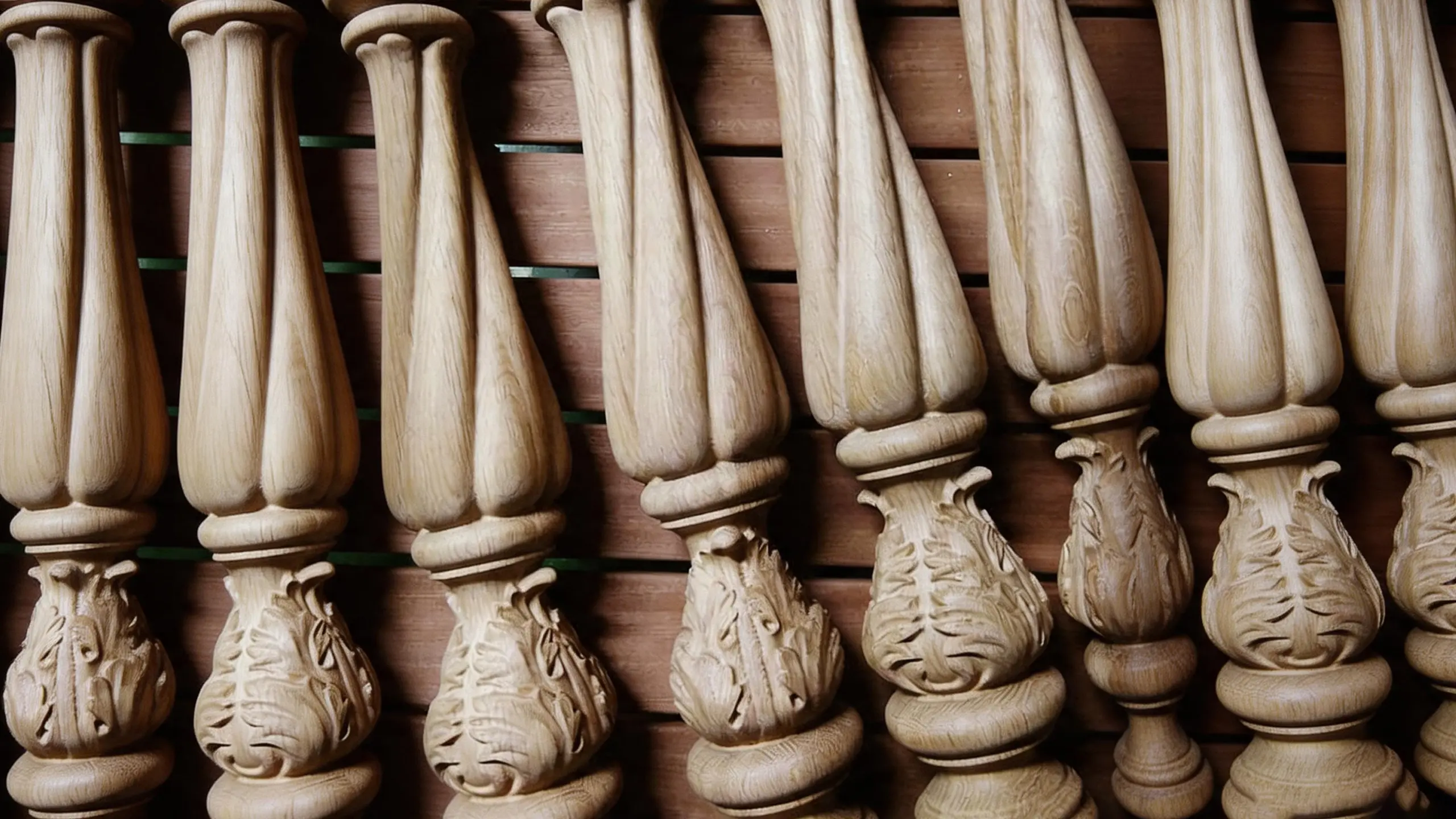
Baluster production requires turning the main body, milling the end profiles, and carving surface details—three distinct operations on the same workpiece. The CK-1530-7T handles all three in a single clamping, executing turning, milling, and carving sequentially under the same coordinate system. The positional relationship between features is maintained by the CNC wood lathe machine's precision—no handling damage, no secondary setup errors.
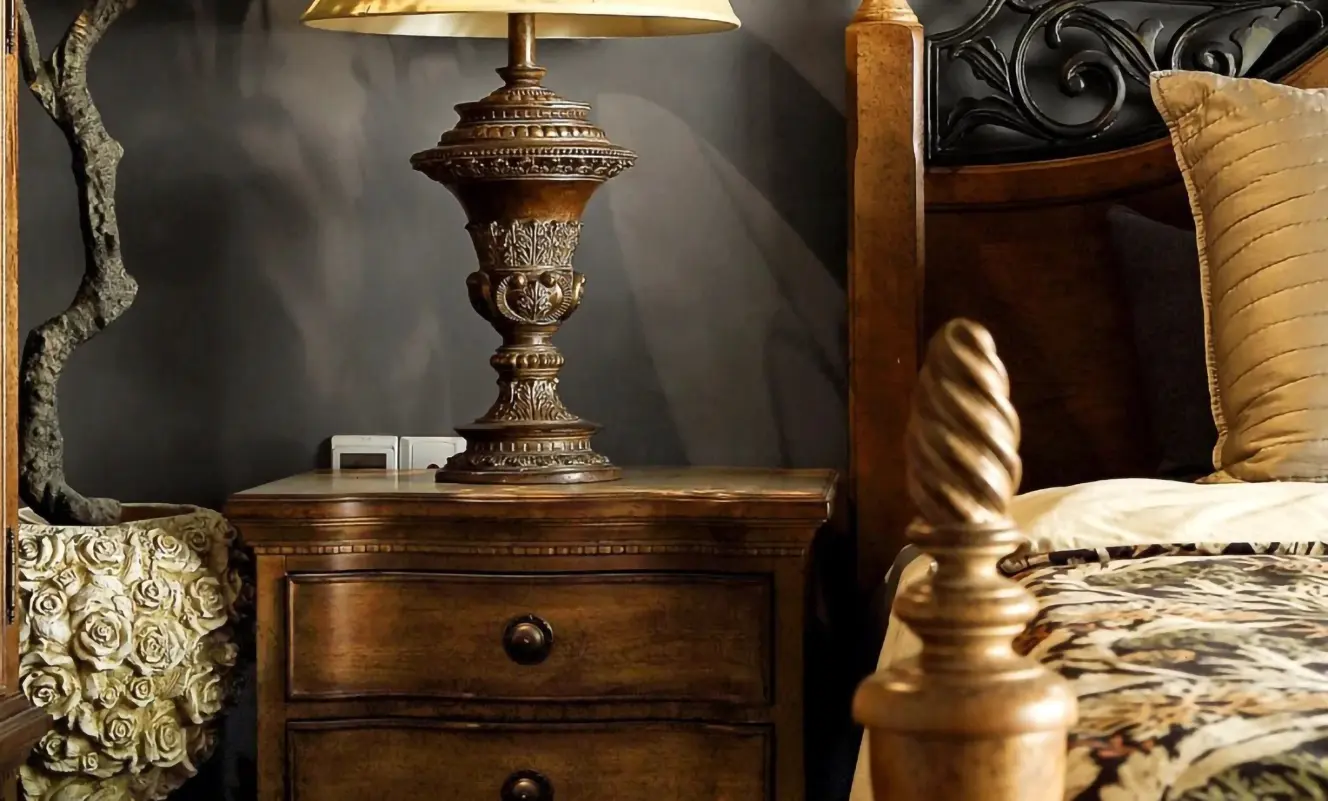
Scenario 3: Custom Furniture Components
High product variety, small batch sizes, and rapid design changes define this category. The CK-1530-7T's core value in this scenario is changeover efficiency. All operations are completed on a single machine; switching between products requires only a program change and corresponding tool swap—no workpiece transfer, no coordination between multiple machines. One piece finishes, and the next begins immediately.
Ⅴ.Machine Maintenance
Small to medium shops generally do not have dedicated maintenance teams. When a lathe wood CNC machine breaks down, they often have to wait for the manufacturer to send a technician—and that wait can stretch into days. The cost of downtime often exceeds the cost of the repair itself. With this reality in mind, the CK-1530-7T is designed to keep the maintenance barrier as low as possible.
1. Design Features That Lower the Maintenance Barrier
- Modular Electrical Design: The wood CNC lathe machine uses Delixi/Schneider AC contactors and relays—standard industrial components with mature supply channels and easy replacement. If a component fails, it can be replaced individually without taking the entire machine offline while waiting for a technician. Operators can simply follow the fault code and swap the corresponding part, significantly reducing downtime.
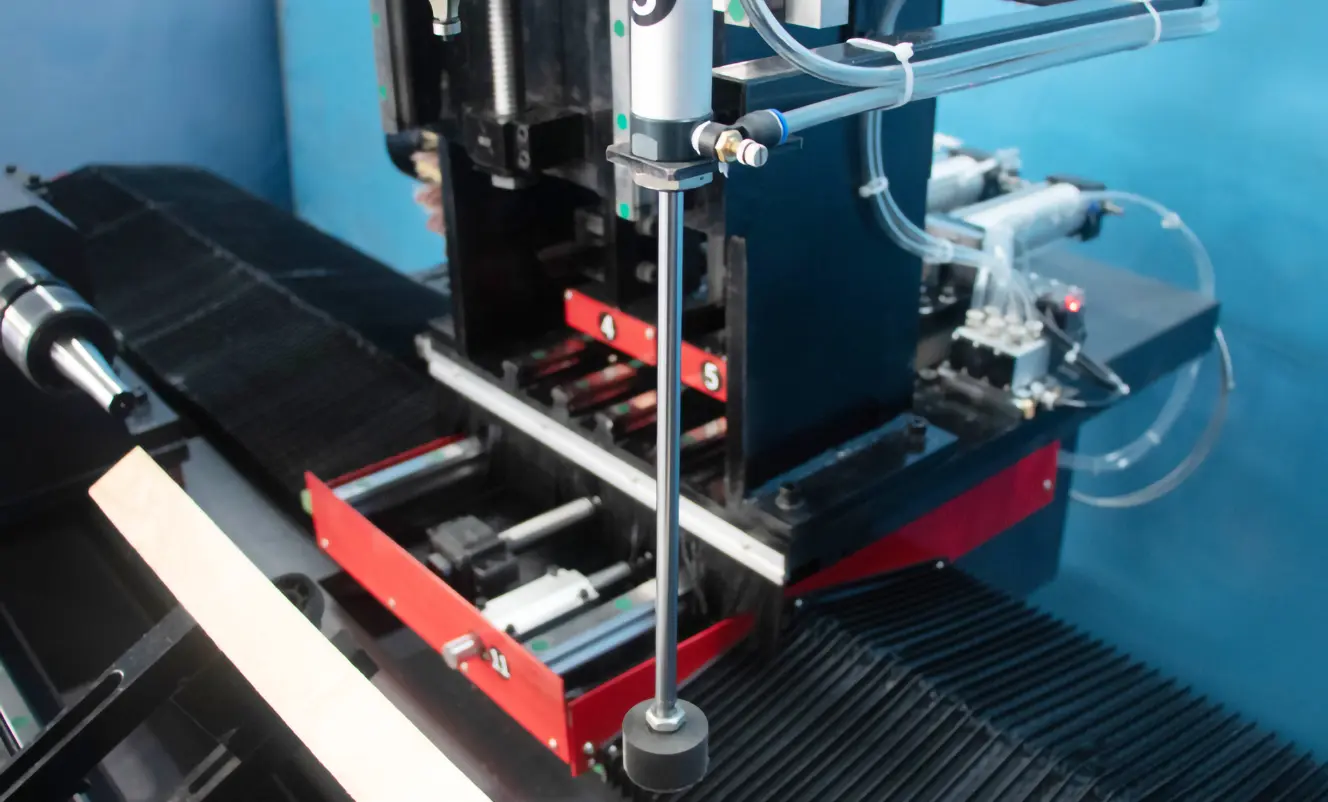
- Centralized Lubrication: Guide rails, ball screws, and other transmission components are serviced by a centralized electric lubrication system. Daily maintenance requires only following the manual to complete all lubrication points—no disassembly needed. Operators can complete the task in minutes, with no specialist involvement required.
- Support Videos and Remote Assistance: The machine ships with a full set of operation videos and routine maintenance tutorials. If operational issues arise, the technical team can provide guidance remotely—eliminating the need for on-site visits for every problem.
- Automatic Loading and Unloading: The four-link pneumatic loading and unloading system reduces manual clamping, which in turn reduces the risk of machine damage caused by improper clamping. Automated clamping delivers more consistent force than manual clamping, resulting in fewer machine anomalies caused by operator error.
2. Daily Maintenance Checklist
- Regularly remove sawdust and dust from guide rails and ball screws.
- Refill lubricating oil as indicated by the lubrication system.
- Inspect tool wear and replace tools promptly when needed.
- Keep the electrical cabinet interior clean to prevent dust accumulation that could affect heat dissipation
Ⅵ.FAQ
Q1: Why integrate seven functions into a single machine?
To solve the problem of mixed orders and frequent changeovers. The traditional approach dedicates one machine to each operation—switching products means switching machines, and the time spent on handling, clamping, and tool alignment often exceeds actual machining time. The CATEK-1530-7T multifunctional CNC wood lathe consolidates multiple operations into one machine, completing everything in a single setup. It eliminates the intermediate steps, and efficiency follows naturally.
Q2: Can it process materials other than wood?
Yes. In addition to wood, the CK-1530-7T is also suitable for industrial materials such as plastics, acrylic, and aluminum composite panels. The heavy-duty cast iron bed provides stable rigidity, and the 6KW spindle delivers sufficient cutting power—giving the machine a wide range of material adaptability.
Q3: Is the machine difficult to maintain?
Not at all. With modular electrical design, centralized lubrication, and the included operation videos and remote support—routine maintenance comes down to following the manual for oiling and cleaning. Operators can handle it themselves; no dedicated maintenance team is required.
Q4: What if I have complex workpieces?
Just send us the drawings. Our process team will evaluate the machining plan, design fixtures if needed, and map out the tool paths. Custom tooling can also be supplied upon request. The machine's capability is one thing—process support is another. We provide both.
Ⅶ.Conclusion
For small to medium woodworking shops, the key to overcoming the challenge of fragmented orders is not adding more machines—it is increasing the output efficiency of each machine. The CK-1530-7T consolidates seven operations into a single machine, allowing the workpiece to complete all machining in one setup—eliminating from the source the time lost to handling, re-clamping, and changeover adjustments.
Following the principle of one setup, complete machining, the machine reduces non-productive material handling, avoids accuracy loss from repeated positioning, and significantly increases effective cutting time. For woodworking shops looking to stay competitive in a high-mix, low-volume order environment, this 7-in-1 wood lathe CNC solution from CATEKCNC offers a practical path to upgrading production organization—backed by reliable machine performance and flexible processing capabilities.
RELATED MODELS
We recommend some related models for you...
The CK-1530-7T-5AXIS is a 5-axis, 7-in-1 CNC wood lathe. Equipped with two turning tool stations and one sanding station, it efficiently performs basic turning and automated sanding tasks traditionally handled by CNC wood lathes. Its five-axis machining capability is enabled by an overhead cross 4-head, 5-axis spindle. This multi-functional spindle can hold four processing tools and automatically switches between them via on-demand indexing of the B-axis or performs tilting machining. Combined ...
$13,800.00~$16,800.00
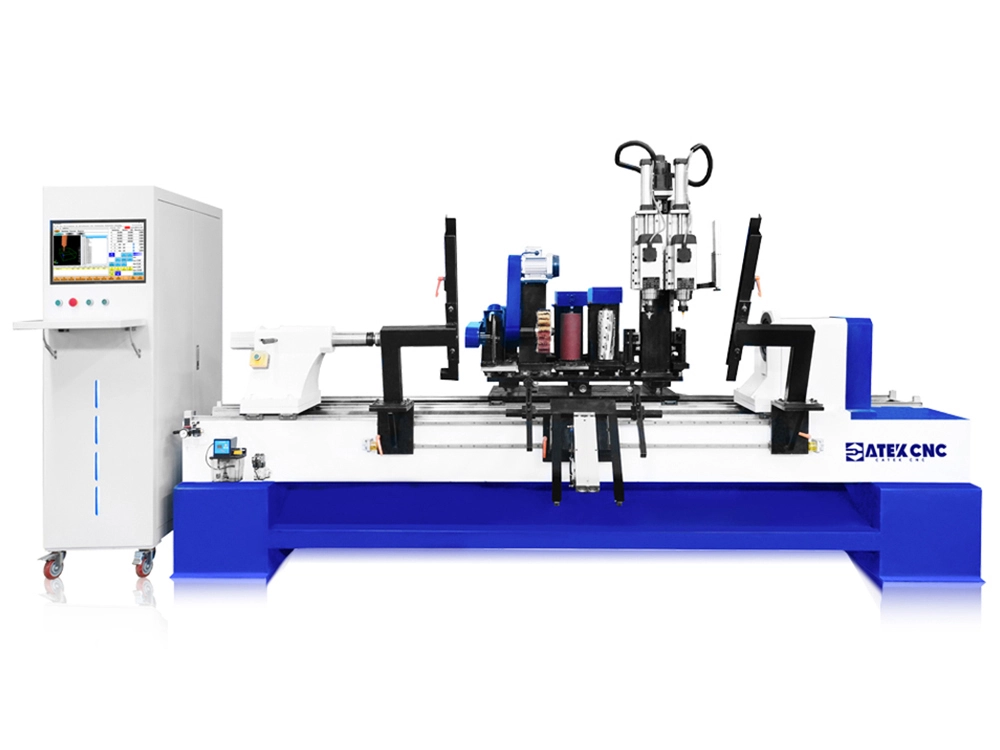
This is a very capable CNC wood lathe with extremely rich functions, which excels in machining complex workpieces that require multi-procedure. No matter how complex your procedure is, this lathe can complete all procedures in a single clamping, whether you are a large-scale factory, a full-time craftsman or a woodworking hobbyist, this machine can meet your needs.
$11,999.00~$18,000.00
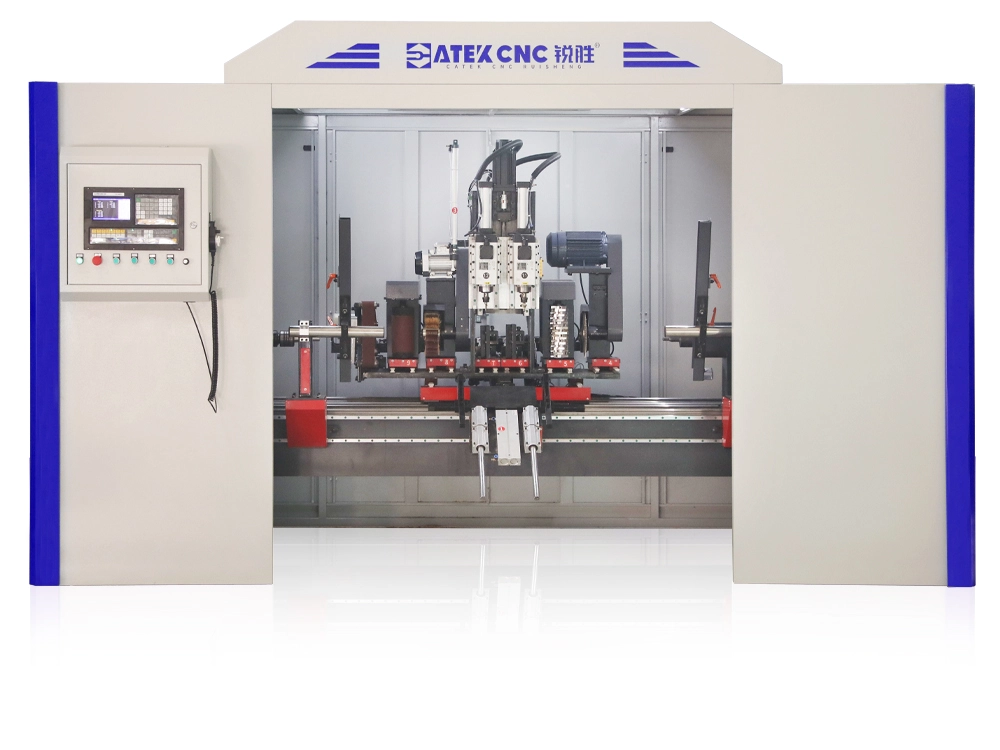
This is a 9-in-1 CNC wood lathe whose nine processing kits are: two turning tool stations, two 4.5KW high-speed air-cooled spindles, an independent large planer, a combined saw blade, a sanding wheel, a oscillating spindle sanding roller, and a sanding belt. During processing, these tools are automatically scheduled by the control system and switched on demand, demonstrating excellent performance in multi-tool machining scenarios. There's no need to manually change tools or re-clamp workpieces, ...
$13,800.00~$19,800.00

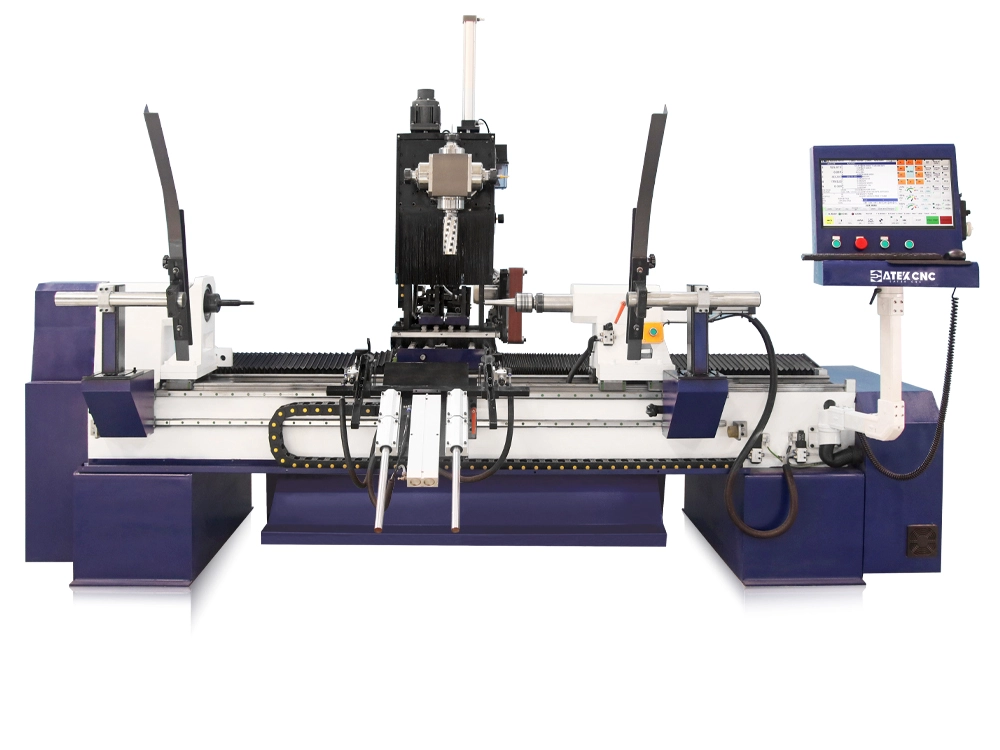
This is a highly cost-effective 7-in-1 multi-functional CNC wood lathe launched by CATEKCNC in 2025. It is equipped with two turning tool positions, one large planer, three multi-functional spindles, and one sanding device. The core feature of this machine is the inclusion of an independent planer driven by a 7.5KW spindle, and the power of the multi-functional spindles has also been upgraded to 6KW, making it more suitable for various milling, drilling, and grooving tasks. It can machine variou...
$9,000.00~$12,150.00