


{{goods.model}}
How to Use a CO2 Laser Cutting Machine
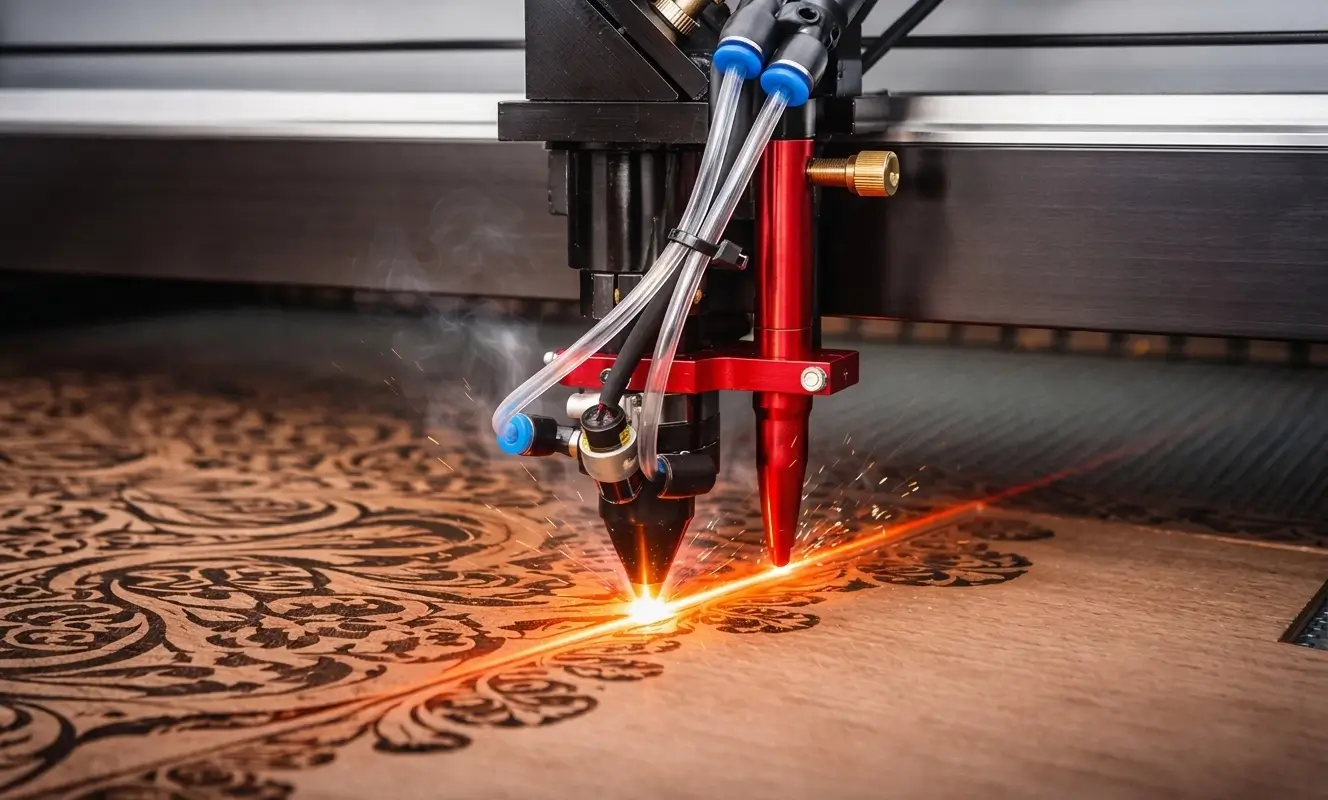
CO2 laser cutting machines are among the most widely used CNC machines in industries such as advertising signage, woodworking, acrylic, leather processing, packaging, and craft manufacturing. These machines are capable of producing extremely precise cuts and detailed engravings on a wide range of non-metal materials.
However, many beginners encounter problems when using a CO2 laser cutting machine for the first time. Improper installation, incorrect parameter settings, or poor maintenance can lead to weak cutting power, burnt edges, or even machine damage.
This comprehensive guide explains how to use a CO2 laser cutter step by step, including installation, configuration, operation, safety, and maintenance. Even if you are completely new to laser machines, this guide will help you understand the entire workflow clearly.
I. Understanding the Working Principle of CO2 Laser Cutting Machines
Before operating the machine, it is important to understand the basic working principle.
A CO2 laser cutting machine uses a sealed glass laser tube filled with carbon dioxide gas to generate an infrared laser beam. The laser beam is transmitted through a system of mirrors and focused through a lens onto the material surface. The concentrated energy heats the material rapidly, causing it to melt, burn, or vaporize, resulting in precise cutting or engraving.
Typical specifications for industrial-grade CO2 laser cutting machines include:
Laser power: 40W–600W
Common working area: 400mm × 400mm-1500mm × 3000mm
Engraving speed: Up to 60,000 mm/min
Cutting speed: Up to 10,000 mm/min
Supported file formats: JPG, JPEG, PLT, DST, PLT, BMP, DXF, AI
CO2 laser cutters are primarily used for processing non-metallic materials such as:
- Wood and plywood
- Acrylic and plexiglass
- Leather and textiles
- Rubber sheets
- Paper and cardboard
- Medium-density fiberboard (MDF)

Due to the flexibility and cost-effectiveness of the 1390 CO2 laser cutter, it is widely adopted in small-scale industrial production lines.
II.Main Components of CO2 Laser Cutting Machine
A CO2 laser cutting machine is a highly integrated system comprising multiple precision components that work in concert to achieve high-speed, high-precision, and stable cutting performance. To ensure reliable operation, industrial CO2 laser cutters are equipped with specialized control systems, drive systems, CO2 laser tubes, optical transmission systems, air-assisted systems, and exhaust systems. Each component plays a vital role in maintaining cutting quality, machine stability, and extending service life. Understanding the structure of CO2 laser cutting machines helps users operate the equipment correctly and select appropriate configurations for different materials.
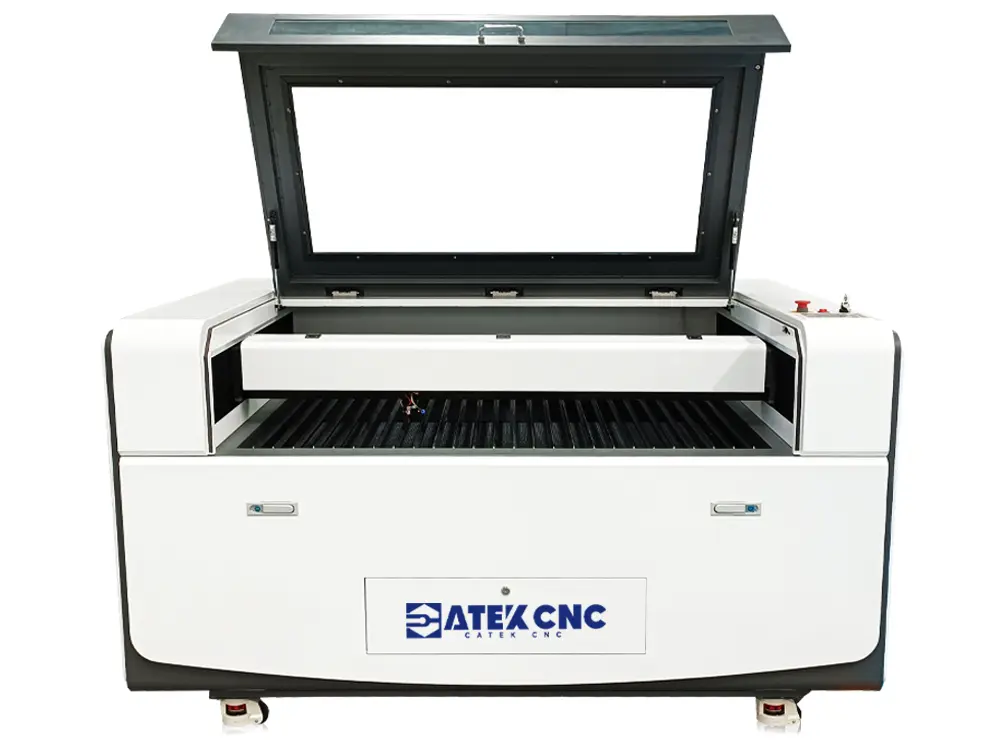
1.Laser Control System
The control system is the core component of a CO2 laser cutting machine, responsible for managing all machine operations including motion control, laser power output, speed adjustment, and cutting path. A high-quality laser control system ensures the machine can process complex patterns with high precision and maintain stable performance during extended operation.
Industrial CO2 laser cutters are typically equipped with advanced digital controllers, such as the RUIDA control system. This system supports USB transmission, offline operation, and compatibility with mainstream design software including CorelDRAW, AutoCAD, and RDWorks. Operators can easily configure parameters like cutting speed, laser power, and work area via the control panel, making it suitable for both beginners and professional users.
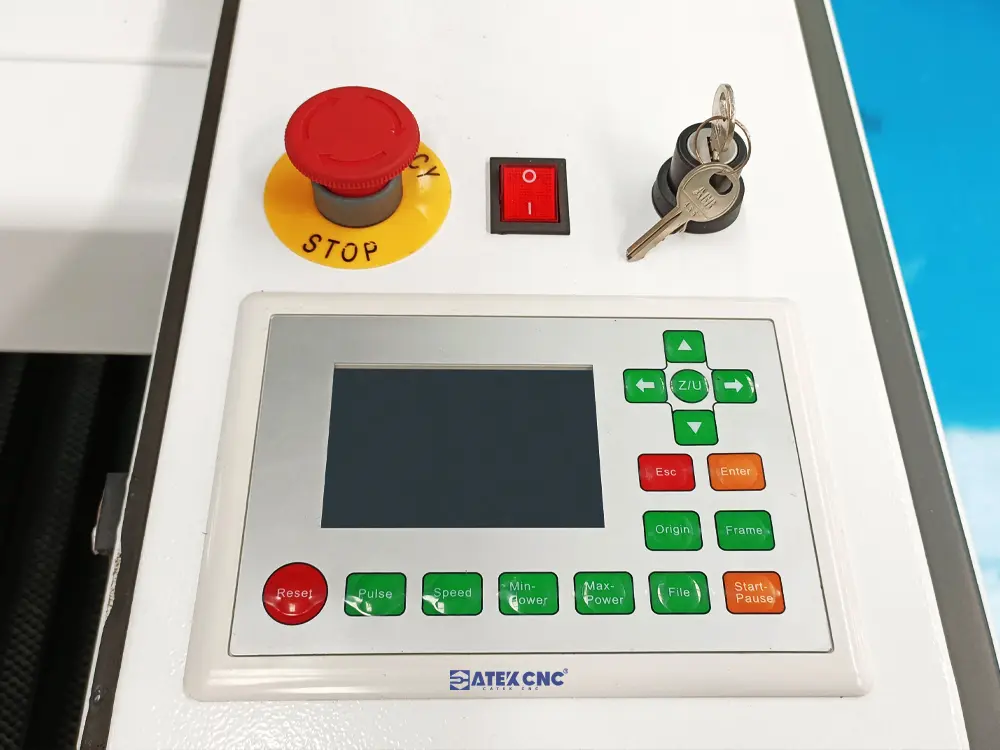
A reliable laser control system for CO2 laser cutter not only enhances cutting precision but also reduces operational errors and boosts overall productivity, which is particularly crucial for commercial and industrial laser cutting applications.
2.Transmission and Drive System
The drive system is one of the critical components of a CO2 cutting machine, as it directly determines the equipment's motion precision, processing speed, and stability. A high-quality drive system enables the laser head to move smoothly along the X and Y axes, ensuring precise cutting lines and clear engraving details even during high-speed operation. In modern laser equipment, the motion system works in tandem with the control system to execute processing paths generated by design software, accurately reproducing complex graphics.
The actual movement of the laser head is driven by motors. CO2 laser machines typically employ either stepper motors or servo motors in their drive systems, depending on machine configuration and application requirements. Stepper motors are widely used in standard laser engravers due to their low cost, simple structure, and stable performance. They are suitable for engraving text, patterns, and general cutting tasks that do not demand high speed. Stepper motor systems require no complex parameter adjustments, offering affordability, flexibility, and ease of maintenance, making them ideal for small workshops and the advertising industry.
For industrial applications demanding higher speed and precision, servo motors are commonly employed in high-end CO2 laser cutters. Compared to stepper motors, servo motor systems offer faster response times, smoother motion, and superior positioning accuracy. They are suitable for large-format sheet cutting, high-speed engraving, and continuous production operations. Servo motors provide greater adaptability and stronger load capacity, maintaining stable performance even during prolonged operation, making them the preferred choice for professional and industrial laser processing equipment.
Beyond motors, common transmission methods include belt drives, rack-and-pinion drives, and ball screw drives, each engineered for specific machine sizes and processing requirements.
3.CO2 Laser Tube
The CO2 laser tube is the core component that generates the laser beam used for cutting and engraving. In a CO2 laser cutting machine, the laser tube converts electrical energy into a high-energy laser beam with a wavelength of 10.6 μm, which is highly suitable for non-metal materials.
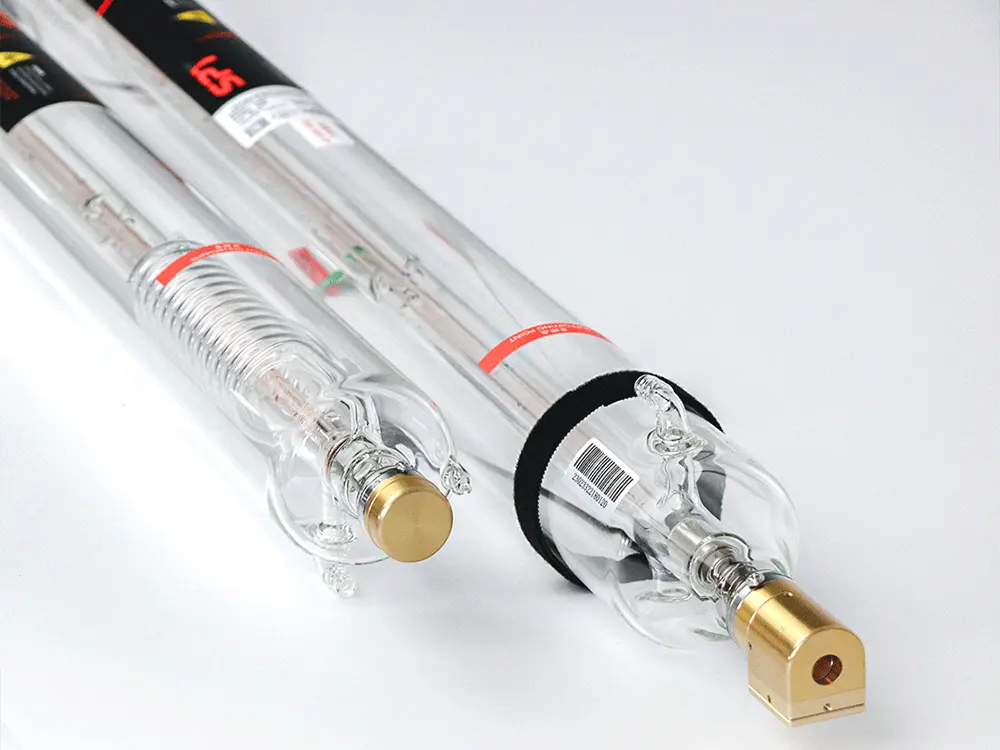
Industrial machines are commonly equipped with well-known laser tube brands such as RECI or YongLi, providing stable output power and long service life. Different power levels, such as 80W, 100W, 130W, or 150W, allow the machine to process different material thicknesses. Lower power is suitable for engraving and thin materials, while higher power is required for cutting thick acrylic or wood boards.
A high-quality CO2 laser tube for laser cutter ensures stable performance, consistent cutting results, and longer operating time.
4.Laser Mirrors and Focusing Lens
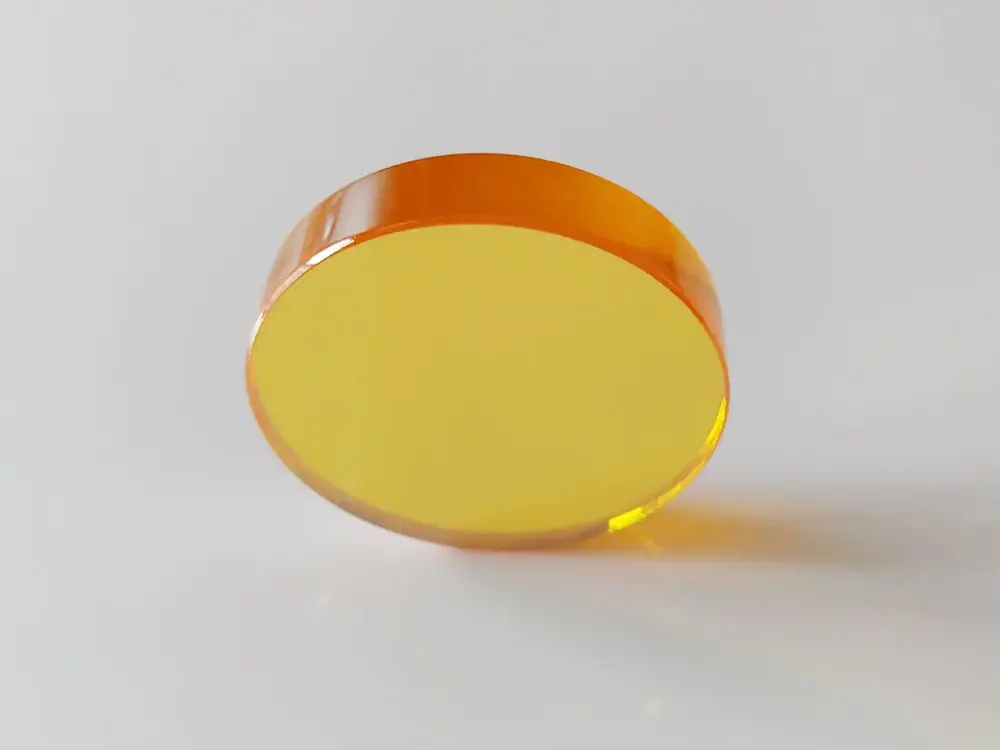
After the laser beam is generated inside the laser tube, it must be transmitted to the cutting head through an optical system. This system includes several mirrors and a focusing lens that guide and concentrate the laser beam onto the material surface.
The mirrors are responsible for reflecting the laser beam along the correct path, while the focusing lens concentrates the energy into a very small point, allowing the machine to cut materials with high precision.CATEKCNC CO2 laser cutting machines utilizes high-quality optical components with special coatings to reduce energy loss and enhance cutting efficiency.
5.Water Chiller Cooling System
During operation, the CO2 laser tube generates heat continuously. Without proper cooling, the temperature will rise quickly and may damage the laser tube or reduce its lifespan. For this reason, every industrial CO2 laser cutting machine is equipped with a water cooling system.
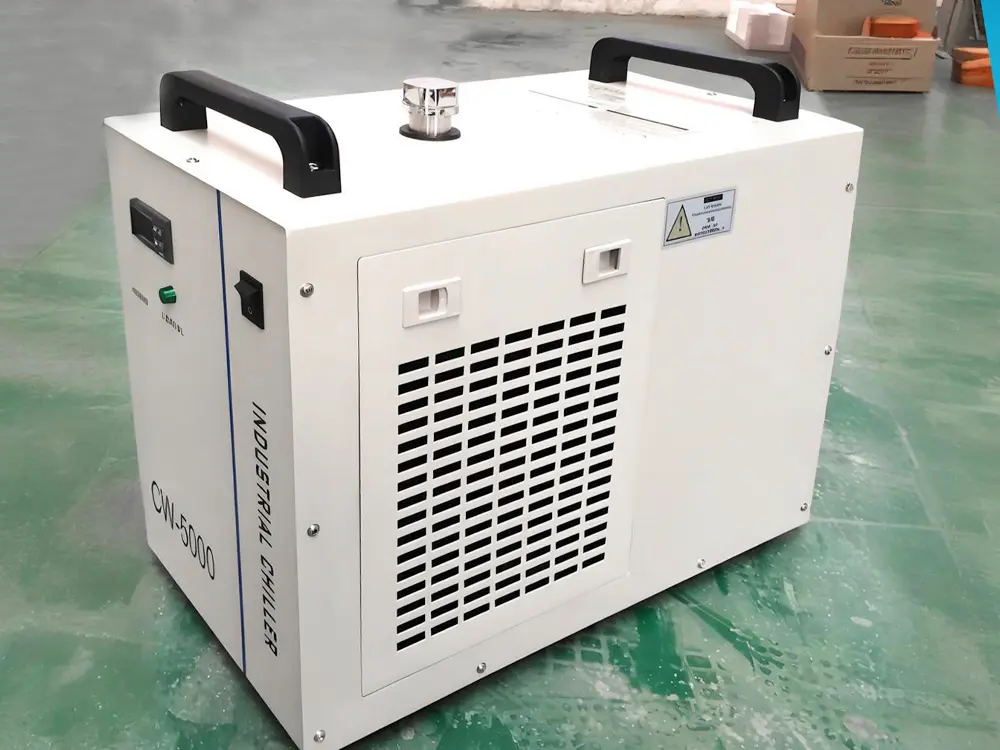
The water chiller circulates cooling water through the laser tube to keep the temperature within a safe range. Professional chillers such as CW3000, CW5000, or CW5200 are commonly used in laser cutting equipment to provide stable and efficient cooling performance.
6.Air Compressor
During laser cutting, compressed air is blown through the nozzle to remove smoke and debris from the cutting area.The airflow prevents materials from burning excessively, keeps the cutting surface clean, and reduces the chance of lens contamination. In addition, air assist helps cool the cutting point, which is particularly important when cutting acrylic, wood, or plastic materials.
7.Exhaust System
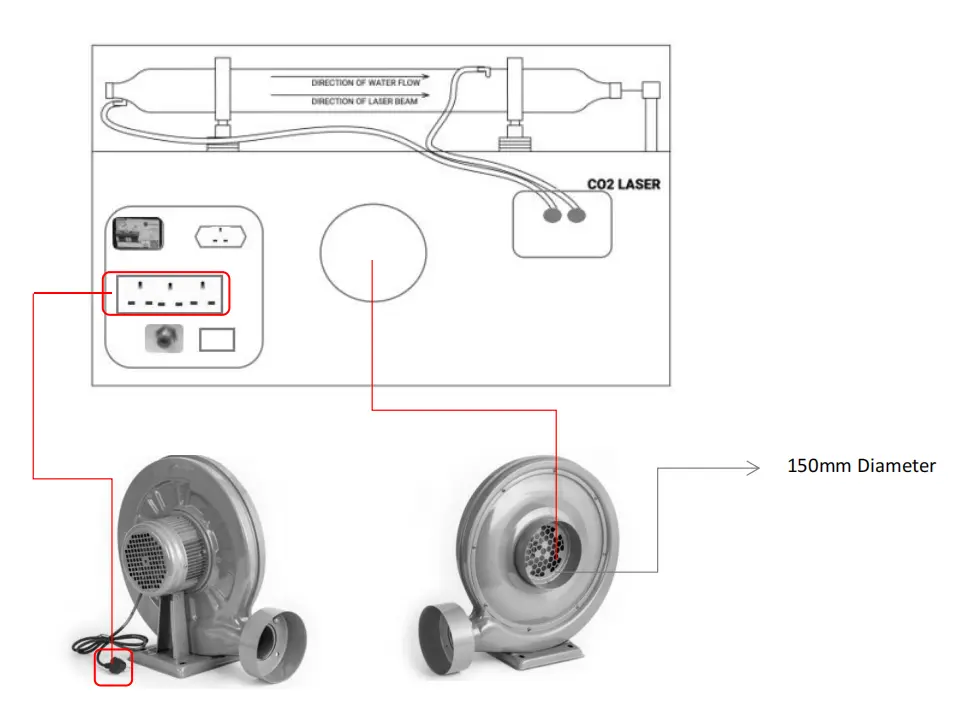
During laser cutting, the high temperatures generated by the laser beam cause material vaporization, producing smoke and fine particles. If these contaminants are not promptly removed, they may compromise cutting quality, contaminate the optical system, and shorten the machine's service life. A professional laser exhaust system is designed to rapidly evacuate smoke generated in the work area and discharge it outdoors via ventilation ducts. This system typically includes an exhaust fan, ventilation ductwork, and a machine exhaust port connected to the rear of the laser cutting machine.
III. How to Install a CO2 Laser Cutter
1. Selecting a Suitable Installation Environment
The CO2 laser cutter should be installed in a clean, stable environment.
Recommended conditions:
- Temperature: 0°C – 40°C
- Humidity: 5% – 95%
- Flat, vibration-free floor
- Adequate ventilation
- Reliable power supply
Avoid dusty or humid environments to prevent damage to optical components.
2. Unpacking and Inspecting the Machine
Upon machine arrival:
- Carefully open the wooden packaging.
- Check the parts list.
- Use a forklift to transport the machine to the installation site.
- Adjust the machine feet to ensure the frame is perfectly level.
A stable machine improves cutting accuracy and reduces vibration.
3. Install the Exhaust System
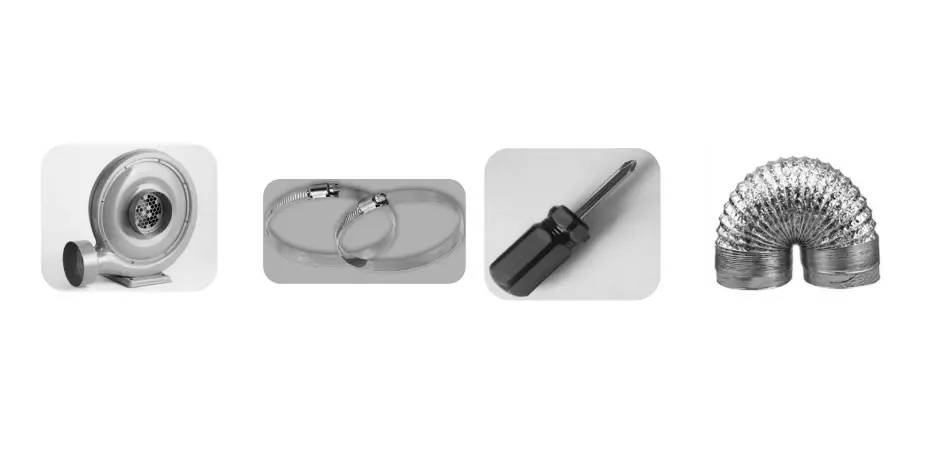
- Connect the aluminum exhaust pipe to the machine outlet.
- Connect the ducting to the exhaust fan.
- Secure with hose clamps.
The exhaust system removes smoke generated during laser cutting.
4. Installing the CO2 Laser Tube
Laser tube installation requires careful alignment.
Basic steps:
- Open the rear cover of the machine.
- Place the laser tube onto the mounting bracket.
- Adjust the height so the beam aligns with the first mirror.
- Maintain a distance of 3-5 cm between the tube and the mirror.
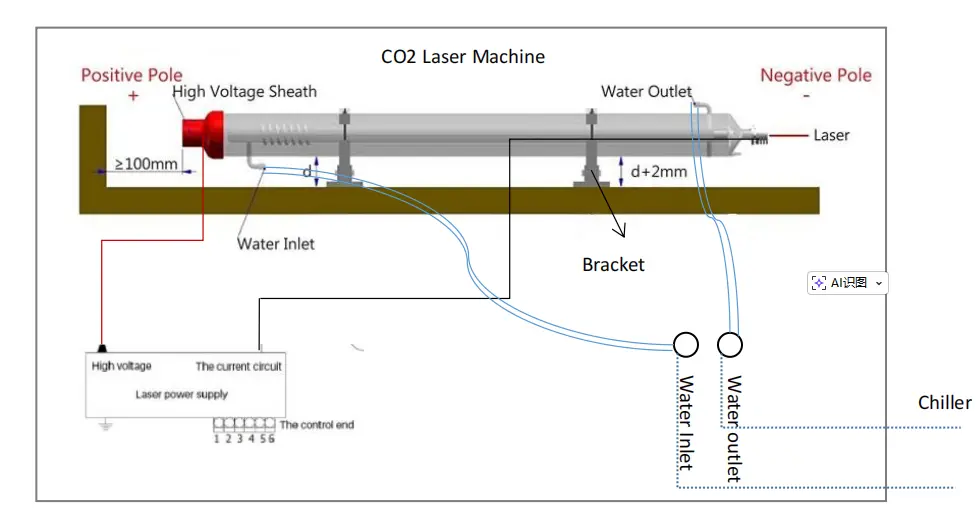
- Connect the positive and negative high-voltage cables.
- Install the cooling water tube.
Improper installation may cause laser misalignment or equipment damage.
5. Installing the Water Chiller
The cooler must be connected before starting the machine.
- Connect the cooler's outlet to the machine's inlet.
- Reconnect the machine's outlet to the water chiller's inlet.
- Fill the water tank with purified water.
- Connect the alarm cable to the machine.
Always check the water level before starting the system.
6. Install the Air Compressor
Connect the air compressor to the laser head via the air hose.
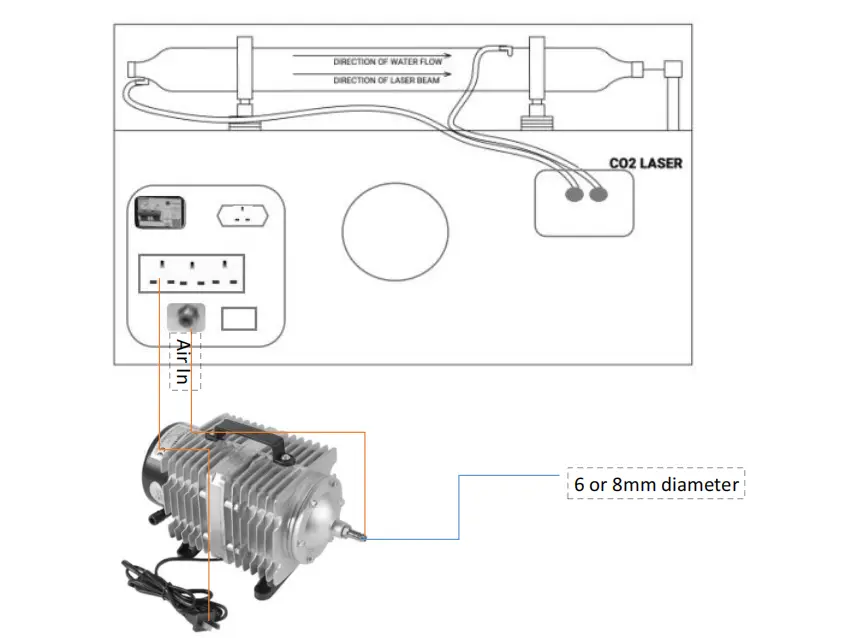
Ensure:
- The air hose is straight
- There are no kinks or blockages
- Stable air pressure
This airflow helps prevent fires during the cutting process.
IV. How to Operate a CO2 Laser Cutting Machine
After installation, follow these steps to start up the CO2 laser cutting machine:
1. Power on the machine in the correct sequence
Start the equipment in the following order:
(1) Water chiller
(2) Air compressor
(3) Exhaust fan
(4) Laser machine
This ensures the cooling and ventilation systems are operational before the laser begins operation.
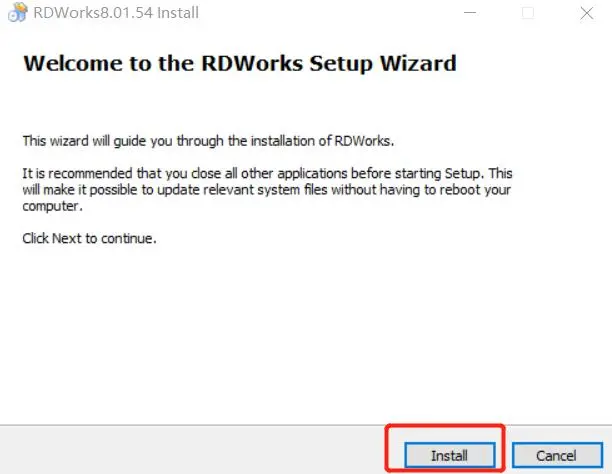
2. Install and launch the laser software
Most machines use RDWorks V8 control software.
System requirements:
- Windows XP or later
- CPU 586 or higher
- At least 1GB of RAM
Install the software, then connect the computer to the machine using a USB cable.
3. Import design files and configure parameters
Design files can be created using the following software:
- CorelDRAW
- AutoCAD
- Adobe Illustrator
Common supported formats include: DXF, AI, BMP, JPG, PLT.
Transfer design files to the laser controller via USB.
Configure parameters such as:
- Laser power
- Cutting speed
- Engraving speed
- Layer settings
4. Adjusting Laser Focus
Proper focusing ensures powerful cutting performance.
Steps:
(1) Place the material on the worktable.
(2) Adjust the table height.
(3) Ensure the focal point is precisely on the material surface.
Improper focusing will reduce cutting quality.
5. Begin Cutting
Once everything is ready:
- Position the material in place.
- Use the selection tool to preview the cutting area.
- Start the process.
Continuously monitor the cutting process.
V. Safety Guidelines for Operating CO₂ Laser Cutting Machines
Due to the high voltage and invisible laser beams involved in laser cutting machines, safety precautions are critical.
- Wear laser safety goggles during setup.
- Never touch high-voltage components.
- Keep flammable materials away from the machine.
- Ensure adequate ventilation.
- Don’t operate the machine unattended.
VI. Maintenance Tips for CO2 Laser Cutting Machines
Regular maintenance enhances performance and extends machine lifespan.
- Periodically clean mirrors and lenses with cotton swabs and alcohol.
- Maintain the cooling system: Change water regularly, clean the cooler filter, and check water flow.
- Clean ventilation ducts and inspect airflow pressure.
- Monitor laser tube current; operating current exceeding recommended values significantly shortens its lifespan.
VII. Conclusion
Proper operation of CO2 laser cutting machines is essential for achieving precise cutting results, maintaining equipment safety, and maximizing machine lifespan. By employing suitable motor types, transmission structures, and cooling configurations, modern CO2 laser engraving and cutting machines can deliver efficient, high-precision processing and extended service life.
RELATED MODELS
We recommend some related models for you...
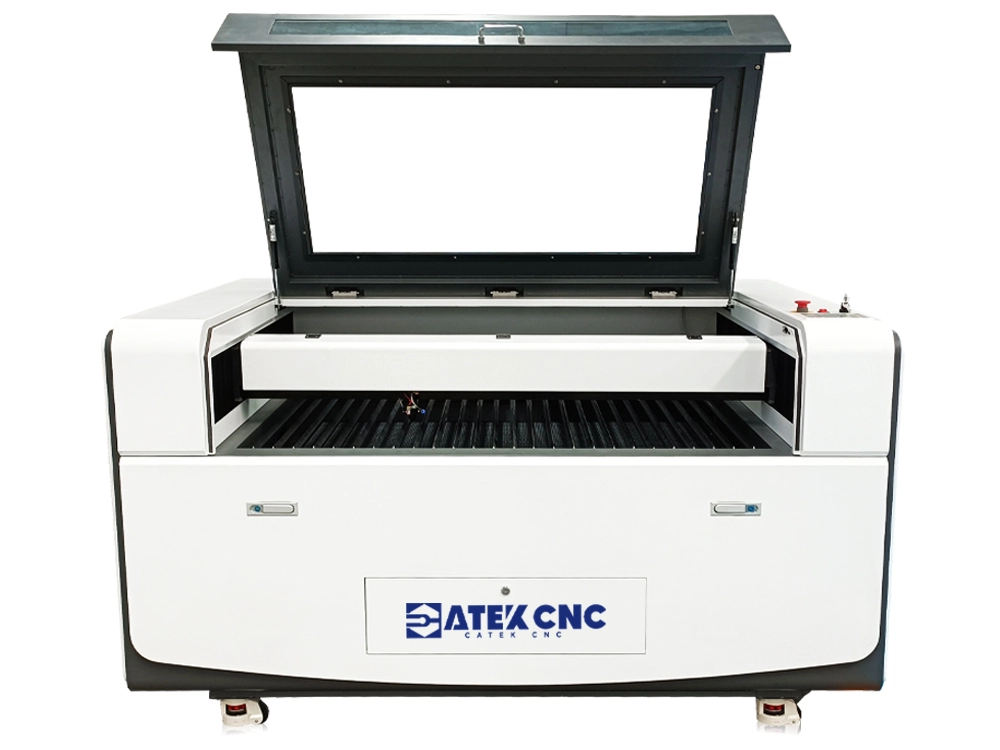
The CO2 laser cutting and engraving machine is a type of equipment that utilizes a CO2 laser as its laser source to process materials. It emits laser beams with a wavelength of 10.6μm, designed for precision cutting and engraving of non-metallic materials such as acrylic, plastic, bamboo/wood, glass, ceramics, crystal, and rubber. Typical applications include wooden jigsaw puzzles, acrylic signage letters, wooden logos, seals, etc.
$2,650.00~$4,050.00
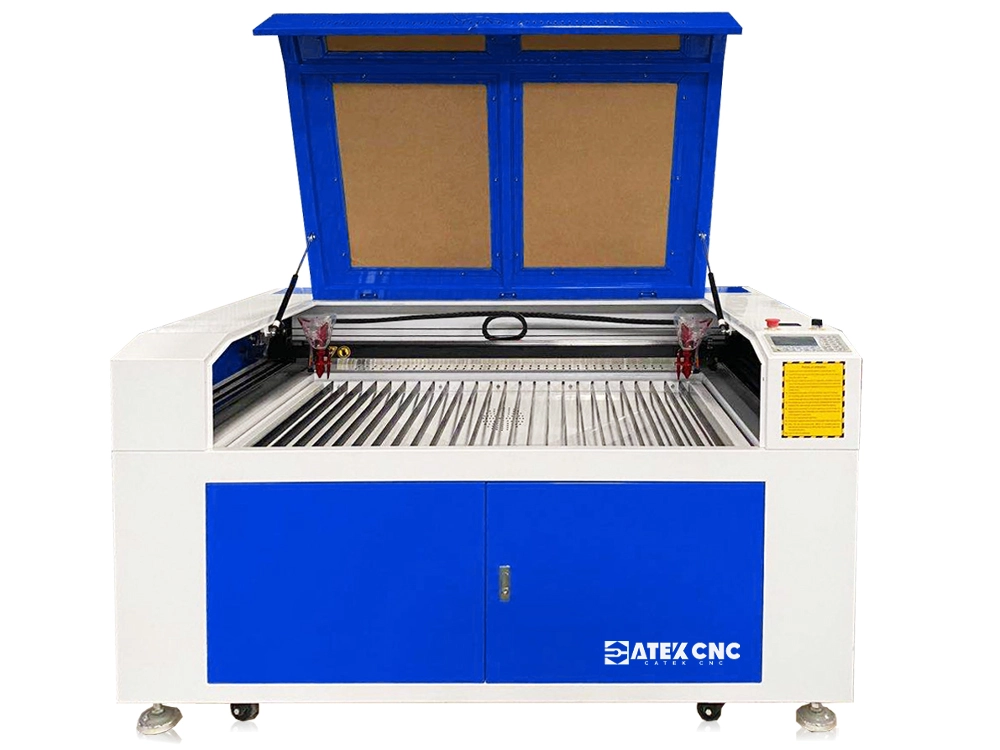
This machine features two identical processing stations, each equipped with an independent laser head, allowing the simultaneous processing of two identical products. It can be selected with 80W, 100W, and 150W lasers, and is widely used for cutting wood, acrylic, leather, epoxy resin, PE, PP, PVC, carbon fiber and other materials.
$3,400.00~$6,250.00
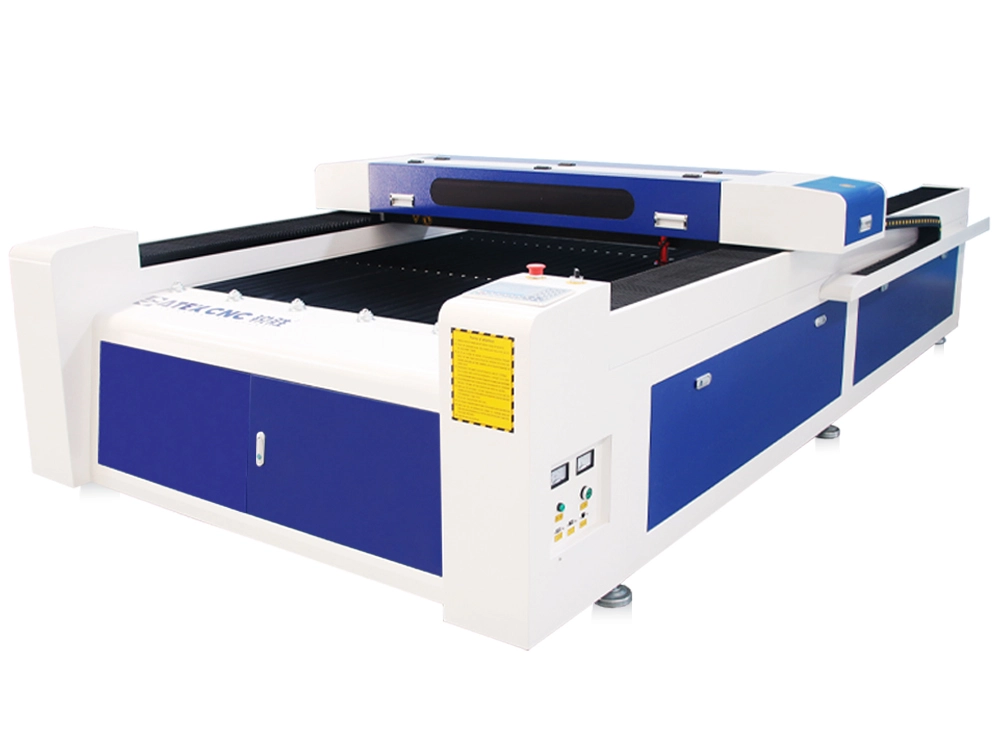
CK-1325-C is a full-size CNC CO2 laser cutting machine with a size of 4*8 feet. It is controlled by a CNC system and can support the switching of laser cutting and laser engraving working modes. A product can also be processed by laser engraving and cutting at the same time. The Y-axis of the laser machine uses a gantry-type dual-drive structure to ensure stable operation. It uses a sealed CO2 laser generator and is cooled with an S&A water-cooled circulation system. It can work continuously for...
$3,850.00~$4,580.00
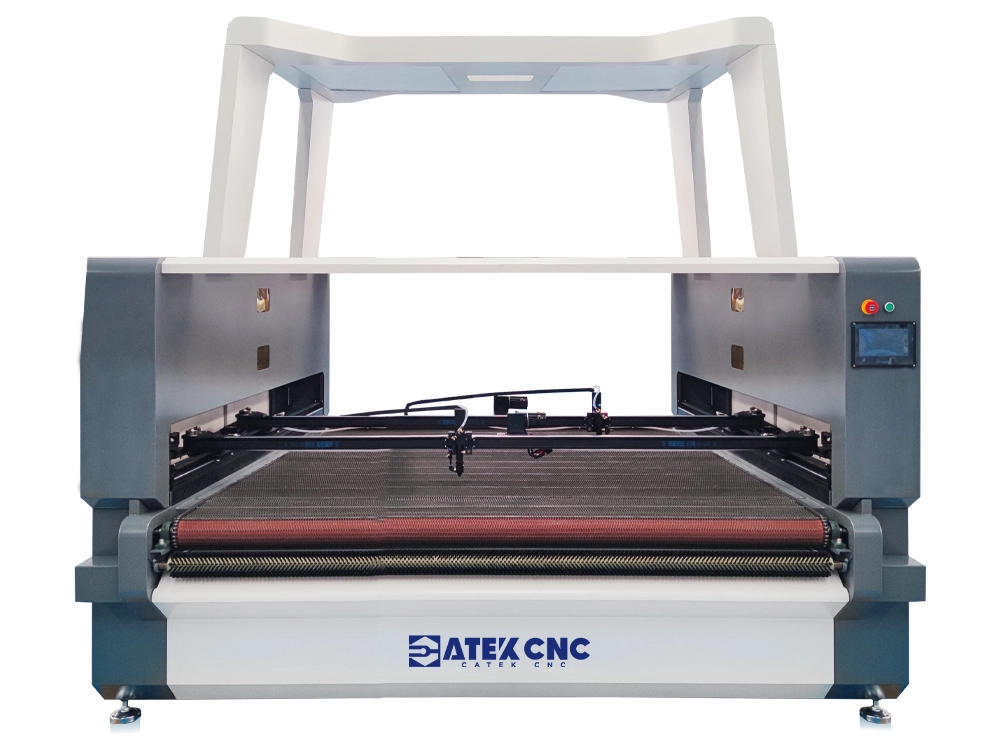
This is a CO2 laser cutting machine that integrates a camera with a conveyor belt processing platform. The camera can precisely capture and identify the position, angle, size, and shape of materials on the worktable, enabling automatic and rapid cutting of irregularly shaped materials. The conveyor belt automatically transports materials to the engraving area and can easily connect with upstream and downstream production lines, making it highly suitable for large-scale factory assembly line mach...
$8,250.00~$9,270.00