


{{goods.model}}
How to Choose the Right CNC Wood Lathe: A Beginner’s Guide
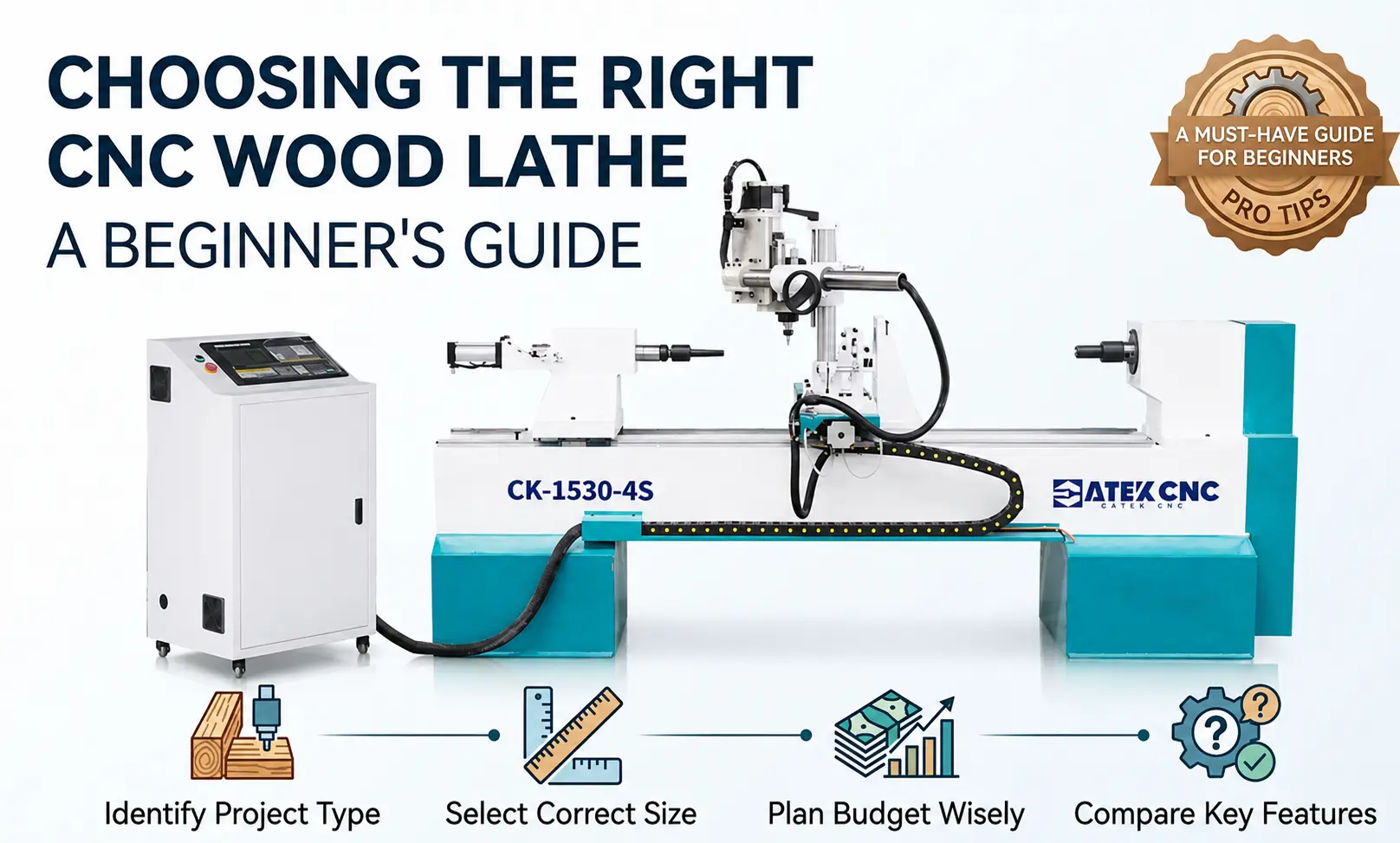
When navigating the market for a wood CNC lathe, beginners often feel overwhelmed by the sheer variety of models and configurations available. This can lead to costly mistakes or choosing equipment that doesn't fit specific production needs. This comprehensive guide breaks down the essential factors to consider, helping you navigate the selection process, avoid common pitfalls, and confidently invest in the right machine to match your current order volume and budget.
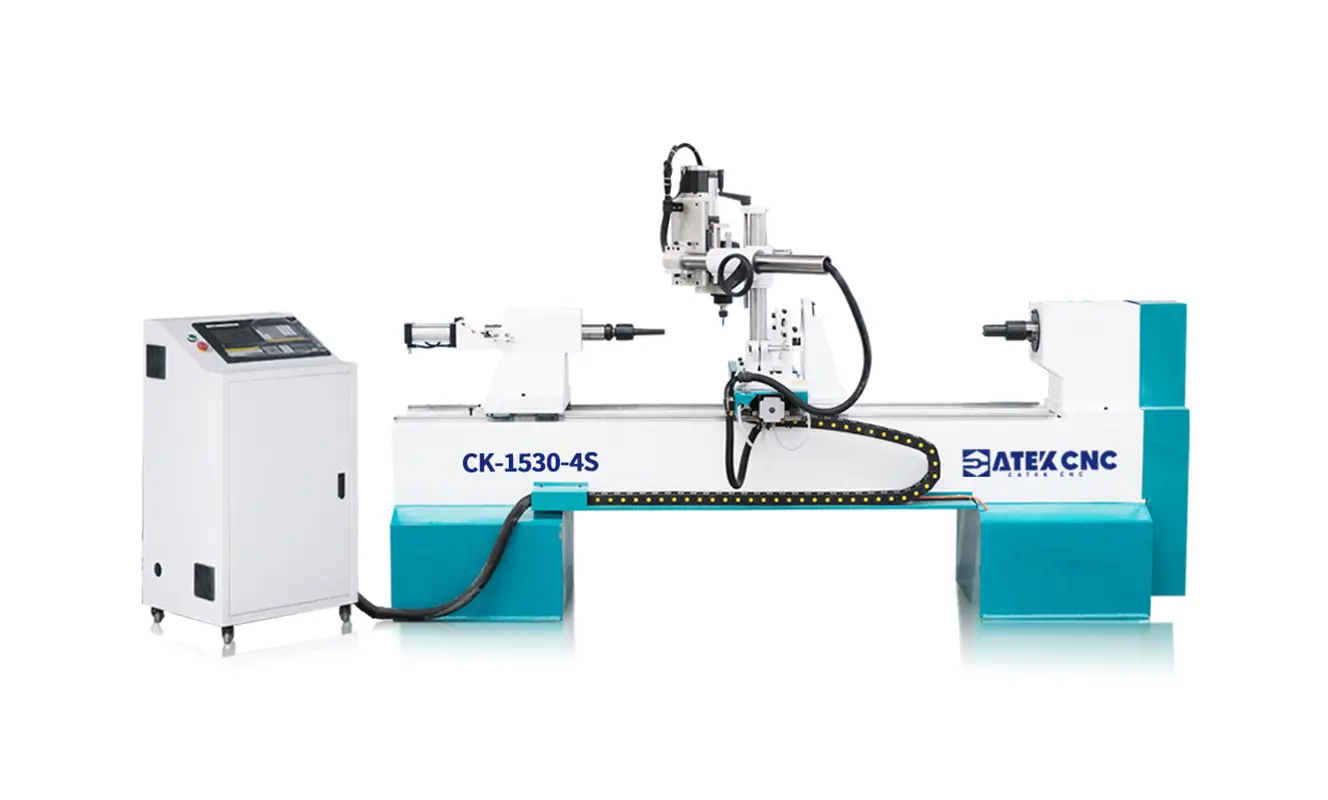
I. What is a wood lathe CNC machine?
Definition
A CNC wood lathe is an automated woodworking machine. It rotates the workpiece at high speed around its central axis while using various physical cutting tools to perform operations such as turning, drilling, sanding, carving, milling, shaping, and grooving on both the inner and outer diameters of the wood.It is mainly used for processing various items such as stair balusters, Roman columns, table and chair legs, washbasins, wooden vases, wooden column tables, wooden sticks, wooden furniture, and bed posts for children's beds. It can also be used to process plates, goblets, bottle caps, handles, rolling pins, flutes, suonas, cello accessories, and more.
Comparison with Traditional Lathes
- Accuracy: CNC lathes can control precision within millimeter range. Whether you are cutting complex mortise and tenon joints or producing perfectly matched components, wood CNC lathes maintain accuracy to within a millimeter. This level of precision not only improves your work quality but also reduces material waste and rework time.
- Efficiency: Traditional lathes can only process one piece at a time with full manual control. In contrast, CNC wood lathes can be configured with dual-station or triple-station setups, allowing two or three workpieces of the same size to be processed simultaneously. They are easy to operate, simple to program, and straightforward to understand. Changing product styles requires just one command, with almost no manual intervention. The operator simply inputs the drawing into the CNC lathe's computer using programming language, and the computer automatically analyzes machine operations and issues corresponding instructions. Non-professionals can get started with just a short period of training.
- Consistency: When producing multiple pieces or doing batch production, consistency is critical. Wood lathe CNC machines excel at repetitive work, consistently producing identical components over and over again. This reliability is especially important for cabinet makers, furniture manufacturers, and anyone producing matching sets of products. Once the design is perfected, you can replicate it perfectly even months or years later, ensuring consistent quality for long-term projects.
For companies engaged in mass production, automated wood lathe CNC machine represent a significant upgrade in quality and efficiency, while also substantially reducing labor costs. By receiving instructions in digital format, CNC wood lathe machine achieves a level of precision that is difficult to replicate with traditional manual methods.
| Core Dimensions | CNC Wood Lathe | Traditional Wood Lathe |
|---|---|---|
| Operational Skill Level | Low | High |
| Operation Mode | Fully Automated | Manual |
| Precision Performance | Extreme | Average |
| Application Range | Wide | Limited |
| Overall Cost | High Cost-Effectiveness | High Investment |
II. Step 1: Define Your Production Needs
Not all wood lathe CNC machine can process all types of products. You need to determine your required processing capabilities based on the type of products you intend to manufacture, including the maximum processing diameter, maximum processing length, material type, and processing technology. Choose a lathe with the corresponding capabilities to ensure that the selected machine can meet your specific production needs.
- Define the Processing Range: Determine the types of products you want to make (e.g., stair balusters, Roman columns, wooden bowls, handicrafts). Consider the maximum processing diameter and maximum processing length.
- Process Requirements: For standard rotational parts (such as table and chair legs), our Turning CNC Wood Lathe series is sufficient. For special irregular shapes (such as pool cues, cello fittings), a custom model with special milling capabilities is required, such as our Pool Cue CNC Wood Lathe series or Multifunctional CNC Wood Lathe series.
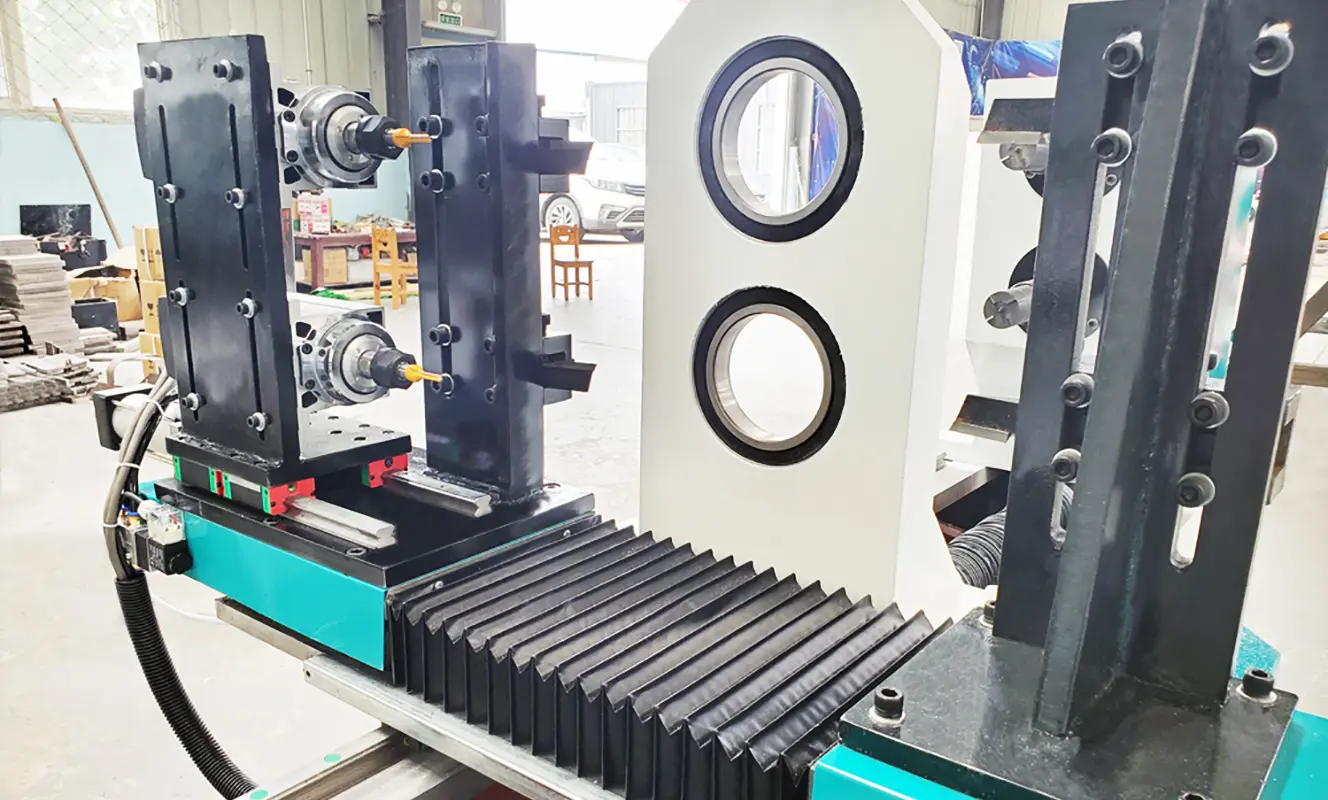
- Precision Requirements: This includes dimensional accuracy, surface finish, and processing precision. Choose a wood CNC lathe with high control precision and strong stability to meet your accuracy requirements. Typically, the precision should be within 0.01mm.
All types of lathes are equipped with turning functions (some specially customized models may not have this function; for example, Pool Cue CNC Wood Lathe series will replace the turning tool with a milling cutter). You can expand the required functions based on basic models, or you can choose from some of our standard models.
III. Step 2: Determine Necessary Configuration Parameters
- Machine Bed: Ensure you choose a machine with high strength and rigidity to guarantee stability and precision during the machining process, and to extend the machine's service life.
- Drive System: This is the core power output that determines the lathe's cutting capability and processing efficiency. Choose the appropriate configuration based on your processing needs. For example, for entry-level customers or those performing simple processing on light wood, we offer a cost-effective stepper motor configuration. It is a solid choice for starting a business with a low initial investment. If your business involves rosewood, hard wood, or has high requirements for processing speed, we strongly recommend a full-digital AC servo system.
- Compared to stepper motor and gearbox configurations, servo motor and reducer configurations offer higher rapid traverse speeds, greater torque, superior cutting capability, and higher processing efficiency.
IV. Step 3: Axis Configuration, Automation, and Tooling Selection
Choose a lathe with the appropriate number of axes and quantity of tools based on your production requirements. Select a lathe with the appropriate level of automation based on your production needs.
Axis Configuration
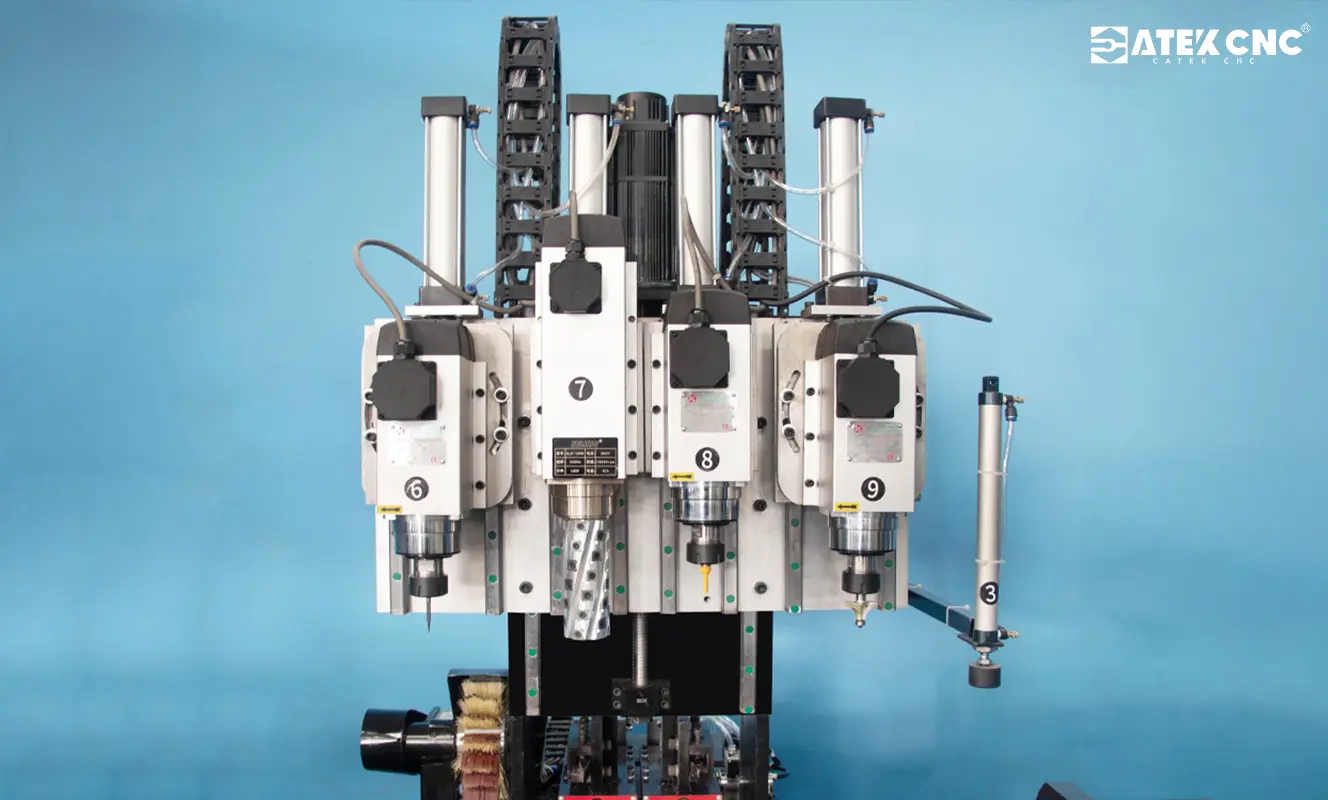
Multi-axis and multi-tool lathes can complete multiple processing steps at once, improving processing efficiency. For individual workshops, a single-axis lathe can usually meet production needs. For mass production in large factories, multi-axis linkage can effectively control costs while ensuring efficiency.
Automation Modules
Automated lathes can reduce manual intervention and improve production efficiency and product quality. You can integrate systems such as automatic loading, automatic tool changing, and automatic sanding as needed to simplify complex machining processes as much as possible.
How to choose the cutting tools for a wood CNC lathe?
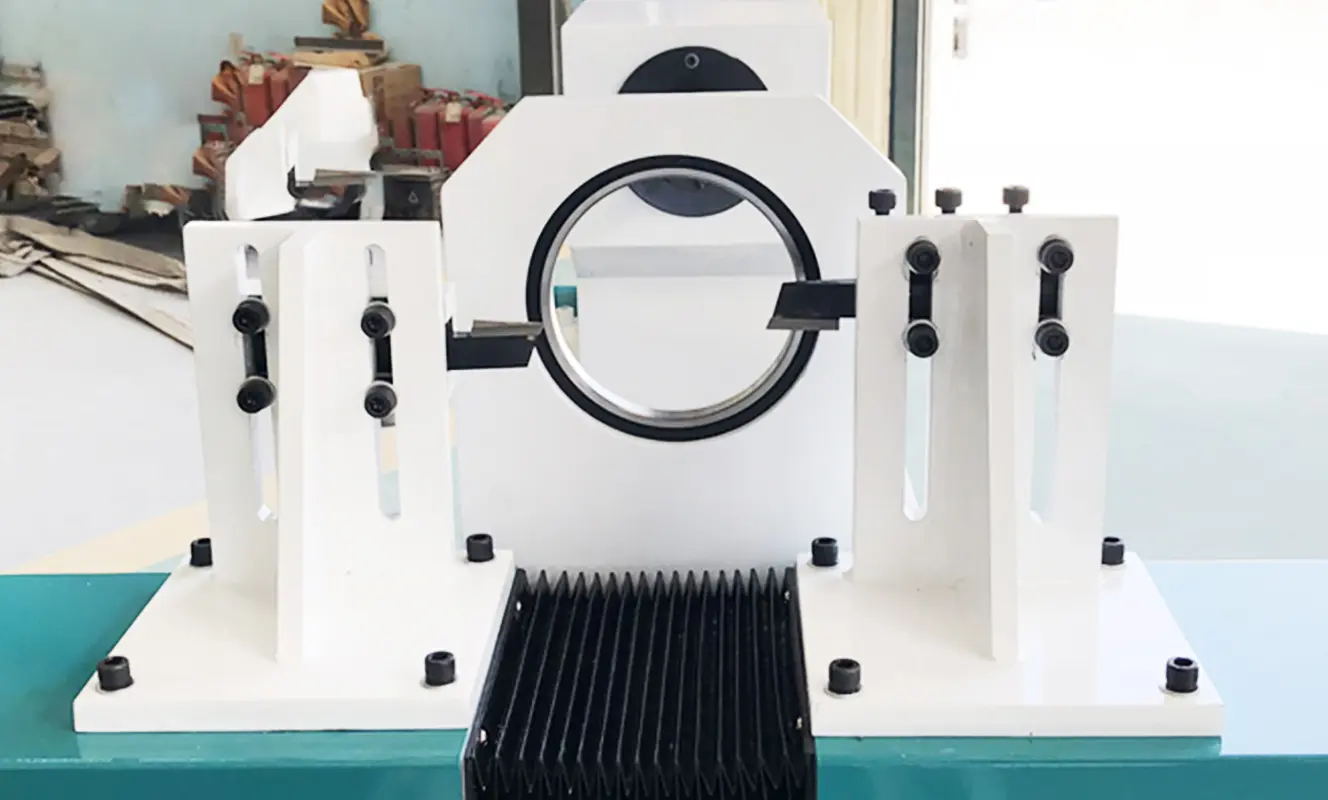
Compared to ordinary lathes, CNC wood lathes feature higher spindle speeds and greater output power; therefore, compared to traditional machining processes, CNC machining has more stringent requirements for the selection of cutting tools. This stringency is primarily reflected in the precision, strength, rigidity, and durability of the tools. In addition, tools used on CNC wood lathes must also have stable dimensions to facilitate installation and adjustment.
- High Durability: The durability of inserts varies depending on the material, such as carbide inserts, high-speed steel inserts, diamond inserts, etc. Whether for roughing or finishing, cutting tools for wood lathe CNC machine should possess higher durability than those used on ordinary lathes, thereby reducing the frequency of tool changes, sharpening, and recalibration, which in turn improves the processing efficiency and ensures the machining quality of the CNC wood lathe machine.
- Good Chip Breaking and Chip Removal Performance: In CNC lathe machining, chip breaking and chip removal cannot be performed manually as they are on ordinary machine tools. Chips can easily become entangled around the tool and the workpiece, which can damage the tool, scratch the machined surface of the workpiece, and even cause personal injury or equipment accidents, affecting machining quality and the safe operation of the machine tool. Therefore, the cutting tools must have excellent chip breaking and chip removal performance.
V. Step 4: Evaluating After-Sales Support to Choose a Reliable CNC Supplier
The value of a CNC wood lathe lies not only in its hardware but also in whether the supplier can provide immediate and effective technical solutions when you encounter processing challenges.
- Evaluate the Integrity of the Training System: Check whether technical training support is provided, including operational training (e.g., how to turn on the machine, fixture installation, and tool setting) and software/drawing training (e.g., how to convert designs into machine-readable toolpaths).
- Timeliness of Remote Technical Guidance: Whether the supplier provides prompt remote video diagnosis is crucial. A technical team capable of responding to and resolving issues within 30 minutes is a core asset for ensuring your production line remains operational without downtime.
VI. Step 5: Daily Maintenance of CNC Wood Lathe machine
- Dry Run: Before official operation, run the machine empty for 2 minutes to ensure smooth transmission and normal operating sounds before starting production.
- Guide Rail Cleaning: After finishing work, be sure to promptly remove wood chips from the surfaces of the guide rails and lead screws to keep sliding parts clean and prevent dust from wearing down the components.
- Precision Monitoring: Regularly verify machining precision through simple turning tests. Use calipers to compare the diameters at both ends of the workpiece; if deviations are found, make micro-adjustments in a timely manner to avoid batch errors.
- Electrical Dust Protection: Regularly check the control cabinet for dust accumulation to ensure good ventilation for core components such as drives, thereby reducing the risk of electrical failure.
VII. FAQ
Q: Is it difficult for beginners to operate? How long does the training take?
No programming background is required. The system features a graphical user interface and supports the direct import of CAD/DXF drawings. Through our remote or on-site training, you can typically master basic operations and automatic toolpath generation within 2 to 3 working days.
Q: What are the core differences between equipment in different price ranges?
The price of a CNC wood lathe is closely related to factors such as its size, number of working stations, and features. Component costs also account for a significant portion of the wood lathe's price. Additionally, as an experienced OEM manufacturer, we can produce machines of various sizes and configurations tailored to user requirements.
Q: Do you provide customized solutions for specific products?
Yes. We provide customized process solutions for items such as musical instrument accessories and irregular furniture parts. This includes specialized fixture design, linkage milling path optimization, and spindle power matching, ensuring that you can meet mass production standards directly.
VIII. Conclusion
Purchasing a wood CNC lathe machine is not just a simple equipment acquisition; it is the implementation of an efficient production solution. Selecting the right CNC lathe wood requires a comprehensive evaluation across four dimensions: machining requirements, configuration parameters, axis/tooling configuration, and after-sales support.
By clarifying your product type and production volume, you can match the machine with the appropriate bed structure and drive system, select
RELATED MODELS
We recommend some related models for you...
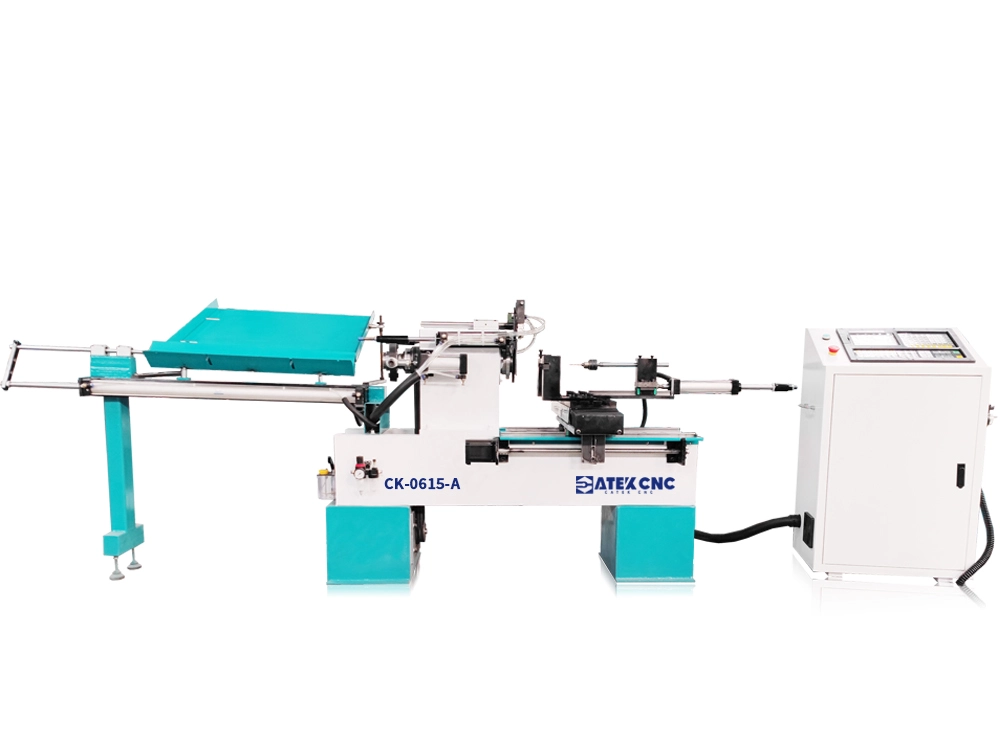
This mini CNC wood lathe is specifically designed for processing various small crafts, toys, chess pieces, etc. It features a compact size and comes standard with a chuck and sleeve, offering machining functions such as turning, cutting, drilling, and boring. Supporting automatic feeding, it can automatically feed wooden blanks up to 800mm in length into the machining station and automatically cut them to achieve segmented machining, making it particularly suitable for fully automated production...
$3,600.00~$5,150.00
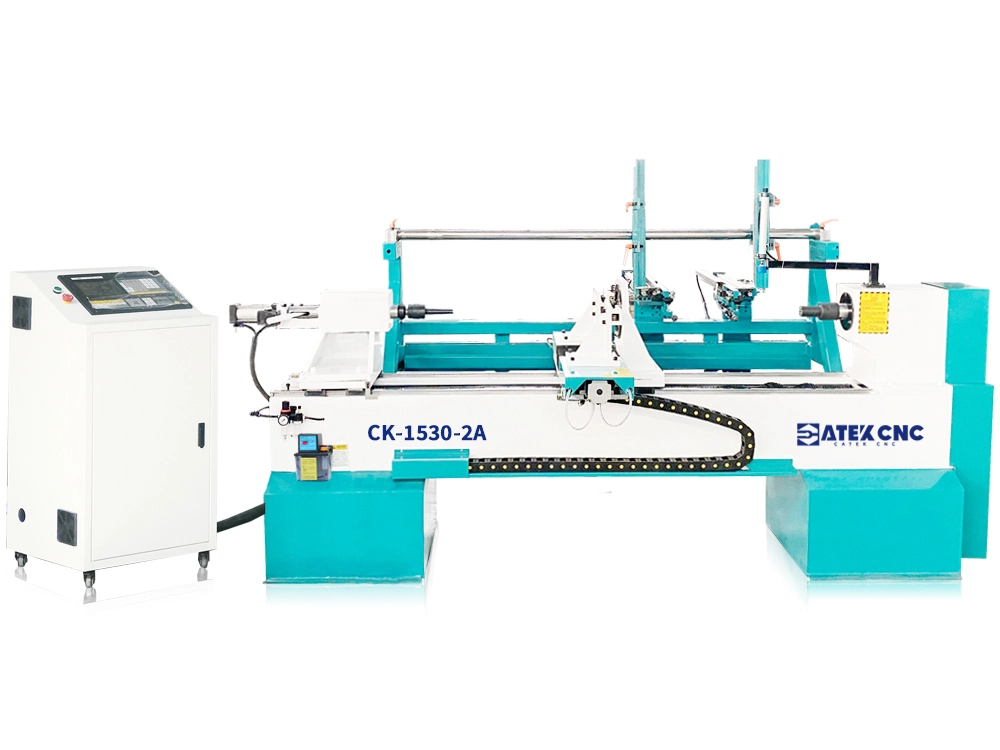
This is a double-knife CNC wood lathe with automatic loading/unloading function, designed with standard dimensions capable of processing wood up to 1500mm in length and 300mm in diameter, making it perfectly suitable for turning workpieces like stair columns, table/chair legs, and cat trees. When batch producing identical products, this lathe only requires one-time positioning to achieve unattended cyclic machining, significantly reducing labor costs.
$5,180.00~$5,588.00
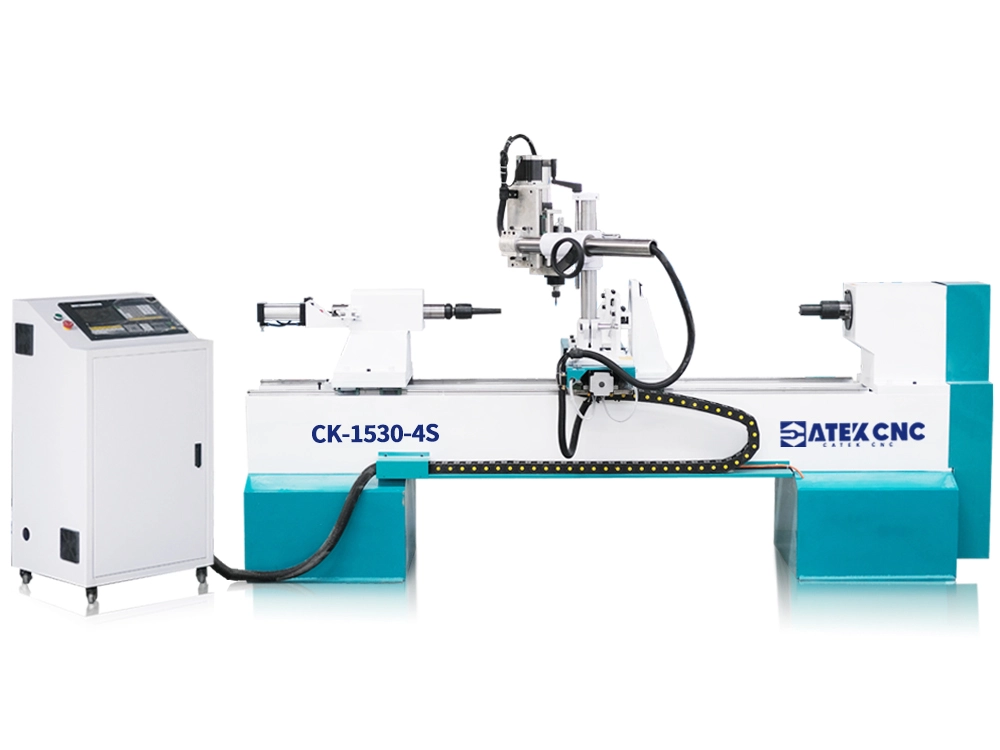
This lathe adds a four-axis-linkage spindle to a standard CNC wood lathe. Its rotation center can coordinate with the carving spindle according to carving requirements, while the multi-functional spindle can also move linearly in six directions. It integrates turning, milling, and carving functions, and can automatically switch between these operations during processing to achieve continuous machining. This makes it exceptionally suitable for producing 3D sculptures, Buddha statues, or stair col...
$5,588.00~$6,350.00
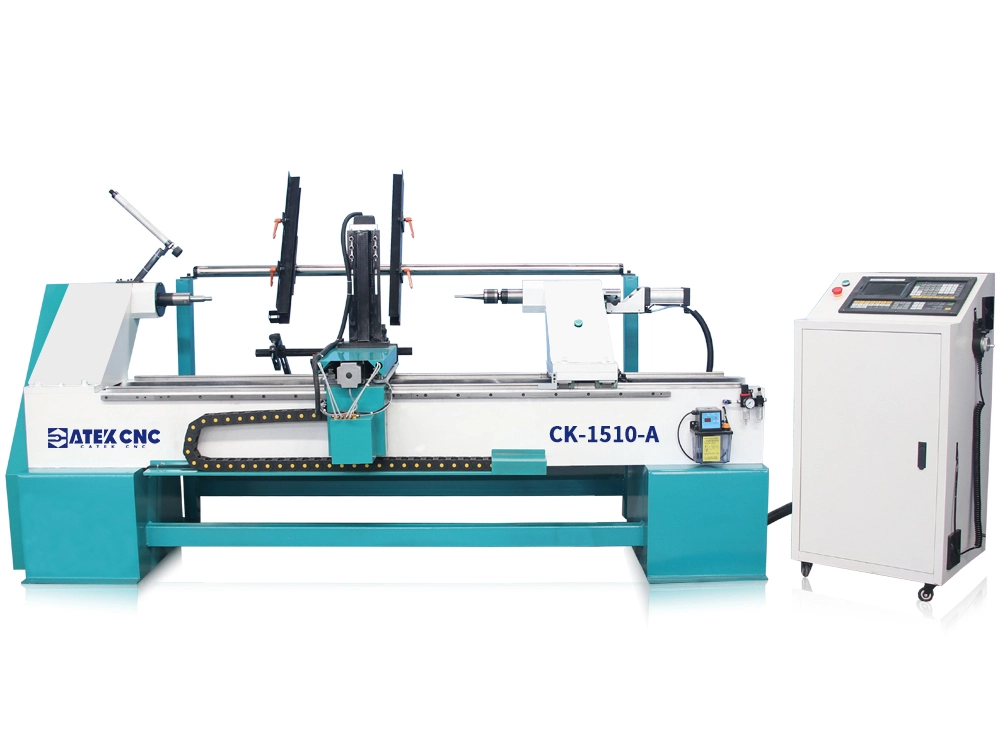
This CNC wood lathe is used to perform taper milling on billiard cues. The equipped loading device can automatically place the wood from the material bin into the center of the lathe before machining. After machining, the unloading device will unload the product from the lathe, avoiding the tedious manual loading and truly realizing fully automatic unattended machining.
$5,150.00~$5,588.00