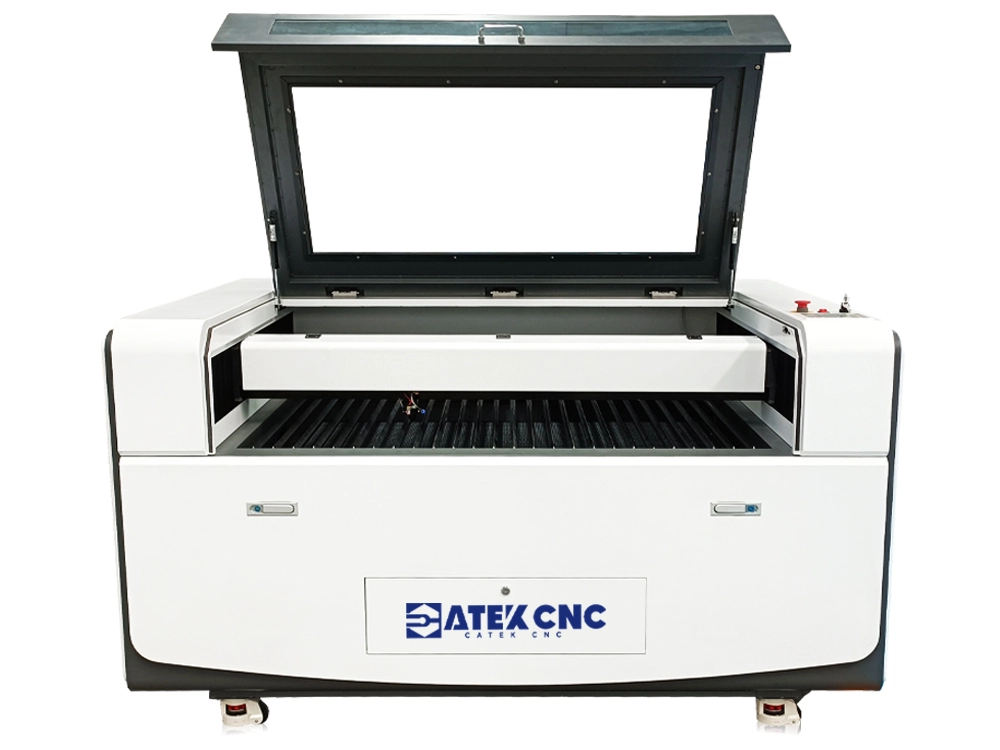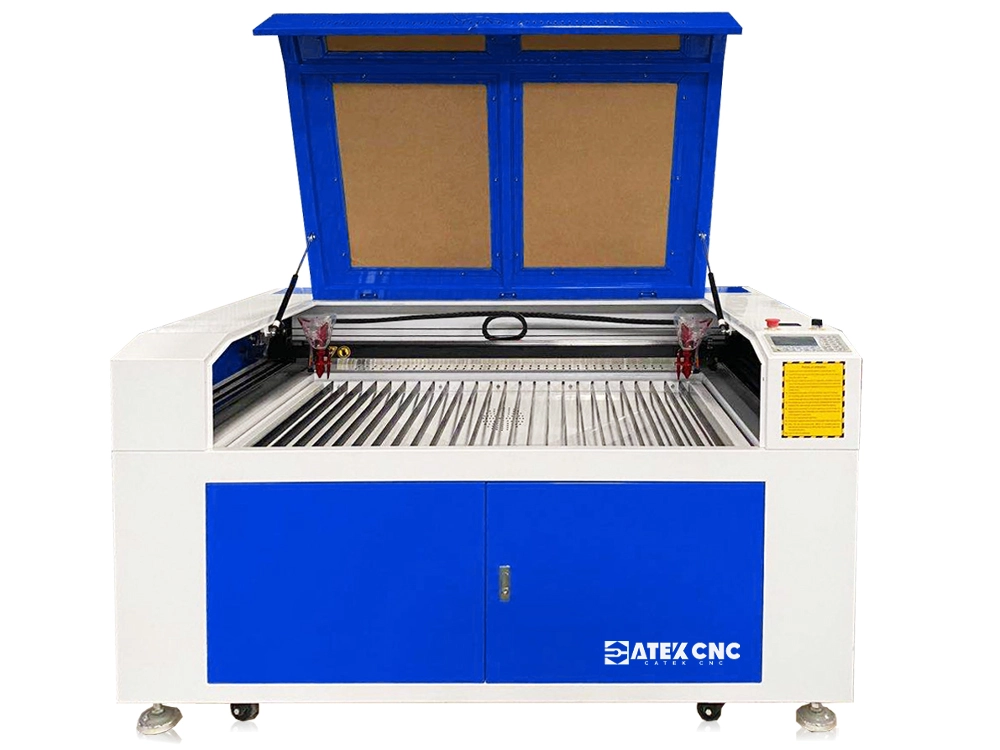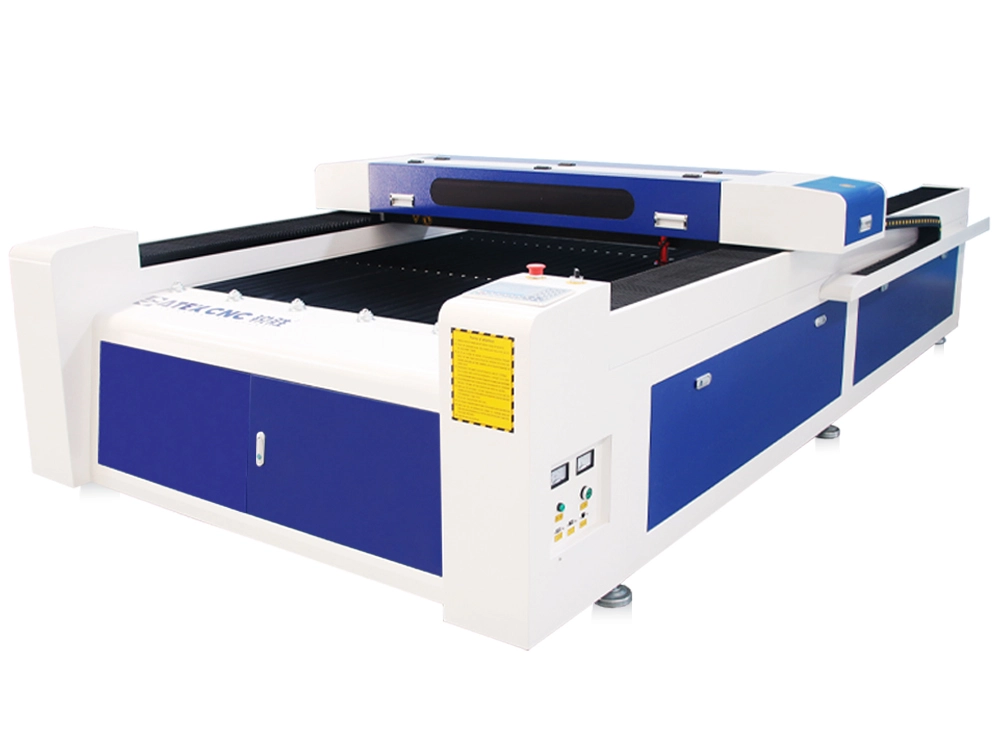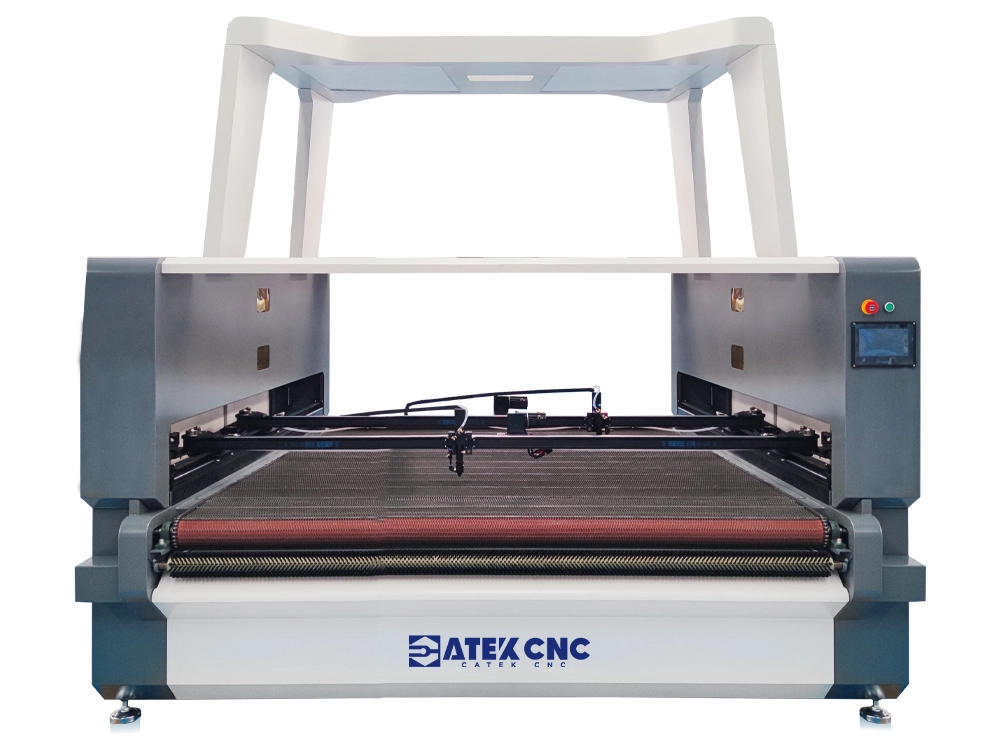
MEET CATEKCNC

The Best Laser Cutting Machine of 2026

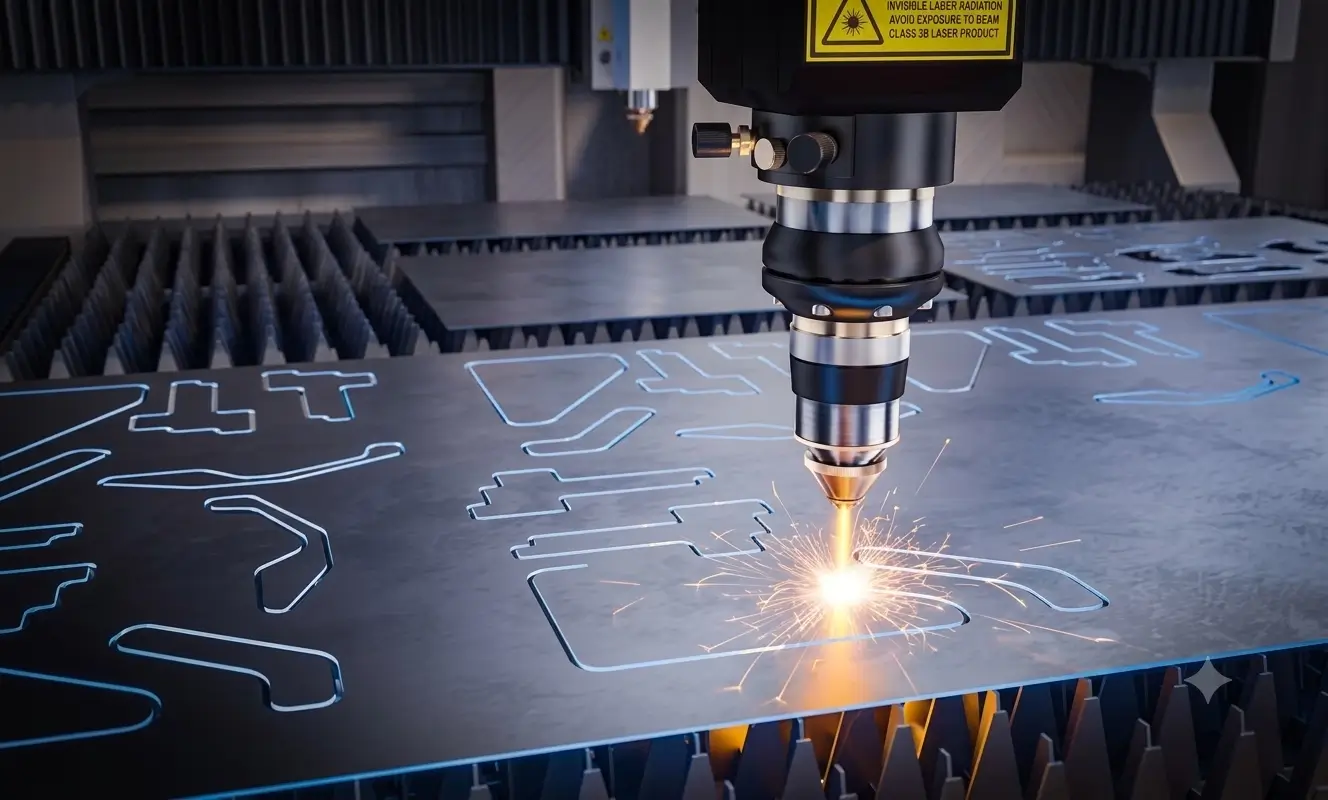
Laser cutting machines is a CNC machine tool that uses laser to cut metal or non-metal materials. It is a non-contact thermal cutting method that uses a high-energy laser beam to melt or evaporate the material to form a hole, and moves the laser beam to cut the material along a specified path under the control of the CNC system. It does not physically contact the material, so it does not cause physical deformation to the material and does not cause tool wear. It is widely used for cutting and engraving various metals and alloys, such as iron, copper, aluminum, carbon steel, galvanized steel, stainless steel, and various non-metallic materials, such as bamboo, wood, plastic, foam, fabric, organic polymers, etc. Common processing techniques include: perforation, cutting, half cutting, etc. of plates, intersection line cutting, beveling cutting, etc. of pipes.

CONTACTLESS PROCESSING OF MATERIALS WITH LASER CUTTING MACHINES

With the rapid advancement of the laser industry and modern manufacturing, the cost of laser cutting equipment has significantly decreased. Today, both small workshops and large factories can afford high-performance laser cutters without excessive investment. As a result, CNC laser cutting systems have become essential tools in both metal and non-metal processing industries. These advanced machines deliver unmatched precision, speed, and flexibility compared to traditional cutting methods.However, not all laser cutting solutions on the market offer the same quality. Choosing the right system requires careful evaluation of performance, configuration, and after-sales support. Instead of blindly pursuing high-end configurations, selecting the right laser cutting equipment tailored to your production needs will maximize efficiency and ROI. If you are looking for a reliable and cost-effective supplier, CATEKCNC provides professional laser cutting solutions designed for global manufacturers.

If you are searching for a trustworthy and affordable laser cutting machine manufacturer, CATEKCNC can provide you with comprehensive laser cutting solutions, making it the ideal choice for your needs!

What is a CNC Laser Cutter?

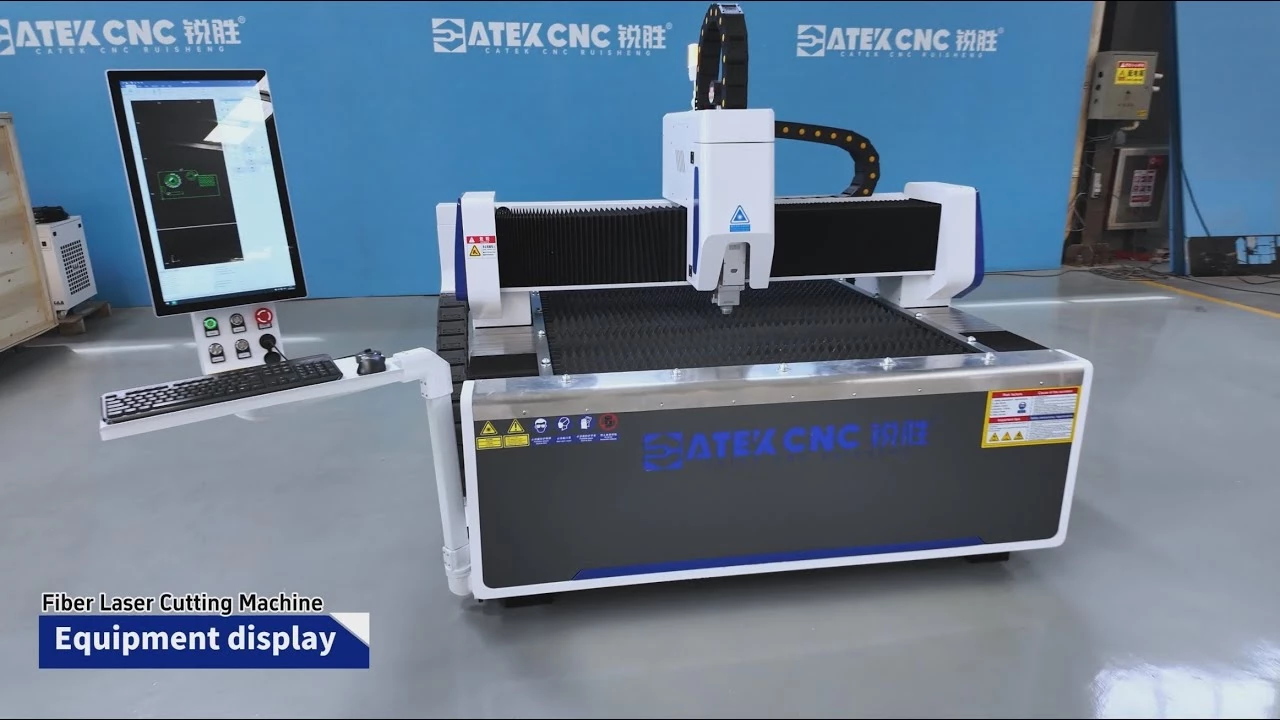
A laser cutting system is a highly integrated and complex CNC machine that uses a laser beam to precisely cut and process raw materials. It is primarily composed of the following components:

Laser Generator
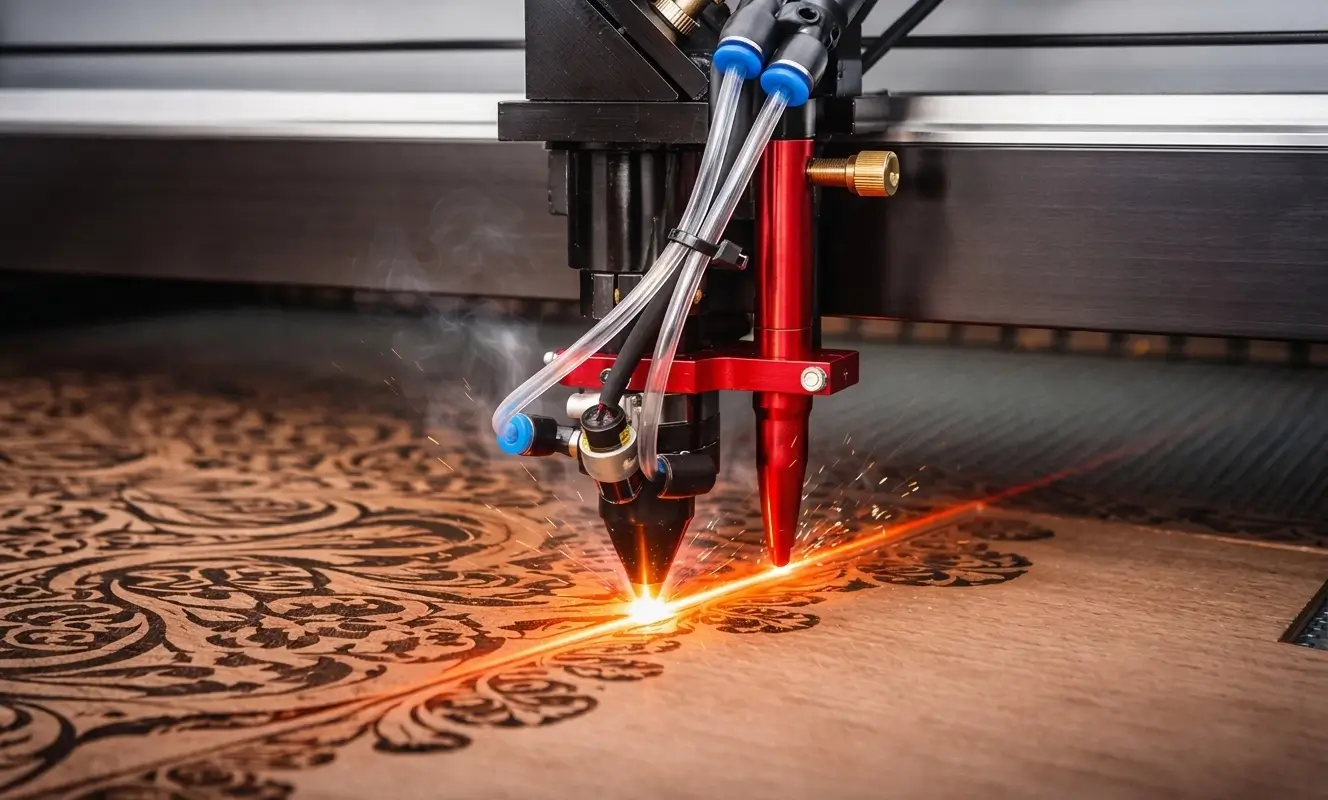
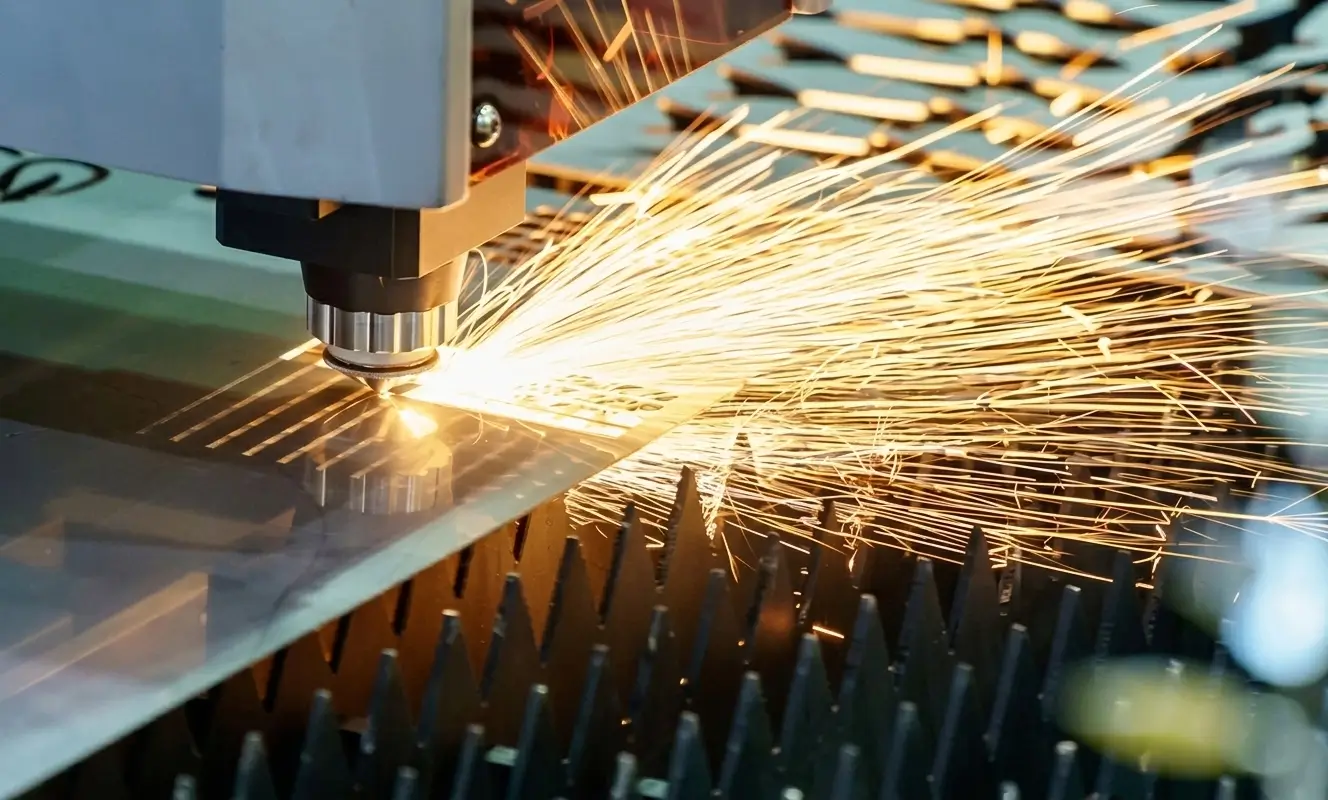
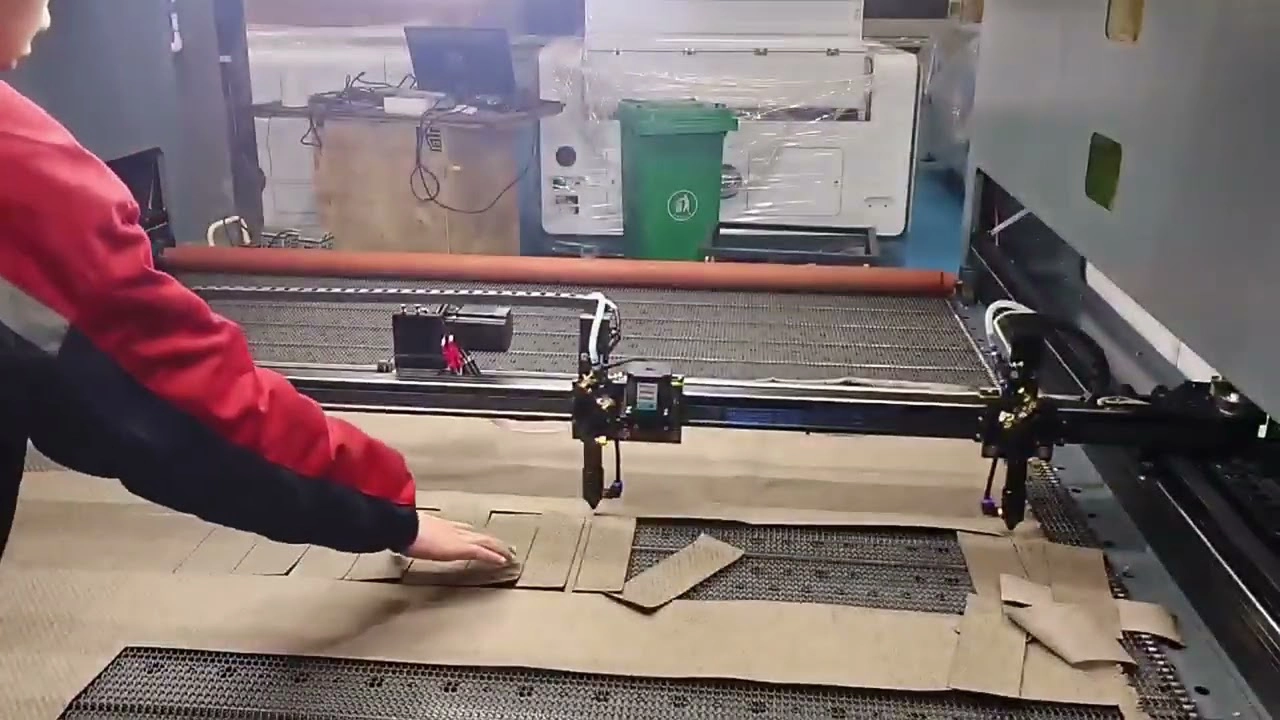
The core component of the laser cutting equipment, responsible for generating the laser beam. Depending on the laser source, it can be classified into fiber laser generators and CO2 laser generators. The laser produced by a fiber laser generator can be applied to cutting various metal sheets and tubes, while CO2 lasers can be used for cutting or engraving non-metals such as wood, plastic, PVC, acrylic, leather, foam, and some thin metal sheets.
Laser Cutting Head
The fiber laser cutting head mainly consists of protective lenses, collimating lenses, focusing lenses, ceramic rings, nozzles, etc. The CO2 laser cutting head primarily includes reflective mirrors and focusing lenses.
CNC Control System
The CNC system is used to recognize processing drawings or graphics and control the movement of the XYZ axes of the laser cutting machine to achieve the processing and cutting of patterns or text.
Mechanical Transmission System
The XY axes of a fiber laser cutting machine use helical rack and pinion transmission, while the Z axis uses a ball screw. CO2 laser cutting machines have three transmission methods: rack and pinion, synchronous belt, and screw. Synchronous belt transmission offers lower noise and higher speed, suitable for high-speed motion; screw transmission provides relatively higher positioning accuracy and more precise movement; while rack and pinion transmission can deliver higher torque and faster traverse speeds, suitable for larger-sized laser engraving machines.
Drive System
The drive system uses motors to provide power to other systems, with two types available: servo motors and stepper motors. Stepper motors are cost-effective, easy to maintain, and stable in performance. Servo motors offer higher precision control, faster speed response, and greater stability. Fiber laser cutters require higher response speeds and positioning accuracy, hence they use servo motors. CO2 laser cutting machines can choose between stepper and servo motors based on budget and processing requirements.
Cooling System
The cooling system is an important auxiliary system of the laser cutting system. The laser generator produces a significant amount of heat during operation, and a constant temperature cooling system ensures the laser maintains optimal beam quality.
Workbench
Fiber laser cutting machines generally use a tooth-type slats workbench, which effectively reduces the contact area between the processing material and the worktable, preventing metal melting and adhesion. CO2 laser cutting machines offer a variety of processing platforms: aluminum alloy slat workbenches are suitable for cutting large-sized parts, while honeycomb Workbenches are designed for higher heat dissipation requirements, minimizing the impact of laser heat on material thermal deformation.
Laser Transmission System
Fiber laser cutting machines use flexible fiber optic cables to transmit the laser, which is then focused onto the workpiece surface through multiple lenses in the laser head. CO2 lasers use reflective mirrors to direct the laser through multiple reflections to the laser head, where it is then focused onto the workpiece surface.

How Does a Laser Cutter Work?

Fiber Laser
This type of laser is named after its core component - DFAs (Doped-fiber amplifiers), which use doped optical fibers as the gain medium to amplify optical signals. During operation, electrical energy is used to excite the pump source, which converts electrical energy into dispersed light sources. The laser beam combiner then aggregates these energy beams into a single fiber for output. The synthesized laser beam passes through a resonant cavity structure, enhancing the laser's energy and stability via high-reflective fiber gratings, gain fibers, and low-reflective fiber gratings. Finally, the CPS (Cladding Power Stripper) and CMS (Cladding Mode Stripper) remove any extraneous light, and the laser is transmitted to the laser cutting head through a QBH (Quick Beam Head) fiber output connector for cutting.
CO2 Laser
The core component of a CO2 laser is the CO2 laser tube, which is a glass tube composed of multiple layers of sealed glass structures, divided into three layers. The innermost layer is the discharge tube, where gas discharge occurs; the middle layer is the cooling tube, primarily used to dissipate heat from the discharge tube; and the outermost layer is the gas reservoir, which holds the gas. During operation, a high voltage is applied by the electrodes, causing glow discharge within the discharge tube. CO2 molecules form plasma in the low-pressure gas released by the electrons, and the plasma exhibits asymmetric vibrational states. Collisions with nitrogen molecules accelerate the plasma to higher energy levels. The excited CO2 molecules (at high energy levels) create a population inversion with lower energy level molecules, and through the resonant cavity, a chain reaction of stimulated emission is triggered, forming a 10.64μm laser. This laser is then reflected by multiple mirrors to the laser head for external emission.

After the above electro-optical conversion, the laser generator outputs the laser, which is transmitted to the laser head. The high-energy laser beam is focused by the laser head, rapidly piercing the material surface and vaporizing or melting the contacted material. The control system, based on the drawings and cutting parameters, outputs movement signals to control the motion axes of the laser cutting machine, driving the laser head to operate. The laser continuously emits pulsed energy, piercing the material surface continuously to achieve material cutting and processing.

During processing, it is necessary to adjust the parameters through the control system according to different processing materials and techniques to achieve the desired processing effects. The cutting thickness of a laser cutting machine is related to the power of the laser; the higher the power, the thicker the material that can be cut.

What Materials Are Suitable for Laser Cutting Machines?

Laser cutting machines are multifunctional cutting machines that can cut various materials. However, lasers of different wavelengths are suitable for processing different materials. Fiber lasers are suitable for metal cutting, while CO2 lasers are more suitable for non-metal material cutting.

  • Fiber laser: Stainless steel (304, 316, etc.), carbon steel (Q235, S45C, etc.), mild steel, high-strength steel (DP980), manganese steel, spring steel, alloy steel, aluminum, aluminum alloy (5052, 6061, 7075, etc.), copper, brass, bronze, red copper, copper alloy, titanium, titanium alloy (TC4, TA2, etc.), galvanized steel sheet (SGCC, DX51D, etc.), nickel-based alloy (Inconel 625, Hastelloy C276), magnesium alloy (AZ31B, AZ91D), nickel, cobalt, lead, precious metals (gold, silver), and other metal materials.
  • CO2 laser: Wood, MDF board, plywood, laminated board, composite board, engineered wood, bamboo, acrylic, PVC, ABS, epoxy resin, PC, two-color board, leather, fabric, synthetic leather, cotton cloth, silk, resin, corrugated paper, glass, ceramic, rubber, silicone, EVA, sponge, foam, marble, artificial stone, granite, ceramic tile, carbon fiber, glass fiber, crystal, shell, bone, thin metal (carbon steel, stainless steel), coconut shell, nut shell, anodized aluminum, coatings or paint on metal surfaces, etc.

What Industries Are Laser Cutting Machines Suitable For?

Laser cutting machines are widely used in various industries, and different types of lasers have different applications in different industries:

Fiber laser cutting machines:
  • Metal processing: Sheet metal fabrication, mechanical parts, machine accessories, etc.
  • Automotive manufacturing: Automotive body sheet metal, car chassis, exhaust pipes, automotive doors, new energy vehicle battery frames, engine covers, automotive parts, etc.
  • Aerospace: Turbine blades, engine blades, structural component cutting, etc.
  • Electronics and electrical appliances: Speaker casings, computer cases, electronic components, smartphone metal frames, etc.
  • Medical equipment: Medical stainless steel, medical titanium alloys, etc.
  • Advertising: Metal advertising letters, metal advertising brackets, LED screen frames, etc.
  • Kitchenware and home appliances: Stainless steel panels for range hoods, gas stoves, ovens, washing machines, air conditioner casings, etc.
  • Shipbuilding: Ship hull steel plates, decks, pipelines, brackets, etc.
  • New energy: Solar panel frame brackets, wind turbine fan components, etc.
  • Rail transportation: Guardrails, high-speed train carriage structures, railway tracks, metal frames, etc.
  • Construction and decoration: Steel structure buildings, building wall panels, metal screens, iron gates, iron furniture, stainless steel furniture, elevator guard panels, stainless steel staircases, etc.
  • Packaging: Metal packaging boxes, storage boxes, luggage cases, motorcycle trunks, etc.
  • Fitness equipment: Metal structural parts for treadmills, elliptical machines, and other fitness equipment.
  • Agricultural machinery: Tractors, tillers, harvesters, and other machinery parts.
CO2 laser cutting machines:
  • Advertising processing: Acrylic advertising letters, acrylic lightboxes, billboards, signs, transparent illuminated signs, etc.
  • Packaging: Corrugated cardboard boxes, paper boxes, airplane boxes, plastic packaging boxes, etc.
  • Custom clothing: Leather, synthetic leather, fabrics, denim, leather shoes, etc.
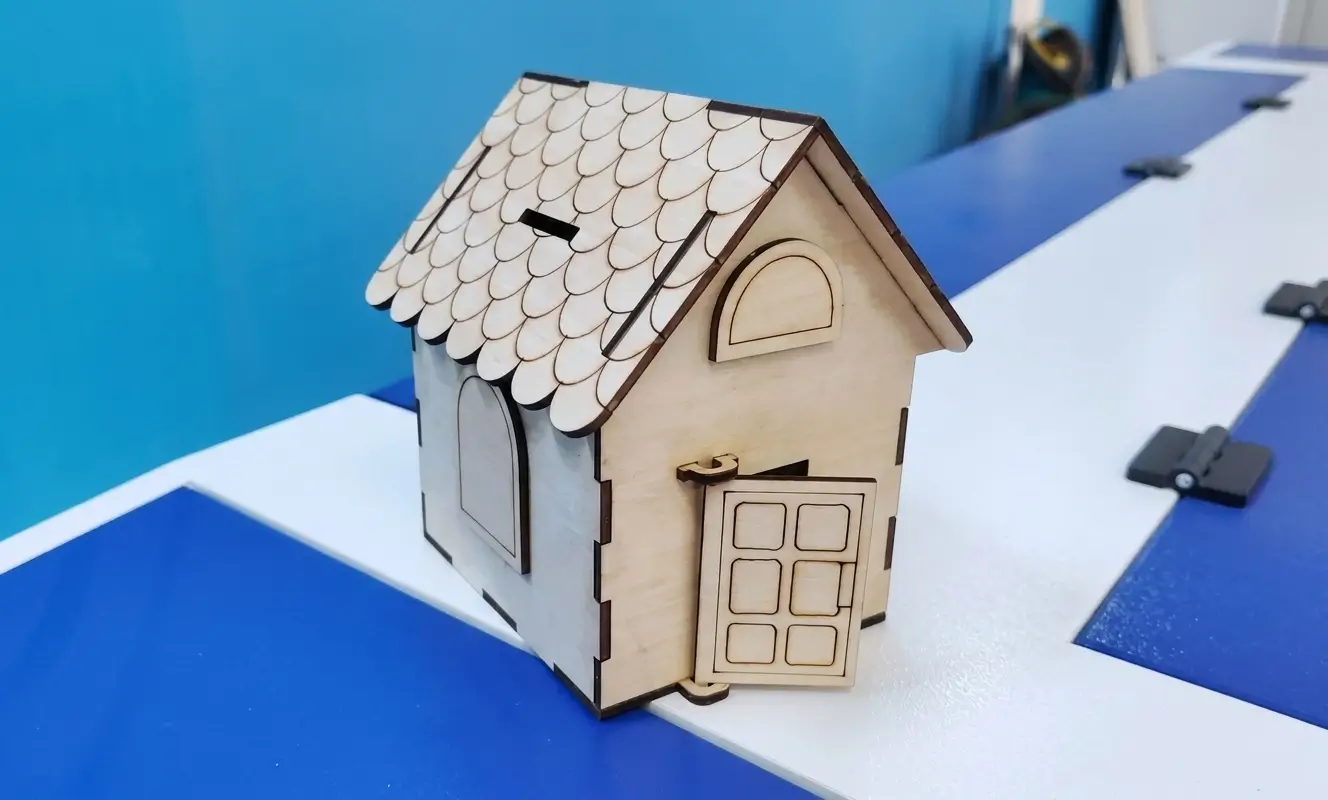
  • Handicraft: MDF puzzles, assembly toys, wooden puzzles, stone carvings, ceramic carvings, photo frames, keychains, etc.
  • Electronics and electrical appliances: PCB boards, circuit boards, electronic components, phone cases, computer casings, etc.
  • Furniture manufacturing: Wooden furniture carving, pattern engraving, etc.
  • Paper and printing: 3D greeting cards, engraved invitations, paper carvings, etc.
  • Model making: Foam models, architectural models, toys, plastic models, etc.
  • Other: Thin metal sheet cutting, thin sheet metal processing, computer case cutting, etc.

What Are the Classifications of Laser Cutting Machines?

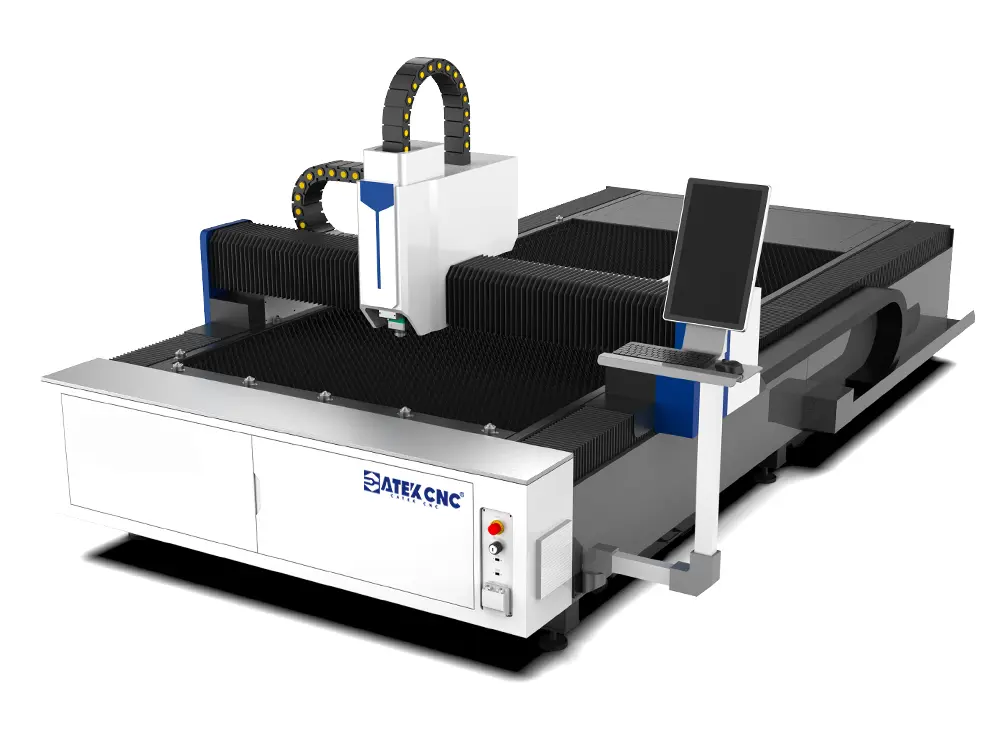
  • Fiber laser sheet cutting machine: Used for cutting metal sheets of various sizes and materials.
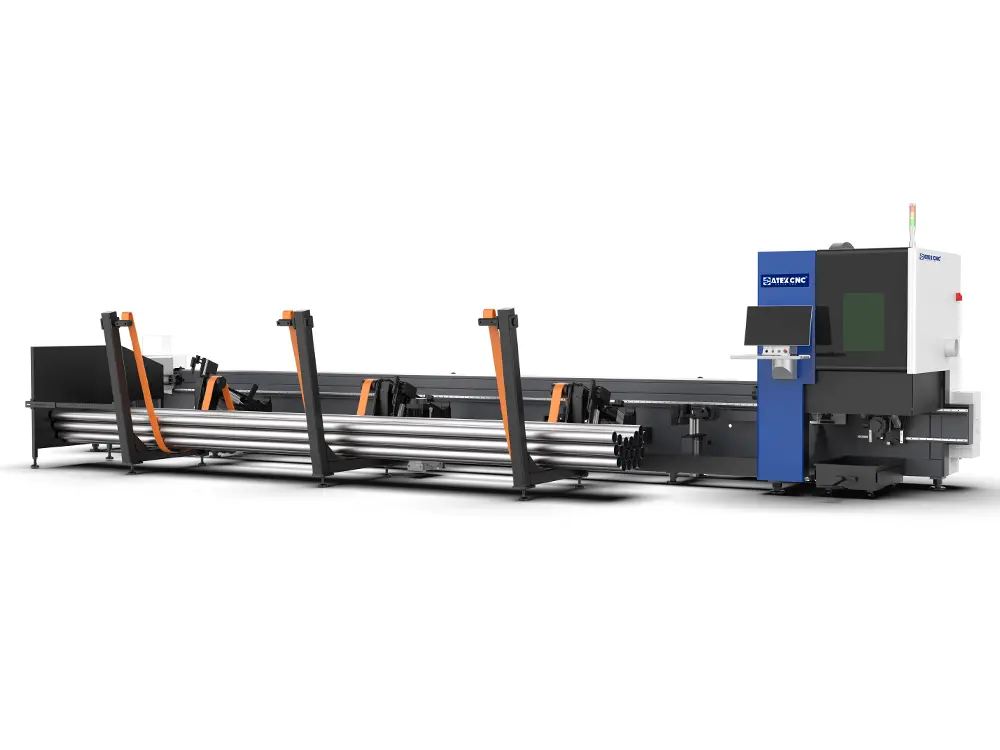
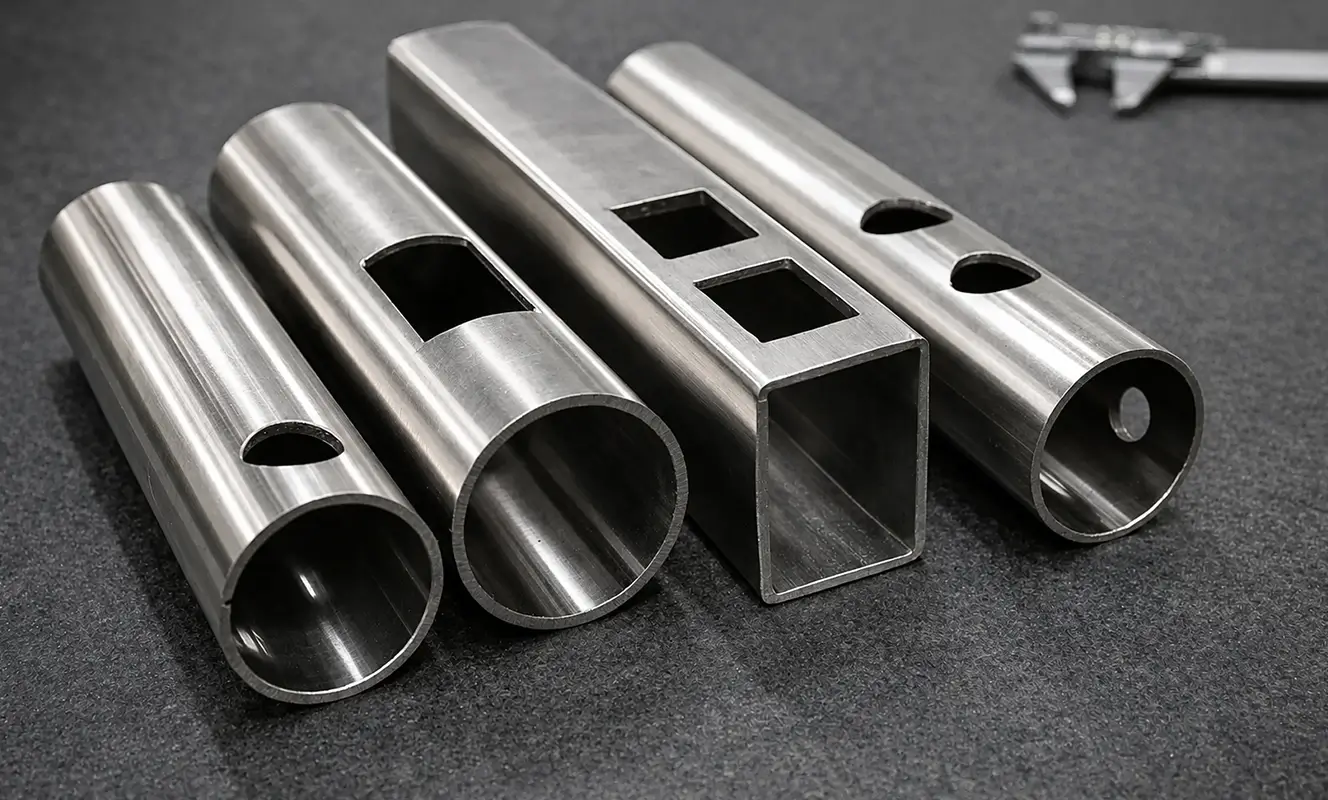
  • Fiber laser tube cutting machine: Used for cutting metal tubes of various shapes, lengths, and diameters.
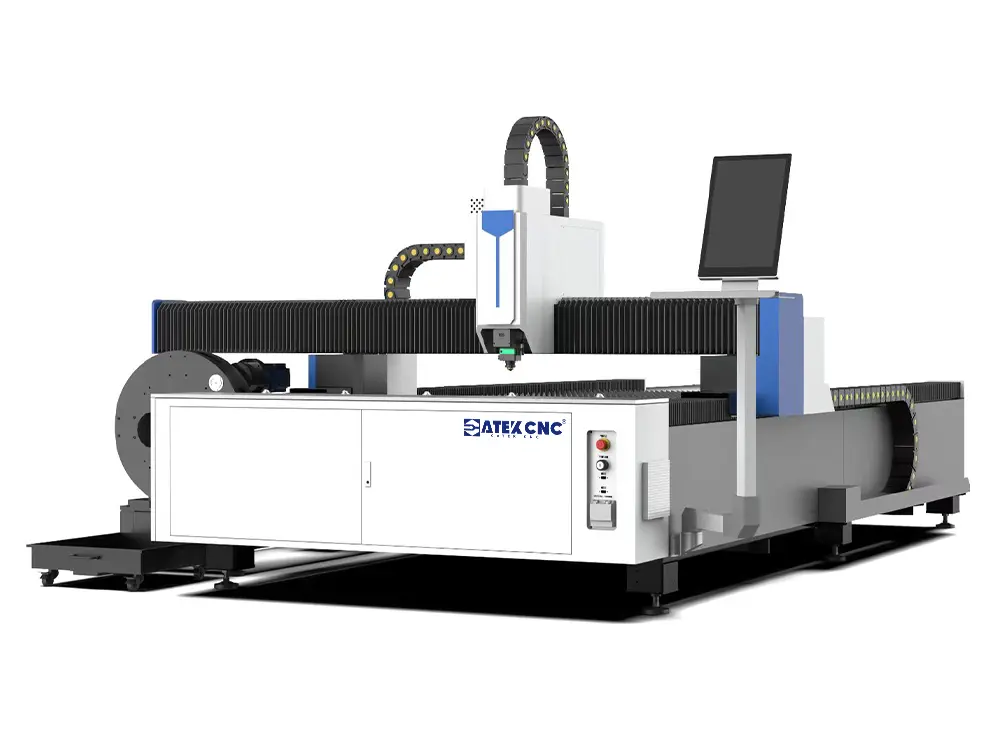
  • Fiber laser sheet and tube multi-functional cutting machine: Capable of cutting both metal tubes and metal sheets simultaneously.
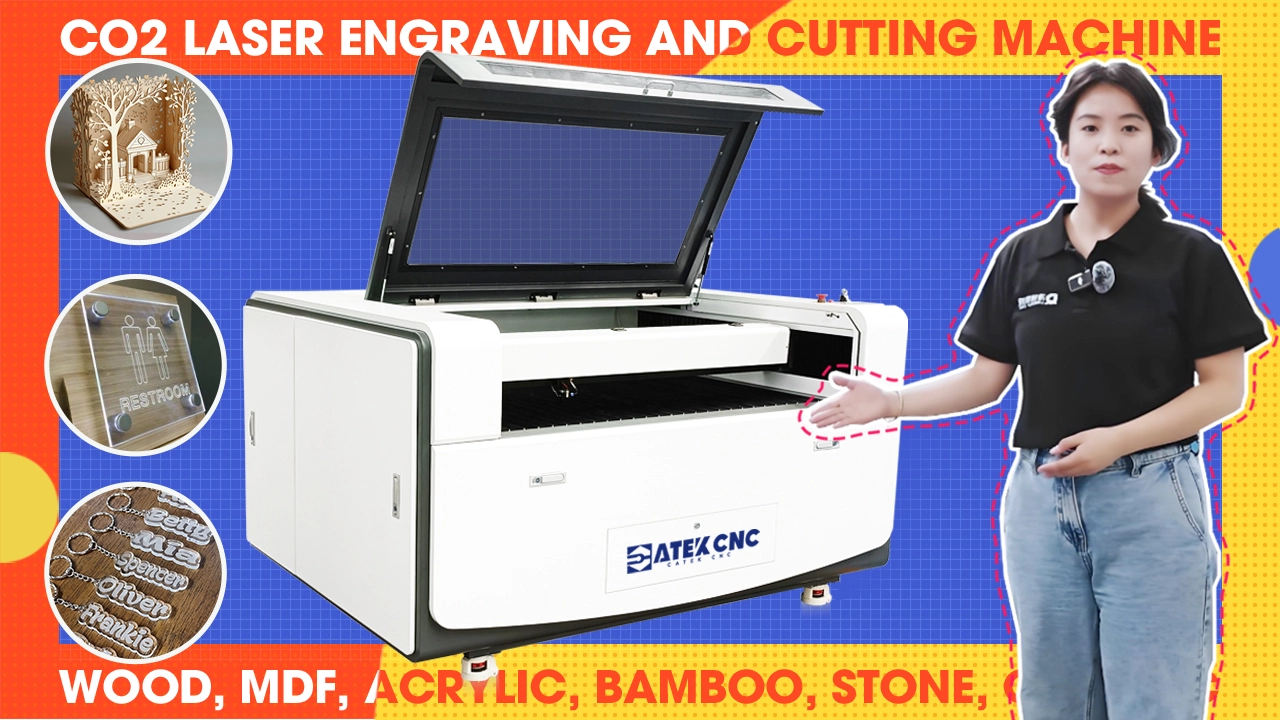
  • CO2 laser engraving and cutting machine: Used for cutting and scanning engraving of various non-metal materials.
  • Multi-head CO2 laser engraving and cutting machine: Can cut or engrave multiple identical workpieces at once.
  • CO2 laser hybrid cutting machine: Capable of cutting various non-metal materials as well as some thin metal sheets.

Technical Specifications of Laser Cutting Machine

Fiber Laser Cutting Machine CO2 Laser Cutting Machine
Brand CATEKCNC
Processing Type Laser non-contact processing
Laser Type Fiber Laser CO2 Laser
Laser Central Wavelength 1064nm 10.6μm
Workbench Size 1500*3000mm, 1500*4000mm, 1500*6000mm, 2000*3000mm, 2000*4000mm, 2000*6000mm, 2000*12000mm, 3000*6000mm, 3000*12000mm, 3000*16000mm, etc. 300*400mm, 400*600mm, 600*900mm, 1300*900mm, 1600*1000mm, 1300*2500mm, 1600*2500mm, 2000*2500mm, 2000*3000mm, etc.
Laser Power 1000w, 1500w, 2000w, 3000w, 4000w, 6000w, 8000w, 10000w, 12000w, 15000w, 20000w, etc. 60w, 80w, 100w, 130w, 150w, 180w, 200w, 300w, 400w, 500w, 600w, etc.
Applied Material Metal material Non-metallic material and some metal material
Applied Software Autolaser, EZCAD, RDworks, SolidWorks, Adobe Illustrator, CorelDRAW, Autocad, Cypcut, Inkscape, Fusion360, SketchUp, FastCAM, LaserCut, LightBurn, etc.
Function Metal cutting Non-metal and some metal cutting and engraving
Optional Configuration Laser generator, laser cutting head, control system, servo motor, voltage stabilizer, water chiller, specialized air compressor for fiber laser cutting machines, metal tube rotary cutting device, fully enclosed enclosure, double-shuttle workbench. Laser generator, control system, lifting workbench, honeycomb workbench, 3D rotary axis, servo motor, water cooler, follow-up lifting system, CCD visual positioning.

Price of Laser Cutting Machines

The price of laser cutting equipment is influenced by various factors, including laser type, power, processing size, configuration, and intended use. If you are considering purchasing a laser cutting machine for starting a business or expanding production capacity, you should first determine its primary use. If you only need to cut metal, then a fiber laser cutting machine is the suitable choice. If your focus is on cutting and engraving non-metal materials, a CO2 laser engraving and cutting machine would be appropriate. For those primarily processing non-metal materials but occasionally needing to cut thin metal sheets, a CO2 laser hybrid cutting machine is a viable option.

The most affordable professional-grade fiber laser sheet metal cutting machines are priced between $9,800 and $12,600, making them suitable for startups and small businesses in the metal industry. Higher-end laser sheet cutting machines with advanced configurations start at $12,000 and above. Entry-level laser tube cutting machines begin at $14,000, while professional-grade automatic fiber laser sheet and tube multi-functional cutting machines are priced above $20,000. Even for the same model, the final price can vary depending on the control system, laser brand/power, and additional configurations. Additionally, machines with the same configuration but different worktable sizes will also differ in price. For example, a 1540 model fiber laser sheet metal cutting machine with the same configuration costs $500 more than a 1530 model.

Entry-level, low-power desktop mini CO2 laser engraving and cutting machines are generally priced around $1,100. Small laser cutting machines with 80W or higher power, suitable for hobbyists, entrepreneurs, and personal studios, typically range from $2,200 to $3,600. You can also add various accessories and functional components based on your business needs. Common consumables like lenses start at $10, while 3D rotary attachments begin at $280. Costs will vary depending on the power selection and additional functional components. Industrial-grade large-format CO2 laser cutting machines are generally priced between $3,800 and $9,800, suitable for processing materials such as MDF boards, acrylic, density boards, leather, and plastic. CO2 laser hybrid cutting machines with power levels of 100W, 130W, 150W, and 180W, capable of processing various non-metal materials and some metal materials, start at $6,500, with customizable processing sizes. When the CO2 laser power reaches 200W, 300W, 400W, 500W, or 600W, it can meet industrial requirements for processing various non-metal materials as well as cutting stainless steel and carbon steel.

How to Choose the Most Suitable Laser Cutting Machine?

Before selecting the most suitable laser cutting machine, it is essential to consider multiple factors comprehensively:

Determine your processing needs

First, identify the types of materials you need to cut and their thickness ranges. Different materials absorb specific wavelengths of laser differently, and the maximum thickness that different power levels can cut also varies. Fiber lasers are suitable for metal cutting, while CO2 lasers are suitable for cutting non-metal materials such as wood and acrylic. If you have requirements for both metal and non-metal processing, you can choose a CO2 laser hybrid cutting machine.

Determine the size of the worktable, as different worktable sizes will affect the maximum size of materials that can be cut.

Choose the appropriate control system and software

Select a control system that is easy to operate, supports various mainstream design file formats, and has built-in common cutting parameters. This can help laser beginners quickly start production and simplify workflows. If you are already proficient with a specific controller, it is recommended to choose the same controller, as this will allow you to enter the workflow more quickly.

Choose core component brands and transmission method

Choosing well-known laser brands can effectively ensure the stability and service life of the machine. Famous brands of fiber laser generators include JPT, Maxphotonics, Raycus, BWT, and IPG, while well-known CO2 laser brands include EFR, SLW, Reci, and Yongli.

High-quality transmission systems can ensure the machining accuracy and service life of the machine. Therefore, choosing well-known brands is particularly important, such as YYC racks, Hiwin (Taiwan) and THK (Japan) guides, and TBI ball screws.

Choose a brand or manufacturer with excellent after-sales service and technical support

There are many laser suppliers on the market today, and the quality and after-sales service of each vary. In this case, choosing a supplier with excellent after-sales service is particularly important. High-quality technical support can help you get started quickly, and fast after-sales response times can help you resolve issues promptly when you encounter problems you cannot solve.

Consider budget and total cost

Based on your budget, consider the appropriate configuration and model, and choose the most suitable laser cutting machine within your budget. In addition to the machine cost, you also need to consider transportation costs, maintenance, spare parts replacement, and consumables.

Conduct actual test processing

Request the supplier to perform test processing on the actual machine according to your production needs and provide videos for you to observe the cutting results. Comprehensively evaluate the factory's scale and technical capabilities. If convenient, it is recommended to conduct an on-site inspection.

Advantages and Disadvantages of Laser Cutting Machines

Laser cutting machines are modern CNC machines that utilize laser technology for cutting and engraving. They belong to non-contact thermal processing, using laser beams to melt or vaporize materials to achieve cutting.

Advantages

  • High cutting speed, capable of 24-hour continuous operation, improving efficiency.
  • High cutting quality, with narrow and smooth cuts that require no secondary polishing.
  • Wide range of applicable materials, suitable for various metals and non-metals.
  • High flexibility, controlled by CNC systems, supporting multiple language interfaces, easy drawing replacement, and no need for molds during processing.
  • Environmentally friendly, generating minimal waste and low noise during operation, meeting environmental standards.
  • Long lifespan, with laser generators lasting over 100,000 hours and capable of high-intensity operation.
  • Concentrated laser energy, small heat-affected zone, minimal material deformation, and capable of cutting materials of various thicknesses.
  • No need for cutting tools, no tool wear, low energy consumption, and low cost.

Disadvantages

  • When cutting multiple layers of sheets at once, material melting may cause adhesion.
  • Strong light or smoke may be generated during cutting, requiring protective measures.
  • Fiber laser cutting machines require gas (e.g., nitrogen, oxygen, air) for operation.

How to Use and Maintain a Laser Cutter?

After receiving the laser cutting machine, it is necessary to correctly connect the power supply, water cooling system, gas system, and perform optical path calibration.

  1. Cooling System Connection: Connect the water chiller's inlet and outlet pipes to the machine's water inlet and outlet to form a water circuit, ensuring smooth water flow and controlling the water temperature between 20-30°C.
  2. Gas System Connection: Fiber laser cutting machines require auxiliary gas during processing. Pay attention to gas purity to avoid impurities affecting cutting quality. CO2 laser cutting machines also need an air pump to provide air for auxiliary cutting.
  3. Optical Path Calibration: For fiber laser cutting machines, adjust the focusing lens to ensure the laser beam is accurately focused on the material surface. For CO2 laser cutting machines, adjust the reflective mirrors to ensure the laser is accurately reflected into the laser head. After completing the optical path calibration, verify the machine's accuracy and processing effect through test processing.

Operation Steps

  1. Power on and calibrate the origin.
  2. Secure the cutting material. Place the material to be processed on the worktable and adjust the processing parameters based on the material's thickness and type.
  3. Select a test processing drawing. Import the drawing into the machine system via a computer or USB drive, then select the corresponding drawing.
  4. Perform laser head positioning and adjust the focal length. Adjust the cutting head to the appropriate focal position and check and adjust the nozzle center.
  5. Select the appropriate cutting gas and check the gas condition.
  6. Attempt material cutting. After cutting, inspect the cutting results, including the cutting surface and accuracy. If there are errors, adjust the processing parameters accordingly until the cutting requirements are met.
  7. Perform workpiece drawing layout programming, import it into the cutting system, and start batch processing.

Machine Maintenance

  1. Regularly clean dust and debris from the surface of the ball screws and guide rails to prevent impurities from entering the internal parts. For CO2 laser engraving machines using belt drives, regularly check the belt tension to avoid affecting positioning accuracy.
  2. Regularly inspect the water cooling system and water circuit to ensure the water level is within the normal range. If the water level is too low, the cooling effect will be reduced, affecting the machine's normal operation. Regularly clean and replace the cooling water, and check the water temperature sensor to ensure the cooling system operates properly.
  3. Before processing, check if the auxiliary gas pressure is stable. Fiber laser cutting machines require different gases for cutting different materials. Clean the gas filter to remove impurities and adjust the flow control valve.
  4. Over time, the optical path may shift due to machine vibration or temperature changes. Regularly adjust the laser optical path to ensure the laser beam is at its smallest diameter at the focal point for optimal cutting results.
  5. Regularly inspect and clean optical components, such as reflective mirrors and focusing lenses, to ensure they are free of scratches or damage. Regularly cleaning the lenses is key to maintaining laser quality. Use professional optical lens cleaning tools and solutions to avoid damaging the lenses during cleaning, which could affect processing quality.
  6. Regularly refill the lubricant reservoir. Proper lubrication reduces wear and friction on transmission parts, extending the machine's service life.
  7. Based on the laser cutting machine's usage frequency and working environment, establish a regular maintenance plan, including replacing consumables (lenses, nozzles, etc.) and calibrating the laser optical path.
  8. Check electrical connections to ensure cables and other connections are not damaged or loose. Also, inspect the dust accumulation on electrical components and use an air gun to clean the dust to prevent electrical issues caused by excessive dust.
  9. Regularly clean debris around the machine to avoid accumulation and ensure proper ventilation.
  10. Regularly check if the nozzle of the laser cutting head is clogged, as melted material or gas can easily form blockages at the nozzle during cutting.
Last Updated:
2026-04-30

CUSTOMER REVIEWS

  • The laser cutter has arrived in perfect condition. I feel fortunate that it didn't suffer any bumps or damage during the long-distance shipping. I've already completed the installation and am now conducting initial tests.

    Mandelc
    si
    Aug 12, 2025
  • I'm Rakesh from Ahmedabad running a pipe fabrication unit. After much research, purchased this 3000W fiber laser tube cutting machine from China 2 months back. Must say - it's working like a champion!

    Rakesh
    in
    May 01, 2025
  • I have received the CO2 laser cutter and finished its installation. After checking the entire machine thoroughly, I find that its material quality and components are truly more than what the price warrants, making it an exceptional value for money.

    Husein
    tz
    Aug 08, 2025
  • İstemeden de kabul etmem gerek ki, bu fiyat aralığında bu tür büyük boyutlu CO2 lazer kesici makineyi alabilmek gerçekten çok mutlu edici bir durum. En güzel yanı ise sistemin Türkçe desteği var, bu gerçekten harika!

    Karaaslan
    tr
    Jun 29, 2025
  • My customer has received the machine! This is my first successful order at the company, I didn’t expect it to go so smoothly. It’s been a great cooperation.

    Tobar
    ec
    Oct 07, 2025
  • Setup done! The workmanship is solid, quality is top notch, and the price is shiok!

    Lee

    sg
    Sep 22, 2025
  • We use this laser cutter for cutting various sheet metals, from mild steel to stainless. The precision is exceptional, and the operating costs are surprisingly low. It's built like a tank and runs consistently with minimal maintenance.

    Patel
    us
    Nov 10, 2025
  • The dual laser heads are a massive time-saver for our shop. Both heads follow the patterns perfectly at the same time—it’s like having two machines in one. Cutting efficiency is much higher than our old setup. Very impressed with the speed!

    Saksupan
    th
    Mar 05, 2026
  • I have to be honest, the price for this laser cutter made me think twice. But let me tell you, it's worth every Rupiah! The cutting quality is so much more refined compared to my old plasma cutter. The precision is on a different level, and the speed is incredibly fast.

    Saputro

    id
    Sep 18, 2025
  • I'd heard a lot about laser cutting for a long time. This year, we finally made the decision to switch to this laser cutting machine. It's really so much faster than plasma. Of course, if you're cutting very thick plates, plasma is still the way to go.

    Haque
    bd
    Feb 22, 2026
Share this:
Menu