


{{goods.model}}


How This 4-Axis ATC CNC Router Transforms Panel Furniture Production Efficiency
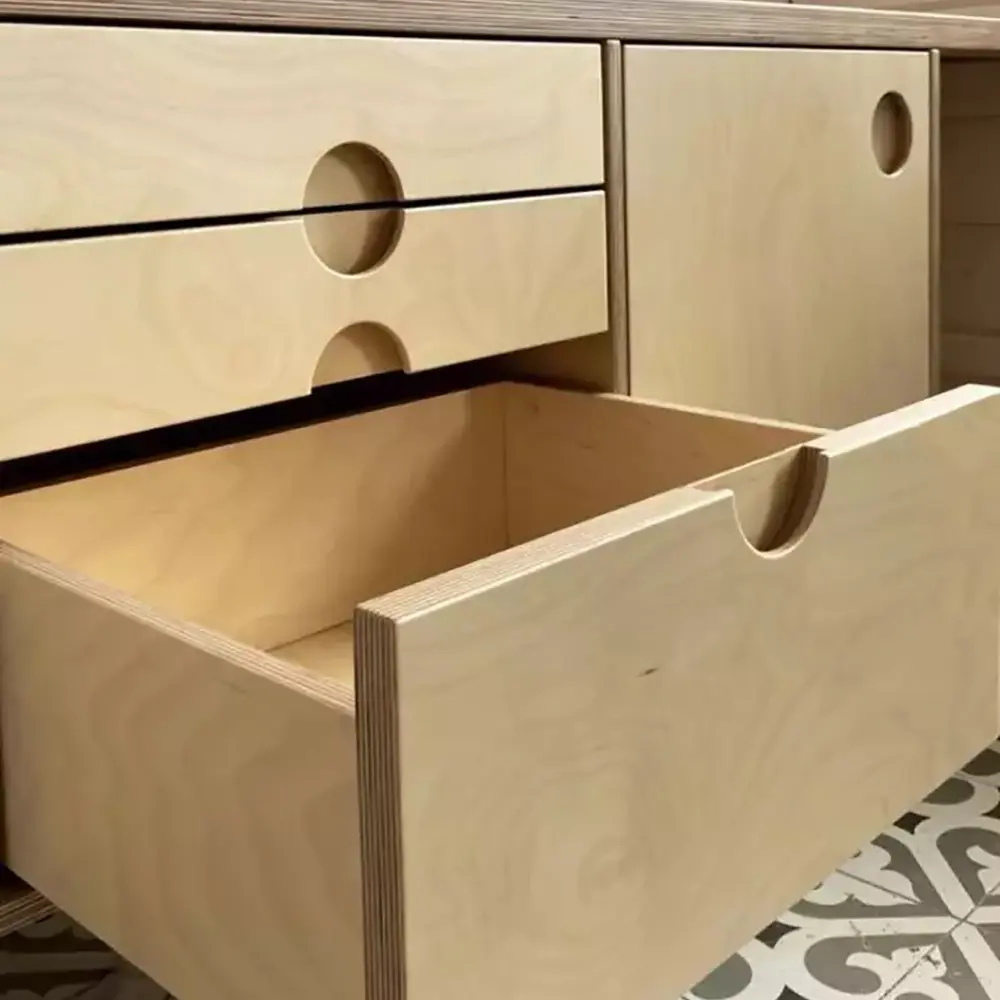
This project focuses on upgrading a panel furniture production line by introducing a fully integrated 4-axis ATC woodworking CNC router machine with automatic labeling and drilling functions. The goal was to replace a traditional multi-machine workflow with a more efficient, single-machine solution.By implementing this advanced CNC router for woodworking, the factory successfully streamlined its entire process, from labeling and cutting to drilling and output, while significantly reducing manual operations. The result is a more organized, accurate, and high-efficiency production system.
This project demonstrates how modern CNC router machinery can help furniture manufacturers improve productivity, lower labor costs, and adapt to the growing demand for customized furniture production.
Related models
$13,800.00~$19,800.00
Sale
The client for this project is a medium-sized panel furniture manufacturer specializing in the production of kitchen cabinets, wardrobes, and custom home furniture. Their products are primarily exported but are also supplied to local dealers, which means they must meet both high-quality standards and fast turnaround requirements.
Over the past two years, their business has grown rapidly. With the rise of custom furniture, order types have become more diverse—including smaller batch sizes, a wider variety of design options, and tighter delivery deadlines. While this has created new opportunities, it has also placed significant pressure on their production system.
I. Requirements for Panel Furniture Production
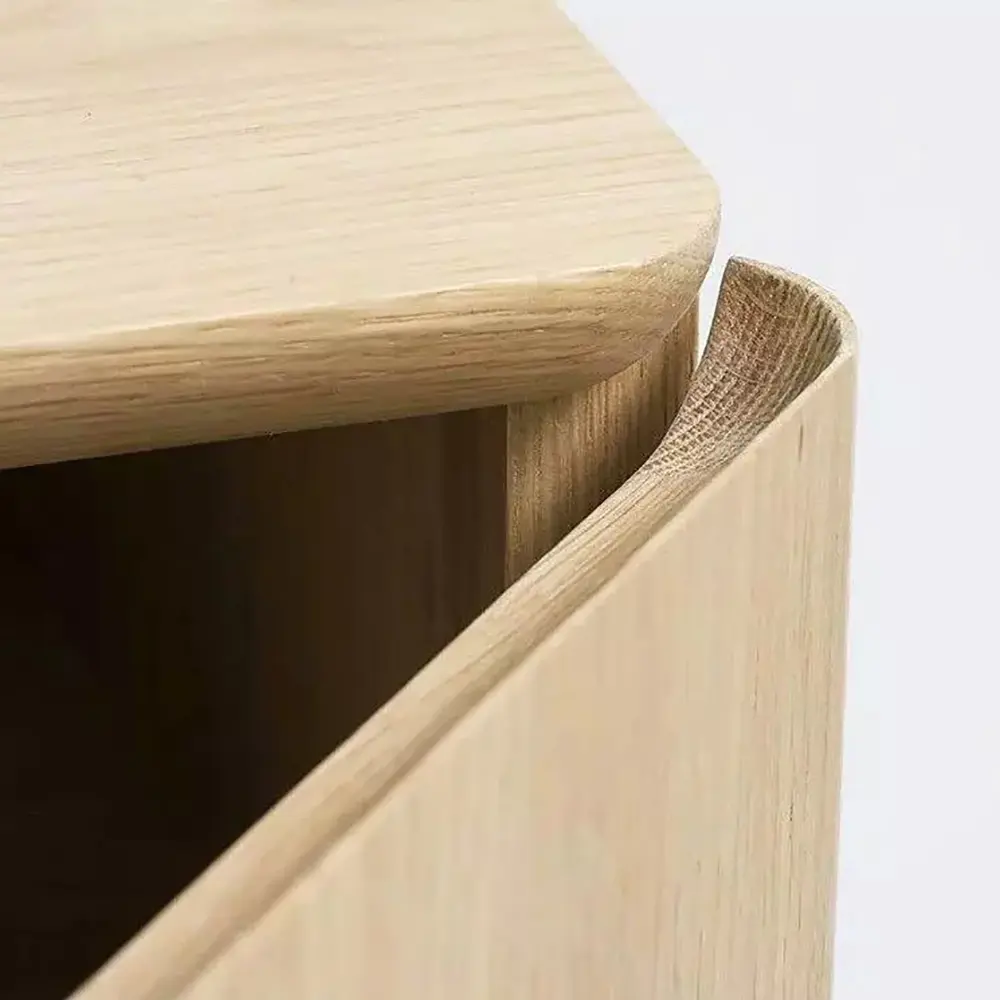
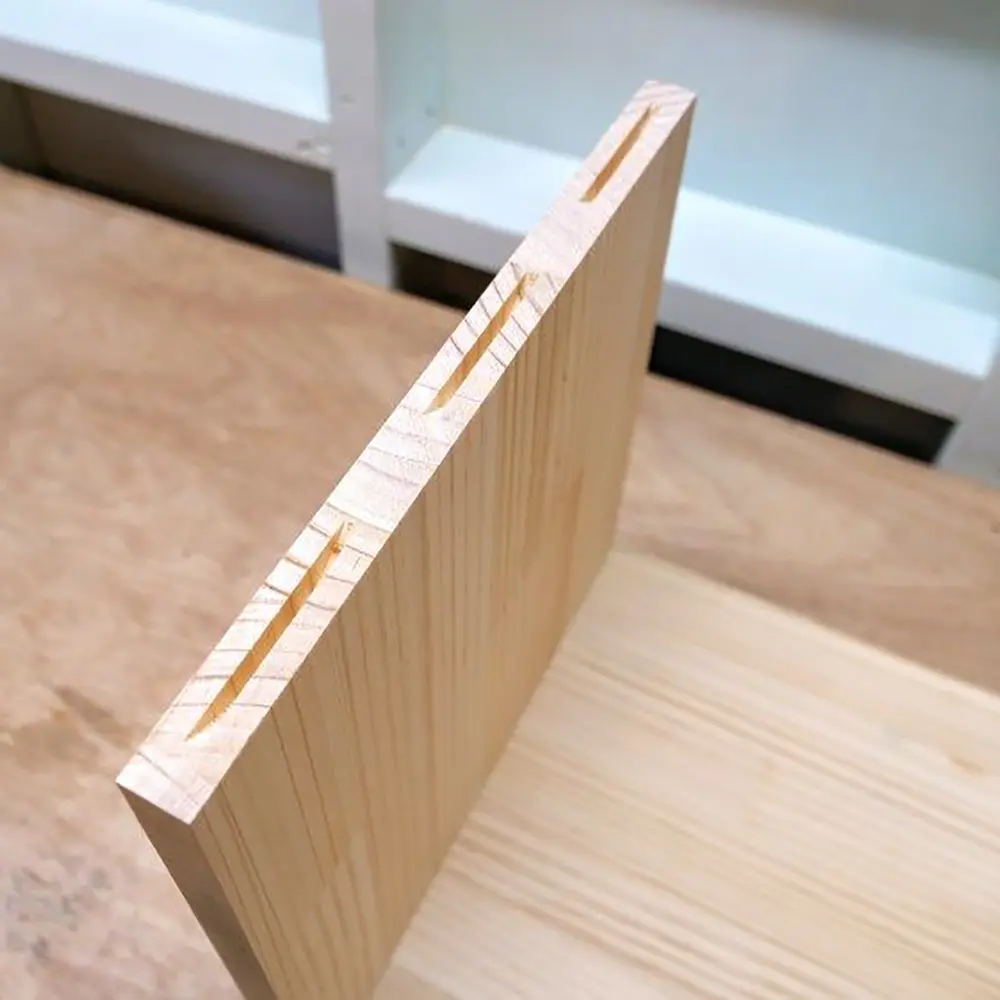
This project focuses on the production of various types of panel furniture, including kitchen cabinets, wardrobes, office furniture, and custom storage units. These products are typically made from materials such as solid wood, medium-density fiberboard (MDF), plywood, and particleboard, and require precise cutting, drilling, and routing, as well as accurate component labeling to ensure proper assembly.
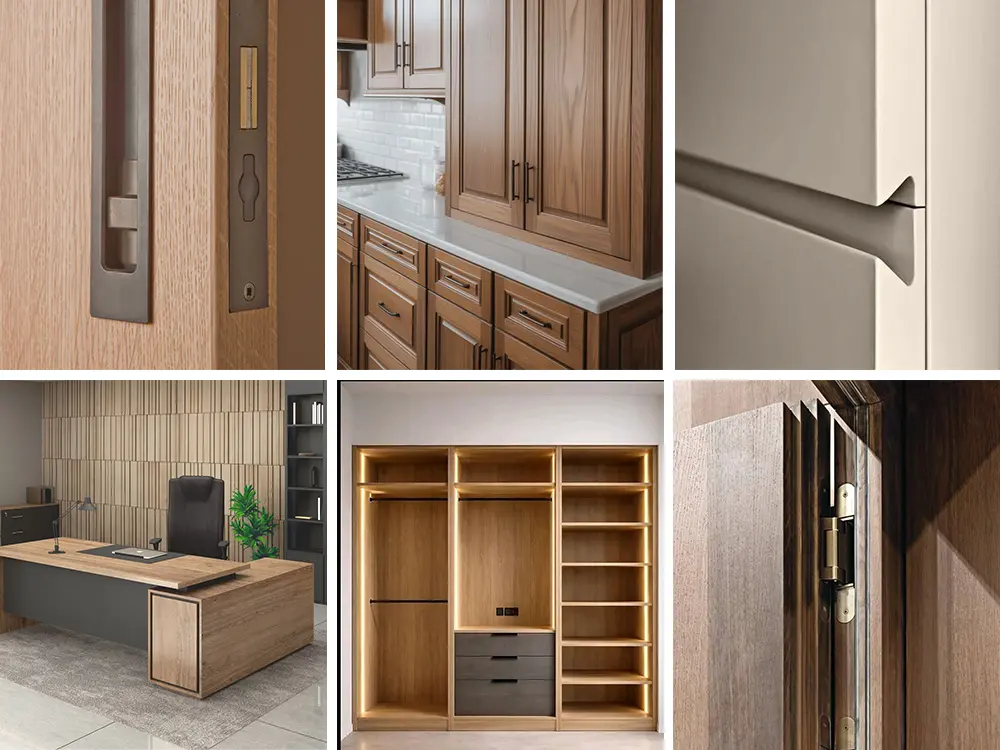
Unlike traditional mass production, modern panel furniture manufacturing increasingly emphasizes customization. Each project may involve different dimensions, structures, and hole patterns, placing higher demands on machining precision and production flexibility. As a result, manufacturers need a more advanced woodworking CNC router machine that can handle diverse designs while maintaining consistent quality.
The production process for such projects typically includes:
- Panel cutting and nesting
- Drilling for connectors and hardware
- Routing for back panels or structural components
- Labeling for identification and assembly
To complete these steps, many factories still rely on a combination of multiple standalone machines, such as a CNC router for woodworking for cutting and separate equipment for drilling. While this setup can meet basic production needs, it often falls short of the efficiency and precision required for large-scale or custom orders.
Another key requirement for panel furniture projects is workflow organization. Since each order may involve dozens or even hundreds of panels, accurate identification and seamless process coordination are critical. Without an integrated system, managing these components becomes increasingly complex as production volume grows.
Consequently, for cabinetry, wardrobes, and other custom furniture projects, manufacturers are seeking more integrated CNC router machinery solutions. A modern wood machine router that combines cutting, drilling, and labeling functions can significantly streamline the production process, reduce manual intervention, and improve overall efficiency.
This is precisely the production scenario where multifunctional wooden router machine - such as 4-axis ATC CNC router with labeling and drilling capabilities - can truly demonstrate their value.
II. Challenges in Traditional Production Workflows
As factories continue to expand, the limitations of traditional production methods have become increasingly apparent. Whether it is woodworking CNC router machine or standalone drilling machines, while each piece of equipment functions properly when used individually, the lack of integration between processes results in low efficiency across the entire production line.
1. Errors and Confusion Caused by Manual Labeling
One of the most challenging issues is manual labeling. After cutting is complete, workers must manually mark each panel to identify its location, dimensions, and assembly sequence. This process relies heavily on human precision, and errors are inevitable under high production pressure. Common issues include:
- Incorrect or missing labels
- Panels getting mixed up during sorting
- Assembly delays caused by misidentification
As order volumes increase - especially for custom furniture orders - the number of panels per project also rises. This makes manual labeling even more difficult, turning what once seemed like a simple task into a major bottleneck.
2. Multiple Machines Reduce Efficiency
The factory’s workflow requires panels to pass through several different machines: cutting → drilling → sorting. While each step is necessary, the overall process is highly inefficient.
Frequent machine changes result in:
- Increased material handling time
- Production interruptions during the process
Operators must constantly load, unload, and reposition panels. This not only slows down production but also increases the risk of damage and errors. Compared to more integrated CNC router machinery solutions, this fragmented workflow makes it difficult to achieve consistent production efficiency. Even when using reliable CNC router for woodworking, overall efficiency is limited due to poor coordination between processes.
3. Complex Drilling and Cutting Processes
Since cutting and drilling are performed separately, the panels must be repositioned multiple times. Each repositioning can introduce errors, especially when manual alignment is required. This results in:
- Inconsistent hole placement
- Reduced assembly accuracy
- Increased rework and material waste
Furthermore, the setup process for different panel designs is extremely time-consuming. Operators must adjust parameters for each machining operation, which requires both extensive experience and meticulous attention to detail.
For a factory aiming to scale up production and handle more complex orders, this level of manual involvement is unsustainable. Clearly, a more advanced wooden router machine is needed to streamline operations.
III. Solution: Upgrading to a 4-Axis ATC CNC Router
After a detailed assessment of the production line, we determined that improving efficiency could not be achieved by optimizing a single step alone, but rather required an upgrade of the entire process. The customer needed a solution capable of integrating cutting, drilling, and labeling into a single continuous workflow, while also being able to handle the complexities of custom furniture production.
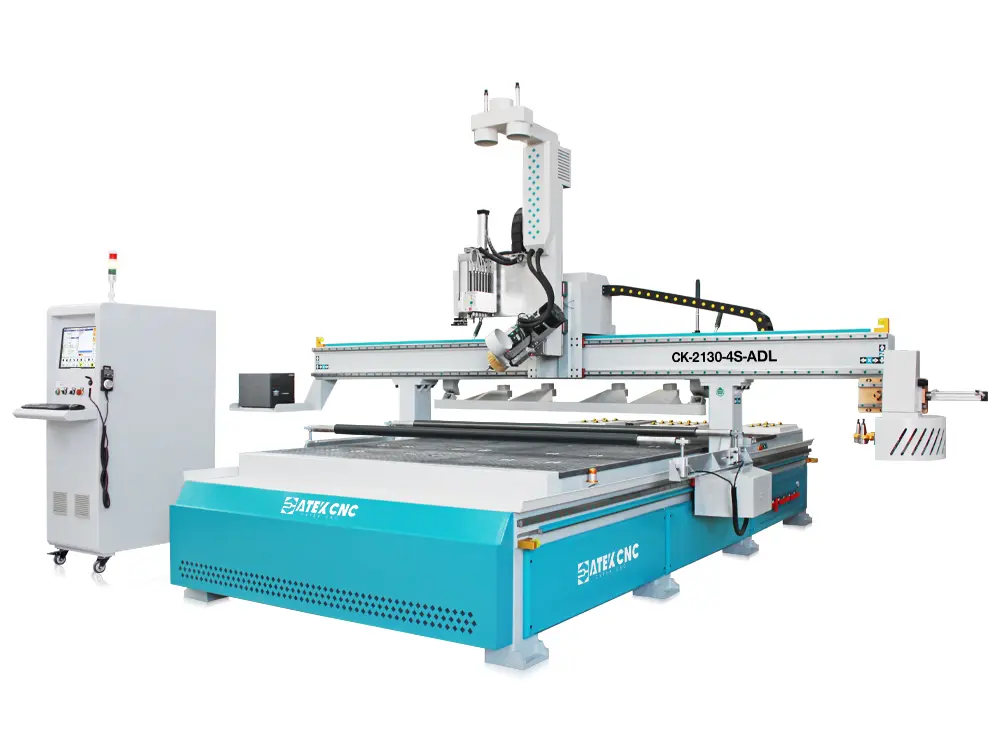
To achieve this, they upgraded to the 2130 4-axis carousel ATC CNC router with automatic labeling and drilling system - a high-performance woodworking CNC router specifically designed for panel furniture manufacturing.
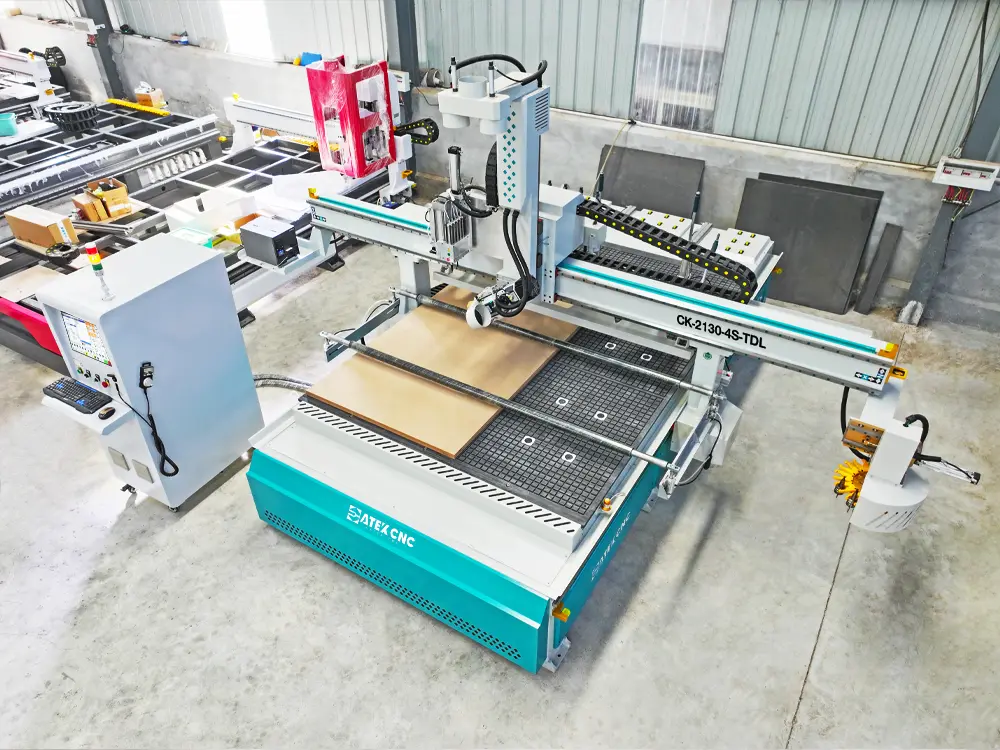
From the customer’s perspective, the final decision hinged on one key factor: actual performance in real-world production. Their previous setup involved using a basic CNC router for woodworking, combined with separate drilling and manual processes. While feasible, this approach resulted in frequent interruptions, requiring machine changes, panel movement, and operator involvement at every stage.
This new CNC router offers something fundamentally different: true process integration and industrial-grade configuration.
First, the 2100x3000mm(7x10ft) working area perfectly matches standard panel dimensions, allowing for full-panel processing without repositioning. This reduces handling time and improves both efficiency and material utilization.
Additionally, the wood machine router is equipped with a high-power, 9kW air-cooled automatic tool-changing spindle capable of continuous operation at speeds up to 18,000 RPM, enabling stable and rapid continuous cutting of solid wood, MDF, plywood, and particleboard. This level of power is essential for factories with high daily output, a requirement that many traditional woodworking routers struggle to maintain under heavy loads.
Third, the CNC Router machine is equipped with a disc-type automatic tool changer (typically accommodating 12 tools), allowing it to perform various operations - including cutting, grooving, and drilling - within a single machining cycle without manual intervention. Compared to traditional woodworking routers, tool-changing efficiency is improved by over 80%, significantly reducing downtime.
Another key feature is its four-axis rotary head, capable of rotating ±90°. This enables the machine to perform side drilling and angled machining - capabilities that previously required additional equipment.
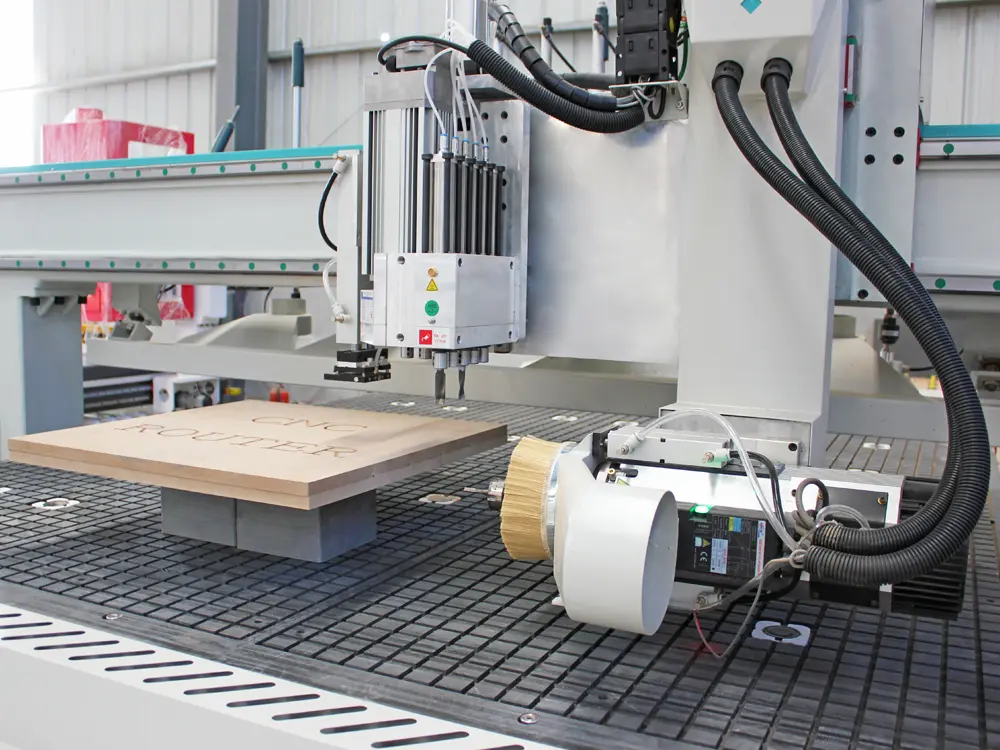
Most importantly, this ATC CNC router machine integrates a 5+4 vertical drilling array, enabling fast and precise multi-hole machining. For cabinet and wardrobe production, where hole accuracy is critical, this feature directly enhances assembly quality.
Combined with an automatic labeling system, this machine transforms what was once manual labor into a highly automated workflow. For customers, this is not merely a simple upgrade to woodworking machinery, but a transformation in their production methods.
IV. Actual Processing Workflow
1. Program Setup and Data Import
CNC files are designed using CAD software, and CAM software converts the design files into toolpath code that the CNC machine can read. In other words, the operator imports design files from CAD/CAM or furniture design software (such as cabinet design systems). The software can automatically generate nesting layouts to optimize material utilization and reduce waste.
2. Panel Loading and Automatic Positioning
At the start of processing, the sheet material is placed on the worktable. A vacuum suction system quickly secures the sheet in place, ensuring it remains stable during high-speed machining. Simultaneously, the system reads the production data and prepares for subsequent steps. This replaces the traditional manual positioning process, ensuring consistent accuracy from the very beginning. Like most CNC machining processes, the machine operates according to pre-programmed instructions, achieving precise and repeatable machining without human intervention.
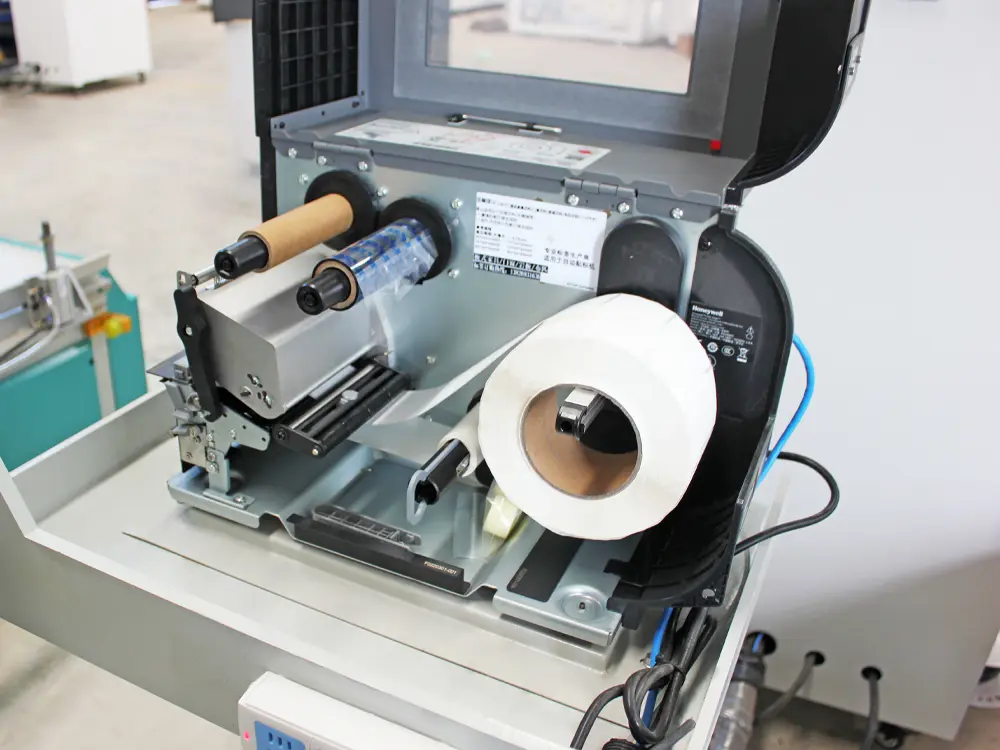
3. Automatic Labeling
Before cutting begins, the machine automatically prints labels and applies them to the panel. The labels contain all necessary production information, such as part numbers and machining data.
4. Nesting and Cutting
After labeling, the spindle begins the cutting process. The high-power 9kW spindle operates at high speed, efficiently cutting the sheet material along optimized nesting paths. The machine moves along the X, Y, and Z axes, precisely executing the preset toolpaths to ensure accurate dimensions and smooth edges.
5. Automatic Tool Change for Multi-Process Machining
To perform different operations, the machine uses a disc-type automatic tool changer to automatically switch tools. The system selects the correct tool and resumes machining within seconds without stopping the machine or requiring manual tool changes.
6. Drilling and Routing
The 5+4-axis drilling unit performs vertical and horizontal drilling without the need to move the panel to another machine. Additionally, the 4-axis spindle can perform auxiliary machining as needed.
7. Completion
Once all processes are complete, the finished panel is ready for the next stage of processing, such as edge banding or assembly.
V. Improvements in Production and Processing
Since the new system was put into operation, the improvements have been evident not only on the production floor but also quantifiably reflected in actual production data. By replacing a fragmented workflow with a single integrated CNC woodworking router machine, the factory has achieved significant improvements in efficiency, cost control, and production stability.
1. Reduced Labor Costs
Previously, multiple workers were required to handle labeling, machine operation, and the transportation of panels between different workstations. Upgrading to this integrated CNC router machine for woodworking has eliminated most manual operations.
A single machine can replace approximately 2–3 workers, and for factories facing rising labor costs, this upgrade to a CNC router machine delivers significant economic value.
2. Increased Production Efficiency
Since cutting, drilling, and labeling are all completed within a single cycle on one woodworking CNC router machine, there is no need to switch machines or transfer materials, resulting in an overall production efficiency increase of 30%–50%.
3. Improved Accuracy
This woodworking CNC router machine utilizes an integrated drilling system and single-station machining technology to ensure high-precision hole positioning, significantly reducing rework and ensuring a better fit for assembly holes. Even with standard woodworking CNC router machines, achieving this level of consistency through separate machines and manual positioning is difficult.
4. Improved Workflow Management
The built-in labeling system has revolutionized the way panels are tracked during production. Each panel is automatically labeled before processing, facilitating identification and management at every stage. For factories producing various furniture components, this feature enables a more structured and controllable workflow.
VI. Is This CNC Router Right for Your Factory?
Not every machine is suitable for every factory, but this CNC router for woodworking is an ideal choice for manufacturers facing similar challenges. If your factory meets the following criteria, this CNC router is a good fit:
- Produces cabinets, wardrobes, or panel furniture
- Handles custom or small-batch orders
- Uses multiple machines for cutting and drilling
- Relies heavily on manual labeling and sorting
- Wishes to improve efficiency without increasing the workforce
If you currently use a standard woodworking router machine and separate drilling equipment, upgrading to an integrated CNC woodworking router like this one will make a significant difference.
However, for small workshops with lower production volumes, a simpler or more cost-effective CNC router may suffice. The CATEKCNC team can help determine which machine is best suited to your production needs and configure a customized machine for you.
Whether you need a high-end production system or a more affordable CNC router, we can tailor a solution that fits your budget and production goals.
If you are currently using traditional CNC router machines for woodworking and facing efficiency challenges, now is the perfect time to upgrade.
Contact us today to receive:
- Detailed machine specifications
- Pricing and configuration options
- Solutions tailored to your production line
VII. Conclusion
Ultimately, this project demonstrates a simple truth: the key to improving production efficiency lies not in increasing the number of machines, but in selecting the right machines. By upgrading to a fully integrated CNC woodworking router machine, this factory streamlined its operations, reduced manual labor, and achieved a more stable and efficient workflow.
If you still rely on traditional CNC routers for woodworking and face limitations in efficiency or scalability, now is the time to reconsider your equipment configuration. Smarter, more integrated CNC router machine solutions can make a significant difference. This is not only crucial for your current production but will also greatly benefit your future growth.
Other Projects

How to Break Small Statue Mass Production Challenges with Multi-Station 3D CNC Router?
Targeting the client’s real-world bottlenecks in complex 3D statue mass production and low curved-surface machining efficiency, this project introduces the CK-1020-10S Multi-Station 3D CNC Router solution. Utilizing 10 independent stations and 4-axis simultaneous technology, it achieves synchronized automated processing of 10 complex statues via a one-time clamping, compressing lead times from days to hours. This field-proven system perfectly balances intricate precision with extreme output to...

Stone CNC Router Machining Project – Quartz Stone Engraving with 2030 CNC Stone Router
In the stone processing industry, precision, stability, and durability are essential. Whether producing tombstones, architectural decorations, relief carvings, or custom stone signs, choosing the right stone cnc router directly affects productivity and final quality.This project article introduces a real stone engraving project completed with the 2030 stone cnc router, explains the full machining workflow, highlights machine configuration advantages, and recommends different models for various s...
Produce Chinese-Style Wood Door Using a CNC Router Machine
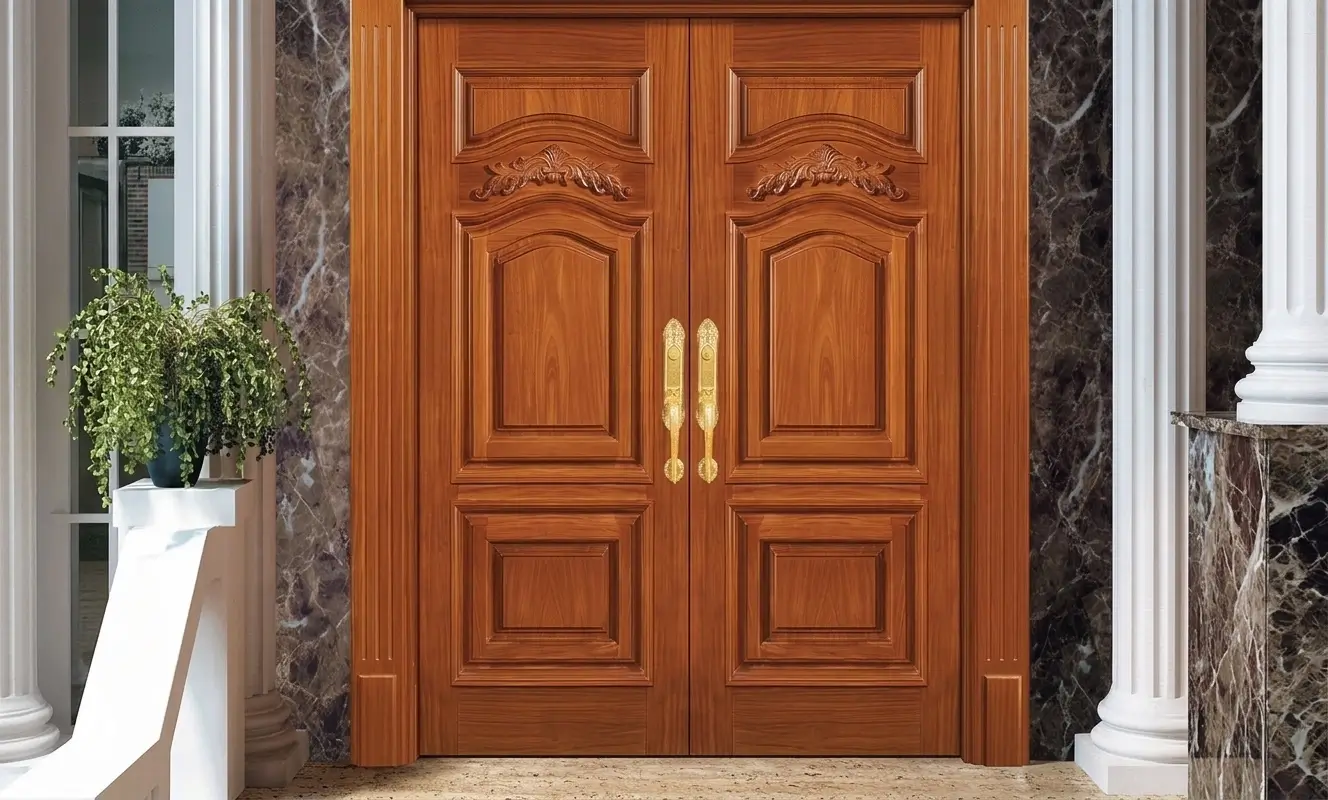
Chinese furniture is loved by some people for its solemn, simple, harmonious and elegant style, but its complex carvings and strict symmetrical aesthetic requirements make its processing more complicated. Now, with the help of CNC routers, you can save effort and complete the production of Chinese furniture quickly, and the production quality and consistency of mass production far exceed traditional manual labor.
How This 4-Axis ATC CNC Router Transforms Panel Furniture Production Efficiency
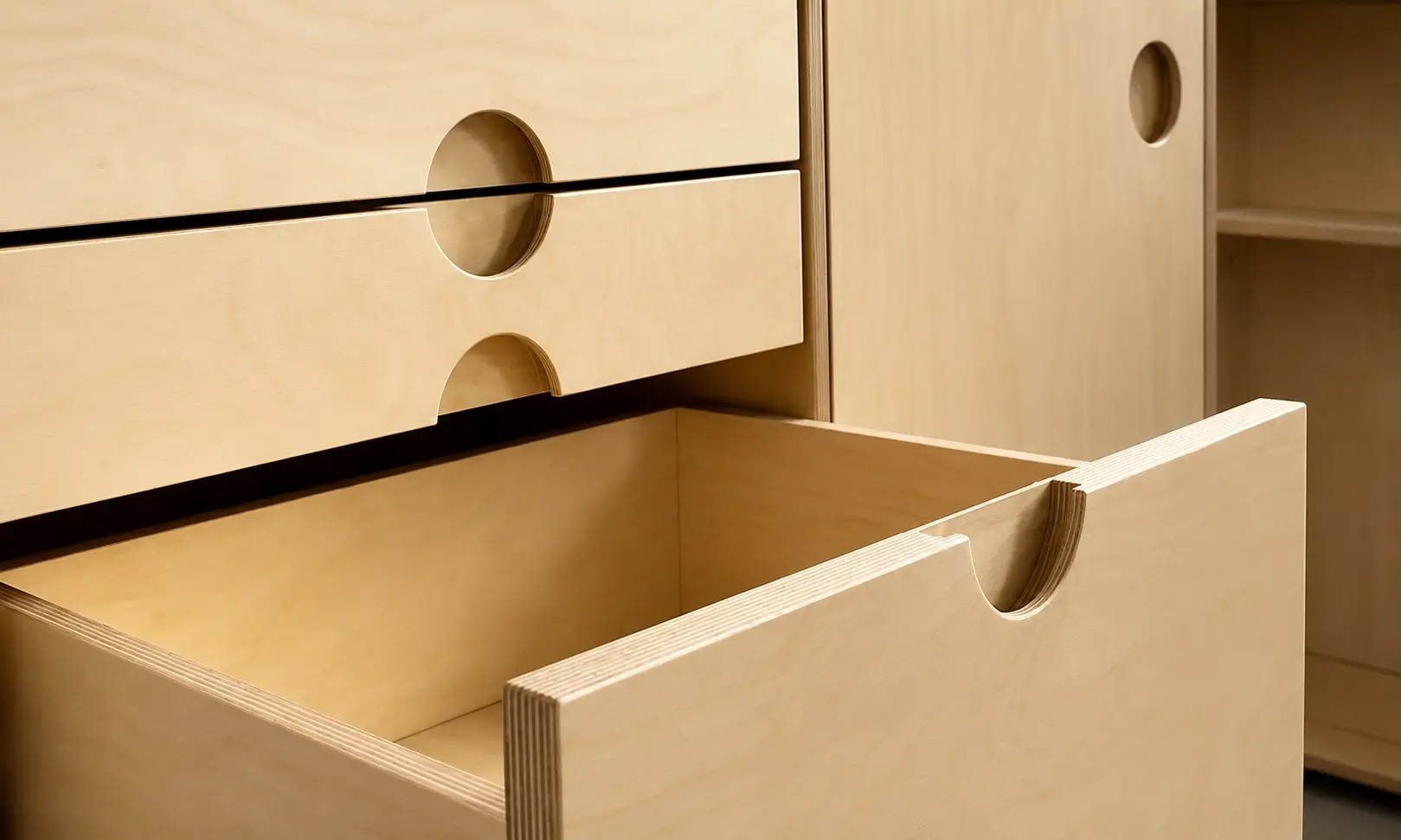
This project focuses on upgrading a panel furniture production line by introducing a fully integrated 4-axis ATC woodworking CNC router machine with automatic labeling and drilling functions. The goal was to replace a traditional multi-machine workflow with a more efficient, single-machine solution.By implementing this advanced CNC router for woodworking, the factory successfully streamlined its entire process, from labeling and cutting to drilling and output, while significantly reducing manual...