


{{goods.model}}
2026 High-Performance CNC Laser Cutting Machines for Metal
If you’re running a metal shop in 2026, you already know the pressure. Customers want faster delivery, cleaner cuts, lower prices, and they expect perfect quality every time. That’s why choosing the right CNC Laser Cutting Machines has become such an important decision. Whether you’re handling daily laser cutting steel, producing custom parts from laser cut metal sheets, or expanding into more complex jobs like tube laser cutting, your machine directly affects your efficiency and profits. A modern laser cutting machine for metal isn’t just equipment anymore, it’s the core of your production line, and getting it right makes all the difference.
I.Understanding Your Real Production Needs
Most users searching for a laser machine to cut metal are not looking for flashy specifications. What you really want is consistency. When performing laser cutting of metal sheets, the priority is stable beam quality, smooth edges, and minimal rework. If your business focuses on laser cutting stainless steel, you already know how critical it is to avoid burn marks, warping, and rough edges that require secondary polishing.
Modern laser cutting metal machines are engineered to maintain stable output even during long shifts. A reliable CNC laser cutter for steel must deliver repeatable accuracy day after day, especially when processing batch orders. For sheet metal workshops, the ability to produce uniform laser cut metal sheets without dimensional deviation is often more important than extreme speed alone.
II.Fiber Laser Machines: The Mainstream Choice for Metal Cutting
In 2026, fiber laser machines dominate the metal fabrication industry.because they combine speed, precision, and versatility in a way few other technologies can match. A typical fiber system uses a 1064 nm laser controlled by a CNC system, allowing it to cut flat sheets, tubes, and profiles of carbon steel, stainless steel, aluminum, copper, and many other metals with excellent results.
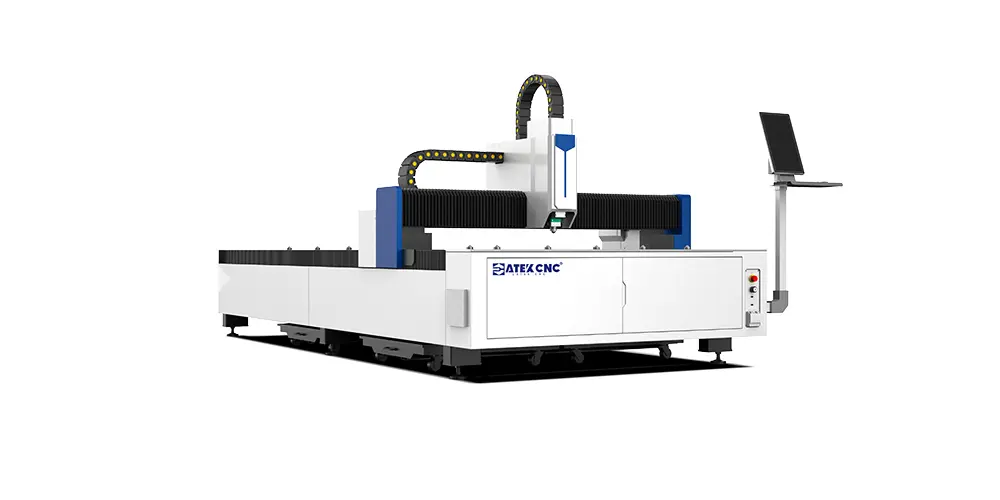
What really sets fiber technology apart is its superb cutting performance and efficiency. Because the laser beam is delivered through fiber optics rather than a complex lens system, the optical path remains stable and the machine can operate continuously with less maintenance. This means businesses specializing in laser cutting steel or laser cutting stainless steel experience fewer interruptions and lower long-term operating costs compared to older systems.
On real shop floors, you’ll notice that fiber cutters generate extremely narrow kerfs and smooth edges with minimal heat-affected zones, so parts often require no secondary finishing. Many operators upgrading from past systems also find that the consistency in cutting quality, especially for reflective metals improves dramatically, reducing waste and rework. Fiber machines achieve this while consuming less power, making them ideal for ongoing industrial production rather than occasional jobs.
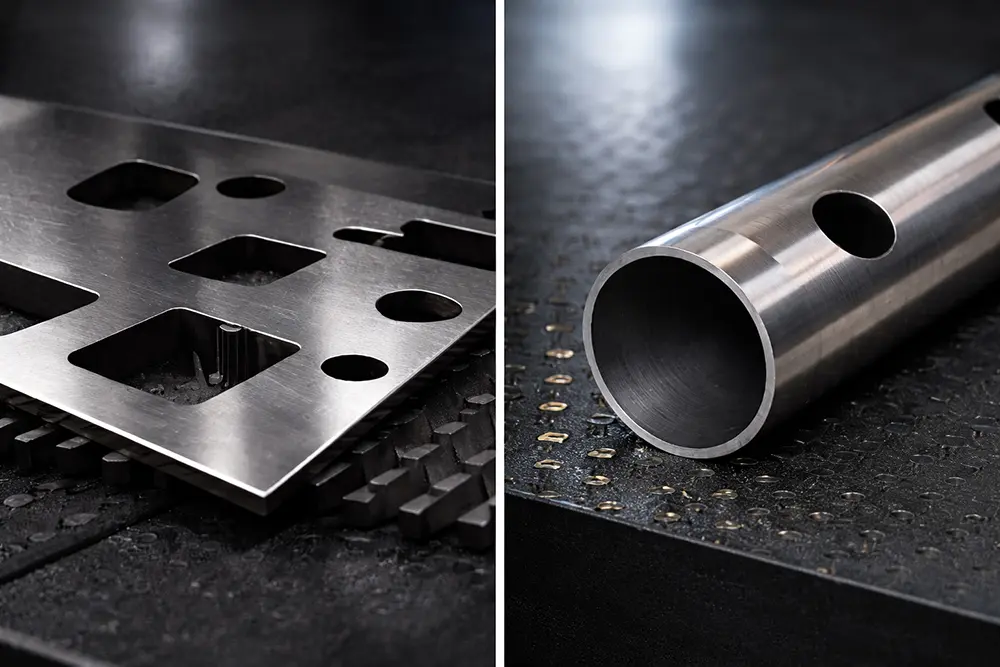
Manufacturers like CATEKCNC even design models that handle both metal sheets and pipes, with specialized tables and automated clamping systems that expand what your workshop can do, from straight cuts and curves to complex shapes and bevels. These machines often come with intelligent CNC controls and software that integrate with common file formats and nesting programs, helping you optimize material usage and boost productivity even further.
III.What About CO2 Cutting Laser Systems?
While fiber laser machines have become the go-to choice for heavy metal fabrication, CO2 cutting laser systems still play an important role in workshops that deal with non-metal materials, mixed projects, or creative production environments. A CO2 laser cutter uses a gas laser with a 10.6 µm wavelength, which is especially effective at cutting and engraving non-metal materials like wood, acrylic, plastic, fabric, leather, and more. These machines are typically designed for precision graphics, signage, decorative work, and artistic applications rather than heavy steel processing.
For example, models such as the CK-1390-C CO2 laser cutting and engraving machine provide excellent detail and smooth edges on materials like acrylic signage and wood without burning or mechanical stress, because the laser works without direct contact. The system often includes features like a water-cooling system to support prolonged operation and red light positioning for easier setup and accuracy.
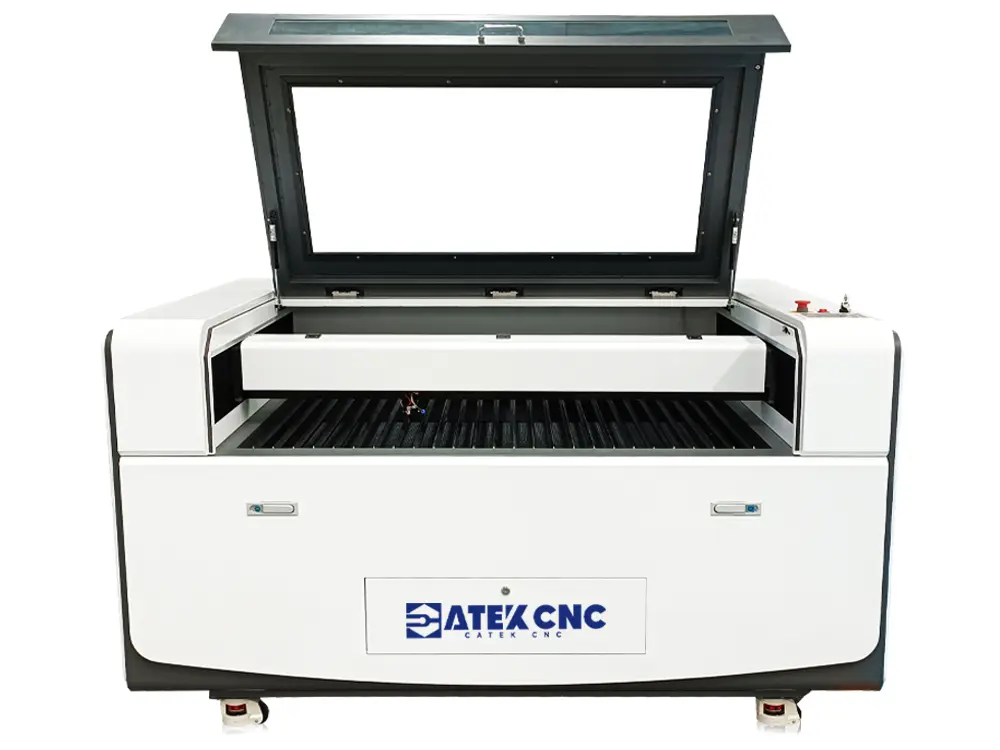
CO2 cutters are also compatible with popular design software formats like AutoCAD and CorelDRAW, making them accessible for creative workshops that need to go from digital design to finished product quickly. Many of these machines can be configured with dual laser heads or larger work tables to improve throughput for batch jobs or larger format cutting.
That said, if your main business is laser cutting steel, laser cut stainless steel, or general metalwork, CO2 systems are limited in capability — they struggle with highly reflective metals and thick sheets. Their strength lies in processing non-metal materials and combining cutting with detailed engraving, so they shine in sectors like signage, gift making, furniture decoration, and multi-category small batch production.
IV.Sheet Metal Processing
For workshops specializing in laser cutting machine sheet metal, precision is directly tied to profit margins. A high-quality laser cutting table ensures stability during operation, reducing vibration and improving edge smoothness. This becomes especially important when performing detailed laser cutter sheet metal tasks where tolerance levels are tight.
The CK-1530-F single-platform fiber laser cutting machine is an economical, high-efficiency solution engineered for real-world production environments. Its standard 5×10 ft processing bed accommodates mainstream sheet metal dimensions. For industries like cabinetry, appliance enclosures, kitchen/bath fixtures, and signage, this standardized size translates to less waste and higher efficiency.
In terms of precision, its 0.03mm positioning accuracy and 0.02mm repeatability ensure consistent batch production. Whether performing precision hole punching or complex contour cutting, it guarantees uniform finished dimensions and reduces rework rates.
In terms of actual processing capabilities, this equipment can cut metal thicknesses at different power levels:
| 1500W | 2000W | 3000W | 6000W | 8000W | 10000W | 12000W | 15000W | 20000W | |
|---|---|---|---|---|---|---|---|---|---|
| Carbon Steel(Q235B) | 16mm | 20mm | 25mm | 30mm | 30mm | 40mm | 45mm | 50mm | 60mm |
| Stainless Steel(US304) | 8mm | 10mm | 12mm | 20mm | 25mm | 40mm | 45mm | 50mm | 60mm |
| Aluminum(6061) | 5mm | 6mm | 8mm | 16mm | 30mm | 35mm | 40mm | 50mm | 65mm |
| Brass | 4mm | 6mm | 8mm | 16mm | 18mm | 20mm | 25mm | 50mm | 35mm |
For most medium-sized sheet metal workshops, this fully covers mainstream operational requirements.
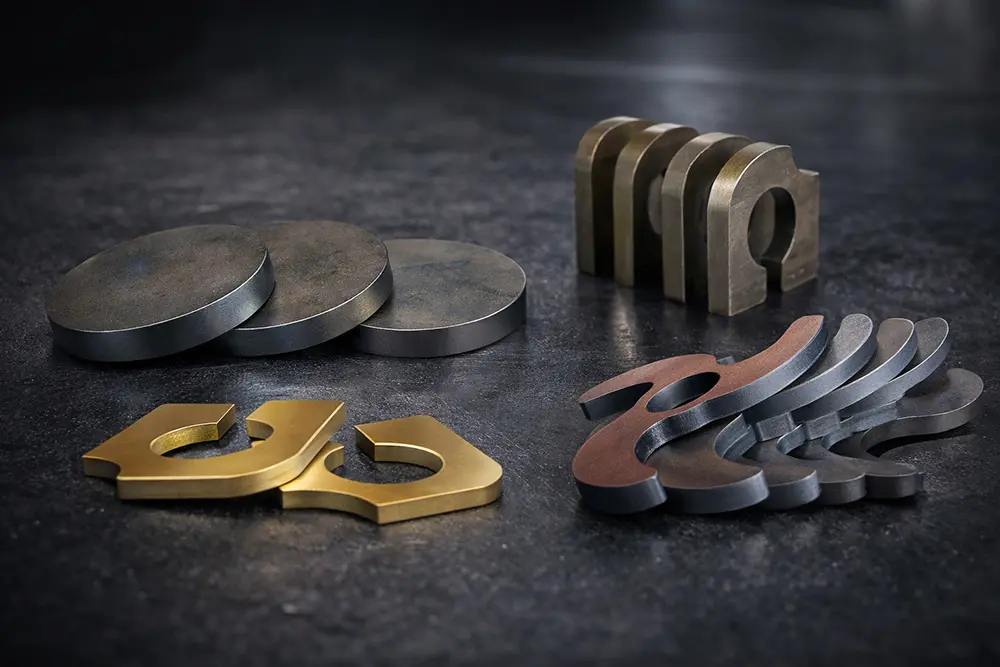
Additionally, the new anti-burn thermal insulation technology and adaptive collision-avoidance sensing design proactively detect sheet warping, automatically avoiding obstacles to reduce laser head wear costs. These detailed designs directly impact long-term operating expenses.
Many users worry about bed deformation affecting precision after prolonged operation of high-power equipment. The CK-1530-F fiber laser cutter features a double-keel welded bed structure with 10mm thick rectangular tubes. Its fillet-welded joint design enhances overall rigidity, specifically engineered for high-efficiency continuous processing environments.
Equally important is advanced laser cutting software. Intelligent nesting functions maximize material utilization during laser cutting of metal sheets, reducing scrap rates and lowering raw material costs. Operators can benefit from the user-friendly interface, which reduces training time, especially for beginners using CNC laser cutting steel systems.
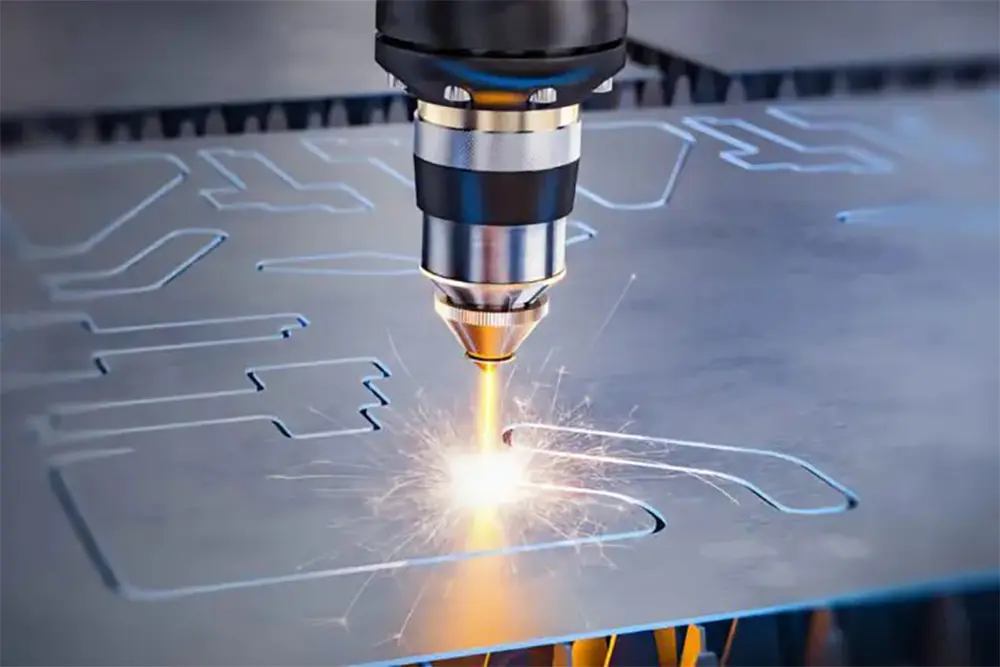
When cutting thicker materials, proper machine configuration determines whether laser cutting steel sheet results in clean edges or excessive slag. Choosing appropriate power and motion control is essential for maintaining efficiency without compromising cut quality.
V.Tube Laser Cutting
If your factory processes large volumes of metal tubing daily, you understand that the stability, clamping precision, rotational accuracy, and material utilization of tube cutting machines directly impact final product quality. Professional tubing laser cutting machine like the CK-2260-T is powerful tool for boosting production efficiency.
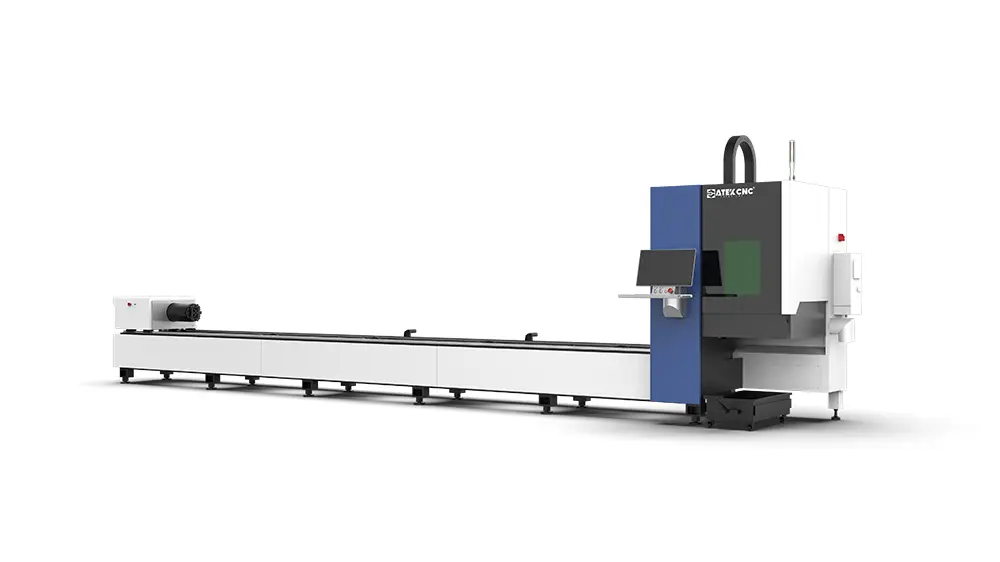
Engineered specifically for industrial tube laser cutting, this machine accommodates tubes up to 6000 mm (Customizable) in length and handles a wide range of diameters, processing round, square, rectangular, and various specialty-shaped tubes. With selectable laser power ranging from 1500W to 3000W, it effortlessly cuts carbon steel, stainless steel, aluminum, and other common metal tubes used in furniture frames, fitness equipment, building structures, and automotive components.
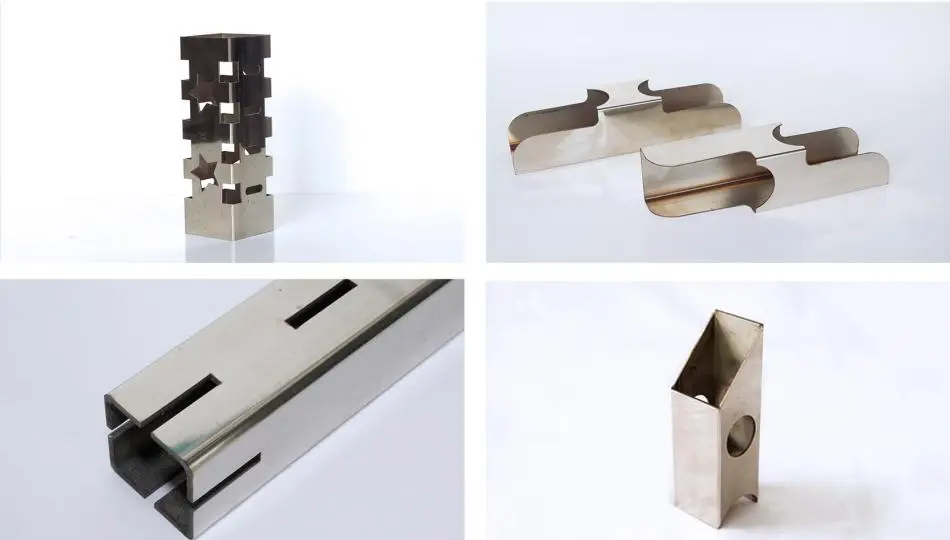
In actual production, both speed and precision must be balanced. This system delivers repeat positioning accuracy as high as ±0.02mm/1000mm, ensuring consistent results even during batch processing. High-speed motion and stable acceleration enable the machine to maintain efficiency while guaranteeing cutting quality. Smooth edges and minimal deformation reduce the need for secondary grinding or correction, allowing you to proceed directly to welding or assembly.
What truly elevates workflow efficiency is the intelligent tube cutting control system. Features like automatic edge detection, support for common design software formats, and optimized cutting paths simplify operation and reduce setup time. The automatic clamping structure ensures stable rotation and precise positioning, even for long or heavy tubes, while the floating support system minimizes vibration during the cutting process.
VI.Multifunctional Fiber Laser Sheet & Tube Cutting Machine
In real manufacturing environments, many companies handle both sheet metal components and tubular structures. When sheet cutting and tube cutting rely on two separate machines, it increases capital investment, occupies more workshop space, and adds complexity to production scheduling and maintenance. That’s why more manufacturers are turning to a fiber laser sheet and tube cutter as a more integrated solution.
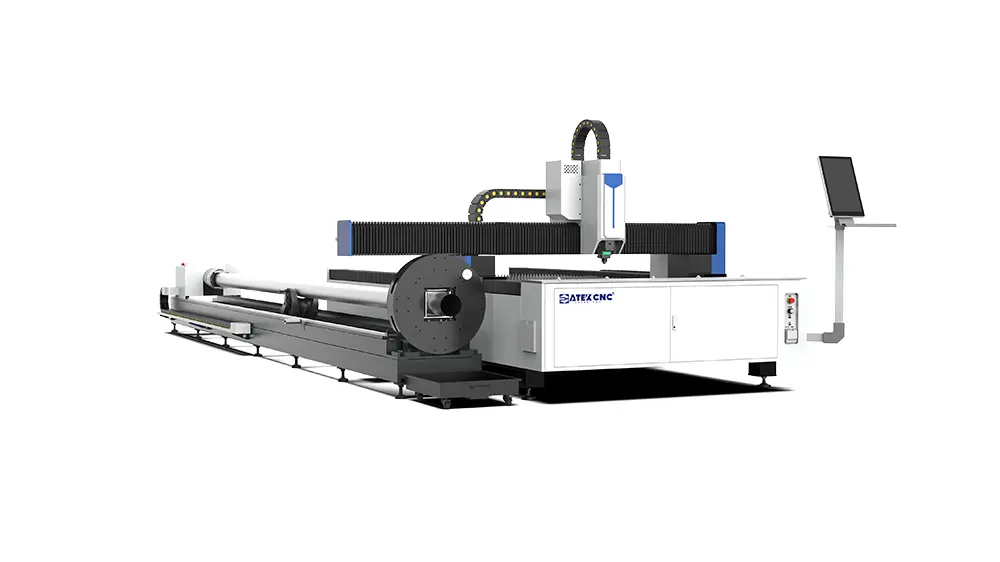
A professional sheet and tube laser cutting machine allows you to perform laser cutting sheet metal and steel tube laser cutting on a single platform. It maintains the high speed and precision required for flat sheet processing while also ensuring stable rotation, accurate clamping, and consistent results during tube cutting. Whether working with carbon steel, stainless steel, or aluminum, the machine can handle flat contours, structural panels, tube holes, and complex profiles with smooth edges and minimal secondary processing.
For businesses specializing in metal furniture, engineering structural components, or custom fabrication, this dual-purpose sheet and tube laser cutting machine represents a true upgrade in production methodology. It streamlines your production line, enhances scheduling flexibility, and maximizes capital utilization. Rather than managing separate sheet metal and tube cutting machines, a single reliable fiber laser cutting machine handles both tasks simultaneously—freeing you to focus on securing more orders.
VII.Choosing the Best Laser Cutting Machine in 2026
Selecting the right laser cutting machine involves more than just power or speed. You need a system that accommodates your material types, thickness range, production volume, precision requirements, and future expansion plans. Here are key factors to consider:
1. Choose the Right Laser Technology for Your Materials
Different laser technologies suit different metals. Fiber lasers excel at cutting carbon steel, stainless steel, aluminum, and copper, while CO₂ lasers are better suited for non-metallic materials and mixed production environments. If your workshop primarily processes highly reflective metals or thick plates, fiber lasers are the optimal choice.
2. Power and Cutting Thickness
Laser power determines maximum cutting thickness and efficiency. For instance, 1500W–3000W fiber lasers meet most industrial sheet and tube cutting needs. Selecting the right power ensures clean cuts while avoiding energy waste and quality loss.
3. Precision and Repeatability
Precision is crucial for minimizing rework and maintaining consistent product quality. High-precision CNC laser cutting machines should offer fine positioning accuracy and repeatability to ensure every part in batch production meets specification requirements.
4. Production Scale and Automation
For workshops with high order volumes or continuous production needs, features like intelligent nesting, automatic clamping, floating supports, and advanced CNC systems enhance efficiency, reduce setup time, and simplify operator training.
5. Software Compatibility and Optimization
Modern CNC laser cutters feature intelligent software supporting common design formats and nesting programs. Smart nesting maximizes material utilization, reduces scrap, and optimizes workflow efficiency. User-friendly interfaces also facilitate quick onboarding for new operators.
The most suitable laser cutting machine should meet your material requirements, cutting specifications, and production scale.
VIII.Conclusion
Ultimately, investing in a CNC laser cutting machine impacts your production capacity. Modern fiber laser machines and advanced industrial laser cutting machines give you the speed, stability, and intelligence needed for real-world manufacturing.Choose a system that fits your materials, workload, and growth plans. The best laser cutting machine for metal is the one that helps you produce more, waste less, and deliver consistent quality.