


{{goods.model}}


Fiber Laser Cutting Machine for Metal Tube Cutting Project
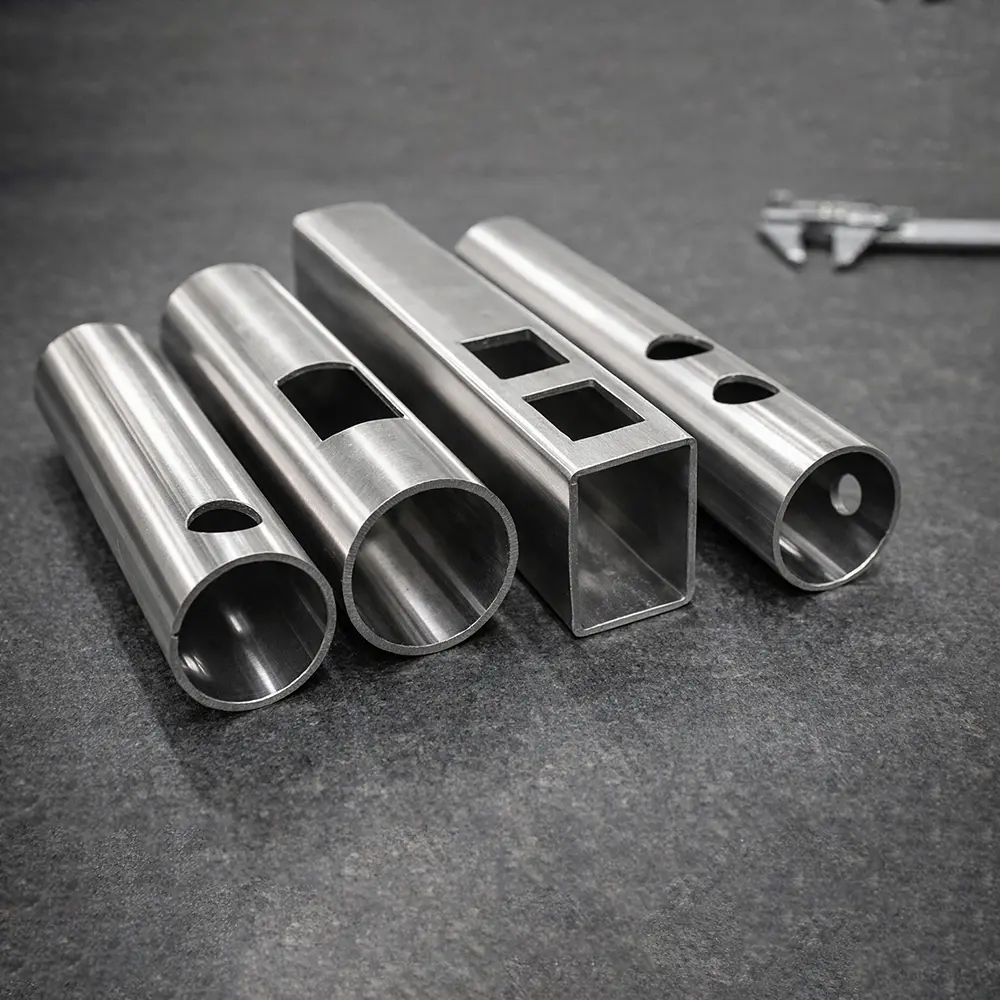
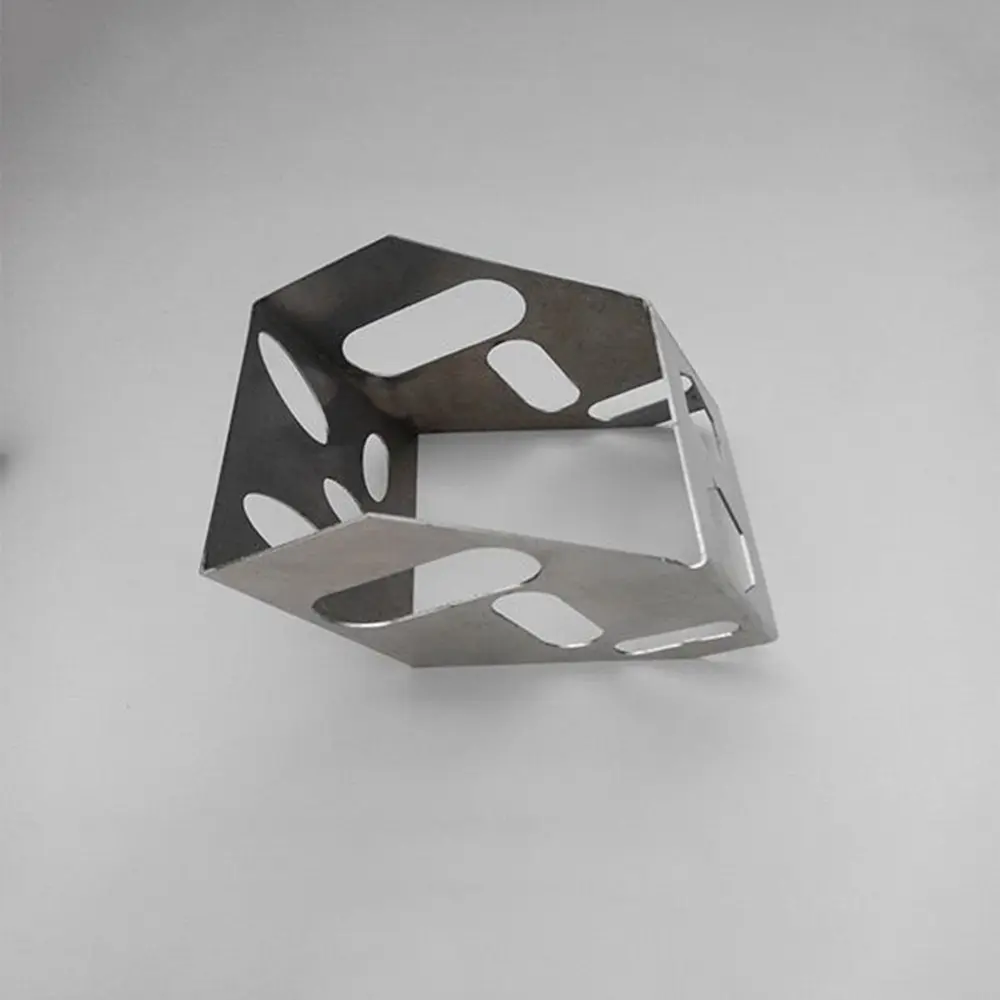
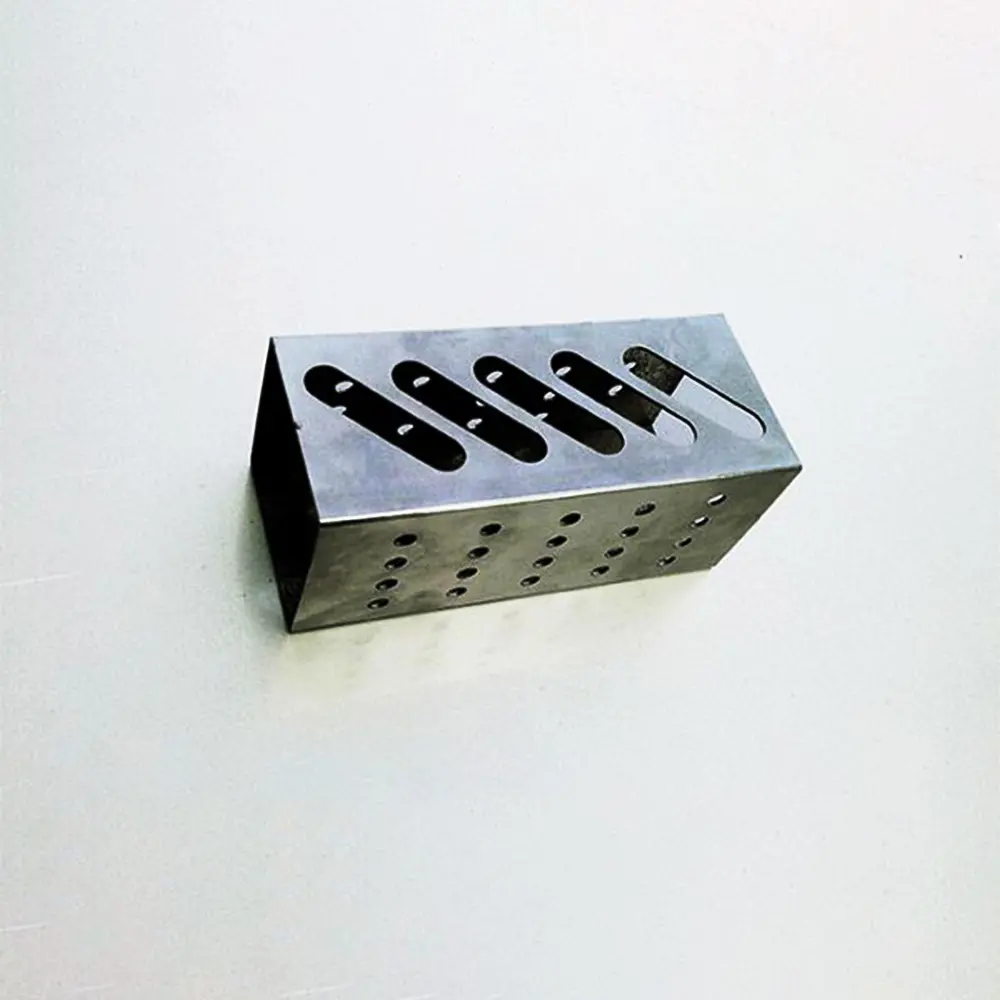
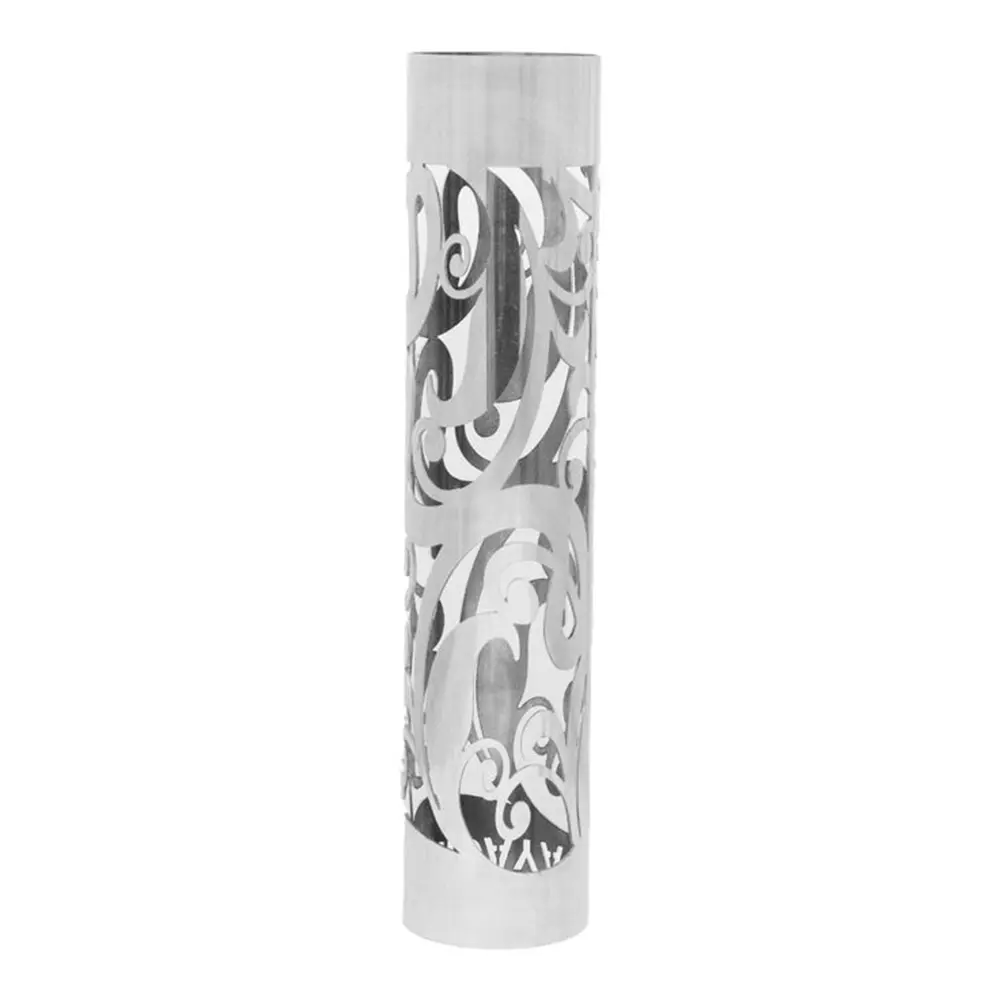
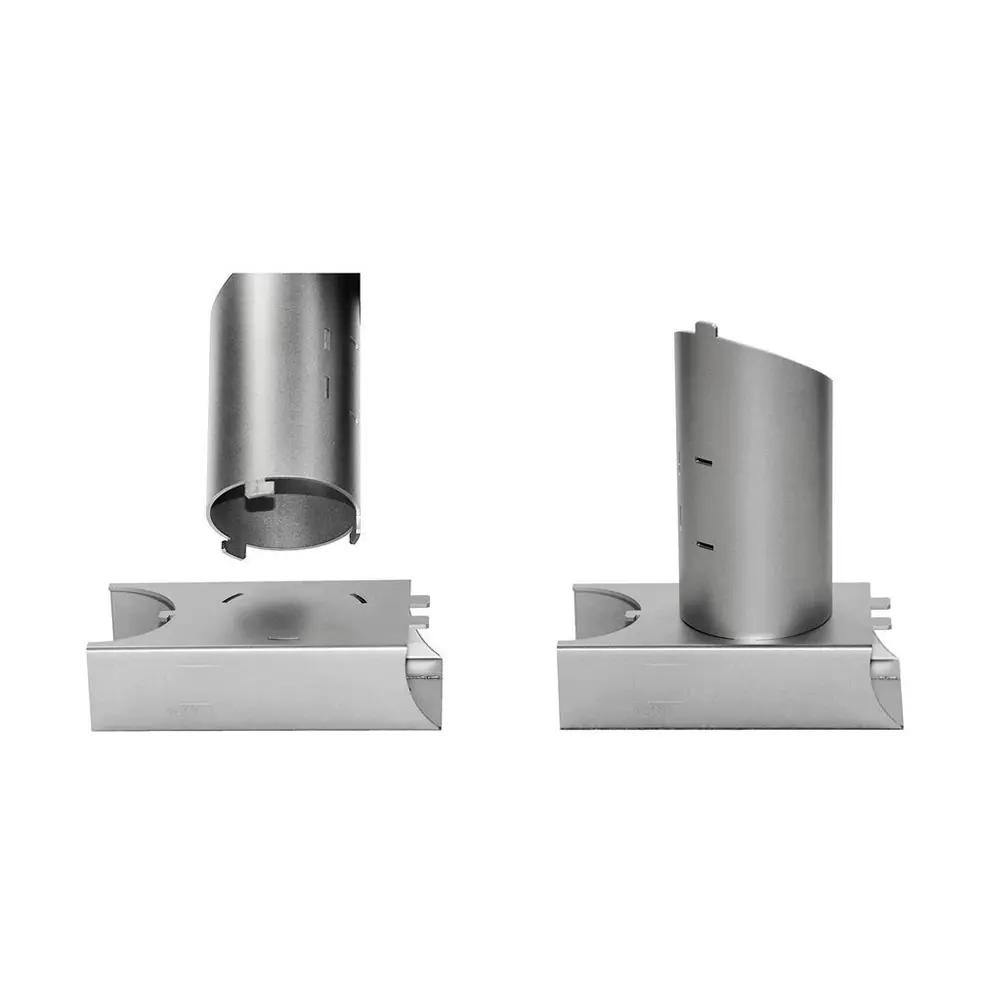
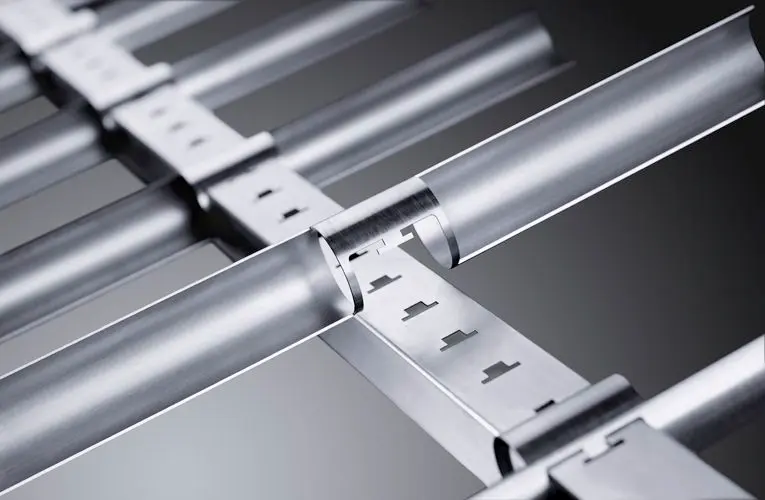
This project focuses on the application of a fiber laser cutting machine for high-efficiency metal tube cutting in industrial production. By utilizing the CATEKCNC fiber laser tube cutter, the client successfully achieved precise processing of round, square, and rectangular tubes across a range of materials, including stainless steel and carbon steel.
Through the integration of advanced CNC fiber laser tube cutting technology, the project significantly improved cutting accuracy, reduced material waste, and streamlined the overall production workflow. The automated system enabled consistent, high-quality results while minimizing manual intervention, making it an ideal solution for modern manufacturing environments that demand both flexibility and productivity.
Related models
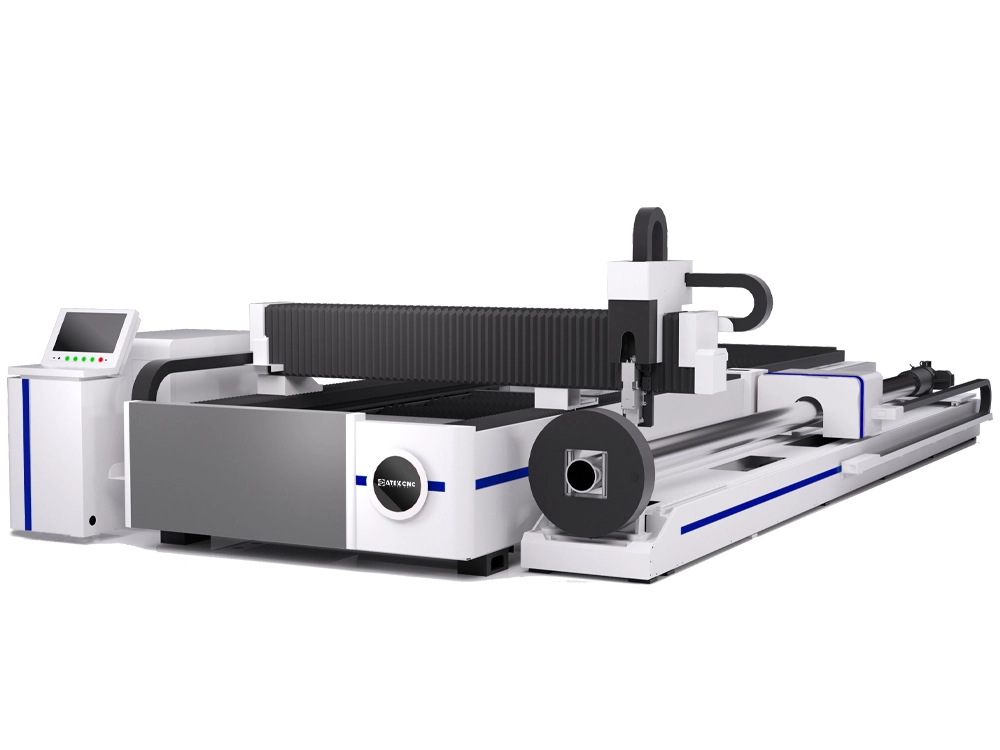
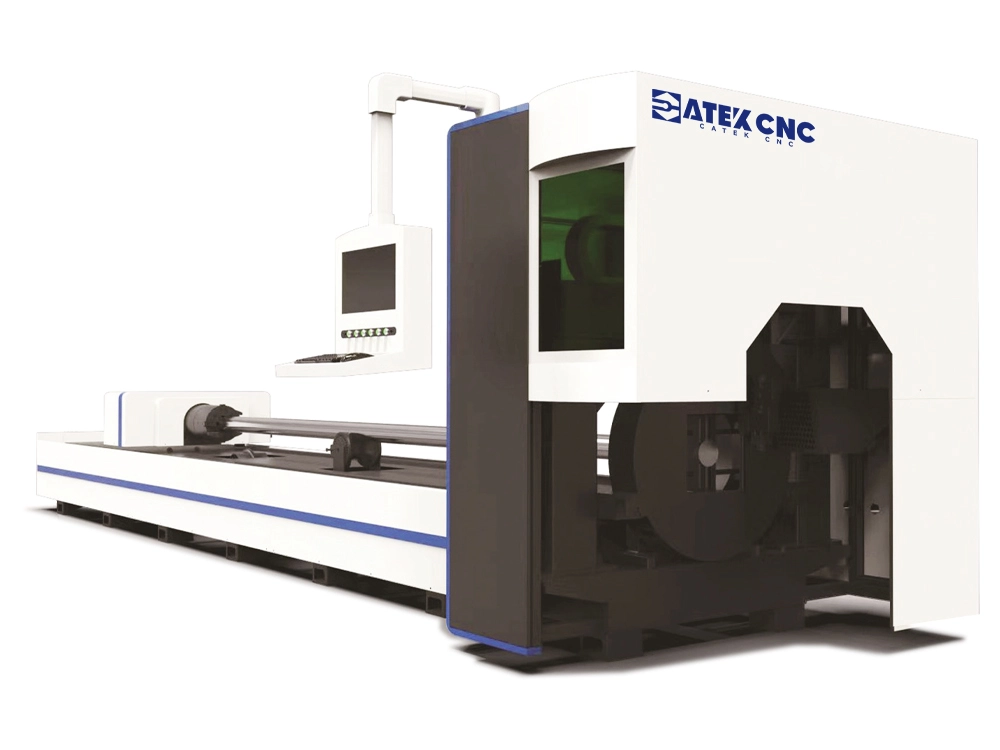
In the metalworking industry, efficiency and precision are key competitive advantages for businesses. Traditional cutting methods, such as mechanical saws or plasma cutting, often face issues such as insufficient precision, rough edges, and high secondary processing costs when handling metal tubes. With advancements in automation and the declining cost of fiber laser cutting machines, these machines have gradually become the primary equipment for cutting metal tubes. Not only can they process metal tubes of various diameters and shapes, but they can also execute complex designs with high precision and perform automated cutting, significantly improving production efficiency.
In this project, we will provide a detailed overview of the machine’s application, the machining process, and the final results, demonstrating the value of fiber laser technology in metal tube processing.
I. Project Overview
The client is a manufacturer of furniture frames and structural components that requires an efficient method for processing various types of metal tubing, including round, square, and specialty shapes, while meeting strict dimensional tolerances and ensuring consistent edge quality. Traditional cutting methods fail to simultaneously deliver the required precision and speed, resulting in production bottlenecks.
The primary objective of this project is to implement an automated workflow capable of processing large volumes of tubing while maintaining cutting precision and clean edges. The client also required the process to be flexible enough to handle a variety of materials, such as stainless steel, carbon steel, and aluminum alloys, and to process complex shapes and multi-angle cuts without compromising efficiency.
Utilizing CATEKCNC fiber laser tube cutters, this project aims to integrate high precision, automated operation, and repeatability. The system’s CNC fiber laser tube cutting capabilities enable the client to standardize production processes, reduce material waste, and shorten overall manufacturing lead times. Through this project, the client has not only improved operational efficiency but also achieved scalable production while ensuring consistent quality across all processed tubes.
II. Project Equipment
To meet the requirements of this project, we have selected the CATEKCNC fiber laser tube cutting machine, an industrial-grade fiber laser cutting system specifically designed for high-precision metal tube cutting. Combining advanced fiber laser technology with automated loading and unloading capabilities, this machine delivers high efficiency and consistent quality, making it suitable for a wide range of applications, from furniture frames to structural components.
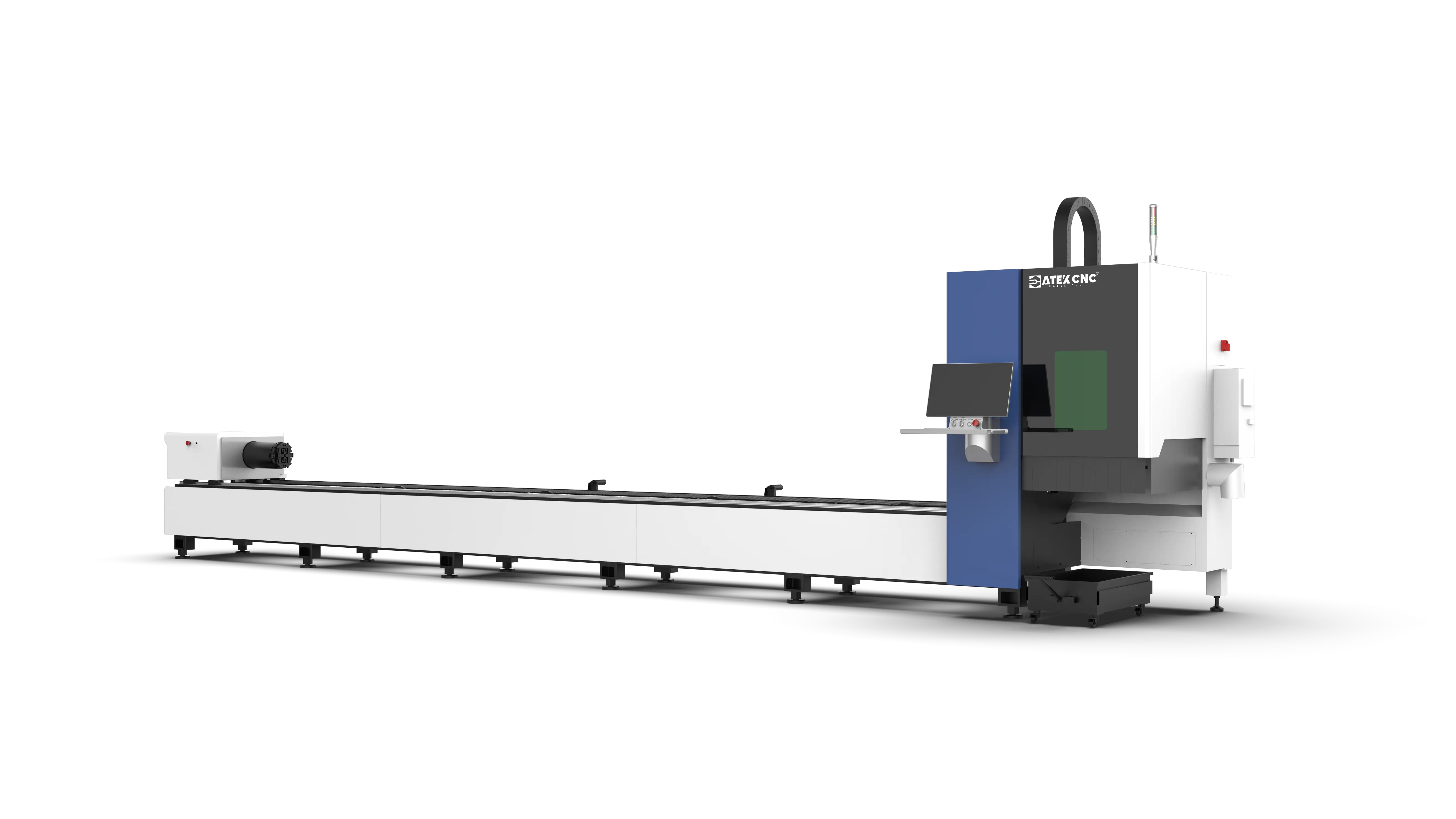
The core component of the CK-2260-T tube cutting machine is a high-power fiber laser, available in 1500W, 2000W, or 3000W configurations. This flexibility enables the machine to process a wide range of metals, from thin-walled stainless steel tubes to thicker carbon steel profiles, while maintaining smooth edge quality and cutting results. The laser generator (typically a Raycus CE 、Chuangxin fiber laser) features stable output, a narrow beam profile, and high optical efficiency, ensuring reliable performance during continuous production.
The CATEKCNC fiber laser tube cutting machine features a high-strength, high-rigidity bed. Its front and rear chucks can automatically clamp and rotate tubes with diameters ranging from 20mm to 360mm. It can process round, square, and other shaped tubes without manual adjustment, allowing operators to quickly switch between production batches. The movable rear chuck design further reduces setup time and improves productivity, which is crucial for high-volume or complex tube cutting tasks.
In addition, the machine can be equipped with a zero-scrap control function, which minimizes material waste during the cutting of metal tubes. The CK-2260-T tube cutting machine features a dual-chuck system and employs two primary methods for controlling scrap. The first method is “over-cut” cutting, where the front chuck moves during the cutting process, allowing the laser head to bypass the front chuck and cut directly from the rear. The second method involves the front chuck automatically opening during processing, allowing the rear chuck to move forward and cut through the gap created by the front chuck. Both methods minimize scrap, significantly improving material utilization. For applications with higher requirements, a multi-chuck configuration can be selected to further enhance support and stability, achieving zero scrap in high-precision CNC fiber laser tube cutting.
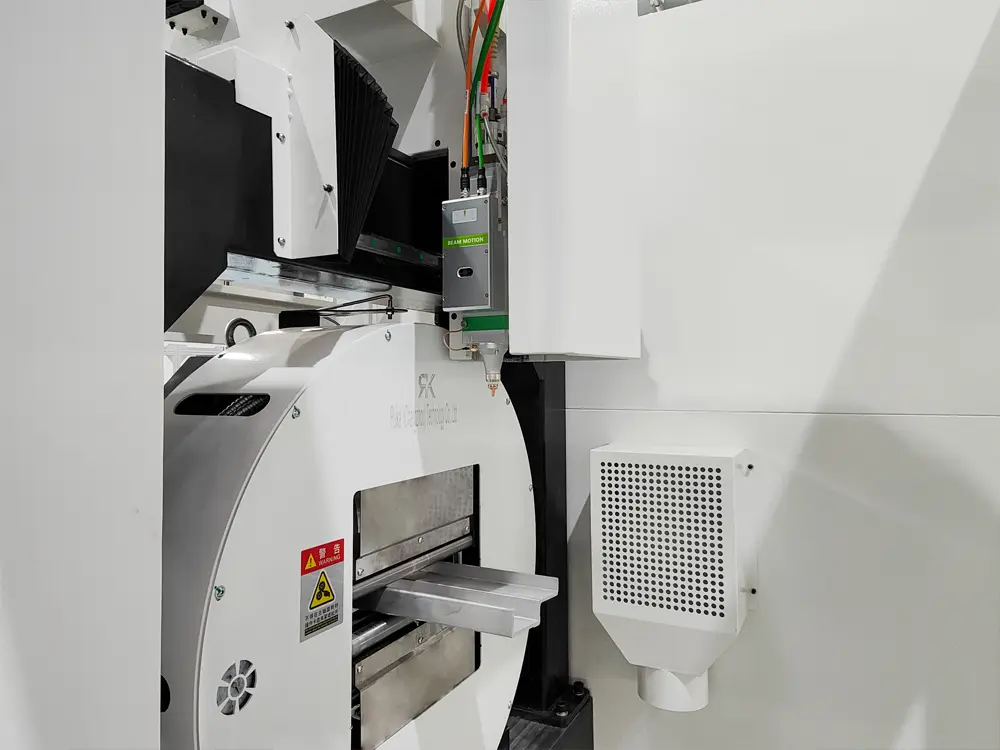
Equipped with an optimized motion control system, precision linear guides, and servo drives, the fiber laser tube cutting machine achieves positioning accuracy of ±0.02 mm and maintains stable repeatability during extended production runs. Linear cutting speeds exceed 10,000 mm/min, enabling rapid processing even for complex contours or angled cuts.
To support these capabilities, the fiber laser cutting machine features a range of auxiliary systems designed to enhance reliability and ease of use. A temperature-controlled water-cooling system ensures the laser operates under optimal conditions, thereby extending its service life and maintaining stable power output. An automatic lubrication system keeps all critical moving parts in peak condition, reducing maintenance requirements. Integrated control systems—such as CypCut or FSCUT—offer advanced features like automatic edge detection, breakpoint positioning, and dynamic graphic tracking, making operation more intuitive while minimizing programming time.
In addition, an intelligent tool support system—including variable-diameter support rollers and an automatic centering chuck—ensures that even long, thin, or irregular tubes can be cut with minimal material waste and high quality. These features demonstrate that CATEKCNC industrial CNC fiber laser tube cutting machines are capable of delivering high-precision and high-efficiency production for modern metalworking.
III. Cutting Process Flow
1. Pre-Operation Preparation
- Turn on the power supply, the drive, and the chiller; ensure the chiller temperature reaches 24°C or higher.
- Turn on the laser and other switches.
- Launch the computer cutting software and first select the “Return to Origin” command.
- Inspect the protective lens on the cutting head.
- Import the sample cutting file.
- Click “Light Gate” and “Red Light,” then select the sample cutting mode to prepare for cutting.
- Select and inspect the tube (round, square, or rectangular) for defects.
- Load the tube onto the support frame and use the variable-diameter support rollers to keep it stable.
2. Automatic Positioning
After the tube passes through, the rear chuck clamps it in place. Press the “Forward” button to move the tube to the front chuck and clamp it.
Observe whether the tube has passed the cutting head. Once the tube has passed the cutting head, click “Center” on the computer to realign the cutting head to the center, ensuring precise cutting.
This step eliminates manual measurement errors and ensures consistent edge quality.
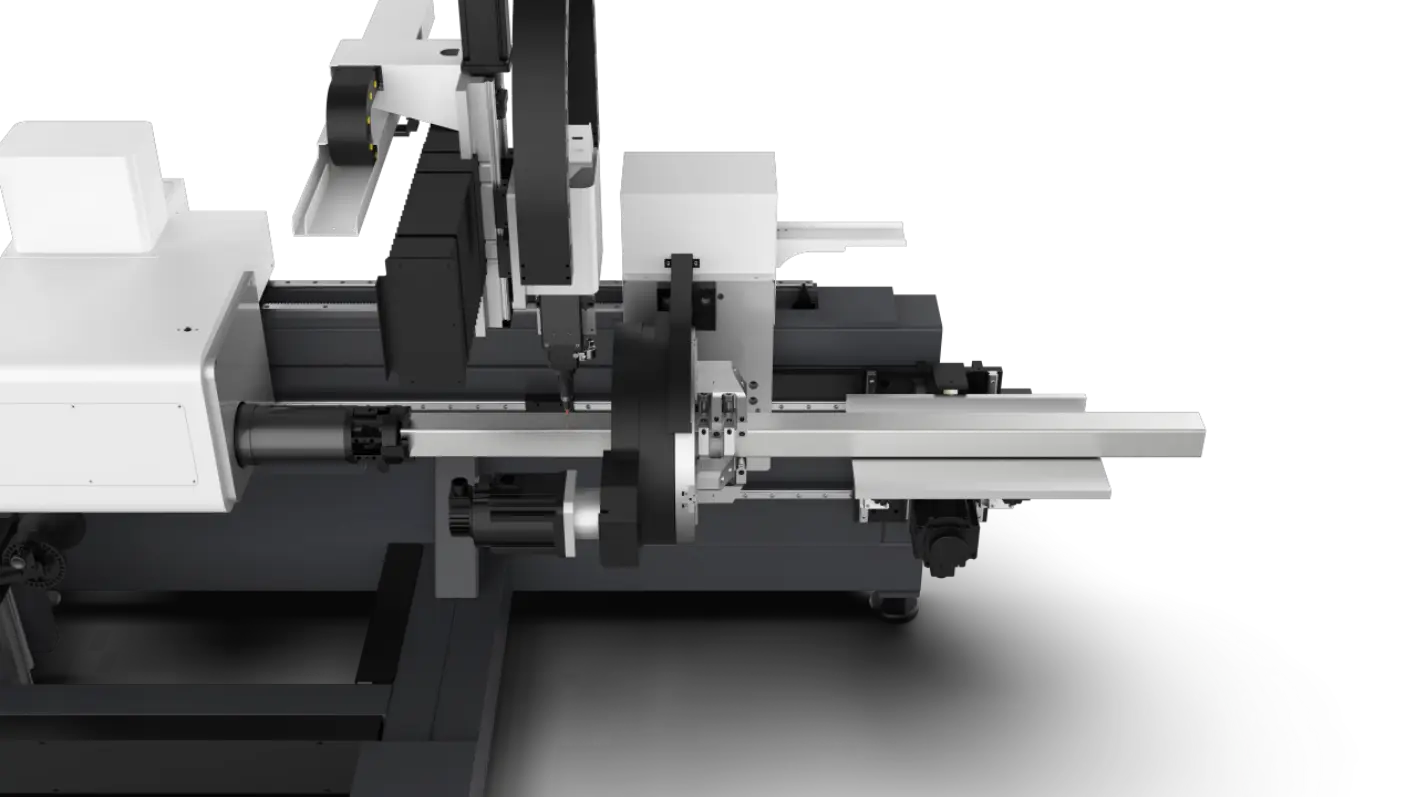
3. Laser Cutting
A high-power fiber laser performs cutting according to preset parameters.
Supports straight cuts, bevel cuts, hole drilling, and complex contour patterns.
4. Real-Time Monitoring
The machine monitors cutting conditions via its control system.
Adaptive adjustments maintain high-precision laser tube cutting performance.
Cooling and lubrication systems ensure stable laser operation and motion accuracy.
5. Unloading
Once cutting is complete, the finished tubes are automatically unloaded.
The tubes are sorted and then inspected or undergo further processing, minimizing manual intervention.
Edge quality and dimensional accuracy are checked to ensure compliance with project standards.
6. Post-Processing
Minimal secondary processing may be performed if necessary.
Precise fiber laser cutting typically eliminates the need for grinding or deburring.
IV. Project Outcomes
Following the installation and commissioning of the CATEKCNC fiber laser tube cutting machine, this project has seen significant improvements in production efficiency and cutting quality. Compared to previous processing methods, this new laser cutting technology enables the completion of high-volume metal tube cutting tasks with greater precision, higher speed, and reduced labor requirements.
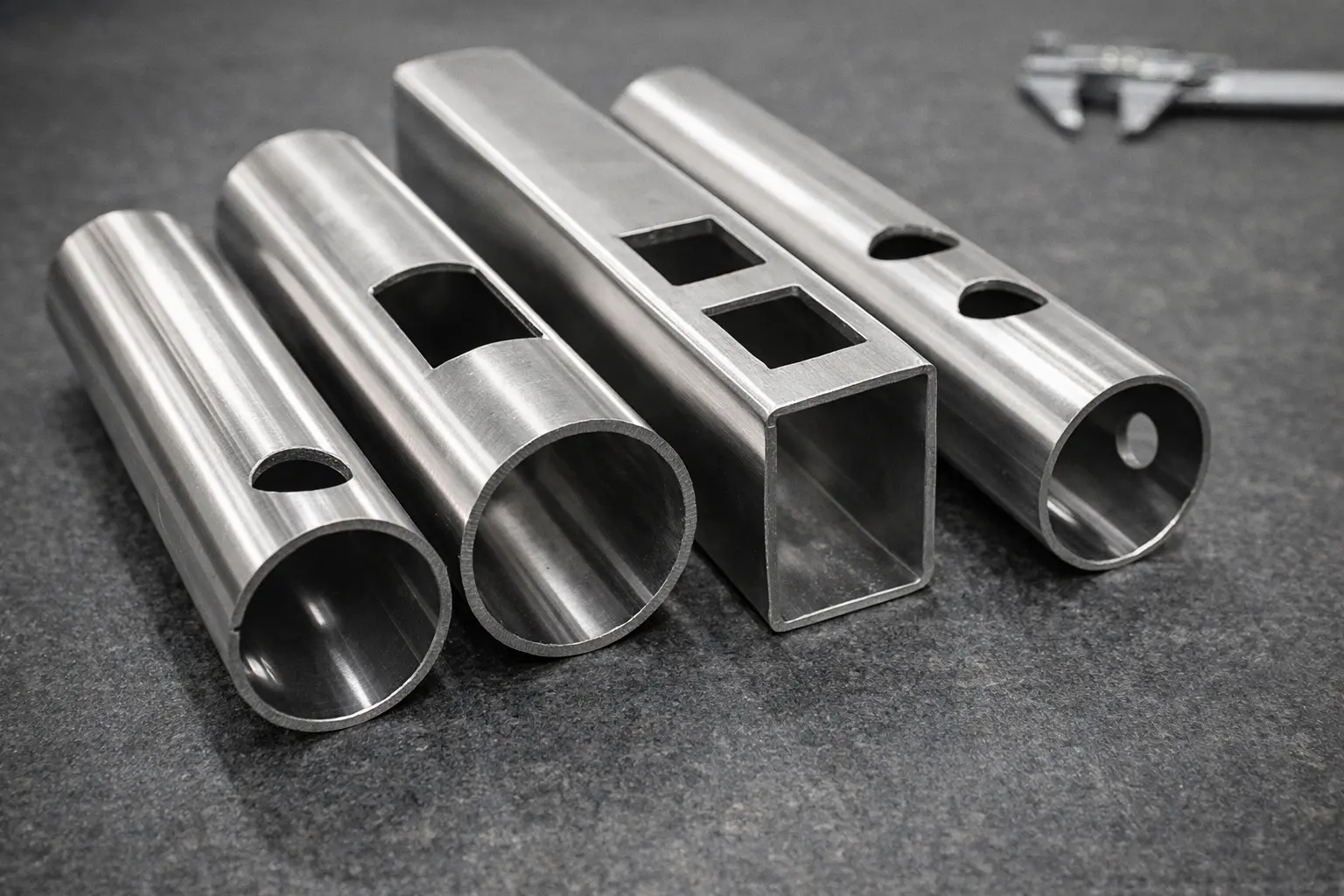
The most notable improvement is the enhanced cutting accuracy. Thanks to the machine’s highly rigid structure and precision motion control system, positioning accuracy reaches ±0.02 mm, ensuring that every tube meets dimensional tolerance requirements. Even when processing long tubes or those with complex shapes, the laser tube cutting machine maintains stable performance without vibration or deviation, significantly reducing scrap rates.
Thanks to high-power fiber lasers and optimized CNC systems, cutting speeds far exceed those of traditional sawing. Straight cuts, angle cuts, and hole drilling can all be completed in a single setup, eliminating the need for multiple machines or repeated positioning. This allows manufacturers to shorten overall production cycles, boost efficiency, and process more orders within the same working hours.
The sharp edges produced by the fiber laser cutter require virtually no grinding, saving on labor and material costs. Additionally, intelligent nesting and precise path control help minimize waste and improve material utilization during the metal tube cutting process. For this high-volume manufacturer, this ultimately results in significant cost savings.
The CK-2260-T’s automatic clamping, centering, and unloading functions reduce manual labor and enhance safety during production. The CNC fiber laser tube cutting system performs the entire cutting process with high repeatability, allowing the factory to maintain consistent product quality even during extended production runs.
Overall, the adoption of fiber laser tube cutting machines in this project not only met the customer’s requirements for precision and efficiency but also provided a more flexible production solution.
V. Advantages Over Traditional Metal Cutting Methods
Compared to traditional metal cutting methods (such as mechanical sawing, band saw cutting, plasma cutting, or waterjet cutting), CATEKCNC fiber laser cutting machines offer significant advantages in terms of efficiency, precision, and cost-effectiveness for metal tube cutting projects. These advantages include:
1. High Precision and Edge Quality
Traditional mechanical cutting often results in burrs, uneven edges, and dimensional deviations, requiring secondary grinding or finishing. CNC laser tube cutting machines utilize high-energy laser beams to achieve smooth cuts, minimizing post-processing steps.
2. Cutting Speed and Efficiency
Fiber laser cutting machines can perform multiple cuts and hole drilling in a single operation. Unlike traditional sawing machines that require multiple setups, high-power laser generators and advanced CNC systems enable cutting speeds exceeding 10,000 mm/min. This enhances overall production efficiency, allowing manufacturers to process larger batches of metal tube cutting orders within the same production timeframe.
3. Material Versatility
Unlike mechanical cutting, which is limited by tool diameter and material hardness, fiber laser cutters can process a wide range of metals, including stainless steel, carbon steel, and aluminum alloys. They can handle round tubes, square tubes, and complex-shaped profiles, offering high flexibility across various industrial tube cutting applications.
4. Labor Costs
Traditional cutting methods rely heavily on manual operation and frequent tool changes. In contrast, CNC laser tube cutting machines minimize operator intervention through features such as automatic clamping, centering, and unloading. Auxiliary systems like water cooling and automatic lubrication further reduce maintenance requirements, ensuring long-term stable operation and lowering overall costs.
5. Material Utilization
Intelligent path planning and precise laser control help minimize kerf width and material waste. Compared to traditional cutting methods, fiber laser metal tube cutting achieves higher material utilization, which is critical in high-volume production.
6. Safety
Fiber laser cutting is a non-contact process that eliminates mechanical collisions and tool wear, thereby reducing risks to operators. Compared to plasma or oxy-fuel cutting, laser cutting produces less smoke and has a smaller heat-affected zone, making it safer and more environmentally friendly.
In summary, fiber laser cutting machines for metal tube cutting outperform traditional metal cutting methods in terms of precision, speed, material adaptability, labor savings, and safety.
VI. Applications of Fiber Laser Tube Cutting
Thanks to their high precision, speed, and high degree of automation, fiber laser tube cutting machines have become an indispensable tool for tube cutting in many metalworking industries and are used across a wide range of industrial sectors.
1. Furniture Frame Manufacturing
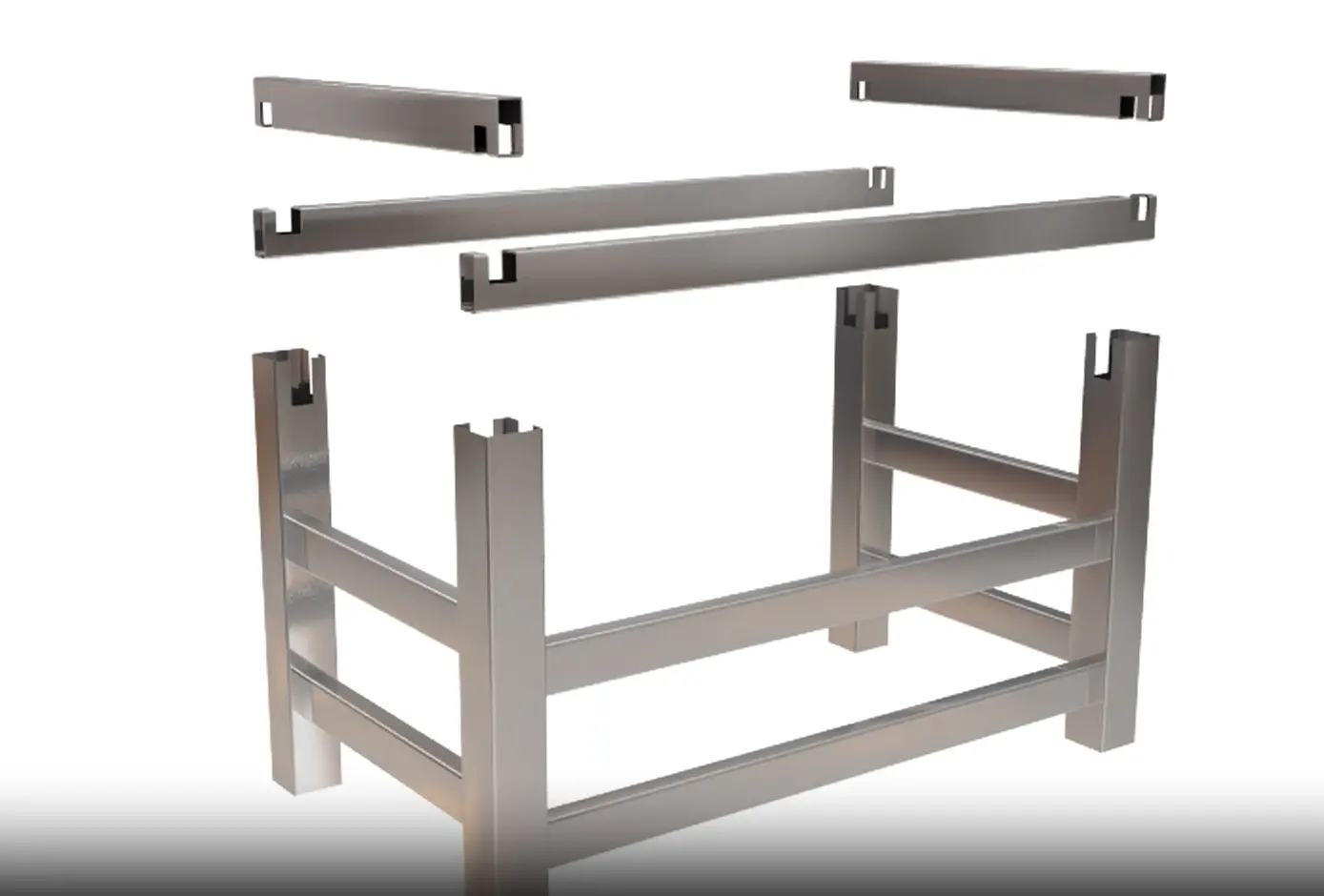
In the furniture industry, precise cutting is essential for assembling frames and structural components. Fiber laser tube cutting machines can achieve complex patterns, angled cuts, and precise joints that are difficult to accomplish with traditional methods. They can cut grooves and connection holes, enabling seamless assembly of frame structures.
With automated CNC fiber laser tube cutting technology, tubes made of different materials—such as stainless steel, carbon steel, and lightweight aluminum—can be processed on the same production line. This flexibility supports customized designs, including ergonomic chair frames, adjustable table frames, and decorative metal components, while maintaining consistent quality.
2. Automotive Parts and Mechanical Equipment
Industrial tube cutting is widely used in automotive chassis, roll bars, and tubular components for buses, trucks, and motorcycles. Mechanical and industrial equipment typically incorporate complex tubular structures and frames. Fiber laser tube cutters can perform complex angle cuts and drilling in a single operation, improving efficiency and repeatability. They are capable of processing stainless steel, carbon steel, and aluminum alloy tubes, ensuring compatibility with a wide range of automotive materials.
3. Architectural and Structural Applications
Automated fiber laser tube cutting technology enables the mass production of architectural scaffolding components, support beams, and tubular connectors, significantly improving production efficiency while maintaining consistent precision. By integrating intelligent nesting and path optimization technologies, material waste can be minimized, thereby reducing costs.
4. Sports and Fitness Equipment
Metal tubing used in fitness equipment, bicycles, and sports gear requires strong, precise connections. Fiber laser cutting of metal tubing produces clean, burr-free edges and precise dimensions, ensuring the safety, durability, and aesthetic appeal of the finished products.
5. Custom Applications
From decorative metal products to specialized industrial components, choosing the right fiber laser cutting machine allows you to process both small-batch custom tubes and large-scale production runs. It can flexibly handle tubes of various shapes and thicknesses, making it suitable for a wide range of industries, including aerospace, shipbuilding, and energy.
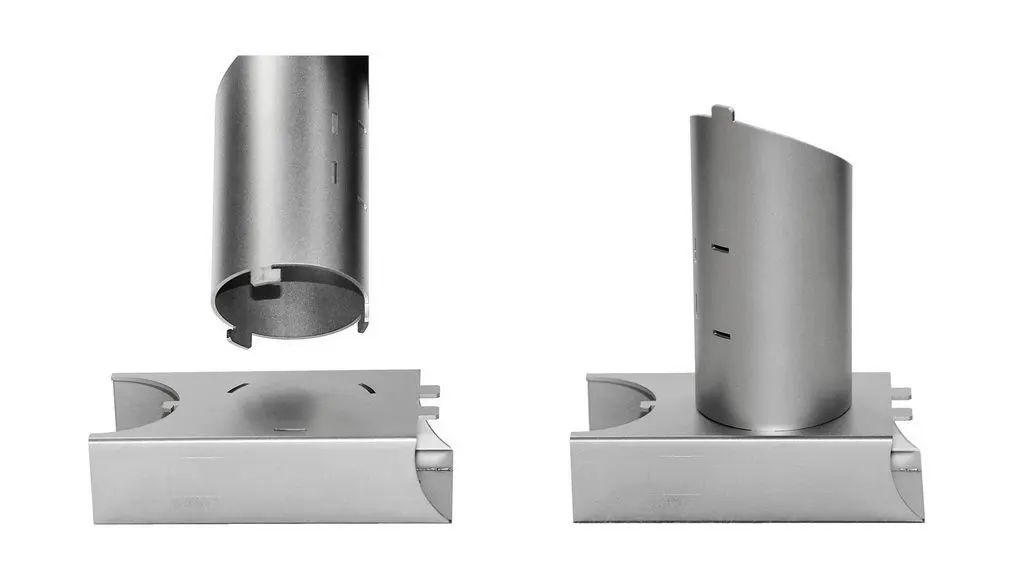
VII. Maintenance and Safety Precautions
Proper maintenance and safe operation are key to ensuring the normal operation of the fiber laser tube cutting machine and extending its service life. The following guidelines provide guidance for daily maintenance and periodic servicing:
1. Daily Maintenance
- Clean and lubricate moving parts: At the end of each production shift, clean the ball screws and linear guides to remove dust and metal debris. Apply an appropriate amount of lubricant to ensure smooth movement and precise positioning.
- Inspect protective covers: Check the stability and integrity of dust covers and enclosures. Remove metal shavings, debris, or other foreign objects from protective covers and guide rails.
- Inspect the lubrication system: Ensure there is sufficient lubricant in the reservoir and replenish as needed to maintain smooth operation.
- Monitor the cooling system: Inspect the water-cooling unit filter daily to ensure proper ventilation and efficient heat dissipation. Check for blockages or reduced airflow.
- Clean the cutting table inserts: Regularly remove metal debris accumulated on the cutting table and replace wooden inserts to prevent cutting issues.
2. Regular Maintenance
- Water Replacement and Cleaning: Replace the cooling water in the chiller regularly. After each replacement, clean the water tank and check the chiller’s operating temperature.
- Control Cabinet Maintenance: Clean the internal filters of the control cabinet and remove dust to maintain proper ventilation and prevent overheating. Inspect the power cord connections to ensure they are secure and reliable.
- Precautions for Specific Environments:
In winter or cold conditions, use antifreeze in the water-cooled chiller to prevent freezing.
In summer or high-humidity environments, check the laser head for condensation and ensure all components remain dry.
3. Safety Precautions
- Operator Protection: Be sure to wear laser safety goggles suitable for the laser’s wavelength and power.
- Ensure the Cutting Area Is Secure: Enclose or shield the cutting area to prevent accidental exposure to the laser beam.
- Emergency Preparedness: Ensure that all operators are familiar with the emergency stop button and machine shutdown procedures.
- Ventilation: Maintain adequate exhaust for fumes, smoke, and dust, especially when cutting coated or stainless steel tubes, to protect health and maintain a clean work environment.
VIII. Conclusion
By adopting the CATEKCNC fiber laser tube cutting machine, the customer has achieved high-precision cutting, smooth edges, and consistent quality for tubes of various diameters and shapes. Automated CNC control, intelligent clamping, and efficient material handling have significantly improved production efficiency, reduced waste, and minimized manual labor. This project not only met strict dimensional and tolerance requirements but also enabled scalable high-volume production, demonstrating the value of fiber laser technology in modern metal tube manufacturing.
Other Projects
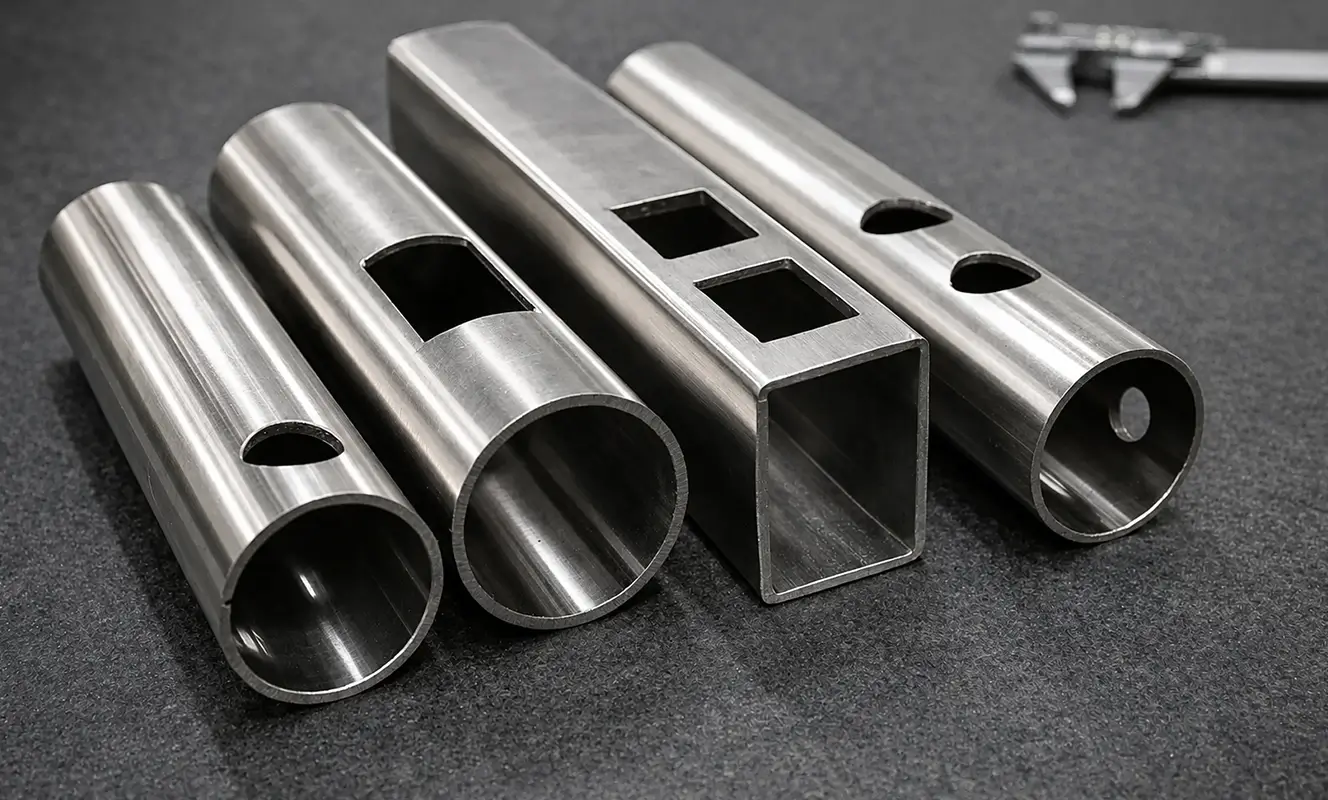
Fiber Laser Cutting Machine for Metal Tube Cutting Project
This project focuses on the application of a fiber laser cutting machine for high-efficiency metal tube cutting in industrial production. By utilizing the CATEKCNC fiber laser tube cutter, the client successfully achieved precise processing of round, square, and rectangular tubes across a range of materials, including stainless steel and carbon steel.Through the integration of advanced CNC fiber laser tube cutting technology, the project significantly improved cutting accuracy, reduced material ...

Making Stainless Steel Hollow Letter Light Box Sign by Laser-Cut
The visual effect of the hollow light box is similar to that of the metal backlight characters, but it seems to be better in terms of its atmosphere. Whether it is placed on the door or indoors, it is very eye-catching. The hollow light box sign is generally a whole. The graphic content is combined in the form of hollow metal and a transparent plate glued inside. In the bright light state, only the graphic information that needs to be displayed will be transparent. The advertising effect is very...
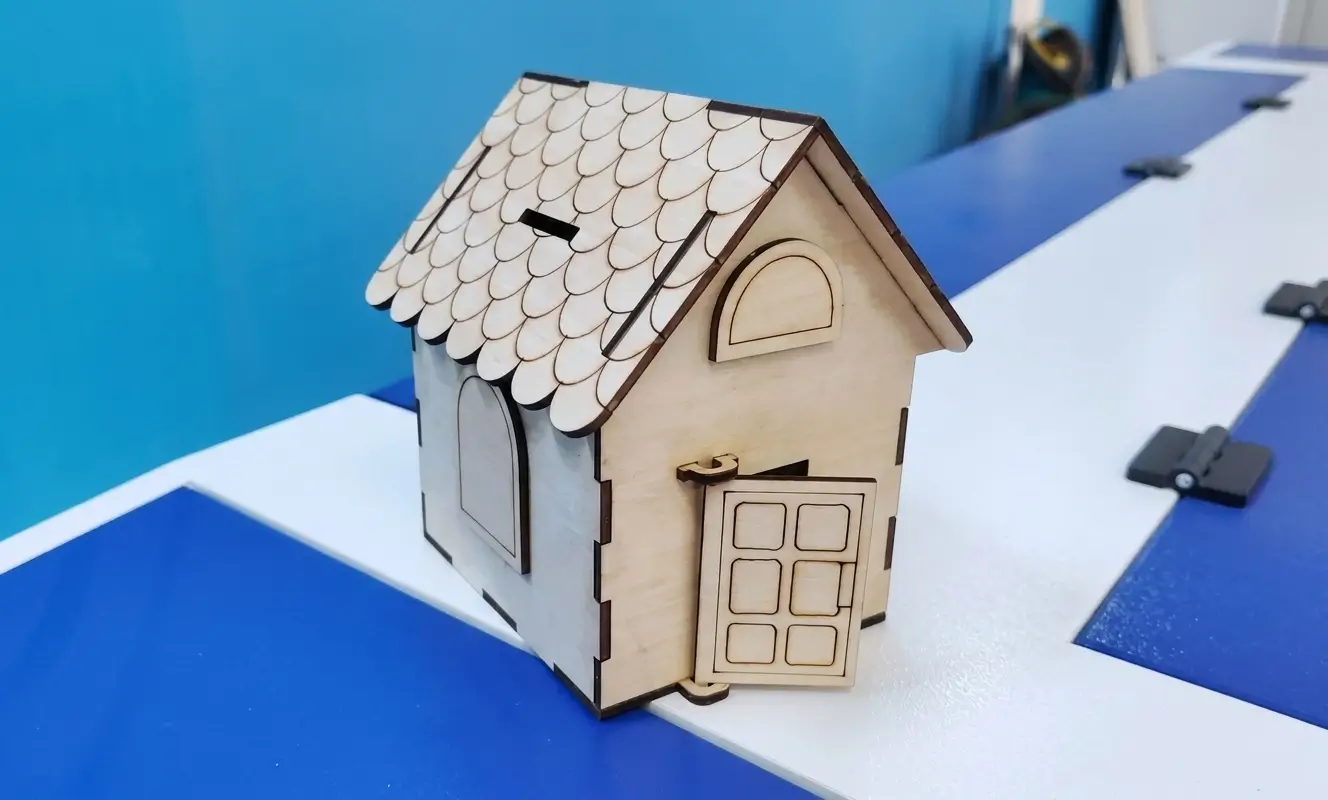
CO2 Laser Cutting Machine for Wooden Puzzles
Wooden puzzles are increasingly popular in education, gifts, and creative industries due to their durability and design flexibility. To achieve high precision, clean edges, and consistent quality, a CO2 Laser Cutting Machine has become the ideal solution for wooden puzzle production. This project showcases how CO2 laser cutting and engraving technology is used to efficiently manufacture wooden puzzles, from design to finished products, while ensuring accuracy, scalability, and customization.