


{{goods.model}}


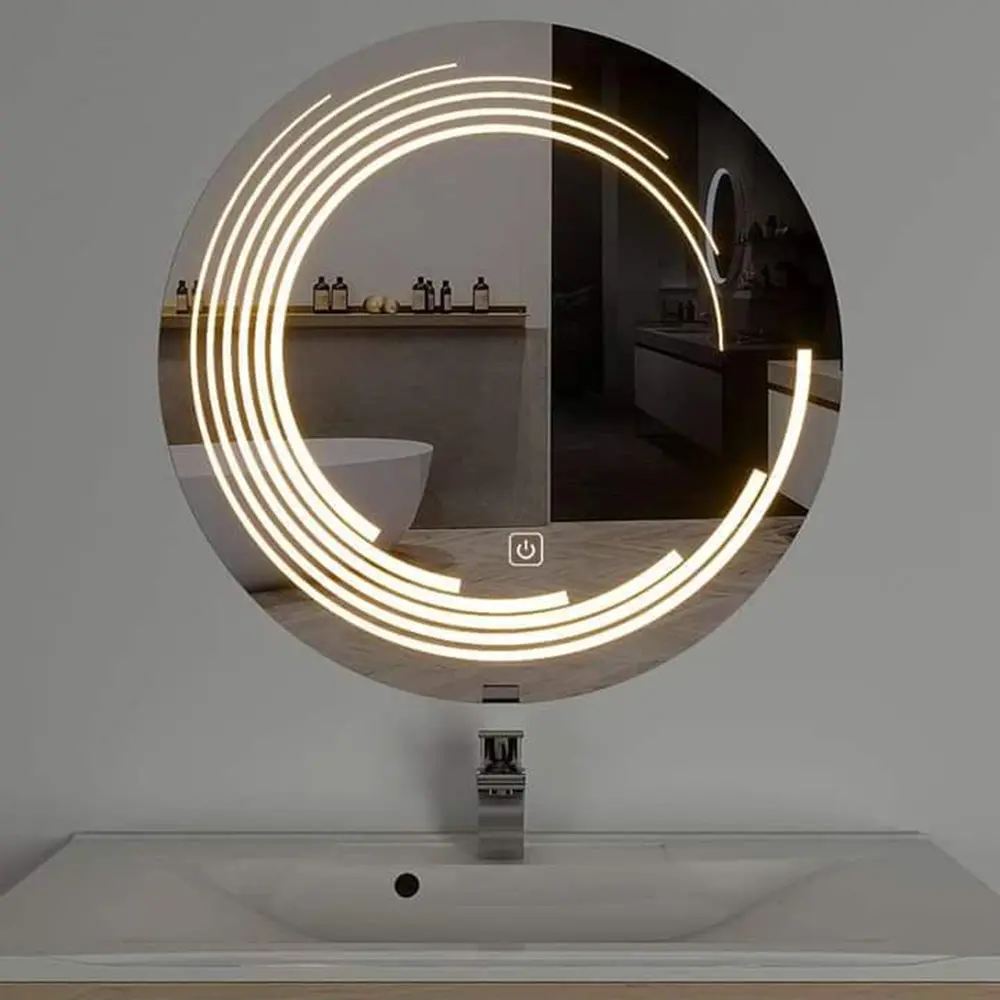
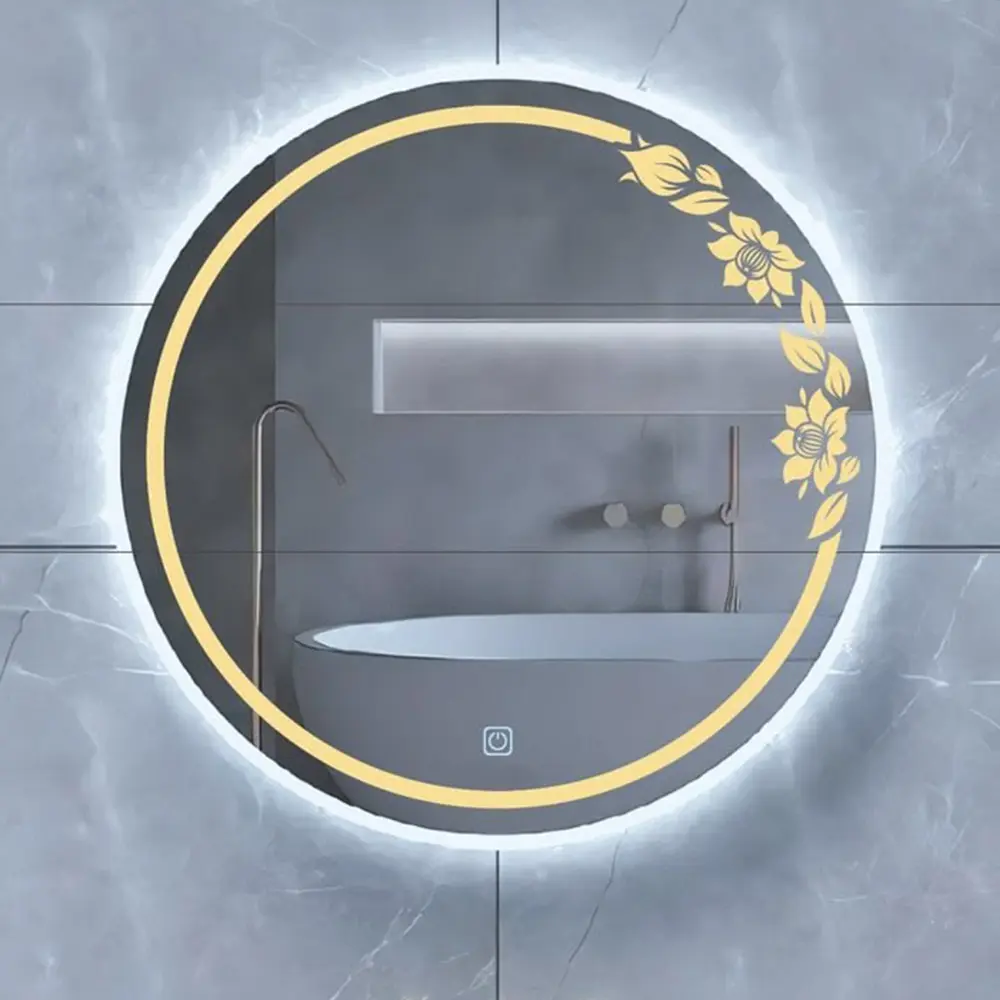
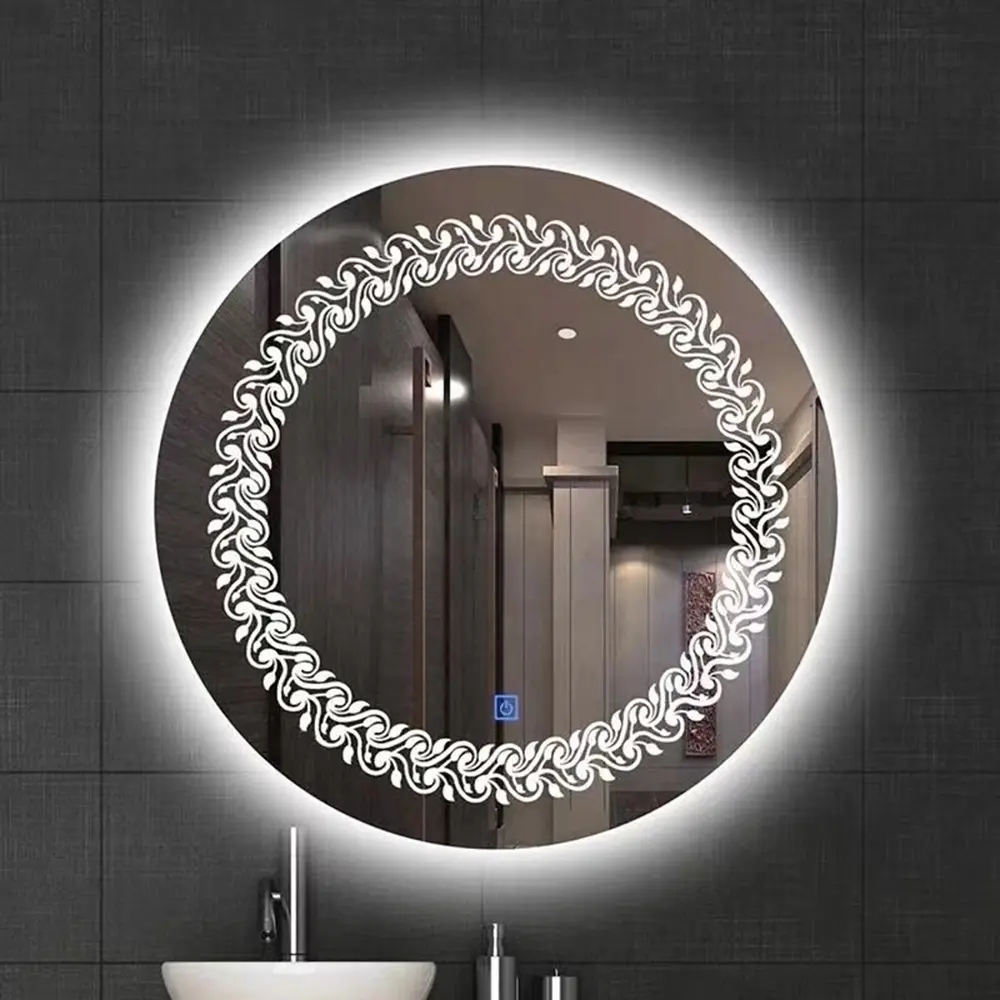
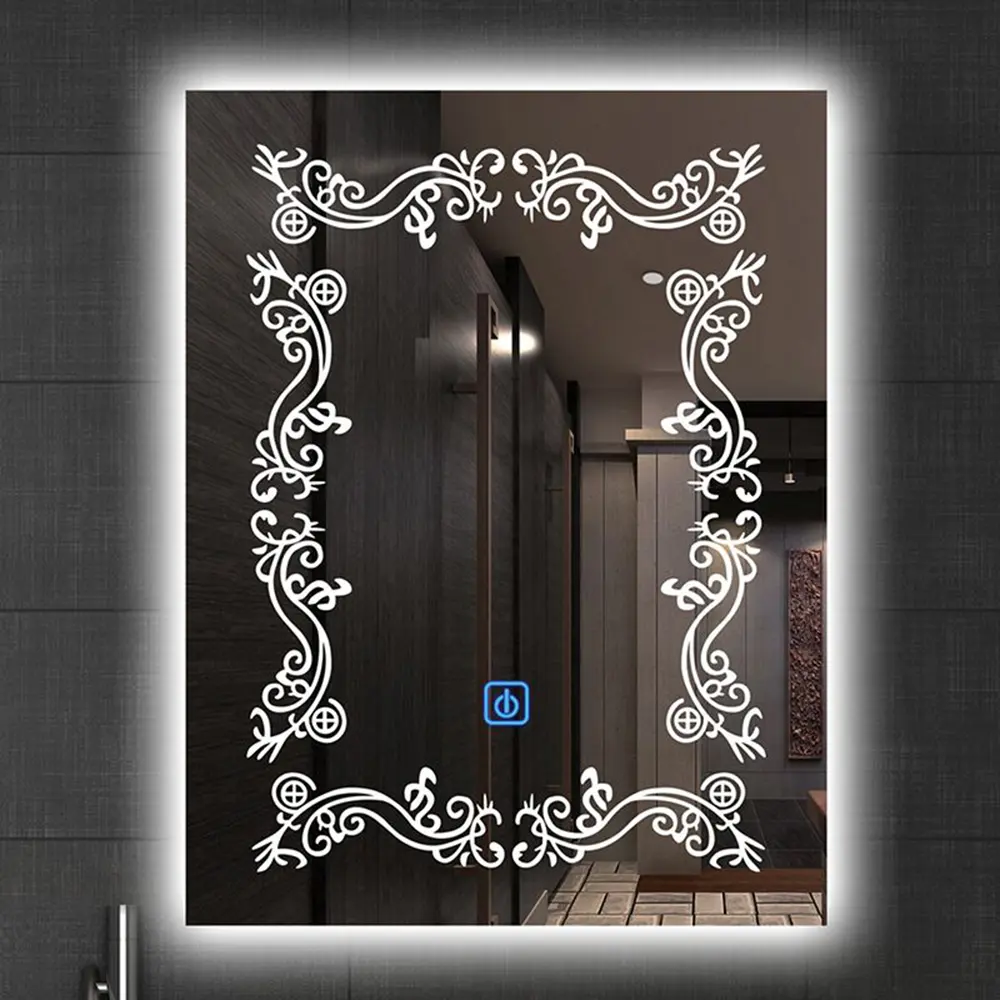
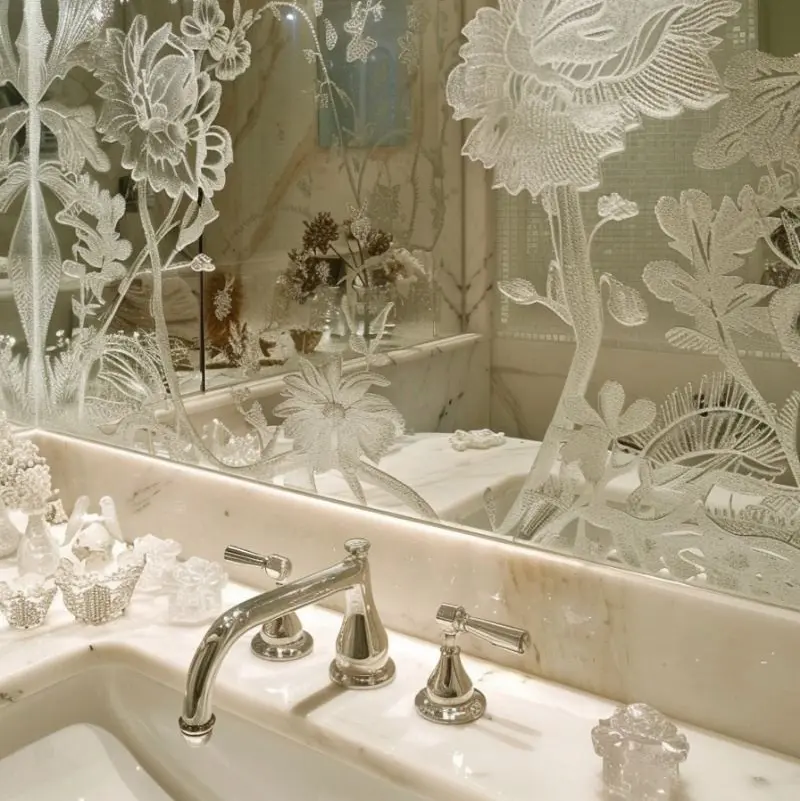
Fiber Laser Mirror Etching Machine Project for Smart Mirror Manufacturing
This project focuses on the application of a fiber laser marking machine in LED smart mirror manufacturing. By replacing traditional processing methods, the solution enables precise mirror paint removal, high-quality engraving, and consistent surface finishing. The system improves production efficiency, reduces defects, and helps manufacturers achieve premium mirror designs with stable and repeatable results.
Related models
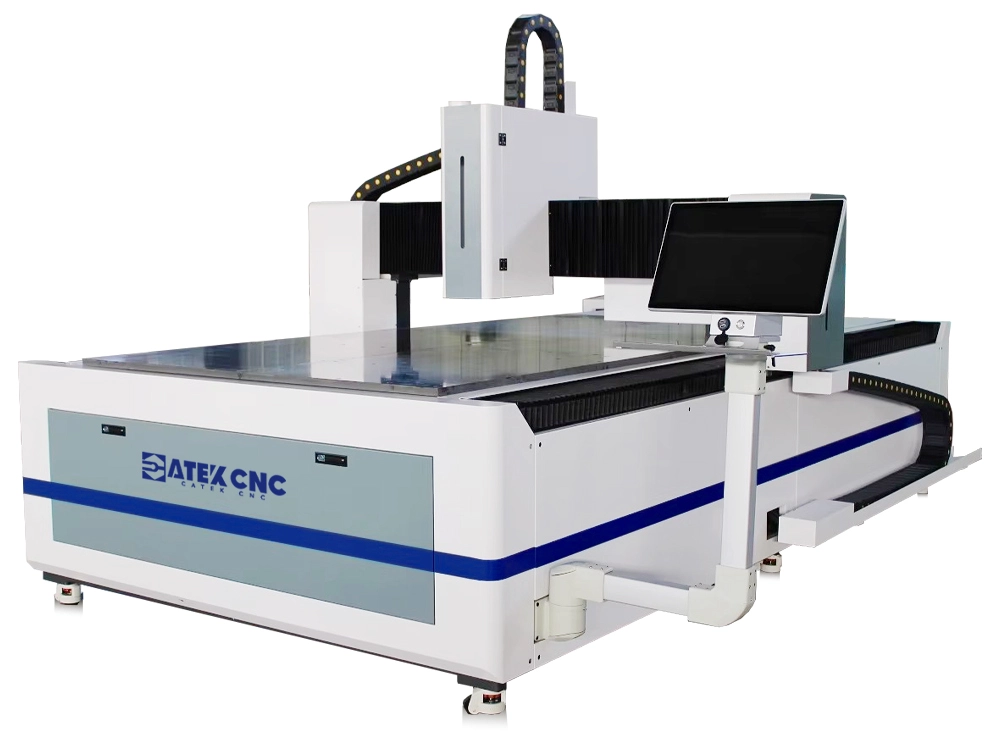
With the continuous advancement of smart manufacturing and high-end processing, laser marking machines are becoming core equipment in numerous industries, particularly in the fields of glass and mirror processing. As demand for high-end LED smart mirrors continues to grow, so do the requirements for processing techniques. Traditional methods, such as chemical etching or mechanical sandblasting, are highly polluting, inefficient, and lack precision consistency, and they fail to meet current market standards and environmental requirements.
In this project, the client introduced a CATEKCNC fiber laser marking machine for mirror processing, capable of completing tasks such as pattern marking and paint removal within a single, streamlined workflow. Compared to traditional technologies, this method not only improves production efficiency but also ensures more consistent quality in smart mirror products and superior surface finishing results.
I. Project Overview
Our client is a manufacturer of LED smart mirrors facing growing market demand for high-precision, decorative, and functional glass products. Previously, their production relied primarily on chemical etching and manual engraving to create patterns or remove back coatings. While this method was feasible, it often resulted in mirror surface damage or scratches, as well as uneven light transmission areas.
To help the client address this challenge, we introduced a fiber laser marking machine specifically designed for mirror processing. This machine enables them to perform both mirror laser marking and laser mirror engraving within a single automated workflow. Additionally, it can remove paint from the mirror surface and achieve the light transmission required for LED smart mirrors. With features such as high-speed scanning and stable laser output, it replaces slower and less reliable manual processing methods, ensuring consistent results even on large-format mirrors.
As a result, the customer has significantly improved production efficiency, reduced material waste, and enhanced the overall quality and appearance of their smart mirrors. This project demonstrates how a mirror laser marking machine directly addresses the practical challenges of modern mirror manufacturing and is well-suited for mass production.
II. Equipment Overview
To address the challenges of high-precision mirror surface processing in the smart mirror project, the customer selected the CK-1325-F fiber laser mirror etching machine. Combining speed, precision, and automation, this machine is the ideal solution for manufacturing the precision mirrors and glass components commonly used in smart mirrors.
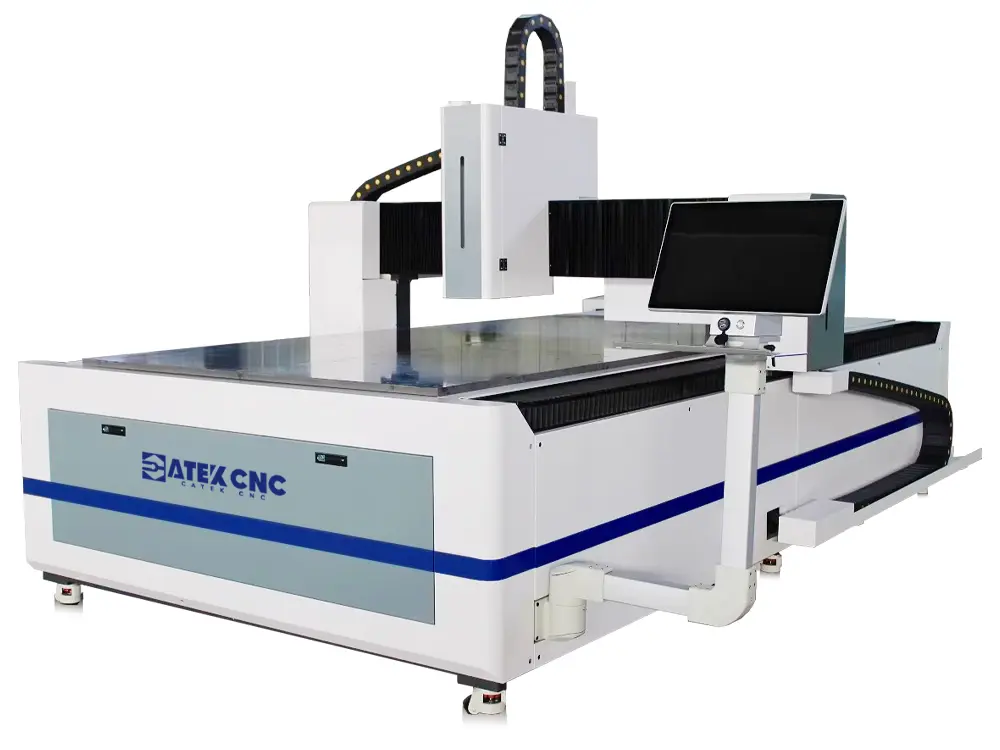
1. Key Machine Specifications
- Working Area: 1300 mm × 2500 mm. The worktable is sufficiently large to accommodate full-size LED mirrors and decorative panels, supporting batch production without the need for repeated repositioning.
- Laser Power: 100W/120W/200W. Adjustable to accommodate different back-coating thicknesses and surface types.
- Laser Wavelength: 1064nm. Optimized for reflective surfaces to ensure consistent etching and paint removal without damaging the glass.
- Marking speed: Up to 10,000 mm/s. Enables high-throughput production, significantly reducing processing time per mirror.
- Repeatability: ±0.01 mm. Ensures uniform patterns, precise markings, and accurate light-transmitting areas on every product.
- Cooling system: Air-cooled or water-cooled options, maintaining stable performance during extended production runs.
- Control Interface: Touchscreen with programmable workflows simplifies operation and allows for quick adjustments to accommodate different mirror designs.
These specifications enable the machine to handle complex laser marking, laser engraving, and paint removal on mirrors with high consistency and quality, thereby replacing slower, error-prone manual or chemical processes.
2. Core Components
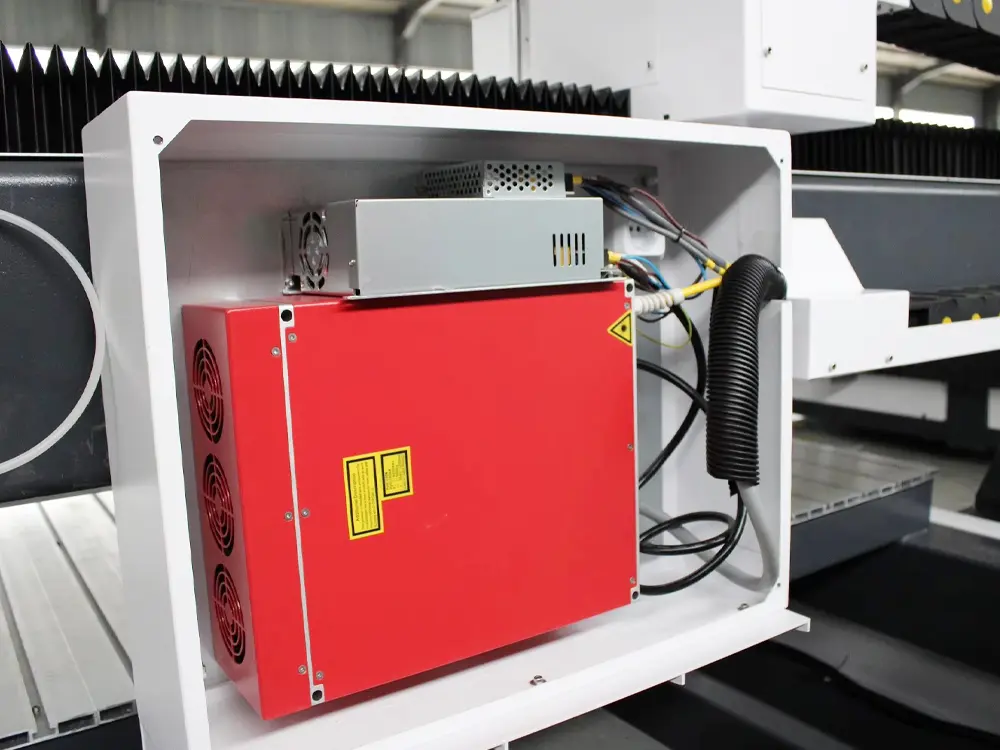
- JPT MOPA Fiber Laser: Delivers stable output and a long service life, making it the ideal choice for fiber laser marking machines that require precision and reliability.
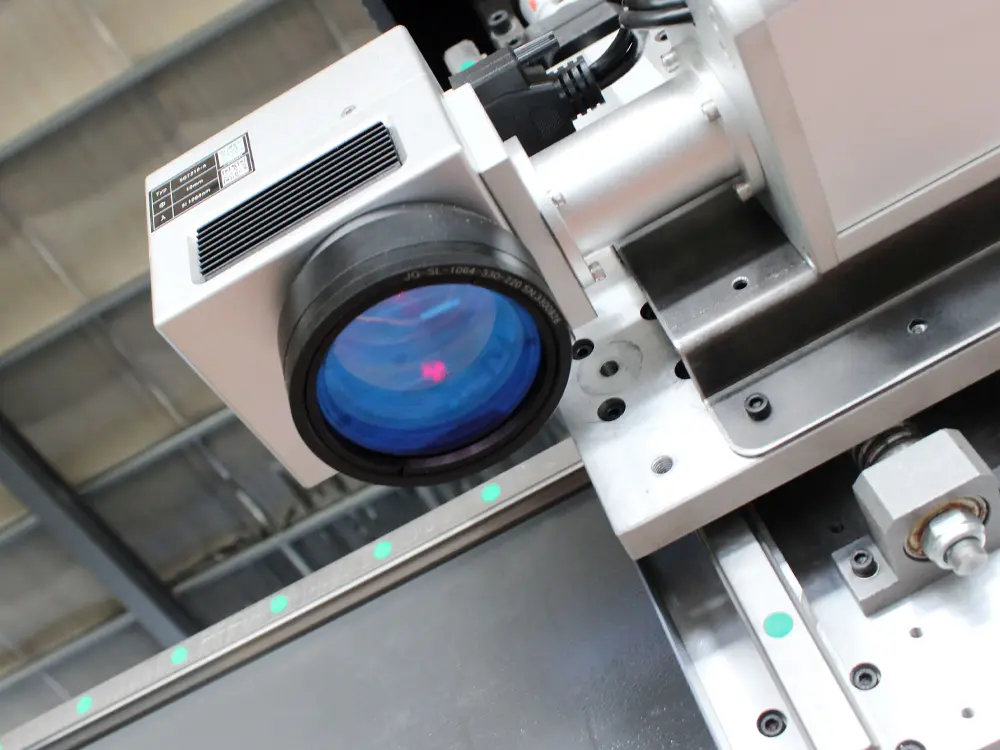
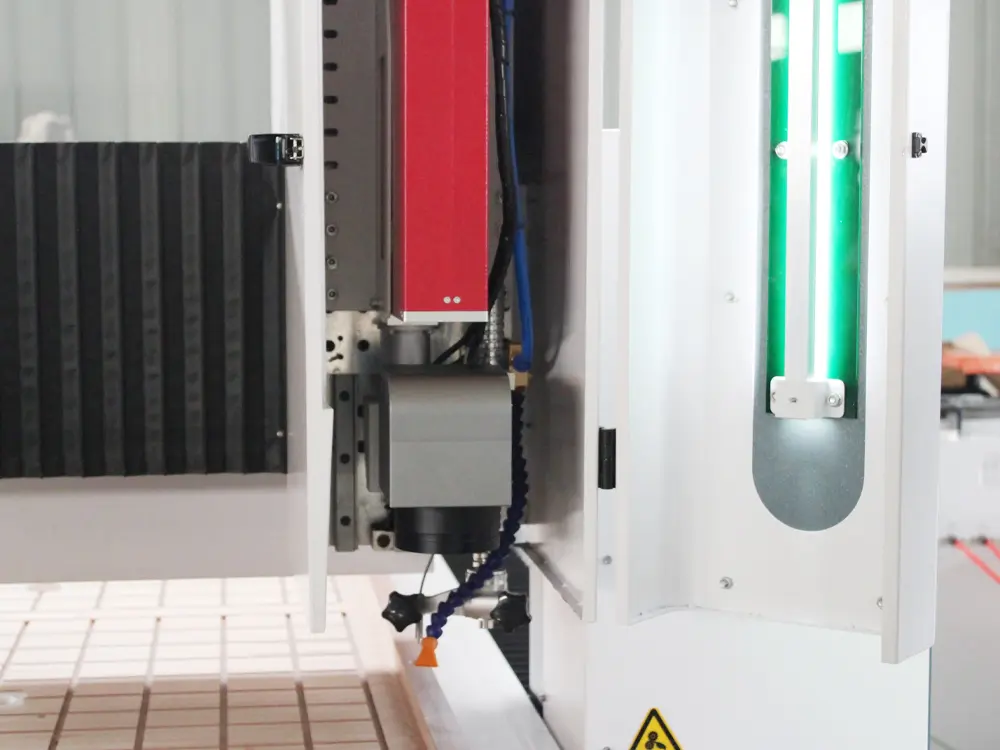
- High-Speed Galvanometer Scanning System: Ensures smooth and precise laser movement, enabling intricate patterns, decorative designs, and markings.
- Telecentric Lens System: Prevents distortion and ensures clear, precise markings across the entire mirror surface, even on large-format workpieces.
- Advanced Control System: A user-friendly interface allows operators to configure machine parameters, manage workflows, and efficiently automate repetitive tasks.
- Safety features: A fully enclosed design equipped with an emergency stop device and ventilation system, suitable for reflective surfaces, protects both operators and fragile mirrors during processing.
With these components, the mirror fiber laser marking machine provides a complete solution for smart mirror manufacturing, reducing waste and defects while improving production efficiency and surface quality.
III. Processing Capabilities of This Project
The CK-1325-F fiber laser mirror etching machine enables customers to significantly increase production capacity and efficiently handle a wide range of mirror processing tasks. This project focuses primarily on the following four areas:
1. Removal of Mirror Coatings
One of the primary challenges faced by customers is the need to safely remove the back coating from mirrors without damaging the glass surface. With the mirror paint removal laser machine, this process is now contactless and fully automated. The laser precisely ablates the coating in designated areas, resulting in a clean, flawless surface suitable for LED light-transmitting regions. This method not only reduces waste but also eliminates the environmental issues associated with chemical etching.
2. Frosted and Sandblasted Effects
To achieve decorative surface finishes, the mirror fiber laser marking machine features a laser sandblasting function for mirror surfaces. By controlling the laser intensity and scanning speed, operators can achieve uniform frosted or textured surfaces without resorting to traditional sandblasting processes. This method ensures consistent mirror quality while preserving the integrity of the surface, making it easy to produce smart mirrors that combine aesthetic appeal with backlighting functionality.
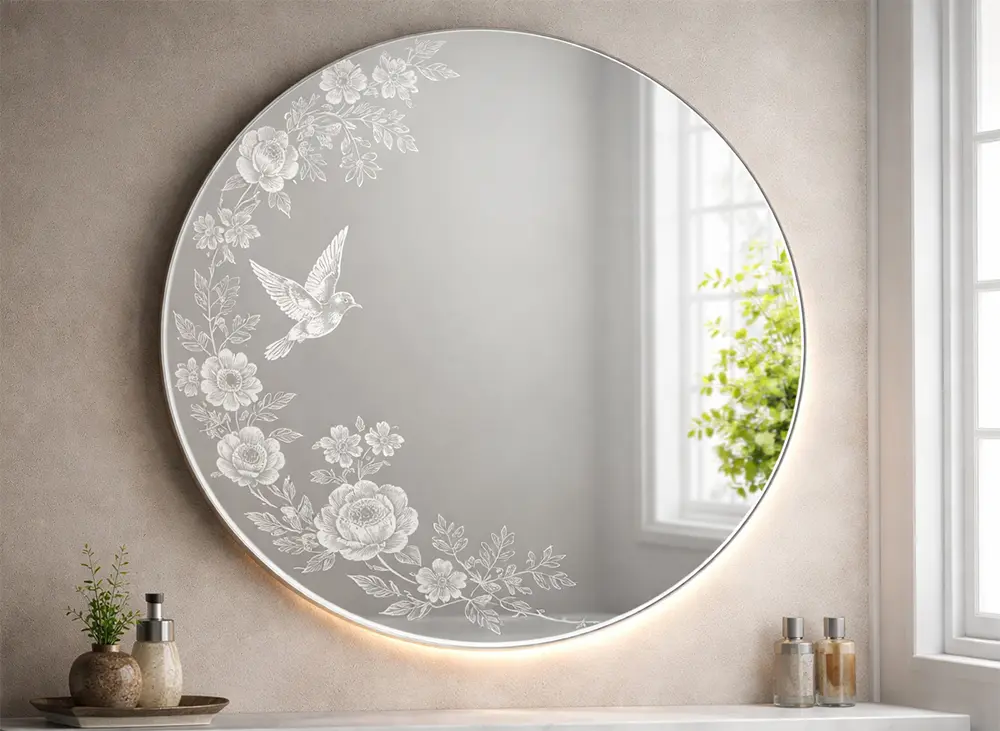
3. Logo and Pattern Engraving
This fiber laser marking machine delivers high-precision mirror-finish laser marking and engraving. It can process complex patterns, logos, and custom designs with micron-level precision, ensuring crisp, sharp edges and uniform engraving depth. This technology addresses the issue of inconsistent results that customers often encounter with manual engraving or chemical etching.
4. Small-Area Drilling
In addition to marking and engraving, the system also supports small-area drilling on mirror surfaces for the installation of hardware or LED components. This non-contact laser drilling ensures smooth edges, prevents cracking, and maintains the integrity of the mirror surface.
With these capabilities of the fiber laser marking machine, customers can:
- Improve production efficiency and reduce processing time per mirror.
- Minimize defects, scratches, and inconsistencies in surface finish.
- Achieve comprehensive decorative and functional features for LED smart mirrors.
- Expand product lines by adding complex patterns, logos, and surface textures.
IV. Project Processing Workflow
The fiber laser mirror etching machine (CK-1325-F) offers a flexible and convenient workflow, allowing even beginners in laser processing to easily achieve high-quality results. The following are the detailed steps for mirror processing in this project:
1. Prepare the Mirror
- Clean the mirror surface with alcohol or a lint-free cloth to remove dust, grease, or debris, ensuring the laser can operate accurately.
- Place the mirror flat on the machine’s worktable and secure it to prevent movement or vibration.
- Check that the back coating is intact and suitable for laser processing.
- Confirm that the mirror type and coating match the laser settings.
2. Machine Setup
- Turn on the fiber laser marking machine and launch the control software.
- Ensure the laser source, galvanometers, and cooling system are functioning properly.
- Perform basic calibration using the auto-calibration feature.
3. Design Configuration
- Import vector design files, logos, or patterns into the software.
- Adjust parameters such as laser power, scanning speed, and repetition rate based on the mirror’s thickness and coating.
- Preview the design before processing to ensure correct positioning and alignment.
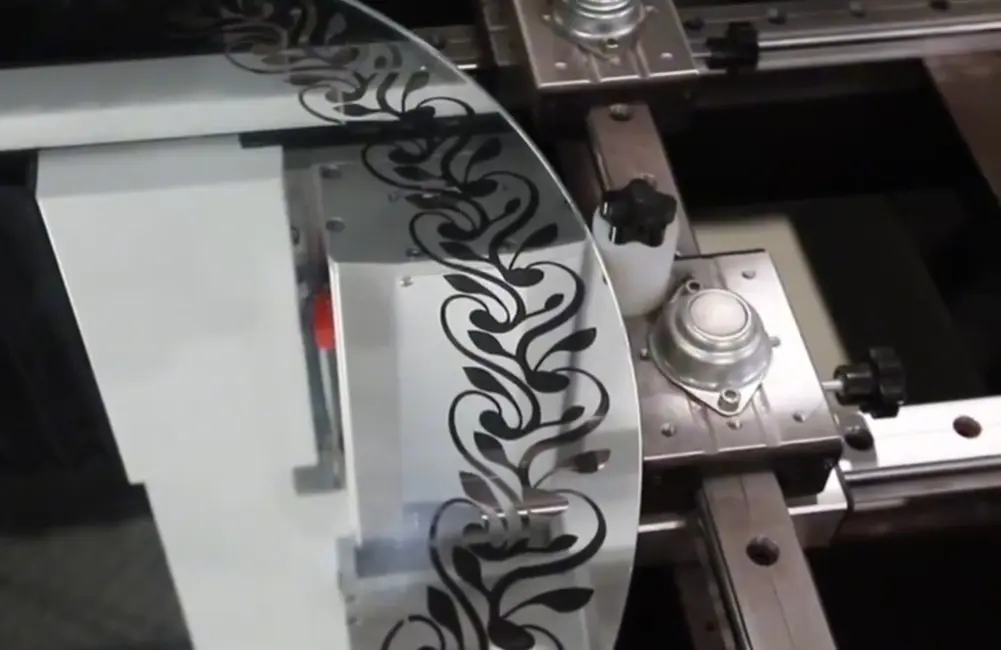
4. Laser Processing
- Start the laser and monitor its operation during the first few minutes.
- The machine supports multiple processing functions; select the required function based on product requirements.
- Before processing the entire mirror surface, perform a small-area test to verify the settings, ensuring optimal results throughout the entire process.
5. Final Inspection and Cleaning
- Once all processes are complete, carefully remove the mirror from the machine.
- Inspect the surface for defects, scratches, or incomplete etching.
- Clean the mirror with a soft, lint-free cloth and verify that all patterns, frosted areas, and drill holes meet quality standards.
- Attach the light strip to the back of the mirror to achieve the lighting and touch-sensitive effects.
V. Advantages of Fiber Laser Processing for Mirror Surfaces
Compared to traditional methods such as chemical etching, mechanical engraving, or sandblasting, fiber laser mirror etching machines offer significant advantages.
1. High Precision and Consistency
The fiber laser marking machine provides micron-level precision for mirror laser marking and laser mirror engraving. Patterns, logos, and decorative designs remain consistent across large mirror surfaces, resolving issues such as inconsistent depth and uneven edges commonly found in manual marking methods.
2. Non-Contact, Non-Destructive Processing
Unlike traditional mechanical or chemical methods, lasers are non-contact. The mirror paint removal laser machine removes back coatings precisely without touching the glass surface, eliminating scratches, cracks, or other surface defects. This preserves mirror integrity and reduces waste.
3. Faster Production Speeds and Higher Efficiency
With high-speed scanning and automated operation, fiber laser glass engraving machine significantly reduces processing time. Large mirrors can be completed in just a few minutes, whereas manual processing would take several hours, enabling manufacturers to scale up production without increasing labor costs.
4. Versatility of Applications
This fiber laser marking machine, specifically designed for mirrors, can perform multiple functions in a single setup: coating removal, creating frosted or textured surfaces, engraving logos and patterns, and even drilling small holes for LED installation. This flexibility allows manufacturers to use the system to produce a wide variety of designs, handling virtually all mirror processing needs without the need for additional equipment.
5. Cleaner and More Environmentally Friendly
Laser processing eliminates the need for chemical etching solutions and sandblasting, thereby reducing the generation of hazardous waste and simplifying cleanup. This contributes to a more sustainable production process and complies with the EU RoHS environmental certification standards.
6. Enhanced Quality and Market Value
By using fiber laser mirror etching machine, the client achieved clearer, more uniform patterns, cleaner backlight areas, and consistent frosted effects. The final mirror surfaces not only meet high-end market standards but also enhance brand reputation through superior product quality.
VI. Application Scenarios
Fiber laser mirror etching machines have a wide range of applications and can be used for various mirror and glass processing projects, offering advantages such as high precision, high speed, and great flexibility. Major application categories include:
1. Smart Home and Bathroom Mirrors
This includes LED smart mirrors, touchscreen bathroom mirrors, and smart full-length mirrors. The fiber laser mirror etching machine enables precise laser marking on mirrors, frosted effects, and the removal of back coatings, making it suitable for functional lighting areas and decorative patterns.
2. Decorative Mirrors and Gift Mirrors
This laser mirror engraving machine is ideal for producing engraved makeup mirrors, wedding gift mirrors, multi-layer mirrors, and artistic mirrors used for hotel or event decorations. It can precisely engrave various logos, custom patterns, and frosted effects, enhancing the aesthetic appeal and value of the products.
3. Industrial and Commercial Applications
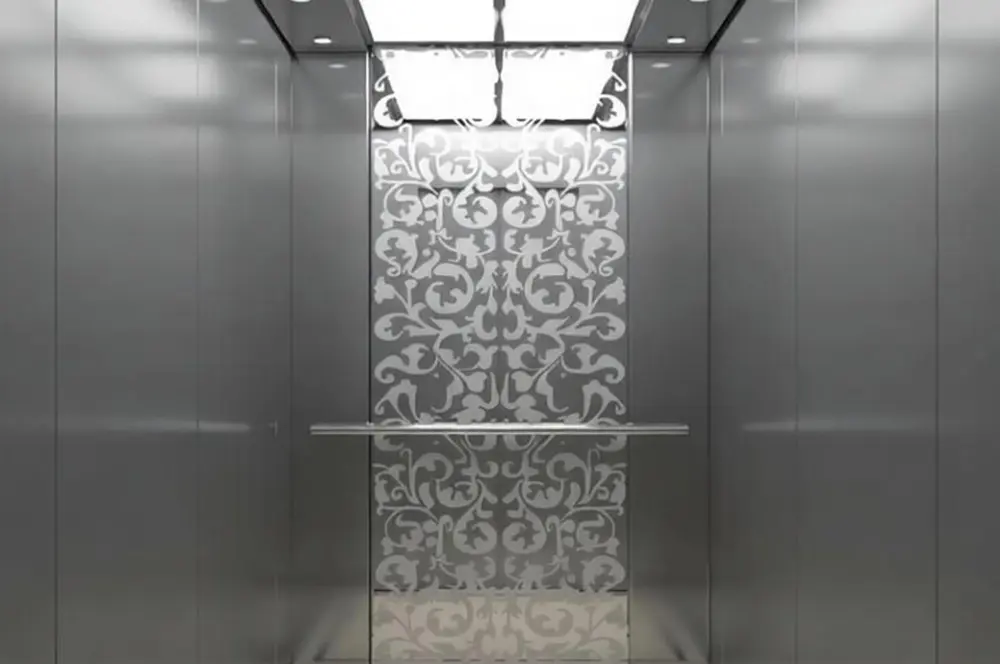
This equipment is widely used in elevators, fitness centers, and AR fitting rooms. It can process stainless steel elevator doors, wall panels, or safety mirrors, ensuring clear signage, durable safety markings, and consistent surface finishes. Additionally, it efficiently handles large panels and multi-layer mirrors.
4. Automotive and Electronic Components
This fiber laser marking machine can mark and engrave automotive rearview mirrors, glass panels, and electronic device surfaces, producing clear, durable markings on stainless steel, aluminum, and glass.
By covering these key applications, the fiber laser mirror etching machine supports both high-volume production and custom designs, helping businesses expand their product range while maintaining consistent quality and precision.
VII. Conclusion
Fiber laser mirror etching machines offer an efficient, precise, and flexible solution for modern mirror manufacturing. They enable manufacturers to easily produce high-quality engraved patterns. By integrating this technology, companies can enhance product quality, expand their product lines, and remain competitive in the markets for smart mirrors, decorative mirrors, and industrial glass.
Other Projects
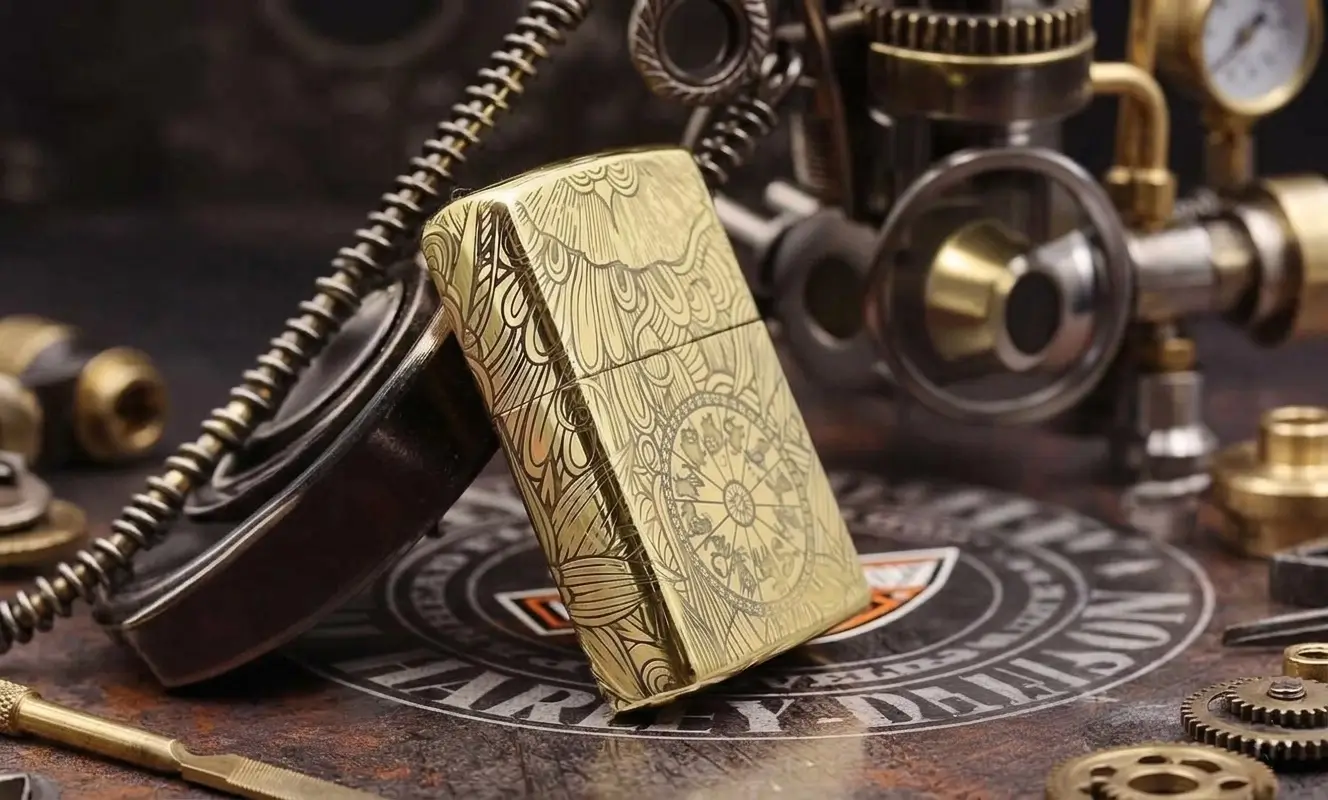
Using a Laser Marking Machine to Mark Lighters
In the field of high-end lighter customization, laser marking has become a mainstream choice. This article will guide you through the process of using a fiber laser marking machine for personalized marking on lighters.
Metal Nameplate Marking Project Using Enclosed Fiber Laser Marking Machine
This metal nameplate marking project focuses on producing clear, permanent, and high-contrast markings on industrial metal nameplates. The customer required a reliable solution for marking logos, serial numbers, and technical information on metal plates used in machinery and electrical equipment.To meet these requirements, an enclosed fiber laser marking machine was selected. Compared with traditional marking methods, fiber laser technology offers higher precision, better consistency, and long-t...
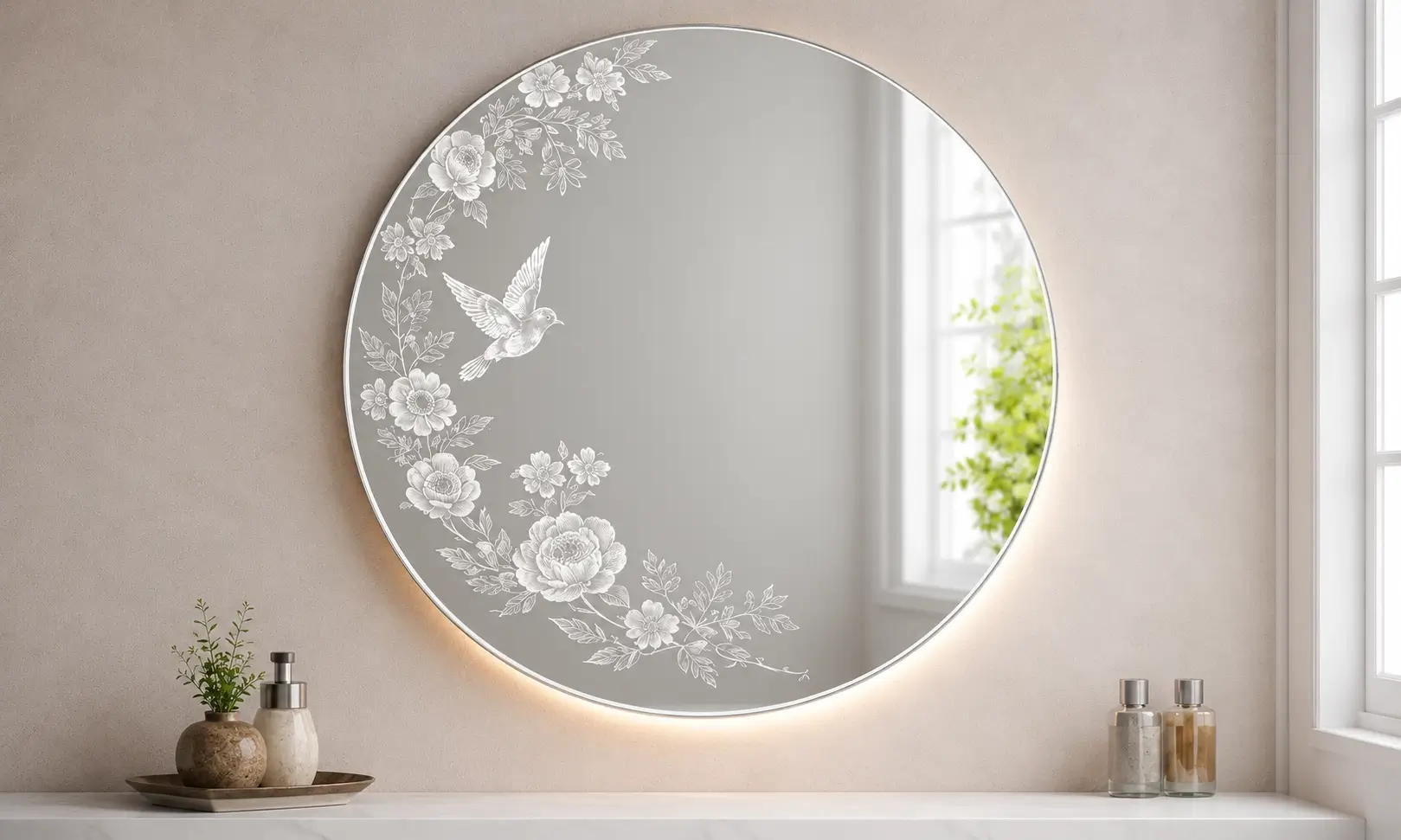
Fiber Laser Mirror Etching Machine Project for Smart Mirror Manufacturing
This project focuses on the application of a fiber laser marking machine in LED smart mirror manufacturing. By replacing traditional processing methods, the solution enables precise mirror paint removal, high-quality engraving, and consistent surface finishing. The system improves production efficiency, reduces defects, and helps manufacturers achieve premium mirror designs with stable and repeatable results.