


{{goods.model}}
How Does a Fiber Laser Cutting Machine Work? A Complete Technical Guide
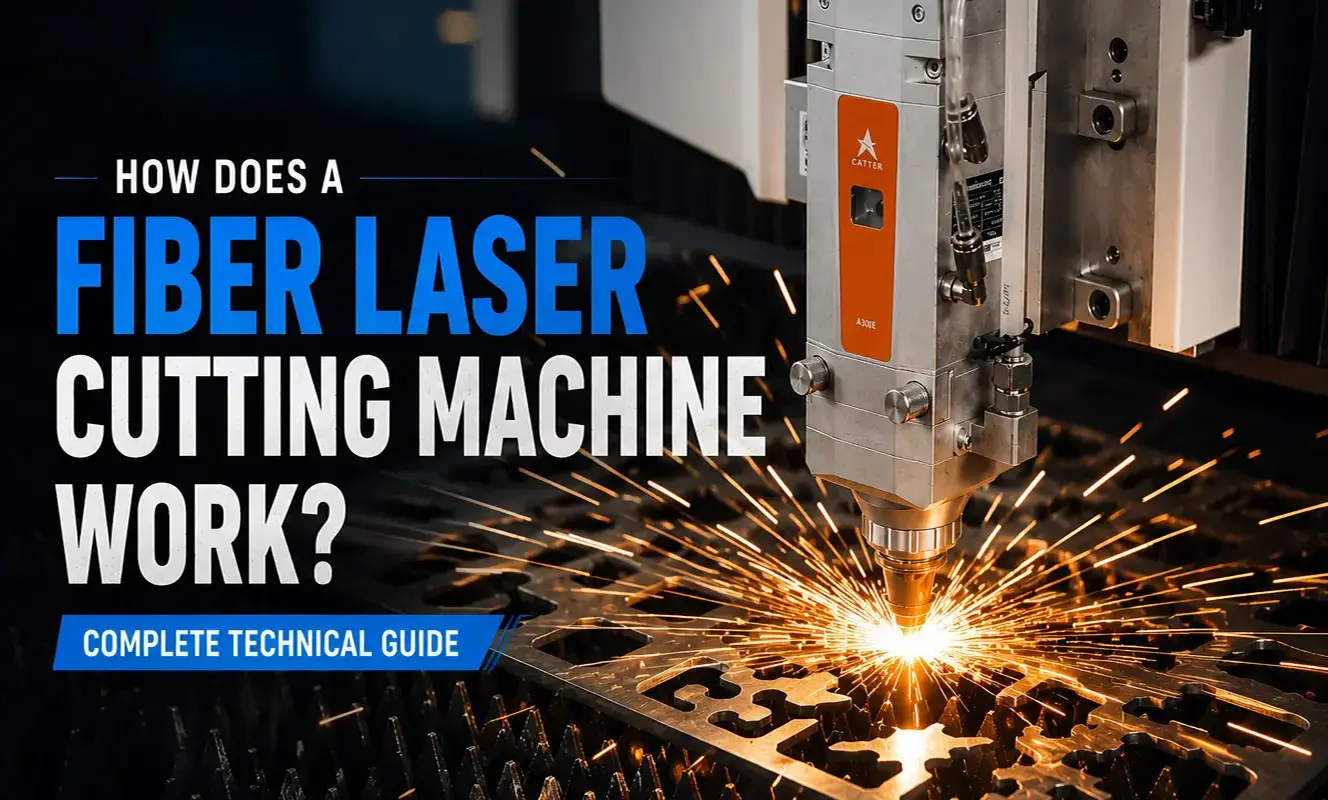
In the modern metal fabrication industry, fiber laser cutter are more than just processing equipment; they are the core driving force for enterprises to achieve cost reduction, efficiency gains, and high-precision manufacturing.
From precision sheet metal and mechanical structural components to demanding automotive parts and aerospace assemblies, laser cutting technology represents the most efficient production solution. However, faced with a wide array of equipment specifications on the market, decision-makers often encounter a core dilemma: how exactly does a fiber laser cutter achieve such efficient cutting?
Understanding the underlying physics and process principles is essential for enterprises to accurately evaluate production performance, select the right type of laser cutting machine, and optimize processing quality.
This guide provides a deep dive into the working principles, structural logic, processing workflows, and industrial advantages of fiber laser cutter for metal, helping you make informed decisions in the wave of industrial manufacturing upgrades.
I. What is a Fiber Laser Cutting Machine?
1. Definition
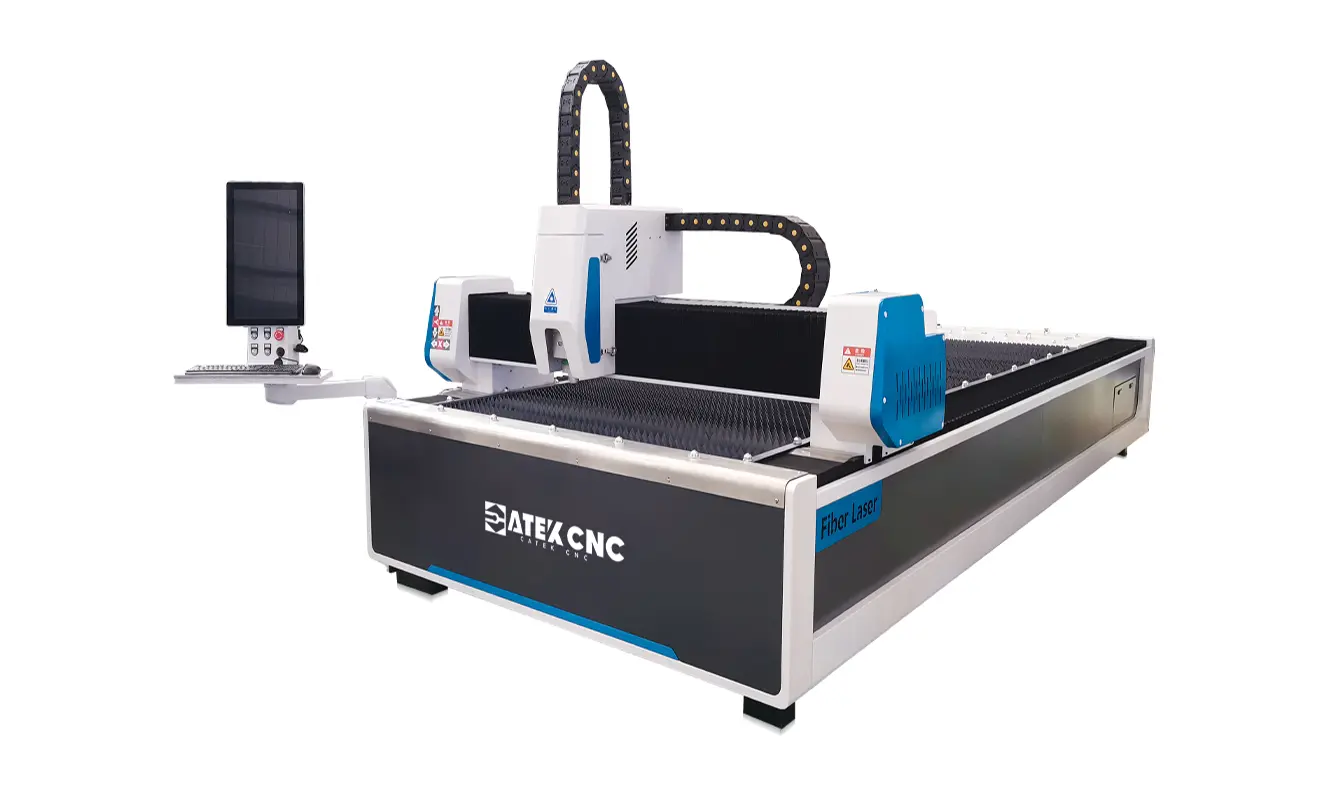
A fiber laser is a high-precision metal processing device based on CNC technology. It utilizes a high-energy laser beam with a wave length of 1064nm to perform non-contact cutting on metal sheets, tubes, and profiles, with paths planned via CAD/CAM software. By focusing laser energy into an extremely small area, the device instantly melts or vaporizes the material, while using high-pressure assist gas to blow away the molten slag, achieving efficient and precise manufacturing.
Laser metal cutting equipment offer exceptional processing performance and are widely used in modern precision industrial scenarios, including industries such as automotive, aerospace, metal fabrication, construction, agricu
2. Differences from Traditional Cutting Methods
Compared to traditional sawing, punching, plasma, or flame cutting, fiber laser technology offers:
- Non-contact processing: No mechanical pressure, no tool wear, and eliminates noise and workpiece deformation.
- Superior edge quality: Narrow kerf, minimal heat-affected zone, and smooth edges, eliminating the need for secondary grinding.
- Production flexibility: High degree of automation, allowing for rapid switching between production tasks and adaptability to complex shape processing.
II. Major Components of a Metal Cutter Laser
1. Laser Source
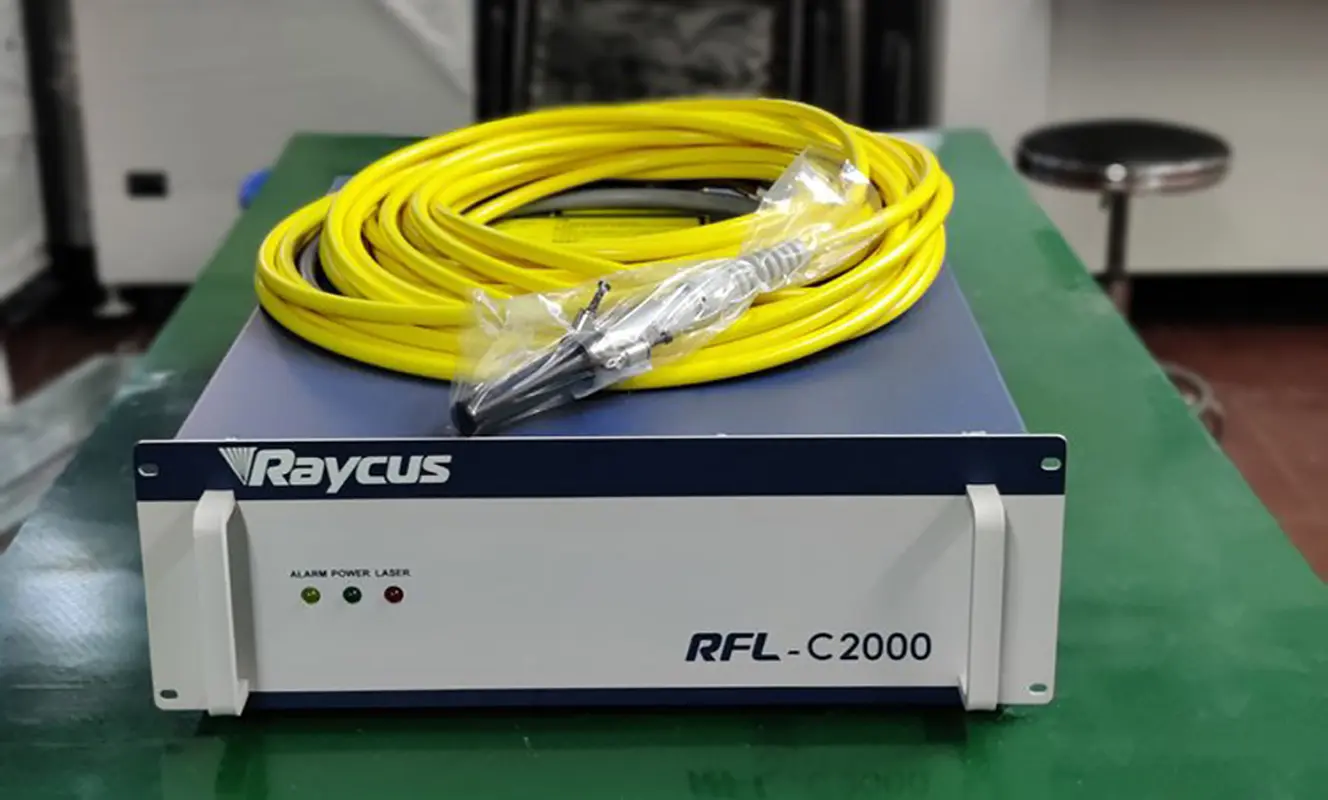
As the device's energy source, it determines the cutting thickness and speed. Mainstream brands include: IPG, Raycus, and Max.
2. Laser Cutting Head
As the core optical component, it is responsible for beam focusing and automatic height tracking, which determine cutting precision and stability. High-quality cutting heads enhance cut quality, piercing efficiency, and the level of automation.
3. CNC Control System
The "brain" of the machine, used to import CAD drawings, automatically generate cutting paths, and manage motion control. Advanced control systems are capable of automatic nesting, automatic edge finding, and intelligent obstacle avoidance.
4. Drive System
Composed of high-performance servo motors, guide rails, and gear racks, it ensures positioning accuracy during high-speed operation.
5. Machine Bed
This determines whether the machine structure vibrates during high-speed cutting and directly impacts cutting precision. High-quality equipment typically employs heavy-duty welded beds and integral annealing treatment, which helps reduce deformation issues during long-term operation.
III. How Does a Laser Metal Cutting Equipment Work?
A fiber laser cutting machine does not simply "melt" metal; it is a complex process of high-energy conversion and precision motion control. Its working principle can be broken down into four key stages: Generation, Transmission, Focusing, and Cutting.
1. How is the Laser Generated?
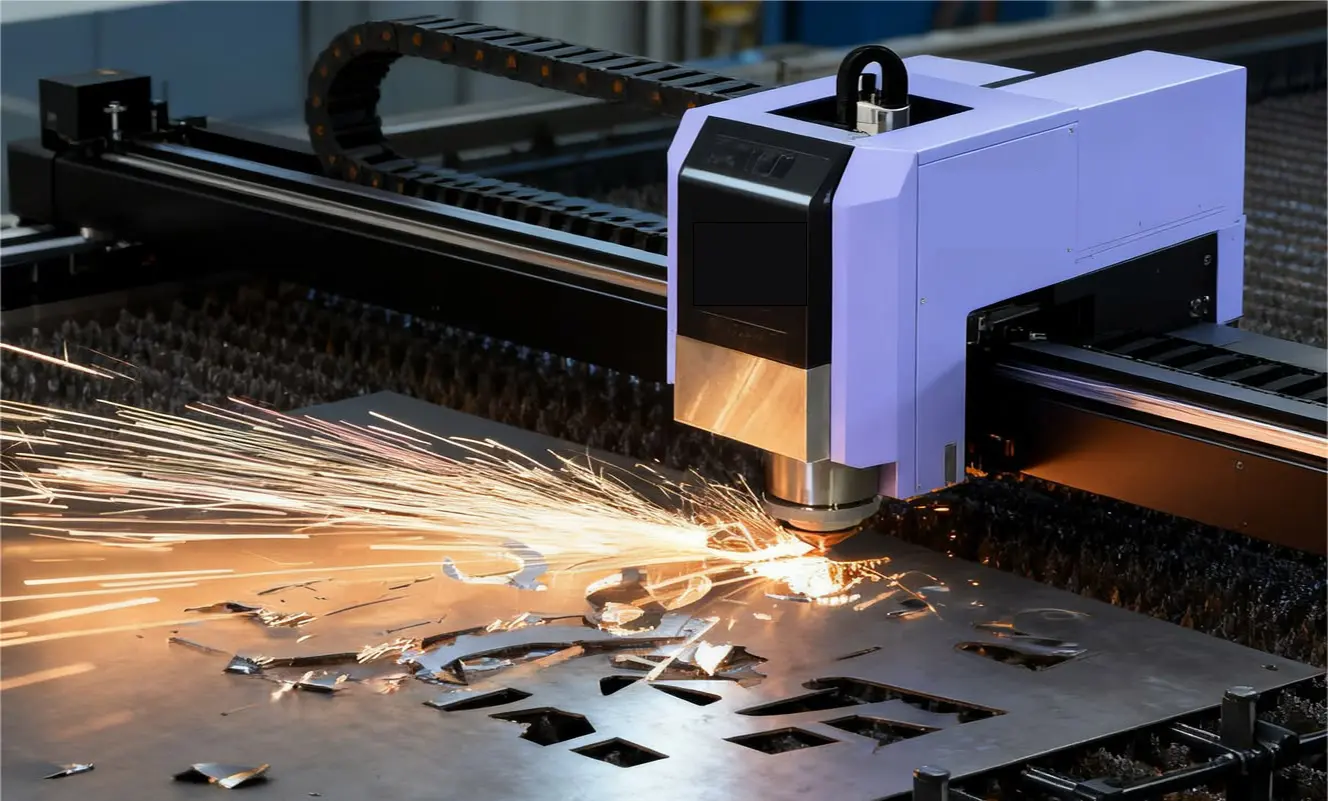
Upon pressing the start button, electrical energy enters the fiber laser. Under electrical excitation, the fiber material within the laser releases photons of a specific wavelength, which are then amplified into a high-energy laser beam.
Current mainstream laser brands include: IPG, Raycus, MAX, and JPT.
2. How is the Laser Transmitted?
Fiber lasers utilize an all-solid-state structure, where the laser is directed into a highly flexible fiber optic link immediately after generation. Unlike traditional CO2 lasers that rely on multiple sets of mirrors to guide the light path, the fiber itself acts as the transmission medium; this architecture achieves "end-to-end" lossless transmission of the laser beam. Its advantages include:
- Lower energy loss
- Higher beam quality
- Lower maintenance costs
- More stable operation
3. How is the Laser Focused?
- Optical Component Transmission: After exiting the flexible fiber, the laser beam is in a divergent state. It first passes through a collimating lens set to convert the divergent beam into a parallel beam.
- Lens Focusing: The parallel beam then enters the focusing lens set, where the lenses converge the high-energy-density parallel beam into an extremely small focal point, instantaneously increasing the energy density to millions of watts per square centimeter.
- Dynamic Focal Length Adjustment: To accommodate metal plates of varying thicknesses, the cutting head utilizes an integrated servo-drive system to adjust the lens position in real-time. This ensures the focal point is precisely positioned at the optimal entry point of the material, thereby achieving the ultimate optimization of cutting performance.
4. How is the Material Cut?
This high-energy light spot is aimed at the metal plate. Upon contacting the surface of the steel plate, it rapidly raises the metal temperature above its melting point within a fraction of a second (millisecond level), followed by melting, combustion, and vaporization.
Different cutting mechanisms apply to different materials, for example:
- Carbon Steel Cutting: Typically uses oxygen-assisted cutting. Characteristics: Faster cutting speed and the ability to cut thicker plates.
- Stainless Steel Cutting: Typically uses nitrogen-assisted cutting to protect the cut edge from oxidation, ensuring the cross-section presents a silver-white, bright finish. Characteristics: Smooth cuts, no oxide layer, suitable for high-quality processing.
- Aluminum and Copper Cutting: Requires higher-power lasers. Reason: These materials have a higher reflectivity to laser light.
5. Slag Removal and Movement
At this stage, the metal has already been melted or even vaporized. The nozzle on the side of the cutting head simultaneously ejects high-pressure assist gas (oxygen, nitrogen, or air) to blow away the molten metal, thereby forming the cutting kerf.
Simultaneously, the CNC system drives the machine's servo motors, moving the cutting head at high speed along the pre-programmed graphic trajectory. "Illuminating, blowing, and moving"—this constitutes the entire process of cutting.
IV. Core Advantages of Fiber Laser Cutting Machines
1. Comparison of Advantages vs. Traditional Cutting Methods
| Feature | Fiber Laser Cutter | CO2 Laser Cutting Machine | Plasma Cutting Mchine |
|---|---|---|---|
| Beam Quality | Excellent | Good | Poor(Wide kerf) |
| Energy Efficiency | Extremely High | Low | Low |
| Maintenance Frequency | Extremely Low(Solid-state source) | High(Mirrors easily misaligned) | Moderate(High consumable usage) |
| Applicable Materials | Extremely Wide(Including highly reflective metals) | Limited | Metals Only |
2. Multi-Industry Application Scenarios
2.1 Metal Processing and Sheet Metal Fabrication
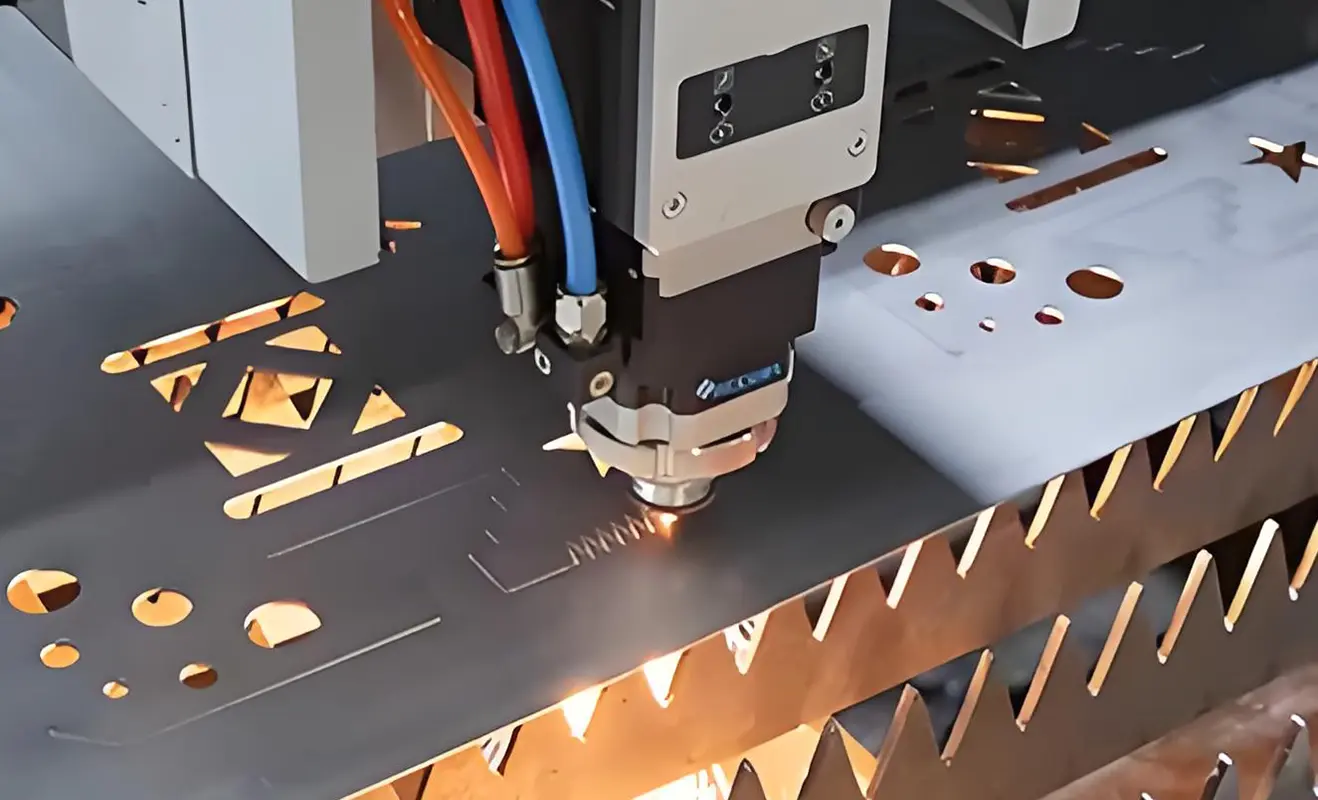
Fiber laser cutter for metal are most commonly used in the field of metal processing. Enterprises utilize sheet metal laser cutting machines to manufacture parts for machinery, home appliances, furniture, and industrial equipment.
Materials: Stainless steel, carbon steel, aluminum, copper, galvanized sheets, brass, and alloy steel.
Application Scope: Cutting panels, frames, brackets, covers, and custom parts for machinery.
2.2 Automotive Industry
In the automotive industry, metal processing laser cutting machines are utilized to manufacture components with strict tolerance requirements.
Application Scope: Automotive frames, exhaust pipes, body panels, brackets, and custom parts.
2.3 Aerospace Industry
High-power laser cutter play a vital role in aerospace manufacturing, as precision and repeatability are critical to the industry.
Application Scope: Aircraft structural components, piping systems, aluminum plates, and precision assemblies.
2.4 Construction and Structural Engineering
In the construction and structural steel industry, metal cutter laser are essential for manufacturing steel frames, pipes, and custom metal components.
Application Scope: Structural beams, steel plates, piping systems, and architectural panels.
2.5 Furniture and Metal Art Industry
For furniture manufacturers and metal artists, laser metal cutting equipment provide creative flexibility and precision.
Application Scope: Custom metal furniture, decorative panels, metal sculptures, and signage.
2.6 Electrical and Electronics Industry
In electronics manufacturing, fiber laser cutter are utilized to cut precision metal parts such as housings, panels, connectors, and structural supports.
Application Scope: Stainless steel control panels, aluminum housings, copper parts, and custom metal enclosures.
2.7 Custom Fabrication and Prototyping
Enterprises providing custom laser cutting services require versatile machines capable of handling a wide variety of materials and thicknesses.
Application Scope: Prototypes, custom parts, industrial models, and architectural components.
Performance Advantage: Compared to traditional CNC plasma cutters, fiber laser cutting machines offer faster speeds, higher precision, and greater environmental friendliness, making them the ideal tool for modern metal processing.
V. Key Considerations When Choosing a Laser Metal Cutting Equipment
1. Choosing the Right Power
Power is the core factor that determines production capacity; selection should be based on your primary material thickness and maximum cutting requirements.
| Power Range | Positioning | Cutting Capacity(Carbon Steel) | Recommended Application Scenarios |
|---|---|---|---|
| 1.5kW-3kW | Light Industry | 16mm-22mm | Advertising signage, kitchen equipment, light sheet metal |
| 4kW-8kW | General Industry | 25mm-40mm | Mechanical manufacturing, general sheet metal, medium-to-thick plate processing |
| 12kW-30kW | Heavy Industry | 45mm-100mm | Construction machinery, large-scale steel structures, shipbuilding |
2. Selection Logic for Assist Gases
Gas is not merely for "blow-off" (removing dross); it also determines the color of the cut surface and the presence of dross. The choice of assist gas directly impacts both product appearance and production costs:
- Oxygen (O₂): Known as "combustion-assisted cutting". Oxygen creates a chemical thermal effect, providing strong capability for cutting thick plates, improving efficiency, and maintaining low costs. It is suitable for carbon steel structural parts where surface finish requirements are not overly strict. However, a drawback is that the cut surface will develop a thin layer of oxidation (blackening), which may require post-processing.
- Nitrogen (N₂): Known as "fusion cutting". As an inert shielding gas, nitrogen does not participate in combustion; instead, it uses high pressure to blow away molten dross, leaving a clean, silver-colored surface that requires no secondary grinding and exhibits excellent corrosion resistance. The disadvantage is higher gas consumption. It is suitable for stainless steel, aluminum, and other scenarios requiring a "mirror finish" or extremely high welding quality.
- Compressed Air: Used for cutting thin plates (1-3mm). While it offers extremely low costs, its cutting capability is limited.
3. Equipment Maintenance and Troubleshooting
Core Maintenance Checklist
- Daily Tasks: Inspect the protective lens (a critical step to prevent dust from damaging the laser head) and clear any residual slag from around the nozzle.
- Weekly Maintenance: Clean the chiller filter screen, inspect the quality of the circulating water, and lubricate the guide rails and racks/pinions.
- Monthly Inspections: Check the limit sensors for each motion axis and inspect the sealing of all gas line connections.
Common Troubleshooting
Dross on the Cut Edge: Usually caused by excessive cutting speed, improper focal position, or insufficient gas pressure; parameters should be fine-tuned based on the specific shape of the dross.
Incomplete Piercing/Explosive Piercing: Often caused by contamination of the protective lens leading to energy attenuation, or excessive assist gas pressure causing molten metal to splash.
Yellowing/Discoloration of Edges: Commonly occurs during stainless steel cutting; it is necessary to check if the nitrogen purity meets standards and verify that there are no minor leaks in the piping causing oxidation.
VI、FAQ
1. What are the differences between Fiber Laser Cutter and CO2 Laser Cutting Machines?
The core difference lies in the medium and the transmission method. Fiber lasers utilize solid-state transmission, which is maintenance-free (no adjustment required) and extremely stable. Furthermore, their electro-optical efficiency is more than three times that of CO2 lasers, resulting in faster cutting speeds. Consequently, both operational power consumption and maintenance costs are significantly reduced.
2. Do fiber laser cutting machines require frequent maintenance?
Maintenance requirements are extremely low. Thanks to the all-solid-state design, the equipment has no consumable internal parts. Daily maintenance only requires performing standardized tasks: cleaning the protective lens, checking nozzle alignment, and monitoring the operating status of the water cooling system.
3. Can it cut all metals?
Fiber lasers possess extremely high compatibility and can efficiently process a wide variety of metals, including carbon steel, stainless steel, aluminum alloys, copper, brass, and titanium alloys.
4. Why is assist gas used?
Assist gas serves three critical functions: efficiently expelling slag to ensure a smooth cut, aiding the reaction to enhance cutting speed, and protecting the lens from damage caused by debris. Furthermore, the choice of gas directly affects the cut surface: oxygen assists combustion to increase speed but leaves an oxidation layer, whereas nitrogen ensures a burr-free, bright silver cut surface.
5. Is a fiber laser cutter for metal high in power consumption?
No. It is currently the most energy-efficient cutting solution available. Its electro-optical conversion efficiency is as high as 30% to 40%, which means less energy waste. This can significantly reduce unit processing costs, making it an economical choice for long-term business operations.
VII. Conclusion
CNC fiber laser cutting machine achieve high-speed, high-precision, and highly efficient metal processing through the synergy of a high-energy laser beam, a precision motion control system, and assist gas. Understanding the working principle of laser metal cutting equipment is an important step for companies looking to improve production efficiency, reduce processing costs, and enhance product quality when selecting the right equipment. Whether in sheet metal processing, mechanical manufacturing, automotive parts production, or custom metal fabrication, investing in the right fiber laser cutting machine can provide companies with long-term competitive advantages.
RELATED MODELS
We recommend some related models for you...
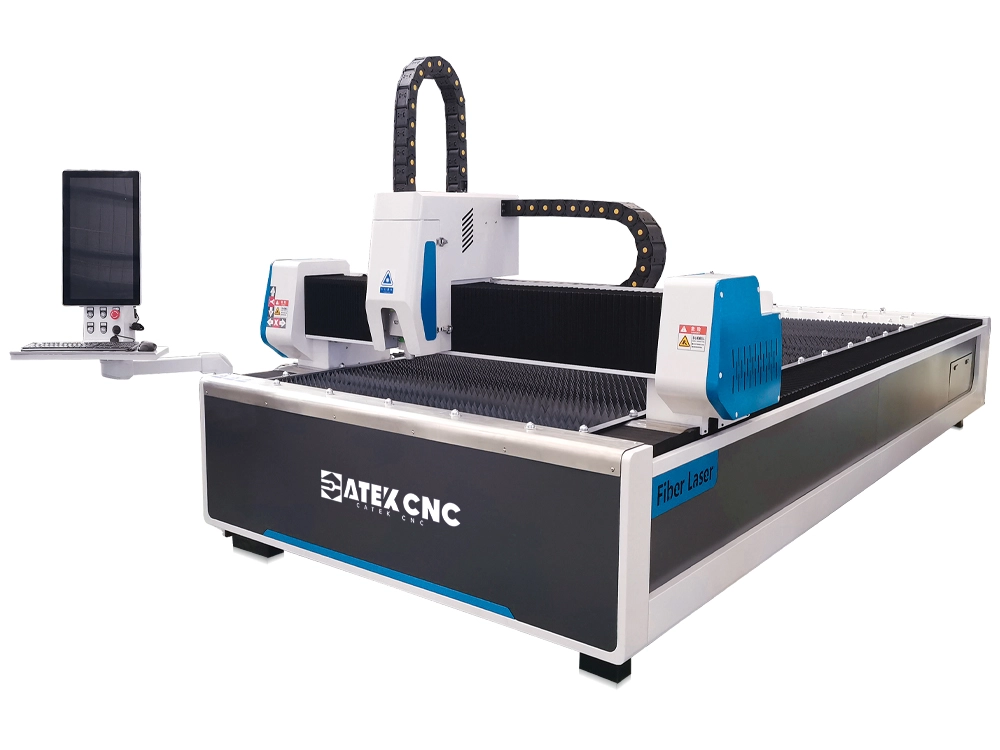
Fiber laser cutting machine is a new type of cutting machine that uses laser cutting to process materials. It outputs a high-energy laser beam and focuses it on the surface of the workpiece, so that the area of the workpiece irradiated by the ultra-fine focus is immediately melted and evaporated. The irradiation position of the spot is moved by the CNC mechanical system to achieve automatic cutting. It emits a laser with a wavelength of 1064nm, which has a very good effect on metal cutting...
$5,500.00~$15,800.00
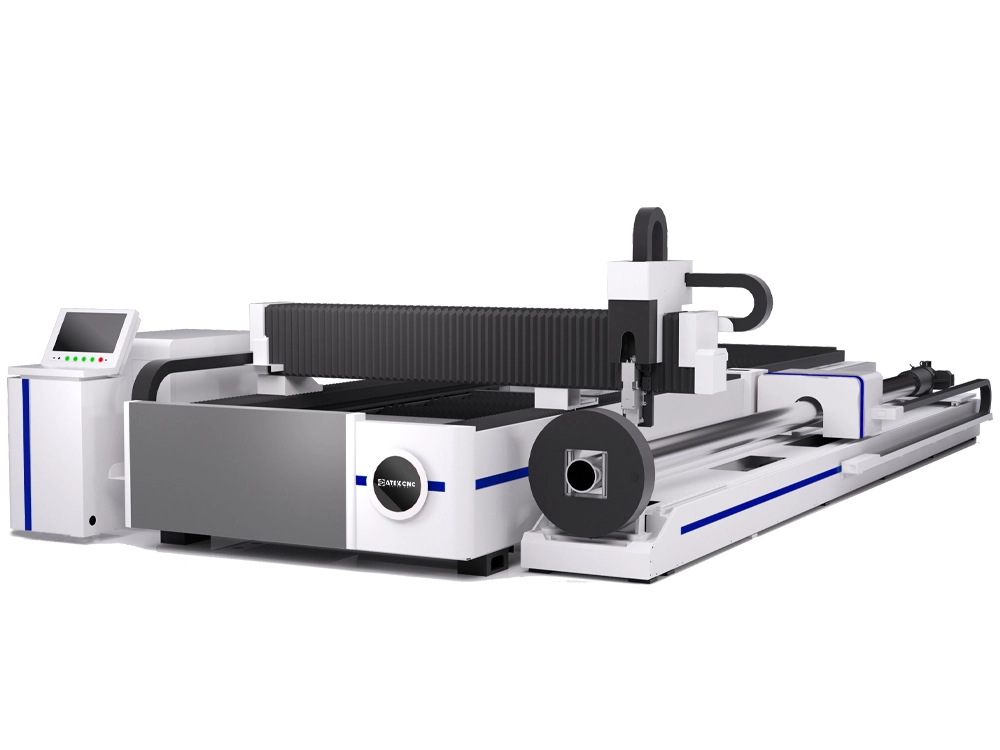
The 5x10ft fiber laser plate and tube integrated cutting machine is a high-performance, multi-functional laser cutting equipment. While having high-performance cutting capabilities for metal plates, it also has the ability to cut various types of square tubes, round tubes, rectangular tubes, D-shaped tubes, and hexagonal tubes, and has automatic deviation correction and centering functions. If you have both plate cutting and pipe cutting needs, choosing this machine can save purchase costs.
$22,500.00~$32,800.00
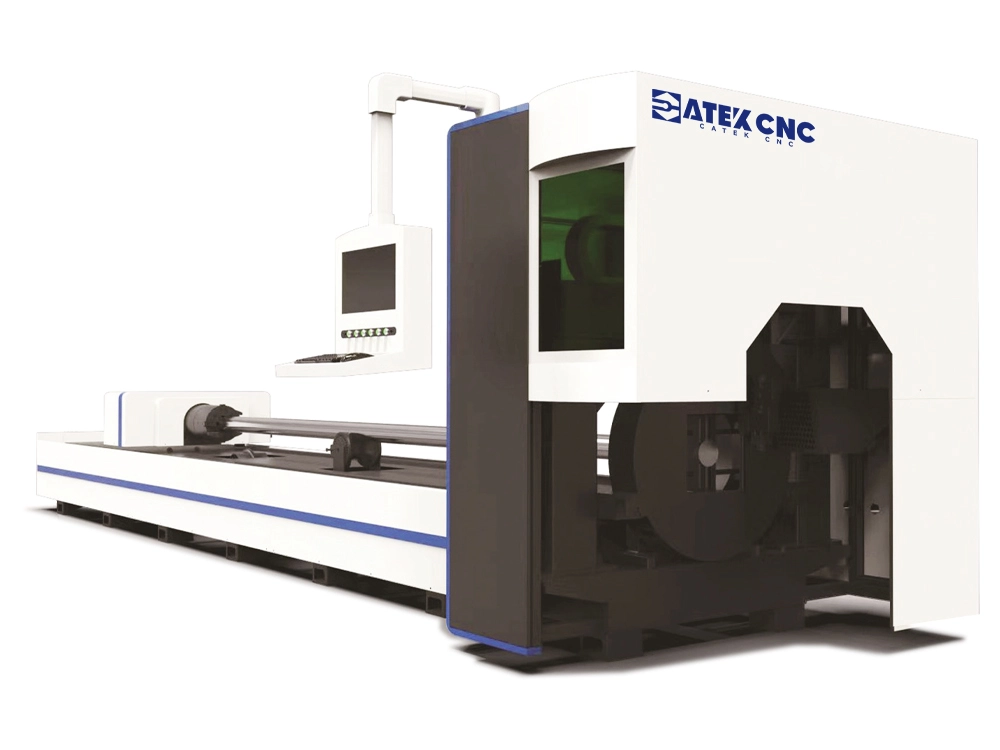
Fiber laser tube cutting machine is a high-efficiency and high-precision metal tube processing equipment. It uses the high-energy laser beam emitted by the fiber laser to cut, open holes, and contour cut metal tubes. This tube cutting machine can be selected with 1500W, 2000W, and 3000W power. It uses a large-diameter metal tube fully automatic rotating shaft, which can be used to cut round tubes and square tubes. It can also control the rotation angle to cut patterns on the tube. There are pneu...
$16,000.00~$29,000.00
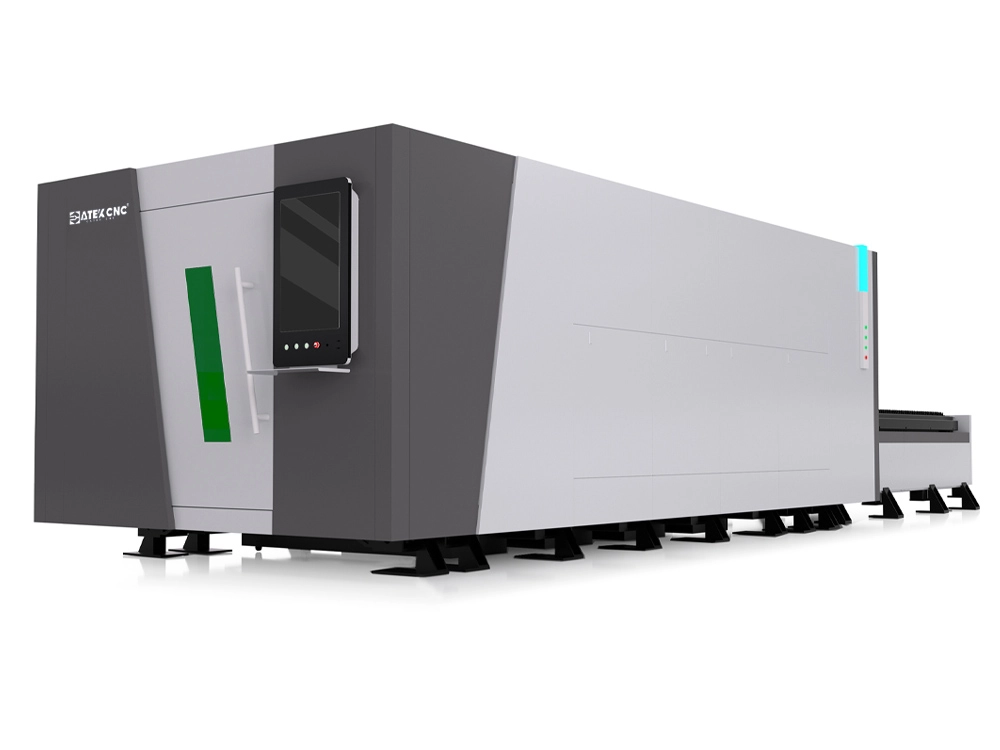
4020-2FC is a large-format, high-end fiber laser cutting machine with a maximum processing size of 4000mm × 2000mm. The machine features a fully enclosed design that effectively contains smoke, dust, noise, and laser radiation generated during operation, ensuring a clean factory environment. Equipped with a 12,000W high-power laser, it incorporates a BOCI BLT series laser head and the FSCUT8000C high-power laser cutting control system from BOCHU. The laser head supports automatic focus adjustme...
$25,800.00~$118,500.00
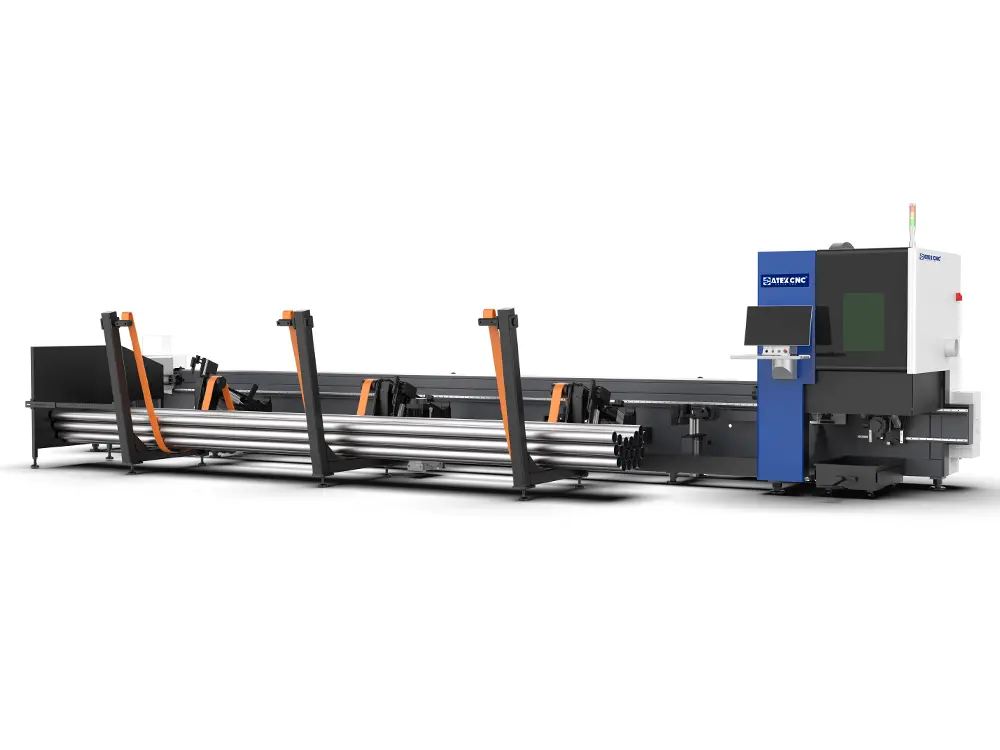
This fiber laser tube cutting machine, equipped with an automated loading and unloading system, is specifically engineered for the high-speed batch processing of small-to-medium diameter metal tubes (Ø8–120mm). Unlike universal fiber laser cutters, this machine incorporates multiple specialized designs optimized for small-to-medium tube diameters: it is powered by a Maxphotonics 3000W laser source that delivers exceptional beam quality, which serves as the core technology for achieving rapid ...
$35,800.00~$56,800.00
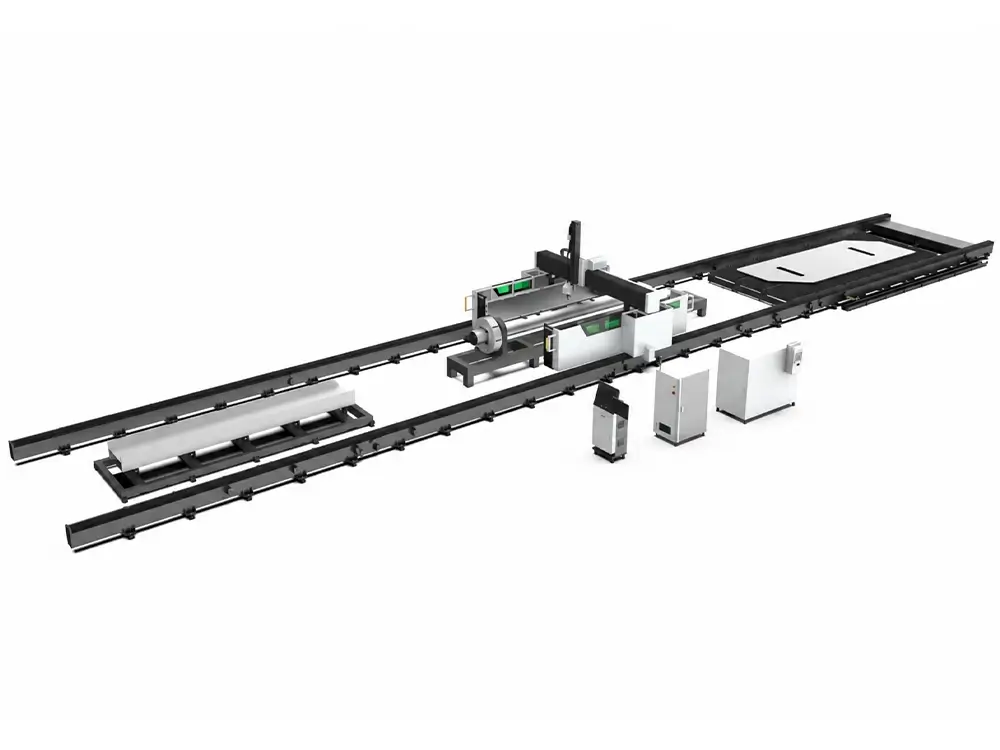
The GM3200-13 is a large-scale, all-in-one fiber laser cutting machine designed to provide a one-stop solution for the diverse processing needs of the steel structure industry. Featuring a rail-type bed structure, the machine offers the flexibility to install multiple workstations, including a flatbed table for sheet metal processing, a chuck/clamping system for tubes, and a supporting system for profiles. As a large-scale, versatile, industrial-grade metal processing equipment, it boasts an ove...
$88,500.00~$139,500.00

The TFS55-120F-120F is a heavy-duty laser tube cutting machine equipped with a four-chuck system, primarily designed for industrial-grade processing of large-diameter tubes. It supports a maximum tube length of 12 meters, with a cutting diameter range of 40–550 mm and a maximum single-tube load capacity of up to 3000 kg. The machine features a side-mounted heavy-duty bed and is equipped with four chucks and an automatic loading and unloading system, enabling fully automated operation from load...
$285,000.00~$435,000.00