


{{goods.model}}
Best CNC Router 4x8 for Woodworking: Complete Buyer’s Guide 2026
If you work in the woodworking industry, you’ve likely heard that the CNC router 4x8 is one of the most practical and widely used machines available today—and for good reason. It’s perfectly suited for standard-sized panels, process a variety of materials, and significantly boosts daily production efficiency.
From small workshops to large furniture factories, more and more businesses are turning to a reliable woodworking CNC router machine to increase output and reduce manual labor. Whether you produce cabinets, doors and windows, or custom furniture, a well-configured CNC router for woodworking can help you complete complex CNC router projects faster and more reliably. But here’s the challenge: with so many types of CNC router machinery on the market - different configurations, features, and price ranges - it’s not always easy to know which one is truly the best CNC router for your needs. On top of that, factors like CNC router software and overall price CNC router can greatly impact your final decision.
In this guide, we’ll walk you through different configurations, compare various machines, and help your business select the right CNC router 4x8 for 2026.
I.What Is a CNC Router 4x8?
A CNC Router 4x8 refers to a CNC machine tool with a working area of 4 feet by 8 feet (1300x2500 mm). This size is not arbitrary but is designed to match the standard dimensions of plywood, medium-density fiberboard (MDF), and other common woodworking panels. As a result, a 4x8 CNC router machine can process entire sheets of material directly without the need for pre-cutting, thereby saving time and material.
Simply put, a woodworking CNC router machine uses computer control to move the cutting tool along a pre-programmed path. You don’t need to measure, cut, or engrave manually; simply create a digital design, and the machine will complete the work with high precision. Whether cutting panels, engraving patterns, routing grooves, or drilling holes, every step is automated and repeatable.
The greatest value of a CNC Router 4x8 lies in its balance. Its size is large enough to meet the demands of standard large-scale furniture production, yet compact enough to fit in most workshops. Therefore, whether you’re producing cabinets, doors, or custom furniture, this size strikes the perfect balance between work area, cost, and efficiency.
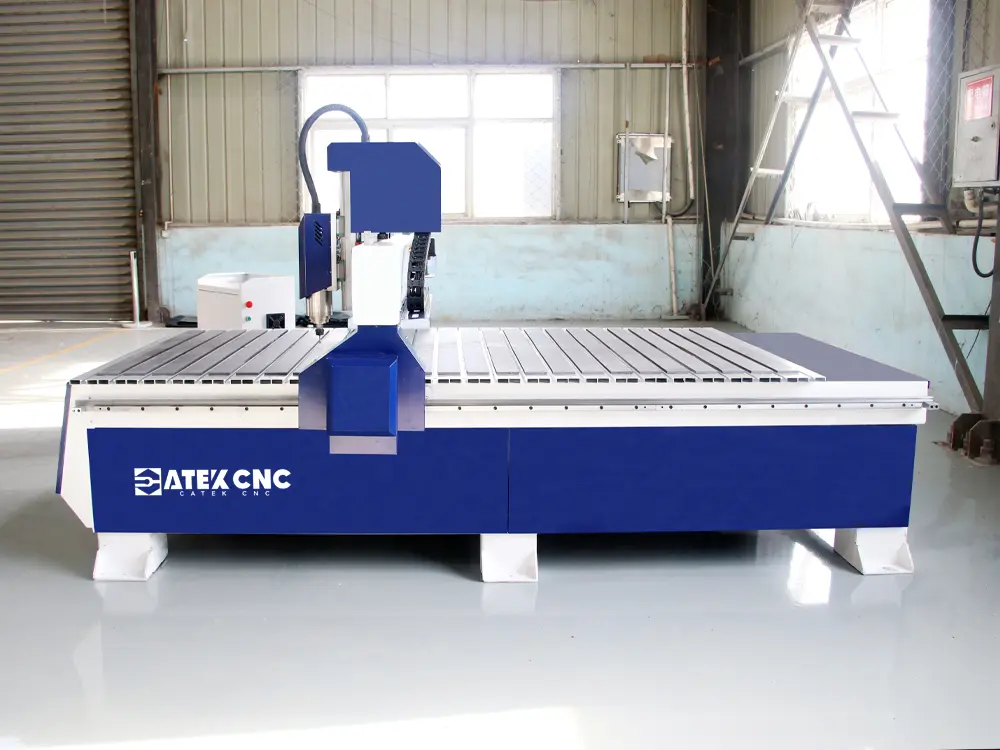
Today, as manufacturing continues to move toward automation, this type of CNC router is no longer just a tool - it’s a key component for improving efficiency, reducing errors, and maintaining competitiveness in the woodworking industry.
II. Why Choose a 4x8 CNC Router for Woodworking?
When it comes to improving efficiency and product quality, a CNC router for woodworking is one of the smartest investments you can make. Among all sizes, the 4x8-foot model is the most practical and widely used. It strikes the perfect balance between work area, cost, and performance, making it suitable for both small workshops and large furniture manufacturers.
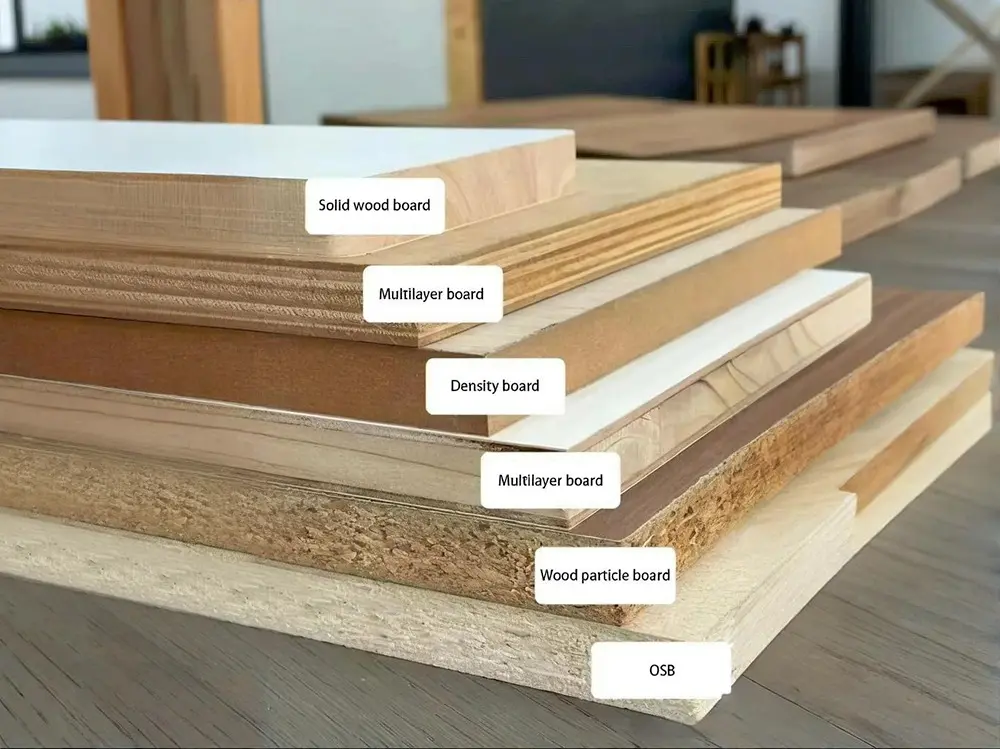
1. Perfect for Standard Wood Panels
One of the greatest advantages of a 4x8 CNC router is that its design is tailored to standard panel sizes. Most woodworking materials, such as medium-density fiberboard (MDF), plywood, and solid wood panels, are produced in full-size sheets. A woodworking CNC router with a 1300mm × 2500mm work area can process these materials directly without the need for pre-cutting.
This offers many practical benefits for daily production:
- Reduced material waste
- Faster loading and positioning
- Higher cutting precision
- Shorter processing times
For manufacturers who handle large volumes of panels daily, this compatibility makes a CNC router for woodworking much more efficient and cost-effective.
2. High Efficiency for CNC Router Projects
One of the primary reasons companies upgrade to CNC systems is the ability to process a wide variety of CNC router projects quickly and reliably. Compared to manual operations, CNC machines can run continuously with minimal human intervention, thereby significantly improving production efficiency.
Typical CNC router projects include:
- Cabinets and wardrobes
- Wooden doors and panels
- Custom furniture production
- Decorative wall panels and partitions
With optimized toolpaths and automation technology, woodworking CNC router can complete complex machining tasks in less time while ensuring consistent quality across every component. This is particularly important for mass production, as even minor errors can result in significant losses.
3. Versatility in Woodworking Applications
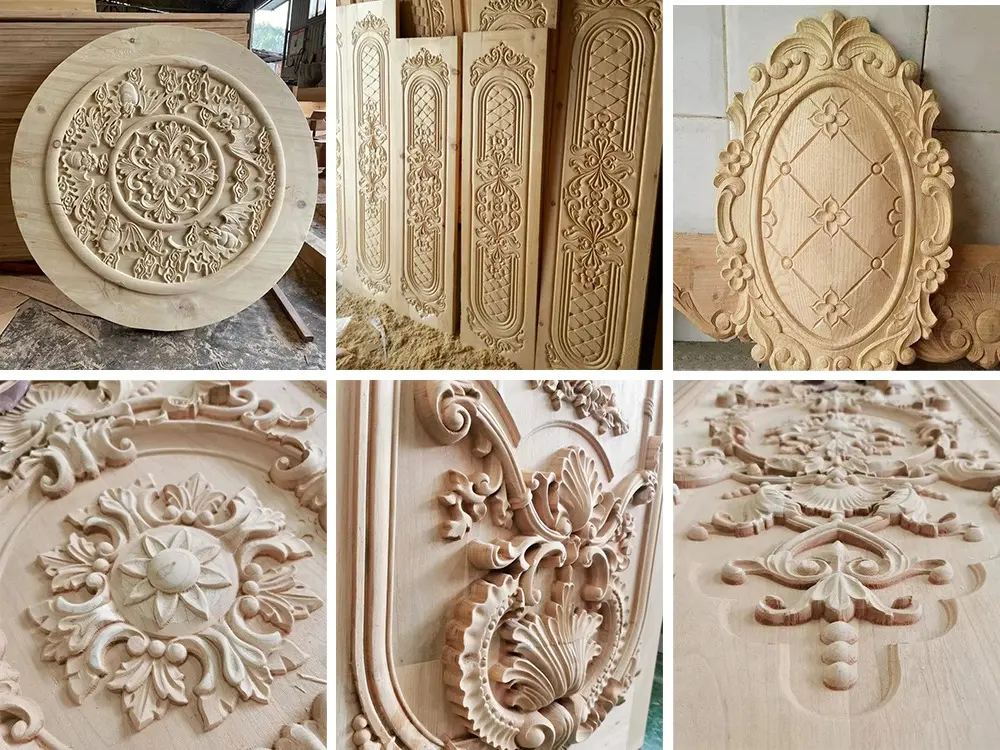
Another key advantage of a CNC router for woodworking is its versatility. They are not limited to cutting wood panels; a single machine can perform a variety of machining operations. Depending on actual production needs, CATEKCNC CNC router machines can be equipped with additional modules to enable customized processing.
A single woodworking CNC router machine can perform the following operations:
- Cutting
- Engraving
- Drilling and Routing
- 2D and 3D Machining
This flexibility enables manufacturers to undertake a wider variety of CNC router projects, ranging from simple board cutting to intricate decorative designs. As customer demands become increasingly personalized, owning a machine capable of adapting to different tasks has become a significant competitive advantage.
III.Types of CNC Router 4x8 Machines for Woodworking & Best Models
When choosing a CNC Router 4x8, you need to figure out which type is truly suitable for your production. In actual factory use, the differences between standard machines, automatic tool changers, or nesting lines directly affect your labor costs, production speed, and even whether you can handle more complex CNC router projects.
Below, we break down the five main types of CNC router machinery, based on actual usage scenarios, so you can clearly identify which is the best CNC router 4x8 for your business stage.
1. Standard CNC Router 4x8--The Ideal Entry-Level Choice
For many workshops, a standard woodworking CNC router machine like the CK-1325 is often the first step in transitioning from manual operations to automated production. It is simple to use, reliable, and capable of handling the most common CNC router projects without adding unnecessary complexity.
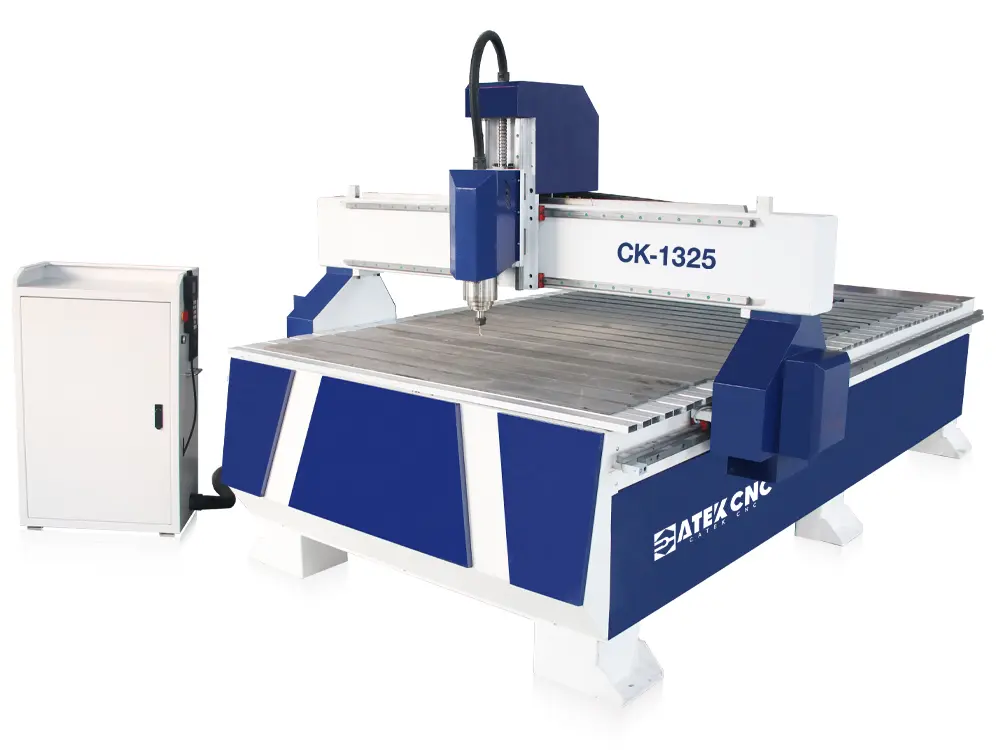
In real-world production settings, many customers choose this CNC router 4x8 for two main reasons: its low cost and its ability to meet most machining needs. Operating the CK-1325 CNC router machine does not require extensive technical expertise; your team can usually become familiar with the machine in a short period of time, making it particularly suitable for workshops that want to start production quickly and generate revenue as soon as possible.
This type of CNC router for woodworking is commonly used to process cabinets, wardrobes, doors, and other standard furniture components. It handles most routine tasks, such as cutting panels, simple engraving, drilling, and routing. Although the 1325 CNC router uses a manual tool-changing system, this is not a drawback for workshops that do not require frequent tool changes. In fact, its simpler design reduces maintenance costs and minimizes the risk of mechanical failures, which is particularly important for customers in the early stages of starting a business.
Another key reason this 4x8 woodworking CNC router remains popular is its durability and versatility. With a sturdy frame and optional accessories such as a vacuum-assisted table or a T-slot worktable, it can reliably process a variety of materials, including MDF, plywood, and solid wood. Even during prolonged operation, it ensures smoother cuts and higher overall precision.
From an application perspective, this machine is far more capable than many expect. It is widely used in cabinet production, furniture manufacturing, door panel processing, and basic decorative engraving. For these types of CNC router projects, it meets all workshop needs without overcomplicating the workflow.
| Model | Features | Best For |
|---|---|---|
| CK-1325 | Standard 4x8 CNC router with stable structure and versatile applications | Entry-level users, small workshops |
If your goal is to enter the woodworking industry with a CNC router and gradually expand your production scale, this 4x8 CNC router is the most practical choice.
2.ATC CNC Router 4x8
As production volumes increase, many factories eventually face the same problem: while the machines themselves perform well, the workflow cannot keep up. Operators are forced to frequently stop the machine to change tools, recheck settings, and restart the process. Over time, these downtime interruptions accumulate, not only reducing production efficiency but also increasing labor costs.
This is precisely where an automatic tool changer (ATC) system demonstrates its value.
A 4x8 CNC router machine equipped with an Automatic Tool Changer (ATC) can automatically switch between different tools while in operation. Operations that previously required multiple pauses and manual intervention can now be completed in a single continuous cycle. For simple tasks, this difference may not be significant. However, for more complex CNC router projects, especially those requiring cutting, drilling, routing, and engraving on the same panel, the efficiency gains are substantial.
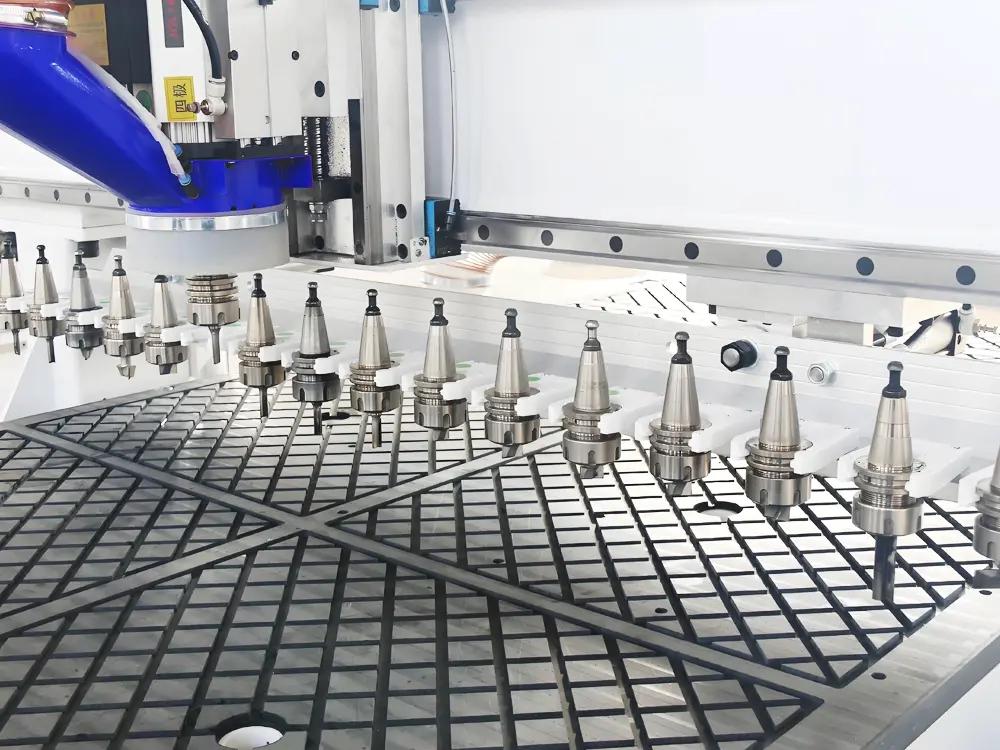
For example, in a typical cabinet manufacturing scenario, a single panel may require several different tools. On a standard machine, each step involves stopping the machine, changing the tool, and recalibrating. On an ATC CNC router machine designed for woodworking, however, all these operations are performed automatically. The result is not only increased production speed but also a smoother workflow and fewer human errors.
There are two main types of ATC configurations commonly used in CNC router machines, and each has its own advantages depending on your production needs.
When selecting a ATC CNC router 4x8, an important factor to consider is the type of tool-changing system. Most CNC router machines feature two common tool-changing designs: linear tool-changing and carousel automatic tool changer. While both enable automatic tool-changing, each configuration offers distinct advantages based on your specific production requirements.
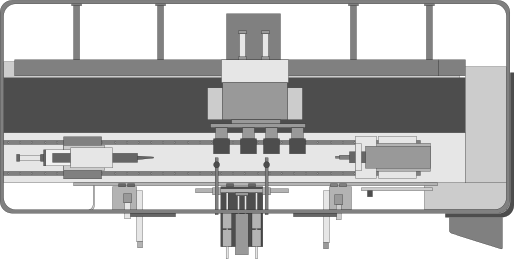
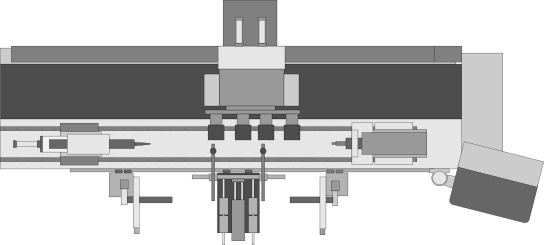
Linear automatic tool change systems are typically mounted beneath the gantry, reducing the spindle’s travel distance during tool changes. This accelerates tool change speeds and ensures smoother overall operation. This layout also frees up more space on the machine table, facilitating the loading and unloading of full-size panels. Additionally, linear automatic tool change systems feature a relatively simple structure and are more cost-effective, resulting in greater stability, easier maintenance, and lower overall costs. For most standard CNC router projects, this system strikes a perfect balance between efficiency and cost-effectiveness.
In contrast, the design philosophy of a disc-type automatic tool changer is to accommodate more tools in a rotating tool magazine, which is typically located next to the spindle or on the side of the gantry. Its greatest advantage lies in tool capacity, making it particularly suitable for more complex CNC router projects, such as intricate cabinet doors, multi-step machining, or complex engraving. With a variety of tools readily available, the machine can handle more complex operations without interruption.
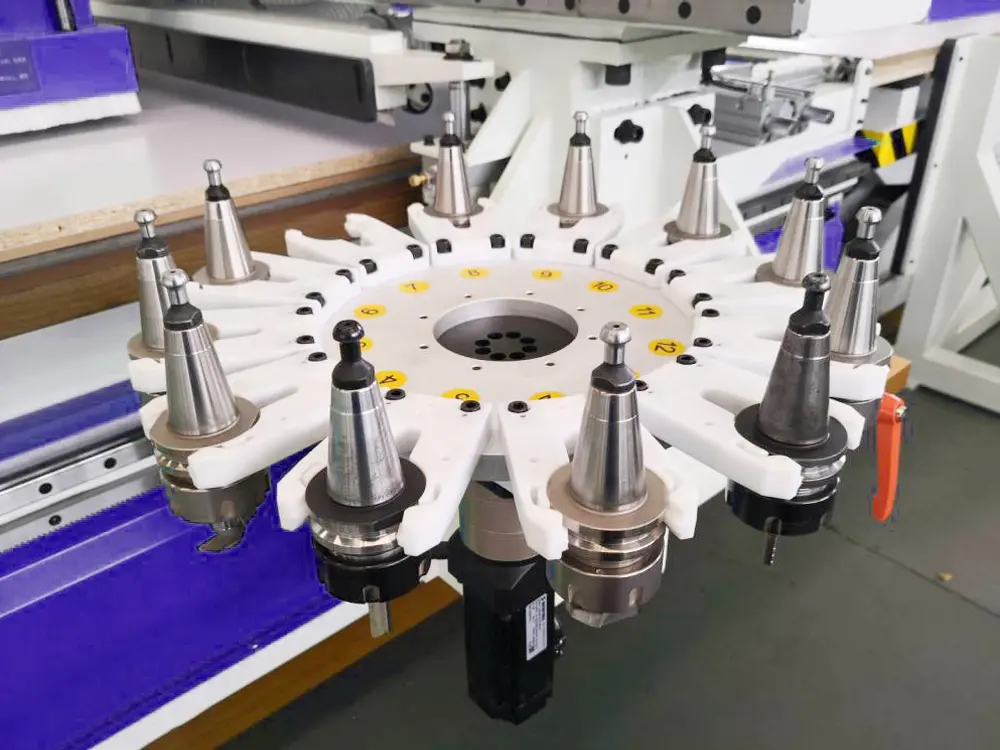
From the customer’s perspective, the advantages of ATC woodworking CNC router machines are most evident in practical operation:
- Operators do not need to change tools manually, reducing labor costs.
- The machine operates for longer periods without interruption, thereby increasing overall output.
- Frequent tool changes improve machining accuracy and product quality.
Many customers have found that upgrading to an ATC CNC router allows them to handle more complex orders and deliver them faster, which directly enhances their competitiveness in the market.
| Model | Features | Application |
|---|---|---|
| CK-1325-T | Linear ATC + vacuum table | Standard furniture production |
| CK-1325-TSK | 4-axis saw + oscillating knife + vision system | Multi-material processing |
| CK-1325-TDS | Drilling bank + rotary axis | Cabinet drilling + 3D work |
| CK-1325-A | Carousel ATC system | High-speed batch production |
| CK-1325-4T | Multi-spindle switching | Flexible operations |
| CK-1325-2WT | Double worktable | Continuous processing |
Each of these models has its own focus, designed to better address different production challenges. Choosing the right model depends on whether your primary consideration is output, versatility, or workflow optimization. In addition to the ATC CNC router machines mentioned above, CATEKCNC offers customized configurations based on your specific production needs.
3. 3D CNC Router Machines
As market demand shifts toward customization and design differentiation, many manufacturers are no longer limited to basic cutting. This is where a 3D CNC Router 4x8 comes into play.
A 3D CNC router for woodworking, especially models equipped with a rotary axis (4 axis) or full 5-axis capabilities, can handle complex geometries that standard machines cannot process efficiently. Unlike manual repositioning of the workpiece, a 3D CNC router machine can perform multi-angle machining in a single setup.
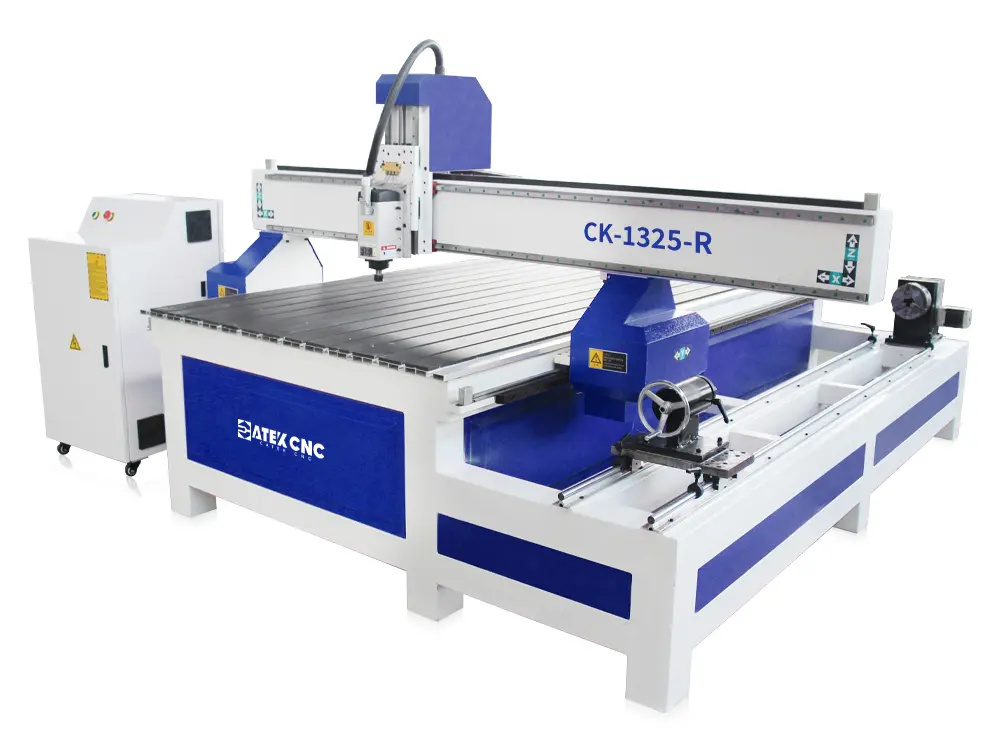
In practical terms, this means higher precision, less manual intervention, and a smoother workflow when handling advanced CNC router projects.
For example, with a rotary axis, a woodworking CNC router machine can continuously rotate cylindrical materials while cutting, making it ideal for machining table legs, stair components, and carved columns. This type of machining is both difficult and time-consuming on standard machines, but it is easily achieved with a four-axis system.
Upgrading to a 5-axis configuration further enhances machining capabilities. The spindle can approach the workpiece from multiple angles, enabling true three-dimensional machining. This is particularly important for high-end applications such as artistic wood carving, complex decorative elements, and custom furniture design. For manufacturers targeting the high-end market, these CNC woodworking router machines can significantly enhance product value and design flexibility.
| Model | Features | Applications |
|---|---|---|
| CK-1325-R | 4th rotary axis for continuous cylindrical machining | Table legs, columns, cylindrical carving |
| CK-1325-RT | Rotary axis + turning function | Complex shapes |
| CK-1325-5S | 5-axis system with multi-angle machining | High-end 3D carving and custom designs |
4.Spire 4x8 CNC Router Machine
The Spire CNC router series is a high-end line of machines launched by CATEKCNC, designed specifically for manufacturers requiring reliable performance under continuous production conditions. At first glance, the differences from standard woodworking CNC routers may not be immediately apparent, but over time, its advantages in machine performance, machining quality, and maintenance frequency become very significant.
Take the CK-1325-WSP as an example: it features a reinforced heavy-duty frame and a high-rigidity gantry structure, which helps reduce vibration during high-speed machining. In actual production, this results in smoother cut surfaces and more consistent machining results, particularly when handling high-volume CNC router projects (such as cabinet panels or decorative components). These structural advantages become even more pronounced after prolonged operation.
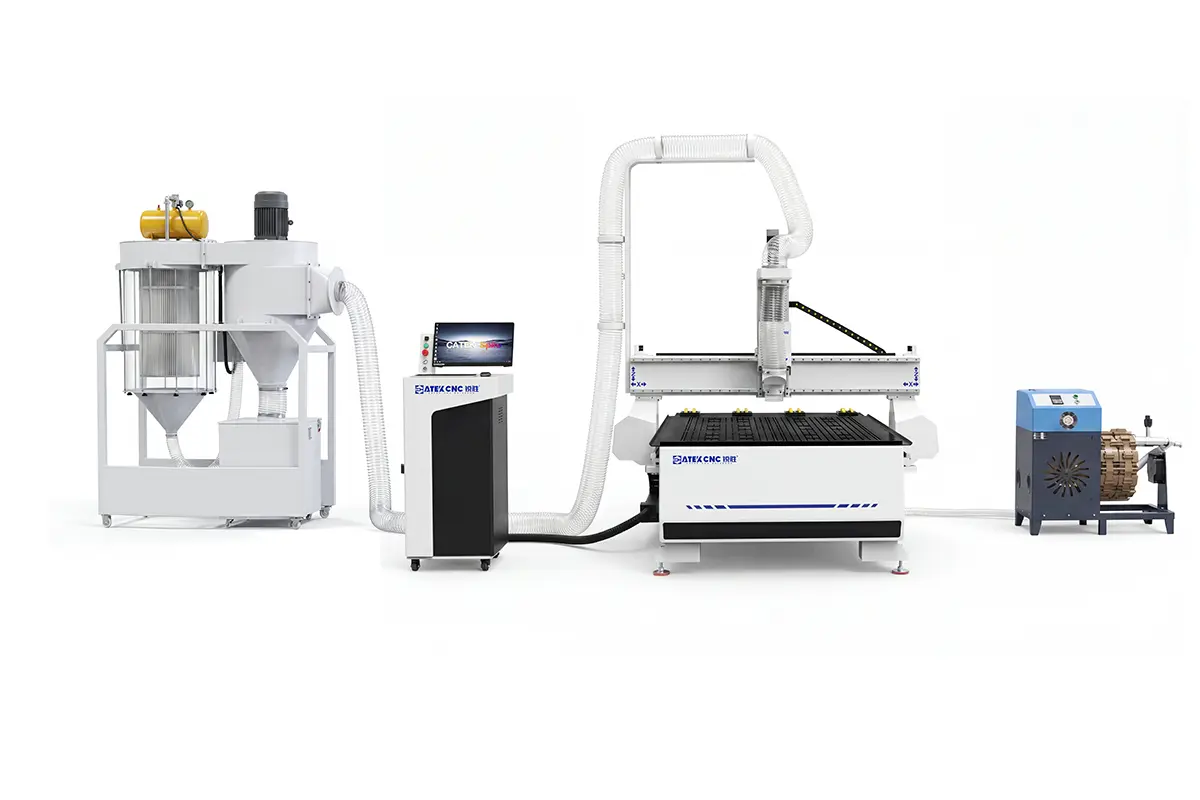
Additionally, the machine incorporates high-precision drive components, including linear guides and helical rack systems, combined with a stable servo control system. For operators, this means that even when executing complex toolpaths, this CNC woodworking router machine responds quickly and operates smoothly. Whether performing straight cuts or fine engraving, the machine maintains reliable precision without the need for frequent recalibration.
Another key aspect is long-term durability. In many factories, machines are required to operate continuously, sometimes even across multiple shifts. Standard CNC woodworking routers may handle such workloads in the short term, but over time, wear and instability begin to affect machine performance. However, the Spire series is designed to ensure stable operation under these conditions, helping to reduce unexpected downtime and maintenance frequency. For businesses, this directly translates to predictable production and lower long-term operating costs.
Furthermore, the machine’s design fully accounts for real-world production environments. Features such as a stable vacuum suction system, efficient dust extraction, and automatic lubrication all contribute to smoother daily operations. While these details may seem minor, they play a crucial role in ensuring the machine can sustain continuous, high-efficiency production.
| Model | Features |
|---|---|
| CK-1325-WSP | High-end standard model with robust construction and exceptional stability |
| CK-1325-WSP-SE | High cost-effectiveness |
| CK-1325-RSP-T | Equipped with a linear automatic tool changer |
| CK-1325-WSP-W | Immersion cooling system and water-cooled spindle, suitable for processing a wide variety of materials |
If you are looking for a CNC woodworking router that supports your current business and will meet your needs for years to come, the Spire CNC router is worth considering.
IV. CNC Router Software
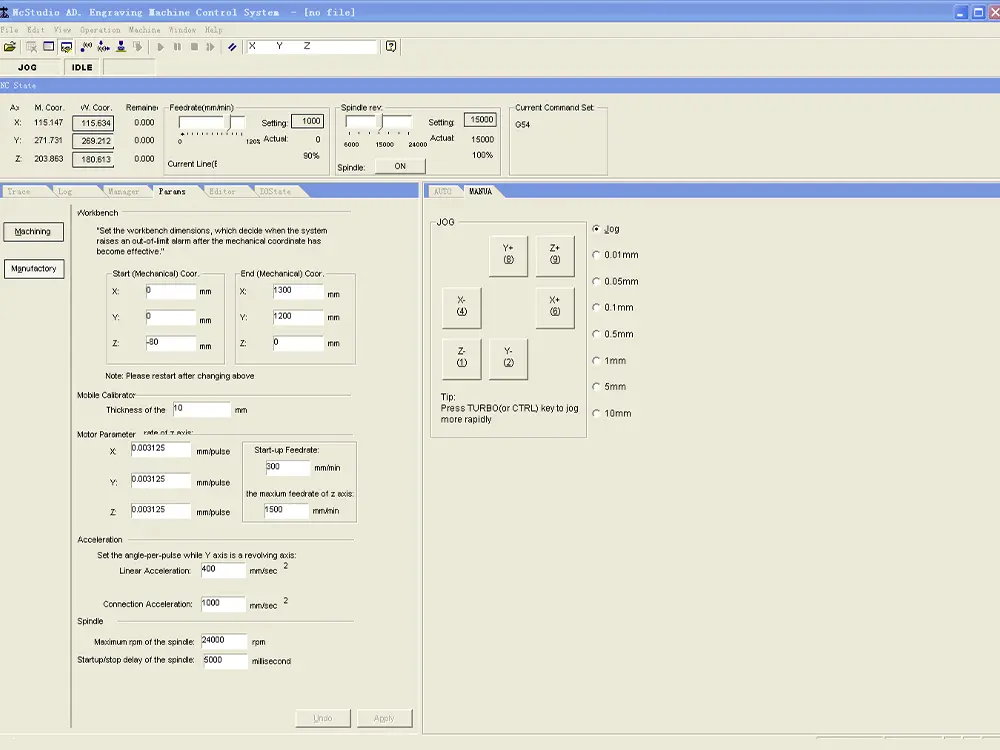
The workflow for CNC router software is typically divided into three main parts: design, toolpath generation, and machine control.
The first step involves using CAD (Computer-Aided Design) software. Here, you can create or import your design, whether it’s a simple cabinet panel or a more complex decorative pattern. For CNC router projects, this step defines the shape, dimensions, and details of the final product.
Next comes CAM (Computer-Aided Manufacturing) software. This part becomes more technical. CAM software converts your design into toolpaths. Simply put, it tells the machine how to move, where to cut, the cutting depth, and which tools to use. Well-optimized toolpaths can save time, reduce tool wear, and improve cutting quality.
Finally, there is the control system, which communicates directly with the CNC router machine. This software reads the generated code and controls the machine’s movements in real time, ensuring the machine operates strictly according to the instructions from the CAM module.
These three components work together to form a complete system. If any one of them is configured improperly, it can affect the final outcome of the CNC router project.
1. Commonly Used CNC Router Software
There are many widely used CNC router software options available on the market, and the choice typically depends on your specific application and level of experience.
- For design and programming, software such as ArtCAM, VCarve, and Aspire is widely used in the woodworking industry. These programs are relatively easy to learn and are suitable for most CNC router projects, ranging from simple cuts to decorative engraving.
- For more advanced or industrial applications, some users prefer software like AlphaCAM or other professional CAM systems, particularly when handling complex production or automated workflows.
- On the control side, systems like Mach3, DSP controllers, or more advanced industrial controllers are used to operate the CNC router for woodworking. The choice here often depends on the machine configuration and the level of automation required.
In reality, there is no such thing as the “best” software. The right combination of software depends on your production needs, operator experience, and the types of products you manufacture.
2. How Software Impacts CNC Router Projects
Many customers underestimate the impact of CNC router software on the final machining quality. In fact, software plays a crucial role in three areas: precision, efficiency, and automation.
First is precision. The accuracy of toolpaths directly affects cutting quality. Poorly generated paths can result in rough edges, dimensional inaccuracies, and even material waste. Good software settings ensure that your CNC router for woodworking delivers clean and consistent results.
Second is efficiency. Optimizing toolpaths can reduce machining time. For example, a more rational nesting layout improves material utilization, while a smarter cutting sequence minimizes unnecessary movements. In the long run, this will have a significant impact on overall productivity and costs.
Finally, there is automation. Advanced CNC router software enables batch processing, automatic nesting, and integration with production systems. This is particularly important for factories handling a large volume of CNC router projects.
In short, the machine determines your machining capabilities, while the CNC router software determines your performance. A well-matched software configuration can help you maximize the performance of your CNC Router 4x8, improve production efficiency, and ensure consistent quality for every project.
V. Conclusion
From standard entry-level models to automatic tool-changing systems, nesting solutions, and the high-end Spire series, each option is designed for different production stages and types of CNC router projects. What truly matters is not choosing the most expensive machine, but selecting the right CNC woodworking router based on your actual needs, including order volume, product types, labor conditions, and long-term planning. A properly configured machine can help you reduce costs, improve efficiency, and maintain production stability as your business grows.
If you have any questions regarding configuration, applications, or selecting a CNC router machine, please feel free to contact us at any time. The CATEKCNC team is ready to provide professional support tailored to your specific production needs.