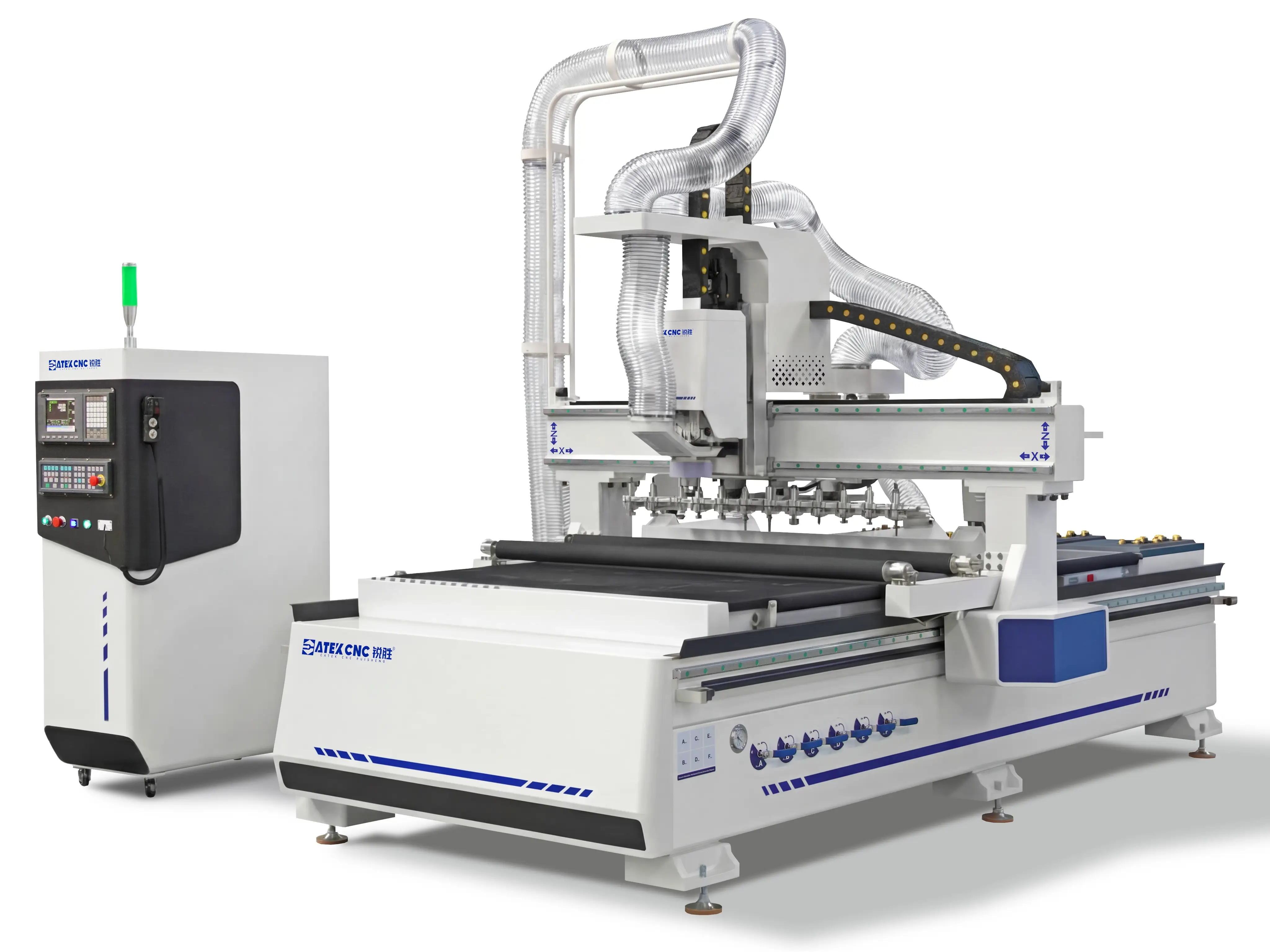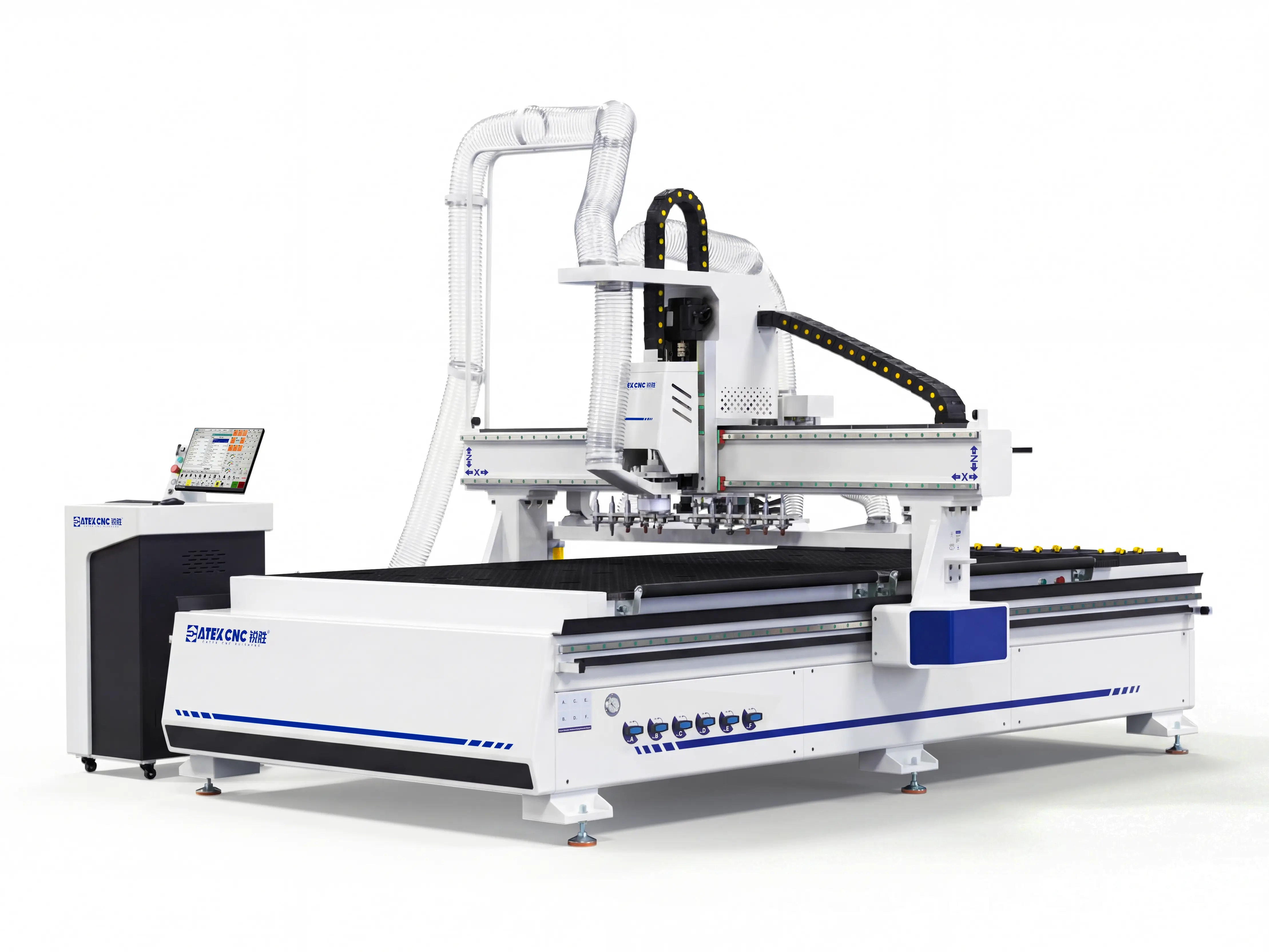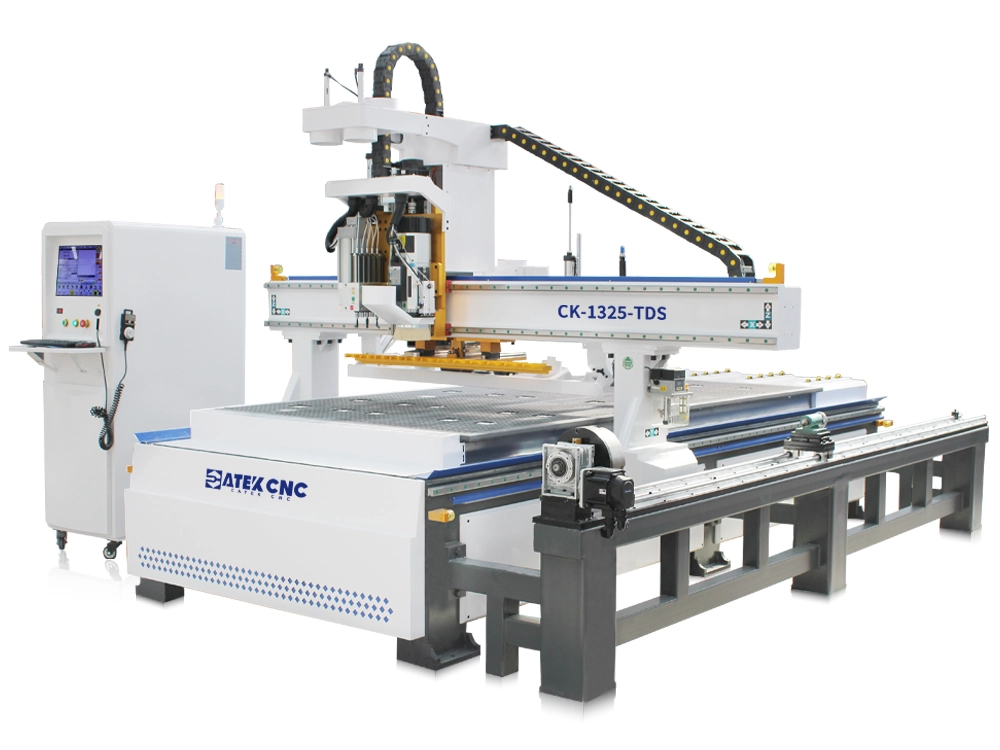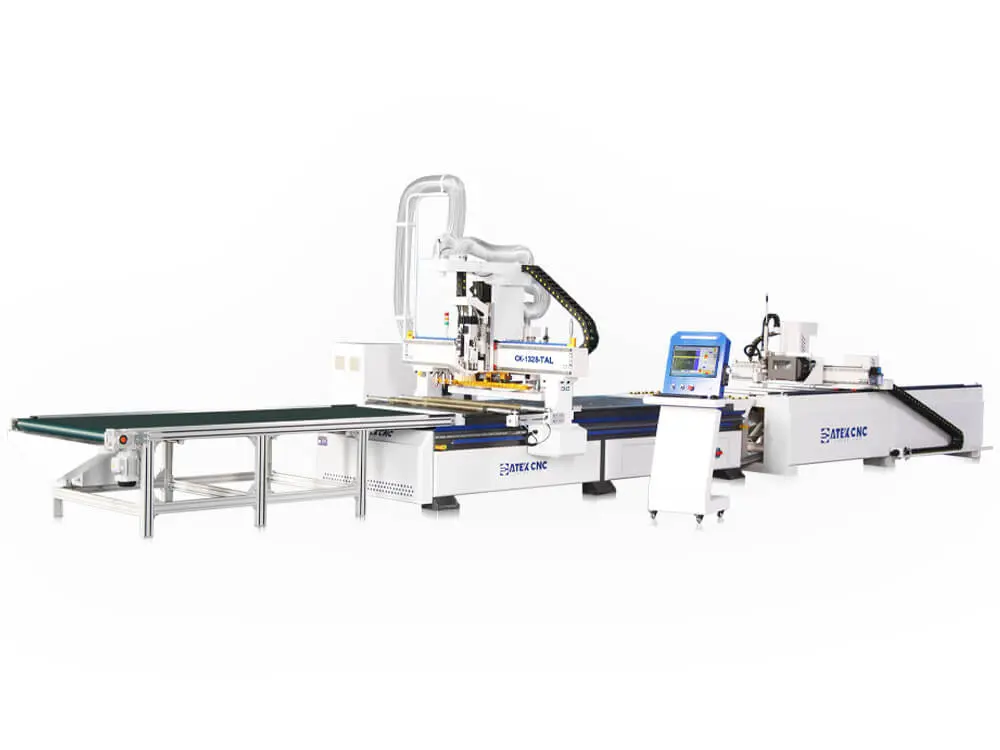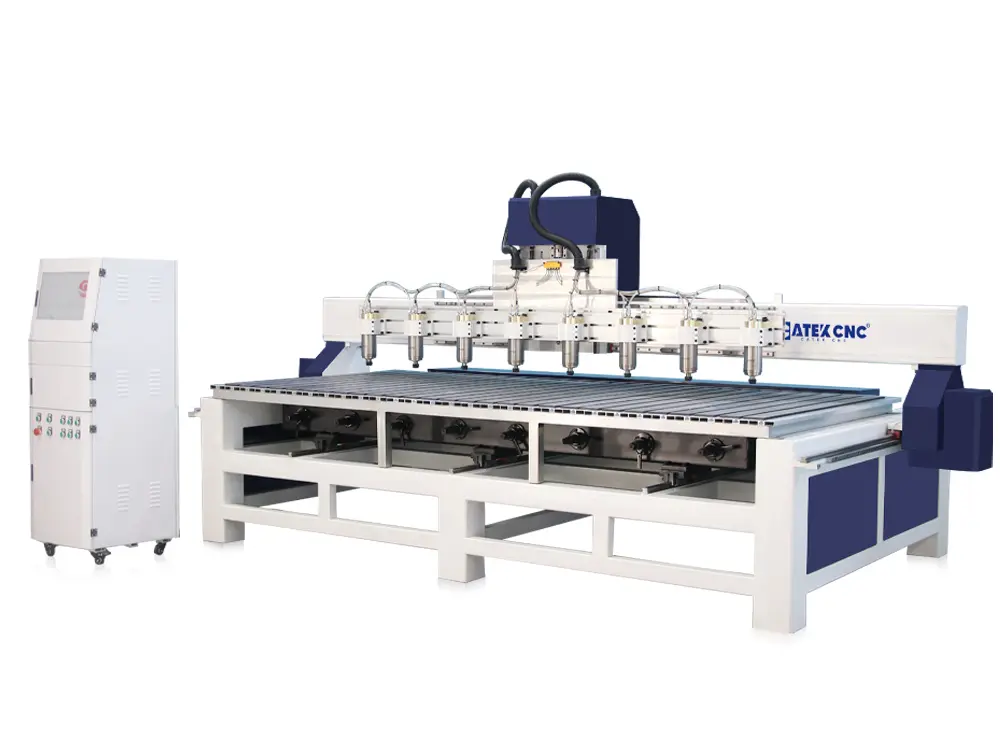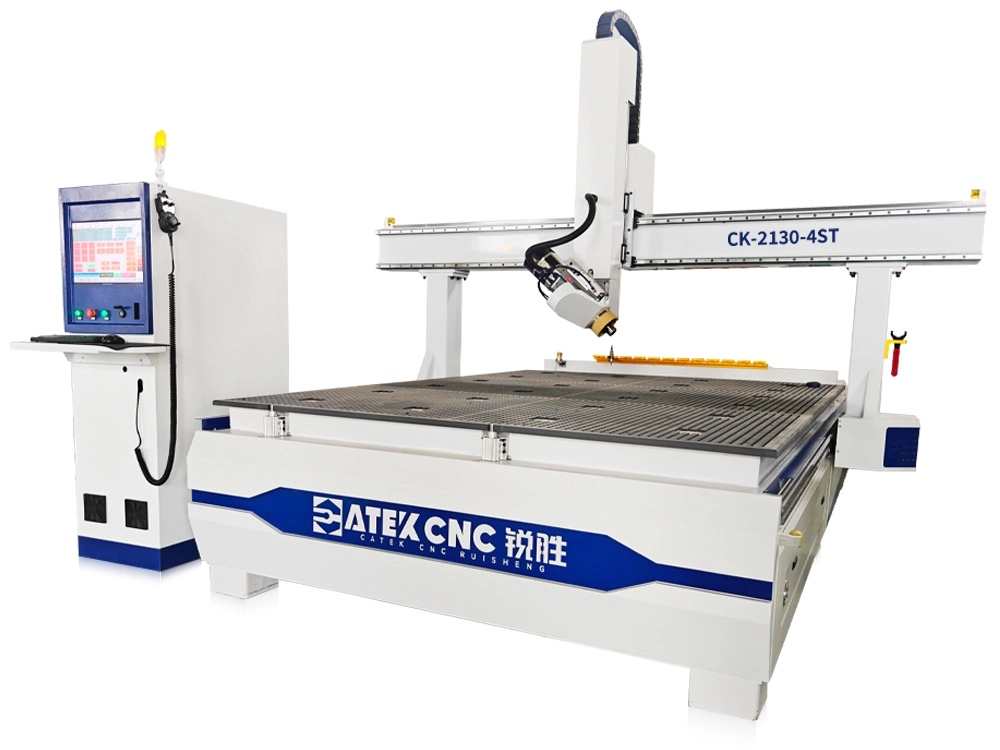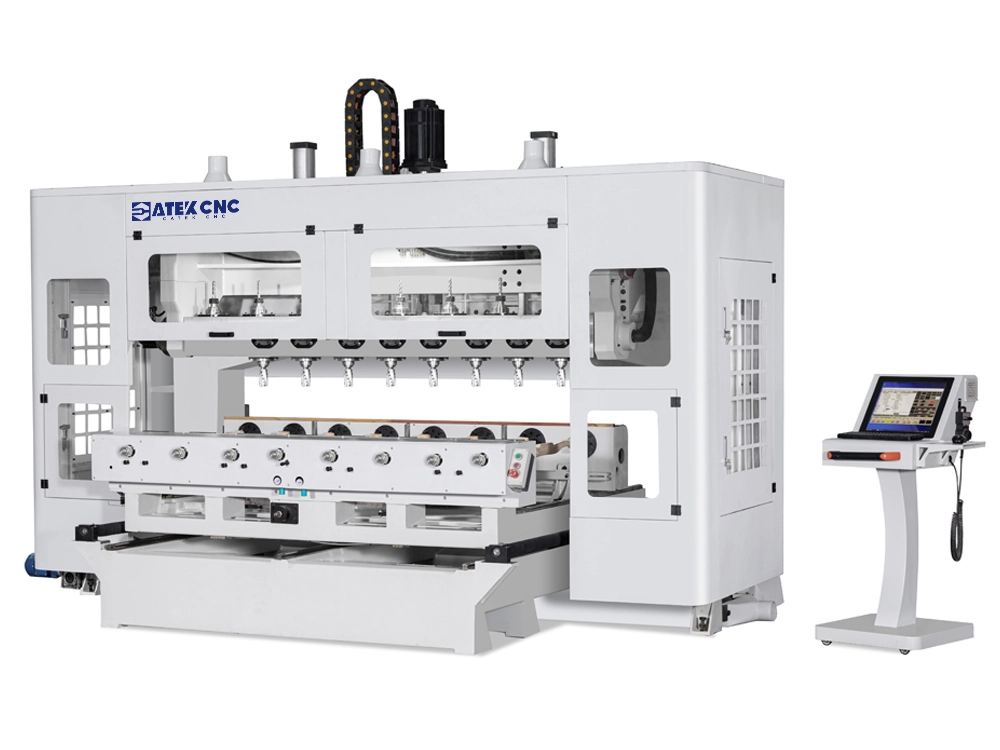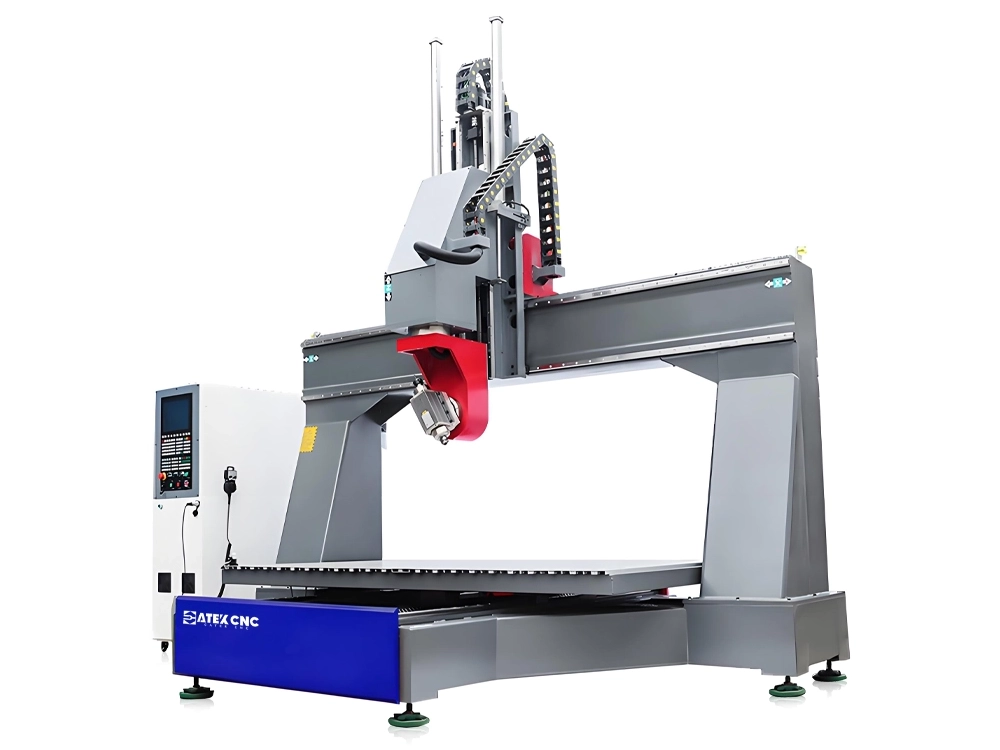
MEET CATEKCNC

CNC Router for Various Industries

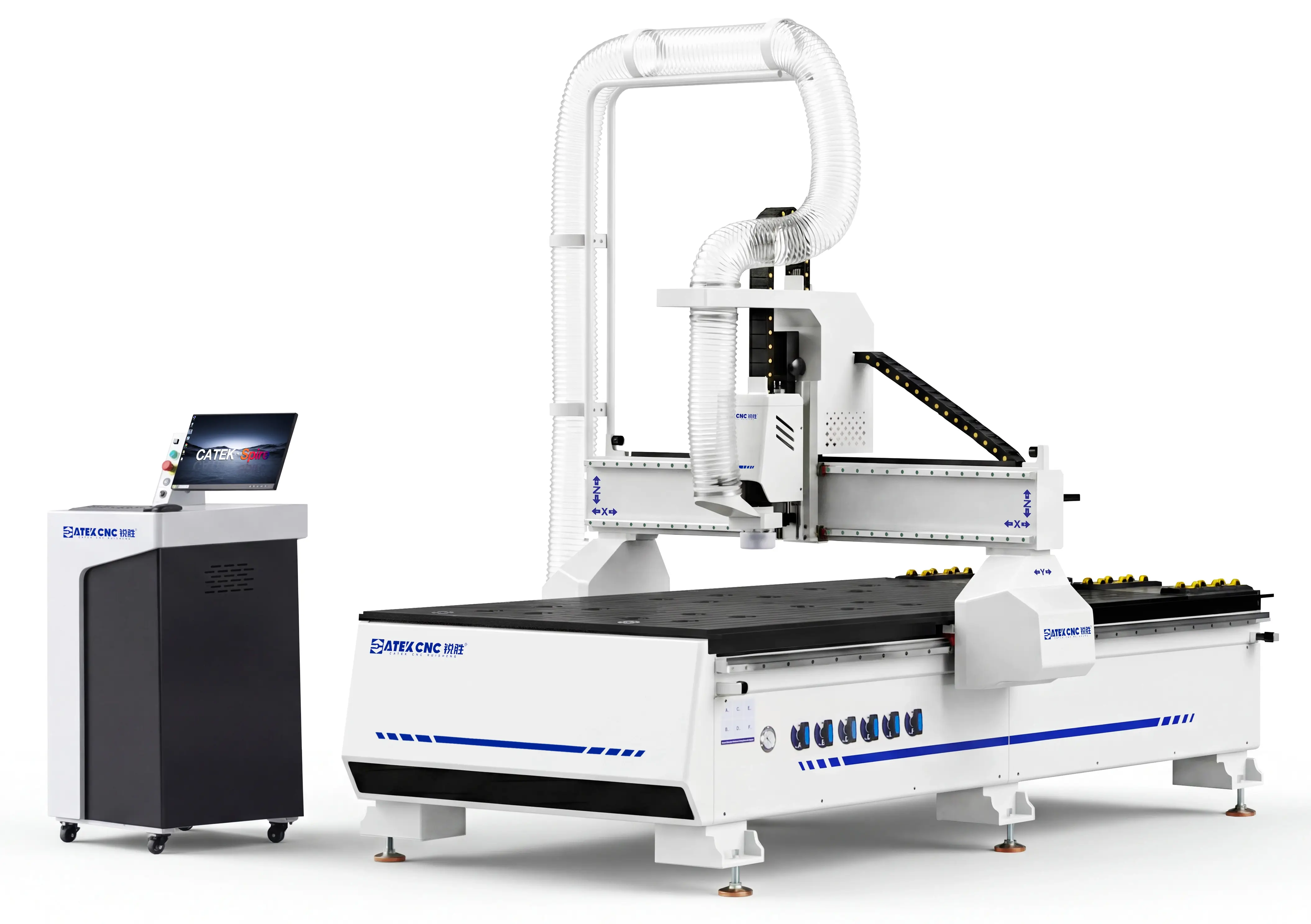
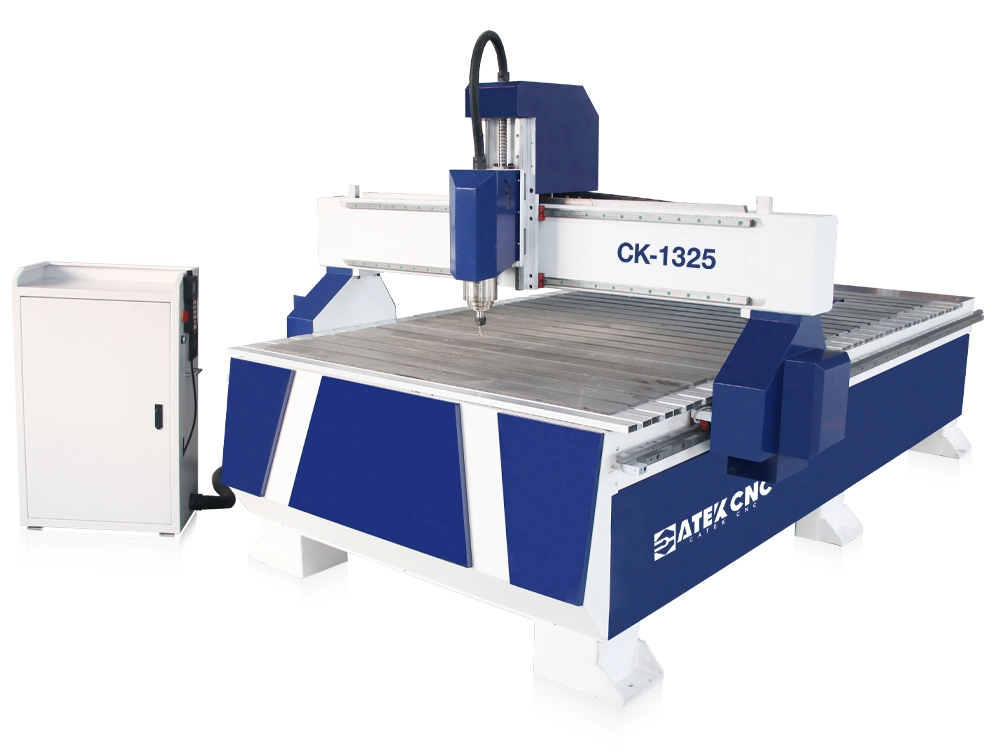
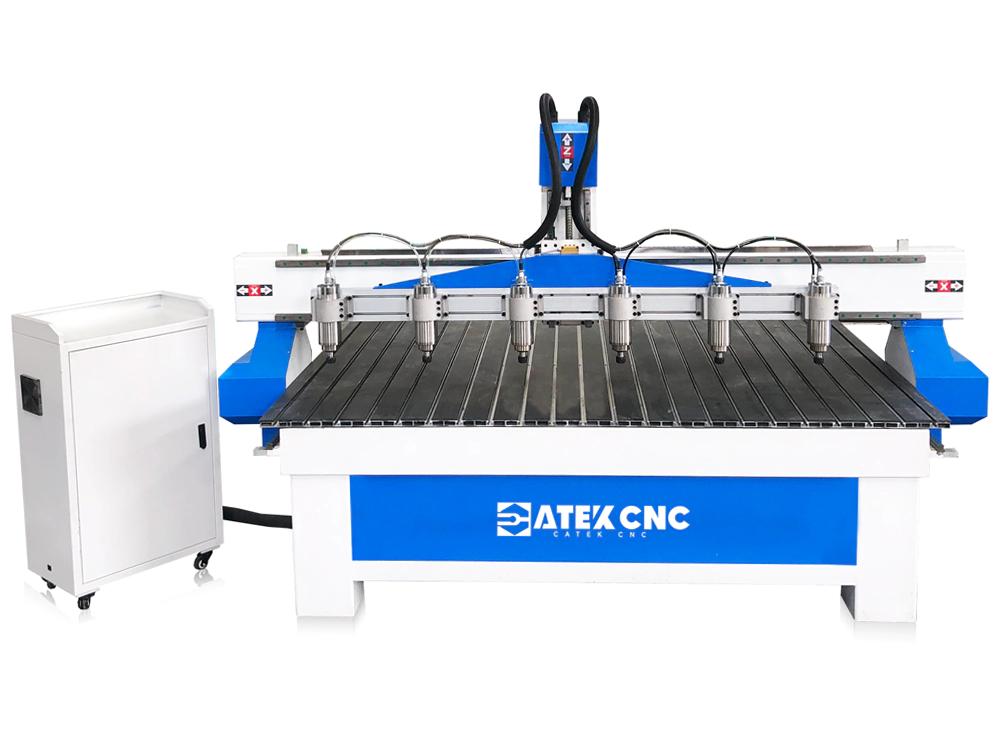
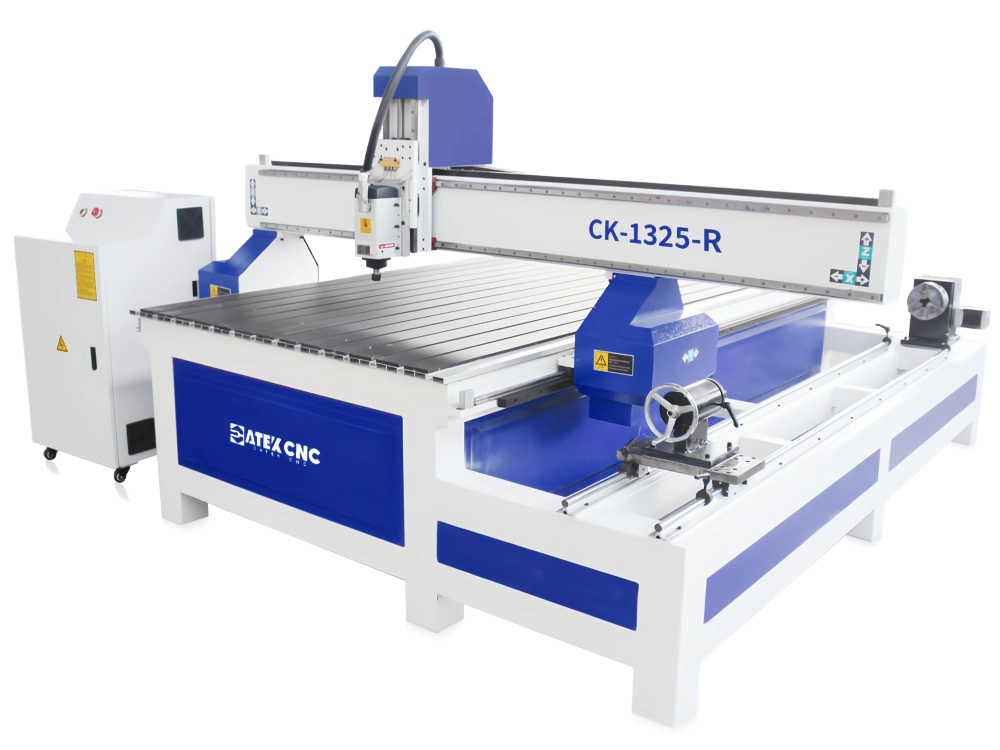
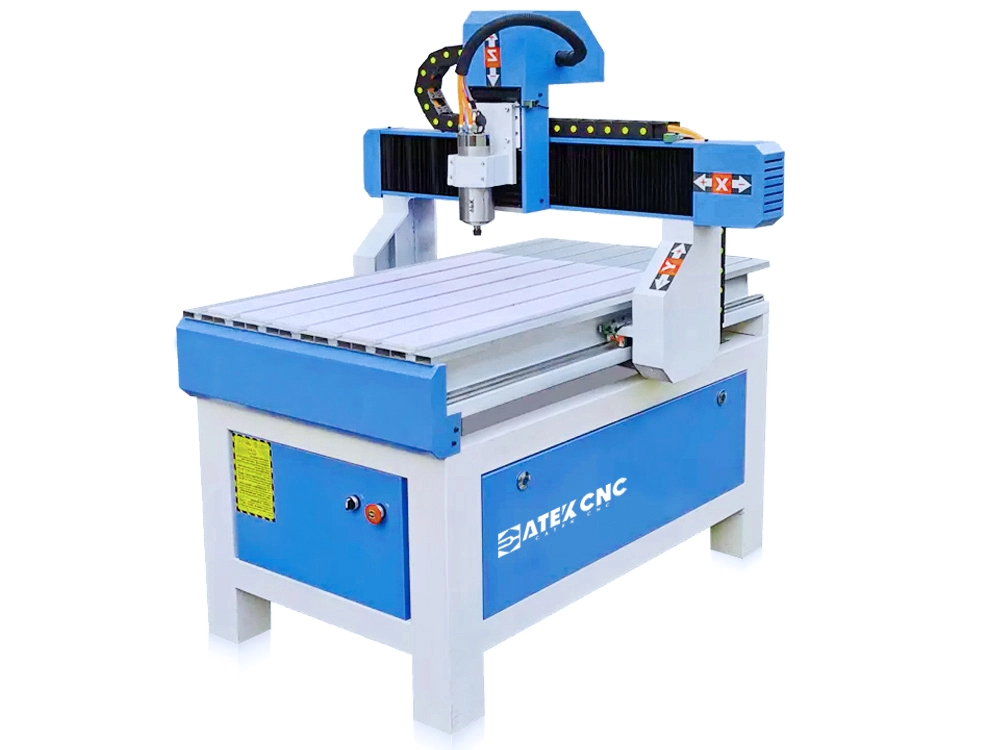
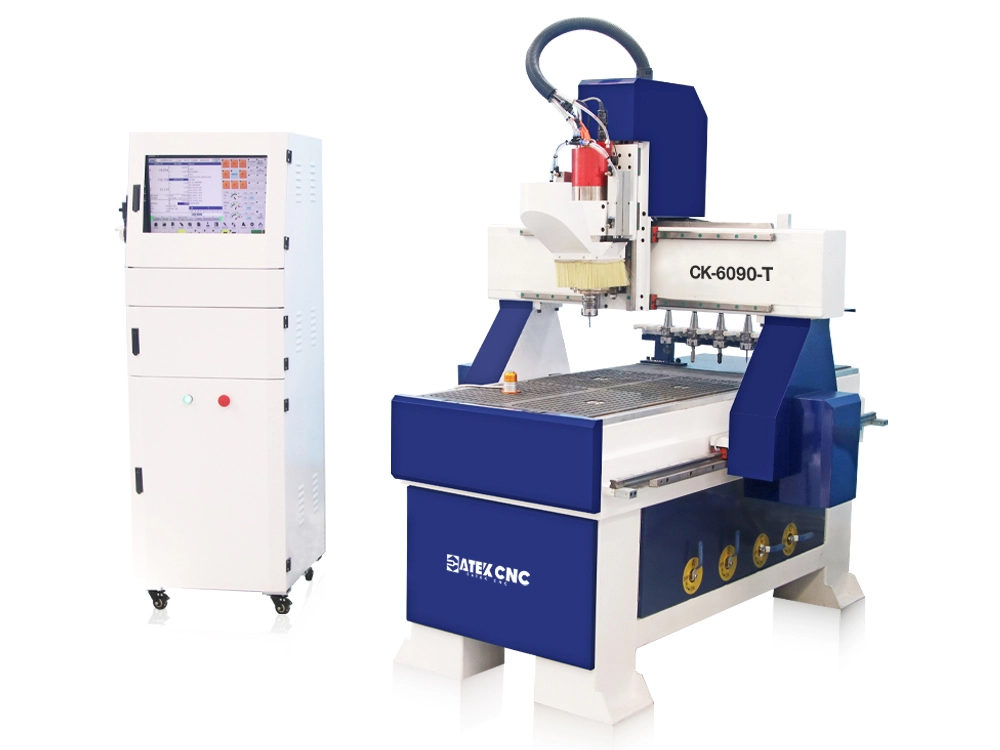
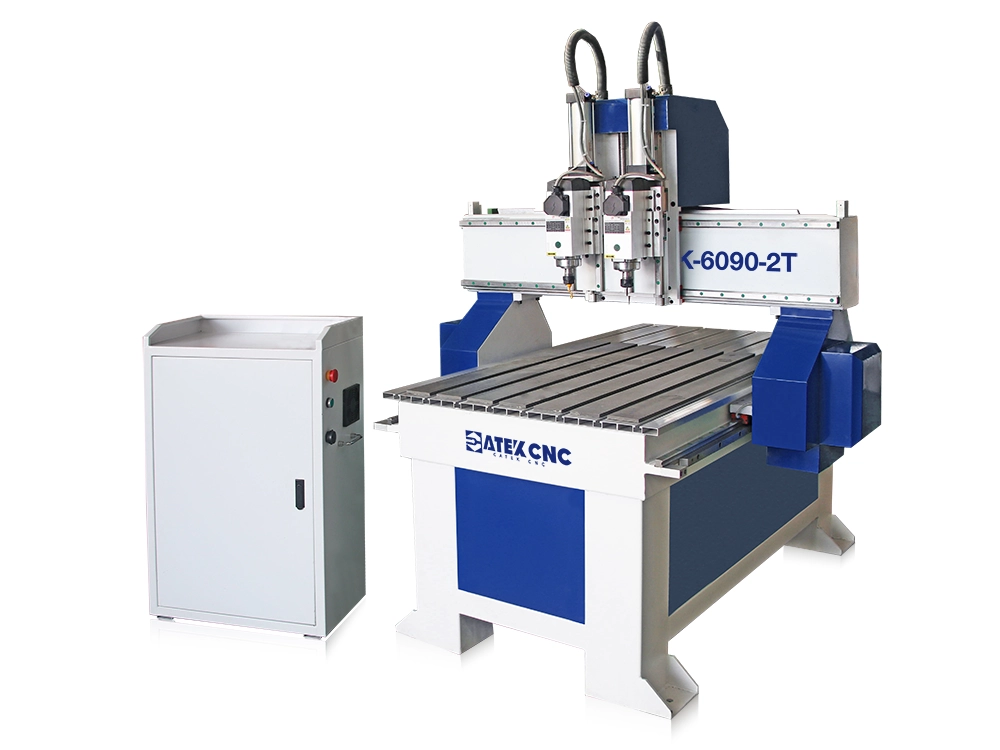
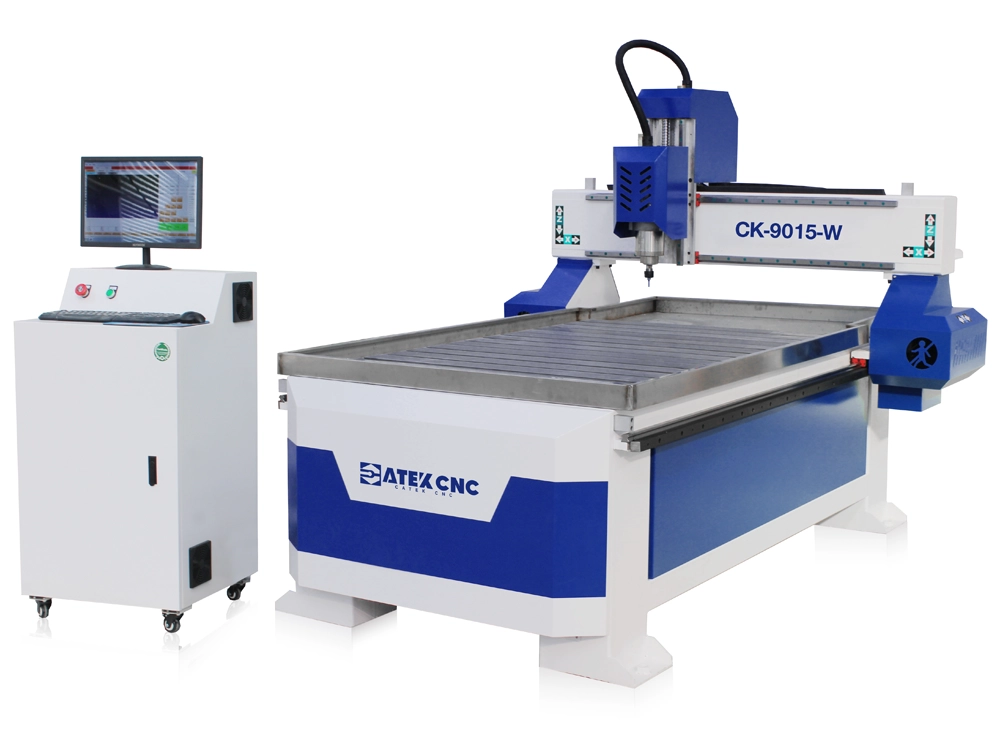
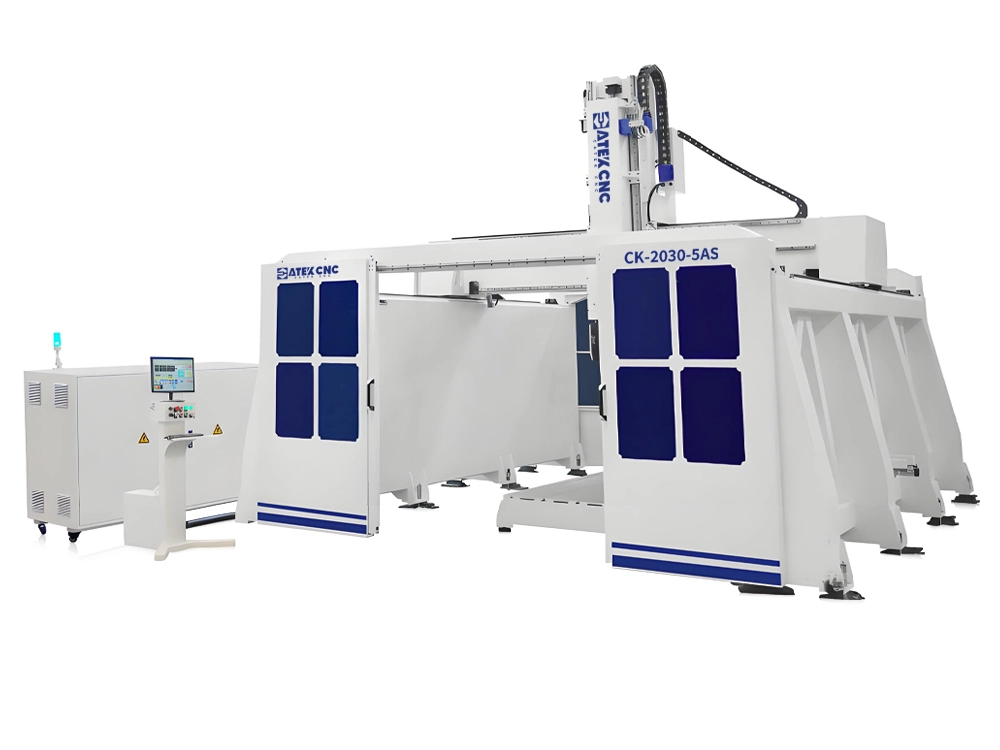
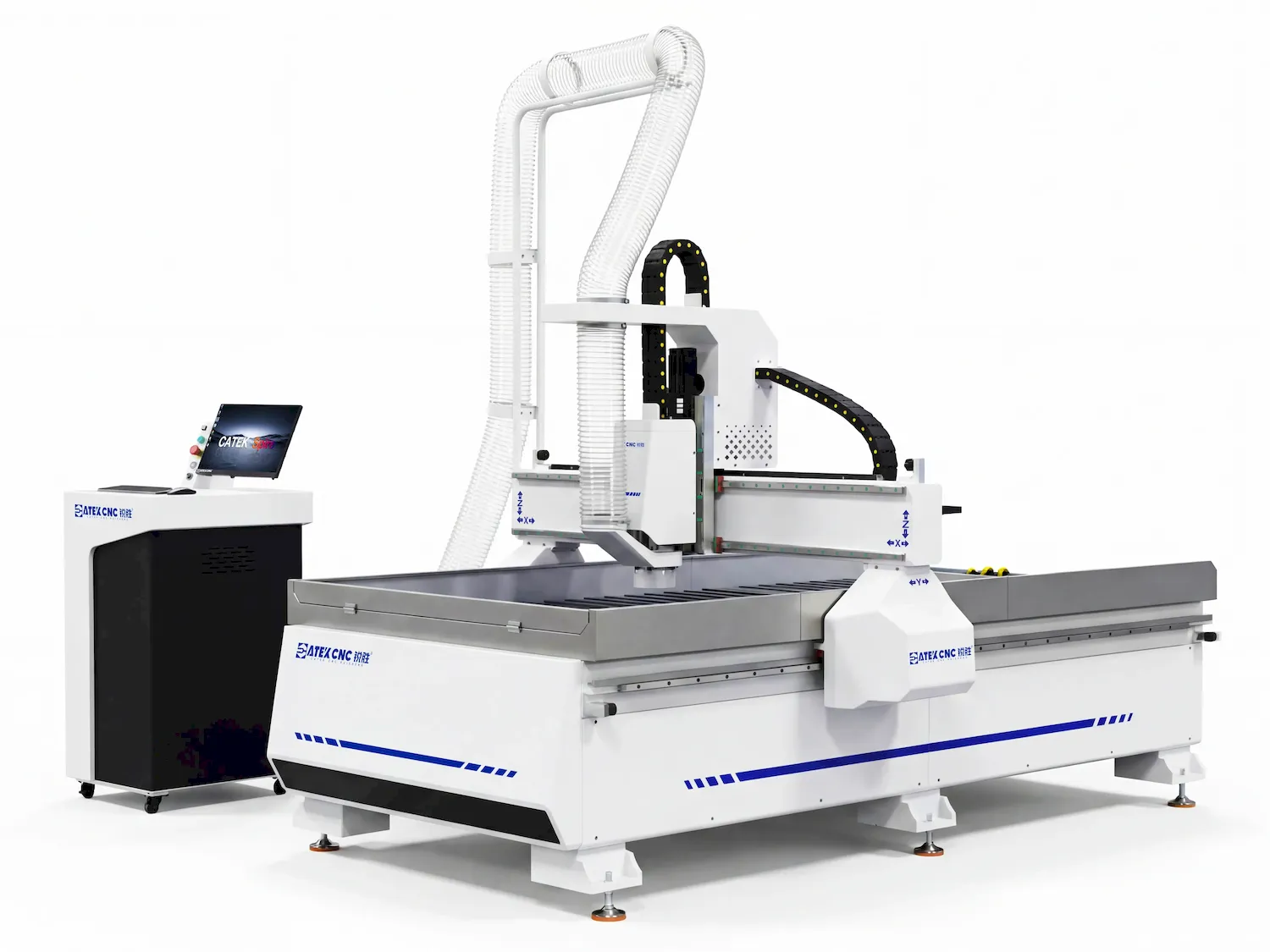
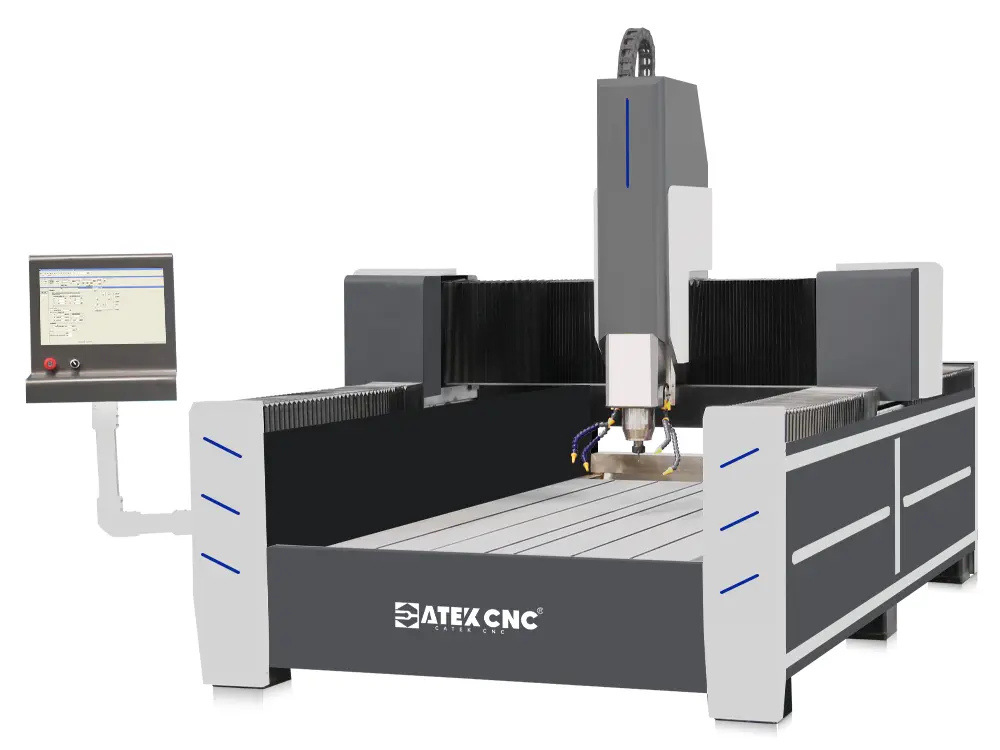
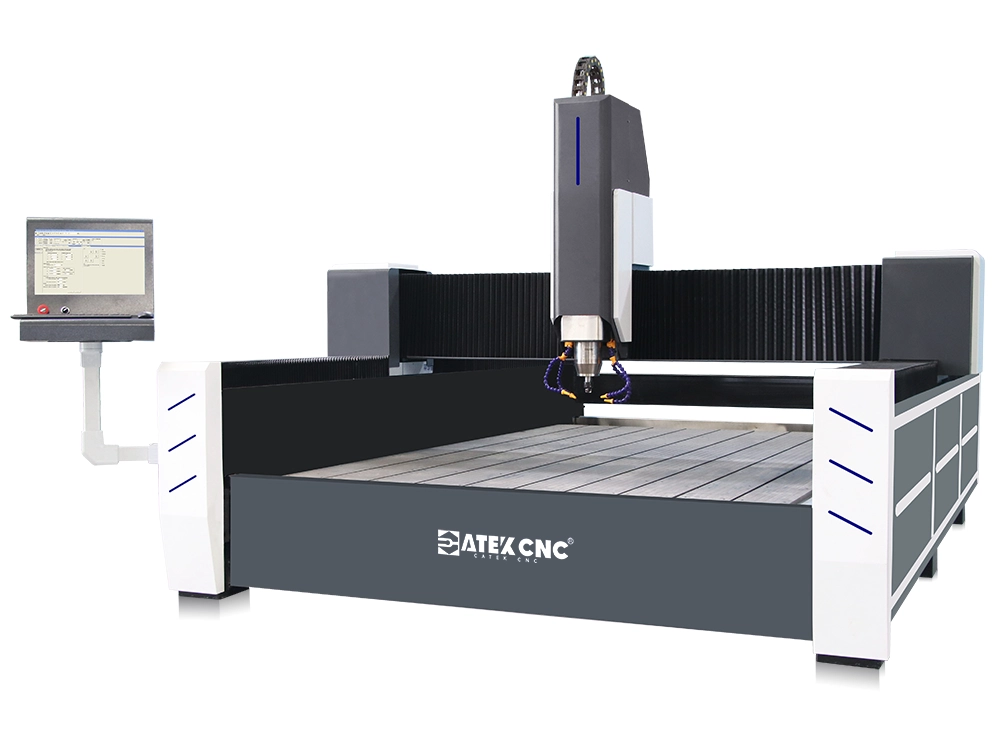
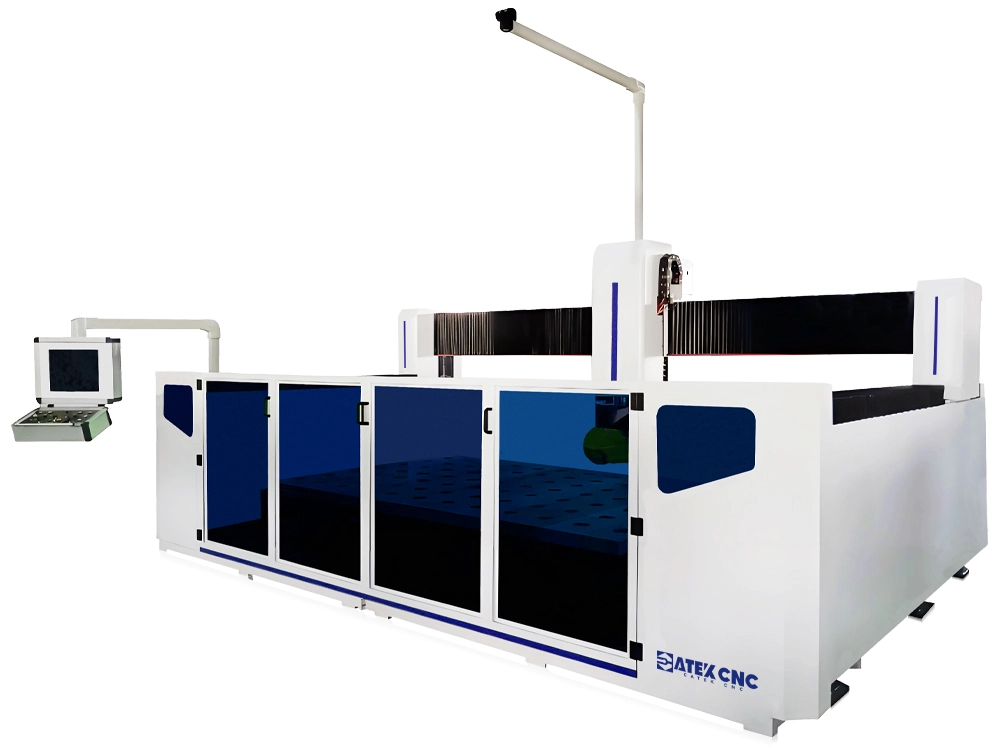
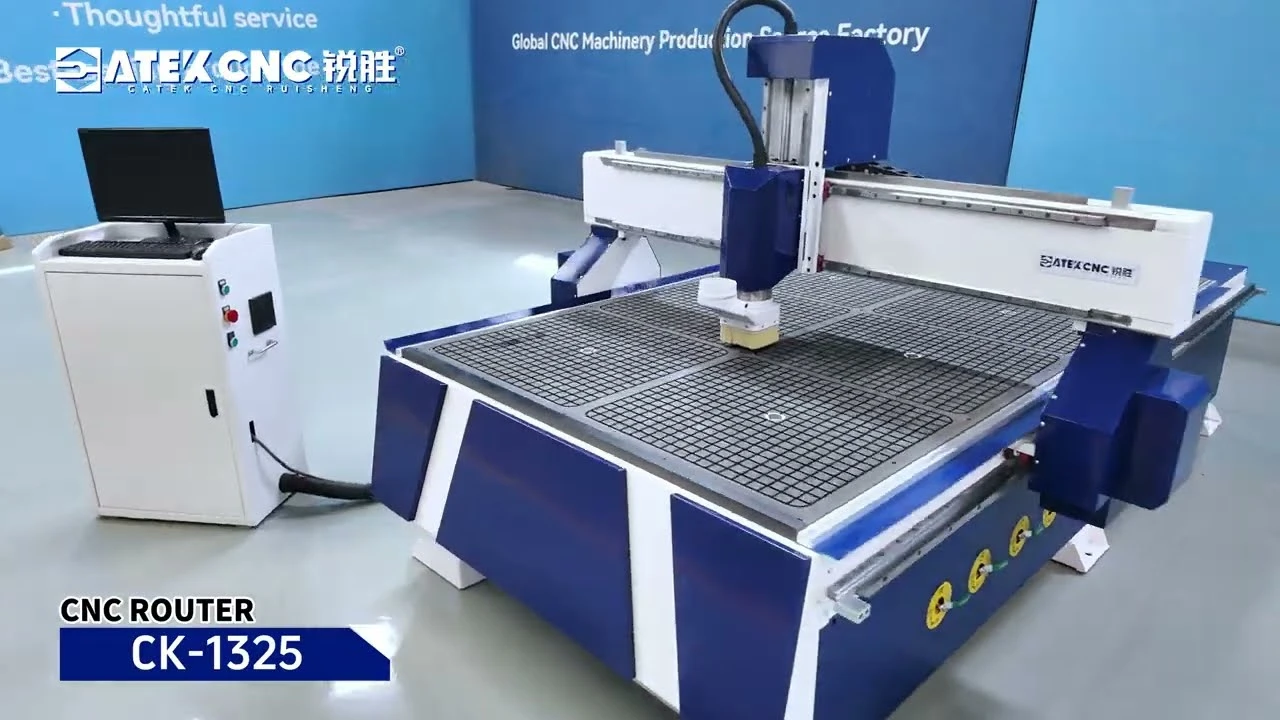
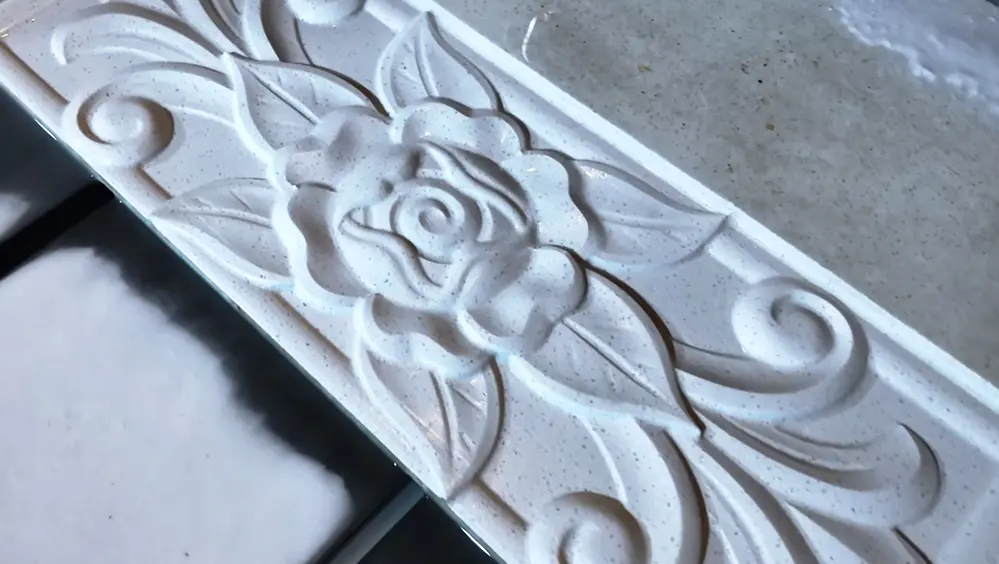
A CNC router machine is a device that utilizes digital control technology to precisely control the movement of cutting tools, enabling accurate processing of materials. Depending on the machine, it can work on materials such as bamboo, wood, plastic, plaster, foam, paper, fabric, rubber, stone, and metal. There are three-axis, four-axis and five-axis options according to the processing technology.The main processing functions include cutting, milling, hollowing, drilling, tapping, single-line engraving, area engraving, 3D relief, etc. The optional function kits vary according to the machine, the spindle, worktable, motor, automatic tool changer, loading and unloading platform, controller, dust collection device and visual system can be customized freely.

RELATED KNOWLEDGE OF VARIOUS CNC ROUTERS

Are you looking for or choosing a CNC router machine that suits you to develop your ideas, creativity, or business plan, or want to add equipment to expand your business scope? However, there are many types of CNC router machines on the market, with different processing uses and uneven quality of machines of different brands. How to choose a machine that meets processing needs has become a big problem for many users, especially those who are new to this kind of business. We have integrated various types of machines commonly seen on the market, and classified and introduced the detailed information, uses and processing capabilities of the machines. We will also make a table of the price range of CNC engraving machines to save your precious time, accurately lock in the budget, and help you choose the latest, most suitable and most cost-effective CNC router machine in 2025 within your budget.

The Origin and History of CNC Router Machine

If you are new to this type of machine, you will be puzzled by the term "router". To be precise, router originally referred to a woodworking power tool, so its history is not very long, dating back to the 19th century at most. Prior to this time, woodworkers often used a tool called a "router plane", which consists of a plane and a cutter perpendicular to this plane, the cutter can be lower than the plane and the distance from the plane could be adjusted, when working on this plane and the board, pushed by hand to move forward, because the cutter is lower than the plane, and therefore can be planed to a specified depth of the groove surface, which is mainly used to make a plank for recessed processing. As the tool moves on the surface of the board, a recessed path will be formed where it passes,this processing method is called Routing. The general structure of the motorized router has not changed much, but the tool is replaced by a milling cutter that can be rotated by an electric motor, which is still mainly used to cut out (hollow out) an area in hard materials such as wood or plastic.

What Is a CNC Router Machine?

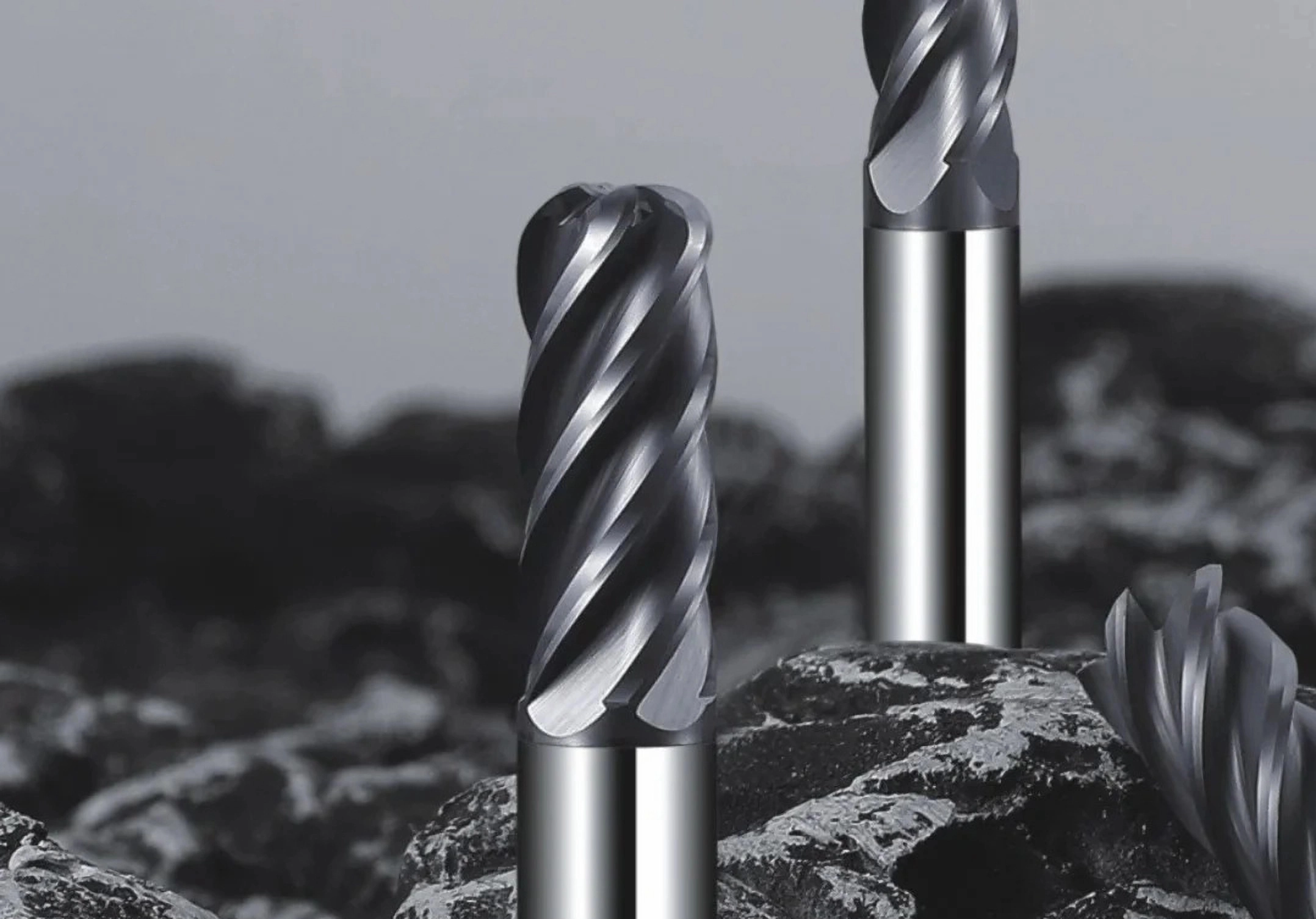
CNC router machines use modern CNC technology to input the program to be processed product into the control system, and then the motor drive system will use gears, high-precision screws and other tools to drive the high-speed rotating spindle to move to process the workpiece. With the continuous development of CNC routers, its functions have become more and more complex. It not only includes the traditional CNC router functions, but also can add various tools such as saw blades, engraving knives, round bottom knives, milling cutters, etc., becoming a composite CNC machine tool that integrates cutting, milling, grooving, engraving, hollowing and other functions.

The Main Components of CNC Router Machine

The market is full of routers of various types and functions. Although the application fields are different, their structures and working principles are basically the same. They are mainly composed of computer numerical control systems, electrical components, and mechanical structure frames.

Computer numerical control system

Just like the human brain, the CNC control system is responsible for sending instructions to the machine, controlling the high-speed rotation of the engraving spindle and the movement of each linear axis according to the pre-designed program, so as to complete the processing of the product. Common design and programming software include AutoCAD, ArtCAM, UGNX, PowerMill, VCarve Pro, Rhino, Aspire, CorelDRAW, Fusion 360, SolidWorks, solidcam, etc. Through the designed 2D (DXF format) plane lines, grayscale images or 2.5D, 3D STL model images, and based on this, the coordinate, feed speed, tool compensation and other data information (usually presented in G code, M code and F code) used to control the movement of each axis are generated, which are then converted into digital signals by the control system, and then drive the motor to complete the engraving and cutting processing operations.

The spindle drive is relatively simple, mainly involving start and stop, speed adjustment and forward and reverse control. Depending on the processing technology and material, the operator can control the spindle speed arbitrarily or in sections (for the same product, the speed of each processing part can change dynamically). The various movements of each linear axis can also be precisely controlled by the CNC system. In the multi-axis linkage system, the CNC system plays the role of a coordination center, which can coordinate the various axes of the CNC router so that they can cooperate with each other and move in coordination to ensure that the tool can accurately reach the predetermined processing position of the workpiece. In addition, the CNC system also has the ability to control functions such as automatic loading and unloading of the machine, automatic tool change, and pneumatic switching of the spindle, and it is the core of the CNC equipment to achieve automated processing.

There are three types of CNC systems:

  • Handheld: A handheld control box is connected to the wiring board of the control cabinet. The advantage is that it is easy to operate and easy to use. The disadvantage is that the system has fewer functions and a low degree of customization. It cannot complete complex processing work and can only be used for machines with relatively simple functions.

  • Control board: This type of controller usually has only one control circuit board, which is connected to the computer through a serial port or parallel port. The advantage is that the structure is relatively independent, which is easy to maintain and upgrade. The disadvantage is that the user needs to equip an additional computer to control the machine.

  • Integrated system: The control function is integrated into a separate hardware, including the mainboard, screen, tool setting handwheel, keyboard and other functions. The advantages are small size, low power consumption, high reliability, high degree of customization, and more diverse functions. The disadvantages are relatively high difficulty in operation and high price.

Common brands of CNC systems for CNC routers include: DSP, Ncstudio, Mach3, Mach4, OSAI, Siemens, Syntec, LNC, FANUC, etc.

Electrical components

The electronic control system of the CNC router is generally composed of a frequency converter, a high-speed spindle, a driver, a drive motor, a transformer, a relay, a solenoid valve, an AC contactor, a brake resistor, a filter, a limit switch, a terminal block, a 24V power supply, an air switch, etc. The following are the functions and uses of the main components.

  • Frequency converter and spindle: Mainly used to control the rotation of the engraving spindle. Through the electrical signal given by CNC, the fixed frequency AC is converted into variable frequency AC to realize the start, stop, rotation speed adjustment and other control of the spindle. According to different processing techniques, precise speed control is used to ensure that the machine maintains a stable feed speed and spindle speed during processing, thereby improving the processing quality of the workpiece. At the same time, it also has a variety of protection functions, such as overcurrent, overvoltage and overload protection, to ensure the safety of equipment and protect the safety and life of the engraving spindle.

    Engraving spindles are mainly divided into two types:

    Water-cooled spindle: Its cooling method is to use circulating water to take away the heat generated by the high-speed rotation of the spindle. The cooling effect is good, under normal circumstances, the spindle temperature will not exceed 43°C. The water-cooled spindle has the characteristics of low operating noise, good cooling effect, stable operation and long service life. It is often used in machines that require long-term uninterrupted processing, such as routers for fine engraving relief. The disadvantage is that it needs to connect water circulation pumps and water buckets or special water coolers and other equipment. In extremely cold climates, if the maintenance is not timely, the water-cooled spindle may face problems such as icing in low temperature environments, affecting the use effect.

    Air-cooled spindle: It dissipates heat through its own high-speed rotating blades, and does not require external equipment for heat dissipation. It is more convenient than a water-cooled spindle in daily use and maintenance, and is often used in machines that do not need to work for a long time or have multiple spindles that can switch between work, such as cutting machines for making cabinets and door panels and other furniture. The disadvantage is that it is noisy during operation and the heat dissipation performance is not as good as that of water cooling.

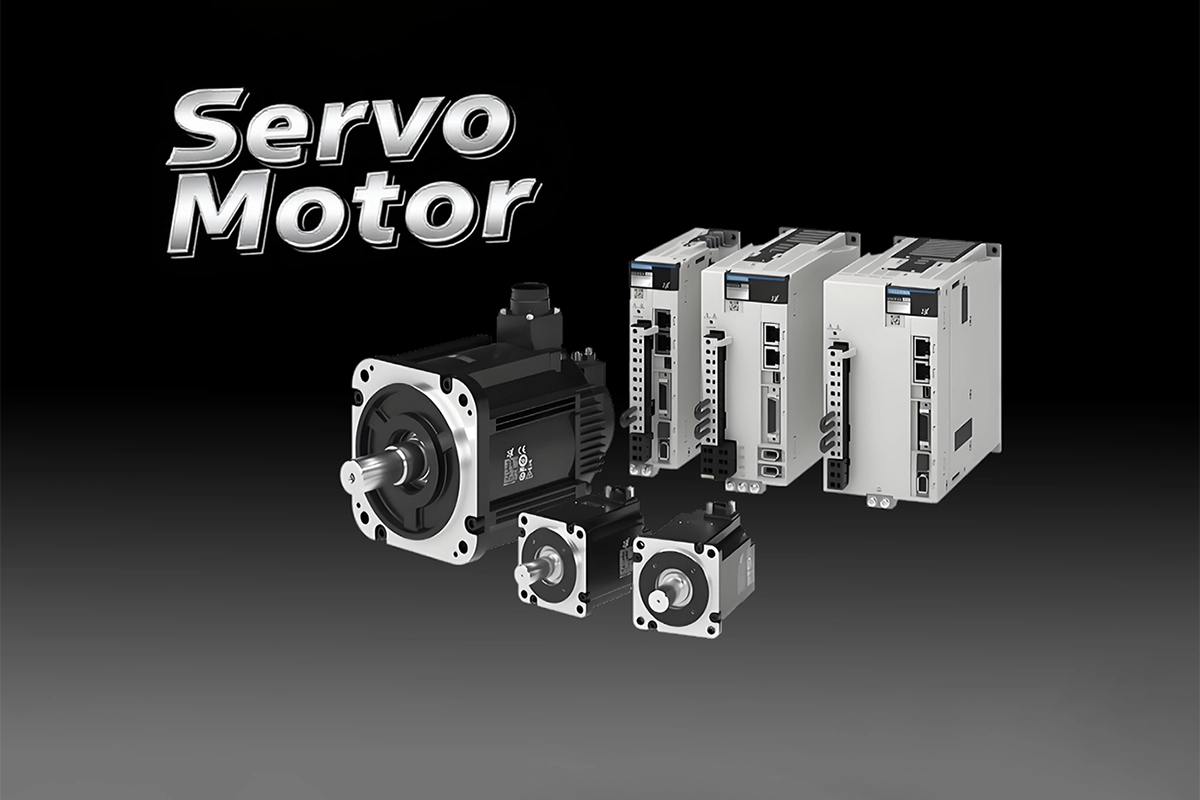
  • Driver and motor: In CNC router machines, the driver and the motor are two key components that are closely connected. After receiving the control signal from the CNC system, the driver converts it into a current or voltage signal, thereby driving the motor to move to complete product processing. In the field of CNC routers, two types of drive motors are generally used. One is the stepper motor driver. Its advantages are low price, good compatibility with various brands of CNC systems, and mature manufacturing technology. The disadvantage is that it performs poorly in machines that require high-speed movement and high-precision requirements, so it is usually used in relatively low-priced CNC routers that do not require high precision. The second type is the servo motor driver. The servo motor driver has the advantages of fast response speed, high torque, and high movement speed. It is often used in machines that require high precision and high-speed movement. The disadvantage is that the price is relatively high and has higher requirements for other parts of the machine. For example, it needs to cooperate with a precise transmission system to give full play to the performance advantages, which further leads to an increase in the cost of the entire machine.

  • Other electrical components: There are many electrical components in the control box. The main function of the transformer is to accurately convert the input voltage into the specific voltage required by each part of the equipment. The relay mainly controls various components such as solenoid valves or AC contactors, and controls the opening and closing of corresponding functions according to the signals sent by the control system. Braking resistors are generally used in servo drives to ensure the safety and stability of the motor during frequent start and stop and extreme braking and improve dynamic response. The filter mainly processes the signal and avoids abnormal operation of the motor due to interference. The soft limit switch mainly plays the role of mechanical return to zero and anti-collision. The terminal block mainly connects the signal lines separated by the system to the corresponding functional modules. The 24V power supply is specially used for CNC systems. The air circuit breaker is responsible for the overall power supply.

Mechanical structure

The structure of the best router CNC machine is mainly composed of the bed, work table, column, beam, engraving header, guide slider, gear rack, ball screw, coupling, reducer, gear box, tool magazine, rotating axis ,chuck,etc.

  • Bed

    It is the core component of the structure, usually welded from thick-walled square steel pipes or cast from gray cast iron, providing a rigid and stable structural foundation for the router, ensuring stability and precision during processing. After welding, the frame will be annealed to eliminate stress and prevent deformation or cracking of the bed, thereby ensuring the stability and durability of the overall structure of the machine.

  • Workbench

    Workbench are commonly found in CNC wood routers. Since these machines are mainly used for plate processing, they require a wide table to place and fix the workpiece to be processed. The worktop is generally installed on the bed. Its main function is to fix the workpiece to prevent it from moving or deforming during processing. There are two common types of Workbench:

    Aluminum alloy T-slot table, which is based on aluminum alloy and covered with PVC sheet. The workpiece is fixed by inserting a hold-down clamp or a workholding clamp into the T-slot. It is often used in machines for plane relief and milling engraving. Its advantages are stable and reliable clamping, strong load-bearing capacity and flexible clamping. It is suitable for long-term processing and processing of uneven or special-shaped workpieces. Its disadvantage is that it needs manual fixing, which is not suitable for product processing that requires fast or automatic loading and unloading, such as cutting and slotting of panel furniture.

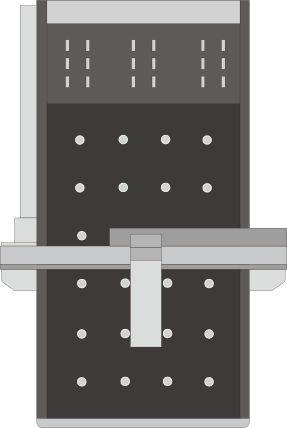
    Vacuum adsorption table, this kind of workbench uses hard PVC board as the tabletop, which is divided into multiple zones (usually divided into 2, 4, 6, 8, 12, etc.), each zone is divided into a grid by many mutually perpendicular grooves and connected to a water-cooled or air-cooled vacuum pump through a pipe with embedded steel wire. Each zone is equipped with a separate valve for control, which can realize single-zone adsorption or multi-zone adsorption at the same time. When fixing the plate, it is necessary to fill the special adsorption strips at the edge of the zone to achieve sealing, or fill the grooves in the zone according to the size of the plate. After the plate is placed in place and sealed, start the external vacuum pump to extract the air from the pores in the center of the zone, thereby creating a vacuum environment on the tabletop, and using negative pressure to achieve adsorption and fixation of the plate. The advantage of this workbench is that the workpiece is very convenient to fix, especially suitable for cutting or engraving flat plates, such as the production of wardrobes, cabinets, wooden doors and other products. The disadvantage is that it can only fix workpieces with flat surfaces, and must be connected to a vacuum pump to use, which consumes a lot of power and has high cost.

  • Gantry

    Gantry routers have a gantry frame structure, which consists of two columns and a crossbeam. This design allows the X-axis and Y-axis to have a large stroke and can process larger workpieces.

    The columns are usually made of cast iron or thick-walled steel pipes with diagonal braces to provide stable support and fixation for the beams. Its height determines the thickness range that the machine can process. Rigidity and stability should be considered when designing the columns and vibration during processing should be reduced as much as possible. Depending on the type of machine, it is divided into immovable gantry columns and movable gantry columns, and the movable gantry columns can drive the beam to move horizontally along the direction of the bed.

    The crossbeam is placed horizontally above the columns. It is used to install the carving head and provide a platform for the horizontal movement of the carving head. Due to its large horizontal span and numerous overhanging parts, it is usually made of thickened cast iron or square steel pipes to ensure the stability of the left-right movement of the carving head.

  • CNC Router head

    The engraving head is a key component that carries the engraving spindle, and builds a basic platform for the linear movement of the engraving spindle in the up and down and left and right directions. It is usually composed of two slides: the bottom is a vertically mounted long fixed slide, which is responsible for driving the entire engraving head to achieve left and right translation; on the long fixed slide, there is a small slide, which is used to firmly clamp the engraving spindle so that it can move up and down.

  • Other transmission parts

    The guide rail slider provides support and guidance for the axial movement of the machine X, Y, Z, A, etc., ensuring that the machine can achieve precise linear reciprocating motion and complete the workpiece processing.

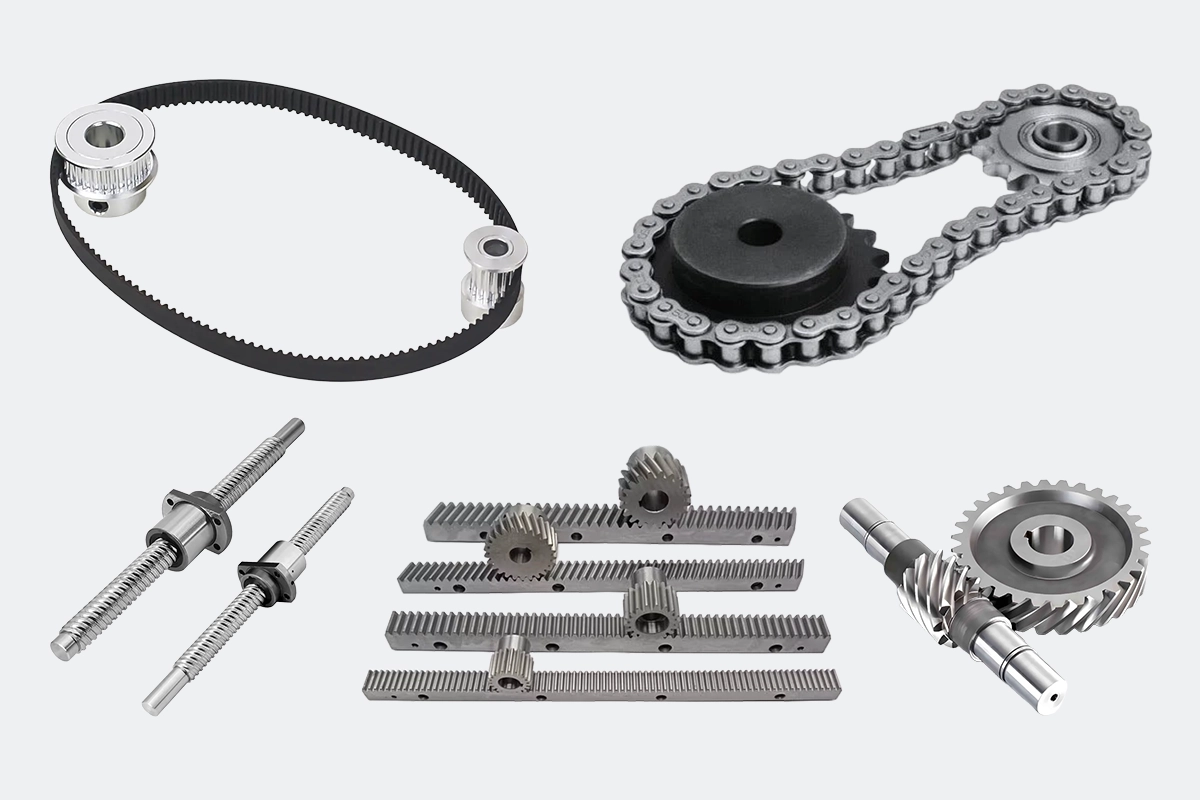
    The gear rack and ball screw are components that connect the drive motor and the mechanical structure, and play the role of power transmission and motion conversion. The rotation of the motor is transmitted through these components, driving each axis to move smoothly on the linear guide.

    The coupling is a component that connects the motor shaft and the screw shaft.

    The reducer and gear box are placed between the motor and the gear rack and ball screw, and are a speed-changing device. The reducer reduces the output speed and increases the torque by changing the transmission ratio, so that the transmission components such as gears or sliders can achieve precise speed control and moving distance. Its structure is very precise but the cost is high. The structure of the gear box is relatively simple, and the two gears are driven by the synchronous belt to rotate. Its structure is simple, cheap, and has high transmission efficiency, but its accuracy is not as good as the reducer.

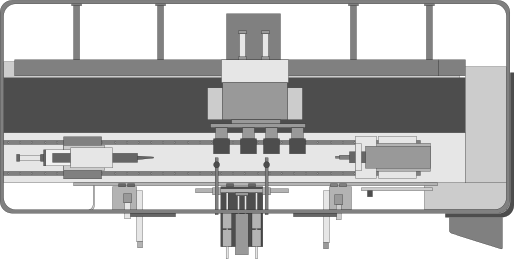
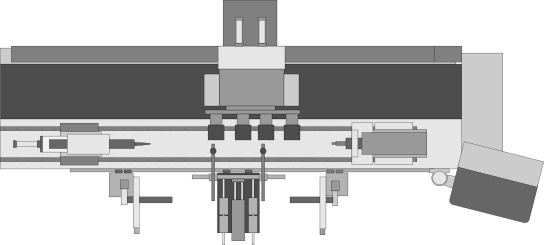
    The tool magazine is often used in routers equipped with automatic tool change spindles to store and replace engraving tools. It is suitable for complex workpieces that require multiple tools for processing.

    Rotary axes and chucks are usually used in machines with 3D processing capabilities, such as four-axis and five-axis linkage routers.

What are The Categories of CNC Router Machine?

Classification By Type of Gantry

  • Tabletop movable type: In the tabletop movable type CNC router, the gantry structure is fixed, and the spindle can only move up and down along the Z axis and left and right along the X axis. This design ensures the stability of the spindle when rotating. During processing, the table drives the workpiece to move in the Y-axis direction. This type of machine is generally expensive and is often used in the production of products with strict precision requirements, such as metal mold machines.

  • Gantry movable type: The gantry of the gantry movable type CNC router is connected to the bed through a slide rail, so it can move horizontally along the bed (Y axis). The advantage of this structure is that the cost is relatively low and the assembly technology is not difficult, making the machine price more affordable. This type of machine has a wide range of applications, and most CNC routers on the market use this structure. However, compared with the tabletop movable CNC router, the gantry movable CNC router is slightly inferior in processing accuracy.

Classification by Application Field and Processing Materials

  • Woodworking CNC router: mainly used for engraving and cutting of wooden furniture, handicrafts and other products.

  • Metal CNC router: used for engraving and processing of metal materials, such as metal molds, precision parts, etc.

  • Advertising CNC router: used for engraving and cutting in the advertising industry, such as processing of acrylic, plastic, aluminum plates and other advertising decorative products.

  • Stone CNC router: mainly used for engraving and processing of stone, used in the stone processing industry, such as stone handicrafts, tombstones, etc.

  • Foam CNC router: used for processing foam materials, suitable for processing curved reliefs of foam materials, such as casting molds, lost foam process, etc.

Classification by Number of Axes

3-axis, 4-axis with spindle rotation, 4-axis with rotary axis, 5-axis.

Classification by Size

  • Desktop type, small desktop. Common processing sizes are 300*300mm(1*1'), 300*400mm(1*1.3'), 400*400mm(1.3*1.3'), 400*600mm(1.3*2'), 600*600mm(2*2'), 600*900mm(2*3').

  • Large desktop. Common processing sizes are: 900*1200mm(3*4'), 1000*1200mm(3*4'), 1200*1200mm(4*4'), 1200*2400mm(4*8'), 1300*2500mm(4*8'), 1500*3000mm(5*10'), 2000*3000mm(6.5*10'), 2100*4000mm(7*13').

The processing table size can also be customized according to processing needs.

Application Scope

The materials that can be processed by CNC router are rich and varied, and are widely used in many industries. Its processing materials cover multiple categories such as wood, metal materials, non-metallic materials and stone. The application industries involved include but are not limited to furniture, crafts, molds, construction, advertising, stone, metal, sporting goods and musical instruments.

Applicable Materials

  • Wood: red oak, rubber wood, beech, maple, pine, ash, cherry, sandalwood, nanmu, boxwood, cypress, jujube and other wood.

  • Rigid non-metallic materials: various types of artificial wood boards (such as density boards, multi-layer boards, marine boards, OSB), PVC, acrylic, foam, aluminum-plastic boards, ceramics, gypsum, various plastics, etc.

  • Metals: copper, iron, aluminum, magnesium, tin, lead, zinc, stainless steel, various alloys, etc.

  • Stone: marble, granite, granite, bluestone, sandstone, jade, artificial stone, white marble, crystal, agate, ceramic tiles, etc.

Application Industry

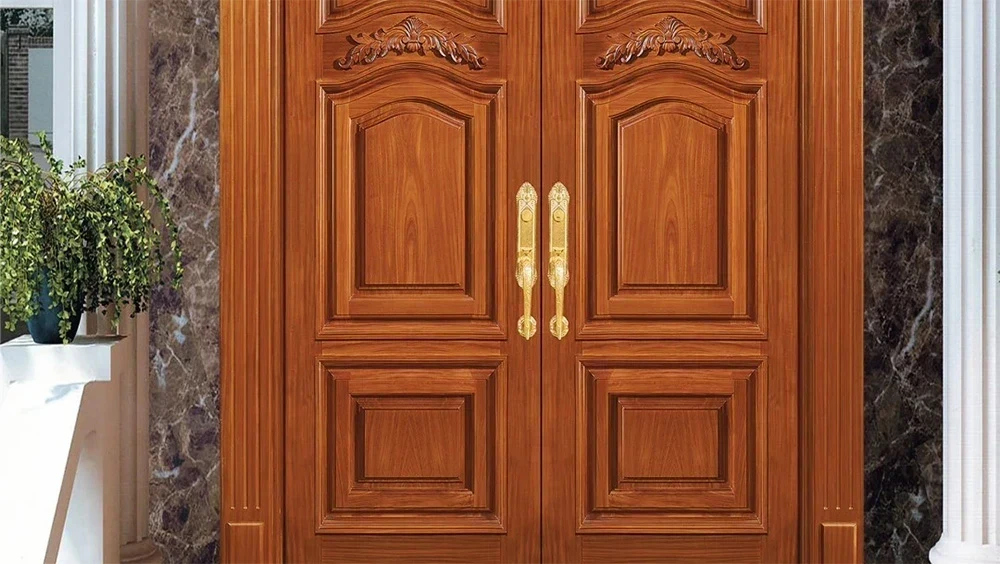
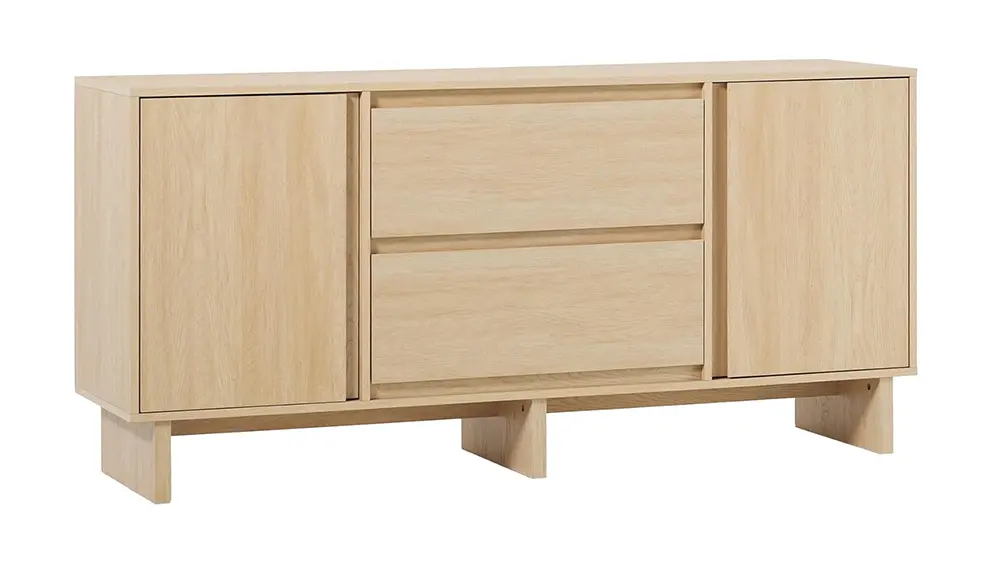
  • Furniture industry: various types of panel furniture, cabinets, wooden doors, tables and chairs, headboards, etc.

  • Construction industry: door and window frames, wood carving parts, murals, etc.

  • Advertising industry: billboards, signs, crystal characters, badges, seals, light boxes, etc.

  • Crafts industry: flat decorative paintings, sculptures, Buddha statues, etc.

  • Metal industry: mold manufacturing, engraving of circuit boards, engraving of mechanical parts, medical equipment, steel seals, etc.

  • Musical instrument industry: engraving of parts for guitars, violins, pianos, cellos, percussion instruments, guzheng, etc.

Specification

Processing Method The high-speed rotation of the spindle drives various tools to perform contact processing
Control Type Computer numerical control
Bed Heavy-duty bed made of grey cast iron or thick-walled square steel welding
Spindle 1.5-15KW high speed air-cooled/water-cooled variable frequency spindle
Spindle Speed 6000-36000r/m
Transmission Mode High-precision helical rack, reducer, ball screw
Guideway High precision linear square guide rail/flange slide
Function Cutting, drilling, milling, grooving, 2D engraving, 2.5D engraving, 3D sculpting, etc.

Price

The price of CNC routers is affected by many factors. When choosing a machine, you need to choose according to your own needs. Different processing materials, processing technology, machine configuration and machine size will affect the price of the machine. For example, the average purchase price of a mini CNC router used to engrave non-metallic materials is only about $1,850, while the machine for engraving metal or stone has relatively high requirements for mechanical structure and configuration, and the general purchase price is about $3,280. The price of non-metallic routers for commercial use is about $2,570-8,300, and the price of metal routers is about $6,500-17,000.

Processing technology is also an important factor affecting the price of the machine. Generally speaking, the price of a 3-axis CNC router is relatively low, but it can only be used to process relatively simple products. The price of a four-axis or five-axis CNC router is relatively expensive, but because of its multiple axial axes, it can process very complex workpieces and can meet your more processing needs. Users need to choose the right processing machinery according to their own production needs. In addition, for the same machine, the use of different electrical components, control systems, or additional configurations will also change the price of the machine product. Take the 1325 model CNC router as an example. If you don't need a 4.5 kW high-power spindle, we can replace it with a 3.5 kW spindle for you, which can save you nearly $130. If you are more familiar with the LNC system, we can assemble the LNC system for you, which will cost about $700. For other configurations, the automatic loading and unloading system needs to add $2,200, the independent upper and lower pressure wheels (pressing rollers) need to add $270, the drilling package needs to add $1,400, the four-axis rotary saw blade needs to add $1,800, and the four-axis swing head needs to add $3,570.

The processing range of the machine is also an important factor affecting the price. Take the basic 1325 model as an example. Its standard configuration price is about $2,500. If you need to increase it to 5x10 feet, you need to increase it by $280, and if you increase it to 7x14 feet, you need to increase it by $1,430.

Specific Price List for Each Category

Lowest Price($) Lowest Price($) Average purchase price($)
Entry-level small CNC router for beginners 1000 5700 1850
CNC wood router 1800 6850 2570
Automatic tool changing CNC router 6300 21500 8250
Four-axis CNC router 2300 23800 12150
Five-axis CNC router 21500 128500 36000
Stone CNC router 2500 37000 4200
Metal CNC mold machine 5000 31900 9280

How to Choose the Best CNC Router Machine That Suits You?

1. Clarify your own needs

First, you need to clarify your processing needs, including the type of engraving material (such as wood, stone, metal, etc.), the precision requirements of engraving, the size of the product to be processed, the complexity of the process, and the expected daily processing output.

These needs will directly determine the type of machine required (such as wood CNC router, stone CNC router, metal CNC router, etc.), mechanical structure, spindle and motor power, processing range, number of machine axes (such as three-axis, four-axis, five-axis), and the number of machines to be purchased or the number of processing stations of a single machine.

2. Carefully consider machine configuration

After determining the type of CNC router you need, you also need to consider whether the configuration of the machine meets your processing needs.

  • Spindle power and speed: The greater the power, the greater the spindle torque, and the greater the single cutting amount. Generally, it is recommended to use a high-power spindle (such as 4.5KW, 6KW, etc.) for cutting plates. For fine engraving, because the cutting amount is small, you can choose a smaller power spindle (such as 2.2KW, 3.5KW, etc.) according to your needs. The higher the spindle speed, the worse the torque. It is not that the faster the spindle speed, the more suitable it is for you. It is particularly important to choose a spindle that suits your product processing speed.

  • Mechanical structure: The mechanical structure is related to the machining accuracy. For machines with the same functions, the casting body has higher rigidity, so its accuracy is higher than that of a welded frame made of thick-walled square tubes. The accuracy of a table-moving-type machine is higher than that of a gantry-moving-type machine. The accuracy of a machine whose moving axes are driven by ball screws is higher than that driven by a gear-rack system. Thanks to the development of technology, the accuracy of basic-model machines can now reach within 0.1mm (3.9 mil). Therefore, unless you are in an industry with extremely high requirements for accuracy, you generally don't have to choose a more expensive machine specifically for the sake of accuracy.

  • Motor power: The size of the motor power directly determines the torque of the machine. Small machines generally use a 750W motor to meet various processing requirements, while large machines can choose 1KW, 1.5KW and other higher power motors.

  • Controller: The controller can be divided into several forms such as DSP handle, control board or industrial computer, and the built-in operating systems of controllers of different brands are also very different. If you have used a certain brand of CNC system before, it is recommended that you choose products of the same brand, so that you can quickly become familiar with the use and operation of the machine after getting started with the new machine. For beginners, we recommend following the manufacturer's advice to choose a CNC system. Usually, the system recommended by the manufacturer is widely used in the industry, with good operation convenience and quality stability. The manufacturer itself is more familiar with this type of system, so after-sales training and other aspects will be more timely and professional.

  • Transmission structure: The transmission structure has an important influence on the service life, processing stability and processing accuracy of the machine. Generally speaking, the quality of transmission components from well-known brands is more guaranteed, such as TBI's screw rod, Taiwan's Hiwin's guide rail, and Japan's Shinpo reducer, which are all very high-quality choices.

3. Choose high-quality brands and suppliers

When purchasing a machine, you should choose a brand with excellent reputation, a certain scale, many years of production experience and perfect after-sales service. This can ensure that the equipment structure design is reasonable, the machine assembly production process is mature, and the after-sales service is professional and timely. You can conduct a comprehensive evaluation by checking user reviews, contacting the factory for trial machine proofing, consulting professionals or field visits.

What are The Engraving Methods of CNC Routers?

According to the engraving dimension, it can be divided into 2D, 2.5D and 3D.

2D refers to plane engraving, which is the most common processing technology in CNC routers. Its characteristics are that the engraving depth is generally shallow, and various lines, texts, patterns, etc. are produced on the plane by grooving or milling. 2D engraving is usually performed on wooden boards and is used to produce various types of panel furniture, wooden doors, billboards, flat engraved artworks, etc.

Although 2.5D is also attached to a flat carrier, its engraving depth is deeper than 2D engraving and can be layered. The engraved body is separated from the plane of the original material, thus presenting a certain three-dimensional and layered sense. Such as the processing of decorative panels such as building facades, panels of classical furniture, chair backs, background walls, screens, commemorative coins and other patterns or patterns.

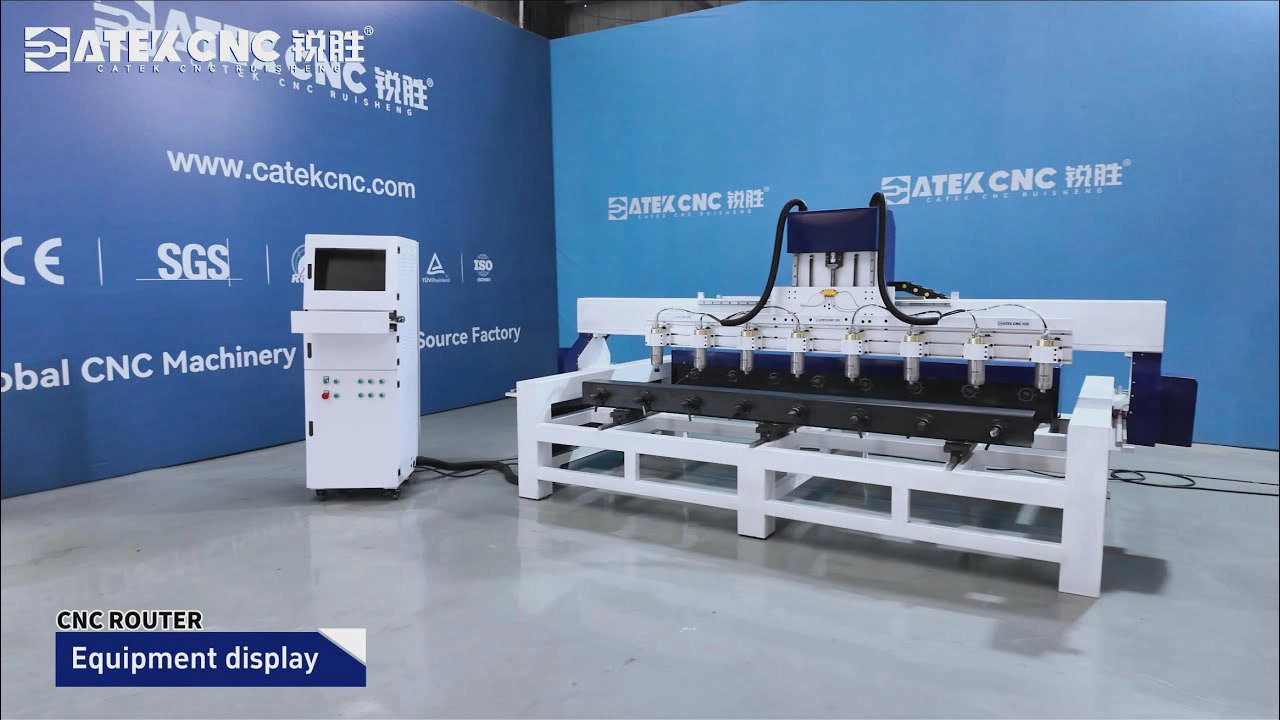
3D engraving involves the three-dimensional processing of workpieces. It will perform a 360-degree engraving operation on the workpiece. It is mainly used for the processing of sculptures and model products. There are two types of machines of this type. One is a four-axis machine equipped with a rotating axis, which is mainly used for carving the rotating surface of cylindrical objects. Its processing method is very similar to that of a carving lathe that supports four-axis linkage. It is usually called a wood sculpting machine. The other is a more complex five-axis machine, which can truly achieve 360-degree carving without dead angles. It is mainly used to make super-complex products such as models, and is usually called a model making machine.

Use and Maintenance of CNC Router

Machine installation

CNC routers are divided into two types of processing platforms, namely aluminum alloy T-slot tables and vacuum adsorption tables. Please install and use them according to the platform actually selected by the CNC router.

Installation of the aluminum alloy T-slot table: After assembling the hold-down clamp together, use the T-slot and hold-down clamp in combination, and tighten the hold-down clamp screws to fix the material. When using the hold-down clamp, please pay attention to the height of the hold-down clamp screws and the position of the hold-down clamp to avoid collision with the spindle due to improper height or position of the hold-down clamp during processing, which may lead to tool damage and other problems.

Installation of the vacuum adsorption table: The rubber strip of the vacuum adsorption platform needs to be placed in the card slot of the vacuum table. It mainly plays a sealing role, making it easier to form a vacuum between the table and the processing material, so as to more firmly absorb the material. Since there are a large number of grooves in the vacuum adsorption table, the vacuum adsorption strip can also be used to flexibly adjust the adsorption area according to the size of the workpiece. It only needs to seal the surrounding contours of the sealing strip to be less than 10mm than the outer contour of the raw material. After sealing, you also need to connect the vacuum adsorption connection hose at the rear of the machine to the vacuum pump, and use a special clamp to fix the hose to the vacuum pump exhaust pipe.

Machine use
  1. Turn on the power: Open the control cabinet and find the air switch inside it. This switch is at the input line of the machine power supply. Regardless of the input voltage is 110V, 220V, 380V or 430V, etc., follow the principle of connecting the rightmost wiring port to the neutral wire and the leftmost wiring port to the live wire. Press the power cord tightly and the wiring is completed. When installing the machine, please make sure that the machine is effectively grounded.

  2. Tool selection: CNC routers can be adapted to various types of tools with round tool handles. It is particularly important to choose suitable tools and tool holders. Different tools are suitable for different processing scenarios and processing speeds. During the processing, thinner tools need to reduce the speed appropriately and reduce the processing speed simultaneously to prevent unexpected situations such as broken tools during processing.

  3. Start using: Regardless of the brand of control system used, you need to return to the mechanical origin when you start the machine for the first time to confirm the coordinate zero point of the machine. After returning to zero, click the X, Y, Z, A and other axis direction buttons to drive the machine to move. Next, place the material, fix the material on the machine through a hold-down clamp or vacuum adsorption, and then move each axis to the processing starting point to start automatic processing.

Note: The processing starting point is related to the drawing. When making the processing drawing, you can set the processing starting point according to the actual situation of the product.

Lubrication and maintenance of the machine

After daily processing, be sure to clean the machine, keep the machine guide rails, sliders, and racks clean to avoid malfunctions or affect the accuracy of the machine due to improper machine cleaning. In addition, lubrication has an important impact on all aspects of the machine. Please ensure that the machine can be lubricated in time during the processing process. You can accurately set the lubrication time and lubrication interval time by using the lubricating oil pot.

  • Reduce friction and wear: The lubricating oil provided by the lubricating oil pot can form an oil film between mechanical parts, reduce direct contact between metals, thereby reducing friction, reducing component wear, and extending the life of the equipment.

  • Heat dissipation and cooling: The lubricating oil can take away heat during the circulation process, help cool down components such as linear guides and bearings, and prevent equipment damage or performance degradation due to overheating.

  • Anti-rust and anti-corrosion: The lubricating oil in the lubricating oil pot contains anti-rust and anti-corrosion additives, which can effectively isolate moisture and corrosive substances in the air, protect the metal parts of the CNC router from rust, and maintain the good working condition of the equipment.

  • Reduce noise: Good lubrication can reduce the friction noise between parts, making the equipment run more smoothly and quietly.

  • Improve efficiency and precision: By reducing friction, lubricating oil helps to improve the operating efficiency and processing accuracy of the CNC router, ensuring high-quality output of engraving works.

Last Updated:
2026-03-10

CUSTOMER REVIEWS

  • As an advertising production practitioner, this CNC router fully meets my needs! The cutting depth and speed can be precisely adjusted, and the processing efficiency is 30% higher than before. The machine has been running normally for half a year, and there have been no problems in processing. The edges of the processed workpieces are very smooth. And the after-sales service is also very timely, from packaging to use.

    Diaz

    mx
    Jan 15, 2025
  • Normalmente trabajo cortando maderas, pero a veces también necesito procesar espuma o cuero. Por eso decidí comprar esta máquina CNC para madera con cabezal de vibración. La verdad es que cumple perfectamente con lo que esperaba, todo funciona muy bien.

    Marequip

    ec
    Apr 05, 2025
  • I’ve been looking forward to this CNC wood router machine for what feels like ages — two full months of eager anticipation. As someone who runs a workshop with several CNC machines already, this was my first time importing directly from overseas. Given my higher budget and specific needs, I decided to go all-in and chose their Spire series.

    Now that it’s here and running, I can confidently say: it lives up to every claim. The build quality is exceptional — every component feels carefully selected and robust. The attention to detail in the machining, the structure, and even the finishes tells me this isn't just another industrial tool; it's a proper high-end CNC machine.

    Foster

    us
    Jan 03, 2026
  • Since I was just starting my business, my cost was very low, only enough to purchase this small 6090 CNC router. However, its powerful features allow me to easily handle various orders. I use it to create advertisements and also use it to make some small crafts during business hours. It has turned many of my ideas into reality, and I highly recommend this CNC router.

    Sahakyan

    am
    Feb 26, 2025
  • I’ve been looking forward to this CNC router for a long time. When it finally arrived, I couldn’t wait to start carving right away.

    However, the installation and setup took me almost a full day. Once everything was finally put together, I realized… I actually had no idea how to operate this machine properly. So, here I am, starting from scratch and learning CNC step by step.

    Nelemans
    us
    Dec 04, 2025
  • I'll be honest, I was pretty on the fence before buying this one. I was comparing it directly with a machine from another factory. Theirs was cheaper, about $200 less than this one, and that price even included shipping, whereas this was just for the bare unit.

    But once I really sat down and compared the specs, the story changed. This router machine has a 3.5kw water-cooled spindle, servo motors, and an auto-lube system. I don't really need the auto-lube, I'll admit, but the benefits of those servos are a massive game-changer. That's what finally sold me, so I went ahead and ordered it.

    The machine arrived last week. Since I've run this type of equipment before and the control system is the familiar DSP A11, it was an absolute breeze to get it from the crate into full production. The whole thing has been ridiculously straightforward. No dramas at all.

    Albayrak

    au
    Sep 13, 2025
  • Even though it's a holiday today, I just can't hold back my happiness! After waiting for two months, my CNC wood router machine has finally arrived. The delivery took some patience, but it was worth the wait.

    Unboxing it was straightforward, and I want to especially thank the technical support team on WhatsApp. When I had a small question about the setup, someone from the group helped me immediately. Their guidance was clear, and I managed to get everything installed and running surprisingly fast.

    The LNC system on this machine is very, very easy to use. I was worried it would be complicated, but the menus are simple and the instructions make sense. I feel confident even as a beginner.

    I have a stack of wooden boards ready, and I'm so excited to start my first project with it.

    Mark

    mw
    Dec 28, 2025
  • This CNC router machine is mostly used in my workshop for wood and MDF work. The details come out clear, and the machine stays stable even during longer engraving jobs. Operation is simple and doesn’t take much time to learn.Thanks to Zoe for recommending the machine for my project.

    Ismael

    iq
    Jan 14, 2026
  • This 4axis CNC router is really handy. We’ve been making curved chair legs, lamp posts, and some decorative pieces. Cuts are accurate, machine is steady, and once you get the settings right, it’s easy to use. Happy we got it.

    Denis

    ke
    Mar 23, 2026
  • I am very satisfied with my order for this CNC router machine. It's not just about the high-quality build of the machine itself, but more importantly, the excellent after-sales support. Their service has been consistently reliable, both before and after the purchase. This commitment makes them a trustworthy partner.

    Durguti

    xk
    Sep 10, 2025
Share this:
Menu